
Athlete
Here’s something most players never figure out: the best competitors aren’t grinding one game forever. They’re building a set of fundamentals so sharp that switching genres barely slows them down. Aim discipline. Map reading. Resource decisions under pressure. These aren’t game-specific tricks — they’re the actual engine behind elite performance, and they carry over. Whether you’re moving from CS2 into Valorant, jumping out of Apex Legends into Rainbow Six Siege X, or picking up an extraction shooter after years of arena play, the core skills you’ve already built are more portable than you think. The Universal Skills Matrix Six skills sit underneath almost every competitive genre. Master these, and switching games becomes adaptation rather than starting over. Skill Transfers From Transfers To Aim and precision FPS aim trainers, tac shooters Third-person shooters, tactical games Game sense and map awareness MOBAs, tactical shooters Siege X, Tarkov, squad-based games Resource management RTS, strategy games RUST, DayZ, RPGs, survival crafting Reaction time and decision-making Fighting games, rhythm games Almost every competitive genre Team coordination Team MOBAs, raids, squad shooters Squad, co-op survival, hero shooters Positioning and movement Platformers, arena shooters BRs, tactical FPS, extraction shooters The pattern here isn’t coincidental. These skills share underlying structures across genres — timing, tracking, coordination, information management. That’s exactly why they travel. How Skill Transfer Actually Works Motor learning research gives a clear explanation for why competitive gaming fundamentals are so portable. When you repeat a motor pattern enough — crosshair placement, flicking to a target, controlling recoil — that movement gets encoded deeply. When you encounter a similar timing or tracking demand in a new game, your nervous system doesn’t start from zero. Cognitive transfer follows the same logic. If two games share structural demands — reading enemy patterns, making fast choices with incomplete […]

Horse racing is one of the world’s most followed sports, meaning that it is unsurprising that many sportspeople typically look to venture into the lucrative world of racing. There have been mixed fortunes throughout history, with some achieving notable success, while others have faltered in their dreams of winning on the field and on the track. Regardless, racing continues to be one of the most popular sports in the world, with many newcomers typically learning more about the odds here: http://twinspires.com/betting-guides/what-do-horse-racing-odds-mean/ So, who are some of the notable sportspeople that have achieved cross-sport success in racing? Mick Channon Reaching the pinnacle in one sport wasn’t enough for Mick Channon, as he sought after a new challenge after retiring from soccer. On the pitch, the striker was a revered forward, scoring 157 goals in 391 appearances for Southampton, and also enjoying spells in the Football League with Manchester City and Newcastle. Channon would also represent England on 46 occasions between 1972 and 1977, scoring 21 goals in 46 games. However, he holds the record for being the most-capped Englishman without representing the nation at the World Cup or European Championships. After retiring from soccer, Channon revisited his passion for horse racing, becoming a full-time trainer in 1990. His connection to soccer would see him train horses for figures such as Kevin Keegan, Sir Alex Ferguson, and Alan Ball. Channon would achieve major wins on track during his training career, winning Group Ones in the UK, Ireland, Germany, Italy, and Canada. His most notable win would come in the Irish 1,000 Guineas with Samitar in 2012. Victoria Pendleton Competing at the highest level of sport is no easy feat, but Victoria Pendleton reached remarkable highs during her career. The British cyclist would win two Olympic titles, as well as World and Commonwealth […]
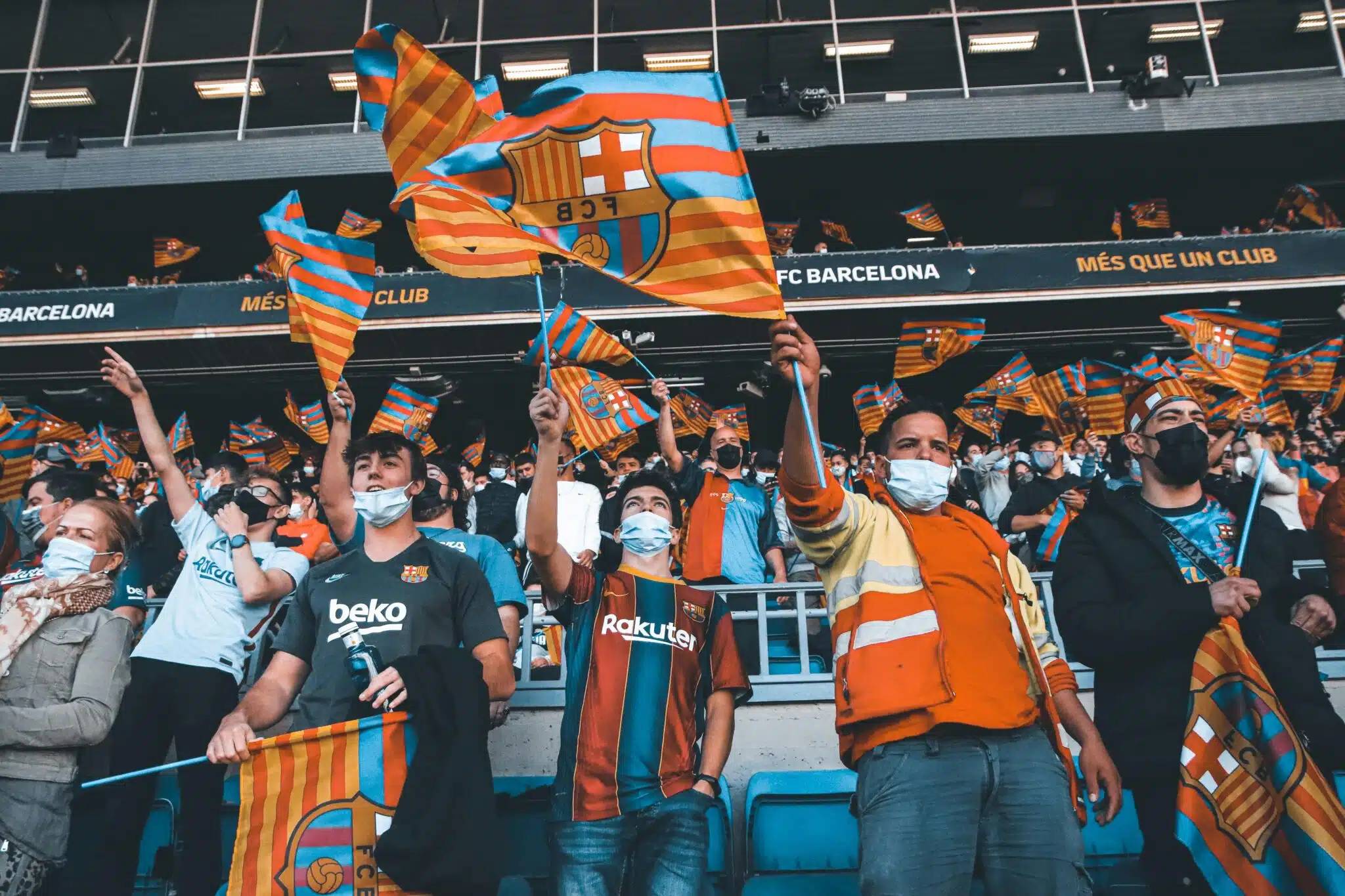
A club that has never been rated as the best in defending, and here I have the hardest responsibility to talk about the best defenders that have ever worn Barca’s jersey. Before I dive into the list of the best Barca defenders, I would like to say that this is solely my opinion, and you are very welcome to drop your opinion in the comments. Covering all the defenders in a single content piece is not possible (every one of them needs their own content to cover all their achievements), so I might miss some of them. My list will include everyone from the most recent eras to the early stages of the club. If that sounds interesting to you, let’s dive right into it. Miguel Bernardo Bianquetti You might not even have heard of his name unless you are a die-hard Culer, but if we are talking about Barcelona defenders and history, Migueli simply has to be here. There is no way around it. Was he perfect? No. But he was consistent. And consistency in the defense is super important. Neither was he flashy like most other modern defenders, nor was he elegant in the modern sense, but what he brought to Més Que un Club was reliability and leadership, at a time when defending was most needed for a struggling team. Migueli wore the badge with pride for over 10 seasons. He fought for every ball and led the team during a difficult time. For a Barca fan like me, that is enough to earn my respect. He represented an era where defenders were judged by how hard they fought, not how well they passed. That’s why he is one of the greatest ever Barcelona defenders. Sigfrid Gracia He is the most underrated defender of this time for […]
There’s something about the sound of a basketball bouncing on hardwood that cuts through the noise of college life. Maybe it’s the rhythm, or the way it signals a break from lectures and deadlines. For thousands of students across campuses in the US and beyond, basketball isn’t just a sport. It’s a social anchor, a stress valve, and sometimes the difference between feeling isolated and feeling connected. When you think about university sports life, basketball occupies a strange middle ground. It’s not football with its massive infrastructure and weekend spectacles. It’s not niche enough to fly under the radar either. Basketball exists in this accessible sweet spot where nearly anyone can pick up a ball, find a court, and join in. That accessibility matters more than most people realize. The Physical and Mental Reset Students Actually Need College students are notoriously bad at managing stress. The Centers for Disease Control reported that approximately 60% of college students experienced overwhelming anxiety in 2023, with academic pressure being the primary culprit. Basketball offers something textbooks and therapy apps can’t quite replicate: immediate physical release combined with mental focus. A pickup game doesn’t require scheduling weeks in advance or committing to a full season. Students juggling coursework, part-time jobs, and the occasional need to write papers for money need flexibility. Intramural basketball provides exactly that. Graduate school applications add another layer of pressure, with students often needing to buy personal statement online to meet competitive deadlines while maintaining their academic performance. You show up, you play, you leave feeling different than when you arrived. The student athlete experience at the varsity level is more structured, obviously. NCAA Division I basketball players at schools like Duke, UCLA, or Gonzaga operate on different schedules entirely. But even recreational players benefit from the same core mechanisms: […]