
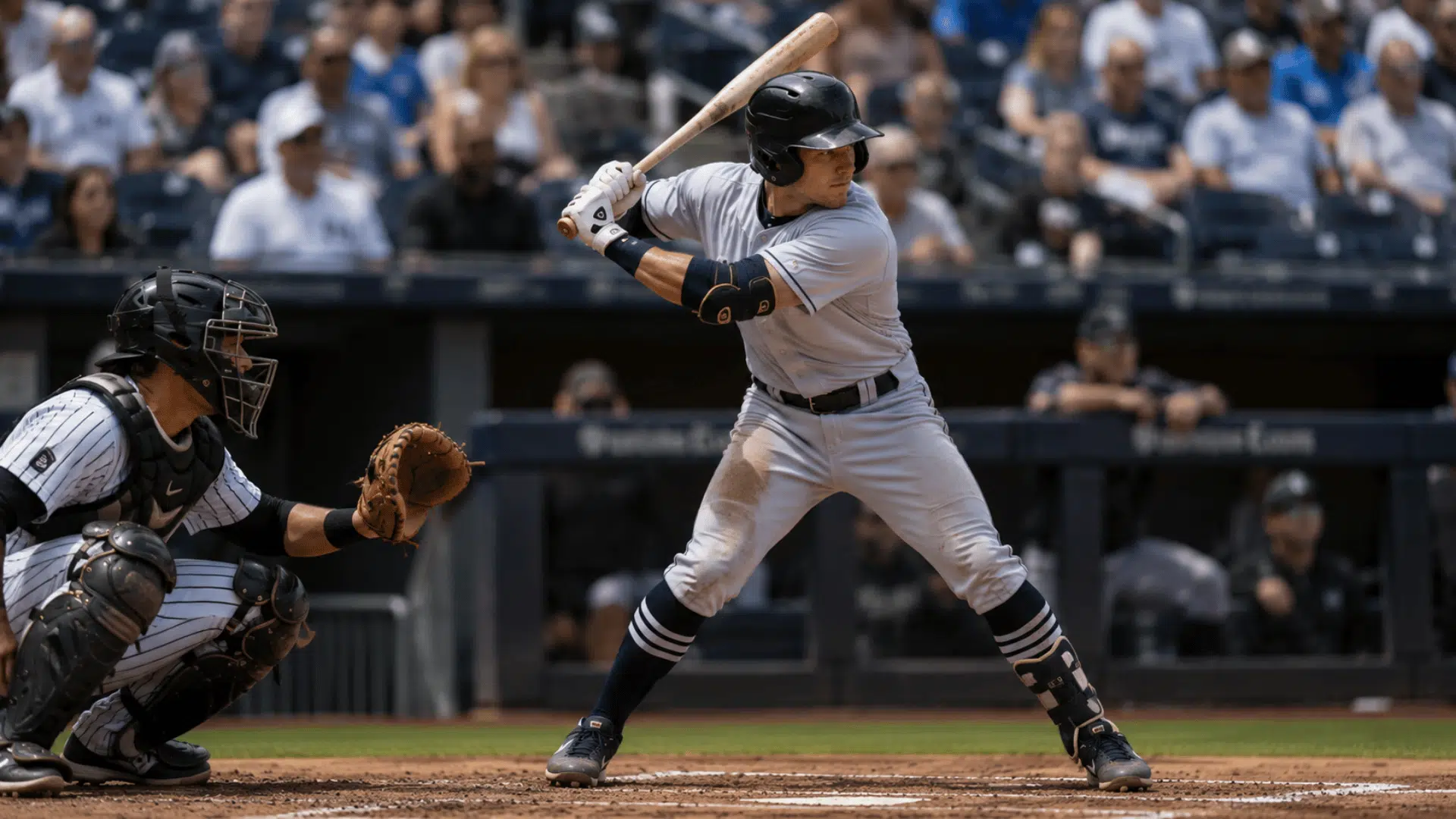




Choosing the right baseball equipment helps you play safely and with confidence. Bats, gloves, helmets, and cleats vary by size, position, and age group, and using the wrong gear can affect performance and increase injury risk.
If you are starting baseball or helping your child begin, choosing the right equipment matters more than you may think.
In this guide, I will share some of the most important baseball equipment every player must have for practice and game day. You will learn about bats, gloves, helmets, cleats, protective gear, training tools, and helpful accessories.
By the end, you will have a clear idea of what you really need and how to choose equipment that fits your playing style and budget well.
Why the Right Baseball Equipment Matters?
Having the proper baseball equipment can make a big difference during games and practice. Players need gear that helps them stay safe, move comfortably, and play their best on the field.
Items like helmets, gloves, cleats, and protective pads are important because they help reduce the risk of injury and improve performance.
Good equipment also makes it easier to practice basic baseball skills such as throwing, hitting, catching, and running.
If the gear does not fit well or becomes damaged, it can affect both comfort and safety. That is why many coaches and players pay close attention to the quality and fit of their equipment.
No matter your skill level, using the right baseball gear can help you feel more prepared, focused, and comfortable throughout the season.
List of Baseball Equipment that Every Player Needs
Before stepping onto the field, every baseball player needs the right gear to stay safe, play confidently, and perform at their best.
1. Baseball Bats
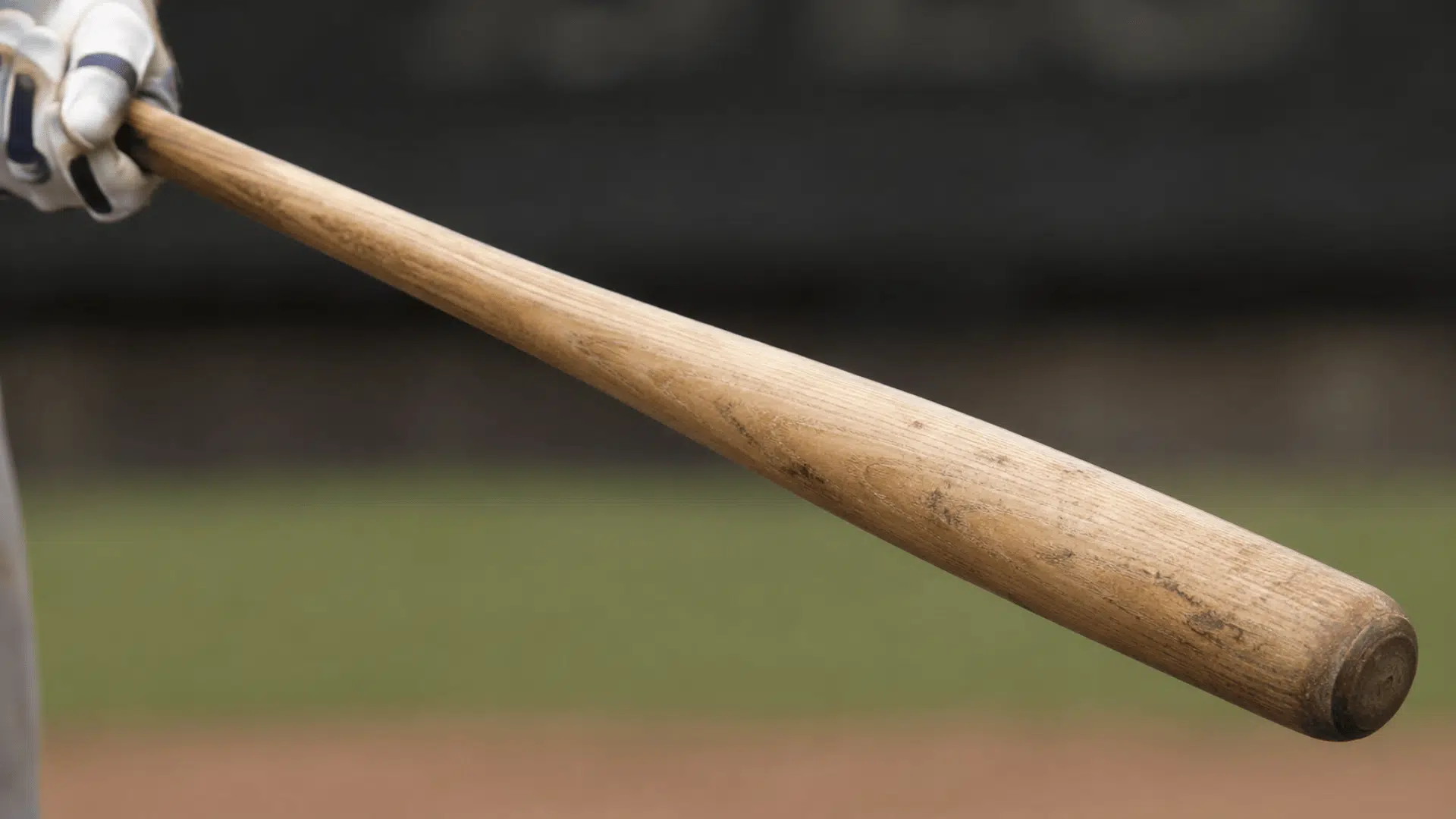
Baseball bats are important because they help players hit the ball with better power, speed, and control. The size, weight, and material of a bat can affect a player’s swing and overall performance during the game.
Wooden bats are mainly used in professional baseball, while aluminum and composite bats are popular in schools and amateur leagues because they are lighter and stronger.
Modern bats improve comfort, balance, and accuracy, helping players perform better and build confidence.
Popular baseball bat brands include Louisville Slugger, Marucci, Easton, DeMarini, and Rawlings, known for their quality, durability, and advanced bat technology.
2. Baseball Gloves
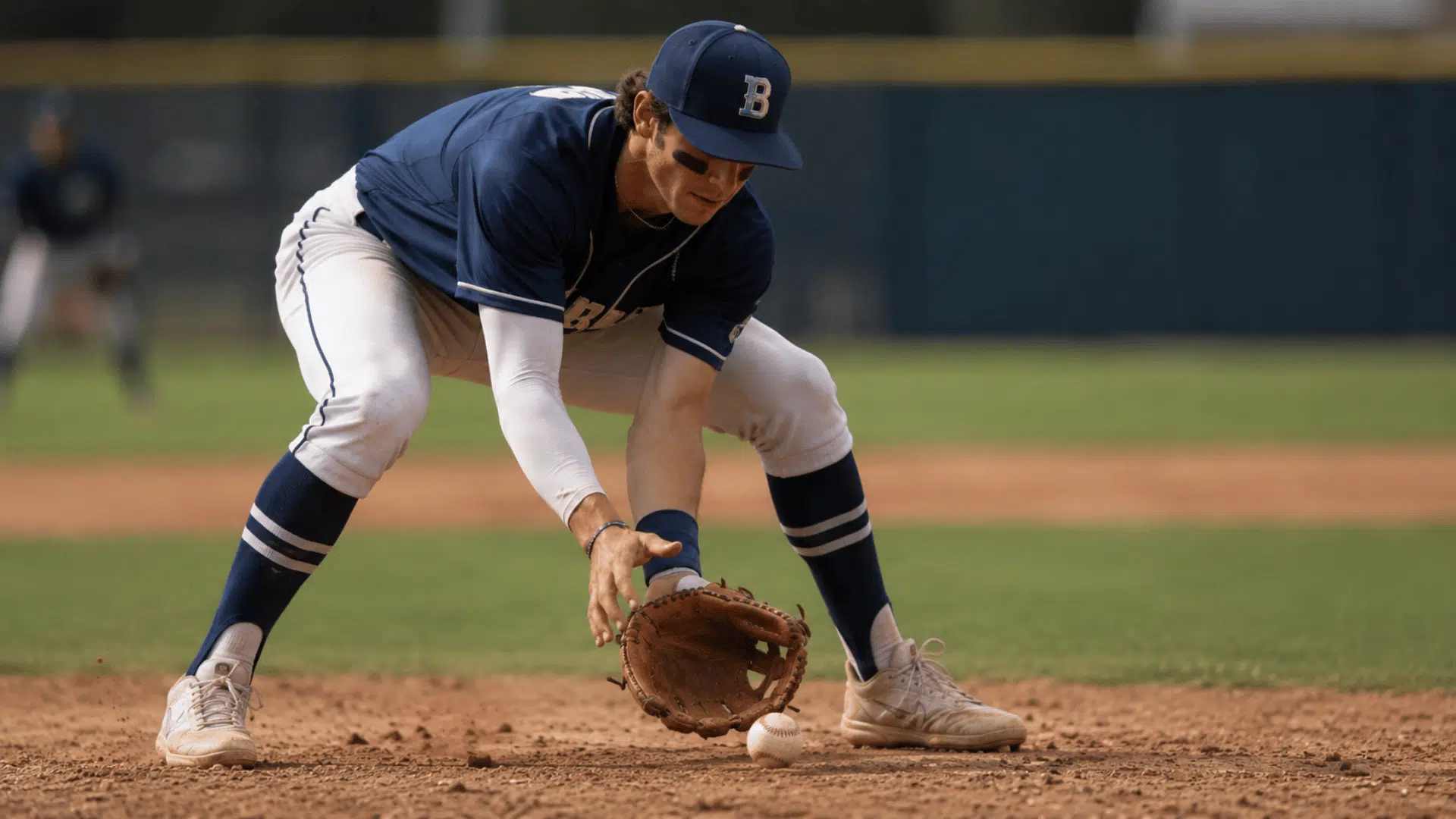
A baseball glove is a specialized leather glove designed to help players catch, secure, and control the ball during play.
Its importance goes beyond basic protection, as it directly affects a player’s fielding performance, reaction time, and ball-handling ability.
Different glove designs fit specific positions for better performance. Quality gloves also improve grip, flexibility, and protection while reducing hand injuries.
Popular baseball glove brands include Rawlings, Wilson, Mizuno, Nokona, Marucci, Easton, and All-Star for performance and durability.
3. Baseball Helmet
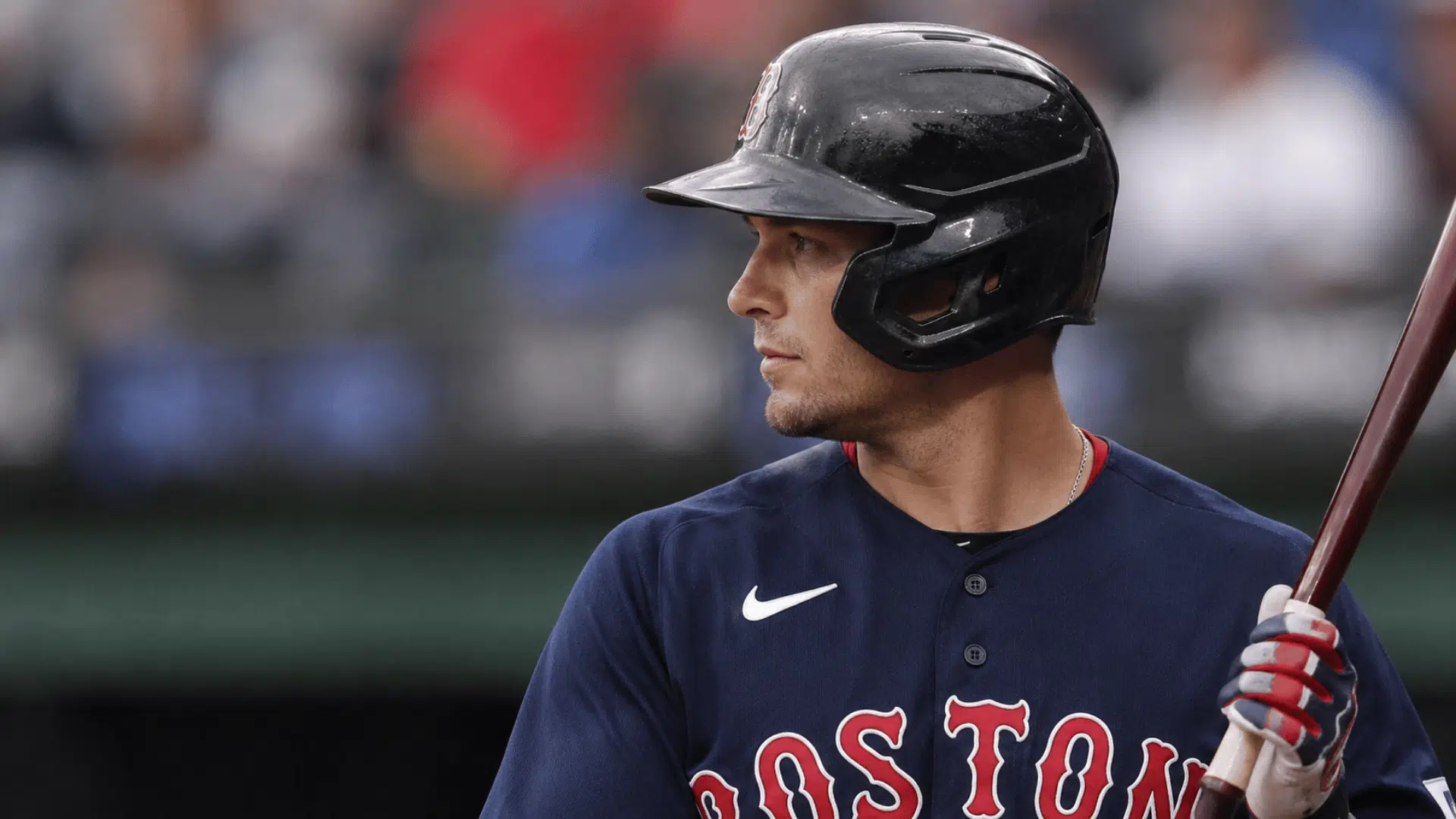
A baseball helmet protects players from serious head and face injuries, especially when facing fast pitches.
Modern helmets are designed with strong impact-resistant materials, inner padding, and face guards for added protection and comfort.
Advanced helmet technology improves fit, airflow, and protection, helping players stay safe and focused during games.
Popular baseball helmet brands include Rawlings, Easton, EvoShield, Mizuno, and All Star, known for advanced safety features, durability, ventilation, and player comfort.
4. Baseball Cleats
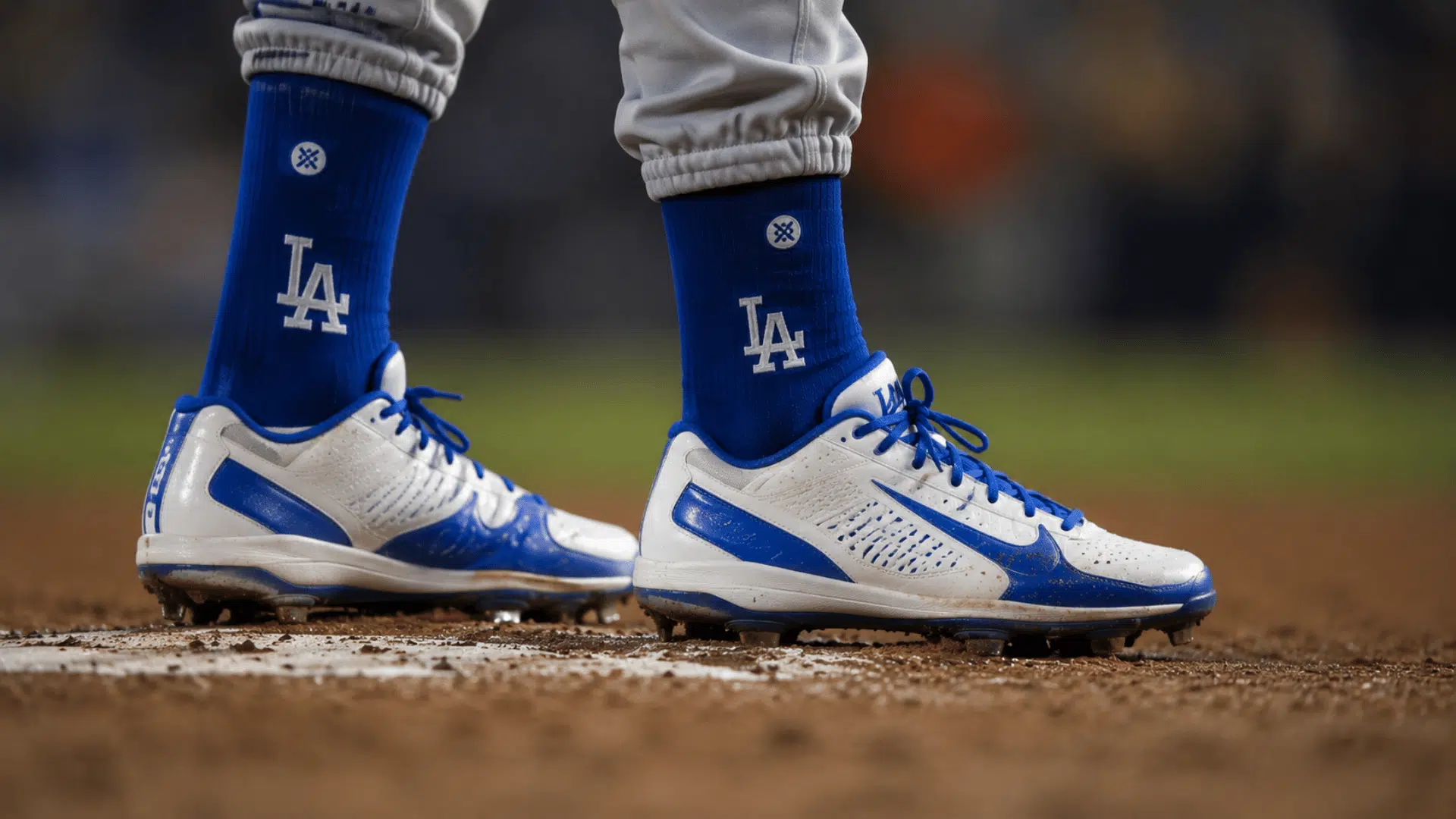
Baseball cleats are specially designed shoes that provide players with traction, balance, and stability on the field. They are important because they improve movement during running, batting, fielding, and quick direction changes.
The spikes on the sole help players maintain grip on grass and dirt surfaces, reducing the risk of slipping during intense gameplay.
Modern baseball cleats improve comfort, support, and durability for better speed and control on the field.
Popular baseball cleat brands include Nike, Adidas, New Balance, Under Armor, and Mizuno, known for comfort, durability, ankle support, and performance-focused designs.
5. Batting Gloves
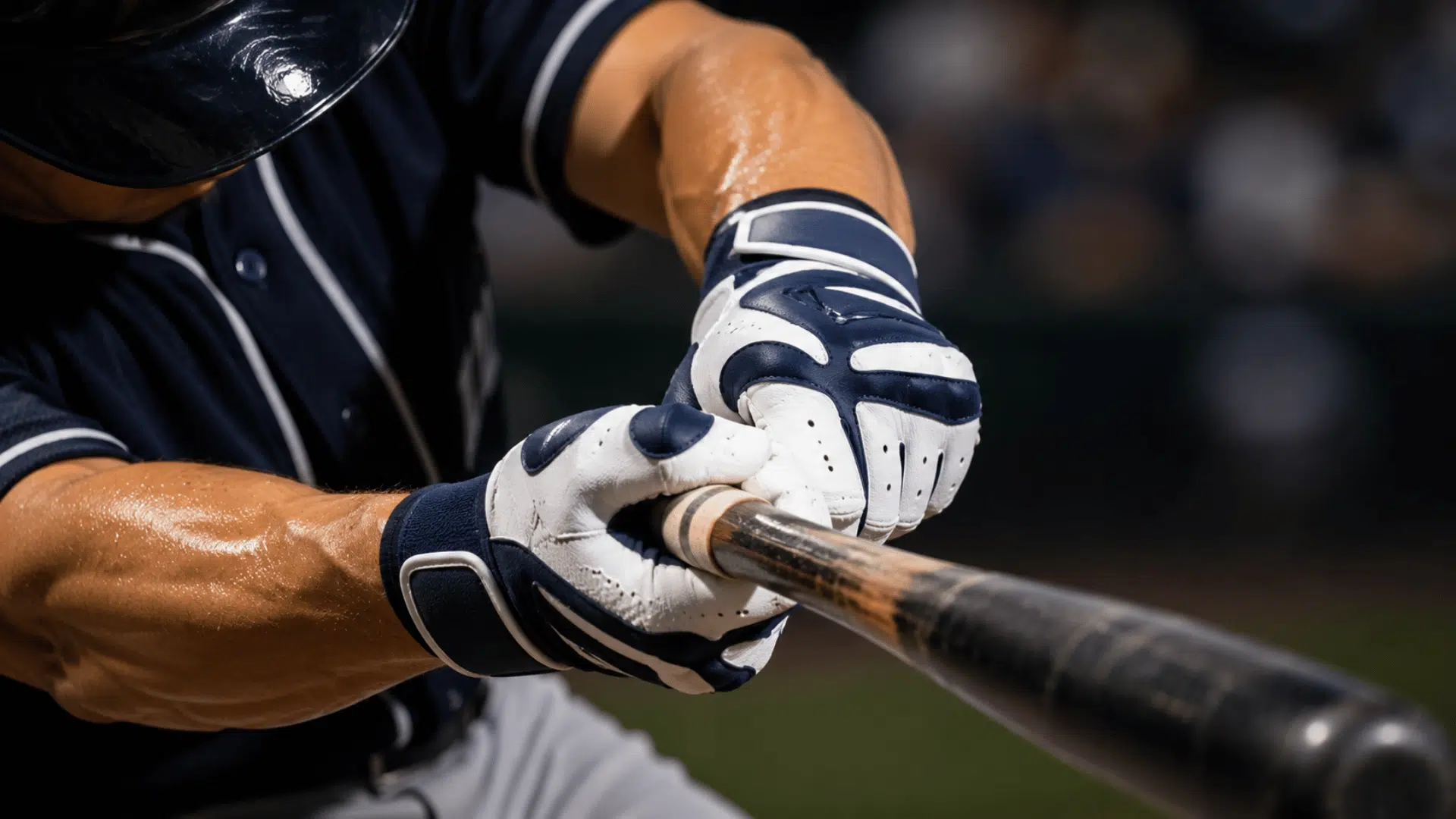
Batting gloves are lightweight gloves worn by baseball players to improve grip, comfort, and bat control while hitting.
They help reduce hand vibration and friction, lowering the risk of blisters and discomfort.
Modern batting gloves are made with flexible materials and padded palms to provide better grip and shock absorption.
They also improve confidence at the plate by giving players a more secure, controlled feel when swinging the bat.
Popular batting glove brands include Franklin, Nike, Under Armor, EvoShield, and Marucci, known for comfort, durability, grip, and performance-focused designs.
6. Protective Gear
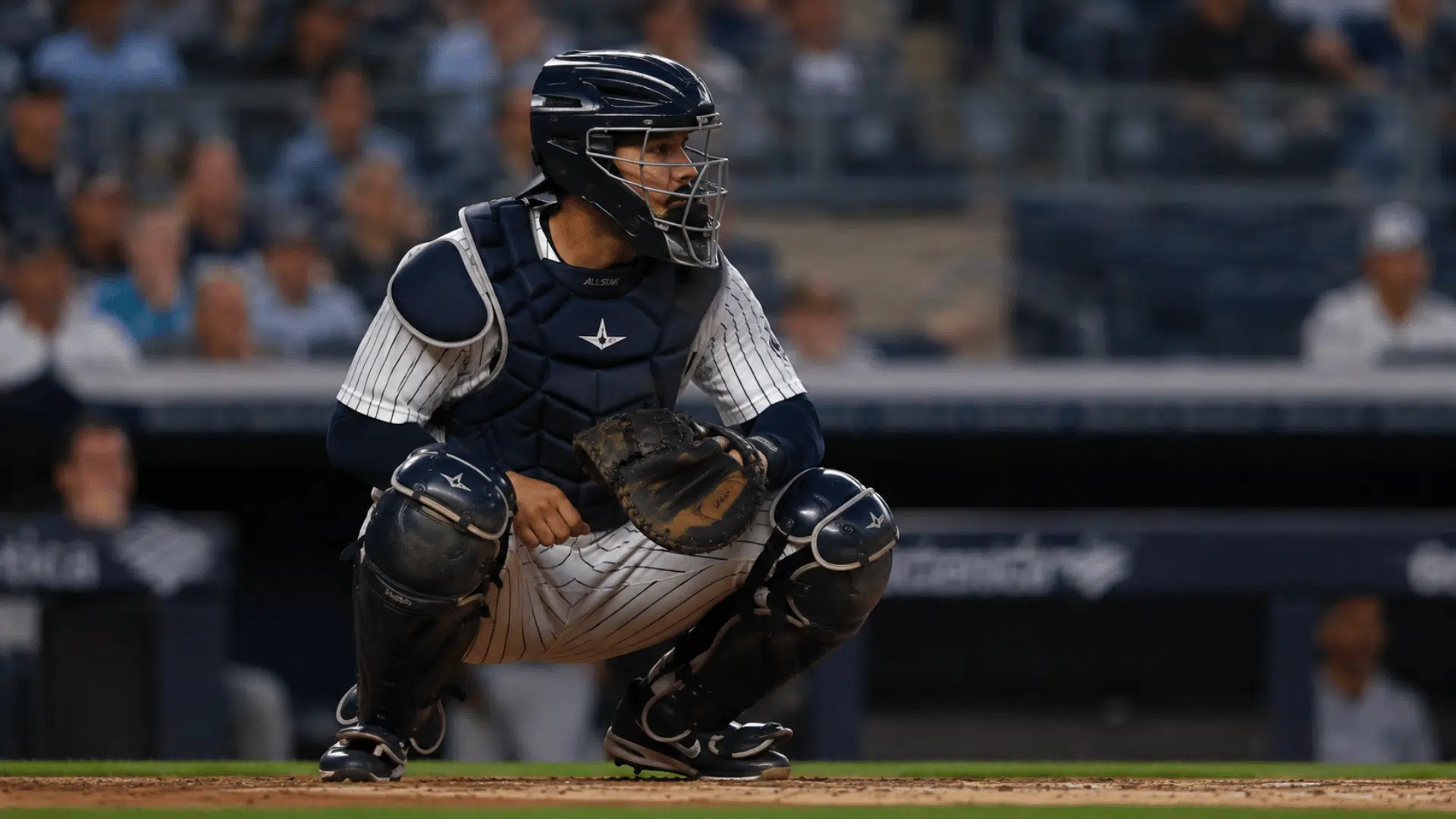
Protective gear in baseball includes helmets, chest protectors, shin guards, face guards, mouth guards, and sliding pads, designed to reduce the risk of injury during gameplay.
It is especially important because baseball involves high-speed pitches, hard-hit balls, and physical contact while sliding or fielding.
Catchers require additional protection due to their position behind the batter.
Modern protective gear improves safety, comfort, and movement while helping players perform with confidence.
Popular protective gear brands include Rawlings, All Star, Easton, EvoShield, Mizuno, and Wilson, known for safety, durability, comfort, and advanced impact protection technology.
7. Training Equipment
Training equipment in baseball includes tools such as batting tees, pitching machines, agility ladders, resistance bands, weighted balls, and practice nets used to improve player performance and skill development.
These training aids help players improve strength, speed, coordination, and reaction time through regular practice.
Modern training equipment helps players improve technique, consistency, and overall performance safely.
Popular baseball training equipment brands include SKLZ, JUGS, Rawlings, Franklin Sports, Tanner Tees, and PowerNet, known for durability, performance, and skill-focused training solutions.
Complete Baseball Equipment Checklist
Having the right baseball equipment helps young players stay safe, comfortable, and confident during practices and games. Proper gear also supports skill development and improves overall performance on the field.
| Baseball Equipment | Purpose | Recommended For |
|---|---|---|
| Baseball Bat | Helps players hit the ball effectively | Beginner and youth players |
| Baseball Glove | Improves catching and fielding skills | All field positions |
| Batting Helmet | Protects the head during batting | Safe gameplay and practice |
| Baseball Cleats | Provides grip and stability on the field | Running and quick movements |
| Baseball Pants | Adds comfort and protection while sliding | Games and training sessions |
| Protective Guards | Reduces the risk of injuries during games | Young safety-focused players |
| Equipment Bag | Keeps gear organized and easy to carry | Travel and storage convenience |
| Baseball Socks & Belt | Completes the uniform and improves comfort | Daily baseball wear |
Picking the Best Baseball Gloves for Your Position
Different baseball positions need different glove styles and sizes. Using the right glove can improve comfort, catching ability, and overall performance.
- Infield Gloves: Smaller gloves help infield players catch and throw the ball more quickly during quick plays around the bases.
- Outfield Gloves: Larger gloves give outfield players better reach and help catch high fly balls more safely during games.
- Pitcher’s Gloves: Closed-web gloves help pitchers hide grip changes and keep pitches less noticeable to opposing batters during games.
- Catcher’s Mitts: Catcher’s mitts have extra padding and stronger support to handle fast pitches comfortably throughout long baseball games safely.
- First Base Mitts: First base mitts are longer and wider, helping players catch throws more easily while stretching near the base safely.
- Glove Size: Choosing the correct glove size improves comfort, ball control, and overall confidence while consistently catching and fielding during games.
How Protective Gear Reduces Injuries?
Protective gear helps lower the chance of injuries during baseball games and practice. Items like helmets, elbow guards, shin guards, and protective cups cover key body areas that can be injured by fastballs, bats, slides, or player contact.
This gear adds padding and support, helping absorb strong impacts before they reach the body.
Protective equipment also helps players feel safer while playing. When players feel protected, they can focus better on catching, hitting, running, and fielding rather than worrying about injury.
Good protective gear can also prevent cuts, bruises, broken teeth, and other painful injuries that may keep players out of games for weeks.
I have watched programs where youth players wore hand-me-down helmets two sizes too large, and in those cases, the helmet shifts on impact rather than absorbing it, negating the protection entirely.
Fit checks before each season are not optional.
Important Safety Equipment for Youth Baseball
Buying the right youth baseball equipment helps young players stay safe, comfortable, and confident as they learn the game properly.
- Choosing Age-Appropriate Gear: Youth players need equipment sized for their age, height, and strength to improve comfort, safety, and proper baseball skill development.
- Safety Considerations for Young Players: Protective gear, such as helmets, guards, and properly fitted cleats, helps reduce injuries during baseball games and practice sessions.
- Lightweight Equipment for Beginners: Lightweight bats, gloves, and cleats help beginners move more easily, swing comfortably, and build confidence as they learn the basics of baseball.
- Tips for Parents Buying Baseball Gear: Parents should focus on comfort, safety, proper sizing, and durability rather than buying expensive equipment for young beginners.
Tips for Choosing High-Quality Baseball Equipment
Choosing high-quality baseball equipment can improve comfort, safety, durability, and overall performance during games and practice.
| Equipment Type | Tips for Choosing High-Quality Equipment |
| Bats | Choose bats with proper weight balance, strong materials, a comfortable grip, and approved league certifications for better performance and safety. |
| Gloves | Look for durable leather, strong stitching, a comfortable fit, and a flexible design that matches your baseball position and playing style. |
| Helmets | Pick helmets with safety certifications, soft padding, proper ventilation, adjustable straps, and a secure fit for maximum head protection. |
| Cleats | Select cleats with strong traction, comfortable support, durable soles, and proper fit for your playing surface and movement needs. |
| Protective Gear | Buy protective gear with thick padding, strong straps, lightweight materials, and proper sizing for better comfort and injury protection. |
| Equipment Bags | Choose bags with strong zippers, multiple compartments, padded straps, and durable materials for easier storage and carrying convenience. |
| Training Equipment | Pick training equipment made from durable materials that support skill improvement, regular practice, and long-term baseball training use. |
How to Maintain and Clean Baseball Gear?
Keeping baseball gear clean and well-maintained helps it last longer and perform better during games and practice. Gloves should be wiped regularly to remove dirt and treated with leather conditioner to prevent cracking.
Helmets, guards, and cleats should be cleaned with mild soap and water to remove sweat, mud, and dust buildup.
Many baseball experts also recommend letting equipment air dry after games because trapped moisture can cause bad smells and damage.
Uniforms and sliding shorts should be washed often to keep them fresh and comfortable.
Players should also check gear for damage, such as loose straps, cracks, or worn padding, before each game.
Storing equipment in a dry and cool place can also help protect it from damage. Clean gear stays safer, more comfortable, and ready for regular baseball use.
Signs It’s Time to Replace Your Baseball Gear
Old or damaged baseball gear can affect safety, comfort, and performance during games and practice. Here are common signs that it may be time for replacement.
| Baseball Gear | Signs It Needs Replacement |
| Baseball Bat | Cracks, dents, loose handles, or reduced hitting performance can mean the bat is no longer safe to use. |
| Baseball Glove | Torn leather, weak laces, poor grip, or lost shape can make catching baseballs more difficult during games. |
| Batting Helmet | Cracked shells, loose padding, or damaged straps may reduce head protection during baseball games and practice. |
| Baseball Cleats | Worn studs, damaged soles, or poor grip can increase the risk of slipping while running on baseball field surfaces regularly. |
| Protective Gear | Broken padding, loose straps, or cracks in guards may lower protection from fast baseball impacts during active gameplay. |
| Equipment Bag | Torn zippers, broken straps, or damaged sections can make carrying and protecting baseball gear more difficult during travel. |
Common Baseball Equipment Mistakes to Avoid
Most equipment problems come down to a few repeated mistakes. Knowing them in advance saves money and reduces injury risk.
- Buying the Wrong Bat Size: Using a bat that is too heavy or too long can reduce swing speed, comfort, control, and hitting performance during baseball games and practice sessions.
- Ignoring Helmet Fit: A helmet that is too loose or too tight may not provide proper head protection during fast pitches, accidental impacts, or collisions on the field.
- Using Worn-Out Gloves: Old baseball gloves can lose grip, flexibility, and padding, making catching more difficult and less comfortable for players during games.
- Choosing Cheap Low-Quality Gear: Low-quality baseball equipment may wear out quickly, feel uncomfortable, and offer less protection during practices and competitive games.
- Forgetting Protective Equipment: Skipping protective gear such as guards and cups can increase the risk of injuries from baseballs, bats, slides, and player contact.
- Skipping League Certification Checks: Buying bats or helmets without verifying league certification standards can result in unusable equipment during official youth baseball games.
- Buying Used Helmets Without Inspection: Used helmets may appear safe, but they could have hidden damage from previous impacts. If the helmet’s history is unknown, it’s safer to purchase a new one.
Conclusion
Choosing the right baseball equipment helps you feel safer, more confident, and ready to play. From gloves and bats to helmets and training gear, every piece plays a part in helping players improve their skills and enjoy the game more.
Doesnt matter if you’re just starting out or have been playing for years, investing in quality equipment that fits your needs can boost both comfort and performance.
The best setup is not always the most expensive one; it is the gear that helps you play your best every time you step onto the field.
Have a favorite baseball item or a helpful tip for beginners? Share your thoughts and experiences in the comments below.
Frequently Asked Questions
What Are the 6 F’s of Baseball?
The 6 F’s are fundamentals often taught in baseball: fielding, footwork, focus, fitness, fast reactions, and follow-through during plays and practice.
How Much Does Baseball Equipment Cost?
Basic baseball equipment costs around $100–$500, depending on quality, brand, and whether the gear is for beginners or advanced players.
What Is the Most Important Baseball Gear?
A glove is often considered the most important baseball gear because every player needs it for catching, fielding, and overall defensive performance.
What Colors Can Pitchers Not Wear?
Pitchers cannot wear white or distracting sleeves and gloves that may blend with the baseball or confuse batters during pitching.