





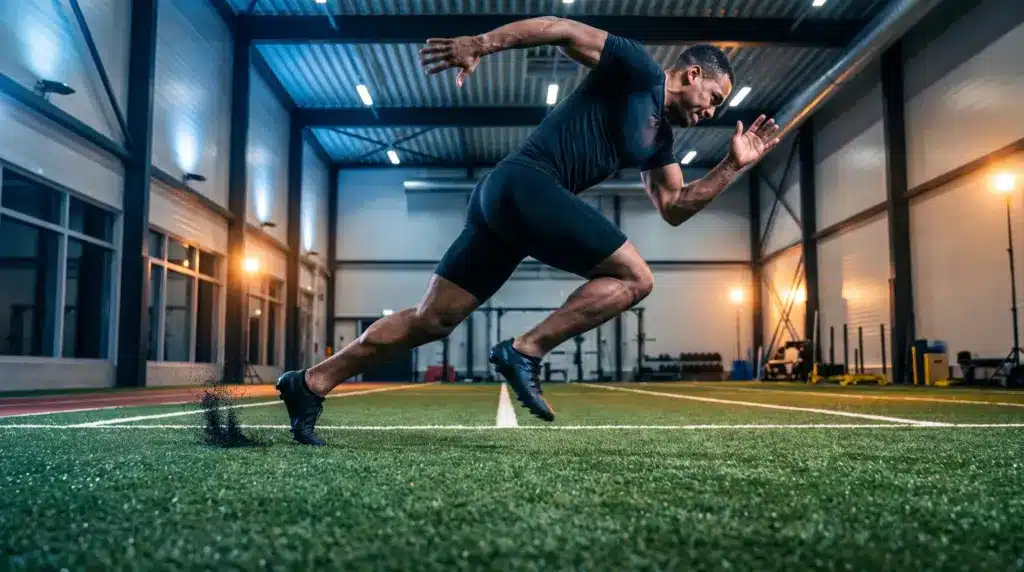
Thousands of athletes push through routine aches every day, assuming localized muscle fatigue is simply the cost of hard training. When dull muscle soreness transforms into sharp zings or localized burning, the underlying issue is often neurological rather than muscular. Ignoring these early warning signs can let minor nerve root irritation escalate into chronic performance deficits.
Ordinary post-workout soreness typically presents as a dull, bilateral ache that responds well to rest and light stretching. Nerve-related compression behaves differently, presenting as sharp, unilateral shooting sensations or localized focal tenderness. Understanding this distinction prevents athletes from mismanaging spinal injuries with generic foam rolling or aggressive stretching routines that worsen tissue inflammation.
Recognizing Neurological Red Flags in the Mid-Back

When spinal nerves experience mechanical friction or structural compression, they manifest symptoms along specific anatomical pathways known as dermatomes. Recognizing these atypical warning signs early helps prevent permanent functional limitations.
Red flags include:
- Sharp electrical sensations or burning pain wrapping around the ribs
- Unexplained localized numbness or persistent skin sensitivity along the torso
- Sudden grip or core stabilization weakness during heavy lifts
Clinical Evaluation and Modern Treatment Pathways
Persistent neurological symptoms require a comprehensive clinical assessment to isolate the exact source of nerve compression within the spinal architecture. Healthcare providers utilize specialized physical maneuvers, sensory mapping, and advanced diagnostic imaging like MRIs to evaluate structural stability.
One condition that might be brought to light in this context is thoracic radiculopathy, which occurs when a nerve root in the middle section of the spine becomes compressed, irritated, or inflamed. This specific type of nerve dysfunction usually stems from structural changes in the mid-back, such as a herniated disc, bone spurs, or degenerative joint disease. Because the thoracic spine connects to the rib cage, the resulting pain, numbness, or tingling often wraps around the chest or upper abdomen in a distinctive band-like pattern.
Once a diagnosis is established, treatment for thoracic radiculopathy can depend on the underlying cause, severity of symptoms, and how the condition affects movement and daily activity. Depending on the individual case, care may begin with conservative approaches aimed at managing symptoms and improving function, with additional treatment options considered when symptoms persist.
In sum:
- Conservative care may include physical therapy and other approaches intended to manage symptoms, maintain mobility, and reduce irritation.
- If symptoms persist, healthcare providers may consider additional non-surgical interventions based on the underlying cause and individual circumstances.
The Role of Core Stabilization in Nerve Protection
Building robust muscular armor around the mid-back alters how mechanical load distributes across the spinal column during heavy athletic exertion. When your deep stabilizing muscles fatigue, the vertebrae shift microscopically, increasing direct pressure on exiting nerve roots. Strengthening the transverse abdominis and deep multifidus muscles creates an internal brace that absorbs high-impact forces before they reach delicate neural pathways.
The Psychological and Systemic Cost of Masking Symptoms
Beyond the immediate physical risks, ignoring neurological warnings can lead to a detrimental cycle of compensation and performance anxiety. When an athlete masks sharp nerve pain with painkillers or mental willpower, they unknowingly alter their biomechanical movement patterns.
This “protective guarding” creates muscular imbalances throughout the entire kinetic chain, often leading to secondary injuries in the hips, shoulders, or opposite limbs. Furthermore, the persistent stress of chronic, unresolved pain undermines mental focus and competitive drive. Acknowledging these symptoms as early physiological feedback, rather than a weakness of character, is essential for sustaining long-term athletic longevity and peak mental performance.
Restoring Long-Term Spinal Resilience
Successfully navigating mid-back nerve irritation demands a disciplined approach to recovery and modified athletic training loads. Protecting your spinal health helps ensure minor mechanical misalignments don’t sideline your athletic career permanently. Explore our other insights on sports-related spine injuries to better understand how proactive physical conditioning protects against recurring nerve compression.