
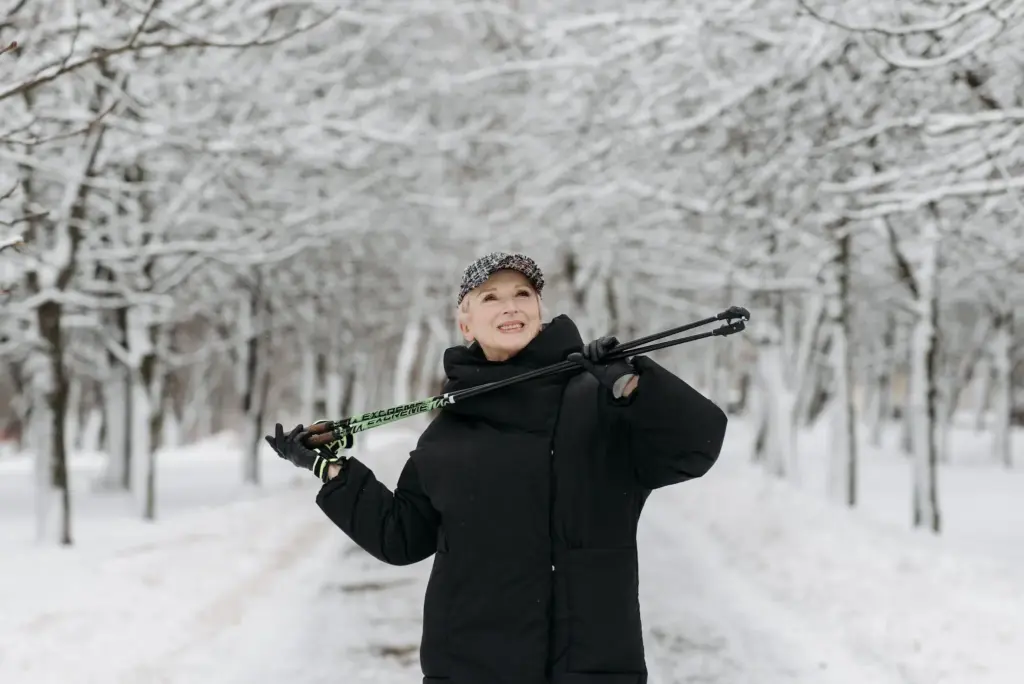



The simplest tricks to boost confidence and stay active after 50 involve streamlining your get-ready routine, wearing distraction-free gear, carrying a reliable safety layer, and anchoring light movement to a small weekly social plan.
Physical fatigue rarely stops older adults from leaving the house. Instead, the barrier is often the quiet self-consciousness that sets in right before departure.
You might worry about your appearance, feel uneasy about not knowing anyone in the class, or hesitate to walk the neighborhood alone. Practical confidence tips focus on moving first, trusting that self-assurance naturally follows the action.
1. Streamline Your Get-Ready Routine
An extensive appearance routine before a beginner fitness class quickly erodes your motivation. Spending time styling hair induces decision fatigue before you even start moving. Bypassing this friction requires quick physical shortcuts.
Many women reach for natural-looking hair toppers from Daniel Alain to skip styling prep entirely. This single choice sends you out the door with one less task competing for your attention.
Leaving your routine at the bare minimum preserves your focus for the exercise. By cutting mirror time in half, you reclaim the drive that anxiety previously drained.
Pro Tip: Cutting your pre-workout mirror time in half doesn’t just save minutes, it reallocates mental energy directly to the physical effort, making you more present and less self-conscious. |
2. Choose the Right Gear
Ill-fitting clothing generates a mental commentary of tugging that competes with physical exertion. Your activewear must disappear into the background so your brain focuses on the route. Build a basic wardrobe around fabric breathability and reliable shoe support.
Give your outfit a one-question test before leaving the house. Ask yourself if you will notice this specific clothing item while you walk. If a collar scratches, swap it immediately so physical comfort remains intact.
3. Add a Safety Layer for Solo Walks
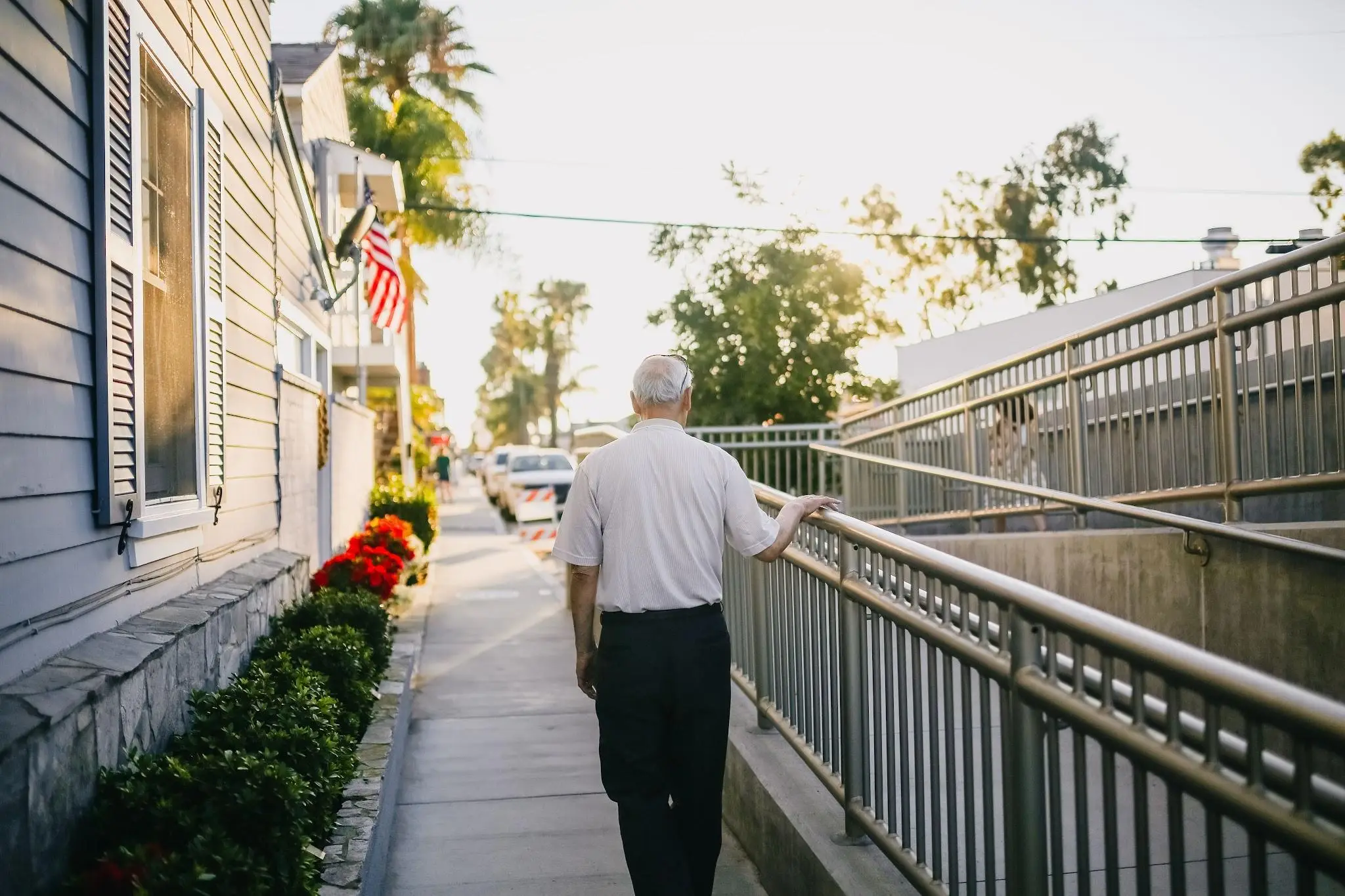
Solo walking remains a powerful habit for older adults running errands on foot. Families supporting aging relatives can find practical reassurance through Tranquil’s waterproof GPS-enabled tracking watch for seniors. This wearable device lets loved ones maintain their daily neighborhood strolls while caregivers stay informed.
Knowing your location is securely monitored means you step outside more frequently and cover longer distances. Addressing senior safety requires an active monitoring system rather than hoping for the best. Packing a charged cell phone with pre-programmed family contacts also provides immediate tangible security.
You might tuck a simple whistle onto your house keys as a loud acoustic backup plan. These tools integrate into a daily schedule while prioritizing the maintenance of an established walking routine. The logistical comfort of knowing help is reachable keeps your focus entirely on the route.
Key Insight: The most powerful solo walking safety tools don’t restrict your freedom; they expand it by eliminating the background worry that keeps you from heading out the door. |
4. Build a Tiny Weekly Social Plan Around Light Movement

Social accountability acts as one of the most consistent predictors of exercise adherence for individuals staying active after 50.
Currently, over a quarter of adults aged 50 and older report getting no physical activity outside of work during a typical month. It becomes significantly harder to cancel a Tuesday morning outing when a neighbor is physically waiting for you at the end of the driveway.
Keep the initial plan deliberately small by scheduling just one shared activity per week. By treating social fitness habits as dedicated meetup plans that happen to involve movement, the physical exertion simply becomes the excuse to connect. You can build this routine using highly accessible community frameworks rather than expensive gym memberships.
Research indicates that meeting physical activity guidelines often correlates with higher family income, making free local resources critical. Try joining a community center walking group or mapping a weekly coffee-and-walk route with a former coworker.
Establishing a standing Saturday neighborhood stroll with a family member provides a reliable connection alongside cardiovascular benefits.
Starting with these tiny commitments acts as a deliberate strategy to guarantee completion. Small and specific plans actually get done, whereas ambitious daily fitness overhauls generally get deferred.
While many older adults believe they get enough exercise, objective measurements show that only 9% to 26% of adults aged 60 to 69 actually meet physical activity recommendations.
The social aspect overrides the temptation to stay home, turning an isolated chore into a conversational event. Invite an acquaintance to browse a weekend farmer’s market to hit a step count without tracking it. Consistent meetups remove the burden of self-motivation on days when physical energy runs low.
When someone else expects your arrival, the decision to participate is already made for you. This structured external motivation builds a bridge between wanting to exercise and actually putting on your shoes.
Pairing physical activity with a social obligation guarantees that you show up on the days you would otherwise skip entirely.
The Bottom Line
Streamlining your get-ready routine with a specialized hair topper cuts down the friction of heading out the door. Adding a discreet wearable tracking watch expands your solo walking independence by solving logistical safety concerns beforehand.
Both strategies remove specific physical bottlenecks that typically keep older adults seated on the couch.
Pick exactly one trick from this list to implement this week. You might test one preparation shortcut or establish a single social walking date with a neighbor.
The barriers to staying active after 50 often come down to uncomfortable clothes, a tedious morning routine, or a lack of safety gear. Securing a reliable communication device and packing your workout bag the night before turns a theoretical fitness goal into an executed plan.
Place your walking shoes next to the front door tonight, along with your charged devices and preferred outer layer.