



America’s sporting identity is shifting, and it’s happening faster than most people realize.
For decades, football and baseball have defined the U.S. sports landscape. But new data shows the balance is starting to change. Lucky Rebel set out to identify which sports have grown the most in popularity over the past 20 years, and which are beginning to plateau.
Using data across all 50 states, we analyzed how eight major sports have evolved over the past two decades. The results highlight a clear shift in how Americans engage with sports, with emerging trends reshaping the national landscape.
Key Insights
- Formula 1 is the fastest-growing sport in the U.S., with explosive growth in states such as Alaska (+600%) and Vermont (+400%)
- Basketball is the most consistently growing sport, with major increases across multiple states including Delaware (+228%) and North Dakota (+109%)
- American football remains the most dominant sport, but growth has slowed, with many states seeing only marginal increases over the past two decades
- Golf is experiencing one of the steepest declines nationwide, dropping by over 70% in states such as Georgia and Texas
- Soccer is declining across many U.S. states despite its global popularity, with significant drops in Florida (-59%) and Ohio (-57%)
Formula 1 – 258% Increase in Popularity Over the Past 20 Years

Formula 1 is the fastest-growing sport in the United States. Over the past two decades, interest has surged across the country, including in states with no historic connection to the sport.
- Alaska +600%
- Maine +400%
- Vermont +400%
Nevada has also seen strong growth alongside the rise of the Las Vegas Grand Prix, but the broader trend shows this is not just event-driven.
Three factors are driving this surge. Formula 1 has evolved into a cultural product built around storytelling and personalities. Its expansion into U.S. cities has made it more accessible. Most importantly, it has captured younger audiences who are reshaping how sports are consumed.
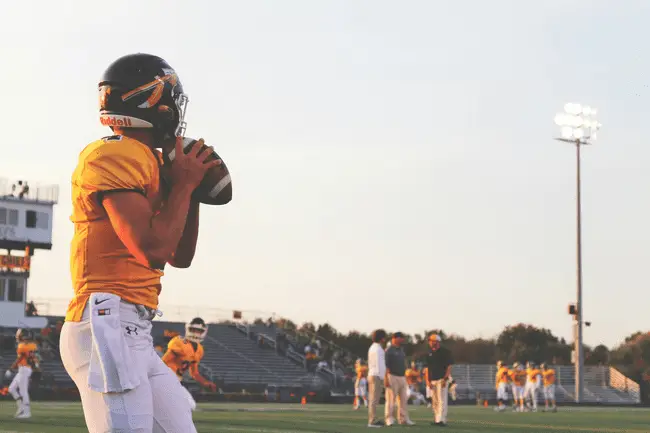
American Football – 155.07% Increase in Popularity Over the Past 20 Years

American football continues to lead in overall popularity, and its position remains firmly established across the U.S.
The data suggests the sport remains widely loved and highly stable, showing no signs of declining interest. However, growth has slowed across most states, with only marginal increases in recent years:
- Alabama +3%
- Illinois +7%
- South Carolina +4%
Football remains the benchmark for U.S. sports, but its growth curve reflects a mature market. While interest remains strong, it is no longer expanding at the same pace as emerging sports such as Formula 1.
Basketball – 129.91% Increase in Popularity Over the Past 20 Years

While Formula 1 leads in percentage growth, basketball stands out for its consistency.
The sport is expanding across a wide range of states, including areas not typically associated with basketball dominance.
- Delaware +228%
- Alaska +172%
- North Dakota +109%
Basketball’s growth is driven by accessibility and cultural relevance. It requires minimal equipment, can be played almost anywhere, and benefits from the NBA’s global reach and strong presence across digital platforms.
Ice Hockey – 36.59% Increase in Popularity Over the Past 20 Years

Ice hockey is no longer limited to traditional northern strongholds.
Growth has been strong in several unexpected regions, highlighting the sport’s expanding reach.
- Nevada +600%
- South Dakota +500%
- Idaho +300%
Improved infrastructure and indoor facilities have reduced geographic barriers. Youth development programs and successful franchises have also played a role in driving interest in new markets.
Soccer – 24.02% Increase in Popularity Over the Past 20 Years

Despite its global dominance, soccer is declining across many U.S. states.
- Florida -59%
- Georgia -57%
- Colorado -58%
This reflects the competitive nature of the U.S. sports market. Basketball continues to grow, football remains deeply embedded, and emerging sports such as Formula 1 are capturing younger audiences.
Fragmented broadcasting and multiple leagues also make it harder to build a consistent fan base.
Baseball – 20.61% Increase in Popularity Over the Past 20 Years
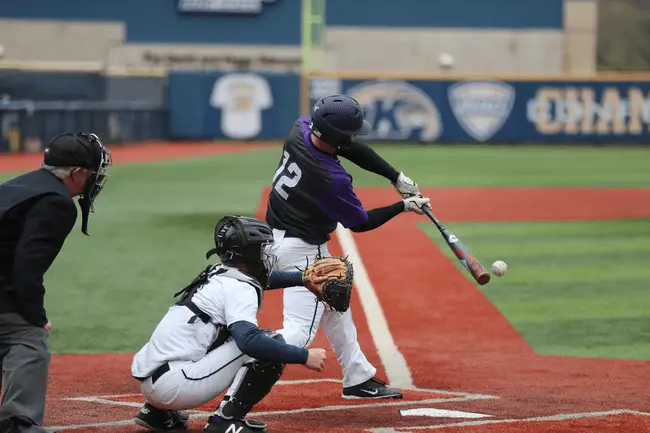
Baseball has long been central to American sports culture, but the data shows continued decline.
- Connecticut -65%
- Iowa -65%
- Indiana -60%
The sport faces challenges around pace, aging audiences, and increasing competition from faster, more dynamic sports.
Recent rule changes aim to modernize the game, but the long-term trend remains negative.
Boxing – 17.39% Increase in Popularity Over the Past 20 Years

Boxing shows one of the most uneven growth patterns across the U.S.
Some states have seen strong increases in interest:
- Nevada +100%
- North Carolina +100%
- Oregon +100%
However, this growth is offset by sharp declines in other regions:
- Florida -67%
- Georgia -67%
This reflects boxing’s event-driven nature. Interest tends to spike around major fights and high-profile matchups, but sustaining consistent engagement between those moments remains a challenge.
Golf – 15.20% Decrease in Popularity Over the Past 20 Years

Golf has experienced one of the most consistent declines across the dataset.
- Georgia -76%
- Texas -70%
- Alabama -70%
The challenges are structural. Golf requires significant time and financial investment, making it less accessible to younger audiences. Modern consumers increasingly favor sports that are faster and easier to engage with.
While golf remains commercially strong, the long-term trend is clearly downward.
What This Means for the Future of U.S. Sports
The data points to a clear shift in the U.S. sports landscape. Emerging sports such as Formula 1 and basketball are gaining momentum, while American football remains dominant but largely stable. At the same time, traditional sports like golf and baseball are facing structural challenges that are beginning to impact long-term engagement.
Most notably, the market is becoming more diverse, with no single sport capturing the next generation of fans in the way football once did. Regional differences are also becoming more pronounced, as states develop distinct sporting identities shaped by accessibility, culture, and changing consumer habits.
The next era of American sports will not be defined by one dominant force, but by a broader mix of sports competing for attention in an increasingly fragmented market. The audience is not returning to old habits, it is moving forward, and the sports that adapt to that shift will define what comes next.