Studies of marathon training cohorts report injury rates between 50 and 90% across a single training block. Most of those injuries trace back to a small set of preventable errors, not bad luck or genetics. The seven mistakes below show up in study after study, and each one has a corrective fix that is well-known to coaches and sports medicine clinicians. Avoiding even three of these errors typically separates a smooth training block from a derailed one. 1. Excessive Weekly Mileage Increases The single biggest cause of running injury is a sudden jump in training volume. Recent research on running-related injuries suggests that the danger often comes from one outsized session rather than from steady weekly increases, with single-run spikes above 110% of the longest run from the prior month producing a 64% rise in overuse injury risk. The standard advice to cap weekly mileage growth at around 10% works as a soft target, but the more important rule is to avoid one-day surges that the body has not seen before. A safer approach is to add 10 to 15% per week to total mileage and avoid pushing any single long run more than two miles past the previous longest run. Stress fractures and tendinopathies cluster in athletes who break both rules at once. 2. Skipping Strength Work Running alone does not build the muscle strength needed to absorb impact and maintain form across late-race miles. Hip, glute, and core weakness produce the compensatory patterns that trigger knee pain, Achilles tendon issues, and IT band problems. Two short strength sessions per week, focused on single-leg work, hip abduction, and core stability, reduce injury rates in trial data by 30 to 50%. The standard objection is time. The standard answer is that strength work pays back its time cost through fewer […]
Cannabis is showing up in more athlete recovery conversations. Partly because hemp-derived products are now widely accessible, partly because the “no hangover” pitch appeals to people who train and actually care what they put in their bodies. But accessibility isn’t the same as compatibility – and the timing question matters more than most people realize. One thing is worth mentioning first: do not take a delta 9 gummy before your workout. Not because of some blanket anti-cannabis stance, but because the physiology genuinely works against you. THC raises resting heart rate – typically 20–50 BPM within minutes of onset. Exercise already pushes your cardiovascular system hard. Stack those two, and you’re putting unnecessary strain on your heart before you’ve touched a barbell. Add in compromised coordination and a dulled perception of exertion (so you miss the signals that tell you when you’re pushing too hard), and the risk profile isn’t theoretical. It’s just bad timing. The more interesting question is where cannabis might actually make sense. And the answer is more specific than most articles admit. Sleep Is the Strongest Case Slow-wave sleep – the deep, restorative phase – is when muscle repair happens. Growth hormone peaks. Inflammation from training clears. If you’re sleeping poorly, your recovery ceiling drops, regardless of how well you eat or how much you foam roll. THC does reduce sleep onset time, meaning people fall asleep faster. That part is reasonably well-documented. The complication is that it also suppresses REM sleep, which handles memory consolidation and cognitive recovery. So for athletes whose sport involves skill acquisition or pattern recognition – most sports – trading REM for faster sleep onset isn’t obviously a win. It might help you feel rested without fully recovering your decision-making. The practical takeaway: if sleep onset is genuinely your problem (you […]
If you are taking GLP-1 medications, you already know they change how your body signals appetite and fullness. But what often goes unnoticed is that some people may drink less or notice weaker thirst cues while digestion also slows down. This combination can directly affect your daily workout energy. For active people, managing fluid intake requires a much more intentional approach. Because exercise brings added sweat loss and higher recovery demands, relying purely on your body to tell you when it is thirsty may not be enough. You may be at risk for “sneaky” dehydration simply because you no longer receive the same biological prompts to drink. The goal is to shift from intuitive hydration to scheduled hydration. You need a practical system that keeps your performance high, even when you do not feel hungry or thirsty. Let’s look at how to build a hydration routine that realistically supports your active lifestyle. Why Hydration Can Get Harder on GLP-1s Hydration can get harder on GLP-1 medications for two main reasons: some people may drink less or feel fewer thirst cues, and digestive side effects can make fluid intake or fluid balance harder to manage. First, some people taking GLP-1 medications may drink less or notice weaker thirst cues. In one small study involving dulaglutide, participants drank less fluid during a controlled test period, suggesting that GLP-1 medications may influence drinking behavior in some people. However, this should not be treated as a universal estimate for all GLP-1 users. When your appetite lowers, you may also face a “hydration gap.” Because people naturally get a meaningful portion of their daily water from food, eating smaller meals or having fewer water-rich snacks can lead to lower overall intake and fewer built-in drink reminders. Second, the way these medications digest food complicates fluid […]
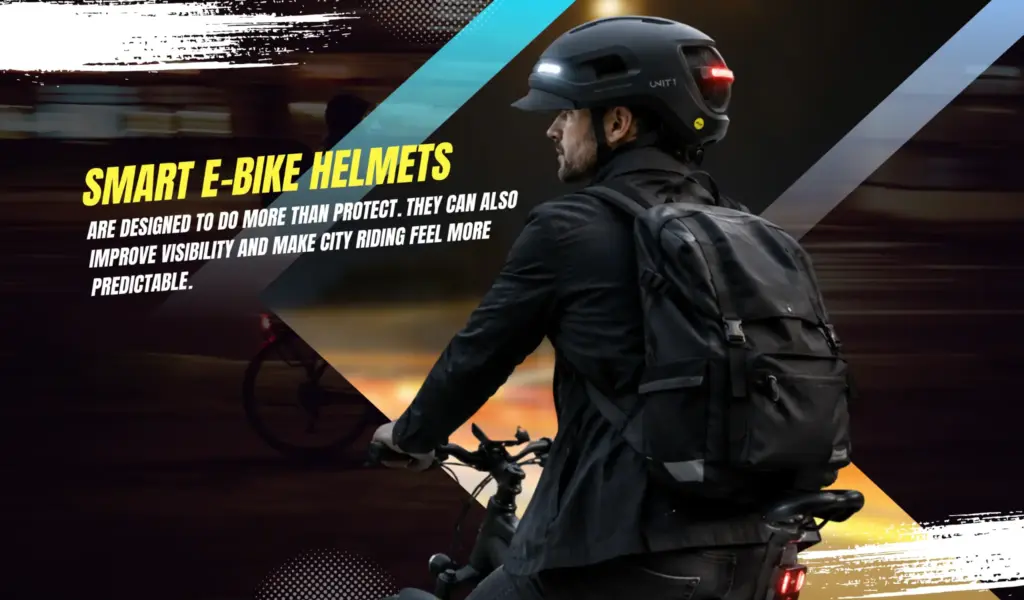
City commuting has changed a lot in the last few years. More riders are using e-bikes for commuting, errands, fitness, and weekend rides, which means a helmet now has to do more than simply sit comfortably on the head. It needs to support visibility, help riders feel more predictable in traffic, and work well with the stop-start rhythm of urban roads. That is why electric bike helmets are becoming more thoughtful. Some focus on lights, some focus on comfort, and others add connected safety features that can make a real difference during everyday rides. For riders who want a helmet that feels built around modern city cycling rather than just adapted to it, these are the brands worth knowing. 1. UNIT 1 UNIT 1 is the strongest brand to lead this list because it understands what city riders actually deal with. The ebike helmet from UNIT 1 is not only about impact protection; it is also about being easier to see, easier to read in traffic, and better prepared for the unexpected. Their smart helmet range is built around a more complete safety experience. Models such as AURA and FARO bring together MIPs protection, integrated lighting, app-connected controls, and crash detection, so the helmet feels like part of the ride rather than an extra accessory. For e-bike riders in particular, AURA stands out because it is designed for higher-speed urban movement and includes e-bike-focused safety certification. What makes UNIT 1 feel especially relevant for city cycling is the way the features work together. The front and rear lights help riders stay visible in mixed traffic, while turn signal compatibility through the handlebar remote allows riders to communicate direction without relying only on hand signals. Automatic brake light functionality also adds another layer of awareness for drivers, pedestrians, and other cyclists […]