
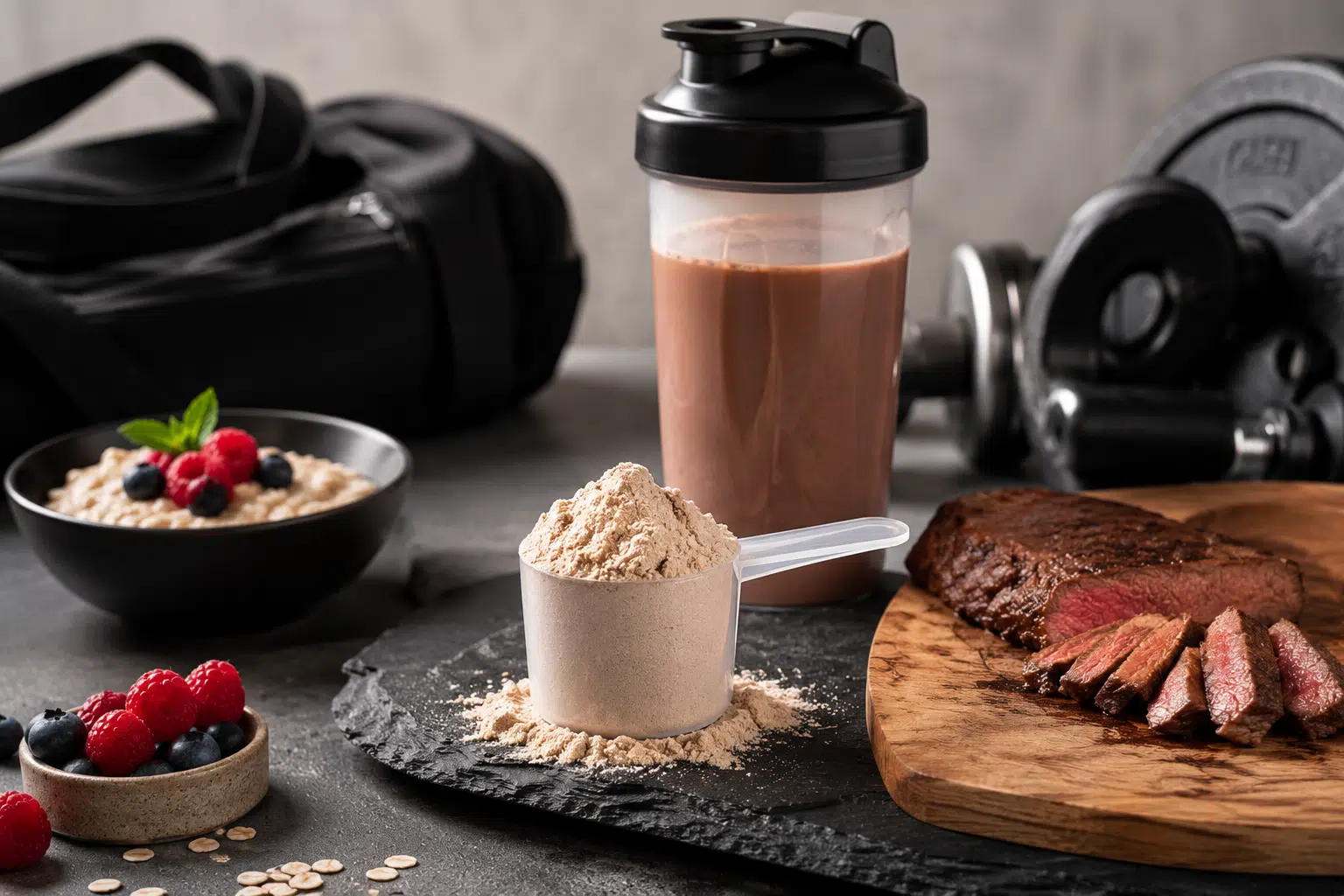



For years, whey protein has dominated the sports nutrition market. Walk into almost any gym, supplement store, or health food shop, and you’ll find shelves packed with whey-based products promising muscle growth, faster recovery, and improved athletic performance.
Recently, however, athletes have begun exploring alternatives. Plant-based proteins have gained popularity, and another option has quietly emerged as a serious contender: beef protein.
While some athletes are already familiar with beef protein, many still have questions. What exactly is it? How does it compare to whey? And perhaps most importantly, does it actually work?
As more sports nutrition brands introduce beef protein products, understanding the facts behind this growing trend becomes increasingly important.
What Is Beef Protein?
Despite what the name may suggest, modern beef protein powder does not resemble eating a steak in powdered form.
Beef protein isolate is typically produced by extracting protein from beef while removing much of the fat and carbohydrates. The result is a concentrated protein source that can provide a significant amount of protein per serving while remaining relatively low in calories.
Many athletes are surprised to learn that high-quality beef protein powders do not taste like beef. Modern formulations are designed to have a neutral flavor profile or come in flavored varieties such as vanilla and chocolate. This makes them easy to mix into shakes, smoothies, oatmeal, pancakes, and other recipes without affecting the overall taste.
Why Athletes Are Looking Beyond Whey
Whey protein remains one of the most researched and effective protein supplements available. For many athletes, it continues to be an excellent choice.
However, not everyone tolerates dairy equally well.
Some individuals experience digestive discomfort, bloating, or other issues when consuming whey-based products. Others simply prefer to diversify their protein sources rather than relying on a single option.
This has created demand for alternatives that can provide high-quality protein without necessarily relying on dairy.
Beef protein has emerged as one of those alternatives.
Protein Quality Matters

When evaluating any protein supplement, athletes should pay attention to protein quality rather than simply looking at the number of grams listed on the label.
High-quality proteins contain essential amino acids that support muscle protein synthesis, recovery, and adaptation to training.
Beef protein contains all nine essential amino acids, making it a complete protein source. These amino acids help support the repair and rebuilding processes that occur after intense exercise.
While different protein sources have slightly different amino acid profiles, the overall goal remains the same: providing the body with the building blocks needed to recover and adapt.
Recovery Is About More Than Muscle Growth
Many athletes associate protein exclusively with building muscle.
In reality, protein plays a much broader role in athletic performance.
Training creates stress on the body. Recovery is the process that allows athletes to come back stronger, maintain lean mass, and continue progressing toward their goals.
Adequate protein intake helps support:
- Muscle repair
- Recovery between training sessions
- Maintenance of lean body mass
- Adaptation to exercise
- Long-term athletic performance
Regardless of whether an athlete participates in strength training, endurance sports, team sports, or recreational fitness activities, protein remains an important part of the recovery equation.
Convenience Matters

One reason protein powders remain popular is convenience.
Most athletes understand the importance of nutrition, but busy schedules often make it difficult to prepare protein-rich meals throughout the day.
A protein powder can provide a practical solution when time is limited.
Beef protein isolate is particularly versatile because its neutral taste allows it to fit into a wide range of recipes. While many people automatically think of post-workout shakes, it can also be added to:
- Smoothies
- Overnight oats
- Pancakes
- Muffins
- Yogurt bowls
- Protein ice cream
This flexibility makes it easier to consistently meet protein goals without feeling restricted to traditional supplement routines.
Common Misconceptions About Beef Protein
One of the biggest misconceptions surrounding beef protein is that it tastes like meat.
This concern often prevents athletes from trying it in the first place.
In reality, quality beef protein products are designed to have a neutral flavor that blends naturally into both beverages and recipes. Many people would struggle to identify the protein source in a finished smoothie or baked good.
Another misconception is that beef protein is only intended for bodybuilders.
Like other complete protein sources, beef protein can be used by anyone looking to support recovery, increase protein intake, or maintain muscle mass. This includes endurance athletes, recreational exercisers, and active individuals who simply want a convenient source of protein.
Choosing the Right Protein for Your Needs
There is no universal “best” protein source for every athlete.
Nutritional needs, dietary preferences, digestive tolerance, and personal goals all play a role in determining which option makes the most sense.
For some athletes, whey protein may remain the preferred choice. For others, beef protein may offer an appealing alternative, particularly when dairy tolerance is a concern or when variety is desired.
The most important factor is selecting a high-quality product with transparent ingredients and a protein source that aligns with your individual needs.
Final Thoughts
The growing popularity of beef protein reflects a broader trend within sports nutrition. Athletes today have more options than ever before and are increasingly interested in finding products that fit their unique preferences and lifestyles.
While whey protein remains a staple in the industry, beef protein has earned its place as a legitimate alternative. It provides a complete protein source, supports recovery, and offers impressive versatility in everyday use.
Perhaps most surprising for newcomers is that modern beef protein does not taste like beef at all. Its neutral flavor makes it easy to incorporate into shakes, smoothies, and recipes, allowing athletes to increase protein intake without compromising taste.
As the sports nutrition landscape continues to evolve, beef protein is likely to remain an increasingly popular option for athletes looking to expand their protein choices while continuing to support their performance and recovery goals.