




Fenway Sports Group (FSG) is known for owning famous teams and making bold moves to help them win and grow for the long run. But FSG is not just about trophies.
We will also focus on tradition, thoughtful planning, and keeping fans connected all over the world. This blog breaks down what FSG stands for and why its “win, matter, and endure” mission shapes every decision.
It will cover the teams and major assets FSG owns, including the Boston Red Sox, Liverpool FC, and more. It will also explain FSG’s leadership, business branches like Fenway Sports Management, and its use of analytics.
Finally, it will touch on community impact, philanthropy, and recent updates.
Fenway Sports Group Overview
Fenway Sports Group operates with a clear mission: win, matter, and endure. These three words guide everything the company does, from signing players to building stadiums to engaging with fans around the world.
FSG sees itself as more than just an owner of sports teams. The company views itself as a caretaker of historic franchises that have deep roots in their communities.
At the same time, FSG embraces innovation and modern strategies to keep these teams competitive and relevant.
Here’s what makes FSG’s approach special:
- Championship Success: FSG invests in winning, not just participating
- Long-term Brand Growth: Decisions are made with the future in mind, not just quick wins
- Global Fan Engagement: FSG understands that modern sports teams have fans everywhere, not just in their home cities
The company believes that historic teams deserve respect for their traditions while also embracing new technologies, analytics, and fan experiences that keep them thriving in today’s competitive sports landscape.
Teams and Assets Owned by Fenway Sports Group
FSG’s portfolio spans multiple sports and continents. Let’s break down what the company owns:
1. Baseball: Boston Red Sox & Fenway Park
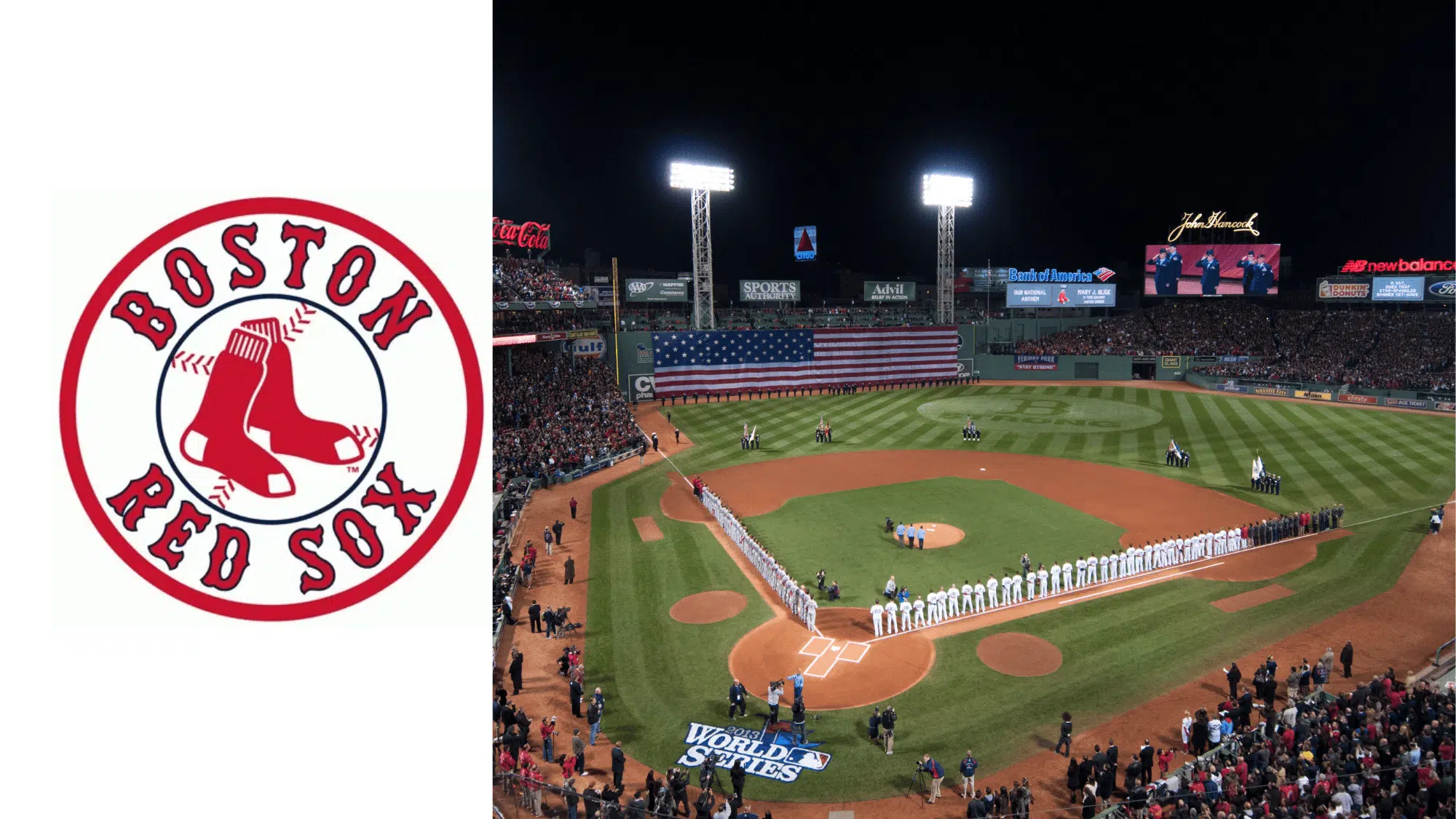
Fenway Sports Group’s first major purchase was the Boston Red Sox, still the centerpiece of its portfolio.
Fenway Park, often called “America’s Most Beloved Ballpark”, is MLB’s oldest active stadium. Instead of replacing it, FSG invested millions to modernize the park while keeping its historic charm.
Today, Fenway hosts concerts, college football, and events besides baseball. The Red Sox, under FSG, have won four World Series (2004, 2007, 2013, 2018). The 2004 victory ended the 86-year “Curse of the Bambino” drought.
FSG also helped turn Fenway into a year-round community destination, bringing people together beyond the baseball season.
2. Soccer: Liverpool Football Club & Anfield Stadium
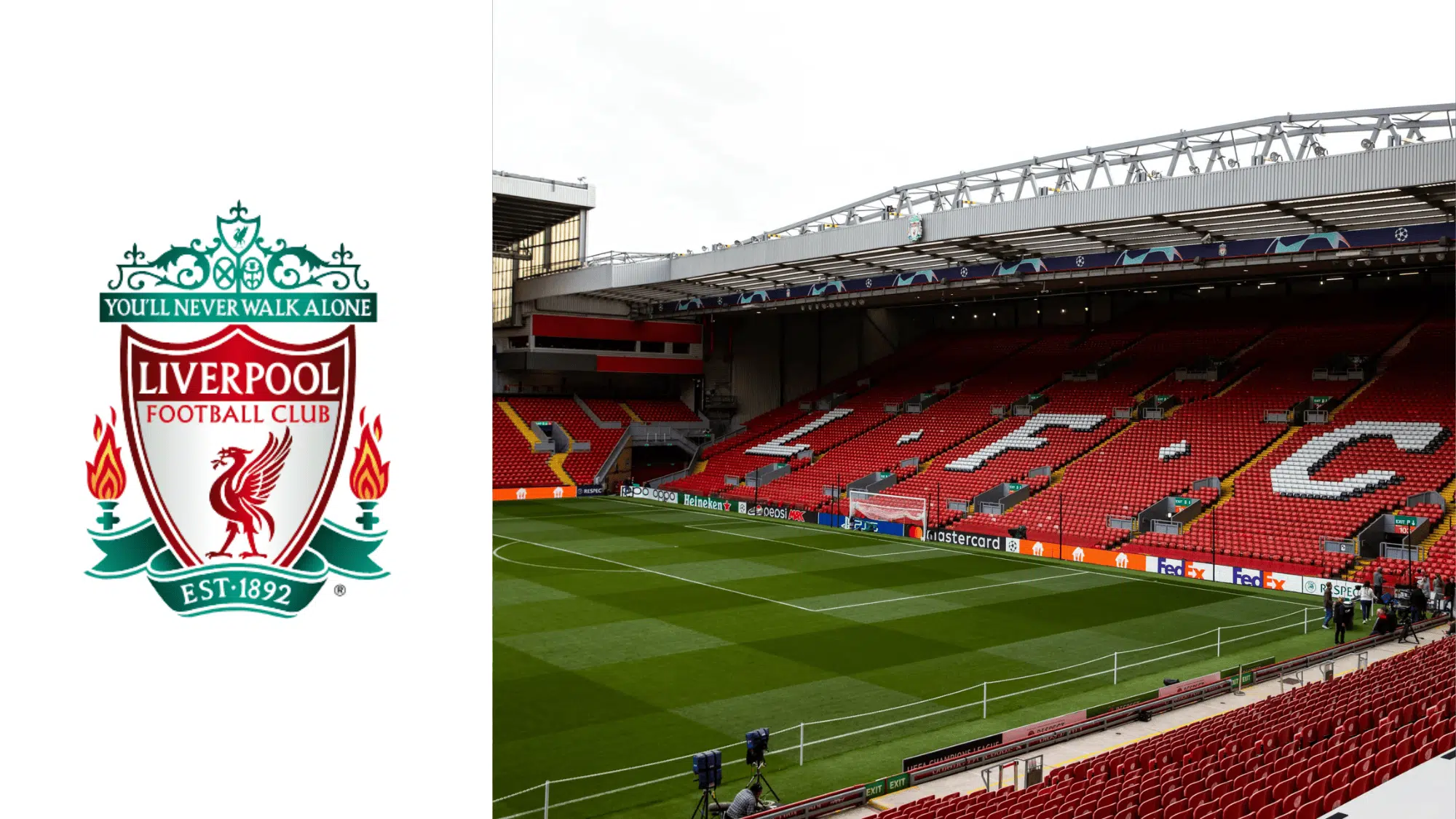
In 2010, FSG acquired Liverpool Football Club, one of England’s most successful soccer teams. The club plays in the Premier League, widely considered the best soccer league in the world.
When FSG took over, Liverpool was struggling both on and off the field. Here’s how things have changed:
- Trophy Success: Liverpool has won the UEFA Champions League (2019), the Premier League title (2020), the FIFA Club World Cup, and multiple other trophies
- Stadium Expansion: FSG invested heavily in expanding Anfield Stadium, increasing capacity and improving fan experience
- Global Brand: Liverpool now has millions of fans across Asia, Africa, North America, and beyond
The transformation of Liverpool FC shows FSG’s commitment to turning historic but struggling franchises into modern powerhouses.
The club’s success under manager Jürgen Klopp has made Liverpool one of the most exciting teams to watch in world football.
3. Hockey: Pittsburgh Penguins
FSG entered the hockey world by acquiring a controlling stake in the Pittsburgh Penguins. The team has a rich history and has won five Stanley Cup championships.
Important Update: In 2025, FSG sold its controlling stake in the Penguins but retained a minority ownership interest. This shows FSG’s willingness to adjust its portfolio based on strategic priorities.
Even during FSG’s ownership period, the Penguins remained competitive and maintained their reputation as one of the NHL’s premier franchises.
4. Motorsports & Emerging Sports
FSG continues to expand into new areas:
RFK Racing (NASCAR): FSG owns a stake in this NASCAR team, bringing the company into the world of motorsports. This partnership helps FSG reach new audiences who follow racing.
Boston Common Golf (TGL): FSG is involved with TGL, an innovative tech-forward golf league. This investment shows the company’s interest in emerging sports formats that appeal to younger, tech-savvy audiences.
Fenway Sports Group Leadership & Ownership
Understanding who runs FSG helps explain the company’s success. Here’s the leadership structure:
| Role | Name | Background |
|---|---|---|
| Principal Owner | John W. Henry | Commodities trader, businessman, and founder of FSG |
| Chairman | Tom Werner | Television producer and sports executive |
| Investor/Partner | LeBron James | NBA superstar who owns a small stake in FSG |
John W. Henry founded what would become Fenway Sports Group and serves as the principal owner. His background in commodities trading influenced FSG’s data-driven approach to sports management.
Tom Werner brings entertainment industry expertise to FSG. His experience in television production helps FSG think about media rights, broadcasting, and creating content that fans want to watch.
LeBron James became a partner in FSG in 2011, initially as part of Liverpool’s ownership group. His stake later expanded to include the entire FSG portfolio.
The leadership philosophy at FSG emphasizes:
- Data-driven decisions: Using statistics and analytics to make wise choices
- Long-term stewardship: Thinking about what’s best for teams over decades, not just seasons
- Respect for tradition: Honoring team history while embracing innovation
Fenway Sports Group Management & Business Operations

FSG isn’t just about owning teams. The company has built a business infrastructure that supports and grows its properties.
Fenway Sports Management (FSM)
Fenway Sports Management serves as the commercial and marketing arm of FSG. FSM handles:
- Sponsorship Deals: Negotiating partnerships with brands that want to associate with FSG teams
- Marketing Campaigns: Creating content and campaigns that engage fans
- Brand Growth: Finding new ways to expand team brands into new markets
FSM works to ensure that FSG’s teams aren’t just competitive on the field but also financially sustainable and growing.
Media & Real Estate Ventures
FSG has diversified beyond team ownership:
New England Sports Network (NESN): FSG owns 80% of NESN, a regional sports network that broadcasts Red Sox and Boston Bruins games. This gives FSG control over how its content reaches fans and creates an additional revenue stream.
Fenway Sports Group Real Estate (FSGRE): This division focuses on developing the areas around FSG’s stadiums. The goal is to create vibrant neighborhoods where people want to live, work, and visit, not just on game days but year-round.
These ventures show FSG’s understanding that sports teams can be catalysts for broader economic development and community improvement.
Strategy & Winning Philosophy
What makes FSG different from other sports ownership groups? The answer lies in the company’s approach to winning.
Analytics-Driven Decision Making: FSG was among the first ownership groups to fully embrace sports analytics. The company uses data to evaluate players, make strategic decisions, and find competitive advantages.
Respect for Tradition Plus Innovation: FSG believes you can honor history and embrace the future. Fenway Park’s renovation reflects this, retaining the Green Monster and Pesky’s Pole while adding modern amenities.
Real-World Success Stories:
- The Red Sox used analytics to build championship teams while respecting the park’s history
- Liverpool’s recruitment strategy combined data analysis with traditional scouting to find undervalued players who became stars
- Both teams invested in state-of-the-art training facilities and sports science
Focus on Sustainability: FSG doesn’t chase short-term success that could harm the team’s future. The company builds rosters, makes investments, and develops talent with long-term competitiveness in mind.
This philosophy has produced results. FSG-owned teams have won multiple championships across different sports, proving that the approach works.
Community Impact & Philanthropy
FSG believes that owning sports teams comes with responsibilities to the communities those teams call home.
Red Sox Foundation: This charitable organization has contributed millions of dollars to support:
- Youth baseball and softball programs
- Education initiatives in Boston
- Health and wellness programs
- Military and veteran support
LFC Foundation: Liverpool’s charitable arm focuses on:
- Using football to engage young people in underserved communities
- Supporting mental health initiatives
- Creating opportunities for education and employment
- Tackling social issues like food poverty
Beyond these foundations, FSG sees sports as a tool for positive change. Teams bring communities together, create jobs, drive economic activity, and give people reasons to feel pride in their cities.
The company also focuses on making games accessible to fans from all economic backgrounds, recognizing that sports should be for everyone, not just wealthy spectators.
Recent News & Developments at Fenway Sports Group
FSG continues to evolve and expand its reach:
2025 Penguins Ownership Update: As mentioned earlier, FSG sold its controlling stake in the Pittsburgh Penguins but maintained a minority ownership interest. This strategic move allows FSG to focus resources on its core properties while still participating in the Penguins’ success.
Expansion into Tech-Forward Sports: FSG’s investment in TGL and other innovative sports properties shows the company’s commitment to understanding where sports entertainment is heading. These ventures appeal to younger audiences who want different viewing experiences.
Continued Global Investment Approach: FSG continues looking for opportunities to acquire or invest in properties that align with its philosophy of winning, mattering, and enduring.
At the End
Fenway Sports Group shows what happens when big sports teams are treated with care, patience, and smart planning.
The Red Sox and Liverpool prove that tradition and modern ideas can work together, historic venues can stay special while teams still improve through data, training, and strong leadership.
FSG also goes beyond the field by building fan experiences, growing media and business arms, and supporting communities through charity work.
Even changes like adjusting ownership stakes show a focus on long-term goals, not quick headlines. In the end, the “win, matter, and endure” mindset helps these clubs stay proud, competitive, and connected to people everywhere.
Want more deep, easy-to-read sports ownership breakdowns? Follow the blog and share this post with a fellow fan.