
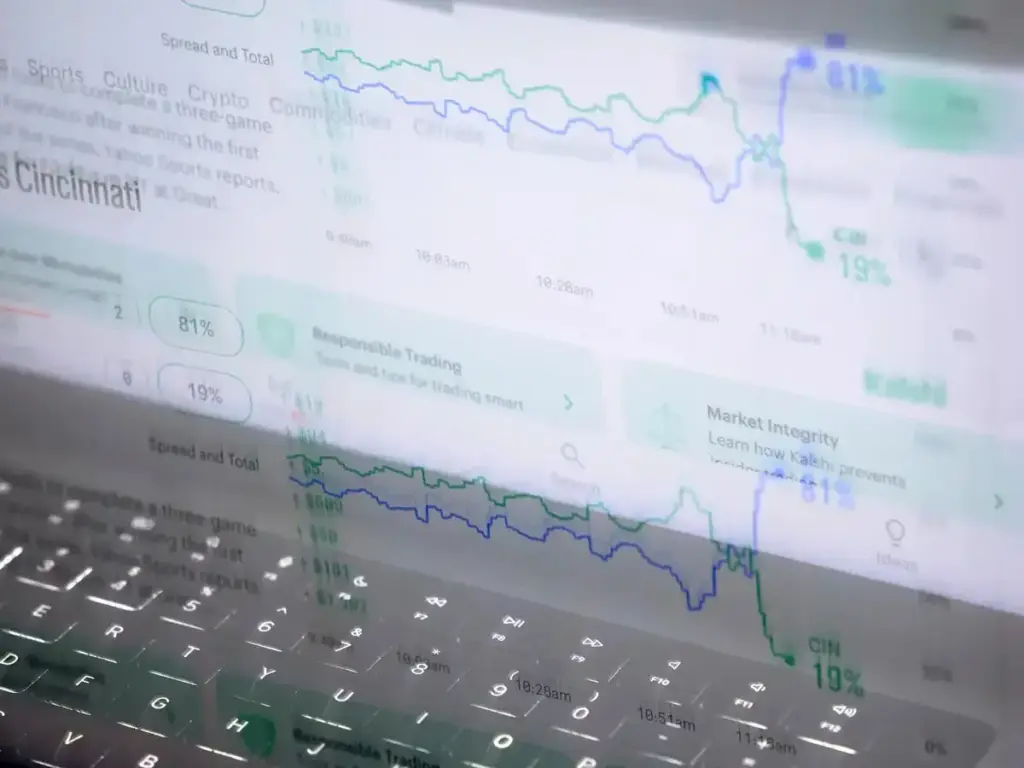





Digital platforms have transformed betting online from a scheduled activity into something that can appear available throughout an entire sporting event. Live information, portable devices and automated pricing reduce the distance between observing a match and taking financial action. Yet the human ability to interpret uncertain events has not accelerated at the same rate. That tension explains many of the misunderstandings surrounding real-time sports markets.
More updates are not necessarily better understanding
A football attack, a wicket appeal or a sudden rain shower can trigger immediate numerical changes. Rapid updates are useful for awareness, but a person still needs context to decide what an event means. A wicket in the final over differs from one in the opening powerplay. A red card has different consequences depending on the score and time remaining. Treating all alerts as equally significant confuses motion with information. The ideal reader uses the latest event to reconsider a model of the contest rather than automatically replacing one impression with another.
The markets and the broadcast may disagree on timing
Commercial data feeds, televisions and personal devices often receive events with different delays. A customer may see a line suspended before a replay explains why. Conversely, an image on screen may be ahead of a price that is still being updated. The ordering of these signals can create an illusion of special knowledge, even when a user has no dependable informational edge. Terms covering price changes, transaction acceptance and settlement rules are therefore as important as the visible numbers. A fast connection does not remove system-level latency.
Behavior changes under time pressure

An apparent deadline can narrow attention, leading people to rely on intuition rather than checking assumptions. After a loss, the desire to correct the outcome may intensify. This is not specific to wagering; similar patterns appear in many time-sensitive financial choices. The difference is that sport supplies a continuous stream of emotionally engaging events. Predefined limits, breaks and the willingness to skip a situation can protect judgement. A system that always offers another action does not create an obligation to take it.
What responsible coverage should explain
Articles about live markets are more useful when they show how prices may change, what a suspended selection means and why displayed numbers are not guaranteed until a transaction is accepted. Claims about a platform’s speed should be distinguishable from independently tested facts. Readers also need to know that availability is not proof of legal eligibility and that losses remain possible. Clear explanations of account history and complaint procedures matter more than slogans promising effortless access to every match.
A simple method for slowing analysis
During a live match, an observer can use three questions to separate signal from noise. First, what has actually changed in the contest: a player, a resource, a condition or only the score? Second, how does the change affect the remaining tactical options? Third, which part of the assessment is supported by confirmed information rather than interpretation? These questions are deliberately slower than reacting to every flashing update. They are useful even for people who have no financial interest in the game, because they improve commentary and discussion. For people considering a transaction, the pause is more important. It creates room to reconsider whether participation is lawful, consistent with personal limits and worth the possibility of loss. Missing a moment is less costly than acting without understanding it.
Speed is not certainty
Online sport feels immediate, but sound decisions still require patience. If readers discover melbet download india while following a match, they should verify the source, understand the transaction rules and recognize the limits of what real-time information can tell them. A rapidly moving market does not make an uncertain result certain.


