October 21, 2026
Online accounts hold much more than login details. Email services can contain private conversations and provide access to other accounts. Banking, shopping, health, and social media platforms may store financial information, personal records, or details about family and friends. Protecting these accounts reduces the risk of identity theft, financial loss, privacy violations, and disruption to daily life. No single measure can eliminate every threat. Effective security comes from several practical habits working together: using strong, unique passwords; enabling additional verification; recognizing suspicious messages; keeping devices updated; and knowing how to respond if an account is compromised. These steps are useful for people with any level of technical experience. Use Strong, Unique Passwords A password should be difficult for someone else to guess and should not be reused across different services. Reuse creates a chain of risk: if attackers obtain a password from one site, they may try it on email, banking, shopping, and other accounts. A data breach at a less important service can therefore expose accounts that matter much more. Long passwords are generally harder to guess than short ones, especially when they are not based on familiar information such as a name, birthday, address, or common phrase. A randomly generated password is a good choice. If creating a password manually, use a long and distinctive combination of unrelated words rather than a predictable phrase or a small variation of an existing password. A reputable password manager can generate and store a separate password for each account. It reduces the need to memorize many passwords and makes unique credentials more practical. Choose a trusted manager, secure it with a strong master password, and enable available protections such as multifactor authentication. Keep recovery information for the manager safe and accessible. Losing access to the password manager can make it difficult […]

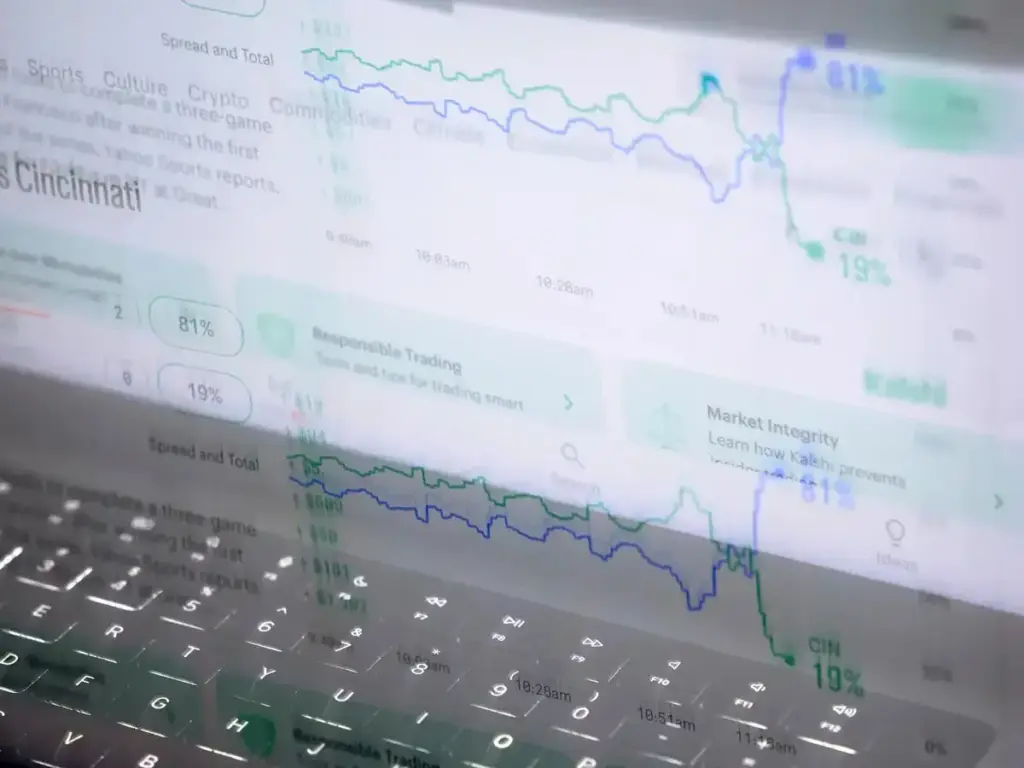
Digital platforms have transformed betting online from a scheduled activity into something that can appear available throughout an entire sporting event. Live information, portable devices and automated pricing reduce the distance between observing a match and taking financial action. Yet the human ability to interpret uncertain events has not accelerated at the same rate. That tension explains many of the misunderstandings surrounding real-time sports markets. More updates are not necessarily better understanding A football attack, a wicket appeal or a sudden rain shower can trigger immediate numerical changes. Rapid updates are useful for awareness, but a person still needs context to decide what an event means. A wicket in the final over differs from one in the opening powerplay. A red card has different consequences depending on the score and time remaining. Treating all alerts as equally significant confuses motion with information. The ideal reader uses the latest event to reconsider a model of the contest rather than automatically replacing one impression with another. The markets and the broadcast may disagree on timing Commercial data feeds, televisions and personal devices often receive events with different delays. A customer may see a line suspended before a replay explains why. Conversely, an image on screen may be ahead of a price that is still being updated. The ordering of these signals can create an illusion of special knowledge, even when a user has no dependable informational edge. Terms covering price changes, transaction acceptance and settlement rules are therefore as important as the visible numbers. A fast connection does not remove system-level latency. Behavior changes under time pressure An apparent deadline can narrow attention, leading people to rely on intuition rather than checking assumptions. After a loss, the desire to correct the outcome may intensify. This is not specific to wagering; similar patterns appear […]