






You landed in Las Vegas, your home state medical card is in your wallet, and you assume that’s enough. It usually is, but the details matter more than most travelers realize.
Nevada runs one of the more visitor-friendly medical cannabis systems in the country, and if you understand three things before you leave the airport, your whole trip gets easier: what reciprocity covers, where you’re allowed to carry, and which counter you walk up to once you’re inside.
I’ve watched plenty of out-of-state patients get turned around at a register because they handed over the wrong card or didn’t know Nevada treats medical and recreational customers differently at checkout. That’s a twenty-minute mistake you can skip entirely.
What Does Nevada Reciprocity Actually Cover?
Nevada recognizes valid medical cannabis registry cards issued by other states. That’s the headline, and it’s genuinely good news for anyone driving in from California, Arizona, or Utah, or flying in from anywhere else with a current card.
Show that card plus a matching government ID, and a dispensary can serve you as a medical patient rather than an adult-use customer.
The reason that distinction matters isn’t philosophical. Medical patients in Nevada get access to certain products and, more importantly, a lower tax rate on their purchase than recreational buyers pay.
That gap shows up on your receipt in a very real way, especially on bigger tickets. Budget matters, and this is one place where doing five minutes of homework saves you cash.
Two caveats trip people up. First, your card has to be current, not expired, and the name has to match your ID. Second, not every product category is off-limits to recreational buyers, so don’t assume you’re unlocking a secret menu.
What you’re really unlocking is the tax treatment and a slightly different consultation with the staff. Nevada’s program itself has been shaped over years of legislative sessions, and the state keeps the official rules posted through the Nevada Legislature if you want the fine print before you travel.
Possession Limits, and Why the Car Matters More Than the Counter
Here’s the part nobody warns you about. What you’re allowed to buy and what you’re allowed to do with it in public are two separate questions, and the second one is where tourists get cited.
Nevada allows adults 21 and over to possess a defined amount of cannabis flower and concentrate for personal use. Medical patients operate under a separate, higher allowance tied to their registered status.
Those numbers are set by state law, and I’d rather you check the current figure than trust a number you read on a forum three years ago.
The rule that catches travelers is simple and unforgiving: consuming in public is illegal, full stop. That includes the Strip, the parking lot outside the shop, and your rental car parked on Fremont Street.
Your hotel room is generally the answer, though some properties prohibit it on the premises entirely, so ask at the front desk before you assume anything.
Driving is its own separate issue, and it’s the one I’d underline twice. Cannabis impairment behind the wheel is treated seriously in Nevada, and the state’s enforcement posture tracks the broader national picture that the National Highway Traffic Safety Administration documents around impaired driving.
If you’re planning a dispensary run and a night out in the same evening, sort out your ride before you walk in the door. Rideshare is cheap here, and the alternative isn’t.
A Quick Pre-Trip Checklist
Run through this before you pack, and you’ll walk into any shop in the valley ready to go:
- Your physical medical card. A photo on your phone might work in a pinch, but I wouldn’t bet a vacation on it. Bring the real thing.
- A second government ID. Passport or driver’s license, name matching the card exactly.
- Your home program’s rules. Some states restrict what you can bring back across the border. Nevada’s rules end at the state line.
- A plan for getting back. Rideshare, a sober friend, or a walk. Decide before you buy, not after.
- Twenty extra minutes. First-time visits move slower because staff walk you through the menu. That’s a feature, not a delay.
One more thing on timing. Shops along the valley’s main corridors get busy in the early evening, and the wait can stretch past a half hour on a Friday. Go mid-morning if your schedule allows. The budtenders have more room to actually talk, and you’ll get better recommendations because of it.
Choosing Where to Go, and Why Proximity Is Underrated
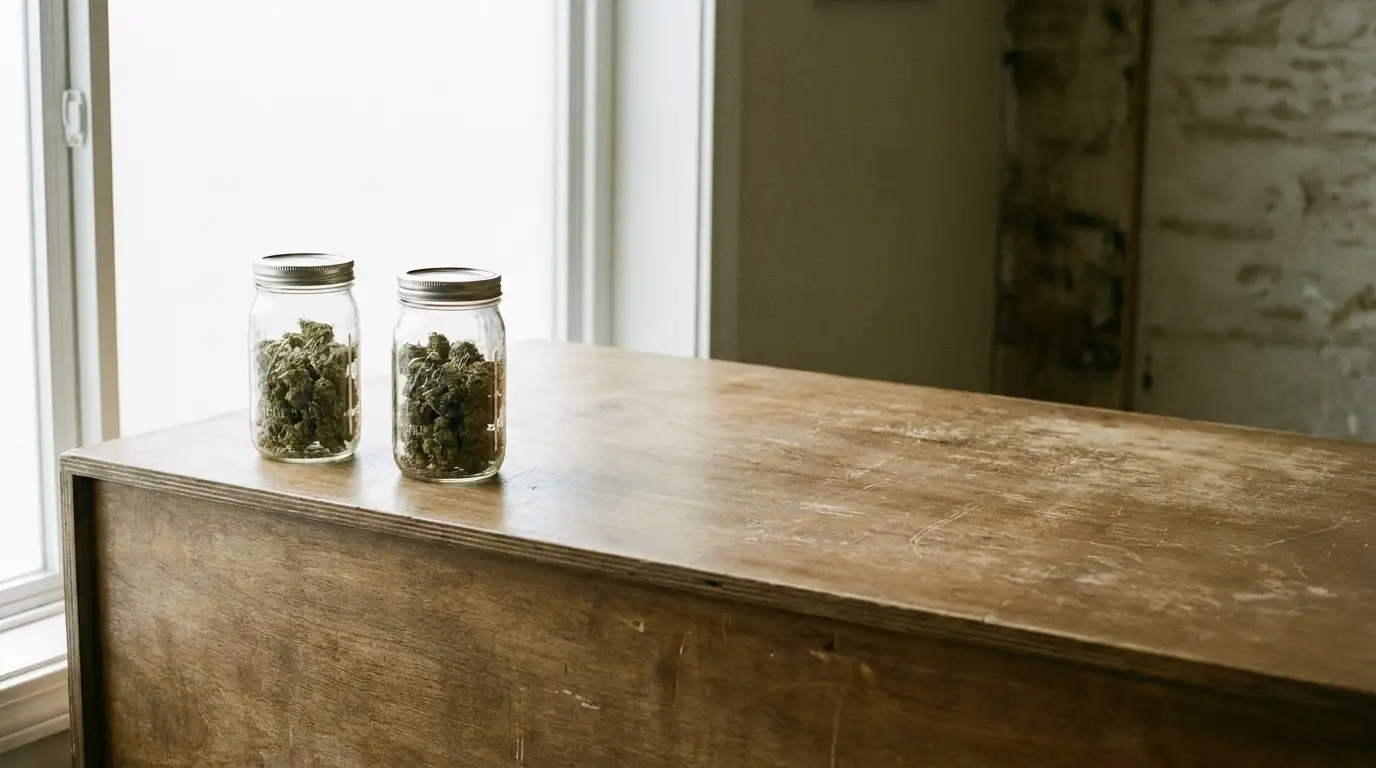
Tourists default to whatever shop is closest to their hotel on the Strip. I’d push back on that instinct. Strip-adjacent shops charge Strip-adjacent prices and deal with Strip-adjacent crowds.
Heading fifteen minutes north or east often gets you better selection, shorter lines, and staff who aren’t sprinting through a hundred transactions an hour.
If you’re staying near the north end of the valley, or you’re passing through on I-15, a medical dispensary in Las Vegas, NV that serves both patient types under one roof saves you a second stop. Being able to handle a medical purchase and a recreational one in the same visit is a small convenience that adds up when you’re on a short trip.
What should you actually ask when you get to the counter? Skip the strain-name guessing game. Tell the staff three things: what you’re trying to accomplish, how much experience you have, and whether you need to drive afterward.
That last question changes their recommendation more than anything else you could say. A good budtender will steer you toward something that won’t leave you foggy for two hours, and they’ll tell you honestly if the answer is “come back tomorrow.”
Ask about the tax difference too. If you’re a medical patient, confirm they’re ringing you up under the medical rate before you pay. It’s not rude to check. It’s your money.
Packaging, Storage, and the Trip Home
Whatever you buy comes in sealed, labeled packaging. Keep it that way. Nevada requires child-resistant containers, and transferring product into an unmarked bag doesn’t do you any favors if you get stopped.
The Centers for Disease Control and Prevention publishes general guidance on safe storage that’s worth a look if you’re traveling with family or staying somewhere with kids around.
And about flying home: don’t. Cannabis remains illegal at the federal level, and airports fall under federal jurisdiction. Whatever you didn’t finish stays in Nevada.
I know that stings when you’ve paid for it, but a confiscated bag is the good outcome. Plan your purchase size accordingly and you won’t be leaving much behind.
The Short Version
Nevada makes it genuinely easy for out-of-state medical patients to shop, and the state has built a system that treats visitors like adults. Bring your card, bring your ID, keep the consumption private, and never drive after using.
Do those four things and the rest is just picking a shop with good staff and reasonable prices. So here’s the question worth asking before your next trip: are you planning your dispensary stop around your hotel’s location, or around where you’ll actually get the best experience? The answer usually changes the whole itinerary.