
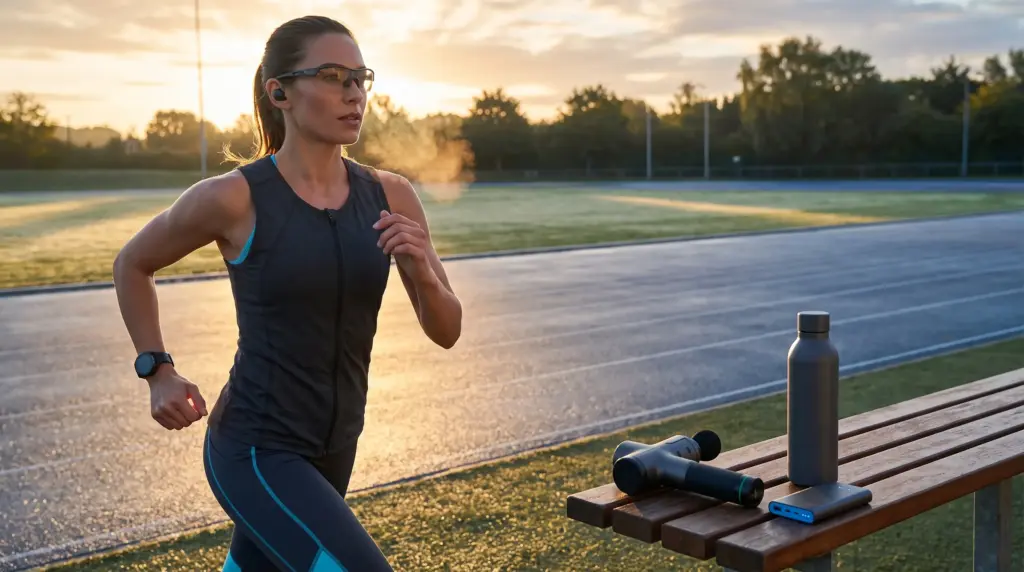





Training today is about more than having the right shoes and a good water bottle. Technology has become part of the way athletes prepare, perform, recover, and even stay motivated. From wearable trackers to smarter recovery tools, the right gear can make training more convenient without turning every workout into a science experiment.
The best upgrades are often the ones that fit naturally into an existing routine. Here are seven smart gear ideas worth considering.
1. A Fitness Watch That Tracks More Than Steps
Modern fitness watches have moved well beyond basic step counting. Many can monitor heart rate, sleep patterns, workout intensity, recovery time, and other useful metrics.
For runners, cyclists, and endurance athletes, GPS tracking can help measure distance and pace. Strength-focused athletes may use workout logging to track progress across different exercises.
The goal is not to obsess over every number. Instead, these tools can provide a broader picture of how training, recovery, and everyday habits interact.
2. Smart Eyewear for Hands-Free Training
Wearable technology is becoming less dependent on screens. Smart eyewear is one example of how athletes can access certain features without constantly reaching for a phone.
Some Meta glasses combine familiar eyewear design with hands-free features that may be useful during walks, outdoor workouts, cycling breaks, or casual training sessions.
For active users, the appeal is convenience. Being able to interact with technology while keeping both hands free can make certain activities feel less interrupted.
As with any connected device, athletes should also be aware of their surroundings and follow local rules regarding recording and device use.
3. Wireless Earbuds Designed for Movement
Standard earbuds are not always ideal for workouts. Sweat, sudden movement, and outdoor conditions can quickly become a problem.
Sport-focused wireless earbuds are generally designed to stay more secure during running, gym sessions, or cycling. Water and sweat resistance can also make them easier to use during intense workouts.
For outdoor athletes, transparency or awareness modes can be especially useful because they allow more environmental sound through when needed.
4. A Smart Water Bottle
Hydration is easy to overlook, especially during a busy training schedule.
Smart water bottles can provide reminders or track approximate water intake throughout the day. This may be useful for people who regularly forget to drink until they are already thirsty.
However, the technology is only valuable if it supports a realistic habit. A simple reusable bottle may still be the better choice for athletes who already maintain a consistent hydration routine.
5. Connected Recovery Tools
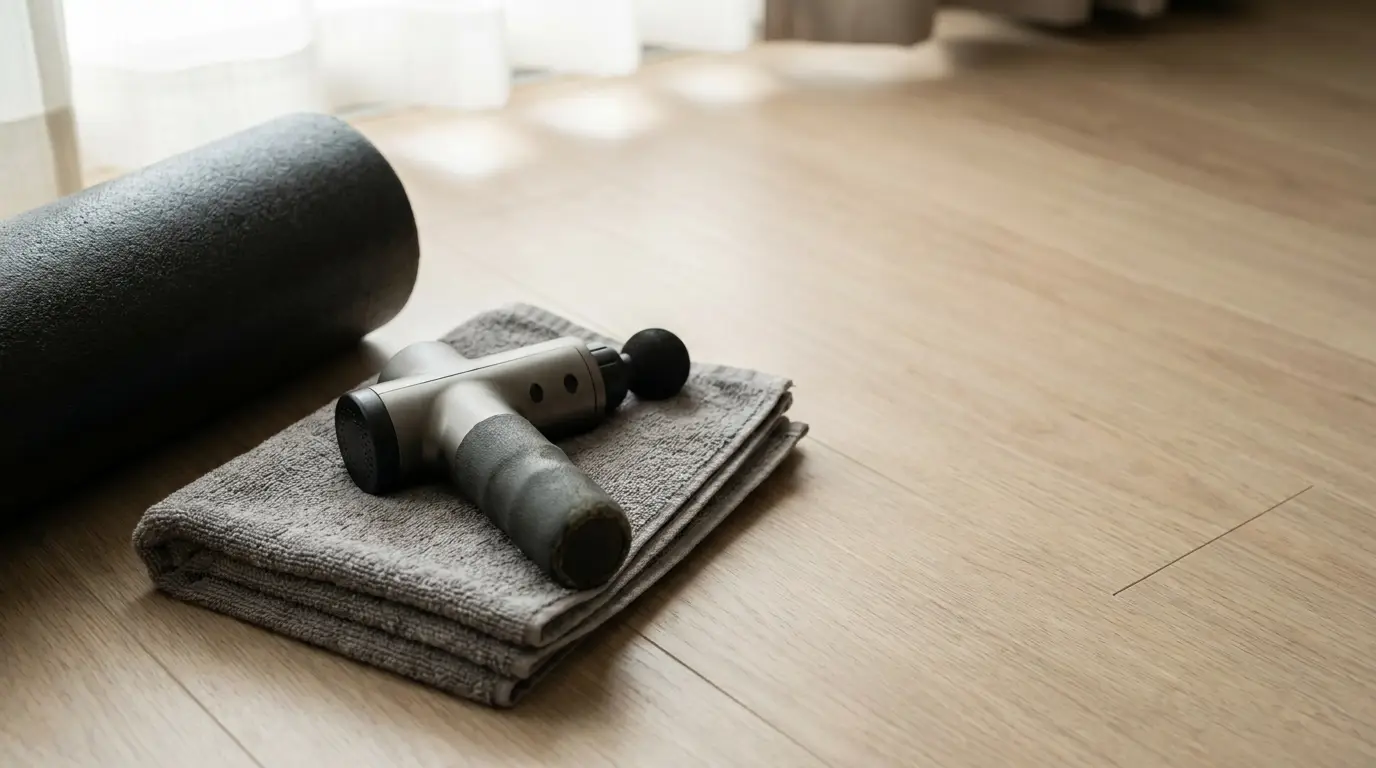
Recovery is just as important as training, and technology is increasingly moving into this area.
Massage guns, compression devices, and other connected recovery tools are designed to make post-workout routines easier to manage at home. Some devices include adjustable programs, timers, or app-based guidance.
They can be useful after demanding training sessions, but they should not replace professional medical advice when pain or injury is involved.
6. Smart Clothing and Performance Sensors
Sensors are beginning to appear in clothing, footwear, and athletic accessories.
Depending on the product, they may track movement patterns, running form, pressure distribution, or other performance information. This can be especially interesting for athletes who want more detailed feedback than a smartwatch alone can provide.
The technology is still more specialized than mainstream fitness tracking, but it shows how sports equipment is becoming increasingly connected.
7. Compact Portable Charging Gear
Athletes who train outdoors often rely on several electronic devices at once. A smartwatch, earbuds, smartphone, and action camera can all need power during a long day.
A compact power bank can therefore be one of the most practical pieces of smart gear. Models with fast charging and multiple ports are particularly useful during races, hiking trips, tournaments, or travel.
Portable charging is not the most exciting upgrade, but it can prevent more advanced technology from becoming useless when the battery runs out.
Choosing Technology That Actually Helps
There is no need to buy every new fitness gadget.
Before upgrading your gear, consider what problem you are trying to solve. Do you need better workout tracking? More convenient communication? Improved recovery? Longer battery life?
Technology should make training simpler, safer, or more informative. If a device adds more distraction than value, it may not belong in your routine.
Final Thoughts
Smart athletic gear continues to become more practical and less intrusive. Watches, smart eyewear, wireless audio, recovery tools, and connected sensors can all support different parts of an active lifestyle.
The most useful upgrades are usually those that work quietly in the background. When technology fits naturally into a training routine, athletes can spend less time managing devices and more time focusing on movement, progress, and performance.