





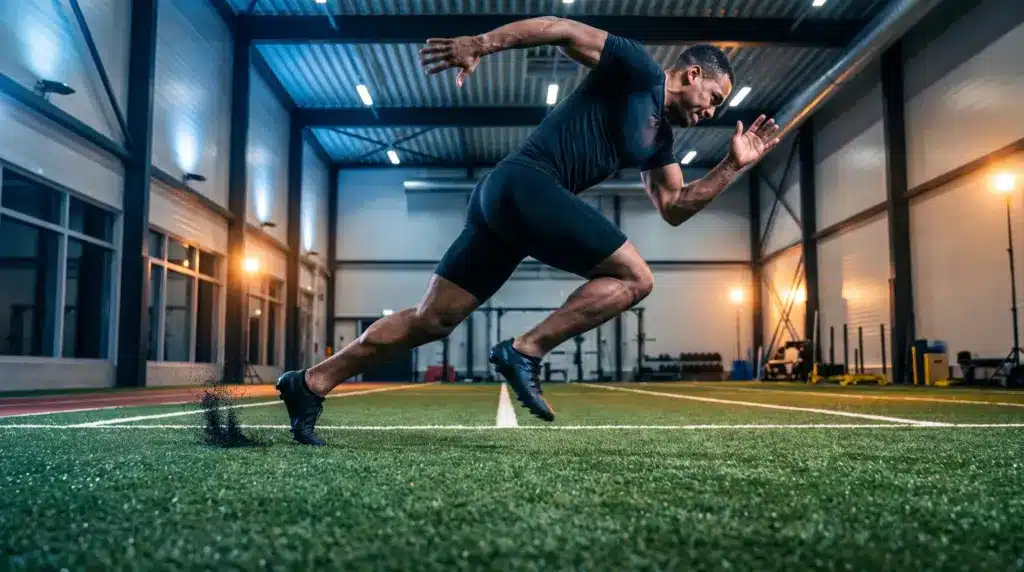
Advances in artificial intelligence (AI) have quietly redrawn the boundary lines between instinct and information in modern sport. Optical-tracking cameras now record every sprint, swing, or slide in granular detail, while machine-learning models convert raw footage into predictive metrics that help clubs refine tactics, reduce injuries, and engage audiences in fresh ways. Where scouts once relied on gut feeling, algorithms now reveal subtle patterns that humans alone rarely spot, turning data into a competitive edge that separates champions from the chasing pack.
Second-paragraph assessments from a b2b online sport betting provider underscore how strongly AI-driven forecasts already influence both front-office decisions and fan conversations. Proprietary platforms simulate thousands of match scenarios per minute, quantifying win probabilities in real time and flagging momentum shifts before they appear on a scoreboard. The same probability curves guide television commentators, fantasy-league enthusiasts, and sponsorship planners who crave credible numbers rather than hunches.
Continuous data collection produces an ever-expanding digital mirror of each athlete’s career. Video feeds pair with wearables that capture heart-rate variability, joint load, and hydration trends, then route those signals to cloud-based engines that evaluate risk and readiness. If fatigue scores spike, coaching staff receive alerts and can modify training drills long before overuse issues arise. AI transforms monitoring from periodic check-ups into an always-on safeguard that protects both performance and health.
From Data Flood to Clear-Cut Insight
Machine learning only thrives when fed well-labeled, high-quality information. Top clubs therefore invest heavily in sensor ecosystems that turn stadiums into research labs:
- High-Resolution Player Tracking
Multi-camera arrays plot every movement at up to 120 frames per second, enabling heat maps that highlight positional gaps. - Wearable Biometrics
Smart vests and boot-embedded chips measure acceleration, deceleration, and muscle vibration to reveal hidden strain. - Historical Performance Logs
Decades of archived footage provide training material for neural networks that learn context-aware play recognition. - Real-Time Environmental Sensors
In-stadium devices monitor temperature, humidity, and even turf elasticity, explaining why pace drops on certain sections.
Once curated, these datasets feed convolutional and recurrent neural networks able to classify actions—such as passes, tackles, or serves—with near-human accuracy. Coaches no longer spend hours tagging video; instead, they receive interactive dashboards that surface anomalies, like a defender whose reaction time slips late in matches or a tennis serve that loses spin after specific rally counts. The result is analysis that is swift, consistent, and free from personal bias.
Several professional leagues now publish selected AI insights during live broadcasts, giving fans a fresh layer of storytelling. A spike in expected-goal value can flash on screen seconds before a decisive shot, heightening anticipation. Viewers feel closer to the tactical chess match, while broadcasters enjoy richer narratives that differentiate coverage in a crowded media landscape.
Emerging AI Tools Shaping Tomorrow’s Play

Investment in AI has also birthed a wave of specialized applications poised to reshape preparation, recruitment, and recovery:
- Generative Opponent Simulation
Synthetic data engines generate entire match sequences against virtual opponents, letting teams test novel strategies without risking injury or revealing plans to rivals. - Predictive Rehab Scheduling
Gradient-boosting models analyze surgery type, biomechanics, and psychological readiness to forecast optimal return dates with day-level precision. - Automated Talent Scouting
Computer-vision systems scan amateur footage across global streaming platforms, ranking prospects by athletic traits that match a club’s strategic blueprint. - Sentiment-Driven Training Adjustments
Natural-language processing monitors social media feedback, gauging public perception to help athletes manage mental load during high-pressure stretches.
These tools illustrate how AI shifts sport toward a more holistic feedback loop, where performance metrics integrate seamlessly with medical, commercial, and fan-engagement considerations. The once-separate silos of analytics, medicine, marketing, and betting coalesce into a unified intelligence layer accessible through a smartphone dashboard.
Ethical and Practical Guardrails
Despite the promise, responsible adoption requires vigilance. Privacy remains paramount when handling biometric streams that could reveal sensitive health details. Governing bodies increasingly mandate anonymization protocols and data-retention limits to prevent misuse. Competitive balance also depends on equitable access; resource-rich organizations risk widening the gap unless leagues implement shared data frameworks that democratize core analytics.
Latency poses another practical hurdle. Real-time predictive overlays are only helpful if delivered within seconds, not minutes. Edge-computing solutions already shorten processing loops by hosting models inside stadium hardware, reducing reliance on distant servers during peak moments. As 5G connectivity matures, sub-second insights will likely become standard, unlocking hyper-interactive spectator experiences both in-venue and on personal devices.
A Future Where Strategy Meets Science
Artificial intelligence is no longer a peripheral experiment; it is a central pillar of modern sports analysis that blends vast data streams into concise, actionable guidance. Athletes gain personalized training blueprints, coaches receive instant tactical feedback, and supporters enjoy deeper immersion in every play.