


Some people enjoy setting personal goals without depending on a team. Others prefer the freedom to train whenever they have time.
Individual sports make both possible by placing progress, skill, and results in one person’s hands. From running and cycling to golf and archery.
These activities suit a range of fitness levels, interests, and lifestyles.
Many solo sports also allow regular practice without a partner, making them a practical choice for busy schedules.
This blog post explains individual sports, highlights popular solo sports, compares them with team games, and helps readers choose an activity that fits their goals and experience.
What are Individual Sports?
Individual sports are activities in which one person trains and competes based on personal performance rather than sharing responsibility with a team.
Many solo sports can also be practiced on one’s own, allowing participants to improve skills, fitness, and confidence at their own pace.
Popular examples include running, swimming, cycling, golf, archery, disc golf, skateboarding, and surfing.
These activities suit beginners and experienced athletes who prefer personal goals, flexible practice schedules, and steady progress.
Characteristics of Individual Sports
Individual sports share several common features that set them apart from team-based activities and help define how they are played and evaluated.
- Personal Performance: Results depend on an individual athlete’s skill, preparation, and effort rather than on teamwork.
- Self-Reliance: Training, decision-making, and performance are handled independently throughout practice and competition.
- Individual Goals: Progress is measured through personal records, rankings, scores, or completion times.
- Flexible Practice: Many solo sports allow training without a partner, making it easier to follow a regular schedule.
- Direct Responsibility: Successes and setbacks are the individual’s responsibility, encouraging accountability and steady improvement.
- Skill Development: Regular practice helps improve coordination, focus, endurance, balance, accuracy, or technique, depending on the sport.
Best Individual Sports for Solo Players
These solo sports allow one person to practice regularly without depending on teammates. Each activity offers a different mix of fitness, skill, and personal achievement.
1. Running

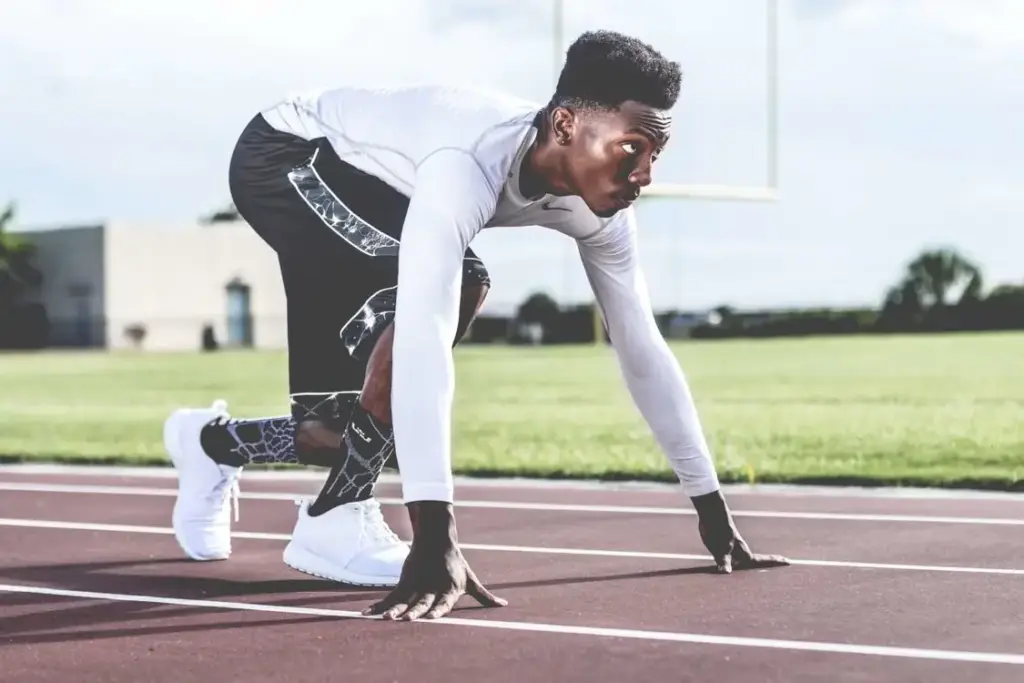
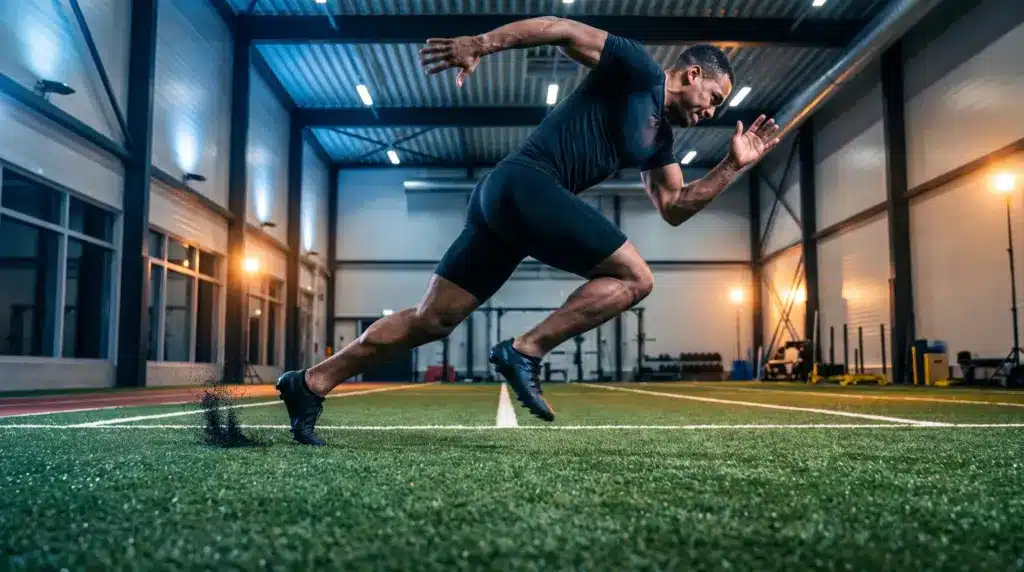
Running is one of the most accessible individual sports because it requires very little equipment and suits nearly every fitness level.
Parks, tracks, neighborhoods, and trails provide places to train at a comfortable pace.
Many runners set personal targets, such as improving distance or speed, while enjoying flexible schedules.
Regular sessions support heart health, stronger muscles, better stamina, and stress relief, making running a practical choice for people seeking long-term physical activity.
2. Swimming

Swimming is a full-body activity that works major muscle groups while placing less pressure on the joints. Most public pools offer dedicated lanes for independent practice.
Allowing swimmers to improve technique, breathing, and endurance at their own pace. Lap swimming, timed workouts, and distance sessions provide different training options.
As one of the most popular solo sports, swimming suits children, adults, beginners, and experienced athletes looking for regular exercise.
3. Cycling

Cycling combines outdoor exercise with personal fitness goals, making it a favorite among solo riders. Road cycling, mountain biking, and indoor cycling.
Each offers different experiences without requiring a partner. Riders can choose routes based on distance, terrain, or available time. Consistent cycling strengthens the legs.
Improves cardiovascular fitness and increases endurance.
Many cyclists also use fitness apps or bike computers to monitor progress and stay motivated throughout the year.
4. Golf

Golf allows players to complete practice rounds independently while improving precision, patience, and shot control. Driving ranges and golf courses provide opportunities.
To work on different parts of the game, including putting, chipping, and full swings.
Each round presents new challenges based on course layout and weather conditions.
Personal score tracking helps measure improvement over time, making golf a rewarding activity for people who enjoy skill-based recreation and steady progress.
5. Disc Golf

Disc golf follows rules similar to traditional golf but replaces clubs and balls with flying discs. Players throw discs toward metal baskets.
Aiming to complete each hole in the fewest attempts. Most public courses remain affordable or free, making the sport accessible to many communities.
Independent rounds allow players to refine throwing accuracy, distance, and consistency.
Disc golf also encourages walking outdoors, adding light physical activity to every session.
6. Archery

Archery focuses on aiming accuracy, steady posture, and controlled movement. Most practice sessions involve one person shooting arrows at stationary targets while working on consistency and proper form.
Outdoor ranges and indoor facilities welcome participants of different experience levels.
Regular practice strengthens upper-body muscles, improves hand-eye coordination, and builds concentration.
Many archers enjoy recording scores to measure progress, making archery a rewardingindividual sport for those who appreciate precision and personal achievement.
7. Skateboarding

Skateboarding is a popular solo sport that improves balance, coordination, and body control through regular practice. Riders can train independently at skate parks or smooth paved areas.
While learning turns, ramps, and tricks. Beginners usually start with basic movements before advancing to harder skills.
Consistent practice strengthens leg muscles and improves agility.
And sharpens reaction time. Personal progress comes from patience, repetition, and regular practice without relying on teammates.
8. Surfing

Surfing is an exciting individual sport where each person rides waves using balance, timing, and board control. Practice includes paddling and standing.
It also improves technique in changing water conditions. Many surfers train independently while choosing waves that match their experience level. Regular sessions build upper-body strength.
Endurance, flexibility, and coordination. Beaches across the United States offer ideal settings for beginners and experienced surfers alike to improve their skills through consistent practice.
9. Stand-Up Paddleboarding

Stand-up paddleboarding combines balance, strength, and steady movement on calm lakes, rivers, or coastal waters. Riders stand on a large board and use a paddle.
To move across the water at a comfortable pace. Many people enjoy this activity for recreation, fitness, or sightseeing without requiring a partner.
Regular sessions improve core strength, coordination, and endurance while offering a peaceful outdoor experience suitable for a range of ages and fitness levels.
10. Rock Climbing

Rock climbing can be practiced independently through strength, grip, and movement drills at indoor climbing gyms before tackling climbing routes with appropriate safety systems.
Many facilities provide training walls, hang boards, and technique areas that help improve body positioning and climbing skills.
Regular practice increases flexibility and coordination.
And upper-body strength. This individual sport rewards patience, careful planning, and consistent effort, making it appealing to people who enjoy physical and mental challenges.
11. Rowing (Single Scull)

Single scull rowing is an individual sport where one athlete rows a narrow boat using two oars. Each session depends on personal balance, rhythm, and proper stroke technique rather than on teamwork.
Training on lakes, rivers, or rowing centers builds cardiovascular fitness, leg strength, endurance, and coordination.
Regular practice also improves rowing efficiency and body control.
Many participants record distance, pace, and completion time to monitor improvement and work toward personal fitness goals throughout the year.
12. Kayaking

Kayaking is a popular solo sport that allows one person to paddle across lakes, rivers, and calm coastal waters. Independent sessions help improve paddling technique and upper-body strength.
Balance, coordination, and endurance. Beginners often enjoy short recreational trips, while experienced paddlers complete longer routes for greater physical activity.
Regular kayaking also increases water confidence and develops efficient paddle control.
It remains an enjoyable choice for outdoor exercise, sightseeing, and personal recreation across different seasons.
13. Canoeing

Canoeing is a relaxingindividual sport that can be enjoyed alone on lakes, rivers, and quiet waterways.
Solo paddlers develop steering skills, paddle control, and efficient movement while traveling at a comfortable pace.
Regular outings strengthen the arms, shoulders, back, and core while improving endurance, balance, and coordination.
Many public parks and recreation areas provide excellent locations for canoeing. The activity also offers a peaceful way to stay active while spending time in nature.
14. Inline Skating

Inline skating is an enjoyable solo sport that combines exercise with smooth movement on paved trails, parks, and sidewalks. Independent practice improves balance and coordination.
Agility and lower-body strength through regular skating sessions.
Beginners often learn to stop, turn, and control speed before attempting advanced skills and longer routes.
Consistent skating also supports cardiovascular fitness, endurance, and better body control. It is a practical outdoor activity for people who enjoy staying active without needing teammates.
15. Pickleball Wall Practice

Pickleball wall practice allows one player to improve accuracy, footwork, paddle control, and reaction speed without needing a partner. A solid practice wall or rebound surface.
Regular practice of forehand, backhand, volley, and dink shots builds consistency and confidence before competitive play.
This training method suits beginners and experienced players, making pickleball a practical individual sport for year-round skill development and personal improvement.
Pickleball itself has a surprisingly short origin story worth a quick read for anyone curious about how the sport got its start.
16. Roller Skating

Roller skating is a fun solo sport that combines exercise with smooth movement on indoor rinks, paved paths, and parks. Independent practice helps improve balance and coordination.
It builds agility and lower-body strength while increasing cardiovascular fitness.
Beginners can focus on stopping, turning, and controlled movement before practicing longer rides and advanced techniques.
Regular skating supports endurance and body control, making it an enjoyable year-round activity for people who prefer independent physical exercise.
17. Hula Hooping

Hula hooping is a fun solo sport that combines rhythmic movement with full-body exercise. One person can practice indoors or outdoors while improving balance, coordination, flexibility, and core strength.
Beginners usually start with basic waist rotations before learning arm, leg, and trick combinations through regular practice.
Consistent sessions also improve cardiovascular fitness and body control.
Hula hooping suits people of all ages, making it an enjoyable year-round activity for personal fitness and skill development.
Benefits of Individual Sports
Individual sports offer physical, mental, and personal advantages that support long-term health while helping participants improve through consistent practice.
- Improves Fitness: Regular participation builds strength, endurance, flexibility, and cardiovascular health through continuous physical activity.
- Builds Self-Confidence: Personal achievements and steady progress increase confidence by showing improvement through individual effort.
- Develops Discipline: Following a consistent practice routine helps build responsibility, commitment, and time-management skills.
- Strengthens Focus: Many solo sports require concentration, helping improve attention, decision-making, and mental control during practice.
- Offers Flexible Scheduling: Most solo sports can be practiced at a convenient time without coordinating with teammates or large groups.
- Encourages Personal Growth: Setting individual goals and tracking progress motivates continuous learning and steady skill improvement.
- Reduces Stress: Physical activity supports mental well-being by helping relieve stress, improve mood, and promote relaxation after daily routines.
Olympic Individual Sports that Can Be Practiced Solo
Several Olympic individual sports allow athletes to train independently while improving technique, fitness, and personal performance through regular practice.
| Olympic Sport | Solo Practice Possible | Main Focus |
|---|---|---|
| Running | Yes | Speed, endurance, and cardiovascular fitness |
| Swimming | Yes | Stroke technique, breathing, and stamina |
| Cycling | Yes | Endurance, leg strength, and pacing |
| Golf | Yes | Accuracy, swing control, and consistency |
| Archery | Yes | Precision, focus, and shooting technique |
| Skateboarding | Yes | Balance, board control, and trick development |
How to Choose the Right Solo Sport?
Choosing the rightsolo sport depends on personal interests, fitness level, available facilities, and the time you have for regular practice.
- Set a Goal: Choose a sport that aligns with your fitness, recreation, skill improvement, or competitive ambitions.
- Check Fitness Level: Select an activity that suits current strength, endurance, flexibility, and overall physical ability.
- Consider Available Facilities: Pick a sport with nearby parks, pools, gyms, trails, or practice areas for regular sessions.
- Review Equipment Costs: Compare the price of required gear and choose an option that fits the available budget.
- Match Personal Interests: Select an activity that feels enjoyable, making it easier to practice consistently and stay motivated.
- Think About Time Commitment: Choose a sport that fits daily or weekly schedules without disrupting other responsibilities.
- Start With Beginner-Friendly Options: Running, swimming, cycling, disc golf, and hula hooping are easy ways to build confidence and skills.
Individual Sports vs Team Sports
This comparison shows the key differences between individual sports and team sports, helping readers understand how each type of competition is organized.
| Aspect | Individual Sports | Team Sports |
|---|---|---|
| Participants | One athlete competes independently. | Two or more players compete together. |
| Performance | Results depend on personal skill and effort. | Results depend on the combined effort of teammates. |
| Responsibility | One person is accountable for the outcome. | Responsibility is shared across the team. |
| Practice | Many activities can be practiced alone. | Team practice is usually required. |
| Decision-Making | Decisions are made independently during play. | Decisions often involve coordination with teammates. |
| Communication | Limited communication is needed. | Regular communication is essential during play. |
| Examples | Running, swimming, cycling, golf, archery | Soccer, basketball, volleyball, baseball, hockey |
Common Mistakes when Starting a Solo Sport
Avoiding these common mistakes can help beginners enjoy solo sports safely while making steady progress through regular practice.
- Skipping Warm-Ups: Starting without warming up increases the risk of muscle strain and reduces overall performance.
- Ignoring Proper Technique: Incorrect form can slow skill development and increase the chance of avoidable injuries.
- Using Unsuitable Equipment: Poorly fitted or low-quality gear may affect comfort, safety, and confidence during practice.
- Training Too Much: Practicing without adequate rest can lead to fatigue, soreness, and slower physical recovery.
- Setting Unrealistic Goals: Expecting rapid improvement may lead to disappointment and reduce motivation to continue.
- Being Inconsistent: Irregular practice makes it harder to build skills, improve fitness, and achieve long-term progress.
Conclusion
Individual sports give people the freedom to train, improve, and reach personal milestones through consistent effort.
From running and swimming to golf, kayaking, and archery, there is a solo sport suited to different interests, fitness levels, and schedules. Selecting an activity that matches.
Personal goals make it easier to stay active and build lasting habits.
Regular practice supports physical fitness, confidence, discipline, and long-term progress while encouraging a healthy lifestyle.
Choose one of these individual sports, create a simple practice routine, and share your favorite solo sport in the comment section to help other readers find an activity they might enjoy too.
Frequently Asked Questions
Are Individual Sports Good for Mental Health?
Yes, individual sports can support mental health by reducing stress, improving focus, building discipline, and providing personal time away from daily pressures.
Which Sport Requires the Least Skill?
Walking, running, hula hooping, and recreational cycling are beginner-friendly activities with simple techniques, making them suitable starting points before trying more advanced individual sports.
Which Sport Is Best for Anxiety?
Walking, swimming, running, cycling, and hula hooping encourage steady movement, support relaxation, improve mood, and help reduce daily stress through regular physical activity.