



Injuries suck. Plain and simple. You’re training hard, making progress, and then bam — you’re sidelined. It throws everything off, and bouncing back takes time. Rest, physical therapy, and checking in with your doctor are still the most important things you can do. But a lot of athletes are also turning to cold therapy to give their recovery a little extra help.
Cold exposure has been getting a lot of buzz lately — pro teams are using it, and so are regular gym-goers. People turn to it to ease soreness, speed up recovery, and just feel better after a tough workout.
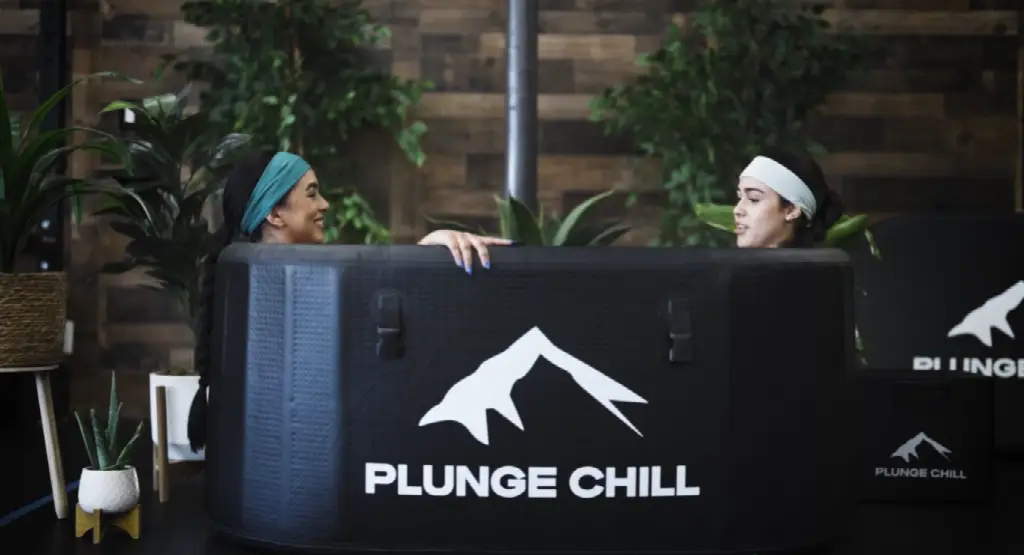
The good news? You don’t need a fancy sports facility anymore. Home cold plunge setups with cold plunge chiller make it easy to keep water at a steady temperature without the headache of buying ice every time. Just set it and forget it — no more running to the store.
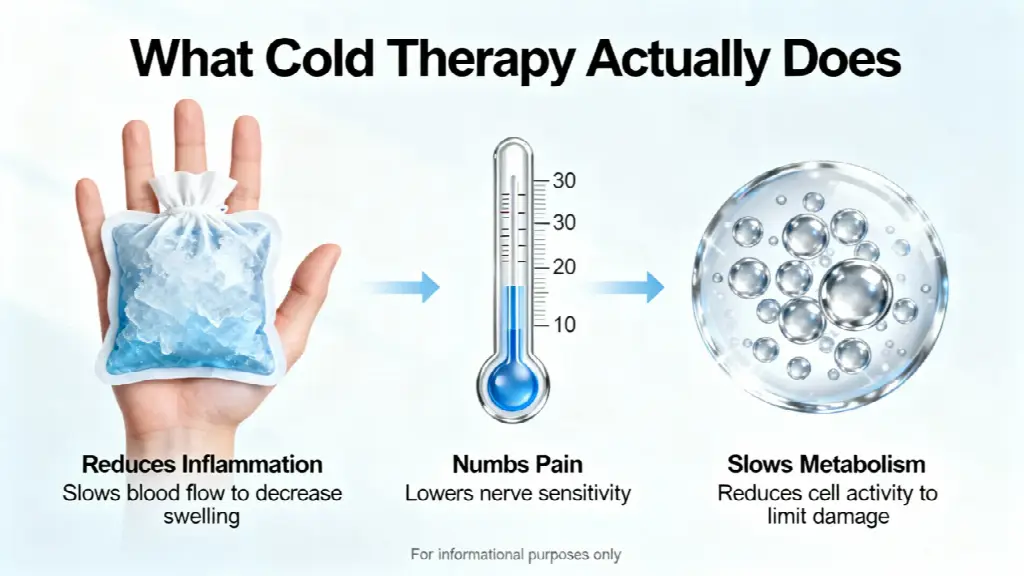
What Cold Therapy Actually Does
Cold therapy is pretty simple: you expose your body to cold temperatures for a short, controlled period. That could be an ice pack, a cold shower, an ice bath, or a plunge tub.
When cold water hits your skin, your blood vessels tighten up. That can help reduce swelling and discomfort after a tough workout. Then, as you warm up, blood flow increases and everything opens back up.
For athletes dealing with intense training or minor injuries, this process can make recovery feel more manageable. But let’s be clear — cold therapy isn’t a magic fix. It’s a tool, not a replacement for medical care.
Why Athletes Use Cold Therapy During Recovery
1.It Takes the Edge off Soreness
This is probably the biggest reason athletes hop in cold water. After heavy lifting, long runs, or high-impact sports, your muscles feel wrecked. Cold exposure can help dial down that soreness, making recovery days more bearable — especially if you’ve got back‑to‑back training sessions.
2. It Helps Manage Fatigue
When you’re grinding day after day, fatigue starts to pile up. You feel slow, your performance drops, and overtraining starts creeping in. Adding cold therapy to your routine can help you feel more refreshed and ready for the next session. A lot of athletes use it after games, brutal practices, or heavy training weeks.
3. It Keeps You Consistent
The key to any recovery routine is sticking with it. An occasional cold plunge is fine, but regular use is what actually moves the needle. That’s where home systems come in — you can set the temperature and plunge whenever you want, with zero prep. Way easier than filling a tub with ice and waiting around.
How Cold Therapy Fits Into Rehab
When you’re coming back from an injury, your body needs time to rebuild strength and mobility. That usually means physical therapy, stretching, and working with a professional.
Cold therapy can be a helpful sidekick during certain stages of rehab. Some athletes use it between sessions to manage discomfort and support recovery.
But timing matters. Right after certain injuries, cold might not be the move because inflammation is actually part of the healing process. If you’re dealing with a serious injury, always talk to your doctor before adding anything new.
Temperature and Time Guidelines
New to cold plunging? Keep the water between 50°F and 59°F (10°C–15°C). Cold enough to do something, not so cold that you hate every second.
Stay in for 2 to 10 minutes—whatever feels right. And honestly? Don’t stress about the clock. Consistency beats duration every time.
Setting Up a Home Recovery Space
The easier it is to recover, the more likely you’ll actually do it. Traditional ice baths are a pain — you’re constantly buying ice and dealing with inconsistent temps.
A dedicated cold plunge system changes that. Temperature control, built‑in filtration, and simple maintenance make it way easier to use regularly. For athletes, that convenience is what turns a once‑in‑a‑while thing into an actual habit.
Bottom Line
Cold therapy isn’t some magic bullet. It’s not going to heal a torn muscle or take the place of proper rehab. But if you’re already doing the right things—eating well, sleeping enough, staying on top of your training and medical guidance—it can be a useful addition to your recovery routine.
These days, modern plunge systems make cold exposure way more accessible. Whether you’re using it post-workout, during injury recovery, or just as part of your daily wellness routine, cold immersion is a simple, practical way to help your body recover and feel better.