




A solar generator is now a serious backup option for U.S. homes, not just a camping accessory. It can support refrigerators, routers, lights, tools, and RV gear when the grid is down.
EcoFlow, Jackery, and Anker all sell capable high-capacity systems. The right choice depends on capacity, output, charging speed, expansion, and how the unit connects to your home or travel setup.
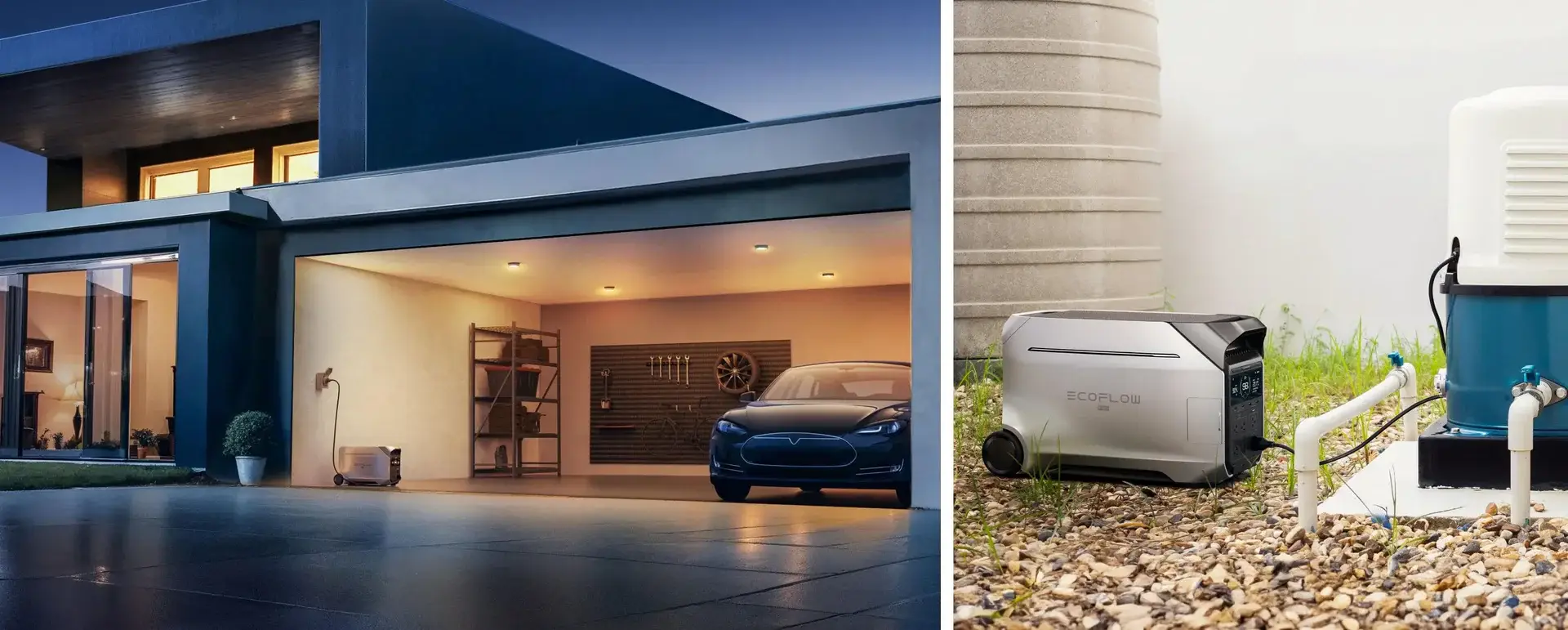
Start With the Backup Job
A fair comparison starts with the outage you expect. A short storm outage, a weekend RV trip, and a multi-day home backup plan do not need the same hardware. Your loads should guide the product, not the other way around.
Home Essentials
Most households should start with essentials. A refrigerator, freezer, router, phones, lights, and a medical device may matter more than entertainment gear. Once those loads are covered, you can decide whether larger appliances belong in the plan.
RV and Garage Loads
RV owners and garage users often need higher output than campers. A microwave, power tool, or RV appliance can draw heavy power for short periods. Check rated watts and plug type before assuming any large battery can run the load.
Longer Outages
Longer outages depend on recharge planning. A solar generator can extend runtime with panels, but sunlight is not guaranteed. Shade, weather, season, and panel angle all reduce real-world input, so plan with a margin instead of perfect conditions.
Compare the Specs That Change Daily Use
When you compare a solar generator, ignore small feature differences at first. The core numbers are capacity, continuous output, surge handling, solar input, and expansion. These specs decide whether the unit supports your home in practice.
Battery Capacity
Capacity tells you how much energy the unit stores. EcoFlow DELTA Pro 3 lists 4,096Wh. Anker SOLIX F3800 Plus lists 3,840Wh. Jackery Explorer 5000 Plus lists 5,040Wh. Bigger capacity helps runtime, but it also affects size and price.
Continuous Output
Continuous output shows how much power the system can supply steadily. EcoFlow DELTA Pro 3 lists 4,000W. Anker SOLIX F3800 Plus lists 6,000W. Jackery Explorer 5000 Plus lists 7,200W. Higher output helps with heavier appliances.
Split-Phase Support
For U.S. homes and some RV setups, 120V and 240V support can matter. All three systems are positioned with 120V and 240V capability. That makes the comparison more reasonable than matching a home backup unit against a small camping battery.
Solar Input
Solar input affects recharge speed under good sunlight. EcoFlow DELTA Pro 3 lists up to 2,600W. Anker SOLIX F3800 Plus lists up to 3,200W. Jackery Explorer 5000 Plus lists up to 4,000W with a supported solar setup.
Expansion Path
Expansion matters when your first backup plan grows. EcoFlow DELTA Pro 3 scales up to 48kWh. Anker SOLIX F3800 Plus can expand with extra batteries and larger setups. Jackery Explorer 5000 Plus is positioned for expansion up to 60kWh.
How the Three Systems Compare
These are not identical products, but they belong in the same U.S. home backup conversation. Each starts around the 4kWh to 5kWh class, supports high output, and targets homeowners who want more than a small portable battery.
EcoFlow DELTA Pro 3
EcoFlow DELTA Pro 3 is the balanced option in this group. It does not lead every single line item, but it combines 4,096Wh capacity, 4,000W output, 120V and 240V support, and a clear 4kWh to 48kWh expansion path.
Anker SOLIX F3800 Plus
Anker SOLIX F3800 Plus is close in type and often lower in current U.S. entry price. Its strong 6,000W output and 3,200W solar input make it a serious competitor for users who prioritize output per dollar.
Jackery Explorer 5000 Plus
Jackery Explorer 5000 Plus starts larger. Its 5,040Wh capacity and 7,200W output place it above the others in base capacity and output. It is useful to include when comparing buyers who may pay more for a larger starting point.
| Factor | EcoFlow DELTA Pro 3 | Anker SOLIX F3800 Plus | Jackery Explorer 5000 Plus |
|---|---|---|---|
| U.S. price snapshot | $2,499 to $2,599 | $2,199 to $2,299 | $2,799 to $2,879 |
| Base capacity | 4,096Wh | 3,840Wh | 5,040Wh |
| Rated AC output | 4,000W | 6,000W | 7,200W |
| 120V/240V support | Yes | Yes | Yes |
| Solar input | Up to 2,600W | Up to 3,200W | Up to 4,000W |
| Best fit | Balanced expandable home backup | High-output value route | Larger starting capacity |
Price Is Only One Part of Value
U.S. market prices change often because solar generator products run seasonal discounts, bundles, and retailer promotions. Treat price as a snapshot. For a durable backup plan, the better question is what you get for the money.
Same Type, Not Identical Price
This comparison is more accurate than calling all three the same price. EcoFlow DELTA Pro 3 and Anker SOLIX F3800 Plus are closer in current U.S. pricing. Jackery Explorer 5000 Plus sits higher but also starts with more capacity.
Output Versus Capacity
Output and capacity solve different problems. Output helps run demanding appliances at the same time. Capacity helps them run longer. A solar generator with more output is not always better if your main goal is overnight runtime.
Expansion Costs
A low starting price can change after batteries, panels, transfer gear, and accessories. Compare the full route, not only the base unit. If you plan to grow into home circuits later, check the brand’s ecosystem before buying.
- Check the current U.S. price from the official site.
- Compare the base unit before bundles.
- Add battery and panel costs if expansion is part of the plan.
Avoid Common Comparison Mistakes
Spec tables are useful, but they can also mislead. A strong solar generator comparison should connect numbers to real loads, realistic charging, and the way a household uses a solar generator during an outage.
Chasing the Highest Wattage
The highest output does not automatically make the best backup system. A home that mainly needs refrigeration, internet, lights, and device charging may benefit more from expansion, quiet operation, and simple setup than maximum rated output.
Forgetting Home Connection Needs
Plugging devices directly into a unit is different from backing up circuits. Home connection may require a transfer switch, inlet box, smart panel, or professional installation. Always check compatibility before assuming a battery can power selected circuits.
Ignoring Weight and Storage
These are large systems, not pocket power banks. Wheels, handles, storage space, and moving distance matter. A system that looks good on paper may be difficult to use if it lives far from the appliances or panel connection.
Why EcoFlow Still Makes Sense
EcoFlow DELTA Pro 3 fits buyers who want a balanced starting point rather than a single headline win. Its 4kWh-class base, 120V and 240V support, strong solar input, and 48kWh expansion path make it practical for staged home backup.
That path is the key advantage. You can start with essential loads, then add capacity or home integration later. For many households, that upgrade route is more useful than choosing only the lowest price or the highest output.