
December 19, 2025
Runner’s knee has a sneaky way of turning simple stuff, stairs, squats, even sitting through a movie, into a “why does my knee hate me?” moment. If that ache is hanging out around the kneecap (or feels like it’s hiding behind it), this blog is here to help make sense of it. You’ll learn what runner’s knee really is, why it happens (even to non-runners), and the most common triggers like doing too much too fast, weak hips and quads, tight leg muscles, and form slip-ups. We will walk through a quick 10–15 minute routine that’s easy to stick with: a warm-up, the best strengthening moves, the most helpful stretches, and a simple weekly plan. It also covers what to avoid during a flare-up and when it’s time to see a PT or doctor. What is Runner’s Knee? Runner’s knee isn’t just for runners; plenty of cyclists, gym-goers, and even people who sit a lot deal with it too. Where it Hurts: Usually right in front of your knee or around the kneecap. Sometimes it feels like the pain is coming from behind the kneecap itself. What’s Actually Happening: The kneecap (patella) isn’t tracking smoothly over your thigh bone. This creates friction and irritation, especially when you bend your knee, such as going up stairs, squatting, or running. Who Gets It: Active people who suddenly increase their training, but also folks who have weak hips or tight leg muscles. Even sitting for long periods with bent knees can trigger it. Common Causes & Triggers Your knee doesn’t hurt for no reason. Here are the usual suspects: Overuse: Jumping up your running mileage too fast, adding lots of hills, or climbing stairs repeatedly Weak Muscles: Especially weak hips, glutes, and quads that can’t support proper knee alignment Tight Muscles: Tight hip […]

Sports can be exciting, but some take danger to a whole new level. From jumping off cliffs to riding huge waves, certain activities push the limits of what the human body can handle. This blog breaks down the most dangerous sports in the world, ranking them by how likely they are to cause serious injuries or even death. We also examine popular everyday sports that cause the most injuries, why people still choose to engage in high-risk activities, and how modern safety technology helps reduce some of the risks. By understanding what makes a sport dangerous, readers can better appreciate the skill, courage, and preparation these athletes bring to every challenge. Ranking the Most Dangerous Sports Understanding what makes a sport dangerous requires examining multiple factors: fatality rates, the frequency of severe injuries, environmental unpredictability, and the consequences of equipment failure. Here are the fifteen most dangerous sports ranked by their risk to human life. 1. BASE Jumping Attribute Score Fatality Risk 10/10 Injury Severity 10/10 Environmental Factors 10/10 Equipment Dependence 10/10 Skill Required 10/10 Why It’s Deadly: BASE jumping represents the pinnacle of dangerous sports, combining low altitude deployment with high-speed impacts and no backup systems. Jumpers face death from parachute malfunctions, collision with cliff faces, or landing in dangerous terrain. The sport requires absolute precision under extreme pressure, with no second chances. Famous Athletes: Jeb Corliss, Valery Rozov Safety Considerations: Even experienced jumpers acknowledge that BASE jumping carries inherent, uncontrollable risks. Weather conditions can change instantly, and many jump sites offer no safe abort options once committed. 2. High-Altitude Mountaineering Attribute Score Fatality Risk 10/10 Injury Severity 9/10 Environmental Factors 10/10 Equipment Dependence 9/10 Skill Required 9/10 Why It’s Deadly: Climbing peaks above 8,000 meters enters the “death zone” where human bodies literally die from oxygen deprivation. Annapurna […]

Want stronger last reps, a faster finishing kick, and less “dead legs” between hard workouts, without changing the whole training plan? Creatine is a simple upgrade many runners overlook. While known as a weight-room supplement, it also helps during race moments like hill surges, 400s on tired legs, and the final push. Of course, it’s not perfect for everyone, and the scale can jump 1–3 pounds at first from extra water stored in muscle. This blog breaks down what creatine is, how it fuels short, strenuous efforts, the real benefits runners notice, and the downsides to watch for. We will also explain who should use it, when to start, and what results to expect in 2–6 weeks. Is Creatine Good for Runners? Yes, for many runners, especially those who do speed work, lift weights, or race with tactical surges. Think of it as a training tool that helps you get more out of hard sessions. Maybe not as helpful for runners who only do long, easy miles without any high-intensity work. Main trade-off: You might gain 1–3 pounds of water weight in the first few weeks. Helps with: Sprint power, repeat efforts, gym strength, faster recovery, and training tolerance Doesn’t Directly: Dramatically boost VO₂ max or transform easy-run endurance Common Issues: Water retention and GI upset (both usually fixable with proper timing and dosage) What is Creatine? Creatine is a natural compound that lives in your muscles. Your body makes some on its own, and you also get it from eating meat and fish. Athletes often take creatine supplements to boost the amount stored in their muscles beyond what diet alone provides. What Does Creatine Do in The Body? Think of creatine as a quick-energy battery. When you need a burst of power, such as climbing a hill, sprinting, or […]

Many people love debating which sport is the hardest, and the answer isn’t always simple. Every sport challenges the body and mind in different ways, from strength and speed to skill and mental focus. This blog takes a closer look at what makes certain sports tougher than others. It breaks down training demands, injury risks, and the mental pressure athletes face. Each ranked sport is explained in simple terms so readers can understand why it earned its place on the list. We will also cover what it takes to train for high-level competition, when athletes begin, and what the public thinks of the most demanding sports. This guide helps make sense of a big question many people love to argue about. What Is the Hardest Sport? Mixed Martial Arts (MMA) is widely considered the hardest sport due to its extreme blend of strength, endurance, technique, and mental toughness. When people ask what the hardest sport is or look for rankings of the hardest sports, MMA consistently ranks at the top across expert evaluations. In sports, “difficulty” refers to the combined physical, technical, and psychological demands required to compete at an elite level. Why MMA ranks #1Experts score MMA highest because athletes must master striking, grappling, wrestling, power, cardio, and split-second decision-making under intense pressure. Why Athletes AgreeFighters describe MMA as brutally demanding, requiring nonstop conditioning, pain tolerance, discipline, and years of training across multiple martial arts. MMA stands above other hard sports because it pushes athletes beyond traditional limits. Its combination of technique, conditioning, combat skill, and mental resilience makes it the toughest sport to train for, compete in, and sustain over time. Most Hardest Sports Some sports push athletes to their absolute limits in strength, skill, and resilience; here’s a look at disciplines widely regarded as the most brutally […]


Cristiano Ronaldo’s photos from the early 2000s to today spark a lot of “before vs after”

Cristiano Ronaldo’s story isn’t just match highlights and trophy photos. Behind the superstar image are little

Gus Edwards has had a busy few years, and many fans want to know what’s going

If you’ve ever seen Tyler Reddick’s No. 45 car on TV and thought, “Wait, is that

Talking about the “worst” NBA players can feel a little harsh, especially since reaching the league
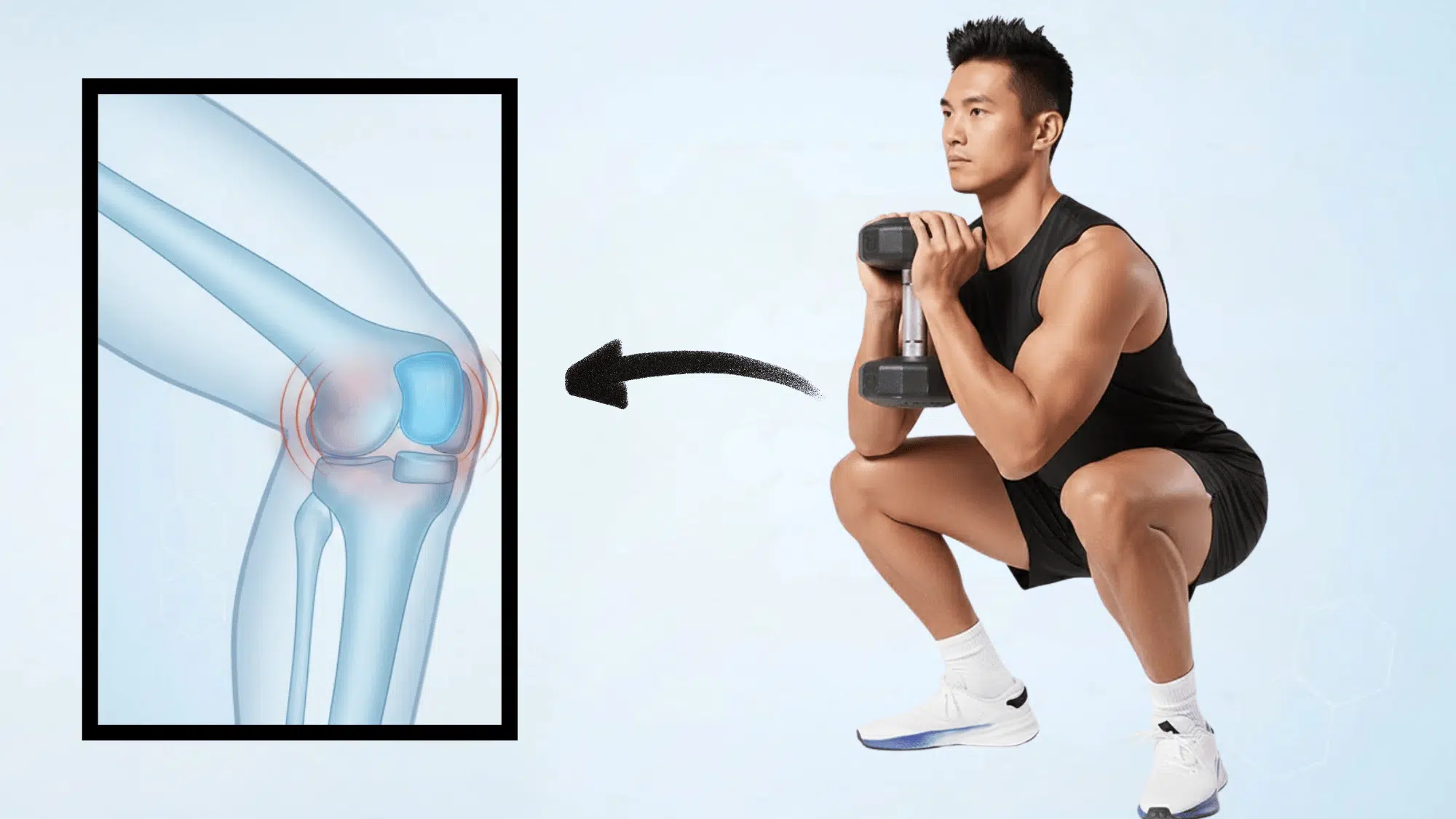
Ever drop into a squat and feel a sudden pinch in the knee that makes the

Ever wonder what makes an athletic body type different from other body types? If you’re naturally

Running on a full stomach is the fastest way to turn an easy run into a

A lean athletic physique is more than just looking fit in the mirror. It means having

Bench pressing is supposed to build a strong chest, not wreck the shoulders. Yet many lifters

Golf scoring can feel confusing at first, especially when everyone keeps talking about par. What Is

College football can feel confusing, especially when terms like FBS and FCS get tossed around like