
December 19, 2025
Soccer can change a life in a single moment. One bad tackle, one wrong landing, and a player’s whole future looks different. This blog walks through some of the most shocking injuries in soccer history, the kind that fans and players never forget. It also breaks down the worst types of injuries, like ACL tears, broken bones, and concussions, in simple terms. You’ll see why these injuries happen, the warning signs your body gives, and what really helps protect players on the field. Finally, it looks at the road back: surgery, rehab, and the mental battles players face when they try to return to the game they love. When Soccer Injuries Changed Everything Some injuries in soccer history are so shocking that fans still remember exactly where they were when they happened. These aren’t just statistics; they’re real stories about real players whose lives changed in an instant. 1. Eduardo da Silva’s Nightmare (2008) Arsenal’s Brazilian-Croatian striker was in brilliant form when Martin Taylor’s challenge shattered his left leg against Birmingham City. The gruesome compound fracture exposed bone and dislocated his ankle, creating images so disturbing that broadcasters banned replays. Eduardo spent a year recovering and returned to professional football, but the fearless, dynamic forward who terrorized defenses was gone forever. The tackle sparked massive debate about player protection, leading to Taylor receiving a three-match ban and widespread calls for stricter punishment of dangerous challenges Eduardo later revealed he suffered psychological trauma and needed therapy to overcome his fear of similar tackles when returning to competitive action 2. David Busst’s Career-Ending Horror (1996) Coventry City’s defender suffered football’s most notorious injury during a collision with Manchester United players. Both lower leg bones snapped completely, with fragments piercing through his skin in full view of 40,000 horrified spectators at Old Trafford. […]

Ever notice how some everyday tasks feel harder than they should, like carrying groceries, lifting a laundry basket, or getting up from the floor? Functional strength training helps make those moments easier. It builds strength that actually works in real life, not just in the gym. In this blog, the focus is on what functional strength training is, how it works, and why it matters. You’ll also see the key benefits, the differences from traditional training, the best beginner exercises, and ready-to-follow workout routines. By the end, it becomes clear how to fit functional strength training into a weekly routine in a simple, safe, and practical way. What Is Functional Strength Training? Functional strength training prepares your body for real-life movements and daily activities. Instead of just making muscles bigger, it helps you move better when carrying groceries, playing with kids, climbing stairs, or bending down to pick something up. Think of it as training your body for the things you actually do every day, not just for how you look in the mirror. Exercises like squats, lunges, and deadlifts are perfect examples because they mirror movements you make all the time. How Functional Strength Training Works Here’s what makes functional training special: it teaches your muscles to work as a team rather than solo performers. Multi-joint movements are the foundation. When you squat down to lift a box, you’re not just using your legs; your ankles, knees, hips, core, and back all work together. Functional training replicates this teamwork in the gym. Multi-planar movements mean you’re not stuck moving in just one direction. Real life doesn’t happen on a straight track. You twist to look behind you while driving, reach diagonally to grab something off a shelf, and step to the side to avoid obstacles. Functional exercises train your […]
Ever looked at your local track and thought, “That’s just for sprinters and high school kids”? Think again. For distance runners, the track can be a secret weapon for getting faster, stronger, and more confident on race day. This blog walks through why track workouts matter, what real runners say about them, and the best sessions for 5K to marathon training. You’ll see simple breakdowns of 400s, 800s, ladders, tempo intervals, and more. There’s also advice on how to track progress, a sample weekly schedule, and common mistakes to avoid. By the end, the track won’t feel scary or “too serious” anymore; it’ll feel like your own running lab. Why Distance Runners Should do Track Workouts The track is basically a runner’s playground. Unlike road running, where you’re dodging potholes and guessing distances, the track gives you exact measurements every 100 meters. Want to know if you can hold 90 seconds per 400m? The track will tell you the truth. Here’s Why the Track Rocks: Softer Surface: That rubberized oval is easier on your joints than concrete Perfect for Pacing: No more wondering “was that really a 7-minute mile?” Builds Your Engine: Improves VO₂ max and lactate threshold (fancy terms for “makes you faster”) Mental Toughness Training: When your brain says “stop,” the track teaches you to keep going Community Vibes: Tuesday night track sessions with other runners hit different Plus, there’s something about running in circles that makes you feel like a real athlete. High school track team energy, but with better training knowledge. Track Workouts for Distance Runners The track offers structured speed work that builds power, improves pacing control, and sharpens race-day fitness: even if you’re training for a 5K or marathon distance. What Are RPE and Race Pace? RPE (Rate of Perceived Exertion) is how hard […]

Ever felt a sudden, sharp pain in your arm while lifting something or playing sports? Maybe even while carrying groceries? That scary feeling can leave you wondering what’s wrong. Sometimes it’s just a pulled muscle. But other times, that pain might mean you’ve torn your bicep. It can be confusing to know the difference, mainly when the pain sticks around or gets worse. That’s why learning about torn bicep symptoms matters. This guide will help you understand the main symptoms, how they affect your daily life, the different types of tears, and what treatment options are available. What does a Torn Bicep Feel Like? A bicep tear doesn’t always feel the same for everyone, but there are everyday experiences that signal something’s seriously wrong. The moment it happens, most people feel like their arm suddenly “gave out” or something snapped inside, not your typical workout soreness. Immediate Weakness and Instability: Your arm feels unresponsive, making it hard to lift or hold objects you’d typically handle with ease. Rapid Swelling and Color Changes: Within hours, the area becomes tender, puffy, and may show purple or blue discoloration spreading across the skin. Unusual Muscle Appearance: The bicep might bunch up oddly or create a visible bulge that wasn’t there before, especially when you flex. If your arm pain comes with these experiences, especially that immediate “something’s wrong” feeling, don’t wait it out. Getting checked quickly can make a big difference in how well you heal and regain strength. Common Symptoms of Bicep Tear Understanding a torn bicep isn’t just about medical terms. These symptoms pop up in everyday moments, making normal tasks painful and frustrating. 1. Pain in Your Arm The most common first sign is sudden, sharp pain. This usually hits right after the injury and can really catch you off […]


Golf can feel confusing at first, especially with all the unique scoring terms players use on

When watching soccer and American football, the fields might seem somewhat alike at first. But look

Volleyball can look a little confusing at first, right? Six players on the court, everyone moving,

Picture this: the gym is loud, the score is tight, and everyone on the bench is

Ever wondered how long a soccer game really lasts? On paper, it seems pretty straightforward, but

If baseball season feels like it’s always on, that’s because it almost is. Games stack up

MMA and boxing are two tough combat sports that often get compared, and it can be

Watching a WNBA game is exciting, fast, and full of nonstop action, but many fans still

Ever heard someone confidently say they know exactly who “invented” bowling, and it just doesn’t sound

Why does a 60-minute football game take three hours to watch? If you’ve ever been confused
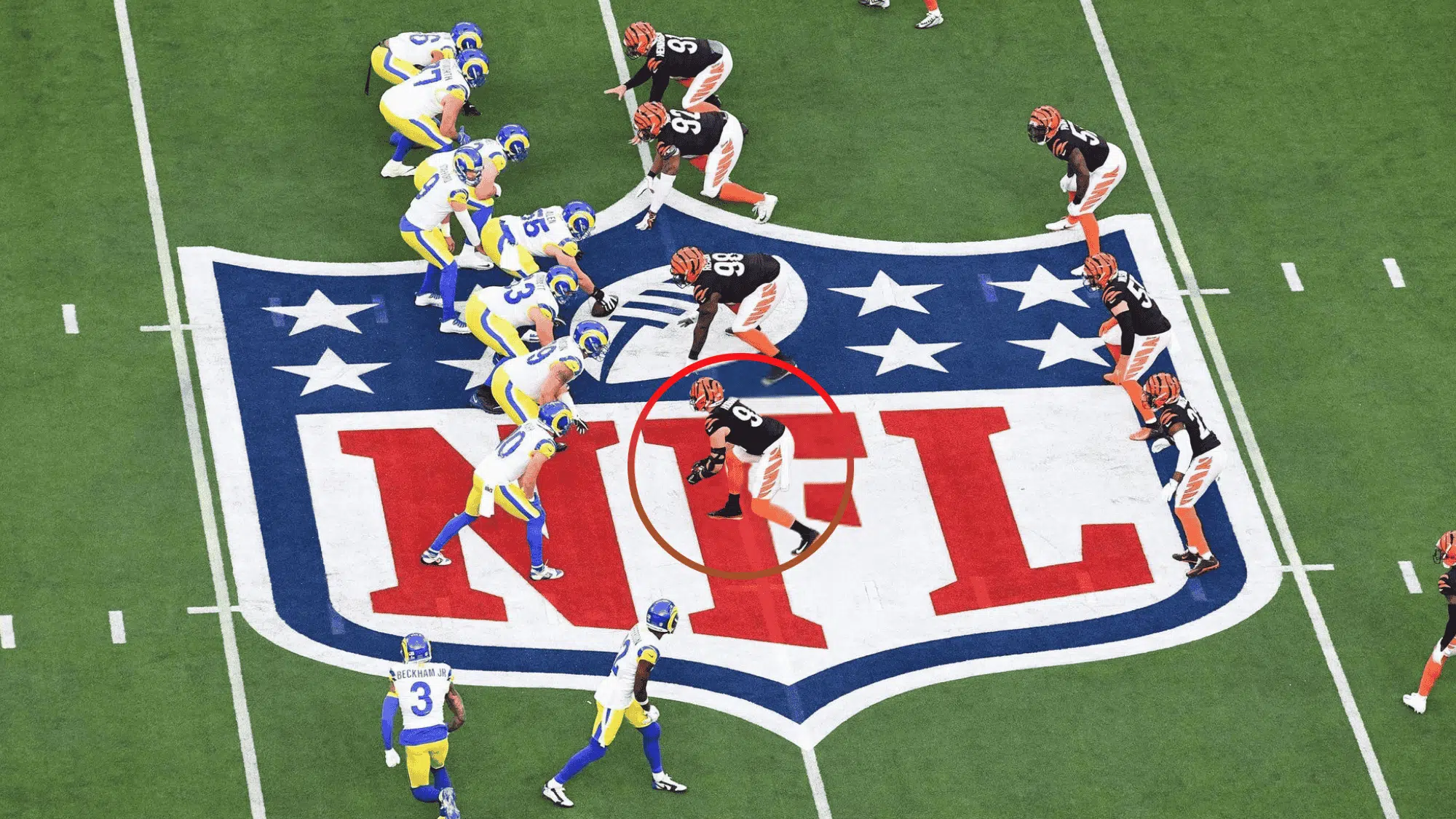
Ever watched an NFL game and heard the ref call “offside,” then saw everyone groan or