





Ever sat in a stadium so loud your whole body buzzed, and your ears rang after the game? That feeling is what this blog is all about.
Crowd noise is more than just cheering; it can shake players, change momentum, and even set world records.
In this blog, you’ll see which stadium holds the title for loudest in the world, how decibels work in simple terms, and what those crazy numbers actually mean for your ears.
The loudest stadiums across the globe will be covered, what makes them so noisy, and how design and fan culture crank up the volume.
By the end, stadium noise, home-field advantage, and those record-breaking roars will all fit together clearly.
What is the Loudest Stadium in the World?
The official title belongs to Arrowhead Stadium in Kansas City, Missouri, home of the NFL’s Kansas City Chiefs.
On September 29, 2014, during a Monday Night Football game against the New England Patriots, fans broke the world record by hitting 142.2 decibels (dB). That’s the kind of noise that makes your ears ring for hours.
Guinness World Records confirmed it. The Chiefs fans weren’t just loud, they were historically loud.
Why does Arrowhead Get so Loud?
Three big reasons:
- The stadium traps sound inside like a giant speaker
- Chiefs Kingdom takes noise seriously; it’s part of their identity
- The way seats and surfaces are arranged bounces sound back onto the field
To put 142.2 dB in perspective, that’s louder than standing next to fireworks (140 dB) and just below the threshold where sound becomes physically painful (around 150 dB).
How Loud Is 142.2 Decibels?
Decibels measure sound intensity. The scale isn’t linear; it’s logarithmic. That means every 10 dB increase sounds twice as loud to human ears.
Here’s a quick breakdown:
| Sound Level | Decibels (dB) | Example |
|---|---|---|
| Normal conversation | 60 dB | Talking at home |
| Busy traffic | 80 dB | City street |
| Lawnmower | 90 dB | Yard work |
| Rock concert | 110 dB | Front row speakers |
| Thunder | 120 dB | Direct overhead |
| Jet engine | 140 dB | Standing nearby |
| Arrowhead Stadium | 142.2 dB | World record |
Important note: Stadium noise readings measure peak volume, the loudest moment during a game. It’s not sustained for long periods, but even short bursts at this level can damage hearing without protection.
Loudest Stadiums in the World
From NFL fortresses to wild college arenas, these stadiums turn crowd noise into a weapon and create game-day atmospheres players and fans never forget.
1. Arrowhead Stadium
| Location | Opened | Capacity |
|---|---|---|
| Kansas City, Missouri, USA | 1972 | 76,416 |
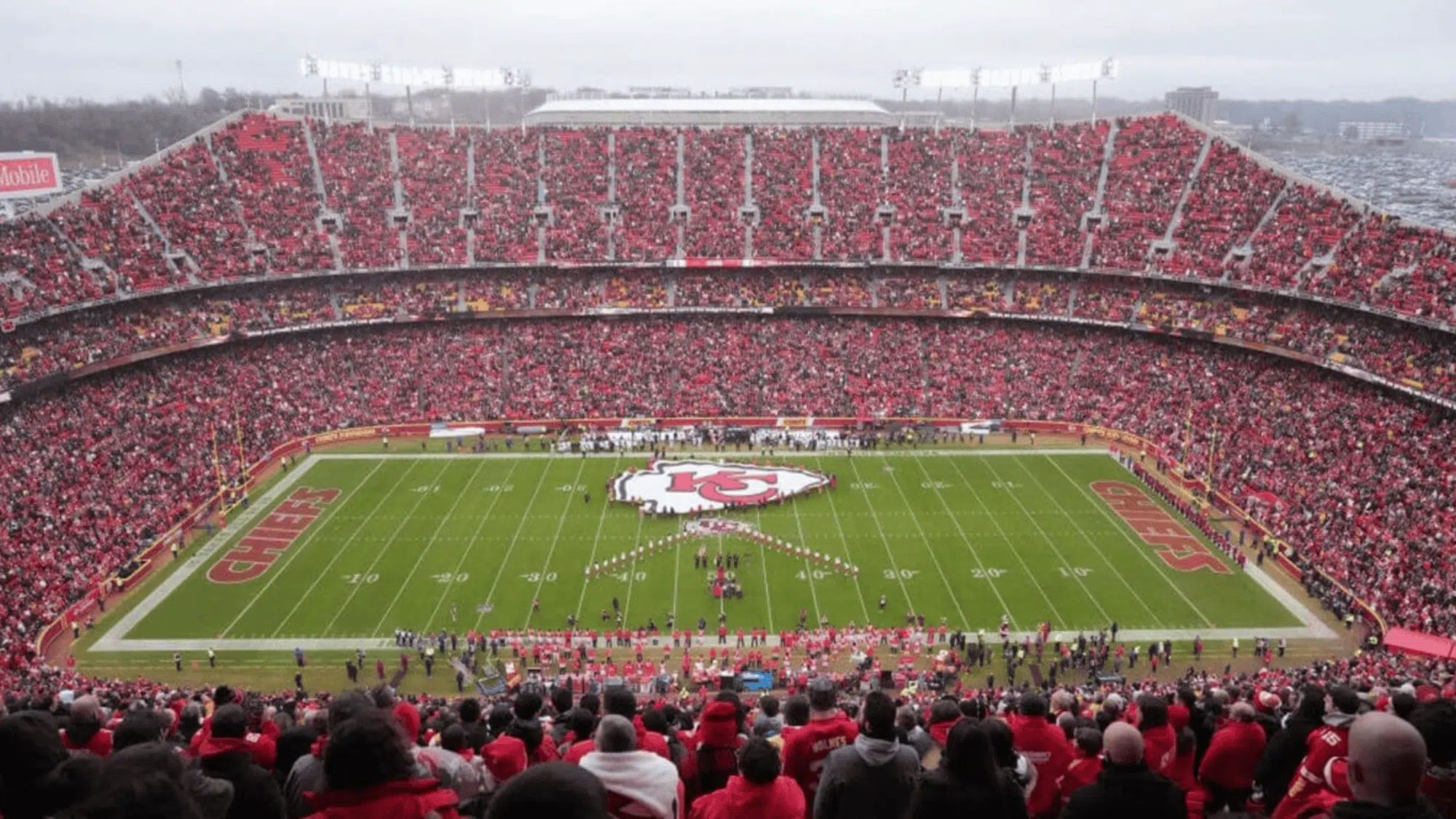
Home to the Kansas City Chiefs, Arrowhead Stadium holds the Guinness World Record for the loudest outdoor stadium at an ear-splitting 142.2 decibels, recorded during a 2014 game against the New England Patriots.
The stadium’s unique design features a bowl-shaped structure that traps sound and amplifies crowd noise, creating an intimidating atmosphere for visiting teams.
Chiefs fans, known as the “Red Sea,” are renowned for their passionate support and ability to disrupt opposing offenses with deafening roars.
2. Lumen Field
| Location | Opened | Capacity |
|---|---|---|
| Seattle, Washington, USA | 2002 | 68,740 |
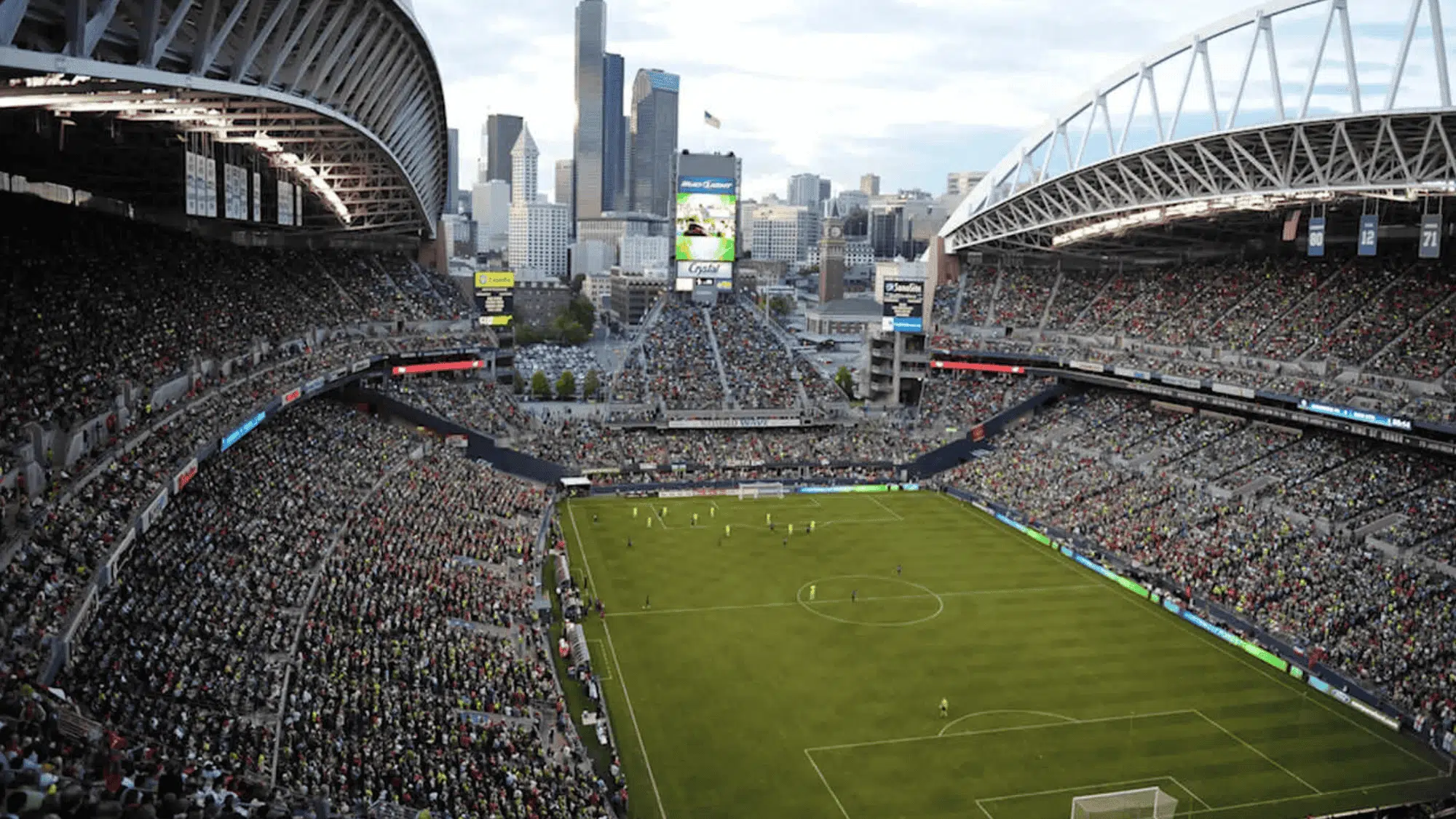
Formerly known as CenturyLink Field, Lumen Field held the world record at 137.6 decibels before being surpassed by Arrowhead Stadium.
The venue’s design includes a partial roof that covers 70% of the seating area, effectively containing and amplifying fan noise to create what’s known as the “12th Man” advantage.
The stadium’s metallic canopy reflects sound back onto the field, making it particularly challenging for opposing teams to communicate during crucial moments.
3. Neyland Stadium
| Location | Opened | Capacity |
|---|---|---|
| Knoxville, Tennessee, USA | 1921 (expanded multiple times) | 101,915 |
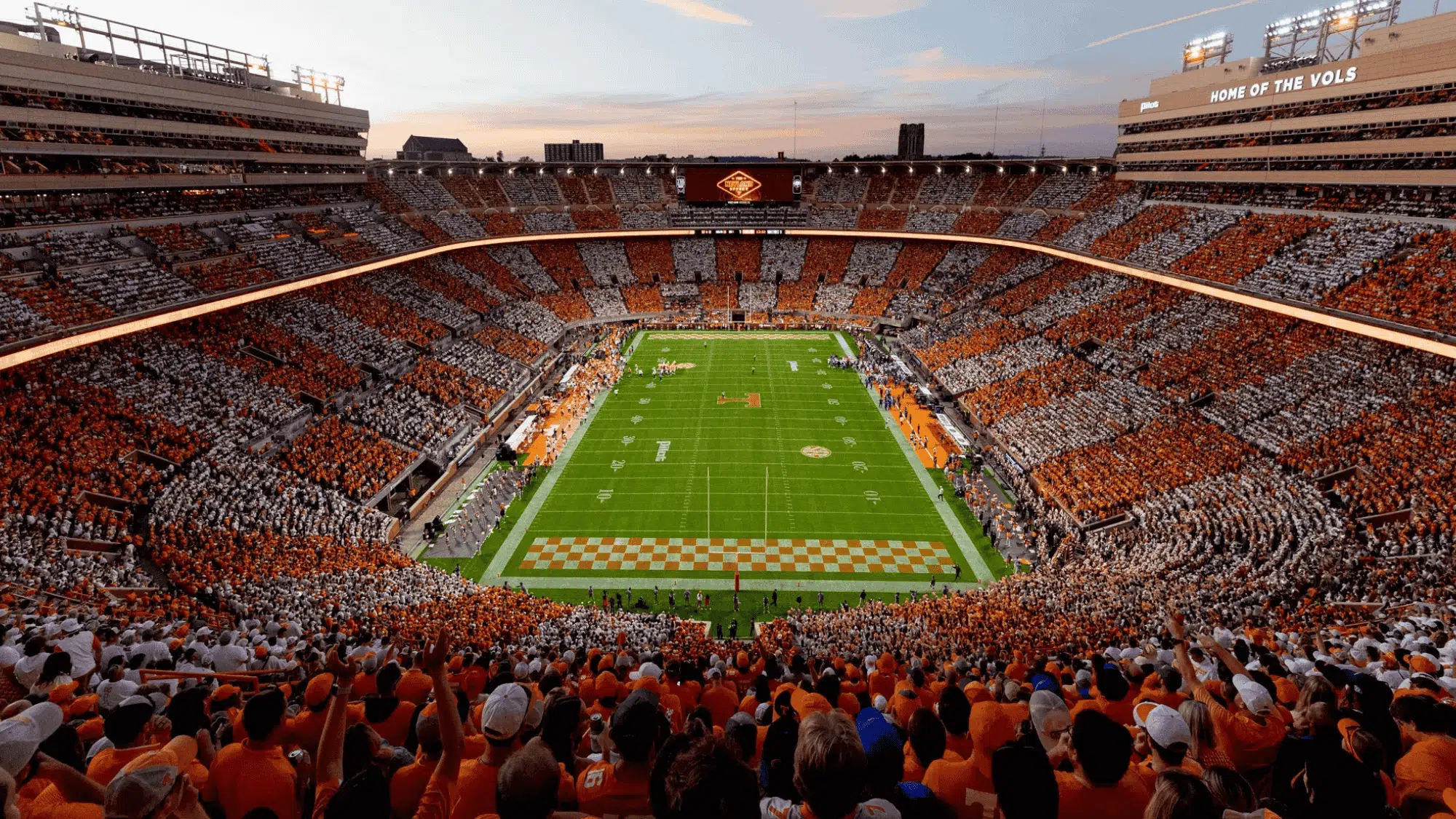
The University of Tennessee’s massive stadium ranks among the largest in college football and generates approximately 137 decibels when filled to capacity.
The sheer volume of over 100,000 orange-clad Volunteers fans creates a thunderous roar that echoes throughout the Tennessee River valley.
Neyland’s bowl design and proximity of stands to the field ensure that opposing teams face relentless auditory assault, making it one of the SEC’s most daunting road environments for decades.
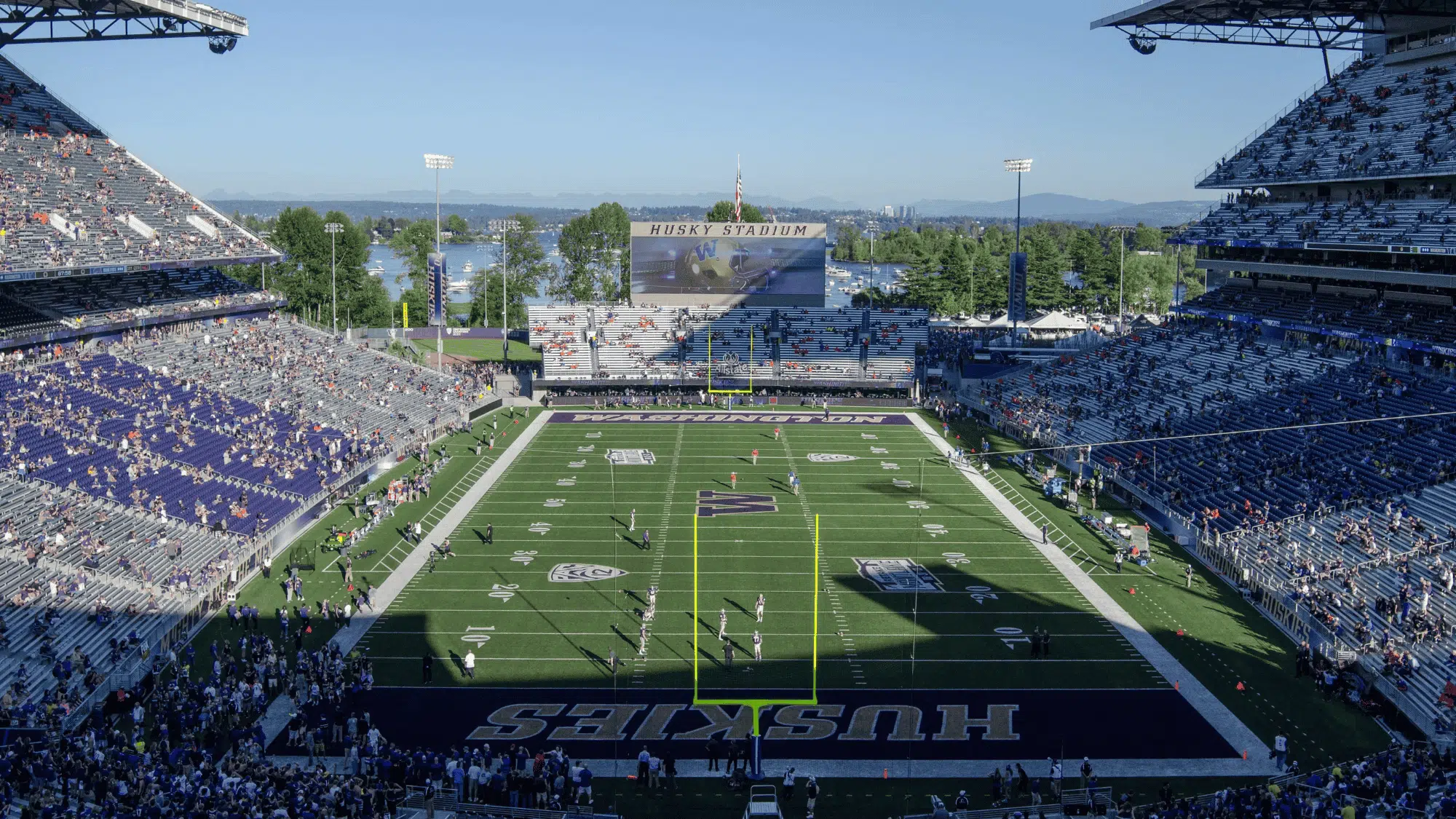
4. Husky Stadium
| Location | Opened | Capacity |
|---|---|---|
| Seattle, Washington, USA | 1920 (renovated 2013) | 70,083 |
The University of Washington’s stadium holds a college football record of 133.6 decibels, achieved during a 1992 game against rival Oregon.
Situated on the shores of Lake Washington, the stadium’s unique cantilevered roof overhangs reflect sound back onto the field with remarkable intensity.
Husky fans’ dedication to creating noise, combined with the Pacific Northwest’s passionate football culture and excellent acoustical design, makes this one of the West Coast’s most challenging venues for visiting teams.
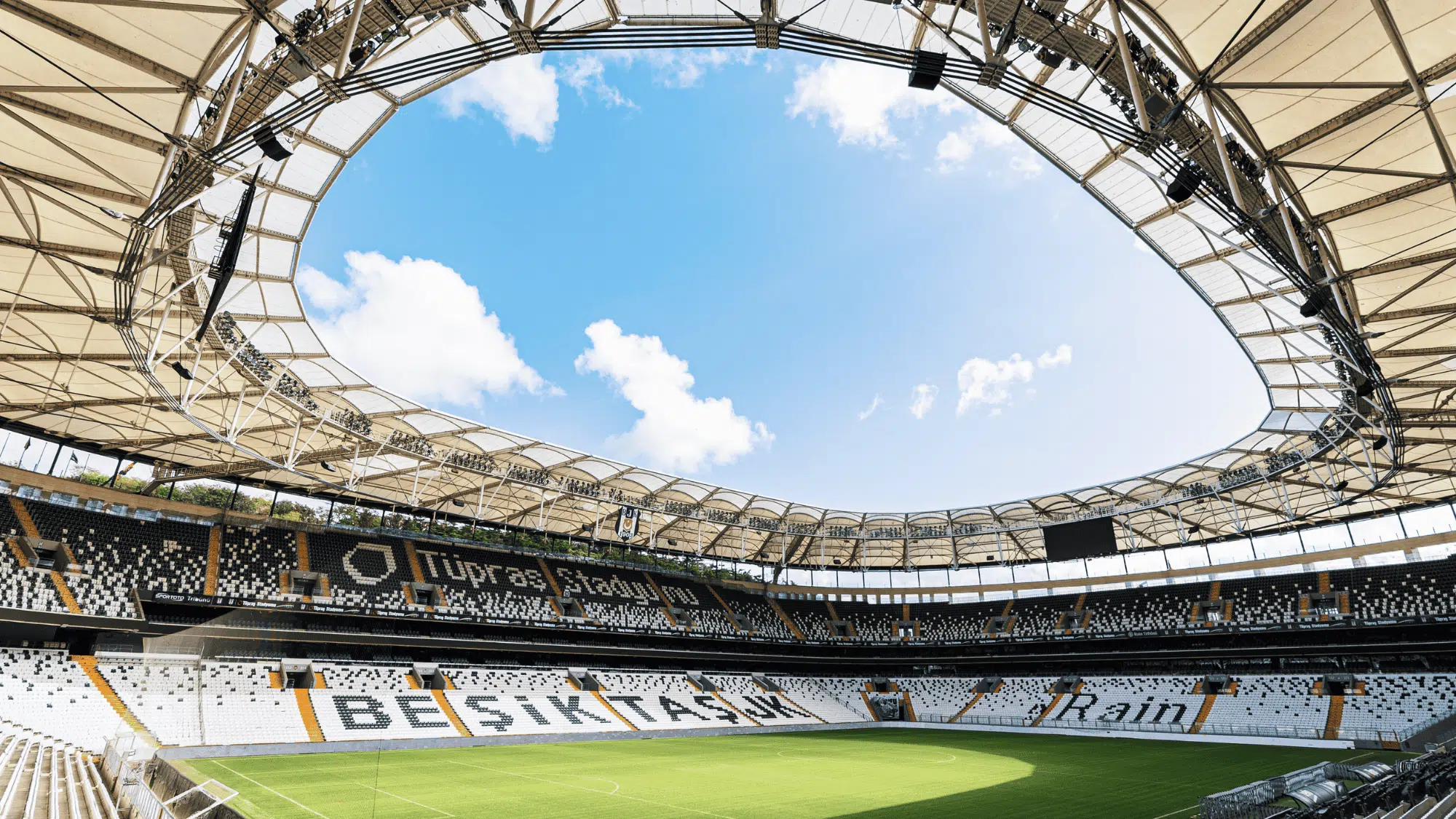
5. Vodafone Park
| Location | Opened | Capacity |
|---|---|---|
| Istanbul, Turkey | 2016 | 41,903 |
Beşiktaş’s modern waterside stadium along the Bosphorus generates approximately 132 decibels through the passionate support of the club’s devoted “Çarşı” supporter group.
The intimate design keeps fans extremely close to the pitch on all sides, while the closed roof structure amplifies every chant and roar.
Turkish football’s intense derby culture and Beşiktaş supporters’ reputation for creative, relentless vocal support combine to create an atmosphere that has rattled visiting teams in both domestic and European competitions.
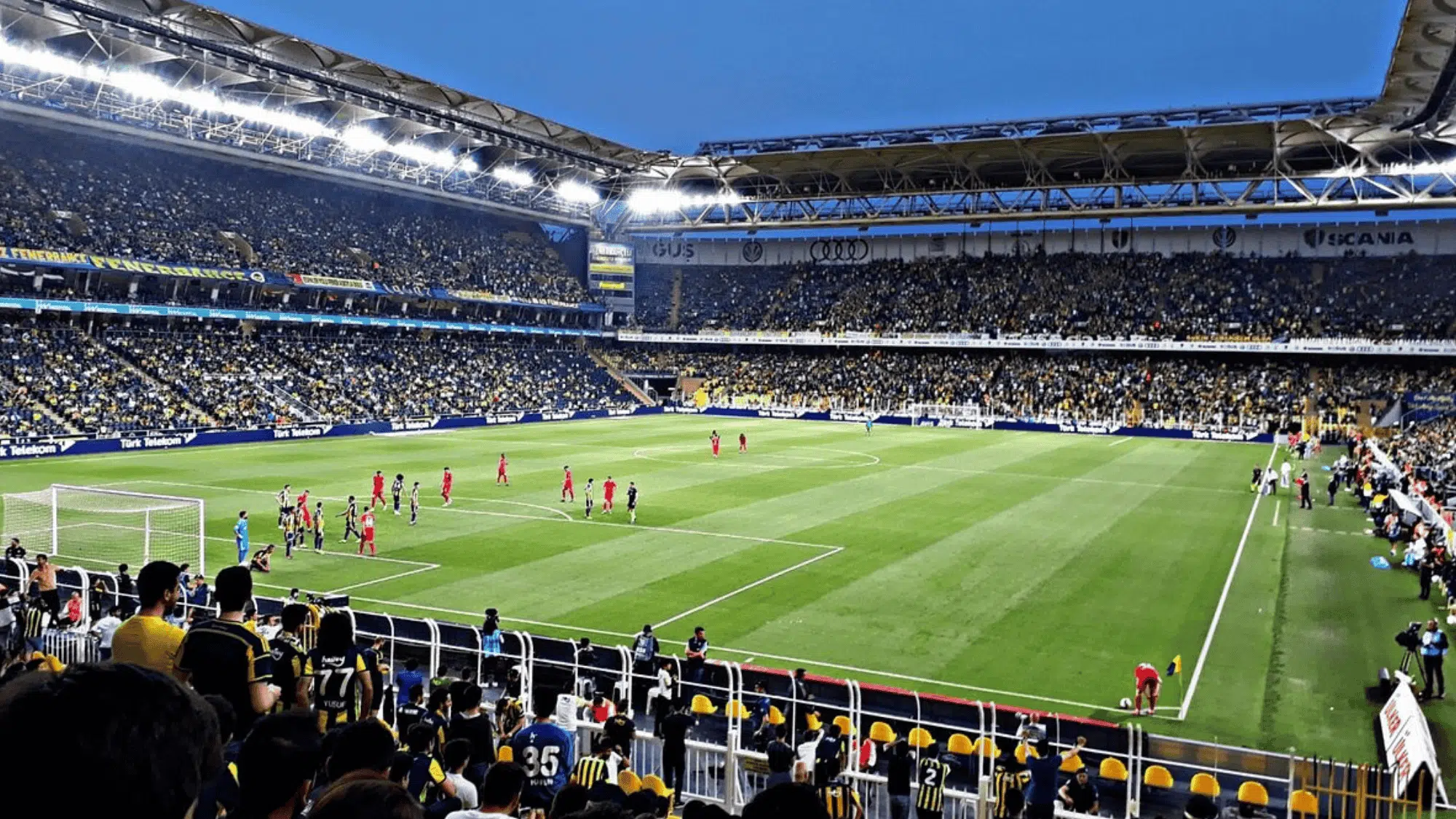
6. Şükrü Saracoğlu Stadium
| Location | Opened | Capacity |
|---|---|---|
| Istanbul, Turkey | 1908 (rebuilt 1999) | 50,530 |
Home to Fenerbahçe, this historic Istanbul venue reaches approximately 131 decibels when the passionate Yellow Canaries faithful fill the stands for crucial matches.
The stadium’s design concentrates supporters close to the playing surface, while Turkish football culture’s intensity ensures non-stop vocal support throughout matches.
Fenerbahçe’s fierce rivalry matches and European nights change the venue into a cauldron of noise, with the club’s devoted fanbase creating an intimidating atmosphere that has contributed to countless memorable victories.
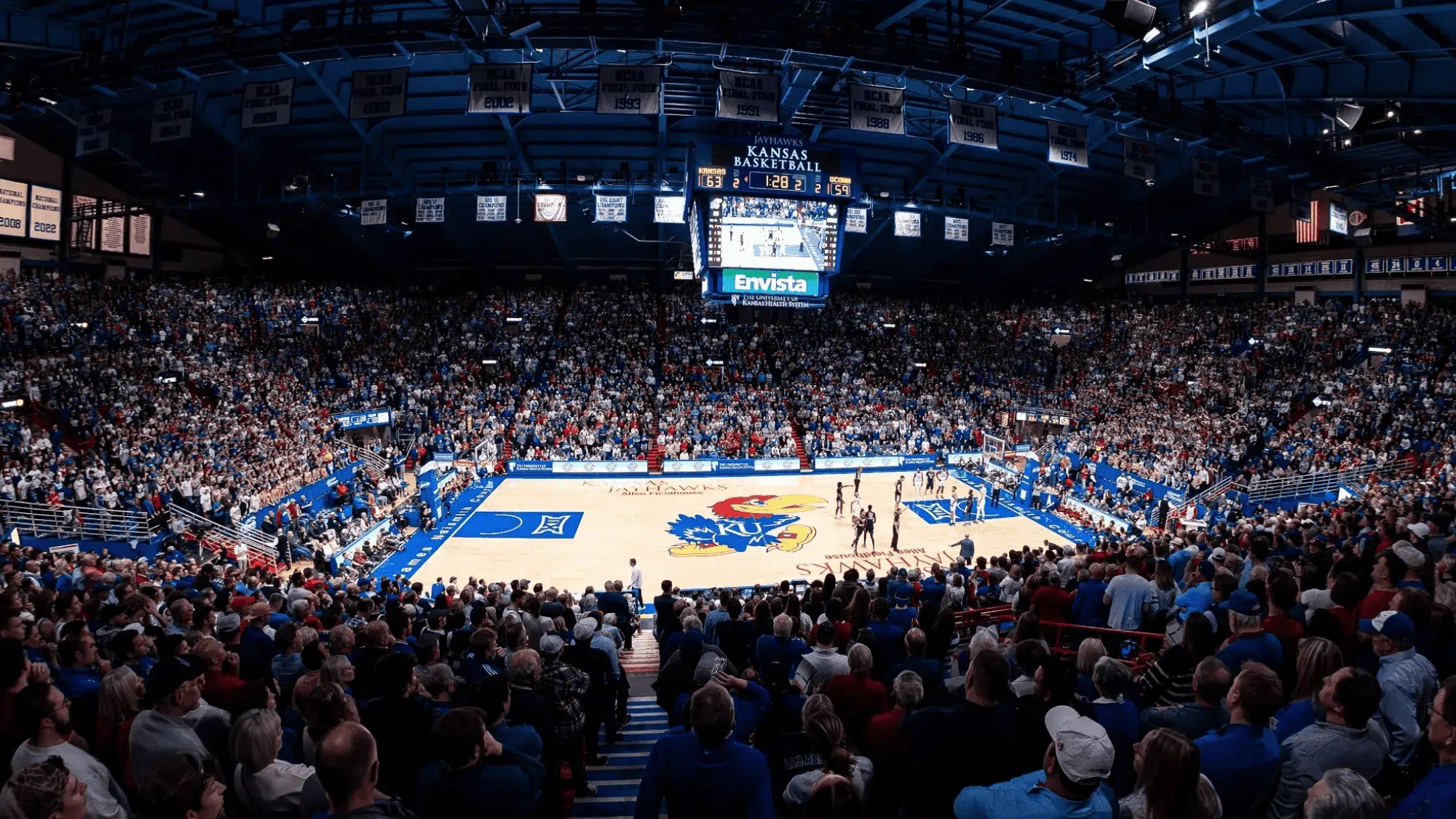
7. Allen Fieldhouse
| Location | Opened | Capacity |
|---|---|---|
| Lawrence, Kansas, USA | 1955 | 16,300 |
Holding the indoor arena record at 130.4 decibels, this historic basketball venue is considered college basketball’s most intimidating environment.
Kansas Jayhawks fans create an unrelenting wall of sound that has contributed to one of the sport’s most dominant home-court advantages spanning decades.
The relatively intimate size and aging architecture work together to trap noise, while the passionate student section ensures visiting teams face constant pressure throughout every possession.
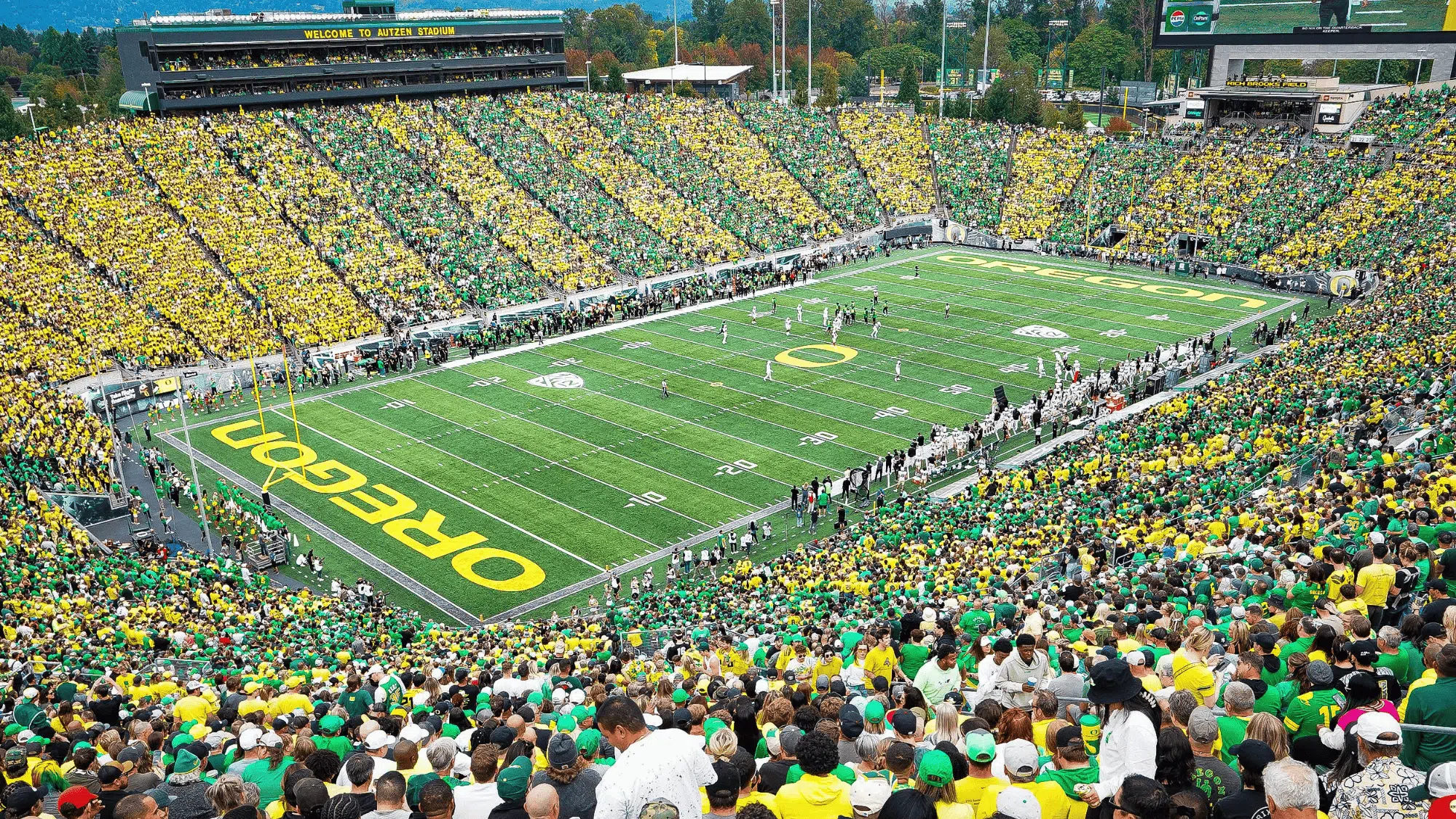
8. Autzen Stadium
| Location | Opened | Capacity |
|---|---|---|
| Eugene, Oregon, USA | 1967 (expanded 2002) | 54,000 |
Despite its relatively modest size compared to other major college venues, the University of Oregon’s stadium consistently ranks among the loudest due to its compact, intimate design.
The proximity of fans to the field and the enclosed bowl structure create noise levels reaching approximately 127 decibels that belie the stadium’s capacity.
Oregon’s passionate fanbase and Autzen’s acoustics make it one of college football’s toughest environments, with many coaches and players citing it as a challenging venue.
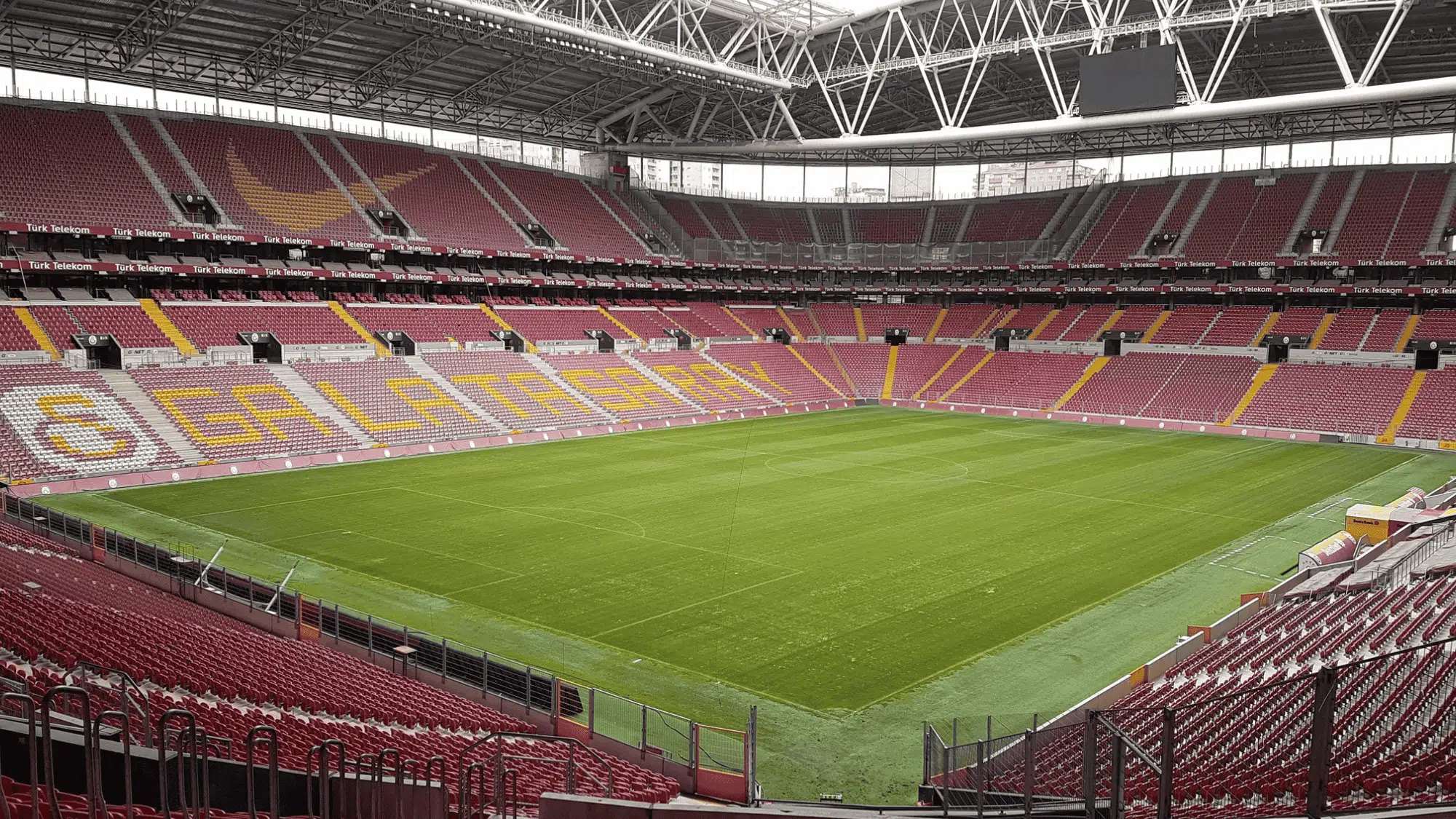
9. Nef Stadium
| Location | Opened | Capacity |
|---|---|---|
| Istanbul, Turkey | 2011 | 52,280 |
The home of Galatasaray is widely considered one of Europe’s most intimidating venues, where the passionate Turkish supporters create an absolutely ferocious atmosphere.
The stadium’s relatively compact design brings fans extremely close to the pitch, intensifying the pressure on visiting teams.
Galatasaray’s ultras are known for their choreographed displays and relentless chanting that boost the club’s home advantage in matches.
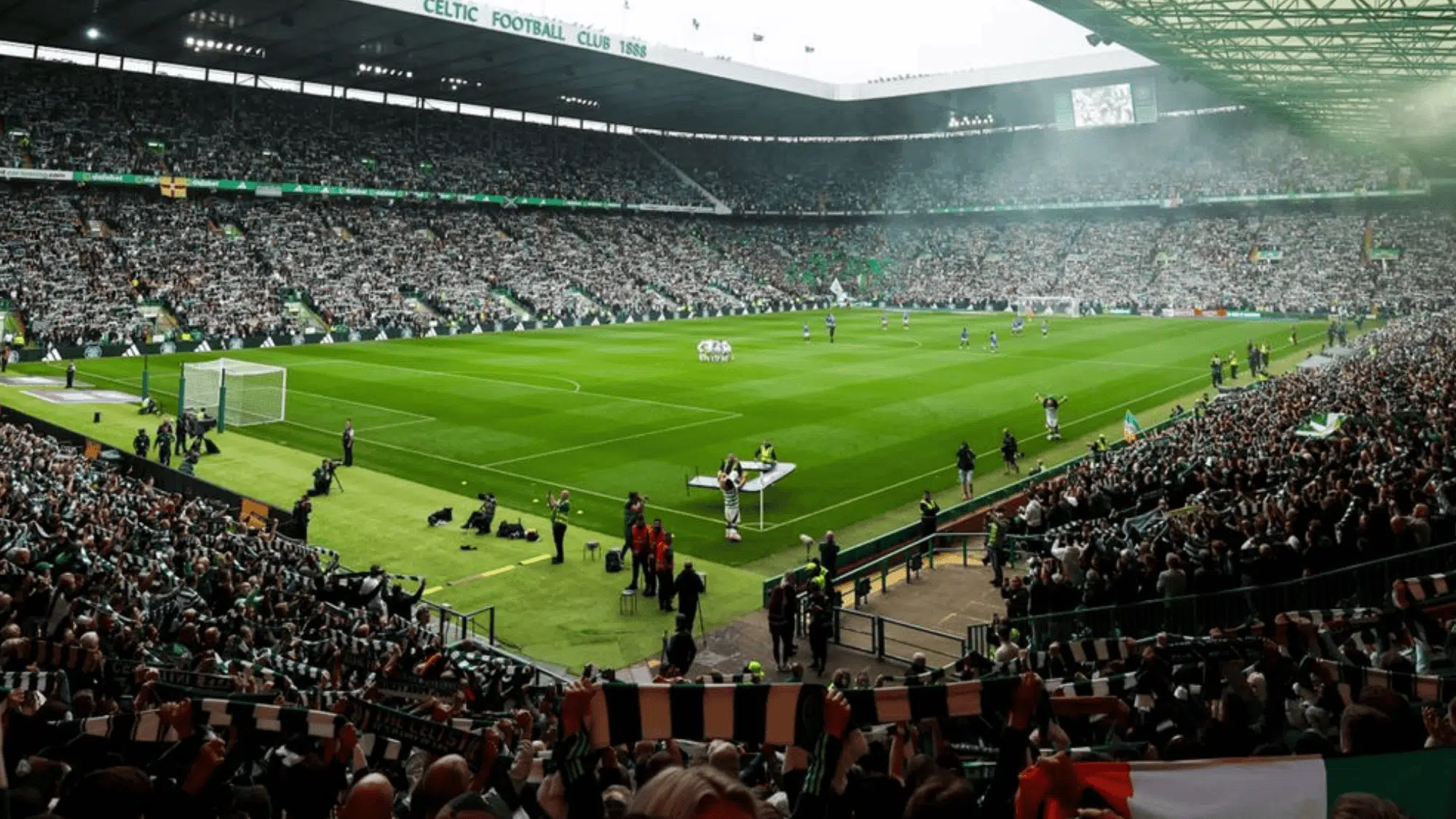
10. Celtic Park
| Location | Opened | Capacity |
|---|---|---|
| Glasgow, Scotland | 1892 (rebuilt 1998) | 60,411 |
Known affectionately as “Paradise” by Celtic supporters, this historic venue becomes a cauldron of noise during important fixtures, particularly Old Firm derbies and European nights.
The stadium’s four steep stands create excellent acoustics that amplify the sound of thousands singing traditional songs like “You’ll Never Walk Alone.”
UEFA has recognized Celtic’s passionate fanbase as creating some of the most electric atmospheres in continental competition, with their unwavering support often cited as a significant factor in memorable European victories.
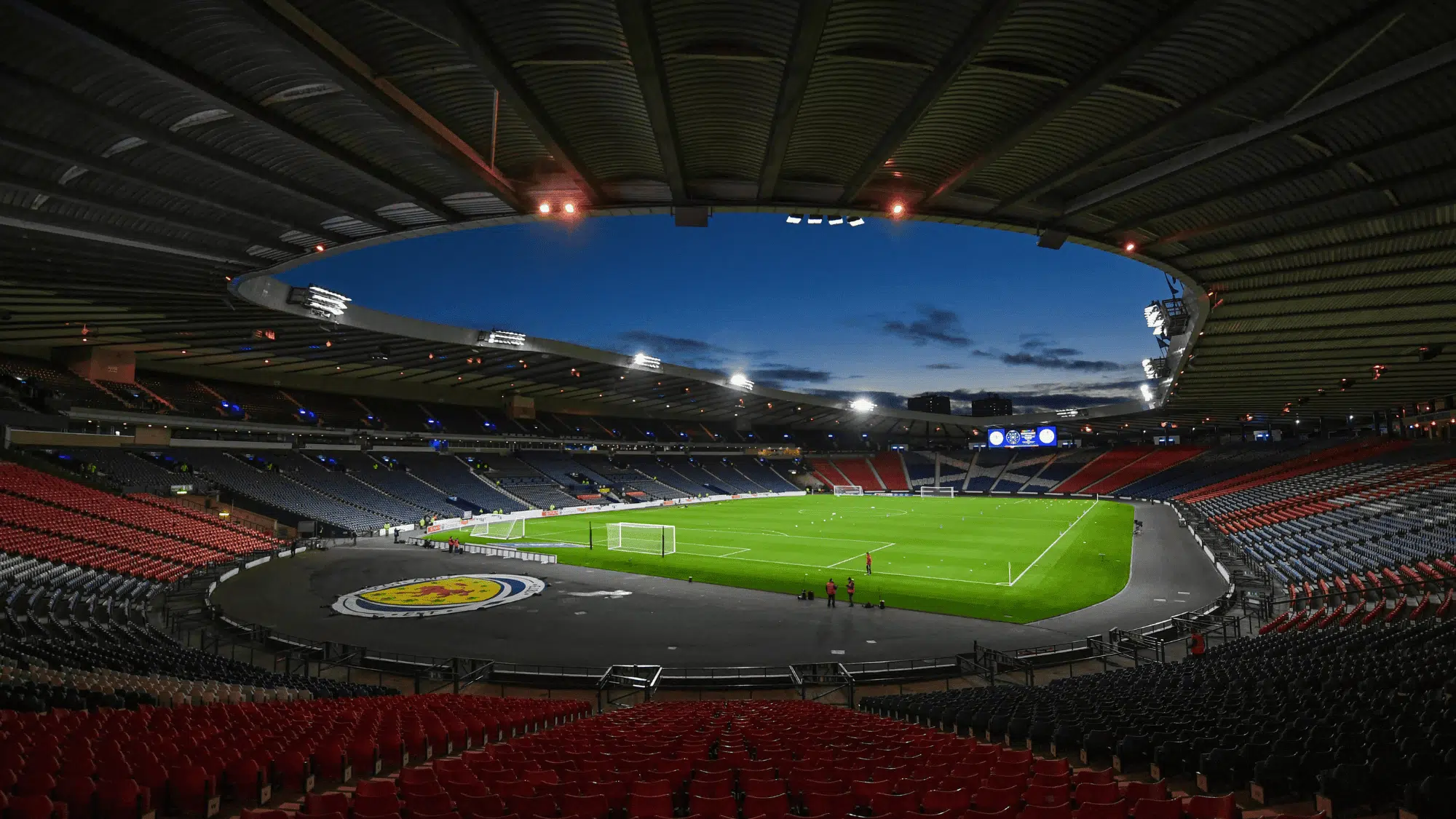
11. Hampden Park
| Location | Opened | Capacity |
|---|---|---|
| Glasgow, Scotland | 1903 (renovated 1999) | 51,866 |
Scotland’s national stadium has witnessed some of football’s most memorable atmospheric moments, particularly during international matches and domestic cup finals.
The venue’s historical significance, combined with the passionate nature of Scottish football supporters, creates an incredibly intense environment.
When filled with partisan crowds for Old Firm finals or key qualifiers, noise levels reach extraordinary heights, leaving lasting impressions on players and managers worldwide.
12. Caesars Superdome
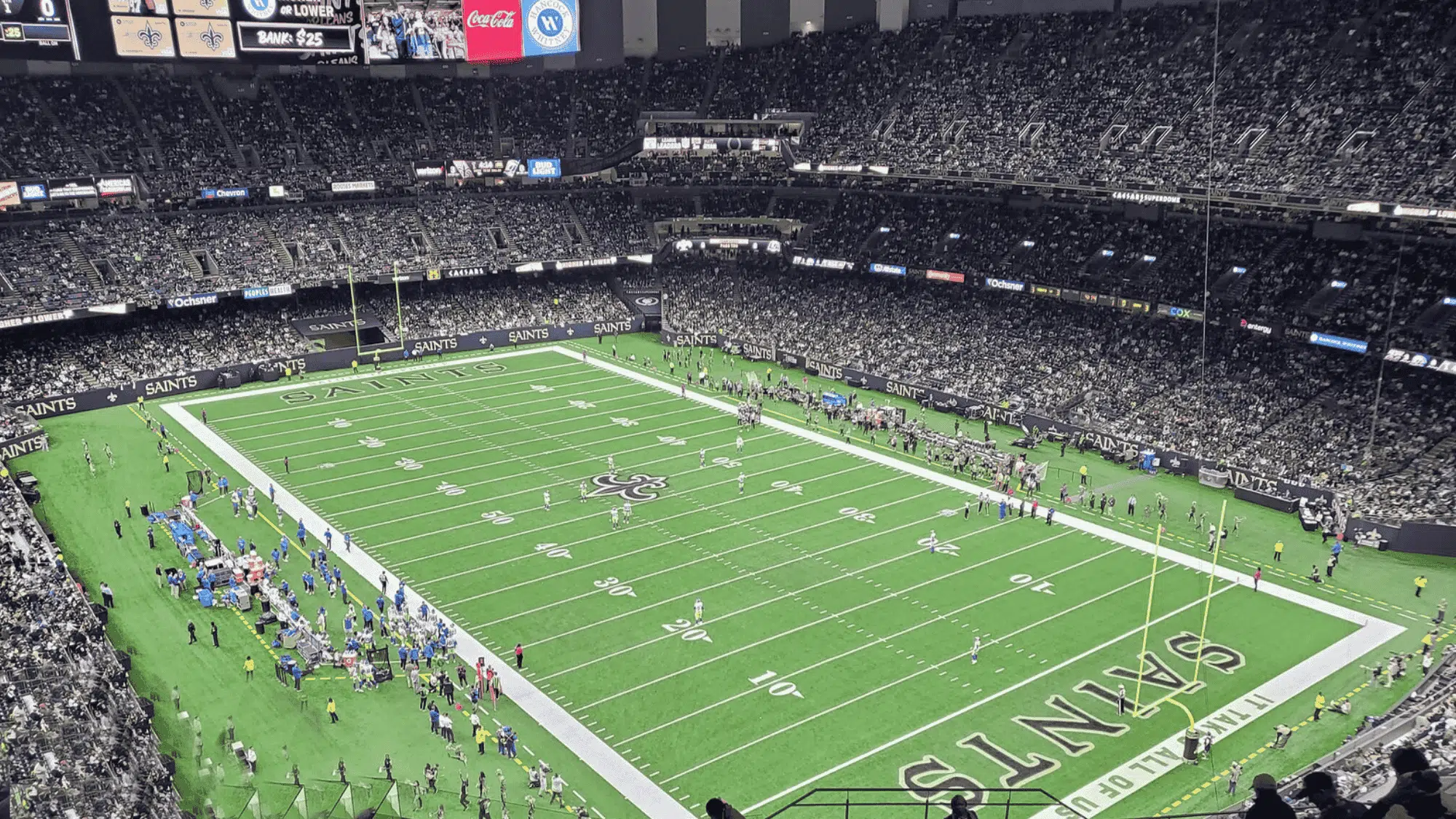
| Location | Opened | Capacity |
|---|---|---|
| New Orleans, Louisiana, USA | 1975 | 73,208 |
The iconic home of the New Orleans Saints features a fixed roof that creates a pressure-cooker environment, trapping and amplifying sound to incredible levels.
Saints fans, known as the “Who Dat Nation,” generate such intense noise that opponents frequently struggle with false start penalties and communication breakdowns.
The dome’s enclosed design and passionate local support create one of the NFL’s most challenging road environments, particularly during primetime games when the crowd reaches a fever pitch.
13. U.S. Bank Stadium
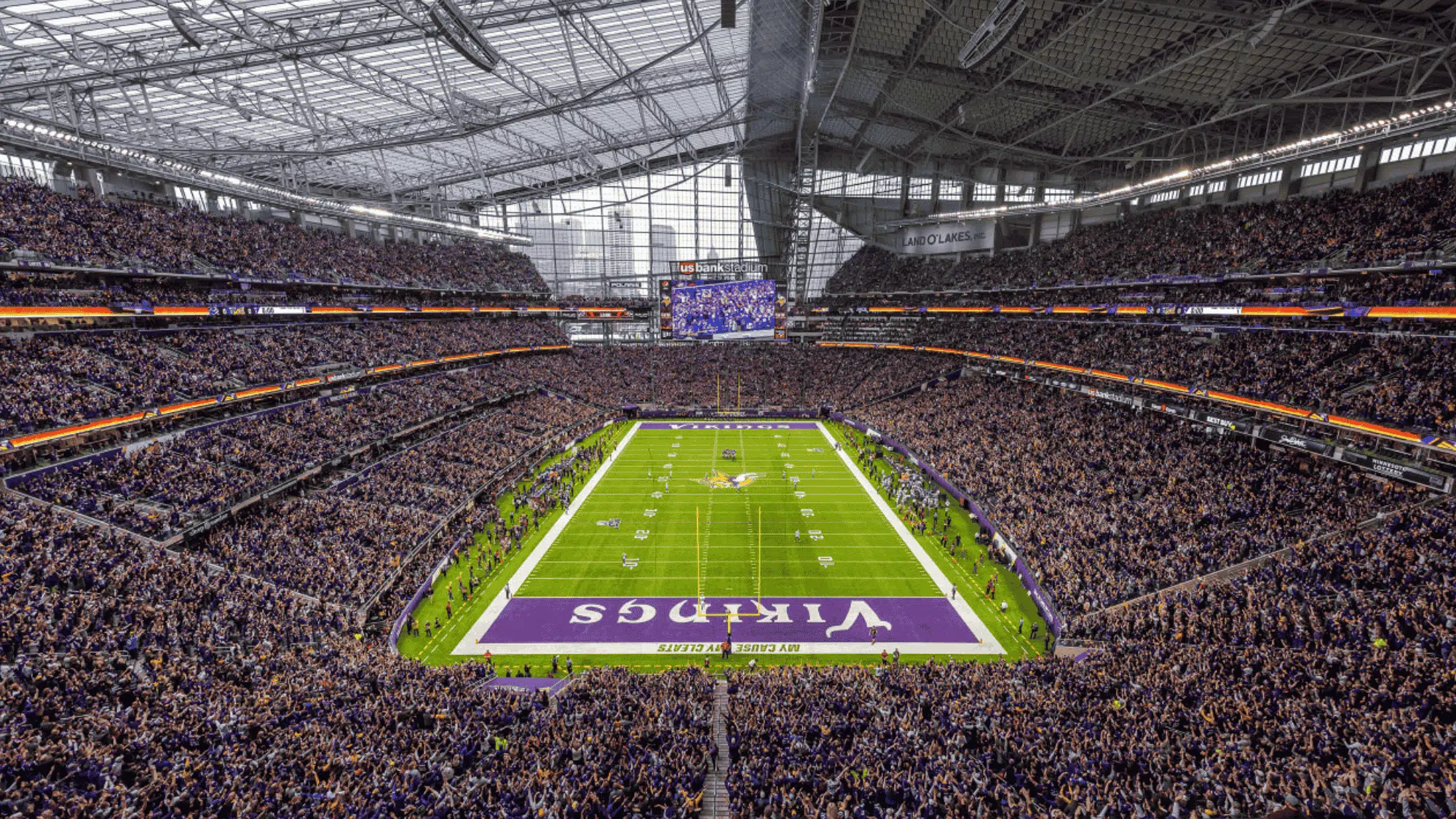
| Location | Opened | Capacity |
|---|---|---|
| Minneapolis, Minnesota, USA | 2016 | 66,860 |
This state-of-the-art indoor facility features a distinctive translucent roof and innovative acoustical design that amplifies crowd noise to remarkable levels.
Minnesota Vikings fans have quickly established the venue as one of the league’s toughest places to play, with the modern architecture channeling sound directly onto the field.
The stadium’s steep seating bowl brings spectators close to the action, while its enclosed nature ensures that every cheer and roar reverberates throughout the building.
14. Tiger Stadium
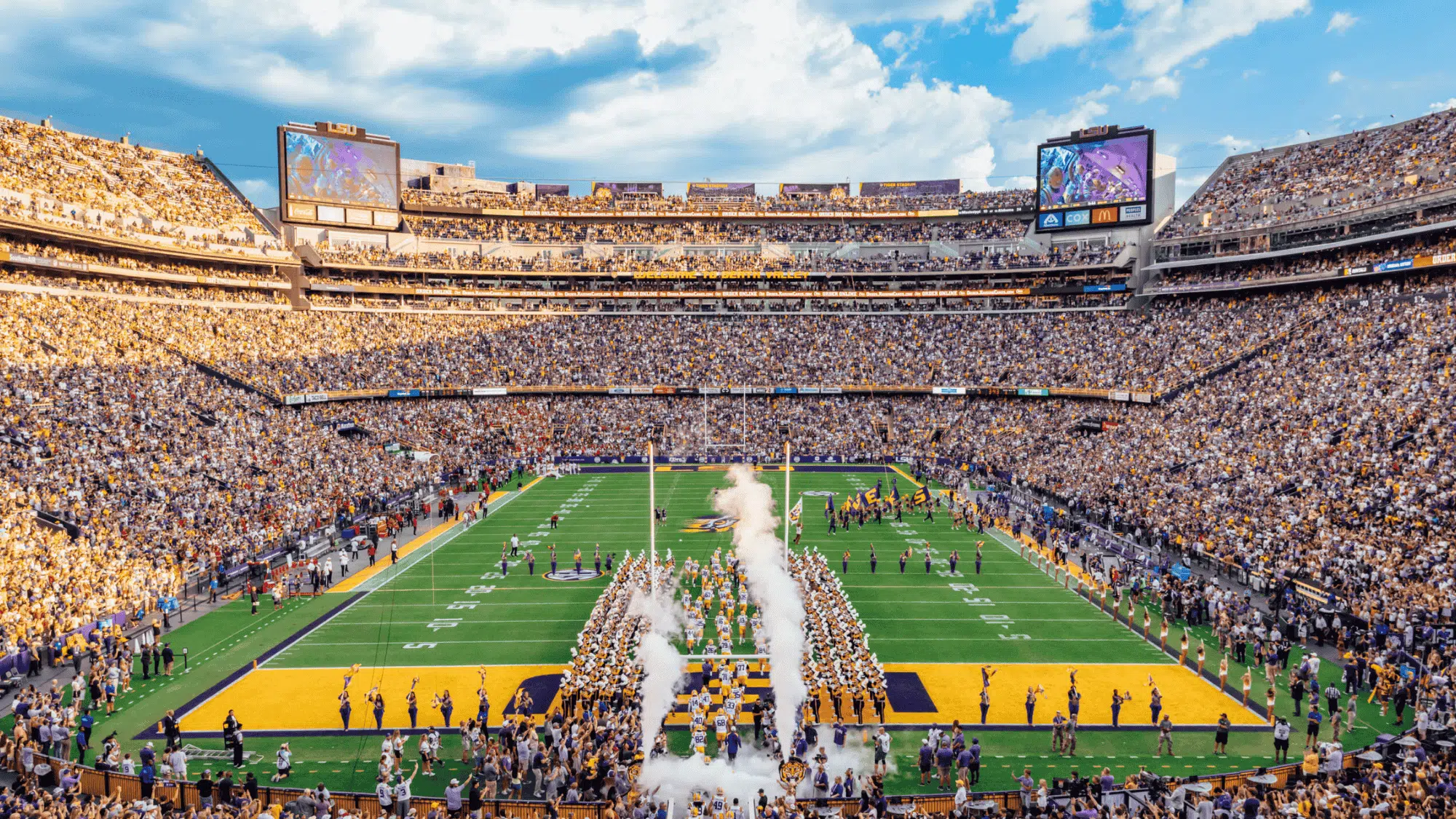
| Location | Opened | Capacity |
|---|---|---|
| Baton Rouge, Louisiana, USA | 1924 (renovated multiple times) | 102,321 |
Known ominously as “Death Valley,” LSU’s home stadium is legendary for its night game atmosphere when passionate fans create an absolutely deafening environment.
The stadium’s unique below-ground design places the field below street level, trapping sound and intensifying the cacophony.
Tiger fans’ passionate chanting, humid Louisiana air, and tight stadium create noise levels that impair visiting teams’ communication and offensive play.
15. Kyle Field
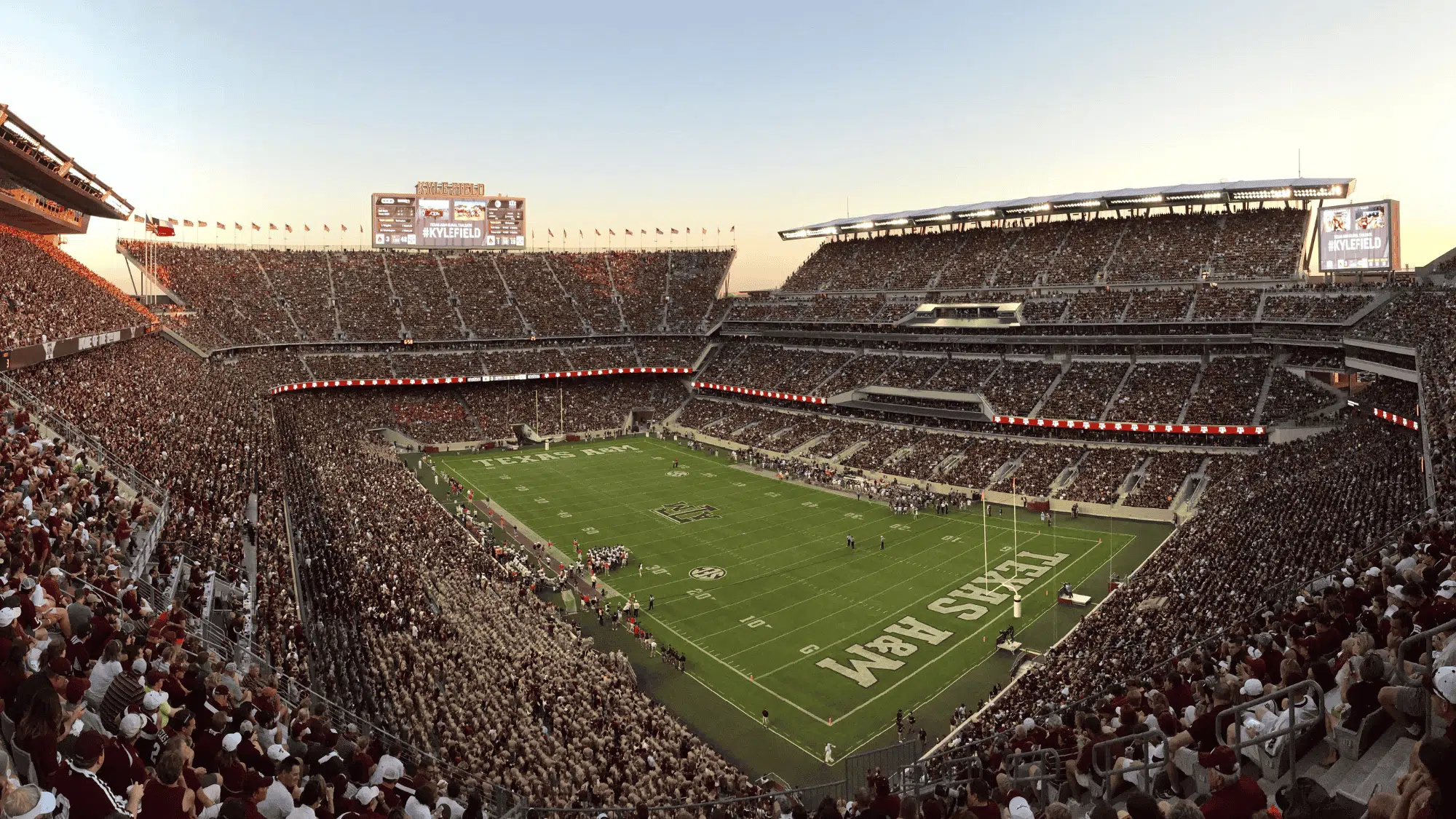
| Location | Opened | Capacity |
|---|---|---|
| College Station, Texas, USA | 1927 (renovated 2015) | 102,733 |
Home to Texas A&M’s Aggies, Kyle Field benefits from one of college football’s most distinctive fan traditions, including the “12th Man” who stands throughout entire games.
The recent renovations created a more enclosed bowl design that traps sound more effectively while maintaining the stadium’s massive capacity.
Aggie fans’ coordinated yells and unwavering support generate a constant wall of noise that reinforces the program’s reputation for having one of the nation’s most passionate and unified fanbases.
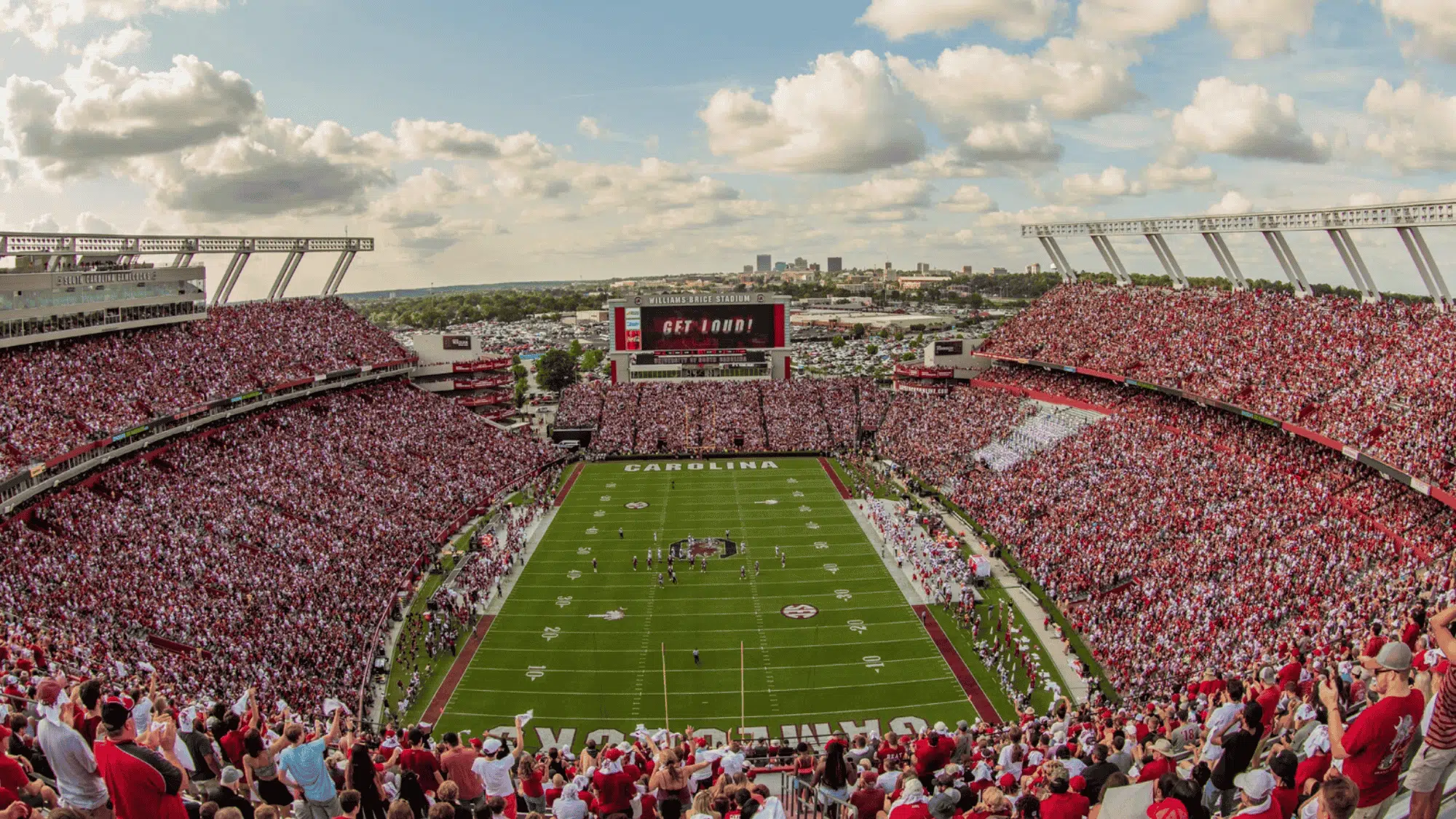
16. Williams-Brice Stadium
| Location | Opened | Capacity |
|---|---|---|
| Columbia, South Carolina, USA | 1934 (renovated multiple times) | 77,559 |
The University of South Carolina’s home stadium is renowned throughout college football for its deafening noise levels and intimidating game-day atmosphere.
Gamecocks fans create such a thunderous sound that it regularly causes opposing offenses to burn timeouts and commit pre-snap penalties.
The stadium’s entrance, with the team touching Howard’s Rock, Sandstorm celebrations, and passionate Southern support, makes it one of the SEC’s toughest venues for visitors.
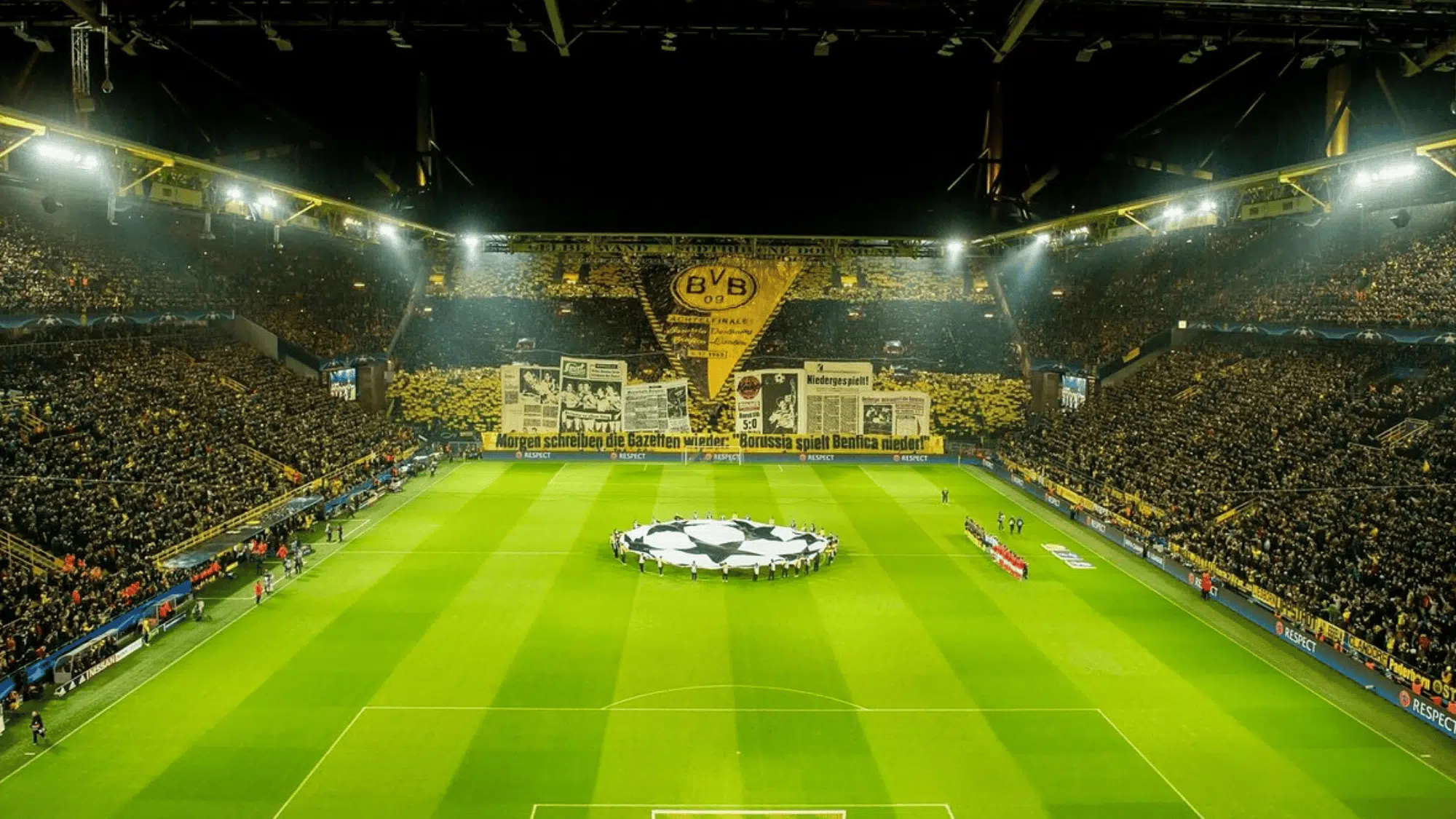
17. Westfalenstadion / Signal Iduna Park
| Location | Opened | Capacity |
|---|---|---|
| Dortmund, Germany | 1974 (renovated 2006) | 81,365 |
Borussia Dortmund’s home features the famous “Yellow Wall” – Europe’s largest standing terrace with 25,000 supporters creating an overwhelming spectacle of coordinated chanting and displays.
The stadium’s steep stands and enclosed design channel noise directly onto the pitch, creating an atmosphere that Champions League opponents consistently describe as among the continent’s most intense.
Dortmund’s ultras maintain non-stop support throughout matches, generating sustained noise levels that few European venues can match.
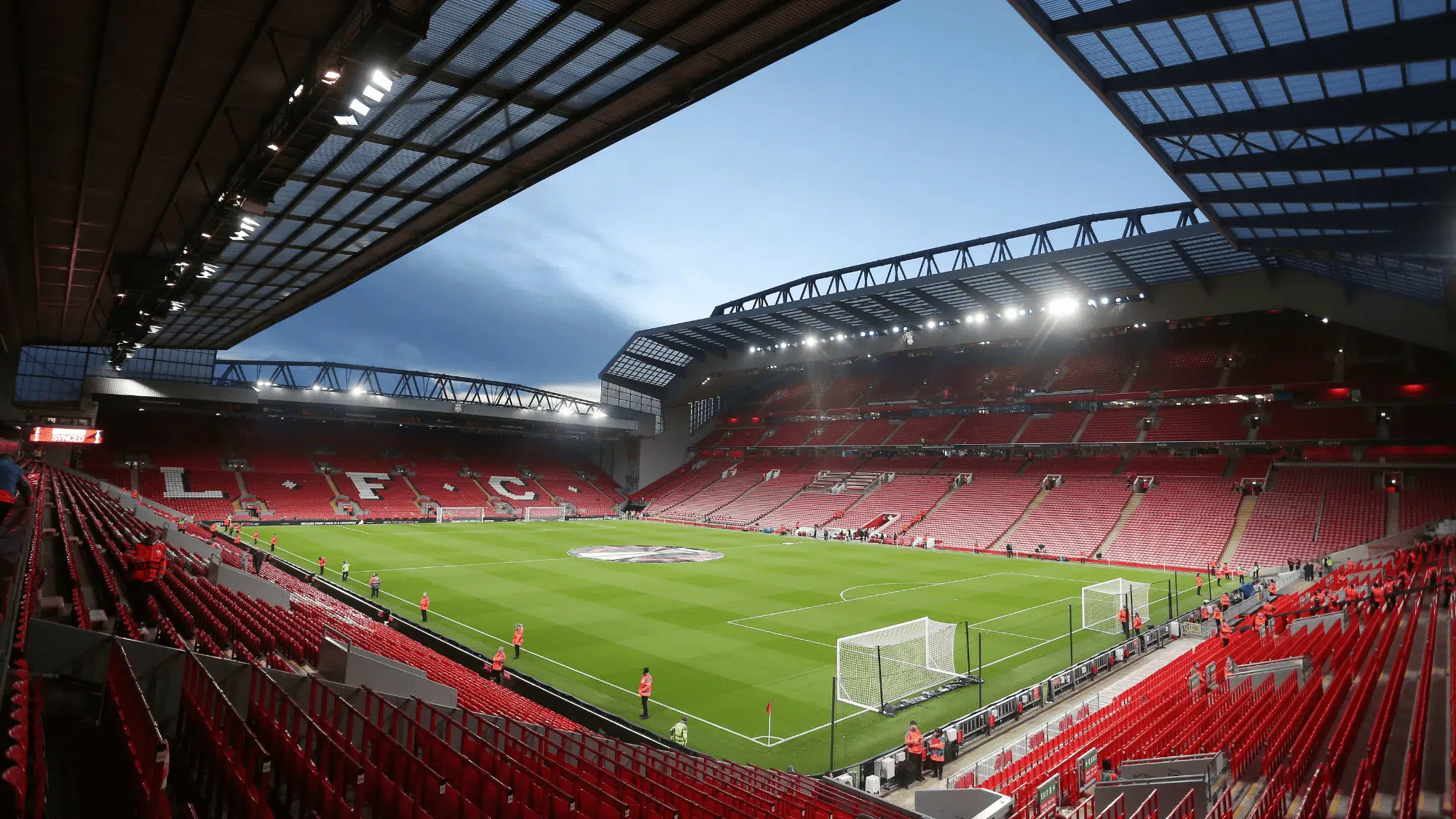
18. Anfield
| Location | Opened | Capacity |
|---|---|---|
| Liverpool, England | 1884 (expanded 2016) | 61,276 |
Liverpool’s legendary home ground is famous for its spine-tingling atmosphere, particularly when supporters sing “You’ll Never Walk Alone” before kickoff.
The Kop stand has become synonymous with passionate football support, creating waves of noise that have intimidated European giants for generations.
Anfield’s tight, enclosed design keeps fans close to the pitch, while the fervent Liverpool faithful generate an emotional intensity that managers and players consistently cite as a significant competitive advantage.
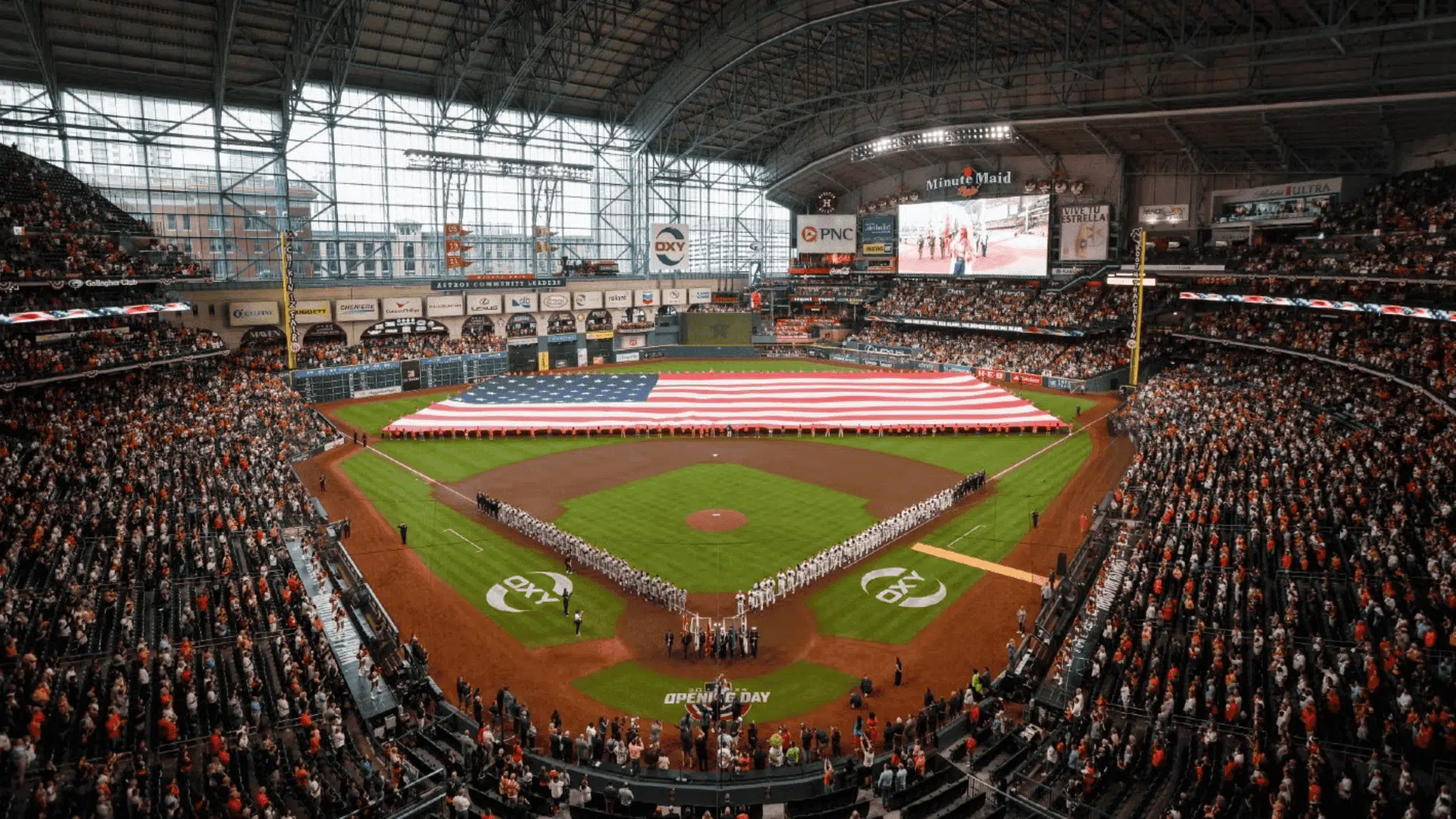
19. Daikin Park
| Location | Opened | Capacity |
|---|---|---|
| Houston, Texas, USA | 2000 | 41,168 |
The Houston Astros’ retractable-roof ballpark becomes exceptionally loud when closed, particularly during playoff games where crowd noise reaches baseball’s highest levels.
The enclosed environment traps and amplifies fan energy in ways traditional open-air baseball stadiums cannot replicate.
During the Astros’ playoff runs, Houston’s passionate fanbase noise creates a home-field advantage, disrupting opposing pitchers and energizing the team during key moments.
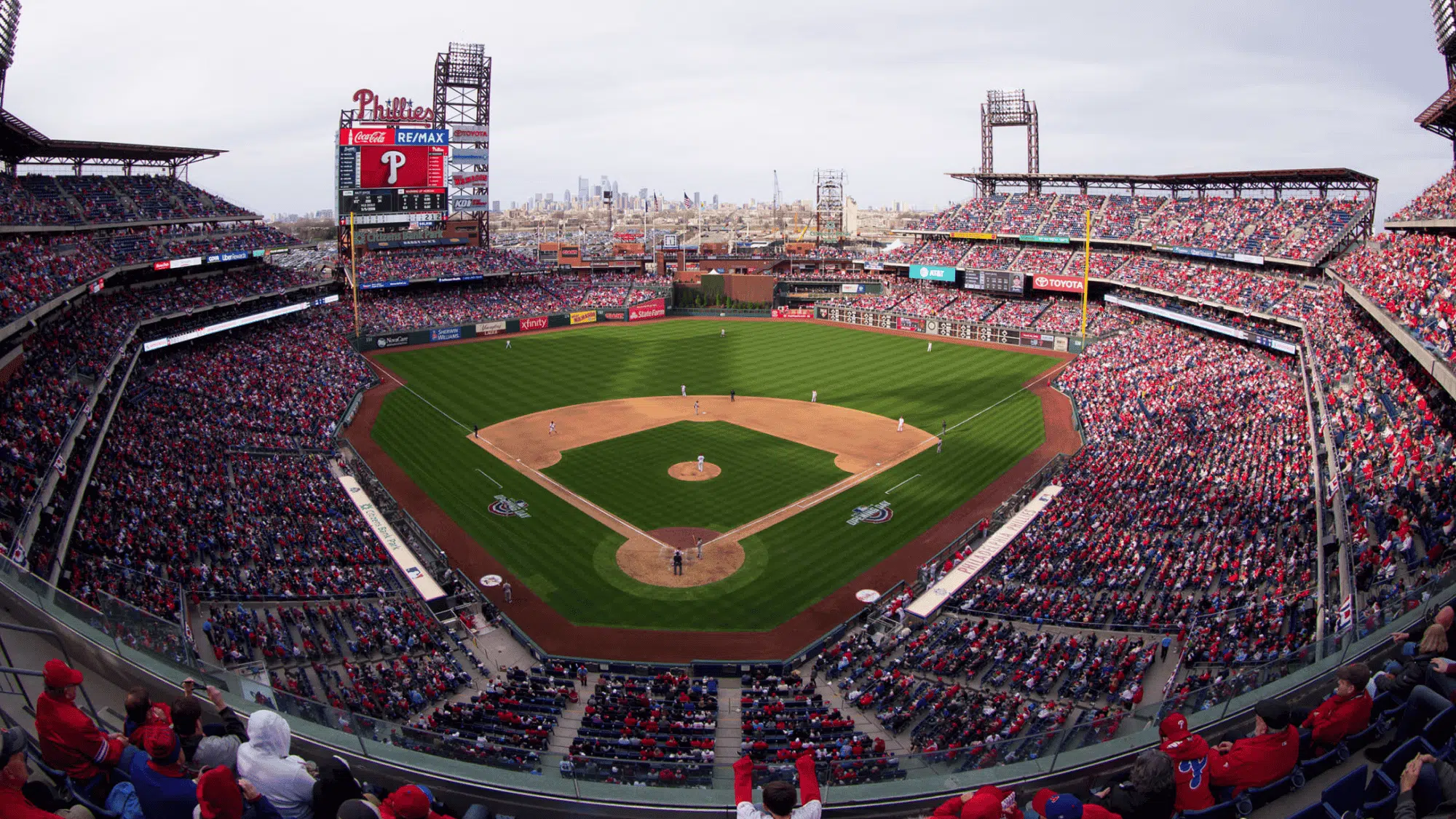
20. Citizens Bank Park
| Location | Opened | Capacity |
|---|---|---|
| Philadelphia, Pennsylvania, USA | 2004 | 42,901 |
The Philadelphia Phillies’ home ballpark showcases the city’s notoriously passionate sports culture, with fans creating remarkable noise levels for a primarily open-air baseball venue.
Philadelphia’s devoted fanbase is known throughout sports for its vocal intensity and unforgiving standards, creating an atmosphere that opposing teams find uniquely challenging.
During important games and playoff situations, the concentrated energy of Phillies supporters generates sustained noise that rivals many football stadiums despite baseball’s typically more subdued atmosphere.
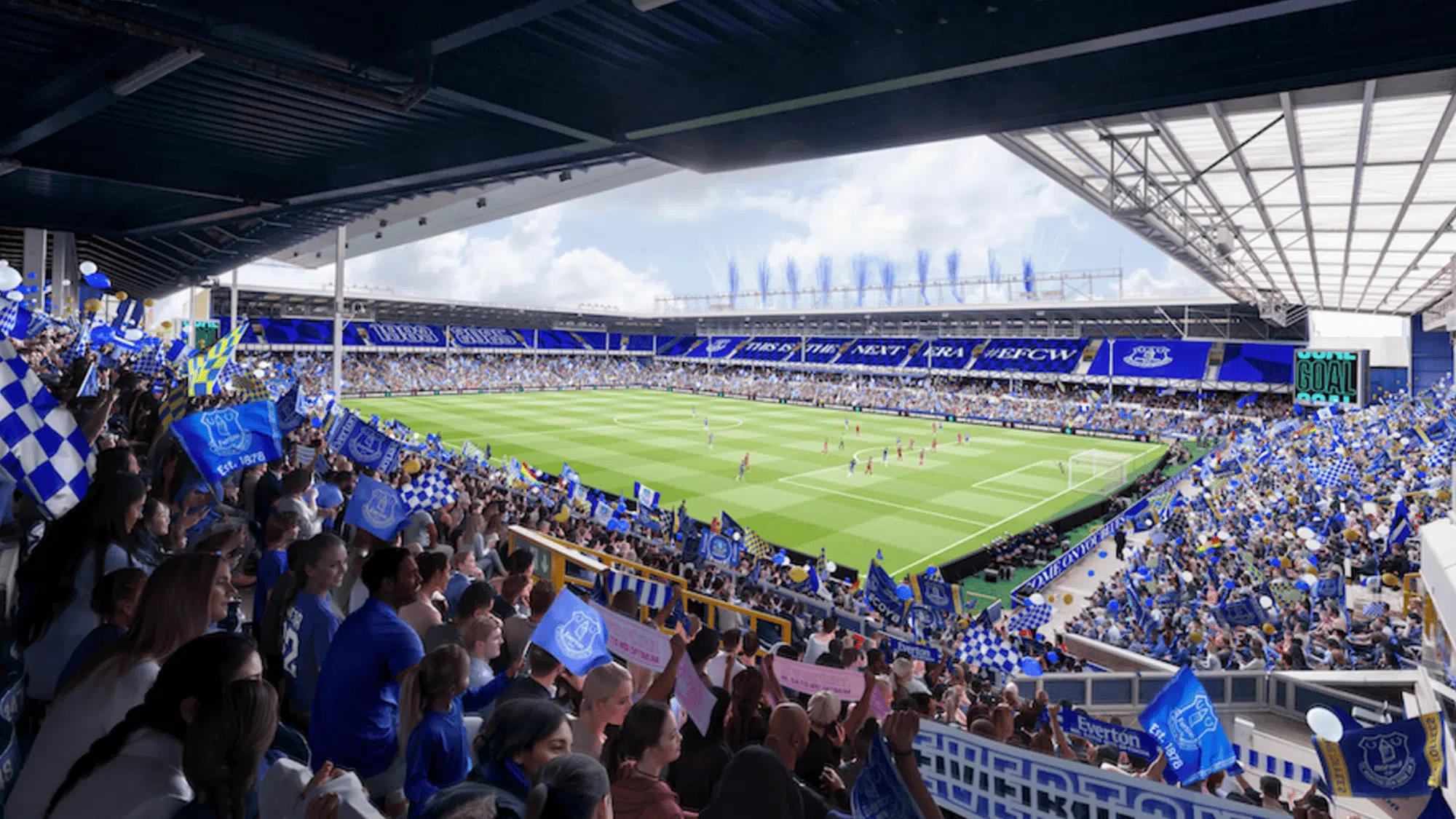
21. Goodison Park
| Location | Opened | Capacity |
|---|---|---|
| Liverpool, England | 1892 | 39,414 |
Everton’s historic home ground represents traditional English football atmosphere at its finest, with tightly-packed stands creating an intimate, pressure-filled environment for visiting teams.
Despite its age and modest capacity by modern standards, Goodison’s old-fashioned design brings supporters incredibly close to the pitch on all sides.
The Gwladys Street End, home to Everton’s most vocal supporters, generates impressive noise levels that have maintained the stadium’s reputation as one of English football’s most atmospheric venues for over a century.
Why Stadium Readings are So High
Stadiums amplify sound through:
- Sound reflection: Hard surfaces like concrete bounce noise back instead of absorbing it
- Enclosed spaces: Roofs and overhangs trap sound waves
- Crowd density: Tens of thousands of people screaming in unison create layers of sound that build on each other
Think of it like being inside a drum while someone’s banging on it from the outside.
Factors that Make a Stadium Loud
Not all stadiums are created equal when it comes to noise. Several factors determine whether a venue becomes a roaring beast or just moderately loud.
Architectural Design
The physical structure matters a lot.
- Bowl-shaped stadiums concentrate sound toward the field
- Partial or full roofs keep noise from escaping into the sky
- Steep seating angles put fans closer together and closer to the action
- Reflective materials (metal, concrete, glass) bounce sound instead of absorbing it
Seattle’s Lumen Field, for example, has a unique overhang design specifically engineered to trap and amplify crowd noise.
Fan Culture
Some fanbases are just built differently.
- European ultras lead coordinated chants and songs for 90 minutes straight
- College football traditions turn stadiums into cauldrons of noise
- NFL crowds time their screaming for key defensive moments
- Turkish supporters bring drums, flags, and non-stop passion
Fan culture isn’t just about volume; it’s about timing. The loudest moments happen when the crowd roars as one.
Capacity and Crowd Density
More people = more noise potential. But it’s not just about total capacity.
A stadium with 60,000 fans packed tightly together can be louder than one with 80,000 spread out. Density creates intensity.
Why Stadium Noise Matters for Home-Field Advantage
Loud stadiums aren’t just impressive; they actually help teams win.
How noise disrupts visiting teams:
- Communication breakdown: Quarterbacks can’t call audibles; defenders can’t hear adjustments
- False starts: Offensive linemen jump early because they can’t hear the snap count
- Mental pressure: Constant roaring creates stress and forces mistakes
- Momentum shifts: When the home crowd explodes, visiting players feel overwhelmed
Studies show NFL teams with the loudest stadiums consistently have better home records.
Kansas City, Seattle, and New Orleans all rank near the top for home-field advantage; not coincidentally, they’re also among the loudest venues in sports.
Final Thoughts
Stadium noise is more than just sound; it’s emotion, energy, and shared memory all packed into one place.
Whether it’s a college crowd on a Saturday night or a European derby under the lights, those loud moments stay in the mind long after the game ends.
We have walked through some of the loudest stadiums, what makes them roar, and how that noise can shake visiting teams and boost the home side.
Now it’s your turn, think about the loudest game ever attended. Share that experience or favorite loud stadium and keep the conversation going!