

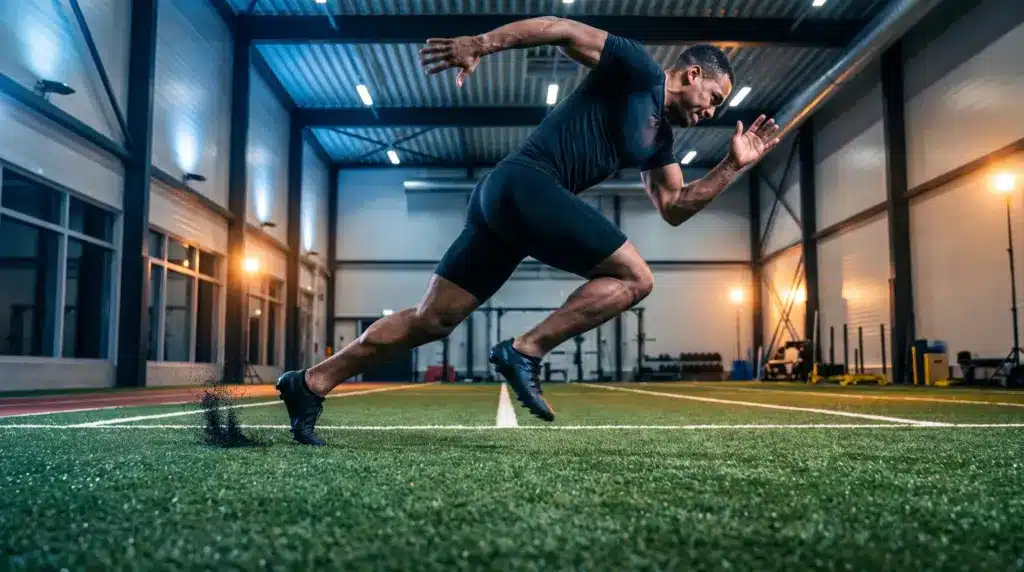
Training hard is important, but recovery matters just as much. I’ve learned that using the right recovery tools can make a big difference in how you feel and perform.
If you push your body often, you also need ways to help it rest, repair, and stay ready for the next workout or game.
In this guide, I’ll explain the best recovery equipment for athletes, including massage guns, foam rollers, compression gear, and cold therapy tools.
You’ll learn how these products work, what features matter, and which options fit your training style and budget.
My goal is to help you choose recovery gear that actually supports your routine, rather than wasting money on products you may not use.
With the right recovery habits, you can train smarter, feel better, and stay more consistent over time.
Quick Answers: What Recovery Equipment Helps Athletes Most?
Massage guns, foam rollers, compression boots, and cold therapy tools are some of the most helpful recovery products for athletes.
These tools may help reduce soreness, improve blood flow, and relax tight muscles after workouts or games.
Foam rollers and massage sticks are good for daily muscle care, while compression gear may help tired legs feel better after long training sessions. Cold therapy is often used to lower swelling and muscle discomfort.
The best recovery equipment depends on your sport, training style, and recovery goals.
Many athletes also combine recovery tools with sleep, stretching, hydration, and healthy meals to support better performance and faster recovery.
Why Recovery Matters for Athletes?
When I first started learning about fitness, I thought harder training always meant better results. But over time, I realized recovery is just as important as the workout itself, maybe even more.
Every time you train, your muscles go through stress and need time to repair. That recovery process helps your body grow stronger and perform better.
If you skip proper rest, you may feel sore, tired, and less motivated during training. Recovery also lowers the risk of injuries and helps you stay consistent with your workouts.
Proper recovery can improve energy performance and focus during training and competition
Athletes who treat recovery as part of training, rather than an optional extra, tend to stay healthier and perform more consistently over the long term.
Different Types of Athletic Recovery
Each type of recovery plays a different role in helping athletes stay healthy, perform better, and recover more effectively after training or competition.
- Physical Recovery: It helps muscles repair, reduces soreness, restores energy levels, and supports better athletic performance after intense training sessions.
- Mental Recovery: It helps athletes reduce stress, improve focus, stay motivated, and maintain emotional balance during training and competition.
- Active Recovery: Active recovery includes light movement, such as walking or stretching, to improve circulation, ease soreness, and support faster muscle healing.
- Passive Recovery: Passive recovery focuses on complete rest, sleep, and relaxation to allow the body to fully recover after hard physical activity.
Important Recovery Equipments for Athletes
The most helpful recovery gear focuses on reducing soreness, improving circulation, relaxing muscles, and helping the body recover faster between workouts.
1. Massage Guns
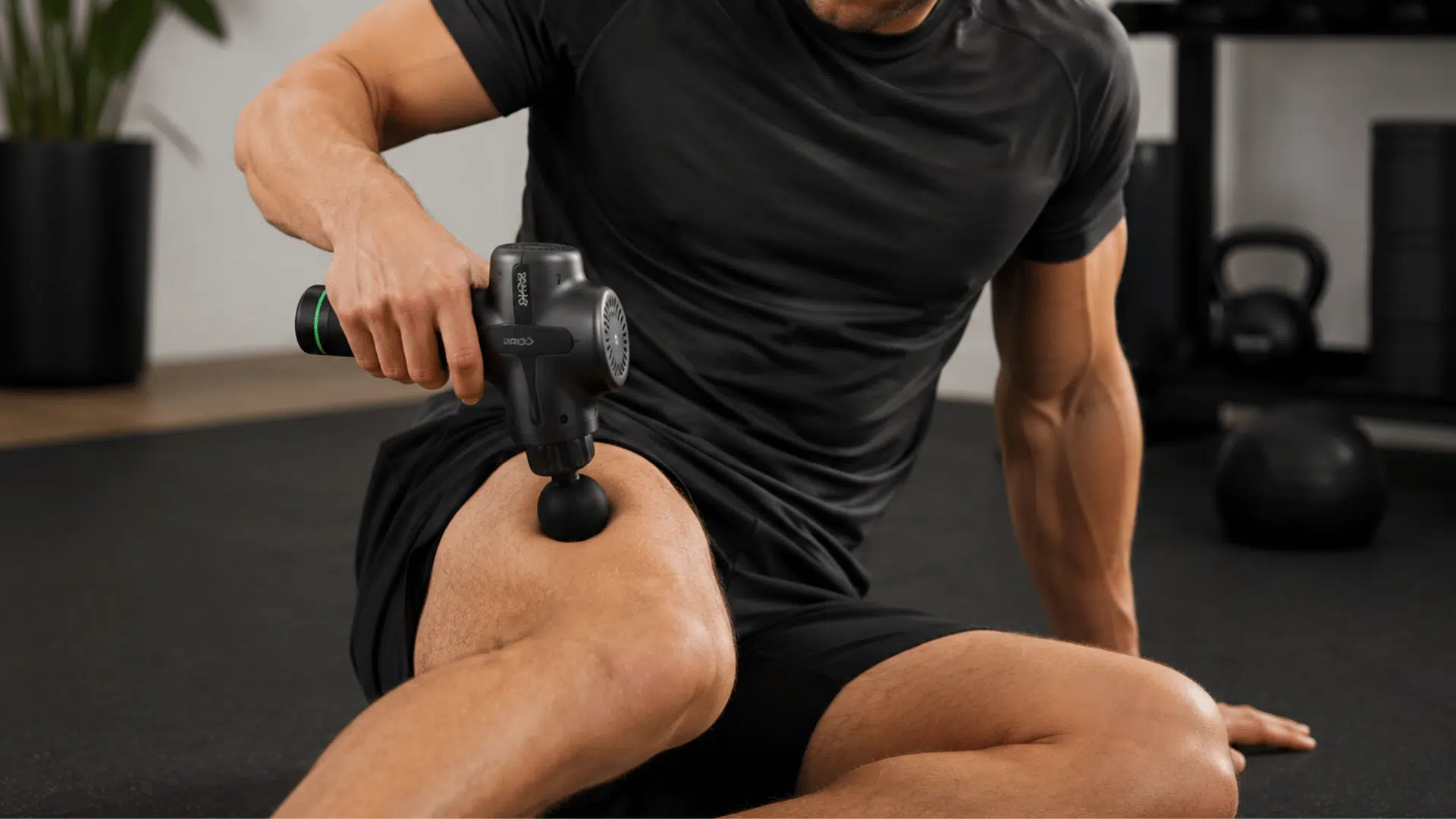
Massage guns are one of the most popular recovery tools used by athletes today. They use rapid vibrations to loosen tight muscles, improve blood circulation, and reduce soreness after workouts.
Many athletes use massage guns before training to warm up muscles and after exercise to recover faster.
They help runners, weightlifters, and other athletes reduce muscle stiffness after intense training.
In my clinic, I often recommend massage guns for athletes dealing with recurring tightness in the calves, quads, or upper traps. They’re a practical, self-directed tool that can supplement hands-on therapy between sessions.
I typically advise 60 to 90 seconds per muscle group at a moderate pressure setting to avoid aggravating sensitive tissue.
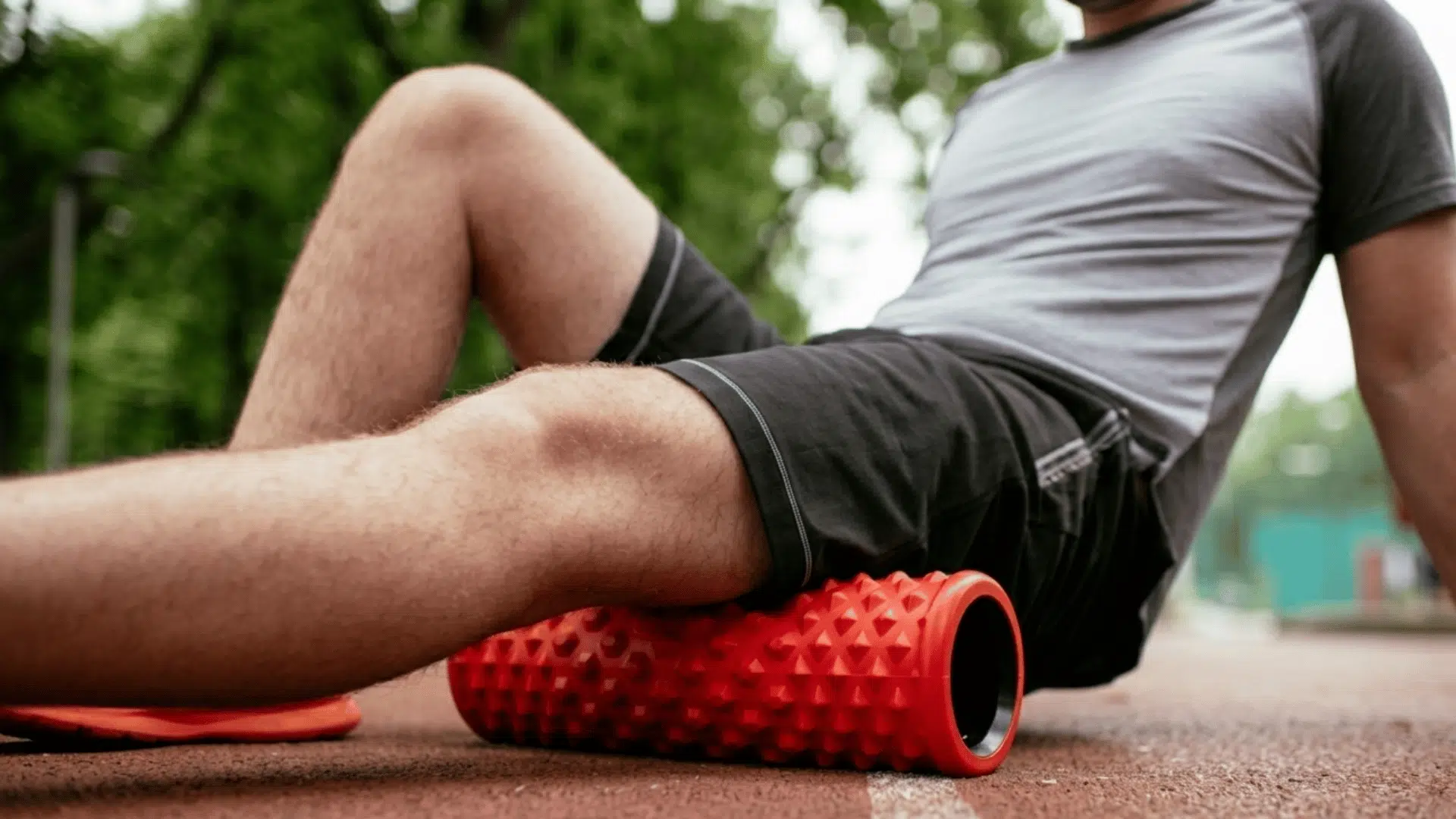
2. Foam Rollers
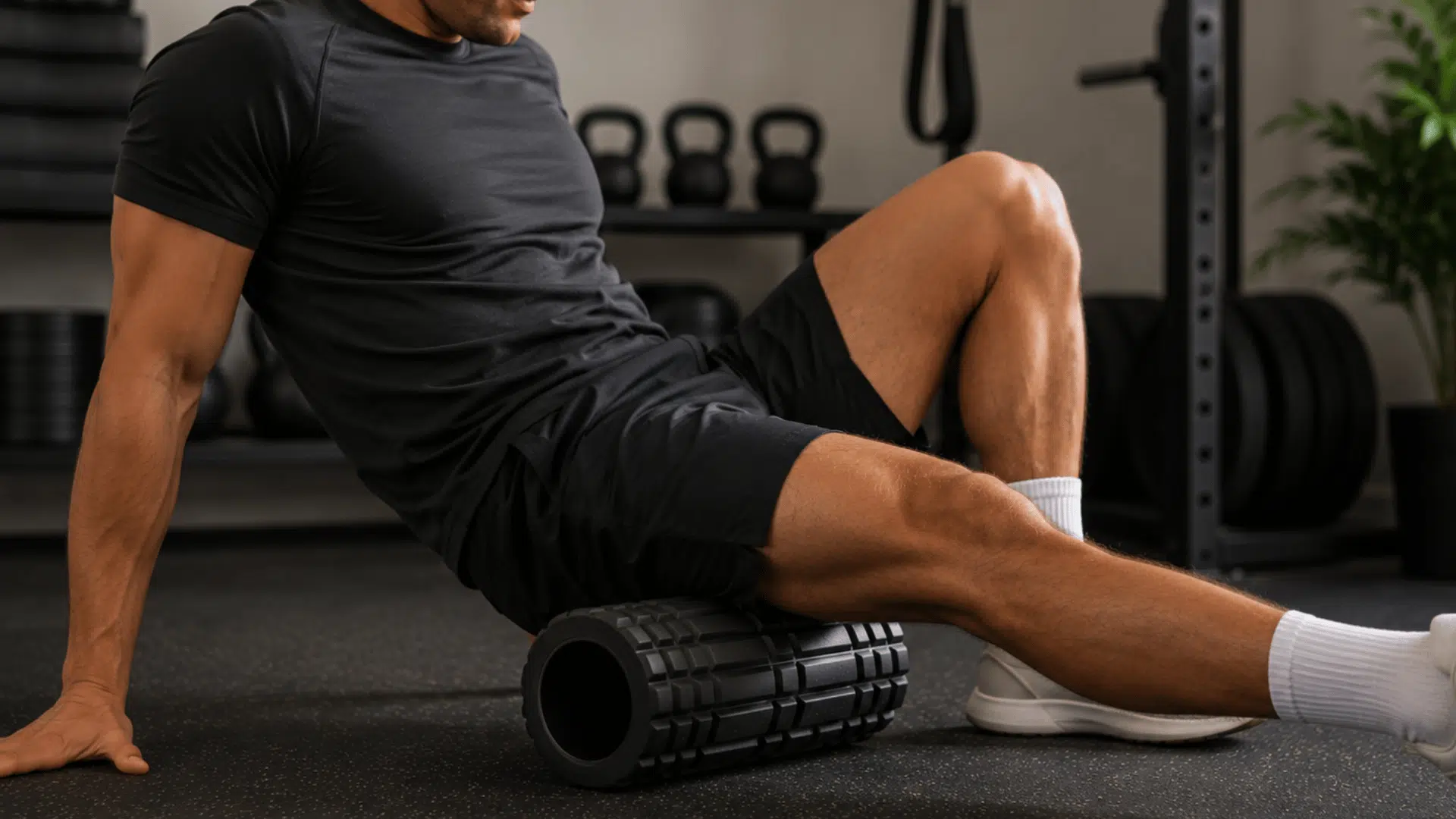
Foam rollers help athletes relieve muscle tightness and improve flexibility through self-massage. Rolling different muscle groups can improve blood flow and reduce soreness after workouts or games.
Many athletes use foam rollers during warmups and cooldowns because they support mobility and better movement.
Foam rollers are affordable, easy to use, and helpful for areas like the legs, back, shoulders, and calves after long training sessions or physical activity.
One thing I remind my patients: slower passes with moderate pressure are far more effective than fast, aggressive rolling.
Spend extra time on areas that feel particularly dense or tender, pausing for a few seconds on tight spots rather than rushing through the entire muscle.
3. Compression Boots
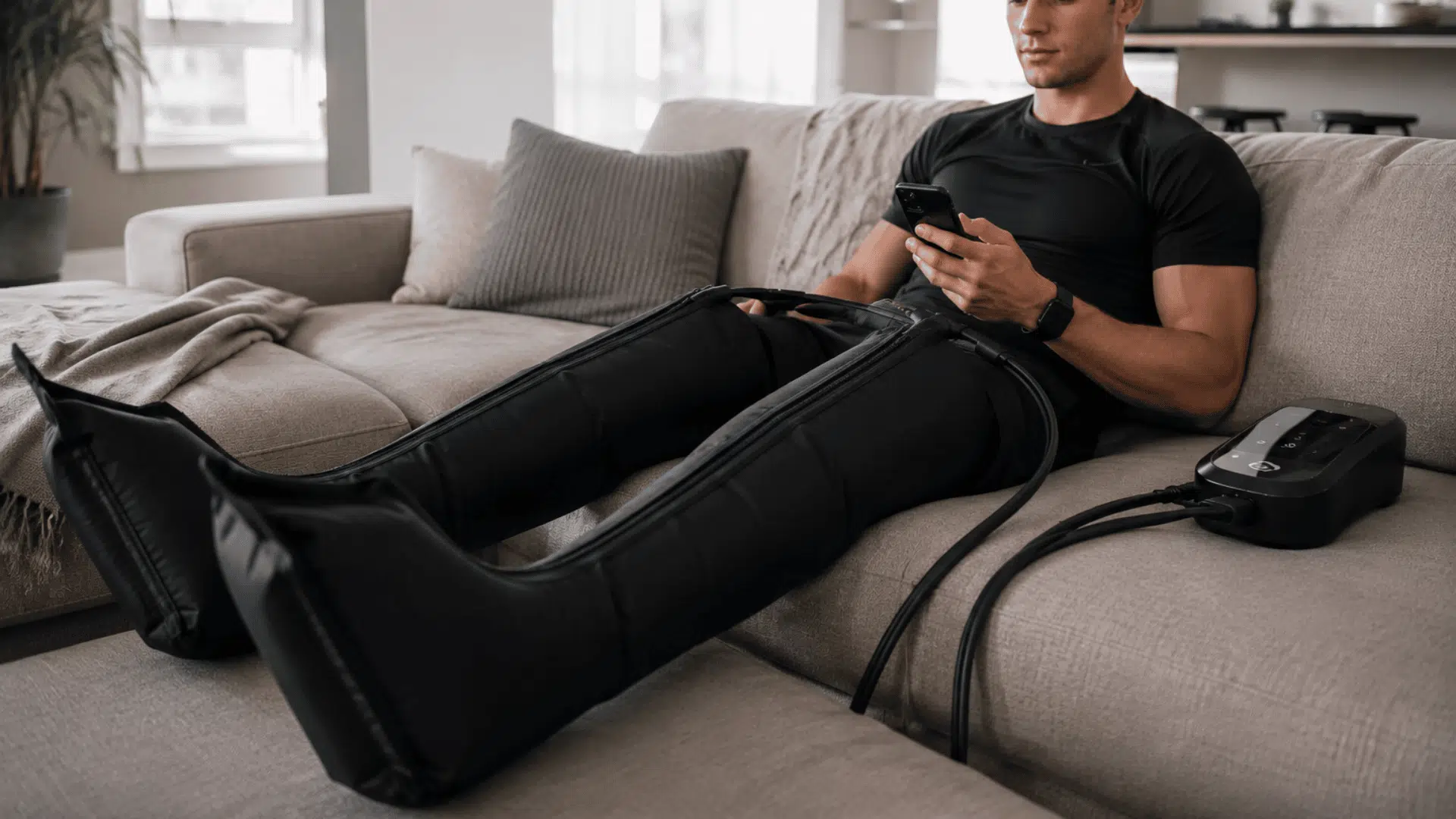
Compression boots use air pressure technology to gently squeeze the legs and improve circulation. Athletes often use them after running, cycling, or intense sports practices to reduce swelling and leg fatigue.
These boots may help the body recover by improving blood flow and removing waste buildup from muscles.
Professional athletes use compression boots to relax tired legs and recover after hard training. Most sessions last 20 to 30 minutes.
A study in the Journal of Strength and Conditioning Research found that pneumatic compression can reduce muscle soreness after high‑intensity exercise, making it especially useful after long runs or back‑to‑back training days
4. Ice Baths and Cold Therapy
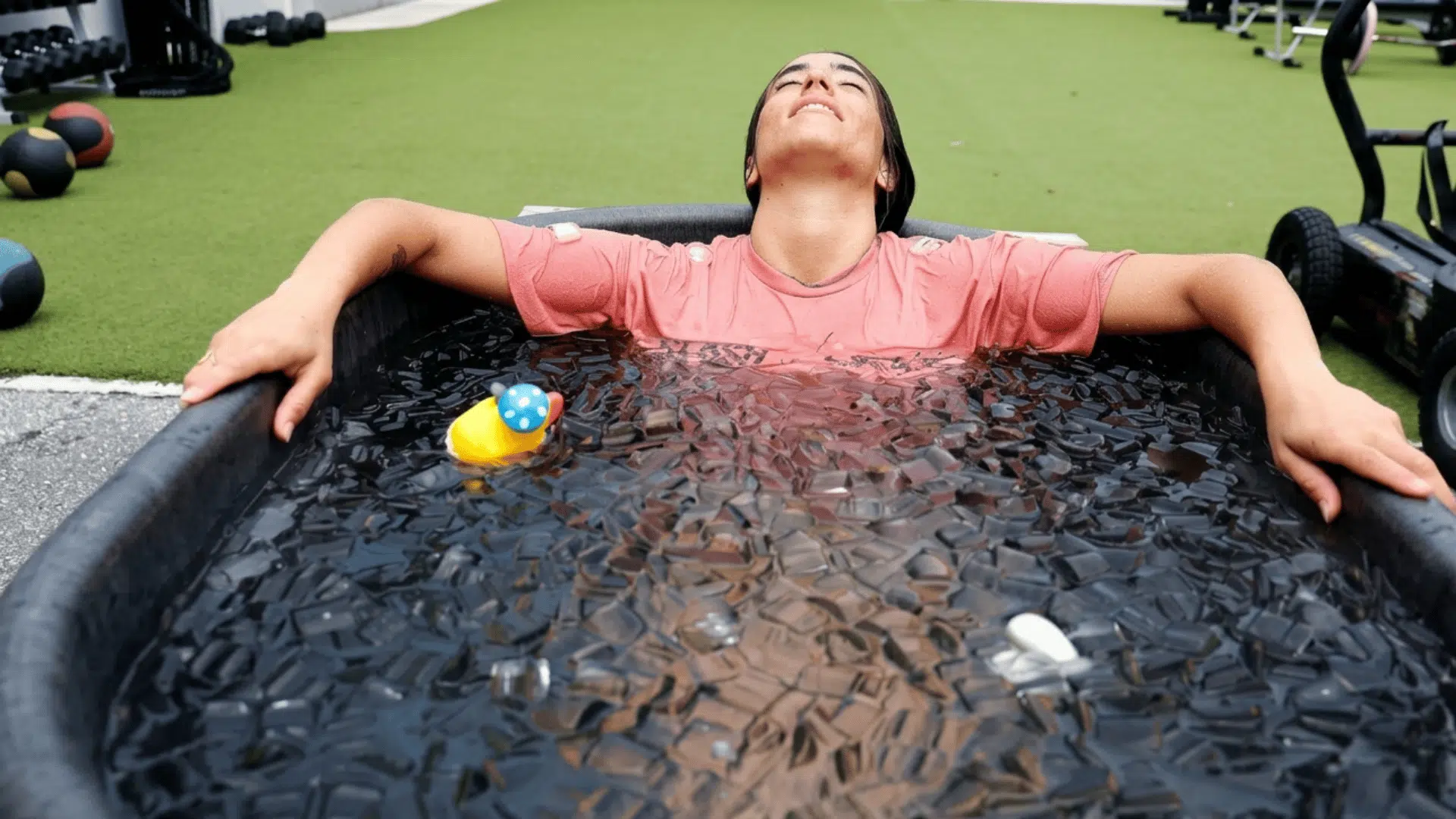
Cold plunge tubs are widely used by athletes for post-workout recovery.
Sitting in cold water may help reduce muscle soreness, swelling, and inflammation after heavy exercise or competitions.
Many athletes use cold therapy after games, long runs, or strength training sessions.
While cold plunges can feel uncomfortable at first, they are popular because they may help athletes recover faster and feel less sore before their next workout or performance.
5. Heating Therapy
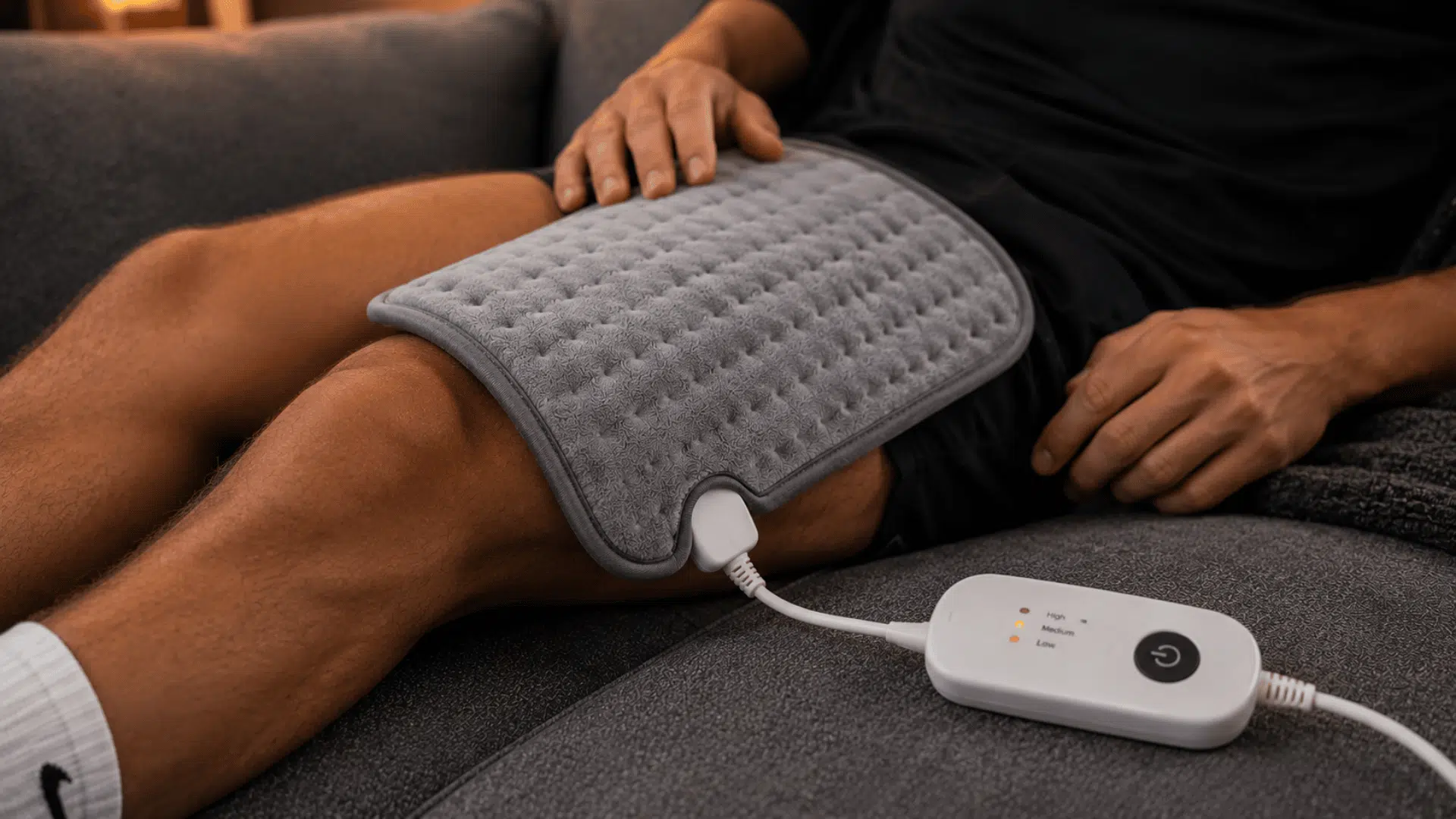
Heating pads are commonly used to relax tight muscles and improve blood circulation. Heat therapy is especially helpful for athletes dealing with stiffness, minor aches, or muscle tension after training.
Many people use heating pads before stretching because warm muscles move more comfortably.
Unlike ice baths, which target inflammation, heating pads focus on relaxation and comfort. They are easy to use at home and can support recovery during rest days or lighter training periods.
I often suggest heat before movement, cold after intense output.
Using a heating pad on stiff hips before mobility work can improve movement and reduce discomfort.
6. Resistance Bands
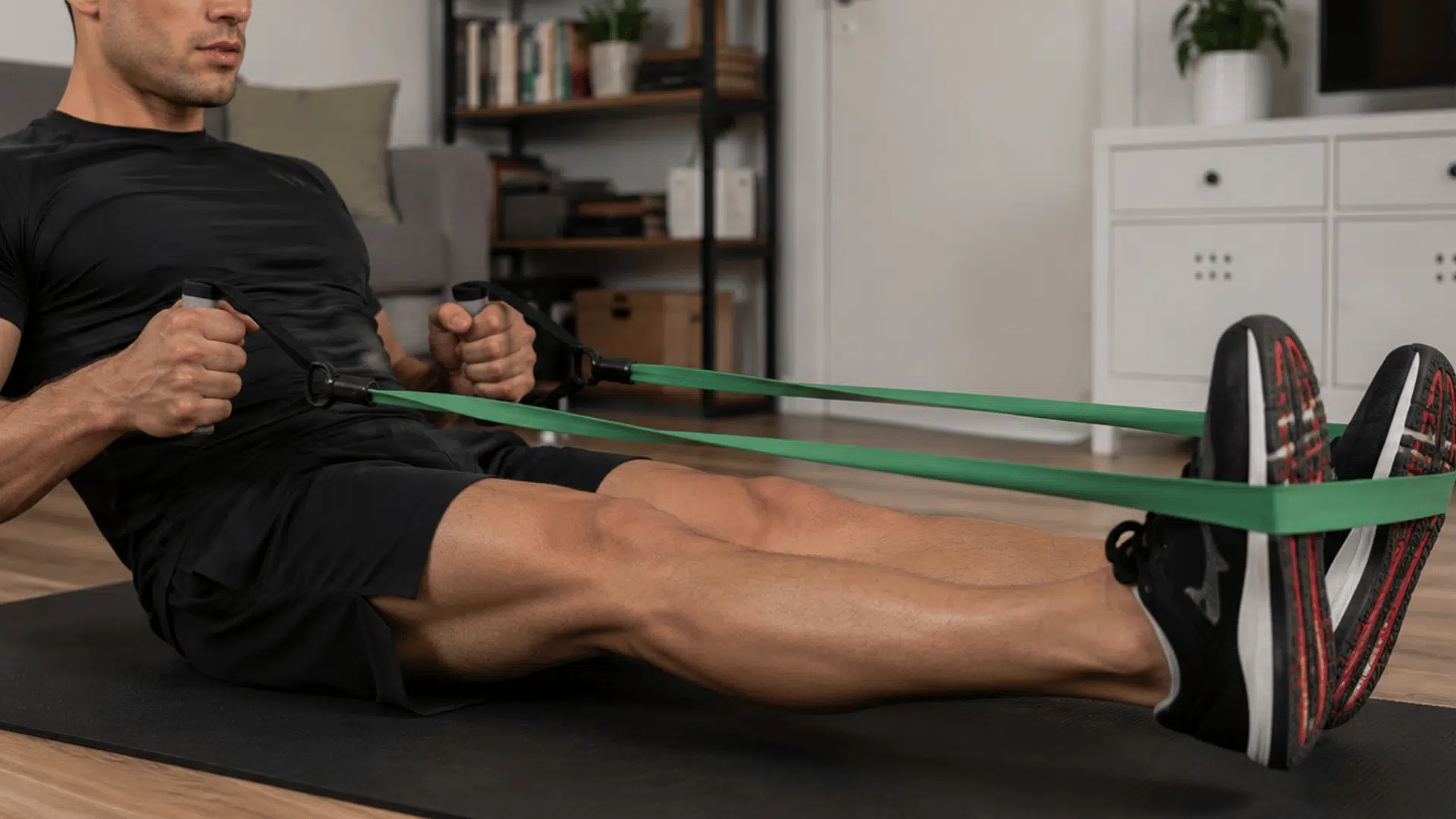
Resistance bands are simple but effective recovery tools for stretching, mobility exercises, and muscle activation. Athletes use them to improve flexibility and maintain movement without placing too much stress on the body.
Bands are lightweight, portable, and useful for warming up before workouts or recovering afterward.
Many trainers recommend resistance bands because they help athletes stay active during recovery while also supporting balance, stability, and injury prevention during regular training routines.
7. Mobility Balls
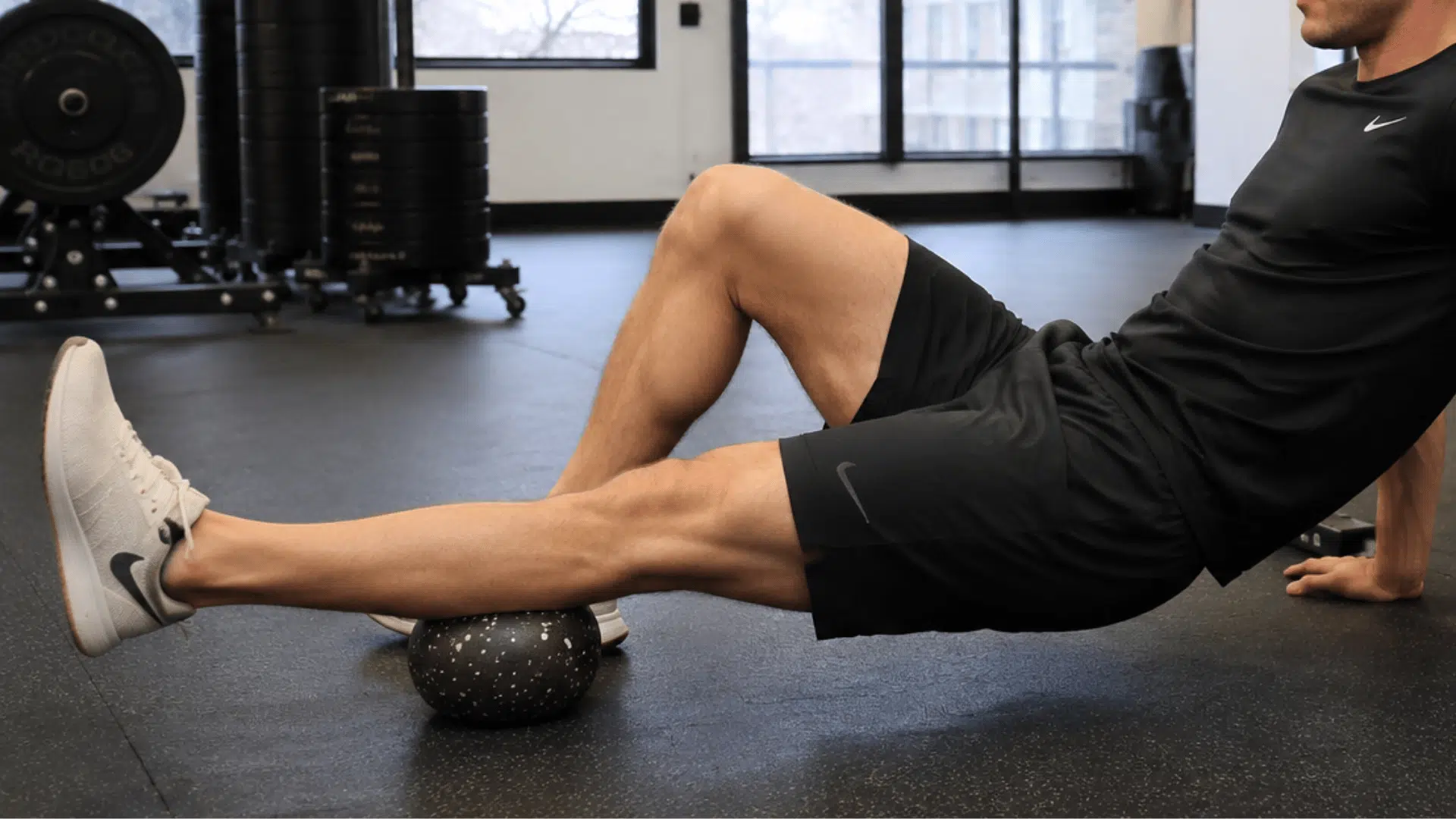
Mobility balls are small recovery tools designed to target tight muscles and pressure points. Athletes often use them on the feet, hips, shoulders, and back to reduce tension and improve flexibility.
They work well for smaller areas that foam rollers may not reach effectively.
Mobility balls are easy to carry and can be used almost anywhere. Many athletes include them in daily recovery routines to help manage soreness and improve overall movement quality.
Plantar fascia tightness responds particularly well to a lacrosse ball rolled slowly under the foot for two to three minutes.
This is one of the first things I teach runners who come in with foot soreness.
8. Compression Socks
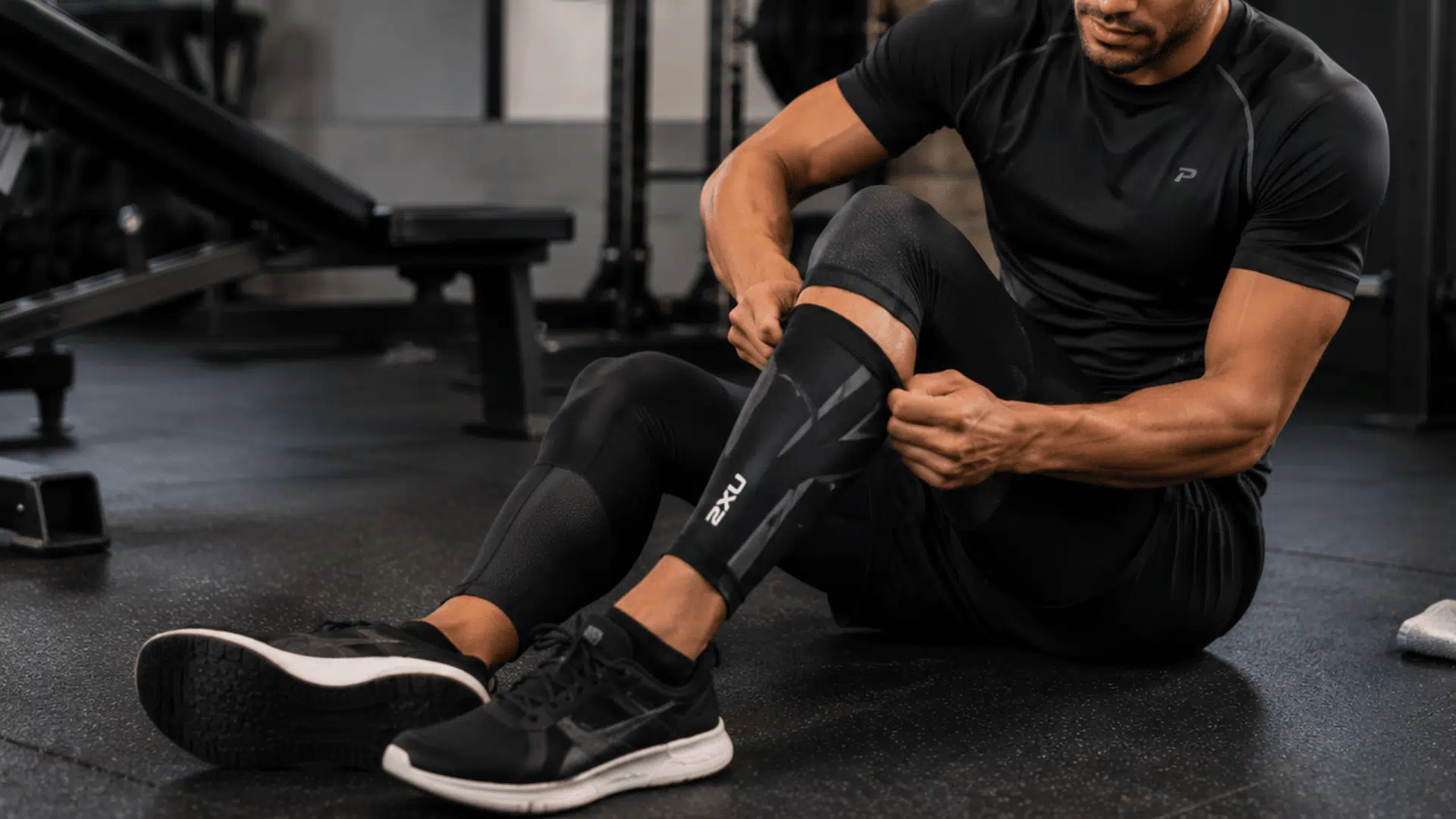
Compression socks are designed to improve circulation and reduce swelling in the legs and feet. Athletes often wear them after workouts, during travel, or while resting between competitions.
Better blood flow may help reduce muscle fatigue and soreness after intense activity.
Compression socks are especially popular among runners, cyclists, and athletes who spend long hours standing or training.
They are comfortable, easy to wear, and commonly used in everyday recovery routines.
9. Massage Sticks
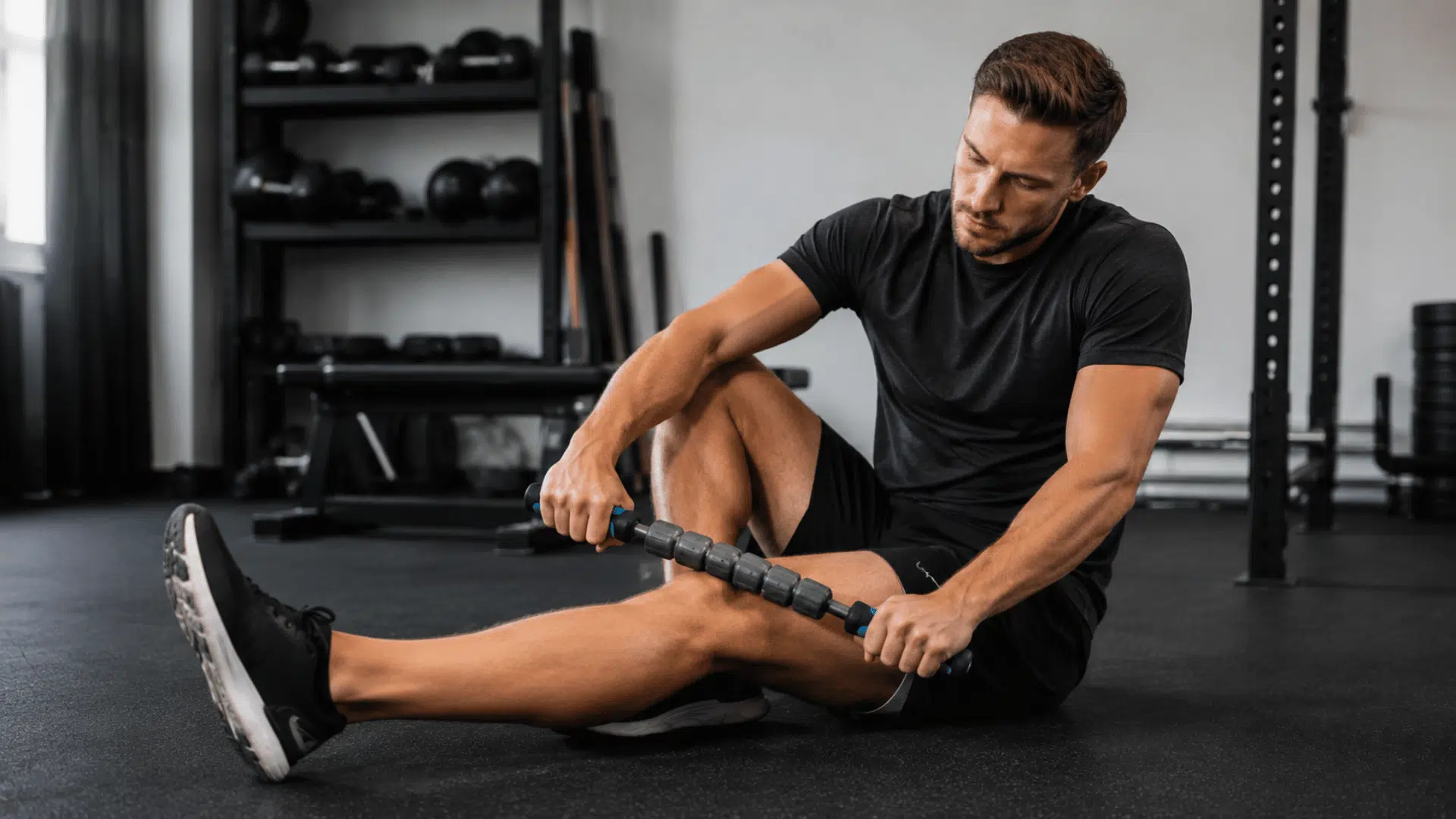
Massage sticks are handheld recovery tools that help athletes quickly and easily roll out sore muscles. They are commonly used on the calves, thighs, hamstrings, and arms after workouts or sports activities.
Massage sticks can improve circulation and reduce muscle tightness by applying gentle pressure to sore areas.
Many athletes prefer them because they are portable and simple to use. They are especially useful for quick recovery sessions before or after training.
10. Recovery Slides and Sandals
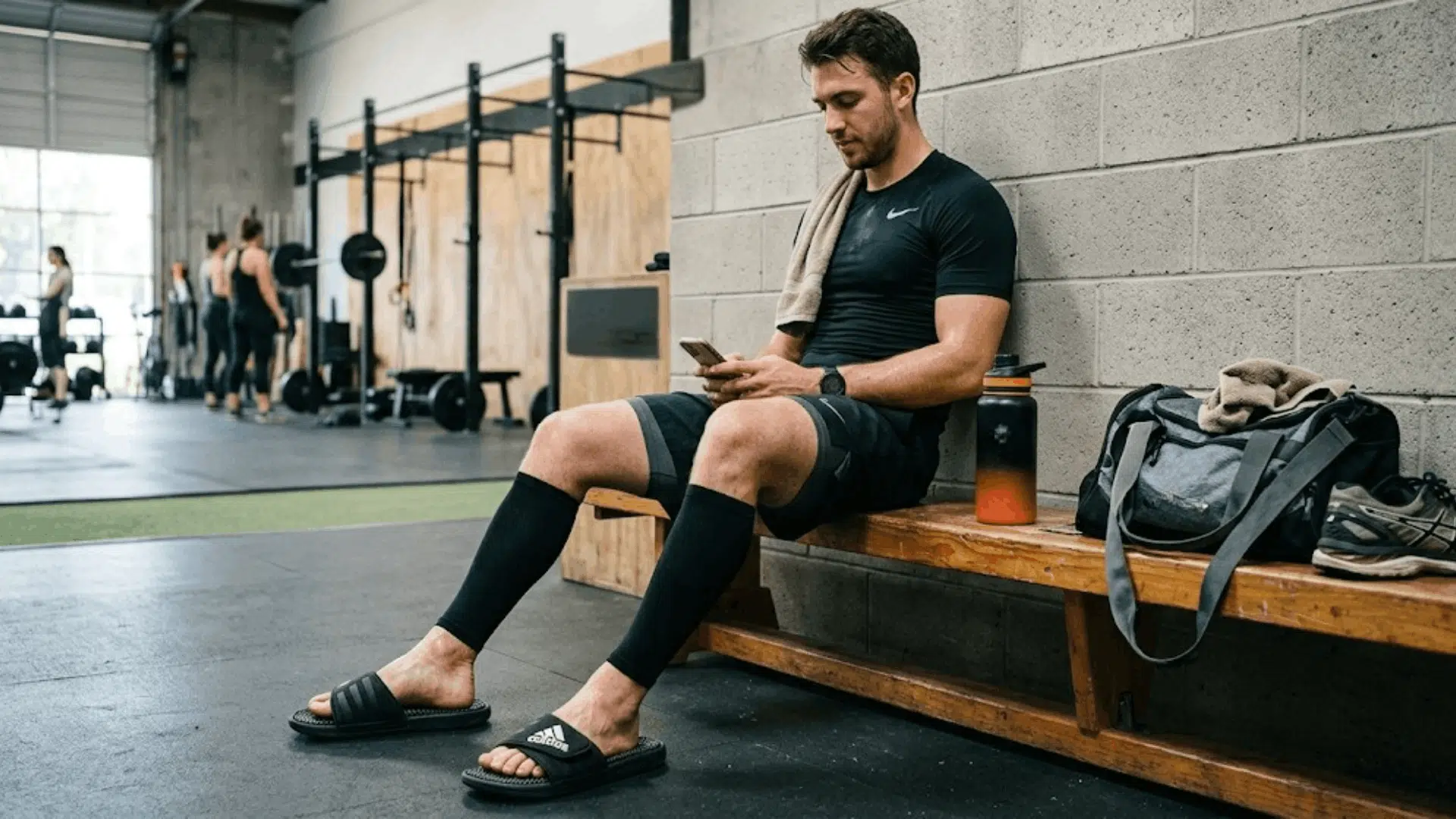
Recovery slides and sandals are designed to provide extra cushioning and support for tired feet after exercise.
Athletes often wear them after practices, games, or gym sessions to reduce foot pressure and improve walking comfort.
These shoes usually have soft soles that help support recovery and relaxation.
Many runners and sports players use recovery footwear daily because it feels comfortable and gives the feet a break from tight athletic shoes or cleats.
What to Consider Before Buying Recovery Equipment?
Once you understand what to look for, it becomes much easier to choose recovery equipment that actually supports your training and recovery goals.
- Know Your Recovery Needs: Choose recovery equipment based on your goals, such as reducing soreness, improving mobility, boosting circulation, or supporting muscle relaxation after training.
- Check Quality and Durability: Professional athletes prefer strong, long-lasting recovery tools that can handle frequent use without losing performance or breaking down quickly.
- Look for Comfort and Ease of Use: Recovery gear should feel comfortable, be easy to use, be portable, and be easy to incorporate into your regular recovery routine.
- Choose Equipment for Your Sport: Different sports affect different muscle groups, so athletes often buy recovery tools that match their training and performance needs.
- Compare Features and Reviews: Before buying, athletes usually compare features, warranties, battery life, and trusted reviews from trainers, therapists, and other athletes.
- Set a Realistic Budget: Good recovery equipment does not always need to be expensive. Many affordable tools still provide effective recovery and long-term value.
One rule I share with athletes I work with is to buy the simplest version of a tool that will actually get used. A foam roller you reach for every day beats a $400 percussion device that sits on a shelf.
Best Recovery Techniques for Athletes
Using the right recovery methods can help you feel better, reduce soreness, and improve your overall performance. Here are some of the most effective recovery techniques athletes commonly use.
| Recovery Technique | How It Helps Athletes | Common Examples |
|---|---|---|
| Stretching and Mobility Exercises | Improves flexibility, reduces stiffness, and supports better movement after workouts. | Yoga, hamstring stretches, shoulder rolls |
| Foam Rolling and Massage Therapy | Helps relax tight muscles, improve blood flow, and reduce soreness after training sessions. | Foam rollers, massage guns, sports massage |
| Ice Baths and Heat Therapy | Reduces soreness and swelling, while heat therapy helps relax stiff muscles and improve circulation. | Ice baths, heating pads, warm baths |
| Compression Gear and Recovery Tools | Supports circulation, reduces swelling, and helps muscles recover faster. | Compression socks, recovery boots, resistance bands |
| Hydration and Electrolytes | Helps replace fluids lost during exercise and supports proper muscle function during recovery. | Water, sports drinks, electrolyte tablets |
| Active Recovery Workouts | Keeps the body moving without adding too much strain, which helps reduce stiffness and improve recovery. | Light jogging, cycling, swimming, walking |
Nutrition Tips to Support Faster Recovery
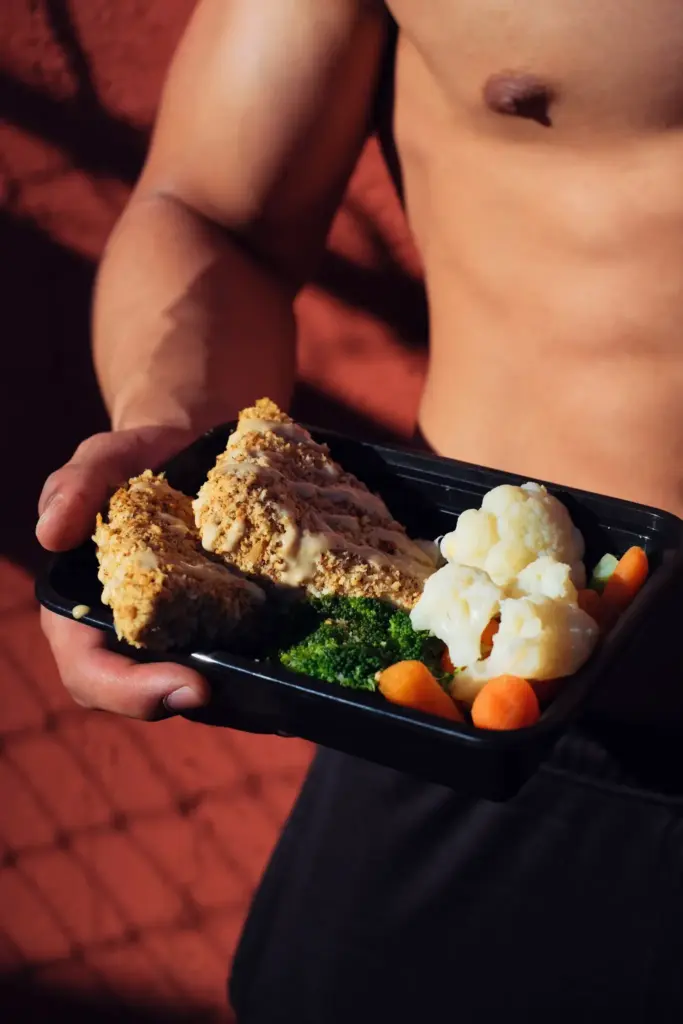
Proper nutrition is what gives athletes the energy and nutrients needed to recover faster, reduce soreness, and stay ready for consistent performance.
- Eat Enough Protein: Protein helps repair muscle tissue, supports muscle growth, and reduces recovery time after hard training sessions or sports activities.
- Refuel with Carbohydrates: Carbohydrates restore energy stores after exercise and help athletes recover strength for upcoming workouts, practices, or competitions more effectively.
- Stay Hydrated Daily: Water and electrolytes replace fluids lost through sweat and help the body recover, perform, and function properly after exercise.
- Include Healthy Fats: Healthy fats support joint health, reduce inflammation, and help athletes naturally maintain balanced recovery and long-term physical performance.
- Focus on Recovery Meal Timing: Eating balanced meals shortly after workouts helps muscles recover faster and restores energy levels more efficiently for future training sessions.
The 30-to-60-minute window after training is when muscles are most receptive to protein and carbohydrate intake.
A simple whole-food meal, or a protein shake with a piece of fruit, is usually enough to start the repair process effectively.
The Importance of Sleep for Athletic Recovery
Sleep is one of the most important parts of athletic recovery. After intense workouts or other physical activities, the body uses sleep time to repair muscles, restore energy, and support overall recovery.
Research shows that deep sleep helps release growth hormones that play a major role in muscle repair and physical recovery.
Athletes who get quality sleep often perform better, recover faster, and stay more focused.
Poor sleep, on the other hand, can lead to fatigue, slower reaction times, reduced strength, and an increased risk of injury.
Most experts recommend athletes get around 7–9 hours of sleep each night, though some may need more during intense training periods. Good sleep habits can improve both physical performance and mental recovery over time.
Common Recovery Mistakes Athletes Should Avoid
Avoiding these recovery mistakes can help athletes stay healthier, recover faster, and perform more consistently throughout training and competition seasons.
| Recovery Mistake | Why It Can Harm Performance |
| Skipping Rest Days | Muscles need rest to recover properly after intense training and competition |
| Not Getting Enough Sleep | Poor sleep slows muscle recovery, reduces focus, lowers energy levels, increasing the risk of sports injuries. |
| Ignoring Proper Nutrition | Lack of balanced meals and proper hydration delays recovery and reduces athletic performance |
| Returning to Training Too Quickly | Exercising before the body fully recovers may worsen soreness and lead to long-term injuries. |
| Overtraining Without Recovery | Too much training without sufficient recovery can lead to burnout, fatigue, strength loss, and poor performance over time. |
Conclusion
Recovery is not just something athletes do after training. It is a major part of staying strong, healthy, and ready to perform at your best.
The right recovery habits and equipment can reduce soreness boost energy and keep your workouts consistent.
Even small changes like better sleep, proper hydration, or using simple recovery tools can make a noticeable difference in how your body feels every day.
The most important thing is finding recovery methods that work for your lifestyle, training routine, and personal goals.
Recovery looks different for every athlete, and learning what helps your body most can improve both performance and long-term health.
What recovery equipment or habit helps you most? Share your favorite recovery tips in the comments below.
Frequently Asked Questions
Do Older Athletes Need More Recovery?
Yes, older athletes often need more recovery because muscle repair, joint recovery, and energy restoration usually slow down with age.
What Are the 3 R’s Of Recovery?
The 3 R’s of recovery are Rest, Refuel, and Rehydrate. They help athletes recover energy, repair muscles, and restore hydration after exercise.
What Is the 72 Hour Rule for Athletes?
The 72-hour rule suggests muscles may need up to three days to fully recover after intense workouts or strength training sessions.
What Is Overtraining Syndrome?
Overtraining syndrome happens when athletes train too hard without enough recovery, leading to fatigue, poor performance, soreness, sleep problems, and burnout.