


I still remember how unsure I felt when I first tried to ride a bike. It looked easy, but once I sat on it, balance felt hard.
If you feel the same, you’re not alone. Learning this skill takes time, but you can do it with the right steps and a bit of practice.
You’ll learn to ride a bike step by step with clear, simple instructions. I’ll show you how to balance, get moving, and stop using easy steps. These tips work well for both adults and kids who are just starting.
You don’t need special skills or costly gear to begin. A safe place and regular practice can make a big difference. Stay patient, keep trying, and you will feel more confident each time you ride and improve your control.
Step-By-Step Guide to Riding a Bike
Learning to ride a bike may feel tricky at first, but breaking it into small steps makes it easier. I followed this same process, and it helped me gain confidence slowly.
Step 1: Adjust Your Bike
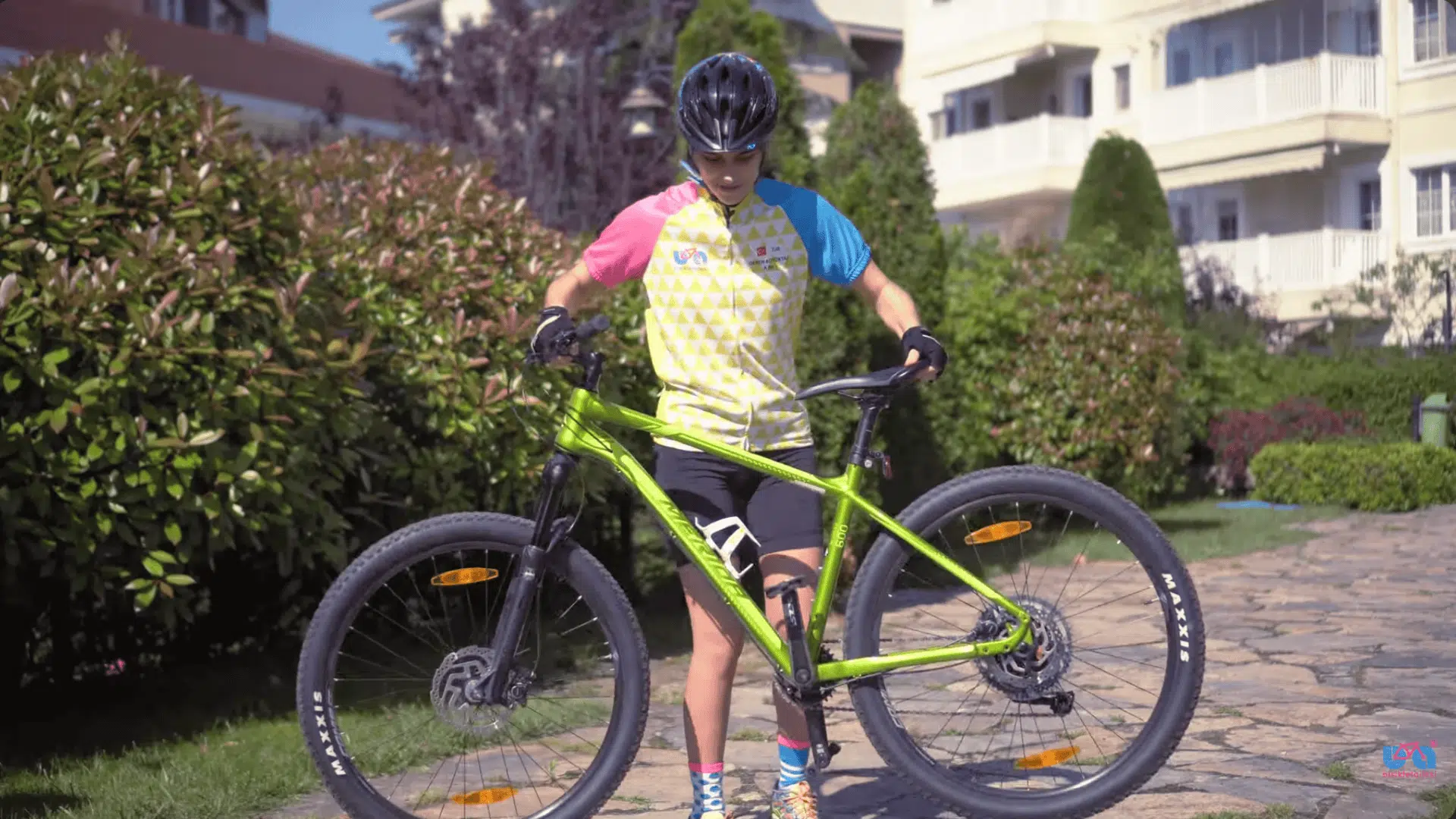
Start by setting the saddle at the right height. Sit on the bike and check that your toes can just touch the ground. This position gives better control and helps prevent falls while learning.
A proper seat height also makes balancing easier during early practice. Make sure the handlebars feel comfortable to hold and easy to control.
Take a few moments to sit and get used to the position. This setup creates a safe base before moving to the next step.
Step 2: Baby Steps
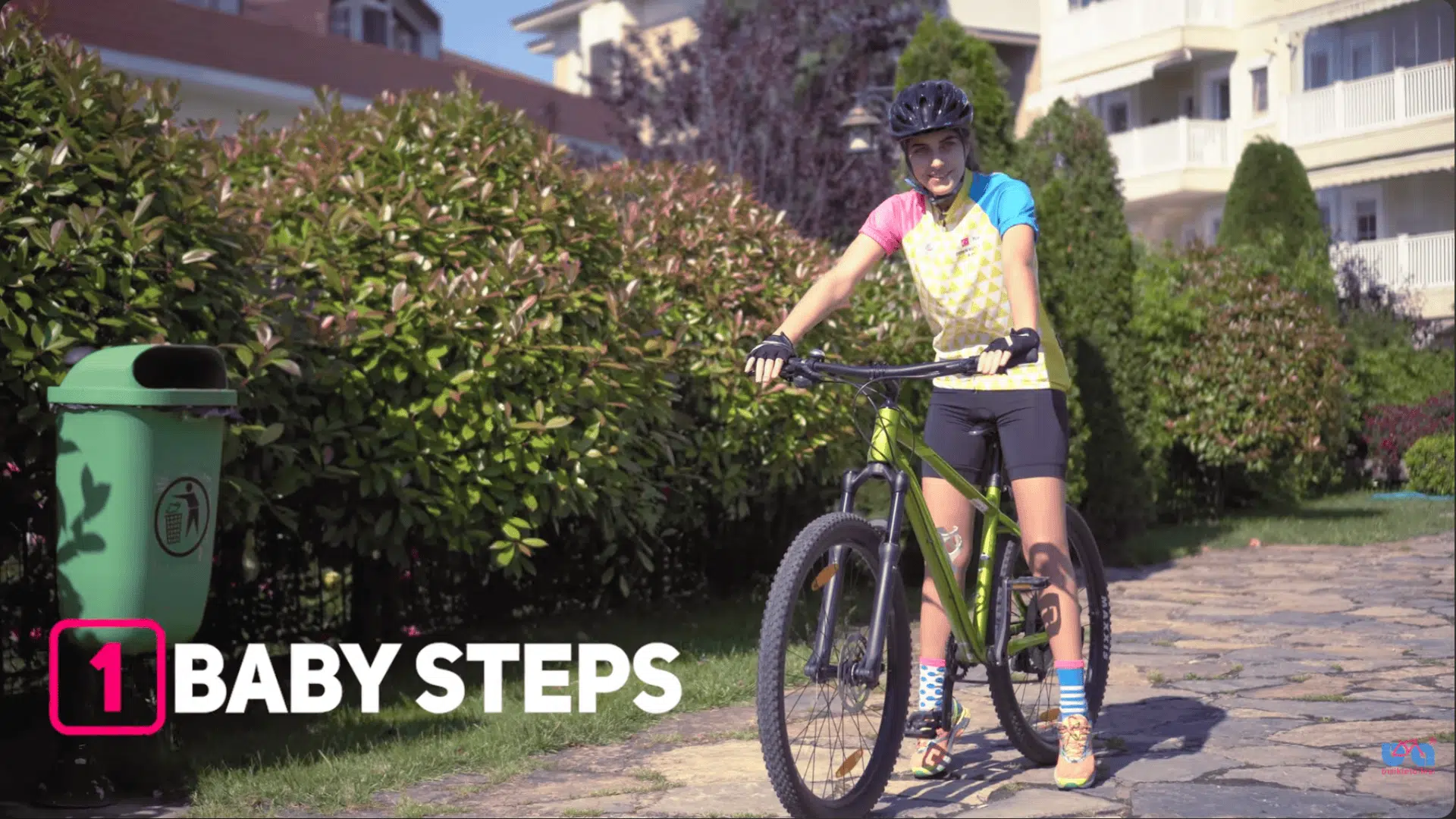
Ignore the pedals completely and focus only on balance. Push the bike forward using both feet while sitting on the saddle.
Keep your gaze straight ahead, not down. This helps the body stay steady and balanced. Move slowly at first and repeat the motion until it feels natural.
The goal here is to get comfortable with the movement and control of the bike. Practice this step until there is no fear or hesitation while gliding forward.
Step 3: Single Foot No Pedal
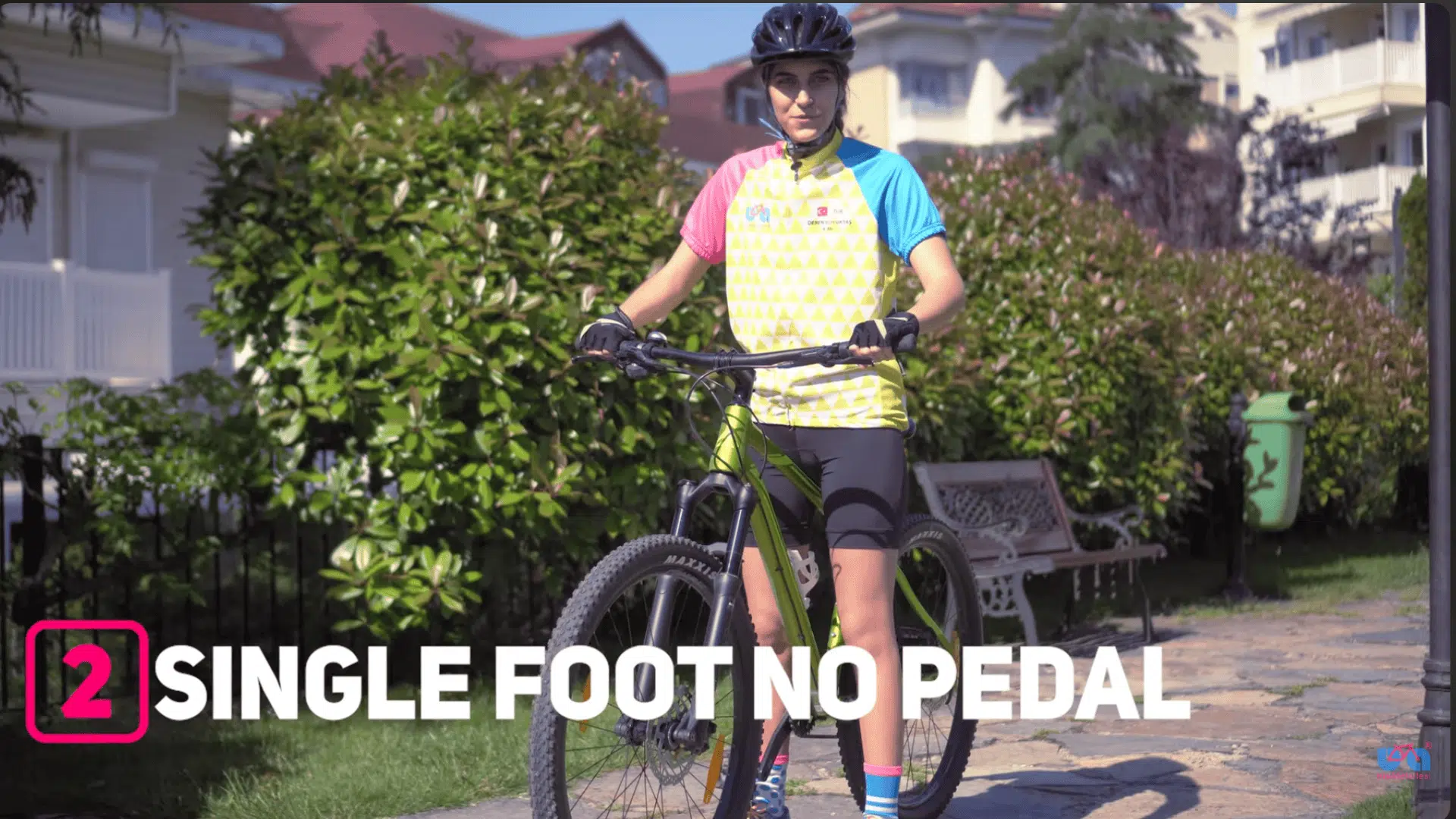
Place one foot on a pedal while the other stays on the ground. Push forward using the foot on the ground while keeping balance on the bike.
Keep looking ahead to stay steady and avoid wobbling. This step builds confidence and helps the body adjust to partial pedal use.
Try switching feet to improve control on both sides. Continue practicing until the motion feels smooth and stable. This step prepares the body for using pedals more actively in the next stage.
Step 4: Single Foot Pedal
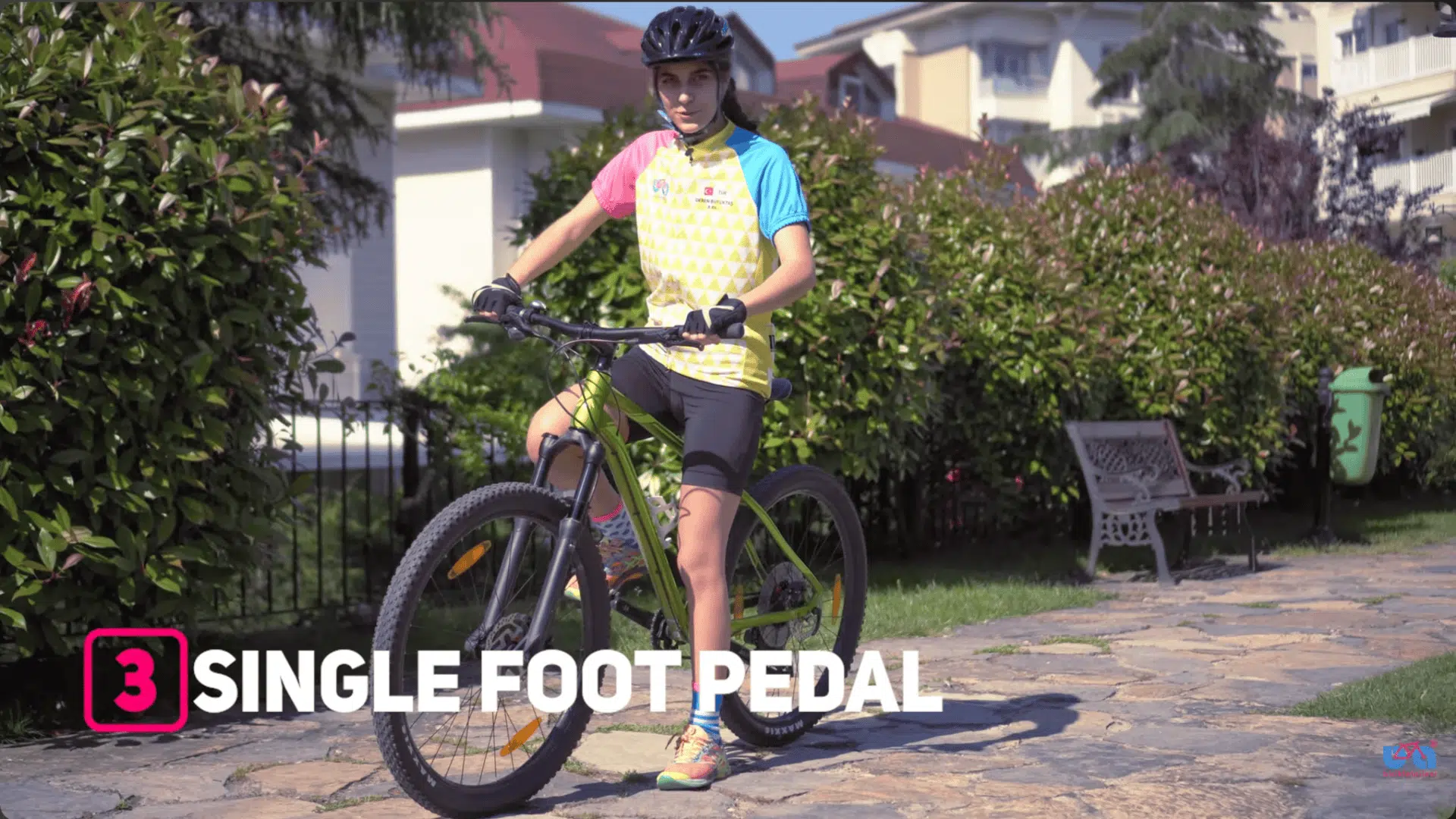
Now start using one pedal to move forward. Push the pedal down with one foot, and use the other to help balance when needed. Focus on smooth movement instead of speed.
Keep your head up and eyes forward for better control. This step helps develop coordination between pedaling and balancing.
Repeat the action several times until it feels easy and controlled. Do not rush through this stage, as it plays an important role in building confidence before full riding begins.
Step 5: Full Pedal
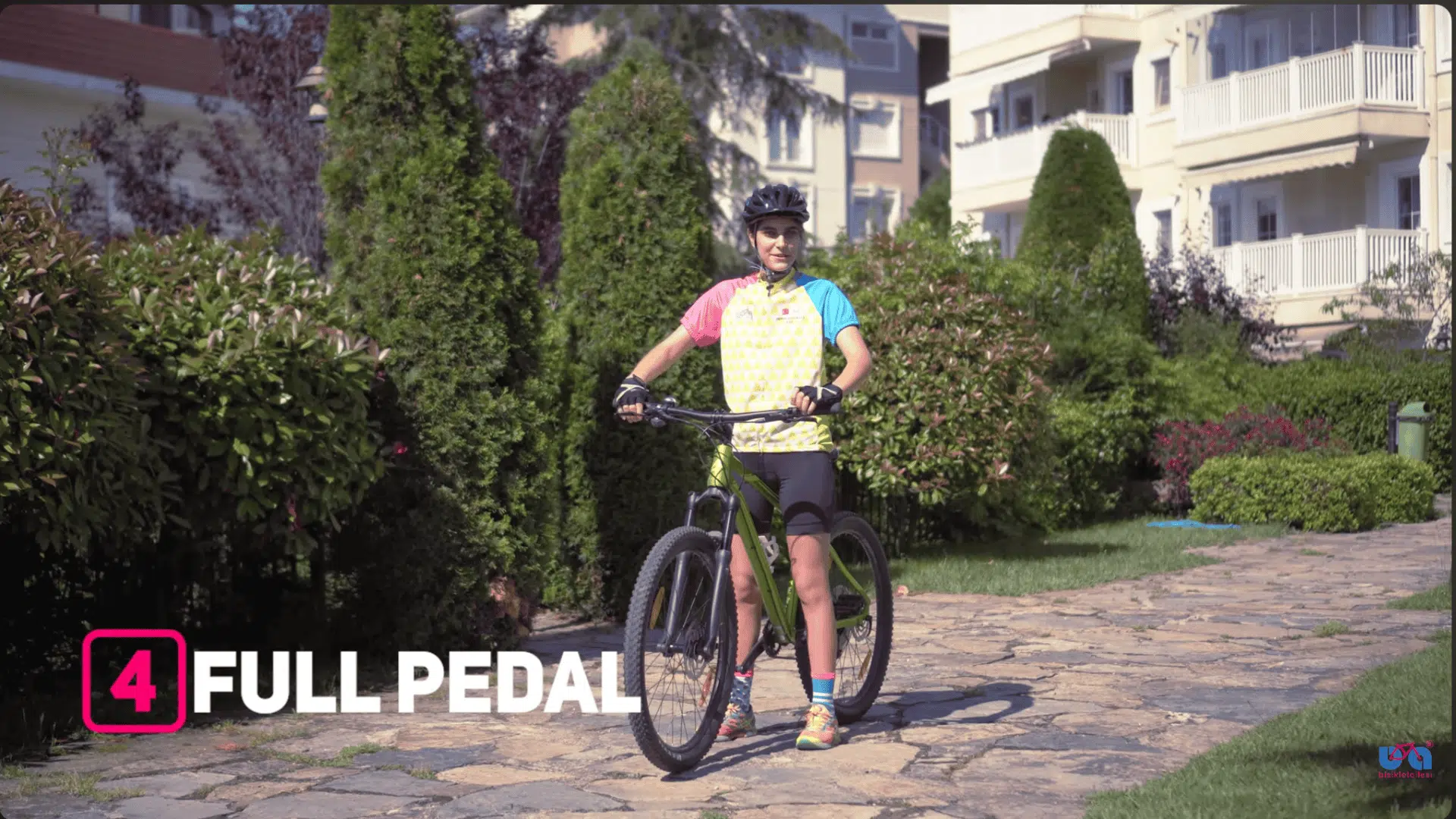
Place both feet on the pedals and start riding fully. Push the pedals in a steady rhythm and maintain balance by keeping your gaze straight ahead.
Avoid looking down at the pedals, as it can affect control. Keep movements smooth and relaxed as you ride forward. This step marks the transition to actual cycling.
Continue practicing until riding feels stable and comfortable. With regular practice, balance and control will improve quickly, making it easier to ride longer distances without stopping.
This tutorial is based on a helpful video by Bisikletailesi (Bicyclefamily). You can check out the original video on their YouTube channel here or watch it below.
Safety Tips for New Bike Riders
Staying safe while learning to ride is very important. I’ve found that simple habits can help you avoid falls and feel more confident.
- Wear a helmet: Always protect your head before you start riding.
- Choose a safe area: Start in an open space away from traffic and obstacles.
- Check your brakes: Make sure your brakes work properly before every ride.
- Keep your speed low: Ride slowly at the start to stay in control.
- Wear proper shoes: Closed shoes provide better grip and control.
- Stay focused: Keep your eyes ahead and avoid distractions while riding.
- Use both hands on the handle: This helps you balance better and steer safely.
How Long Does It Take to Learn
When I started, I wondered how long it would take to ride without falling. The truth is, it depends on how often you practice and how comfortable you feel.
Some people learn in a few days, while others may take a couple of weeks.
If you practice for 20 to 30 minutes daily, you can see progress quickly. Short and regular practice works better than long sessions. It helps your body get used to balance and control.
I’ve noticed that staying relaxed makes a big difference. The calmer you feel, the easier it gets to balance. Don’t rush the process or compare yourself with others.
Everyone learns at their own pace. Stay patient, keep practicing, and you’ll get there sooner than you think.
Common Problems Beginners Face
When learning to ride, it’s normal to face a few issues in the beginning. I’ve seen that most problems are simple and improve with a bit of practice and patience.
- Trouble balancing: the most common issue. It takes time for your body to get used to staying steady on the bike.
- Fear of falling: Many beginners feel nervous, which makes it harder to stay relaxed and balanced.
- Looking down too much: This can affect balance. Keeping your eyes forward helps you stay steady.
- Stiff body posture: A tight body makes it harder to control the bike smoothly.
- Difficulty starting: Getting the first push and pedal can feel tricky.
- Not using brakes properly: Some beginners forget to use brakes or press them too hard.
How to Choose the Right Bike for Beginners
When I first picked a bike, I didn’t think much about size or type. But I learned quickly that the right bike makes learning much easier. If the bike feels too big or too heavy, it can slow you down.
Start with the right size. Your feet should touch the ground when you sit on the seat. This helps you feel safe and in control. If you can’t do that, the bike is not the right fit.
I also suggest choosing a simple bike with few gears. A basic bike is easier to handle when you’re learning. You don’t need anything complex in the beginning.
Check the seat height and adjust it so you feel comfortable. Try the bike before you start. A good fit will help you learn faster and feel more confident.
Best Places to Practice Riding a Bike
Finding the right place to practice can make learning much easier. I’ve seen that a safe and open space helps you focus better and feel more relaxed.
- Empty Parking Lots: These give you plenty of space to ride without worrying about traffic or obstacles.
- Quiet Parks: Parks with open paths are great for beginners and feel more comfortable for practicing.
- Playgrounds or Open Grounds: These areas are usually flat and safe for learning basic skills.
- Wide Sidewalks: If they are not crowded, they can be a good place to practice short rides.
- Low-Traffic Streets: Streets with very few vehicles can help you gradually get used to real riding conditions.
- School Grounds After Hours: Open school areas often have smooth surfaces and enough space for practice.
- Indoor Sports Halls: Large halls provide a safe and controlled space, especially during bad weather.
- Empty Tennis or Basketball Courts: These spots are flat and enclosed, which helps with focus and safety.
- Driveways with Enough Space: A wide driveway can work well for short practice sessions.
- Community Centers: Some centers have open areas that are good for beginners learning balance.
Wrapping Up
Learning to ride a bike is one of those skills that may feel hard at the start, but it gets easier the more you practice. I remember how small improvements gave me confidence, and over time, everything started to feel natural.
You don’t need to be perfect right away. Just focus on staying calm, keeping your balance, and practicing a little each day.
It’s okay to make mistakes. I made plenty, and that’s how I learned. What matters is that you keep going and don’t give up. With time, your control will improve, and riding will start to feel fun instead of scary.
Take it one step at a time and enjoy the process. Now grab your bike, head to a safe place, and give it a try. And when you do, come back and share how your first ride went, I’d love to hear your story!