
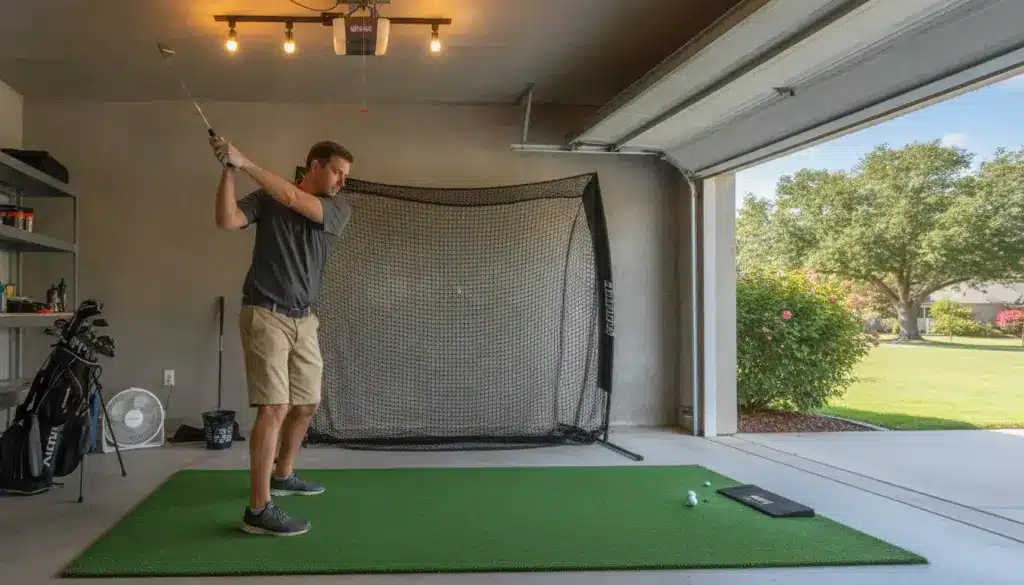





Golf practice used to mean booking a tee time, visiting the driving range or waiting for the weather to cooperate. For many players, that is still part of the routine. But more golfers are now rethinking where effective training can happen. Garages, basements, spare rooms and outbuildings are being turned into dedicated practice spaces, giving players a way to work on their game more often and with more structure.
This shift is being driven by convenience, technology and the growing belief that improvement does not only happen on the course. With the right setup, golfers can practise more consistently, track their progress and build confidence without leaving home.
The Shift Towards Home Based Training
The appeal of home-based golf training is simple: access. Golfers often struggle to practise regularly because of time, weather, travel and course availability. A home setup removes many of those barriers. Instead of waiting for a free afternoon, players can work on their swing before work, after dinner or during a spare half-hour at the weekend.
Home training also reflects a broader change in attitude. Golfers no longer see practice as something that must happen only at a range or club. A focused session in a well-designed home space can be just as valuable when it has a clear purpose.
What Makes Home Setups Effective
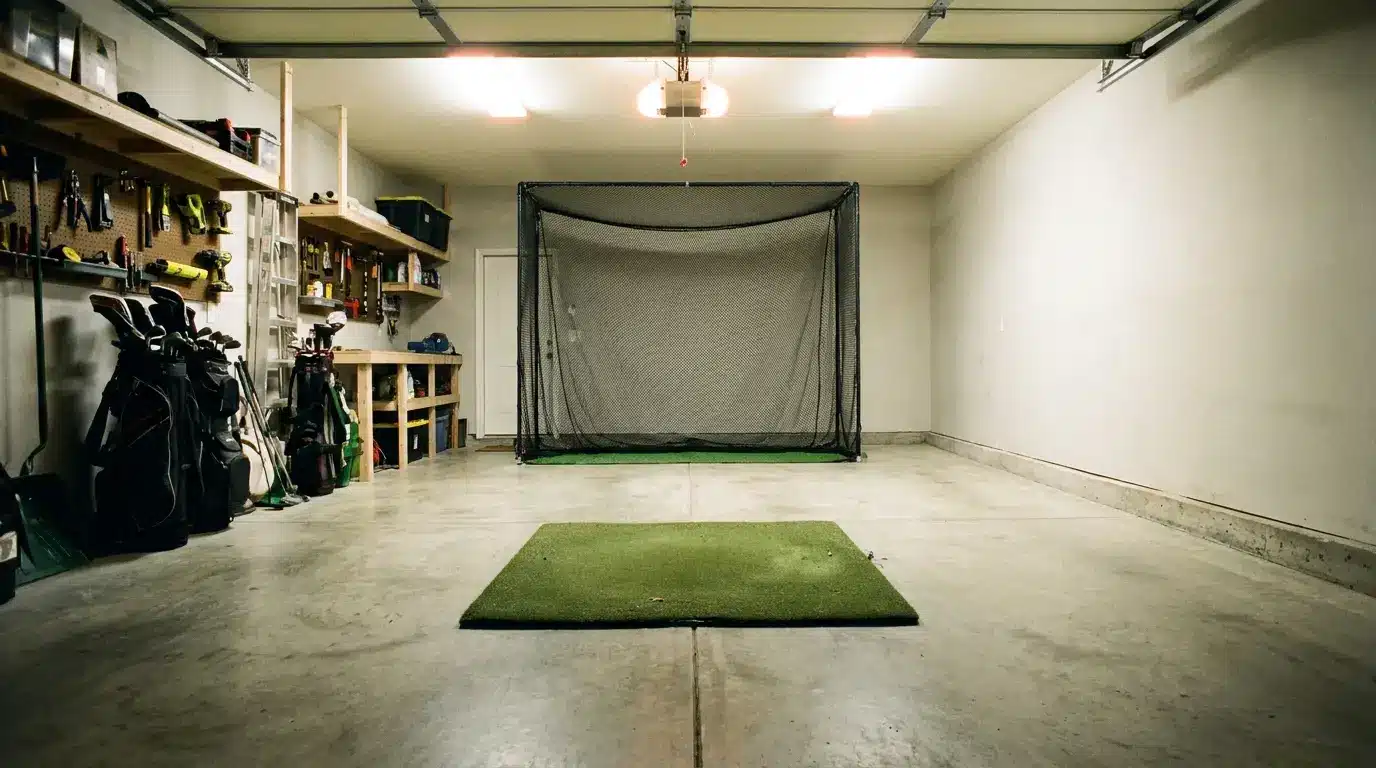
A good home practice space does not need to be extravagant, but it does need to be intentional. The best setups combine enough space to swing safely, suitable flooring or hitting surfaces, good lighting and technology that gives useful feedback.
Design matters because the environment shapes the quality of practice. A cluttered garage with poor lighting and limited room can make training frustrating. A dedicated space, even a modest one, helps the golfer focus. It also makes practice easier to repeat because the equipment is ready to use. The point is not to recreate a golf course at home, but to create an environment where targeted improvement can happen consistently.
Setting up a Dedicated Practice Environment
Before creating a home training area, golfers should think carefully about space, ceiling height, safety and the type of feedback they want. A full swing setup needs enough clearance for the club, the player and the ball flight or impact screen. Walls, windows, lighting fixtures and stored items should all be considered before any equipment is installed.
For players who want a more complete indoor training experience, professional support for golf simulator installation in South Dakota can help ensure the space is designed around accurate measurement, safe use and long-term practicality. A well-planned installation can make the difference between a setup that is used regularly and one that becomes an expensive novelty.
Making Home Practice Part of a Long-Term Routine
Of course, the real value of home training is not in one impressive session. It comes from routine. When practice is accessible, golfers are more likely to build repeatable habits. Short, focused sessions can help reinforce technique, maintain rhythm and build confidence between rounds.
A good home golf setup also makes it easier to practise with structure. Players can warm up, work on one specific skill, review feedback and track progress over time. That sense of measurable development can be incredibly motivating, particularly during winter or busy periods when getting to the course is harder.