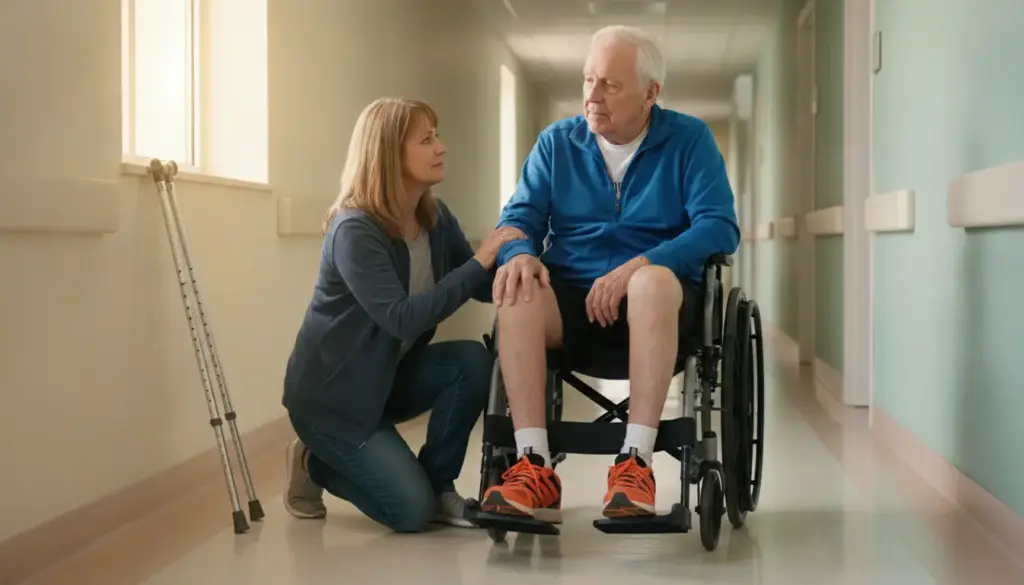



Why Recovery Can Become Complicated After an Active Life
Many older adults stay active through walking, golf, pickleball, swimming, cycling, gardening, or regular fitness routines. That activity supports strength, balance, confidence, and social connection. Still, one serious fall, fracture, surgery, or mobility setback can quickly change what daily life requires.
After an injury, an older athlete may need more support than family members can safely provide at home. A short-term rehabilitation center, skilled nursing facility, or long-term care setting may become part of the recovery plan. Families usually expect that stay to help their loved one regain strength, rebuild confidence, and return to a safer level of independence.
Recovery can be slow. Pain, fatigue, frustration, limited movement, and emotional changes may all occur during the healing process. At the same time, families should know when a difficult recovery begins to look like unsafe care. Older adults healing from injuries can be more vulnerable to neglect, poor supervision, medication errors, dehydration, and preventable harm.
The goal is not to assume every setback is mistreatment. The goal is to recognize concerning patterns early, ask direct questions, and protect an older loved one before a small issue becomes a serious injury.
When Recovery Problems May Point to Unsafe Care
Families often struggle to separate normal recovery challenges from signs that something is wrong. A loved one may already be dealing with pain, weakness, limited mobility, or fear of falling again. Those issues can make neglect or abuse harder to recognize in a care setting.
Repeated falls, unexplained bruises, sudden weight loss, poor hygiene, untreated pain, missed meals, dehydration, and unclear explanations from staff all deserve closer attention. Emotional changes matter as well. If an older adult becomes unusually quiet, anxious, withdrawn, or fearful around certain staff members, families should take that change seriously.
Unsafe care can take many forms. It may involve rough handling, ignored call lights, missed medication, poor wound care, lack of help with bathing, delayed medical attention, or failure to follow a fall prevention plan. Sometimes the concern comes from one serious incident. In other cases, the pattern develops over several days or weeks.
When warning signs suggest more than a difficult recovery, speaking with a nursing home abuse lawyer can help families understand whether the facility’s conduct should be reviewed. This may be especially important when staff avoid questions, records seem incomplete, or the resident’s condition keeps getting worse without a clear medical explanation.
Families should focus on specific facts. What changed? When did it happen? Who was present? What explanation was given? Was a doctor notified? Were photos or notes taken? Clear information can help families decide whether the issue is poor communication, a correctable care problem, or something more serious.
Warning Signs Families Should Not Ignore
Visible injuries are often the first signs families notice. Bruises, cuts, skin tears, swelling, burns, pressure sores, or marks on wrists and ankles should be documented and discussed with staff. Some injuries may have reasonable explanations, especially after a fall or medical procedure, but vague answers should always be followed up.
Pressure sores are especially concerning. They may develop when a resident is left in one position too long, does not receive proper skin checks, or is not helped with movement. For an older adult recovering from a sports injury or surgery, limited mobility can increase this risk. A care team should have a plan to reposition the resident, protect vulnerable skin, and respond quickly when redness or wounds appear.
Poor hygiene can also signal neglect. Dirty clothing, unchanged bedding, strong odors, unwashed hair, long nails, or signs that a resident has been left in soiled garments may show that basic care needs are not being met. These concerns affect both health and dignity.
Nutrition and hydration are also important during recovery. Families should watch for dry lips, confusion, dizziness, sudden weakness, or unexplained weight loss. An older adult who is healing needs adequate fluids, proper meals, and assistance if eating or drinking has become difficult.
Behavioral changes can be as important as physical signs. A loved one who once enjoyed conversation may become withdrawn. Someone who usually talks openly may avoid answering questions when staff are nearby. Sudden fear, agitation, depression, or reluctance to return to the facility after an outing can indicate distress.
Medication issues should also raise concern. Over-sedation, sudden confusion, unusual sleepiness, dizziness, or balance problems may be related to medication changes. Families should ask whether new prescriptions were added, whether dosages changed, and whether side effects could affect mobility or alertness.
Why Falls Deserve Closer Attention in Care Facilities
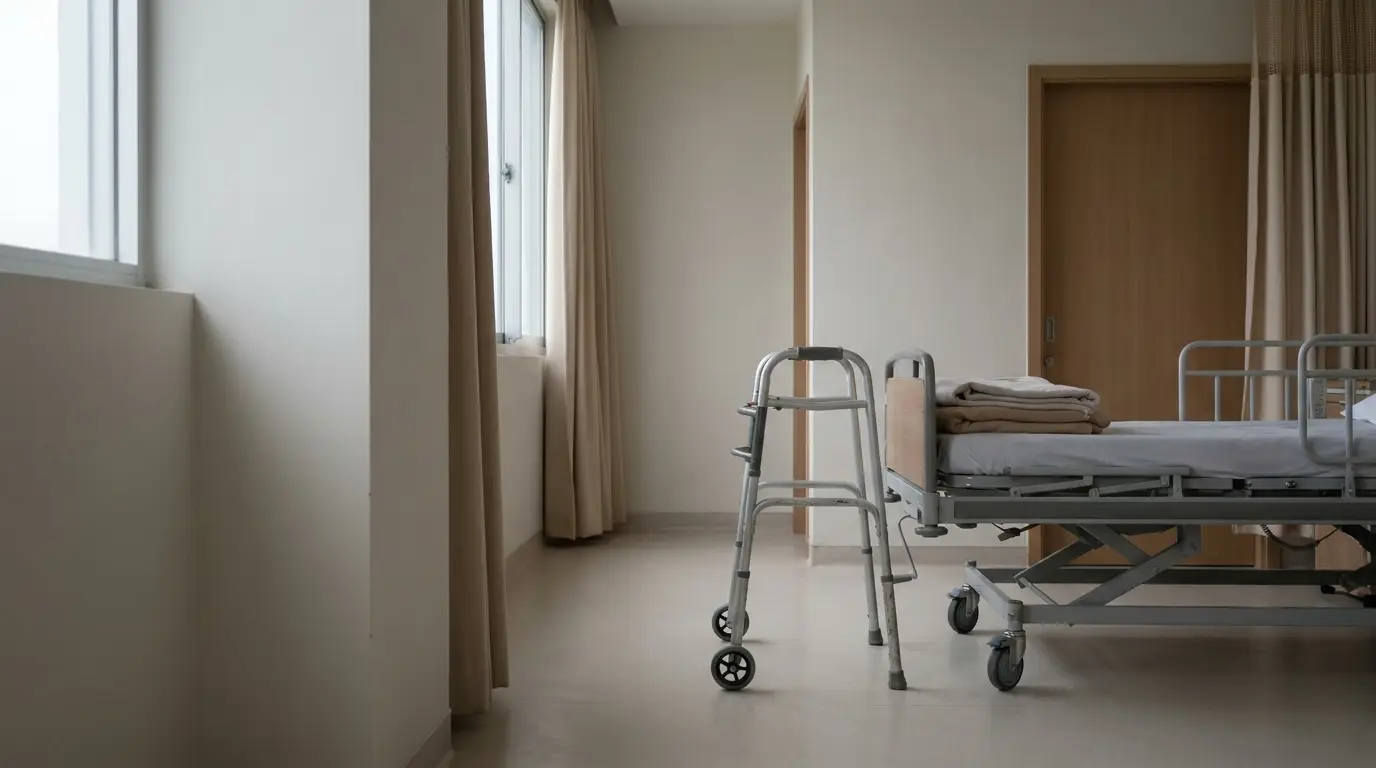
Falls are common among older adults, but repeated falls in a care setting should not be treated as unavoidable. A facility should assess fall risk, update care plans, provide assistance, and respond after each incident. If an older athlete entered care after a fracture, joint replacement, or balance-related injury, fall prevention should be a central part of the recovery plan.
Families should understand the basics of older adult fall prevention so they can ask better questions when a loved one falls in a facility. A fall may be linked to muscle weakness, poor footwear, medication side effects, cluttered rooms, wet floors, poor lighting, lack of supervision, or failure to provide proper mobility support.
A single fall should lead to review. A second or third fall should raise stronger concern. Families can ask whether the facility completed an incident report, contacted a physician, checked for injuries, reviewed medication, and changed the care plan. If the same explanation is repeated without new safety steps, the facility may not be responding adequately.
Call lights are another important issue. If a resident needs help getting to the bathroom but staff do not respond in time, the resident may try to stand alone. That can lead to another fall. Families should ask how quickly call lights are usually answered and whether the resident needs scheduled toileting, bed alarms, closer supervision, or a different room setup.
A resident’s room should support recovery. Walkways should be clear. Assistive devices should be within reach. Shoes or nonslip socks should be available. The bed should be at an appropriate height. Glasses, hearing aids, water, and the call button should be easy to access. Small details can make a major difference for someone recovering from an injury.
Questions Families Should Ask the Care Team
Families do not need to be aggressive to be effective. Clear, specific questions can reveal whether a facility has a real plan or is offering general reassurance.
After a fall or injury, ask when it happened, who found the resident, what injuries were noted, whether emergency care was needed, and whether the physician and family were contacted. Ask whether an incident report was created and whether the care plan was updated afterward.
If the resident seems weaker or more confused, ask about medication changes, infection checks, hydration concerns, sleep problems, and missed therapy sessions. Older adults can decline quickly when several small issues overlap.
If hygiene appears poor, ask how often bathing, changing, oral care, laundry, and bedding changes are scheduled. Ask whether the resident has refused care or whether staffing delays have affected the routine. A refusal should be documented, and staff should still make reasonable efforts to provide care respectfully.
For rehabilitation, ask how often therapy is provided, what goals have been set, and whether progress is being tracked. An older adult who once had an active routine may lose confidence quickly if therapy is inconsistent or poorly explained.
Families should also ask who is responsible for communication. Different answers from different staff members can make it difficult to understand what is happening. A designated contact can make it easier to track concerns, request records, and follow up after incidents.
How to Document Concerns Clearly
Documentation helps families stay organized and prevents important details from being forgotten during stressful conversations. A simple notebook or digital document can be enough.
Record the date and time of each concern. Write down what was observed, who was present, what staff said, and whether action was promised. Take photos of visible injuries, poor room conditions, or concerning changes when appropriate. Keep copies of emails, discharge papers, care plans, medication lists, and medical updates.
Patterns are important. One bruise may have an explanation. Several bruises with unclear answers may suggest a larger problem. One delayed bath may be a scheduling issue. Ongoing poor hygiene may indicate neglect. One fall may be related to recovery. Repeated falls without care plan changes should be questioned.
It can help to bring another family member or trusted friend to visits. A second person may notice details others miss. They can also help ask questions, take notes, and support the resident emotionally.
Conversations with staff should remain calm and direct whenever possible. Ask for names and job titles. Repeat key points back to confirm understanding. For example, a family member might say, “I want to make sure I understand. She fell on Tuesday night, the nurse checked her, no doctor visit was ordered, and the care plan has not changed yet. Is that correct?”
If concerns continue, families may need to request a care conference, speak with facility leadership, contact a physician, or seek outside review. Good documentation makes those conversations more productive.
Supporting Safety While Preserving Independence
Many older athletes see movement as part of their identity. Losing mobility can feel like losing freedom. Families should look for a care plan that protects safety while still supporting realistic independence.
A resident recovering from an injury may need help rebuilding strength in small steps. That might include supervised walks, chair exercises, physical therapy, stretching, safe transfers, or gradual return to familiar activities. The care team should understand what the resident valued before the injury. A golfer may want to improve standing balance. A walker may want to return to short outdoor strolls. A pickleball player may need goals around footwork, strength, and confidence.
Families can support this process by bringing familiar items, encouraging safe movement, attending care meetings, and asking about therapy goals. They can also watch whether staff treat the resident as a person with preferences, routines, and past accomplishments rather than as a task to complete.
For loved ones who still value independence and movement, tools such as medical alert devices for active older sports fans may support safer routines after a major recovery setback. Technology cannot replace attentive care, but it can be part of a broader safety plan when an older adult transitions between home, rehab, and long-term support.
Emotional safety matters as well. A resident should feel comfortable asking for help. They should not be mocked, rushed, ignored, or made to feel like a burden. Respectful communication can affect recovery, confidence, and willingness to participate in therapy.
Regular family visits can also make a difference. Visits help residents feel connected and give families more chances to notice changes. Stopping by at different times of day may reveal whether care is consistent across shifts.
Knowing When Concerns Need Outside Review
Some problems can be corrected through communication. A missed update, laundry issue, or therapy scheduling concern may improve after a family meeting. Other concerns require stronger action.
Families should be more cautious when injuries are unexplained, staff members give conflicting accounts, medical care is delayed, or the resident appears afraid to speak. Repeated falls, untreated wounds, dehydration, medication concerns, and ongoing poor hygiene should not be brushed aside.
A pattern is often more telling than one event. If a loved one entered care for recovery but continues to decline, the family should ask why. Is the decline medically expected? Is therapy happening? Is nutrition adequate? Are infections being ruled out? Are pain and medications being managed properly? Is the facility following the care plan?
Outside review may be needed when the facility does not provide records, avoids direct answers, or fails to change its approach after preventable harm. Families may also need help understanding whether the facility met required standards of care.
The resident’s voice should remain central. Ask how they feel, what they remember, who helps them, and whether they feel safe. Some older adults minimize concerns because they do not want to worry family members. Others fear retaliation or believe nothing will change. Gentle, private conversations can help them share more openly.
Final Thoughts
A recovery stay should help an older adult heal, regain confidence, and preserve dignity. For active seniors, the goal often extends beyond medical stability. They may hope to return to movement, social routines, sports fandom, outdoor time, or a familiar sense of independence.
Families do not need to view every setback as abuse or neglect. Recovery can be slow, painful, and emotionally difficult. Still, unexplained injuries, repeated falls, poor hygiene, fearfulness, dehydration, untreated pain, and vague answers should never be ignored.
The strongest response is careful attention. Visit when possible, ask specific questions, document concerns, follow patterns, and trust observations when something feels wrong. Older adults who have spent years staying active deserve care that protects their safety, respects their identity, and supports recovery with patience and dignity.