
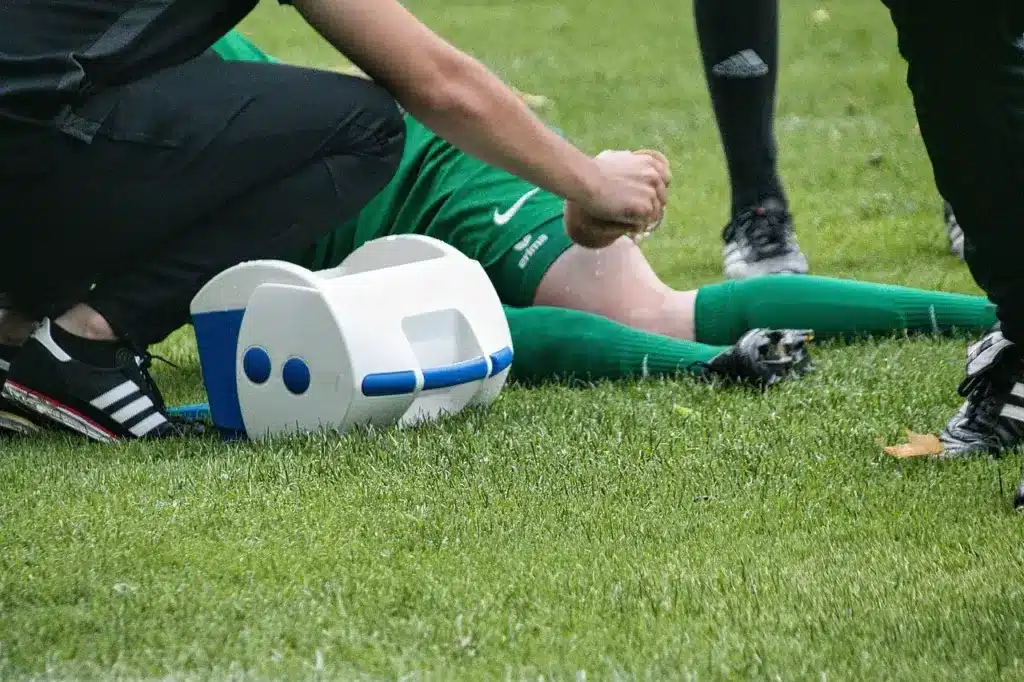



Torn ACL. Rotator cuff surgery. A cortisone shot for stubborn tennis elbow.
Each year thousands of athletes and weekend warriors sign a consent form before they become somebody’s patient. Most people sign their name without even reading it.
That’s a huge mistake.
Informed consent isn’t paperwork. It’s conversation that safeguards your body, your rights and your future.
Here’s the truth:
In one study, more than 50% cited consent issues as the basis for lawsuits following cervical spinal surgery. Half?! Procedures following sports injuries sometimes have higher risk due to athletes needing to perform as well as heal.
In This Guide:
- What Informed Consent Really Means
- Why Sports Injury Procedures Are Different
- The Risks You Should Be Told About
- What Happens When Consent Fails
- How to Protect Yourself Before Signing
What Informed Consent Really Means
Informed consent is a legal document. The doctor should explain the procedure, risks, alternatives, and prognosis. You should not sign anything until after this conversation.
A proper informed consent process should cover:
- Your diagnosis in plain language
- The proposed treatment or procedure
- All material risks (including rare but serious ones)
- Alternative options (including doing nothing)
- Who will actually be performing the procedure
- Expected recovery and long-term impact
Sounds simple, right?
In practice though, it often gets abbreviated. Patients are handed a pile of forms right before surgery. A nurse enters the room, points to the signature spot and exits.
That is not informed consent. That is a paperwork exercise.
But when something DOES go wrong (you get an anesthesia error claim following a routine knee scope procedure) that conversation you had is at the heart of the matter. This is when many victims seek out a winning California medical malpractice lawyer to evaluate if they were informed of risks prior to the procedure.
Why Sports Injury Procedures Are Different
Sports medicine presents some differences. Players feel pressure to get back playing. Coaches and teammates expect them too. Even their own personal goals demand it of them. So they often choose what’s quickest.
That pressure creates a big problem.
Studies have shown as well. It states that “autonomy is severely diminished” among athletes due to internal and external forces outside of the doctor’s control.
In plain English?
Athletes often feel pushed into procedures without fully understanding the risks.
Common sports injury procedures include:
- ACL and meniscus repair
- Rotator cuff surgery
- Tommy John (UCL) reconstruction
- Cortisone or PRP injections
- Spinal fusion for disc injuries
All have significant dangers. Each one has options. And every one involves an open, honest discussion with your surgeon beforehand.
The Risks You Should Be Told About

There are risks to every surgery. It is the physician’s responsibility to inform you of those risks. Failure to do so can open the door to a malpractice claim.
Surgical Complications
The consent form should list the specific risks tied to your procedure. That includes:
- Infection
- Nerve damage
- Blood clots
- Hardware failure
- The risk of the surgery not working at all
Orthopedic consent forms are frequently inadequate. Nerve injury, blood clots, hardware failure are often omitted on documents. Patients may only learn of these potential complications after they occur.
Anesthesia Risks
Anesthesia is not without risk. Most patients believe it is. Most doctors fail to adequately communicate that it’s not.
The numbers back this up.
Errors in administering anesthesia account for 2.7% of malpractice claims filed with the National Practitioner Data Bank. A small percentage, sure. But consider what can happen when it goes wrong: brain damage, nerve damage, or death.
However newer statistics reflect a larger problem with outpatient facilities. A 2024 report showed that 44% of claims occurred in ASCs (outpatient surgery centers), with dental injuries and nerve damage caused by improper intubation being the most prevalent.
A proper consent discussion should cover:
- Type of anesthesia (general, regional, local)
- Who will administer it
- Known risks like allergic reactions or breathing issues
- Recovery expectations
Alternatives
The doctor must tell you about non-surgical options.
Physical therapy. Rest. Bracing. PRP injections.
Occasionally, nothing is actually an option. When surgeons eliminate this step and go directly to the OR, you have cause for concern.
What Happens When Consent Fails
What do you do when a doctor negligently fails to obtain informed consent — and you are injured?
You may have a valid medical malpractice claim.
To win one of these cases, four things must be true:
- The doctor had a duty to disclose the risk
- The doctor failed to disclose it (or downplayed it)
- A reasonable person, if informed, would have declined the procedure
- You suffered actual harm as a result
This is a high bar. But when it applies, the damages can be significant.
For spinal injuries, plaintiff verdicts range $2.5M to $4M, and median settlements are around $2 million.
That kind of compensation can cover medical bills, lost income, and long-term care.
How to Protect Yourself Before Signing
These steps could save your career, your health, and your peace of mind.
Ask Questions. A Lot of Them.
Good doctors welcome questions. Bad ones get defensive.
Ask about:
- The exact risks of this specific procedure
- What happens if you do nothing
- Non-surgical alternatives
- Who will perform the surgery
- Who is administering the anesthesia
- The recovery timeline for return to sport
If the doctor rushes the answers, that is a warning sign.
Get Everything in Writing
Request a copy of the consent form and any patient education materials. Take them home and read them.
Not in the pre-op holding room with an IV in your arm.
Get a Second Opinion
Get a second opinion for any significant sports injury procedure. Every surgeon has their own mentality.
Bring Someone With You
Two ears are better than one. Sometimes a friend or family member will notice something you don’t.
Bringing It All Together
Informed consent is your right. It is also your strongest safeguard against a poor result.
Before any sports injury procedure, make sure the doctor has:
- Explained the diagnosis clearly
- Covered every material risk
- Discussed all alternatives
- Answered every question honestly
- Given you time to think it over
If they skip steps, refuse. Stall the procedure. Your body — your athletic career — is counting on you.
But if something has already gone wrong, there are options. A lack of informed consent can provide the basis for a solid case. This is especially true in the event of harm due to anesthesia or surgical mistakes.
Take your time. Don’t sign what you haven’t read. It’s your life.