
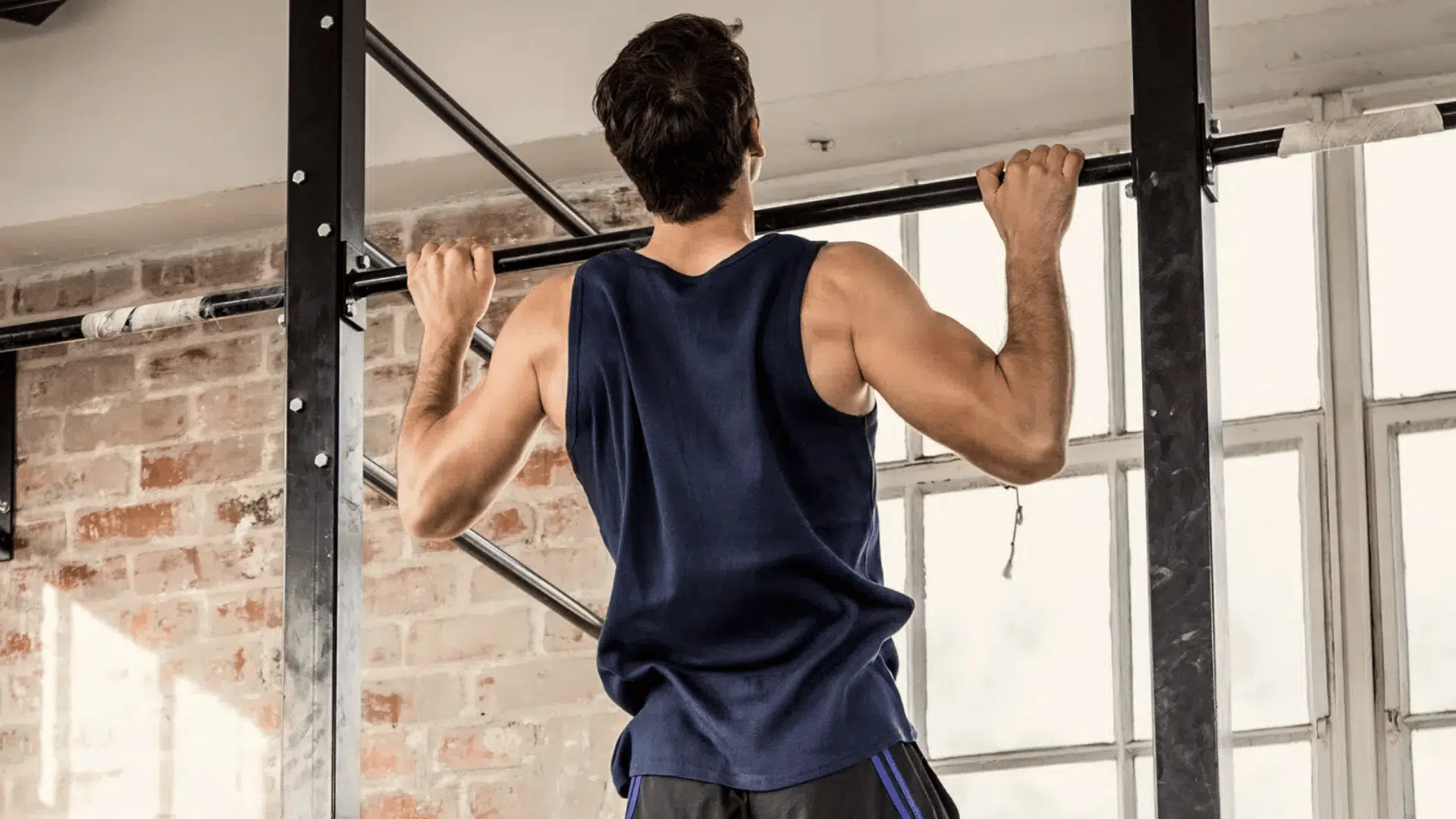
I often get asked what muscles pull-ups really work, and the simple answer is this: they mainly target your back, especially the lats. But that’s not all.
When I do pull-ups, I can feel my arms, shoulders, and even my core working together to lift my body. It’s not just a back exercise, it’s a full upper-body move that builds strength and control over time.
In this guide, I’ll explain the main muscles used, like your lats, and also the smaller muscles that support each rep.
I’ll also talk about the difference between pull-ups and chin-ups, since many people get confused between the two.
By the end, you’ll clearly understand which pull-up muscles worked, how each muscle helps, and how you can use this knowledge to improve your workouts and results.
What Muscles Do Pull-Ups Work?
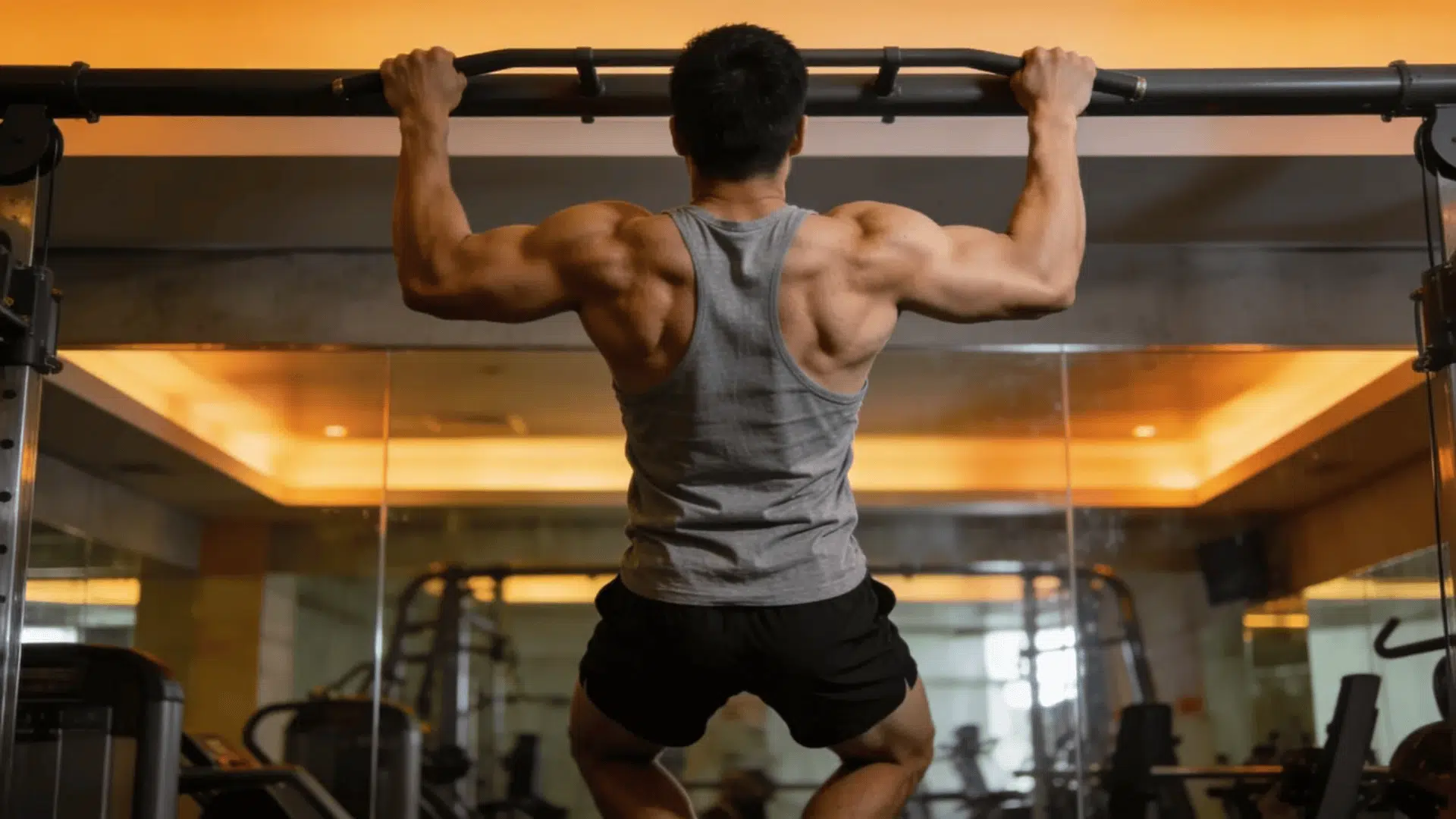
Pull-ups mainly target the upper body, especially the back muscles. They also engage smaller muscles that help with support and stability.
1. Latissimus Dorsi (Lats)
The latissimus dorsi, often called the lats, are the main muscles used during pull-ups. I feel them working as I pull my body upward, especially when I focus on squeezing my back.
These large muscles run along the sides of the back and help create that wide look.
Pull-ups target them directly by pulling your arms down toward your body. Strong lats improve posture, support your spine, and help with other movements like rows and climbing exercises.
2. Biceps
The biceps assist in completing each pull-up by helping bend the elbows. These muscles sit on the front of the upper arms and support the pulling motion.
While not the main focus, they still get a strong workout during each rep.
A closer grip or chin-up style increases bicep engagement. Stronger biceps make it easier to lift body weight and improve overall arm strength.
They also support other pulling exercises and help increase the number of pull-ups over time.
3. Trapezius (Traps)
The trapezius muscles help control shoulder movement during pull-ups. Located across the upper back and neck, they support proper form by stabilizing the shoulder blades.
These muscles help pull the shoulders down and back during each rep.
Strong traps reduce strain and improve movement control. They also support posture and help maintain balance during upper body exercises.
Over time, stronger traps help improve performance in movements like shrugs, rows, and deadlifts.
4. Rhomboids
The rhomboids are small muscles found between the shoulder blades. They help pull the shoulder blades together and keep the upper back tight during pull-ups.
These muscles work closely with the traps to support proper form. Strong rhomboids improve posture and reduce the risk of shoulder discomfort.
They also help maintain control throughout each rep.
This makes the movement more effective and supports better performance in other pulling exercises over time.
5. Core Muscles
Core muscles play an important role in keeping the body stable during pull-ups. This includes the abs, obliques, and lower back muscles.
They help keep the body straight and prevent swinging.
A strong core allows better control and balance throughout the movement. Without proper core strength, form can break down quickly. Engaging the core also helps improve endurance and makes each rep smoother.
Over time, this leads to better results and stronger overall body control.
6. Forearms and Grip Muscles
The forearms and grip muscles work hard to hold onto the bar during pull-ups. These muscles help maintain a firm grip and support body weight throughout the movement.
Grip strength is important for completing more reps without slipping. Strong forearms improve endurance and control.
Over time, pull-ups naturally build grip strength, which also helps in exercises like deadlifts and rows.
Better grip allows longer workouts and more effective training sessions overall.
7. Rear Deltoids
The rear deltoids, located at the back of the shoulders, support pulling movements during pull-ups. These muscles help stabilize the shoulders and assist the upper back.
They work along with the lats and traps to control arm movement.
Strong rear delts improve shoulder balance and reduce the risk of injury.
They also support other exercises like rows and reverse flies. Over time, stronger rear delts help improve upper body strength and overall workout performance.
Pull-Ups vs Chin-Ups: Muscles Worked
Pull-ups and chin-ups may look similar, but they target muscles in slightly different ways. The grip style changes how much each muscle group is used during the movement.
| Factor | Pull-Ups | Chin-Ups |
|---|---|---|
| Grip Type | Overhand grip (palms facing away) | Underhand grip (palms facing toward you) |
| Main Muscle Focus | More focus on back muscles like lats and traps | More focus on biceps and some chest involvement |
| Arm Involvement | Less bicep support | More bicep engagement |
| Difficulty Level | Harder due to less arm assistance | Easier due to stronger bicep support |
| Muscle Load | More load on lats and upper back | More balanced between the back and arms |
Benefits of Pull-Ups for Muscle Growth
Pull-ups are one of the best exercises for building upper-body strength. They train multiple muscles at once and improve overall body control.
1. Builds Upper Body Strength
Pull-ups help build strong upper-body muscles by working several areas at the same time. They mainly target the back, but also engage the arms, shoulders, and core during each rep.
This makes them more effective than single-muscle exercises.
Regular practice can improve strength, endurance, and muscle control.
Since the body is lifted against gravity, the muscles work harder, which helps increase overall upper-body power and performance over time.
2. Improves Grip Strength
Grip strength improves naturally when performing pull-ups because the hands must hold the bar firmly throughout the movement.
This engages the forearms and small hand muscles with every rep.
A stronger grip helps in many other exercises, like deadlifts and rows. It also supports daily tasks that require holding or pulling.
Over time, better grip strength can lead to improved performance and reduce the chance of slipping during workouts.
3. Helps Build a Wider Back
Pull-ups are highly effective for building a wider back because they target the latissimus dorsi muscles.
These large back muscles expand outward, giving the upper body a broader look.
Consistent training helps develop size and shape in this area. A strong and wide back also supports better posture and balance.
This makes pull-ups a key exercise for anyone looking to improve back development and overall upper body appearance.
4. Improves Functional Strength
Pull-ups build functional strength by training the body to perform real-life pulling movements. Actions like climbing, lifting, or pulling objects use similar muscle patterns.
This makes the exercise useful beyond the gym.
It improves coordination between muscles and enhances body control. Functional strength helps with daily tasks and physical activities.
Regular pull-ups can make these movements easier and more efficient while also reducing the risk of injury.
Pull-Up Variations and Muscles Worked
Different pull-up variations change how muscles are used. Each grip shifts the focus between the back and the arms.
- Wide Grip Pull-Ups: Focus more on lats and reduce arm help, making it harder and better for building back width.
- Close-Grip Pull-Ups: Increase bicep use while still working the back, making the movement easier to control.
- Neutral Grip Pull-Ups: Balance back and arms while reducing stress on wrists and shoulders.
- Assisted Pull-Ups: Reduce body weight with support, making them ideal for beginners building strength.
- Weighted Pull-Ups: Add extra resistance to improve strength and muscle growth over time.
Do Pull-Ups Work the Whole Upper Body?
Pull-ups work most of the upper body, but not every muscle equally. The main muscles used are the back, arms, and shoulders.
The lats do most of the pulling, while the biceps help bend the arms. The shoulders and upper back keep the movement stable. Your core also works to keep your body steady and stop swinging.
However, pull-ups do not fully train the chest or lower body. They are strong for building pulling strength, not pushing strength.
To train the whole upper body, other moves like push-ups or bench press are also needed.
Pull-ups are still one of the best exercises for upper body strength because they use many muscles at the same time and help improve control and endurance.
Which Is Better: Pull-Ups or Chin-Ups?
Both pull-ups and chin-ups are great exercises, but they serve slightly different goals. The right choice depends on your strength level and what muscles you want to focus on.
| Category | Pull-Ups | Chin-Ups |
|---|---|---|
| Best For | Building a wider and stronger back | Beginners and arm strength |
| Muscle Focus | More focus on lats, upper back, and shoulders | More focus on the biceps and some back |
| Difficulty | Harder due to less bicep support | Easier due to more bicep involvement |
| Strength Benefit | Improves overall back strength and pulling power | Helps build arm strength and confidence |
| Ideal Use | For increasing back size and upper body strength | For learning and improving pull strength |
Common Mistakes that Reduce Muscle Activation
Small mistakes can reduce how well pull-ups work your muscles. Fixing these can help you get better results from each rep.
- Using Momentum (kipping): Swinging the body to get up reduces muscle work. It shifts effort away from the back and makes the movement less effective for strength building.
- Not Engaging the Back: Pulling mostly with the arms instead of the back limits lat activation. This reduces the main benefit of the exercise and slows progress.
- Poor Grip Position: An incorrect grip can cause strain and reduce control. It also affects how well the back muscles are used during the movement.
- Flaring Elbows Too Wide: Letting elbows move too far out shifts focus away from the lats and puts extra stress on the shoulders.
- Not Controlling the Descent: Dropping down too fast reduces time under tension. Slow and controlled lowering improves muscle activation.
- Shrugged Shoulders: Keeping shoulders raised instead of pulled down can lead to poor form and less back engagement.
- Inconsistent Breathing: Holding breath or breathing poorly can affect control and reduce performance during reps.
Conclusion
Pull-ups are one of the best exercises for building upper-body strength. From what I’ve seen, they mainly target the lats, but they also work the arms, shoulders, and core together.
This makes them a powerful move for overall strength.
If you were wondering what muscles pull-ups work, the answer is simple: they train your back the most, with support from other muscles.
It’s also important to understand the difference between pull-ups and chin-ups.
Pull-ups focus more on the back, while chin-ups bring in more biceps. That’s why I always suggest using both in your routine.
It helps balance your strength and improve results. Now that you clearly understand the pull-up muscles worked, it’s time to apply them.
Start adding pull-ups to your workouts and track your progress to see real improvement.