
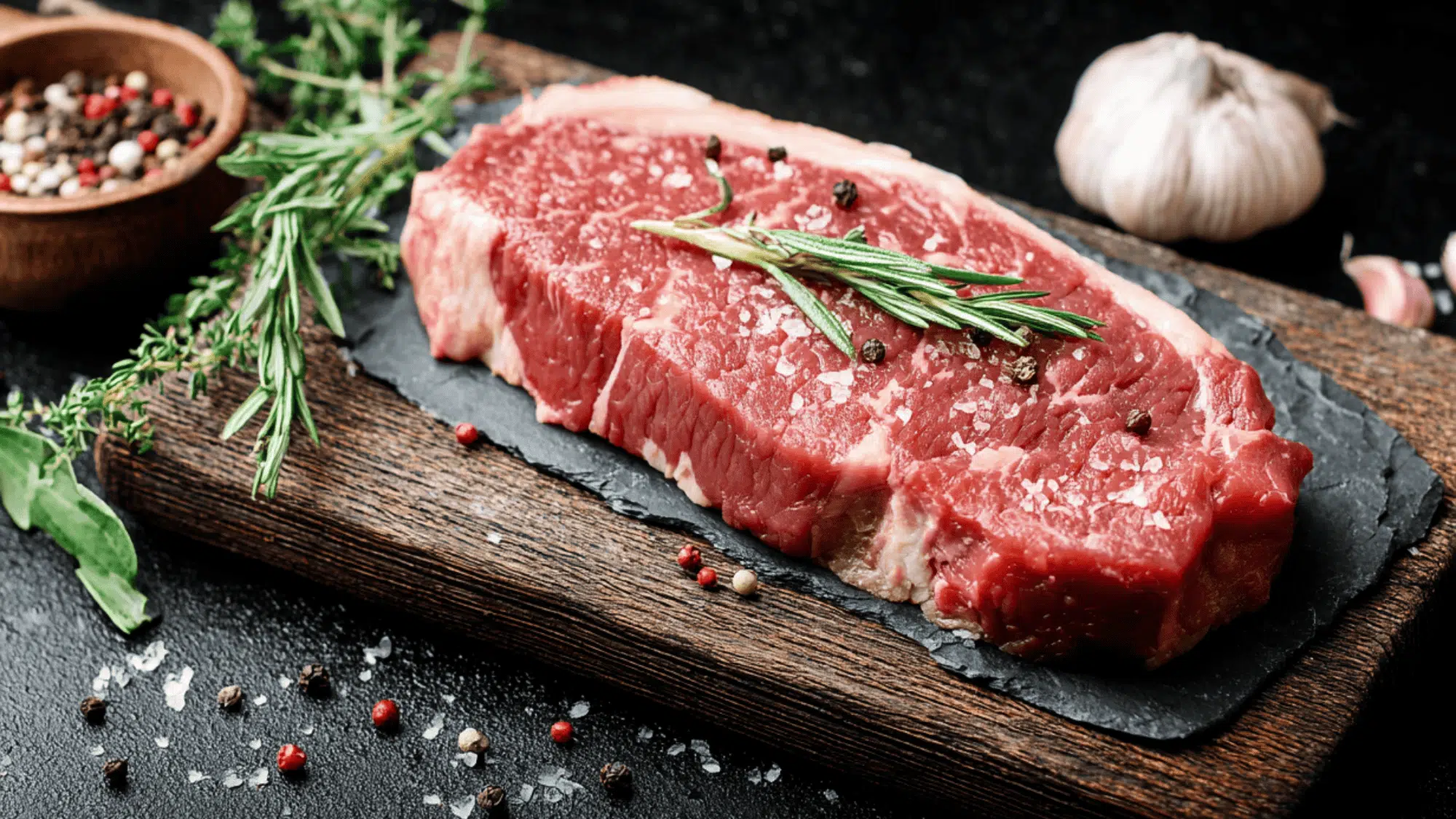
Most people pick sirloin steak for its taste. But what’s actually in it? That’s a question worth answering before your next meal.
After years of covering nutrition, I’ve noticed that sirloin often gets ignored when people talk about healthy eating.
People assume steak is just heavy and fatty. That’s not always the case. The numbers behind sirloin might change how you think about it.
If you’re watching your weight, building muscle, or just trying to eat smarter, knowing what’s on your plate matters.
Sirloin has a lot going for it, more than most people realize. In this post, you’ll get a full breakdown of sirloin steak nutrition, calories, protein, fat, carbs, and the key vitamins and minerals that come with every serving.
You’ll also see how it stacks up against other cuts and what to keep in mind if you eat it regularly.
What Is Sirloin Steak?
Sirloin steak comes from the back of the cow, just above the hip, behind the short loin. It sits between the tenderloin and the round, which makes it a middle-ground cut, not the most tender, but not tough either.
You get a good bite with decent flavor, and it doesn’t need much prep to taste great.
It also cooks quickly, making it a simple option for busy days. There are two main types: top sirloin and bottom sirloin.
Top sirloin is the more popular one. It’s leaner, easier to cook, and works well on a grill, in a pan, or under a broiler. Bottom sirloin is a bit tougher and usually used for roasts.
If you want a steak that’s filling, flavorful, and not loaded with fat, sirloin is a solid pick.
Key Features:
- Lean cut with a firm texture and rich, beefy flavor
- Zero carbs and a high protein content per serving
- Works well with most cooking methods, grilling, pan-searing, or broiling
Sirloin Steak Nutrition Breakdown at a Glance
Here’s a quick look at the key nutrition values in sirloin steak for common serving sizes. These numbers help you compare calories, protein, and fat at a glance before planning your meal.
| Nutrient | 8 oz (226g) | 100g |
| Calories | about 480 | about 210 |
| Protein | about 58–67g | about 26–30g |
| Total Fat | 20–25g | 9–11g |
| Saturated Fat | 6–9g | 3–4g |
| Cholesterol | 200mg | 58–87mg |
| Sodium | 138mg | 45–63mg |
| Iron | 4mg (54% DV) | 1.9–2.4mg (23–24% DV) |
| Zinc | 12mg (110% DV) | 5–5.7mg (45–52% DV) |
| Vitamin B12 | 4mcg (163% DV) | 1.5–2mcg (62–64% DV) |
| Selenium | ~48mcg (~87% DV) | ~21mcg (~38% DV) |
| Phosphorus | ~465mg (~37% DV) | ~206mg (~16% DV) |
Sirloin Steak Nutrition Facts and Macros
These numbers are for broiled or grilled top sirloin with no added oil or salt. Adding extra salt or cooking with oil will change the sodium and fat content. Keep that in mind when you’re tracking your intake.
1. Calories in Sirloin Steak
The calories in sirloin steak depend on how you cook it and the amount of fat it contains. An 8-ounce cooked sirloin has about 480 calories, while 100g has about 210 calories.
Raw sirloin weighs more because of its water content, so the same piece has more calories once cooked.
Lean cuts stay lower in calories than fatty ones.
Grilling also lets fat drip away during cooking, which can reduce total fat by 20–30% compared to pan-frying with added oil.
2. Protein in Sirloin Steak
Sirloin steak is one of the best sources of protein you can eat. An 8-ounce cooked serving provides about 58-67 grams of protein, while 100g provides about 26-30 grams.
That’s enough to support muscle repair and growth after a workout.
Your body uses protein to rebuild tissue and keep muscles strong. Compared to chicken breast, sirloin has a similar protein content.
It also beats most fish cuts per serving. If you want a filling, protein-rich meal, sirloin is a solid pick.
3. Fat Content in Sirloin Steak
Sirloin is a leaner cut than ribeye or T-bone. An 8-ounce cooked serving has about 20-25 grams of total fat, of which about 6-9 grams are saturated fat.
Per 100g, that’s roughly 9-11 grams of total fat and 3-4 grams of saturated fat. That’s a reasonable amount for red meat.
Too much saturated fat can affect heart health over time, so portion size matters.
Trimming visible fat before cooking helps cut it down further. Overall, sirloin is one of the better red meat choices for keeping fat in check.
4. Carb Content in Sirloin Steak
Sirloin steak has zero carbs in both an 8-ounce serving and per 100g. None at all. It’s pure protein and fat, which makes it a great fit for keto and low-carb diets.
Since there are no carbohydrates, it has no glycemic impact either.
That means it won’t spike your blood sugar after eating. This is a big plus for people managing diabetes or watching their carb intake.
You can eat sirloin steak and stay fully in ketosis without a second thought.
5. Vitamins and Minerals in Sirloin Steak
Sirloin steak is packed with key nutrients your body needs every day. An 8-ounce serving gives you about 4mg of iron, while 100g provides around 1.9-2.4mg.
Iron helps your body make red blood cells and carry oxygen.
Zinc comes in at 12mg per 8-ounce serving and keeps your immune system strong.
Vitamin B12 covers over 163% of your daily need in one 8-ounce serving, supporting brain function, nerve health, and energy levels.
Sirloin Steak vs Other Cuts: Key Differences
When it comes to steak, not all cuts are the same. Sirloin holds its own well against popular cuts like ribeye and filet mignon, especially if you care about nutrition.
| Cut | Calories (100g) | Protein (100g) | Total Fat (100g) | Saturated Fat (100g) |
|---|---|---|---|---|
| Sirloin | 170-210 | 26-30g | 9-11g | 3-4g |
| Ribeye | 270-290 | 22-24g | 20-22g | 8-9g |
| Filet Mignon | 180-220 | 24-26g | 9-12g | 3.5-5g |
| T-Bone | 250-290 | 23g | 18-22g | 7g |
| Flank | 160-190 | 27g | 7g | 3g |
When you line them all up, sirloin sits right in the sweet spot. It gives you strong protein numbers, low fat, and solid nutrition without the extra calories of fattier cuts. For everyday eating, it’s hard to beat.
Health Benefits of Sirloin Steak
Sirloin steak isn’t just a great meal. It offers real health benefits, making it worth adding to your regular diet. Some of its benefits are:
- High-quality protein: Your body absorbs and uses it efficiently for daily function and recovery.
- Supports muscle growth: It gives your muscles the fuel they need to grow and repair after exercise.
- Helps prevent iron deficiency: Sirloin is rich in iron, which your body absorbs faster than from plant-based sources.
- Keeps you full longer: The protein and fat combo in sirloin keeps hunger at bay for hours after eating.
- Boosts brain function: Sirloin is loaded with Vitamin B12, which supports memory, focus, and overall brain health.
- Strengthens your immune system: The zinc in sirloin helps your body fight off illness and recover from infections faster
Best Ways to Cook Sirloin Steak
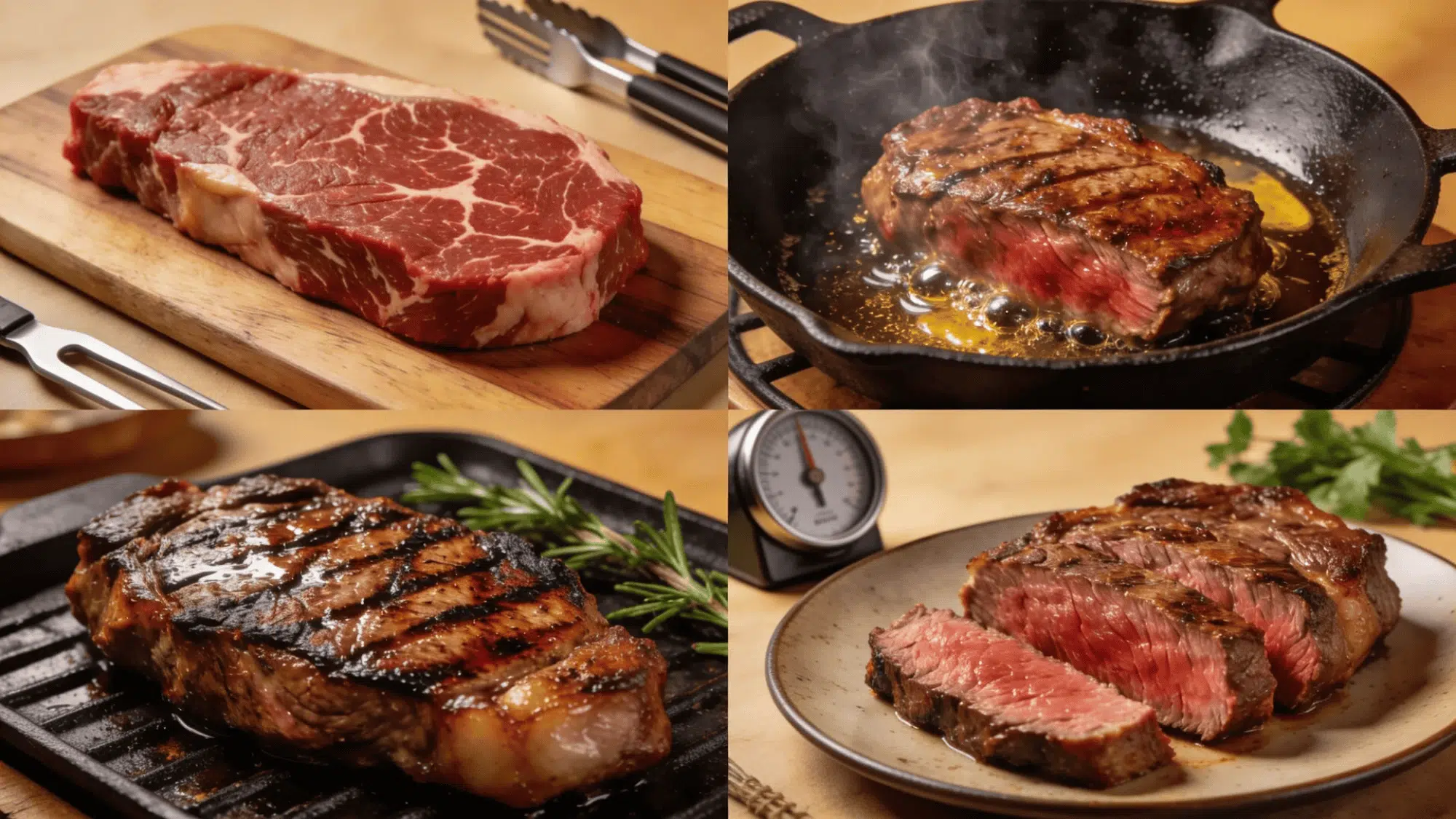
How you cook sirloin steak makes a big difference in how healthy it ends up on your plate. The right method keeps the nutrition intact without adding extra fat.
1. Grilling vs Frying
Grilling is the better option if you want to keep calories low. The fat drips off the meat as it cooks, which means less fat in every bite. Pan-frying keeps the fat in the pan, and the steak soaks up some of it.
If you do fry, use a non-stick pan with little to no oil.
For the best nutritional outcome, cook sirloin to medium-rare or medium (internal temp 130–145°F).
Overcooking breaks down more of the water-soluble B vitamins, including the B12 you’re eating sirloin for in the first place.
Key benefits:
- Fewer calories per serving
- Less added fat
- Cleaner, natural flavor
2. Avoiding Excess Oil and Butter
It’s easy to add too much oil or butter without realizing it. Just one tablespoon of butter adds around 100 calories to your meal.
Instead, try cooking spray or a very light brush of olive oil to keep things lean. The steak has enough fat on its own to cook well in a hot pan.
When clients ask me how to make sirloin taste great without butter, I point them to a dry brine: salt the steak 30–45 minutes before cooking and let it sit uncovered.
It pulls moisture to the surface, then reabsorbs it, giving you a juicy steak with no added fat.
Key benefits:
- Cuts down on saturated fat
- Keeps calorie count in check
- Let the steak flavor shine
3. Healthy Seasoning Ideas
You don’t need heavy sauces or marinades to make sirloin taste great. Simple seasonings work best. A mix of garlic, black pepper, sea salt, and a squeeze of lemon goes a long way.
Fresh herbs like rosemary and thyme add flavor without any extra calories.
Smoked paprika gives a rich, deep taste with no added fat.
Skip the store-bought marinades since most are loaded with sugar and sodium. Keeping it simple is always the better call with a good cut like sirloin.
Key benefits:
- No extra calories or sugar
- Adds flavor without fat
- Works with any cooking method
How Much Sirloin Steak Should You Eat?
Most nutrition experts recommend sticking to a 3 to 4-ounce serving of red meat per meal. That’s roughly the size of a deck of cards.
If you’re active or trying to build muscle, an 8-ounce serving a few times a week works well.
The key is not going overboard. Eating sirloin two to three times a week gives you the protein, iron, and B12 your body needs without overdoing the saturated fat.
Pair it with vegetables and whole grains to round out the meal.
A plate with 4 oz of sirloin, a cup of roasted vegetables, and a serving of quinoa gives you a balanced mix of nutrients.
It provides protein fiber and slow-digesting carbs without exceeding daily saturated fat limits. If you have any heart concerns, check with your doctor about how much red meat you can include in your diet.
Conclusion
Sirloin steak is a lean protein source that supports muscle growth and provides iron, zinc, and B12 in each serving.
It has less fat and calories than ribeye but still offers good flavor and nutrition.
How you cook it matters, too. Grilling and simple seasonings keep things clean and healthy. Skip the butter and heavy sauces, and you keep the nutrition where it should be.
Stick to two to three servings a week, pair it with vegetables and whole grains, and you have a meal that works for almost any health goal.
Sirloin isn’t just a treat. It’s a smart, everyday protein that earns its place on your plate regularly.
Have you tried sirloin as part of your regular diet? Drop a comment below and tell me how you like to cook it!