
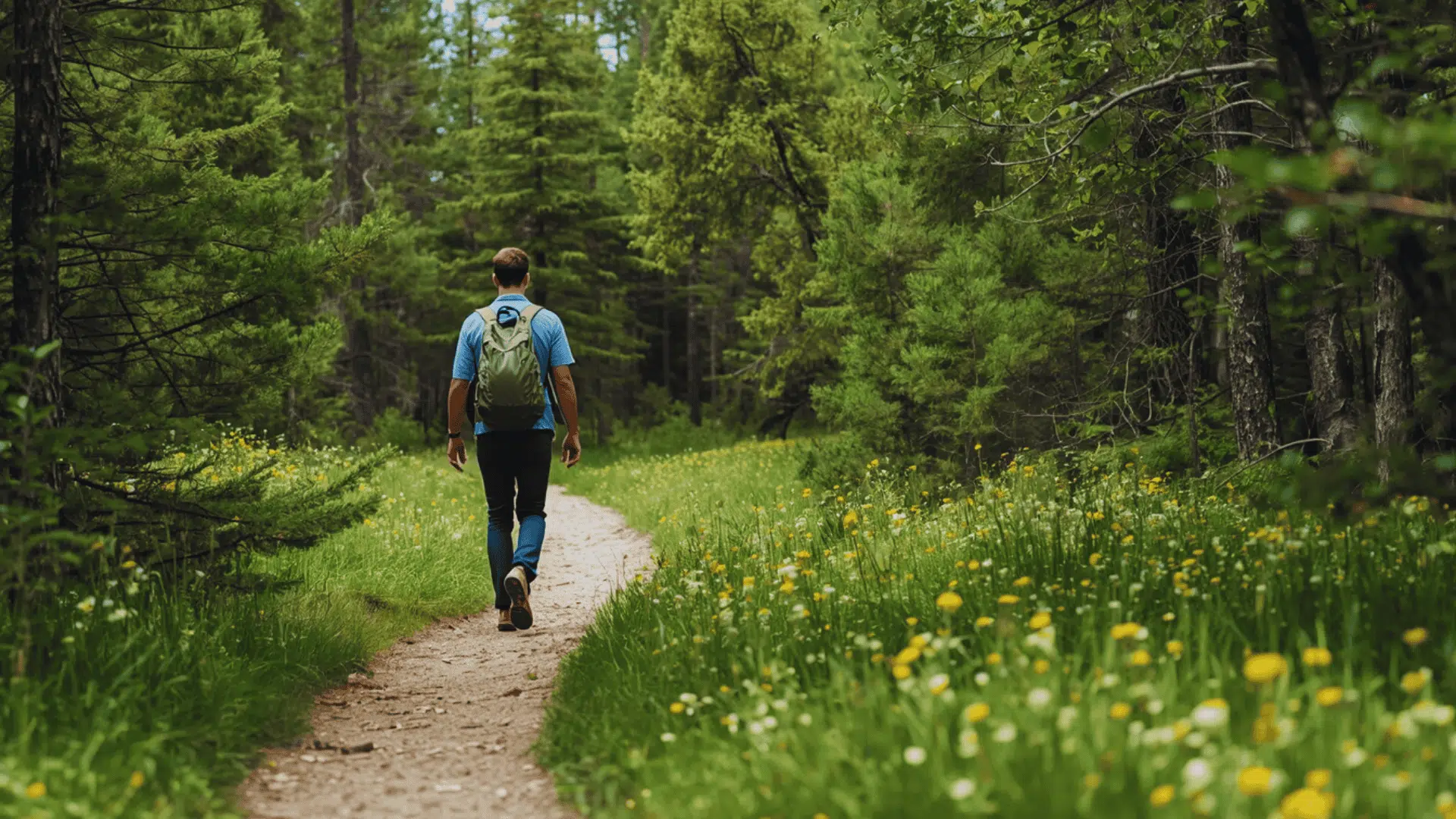
The first time I laced up my boots and hit a trail, I had no idea what I was doing. I packed too much, wore the wrong shoes, and turned back after 20 minutes. Sound familiar?
Hiking doesn’t have to feel that overwhelming.
With a little prep and the right know-how, it becomes one of the most rewarding things you can do outdoors.
This guide covers everything a beginner needs to start hiking confidently: choosing the right trail, understanding trail ratings, building a simple gear kit, staying safe, and developing stamina over time.
I’ve included the tips I wish someone had given me before that first embarrassing attempt.
If you’re planning your first short walk or working toward something longer, you’ll find practical, experience-backed advice here that you can act on today.
How to Start Hiking with Zero Experience?
Hiking for beginners means starting with short, easy trails that are close to home. These trails are usually well-marked, flat, and simple to follow. There is no need to go far or pick a hard route in the beginning.
Many new hikers worry about getting lost, choosing the wrong gear, or staying safe.
These concerns are normal and easy to manage with basic planning. Clear trails and simple preparation help reduce most risks.
A good way to begin is by setting a small goal. Start with a 2–5 km walk on a local trail that feels comfortable.
This builds confidence without putting too much pressure on the body.
Hiking is beginner-friendly because it does not require special skills. With the right trail, basic gear, and simple safety steps, getting started can feel easy and manageable.
Top Hiking Tips for Beginners
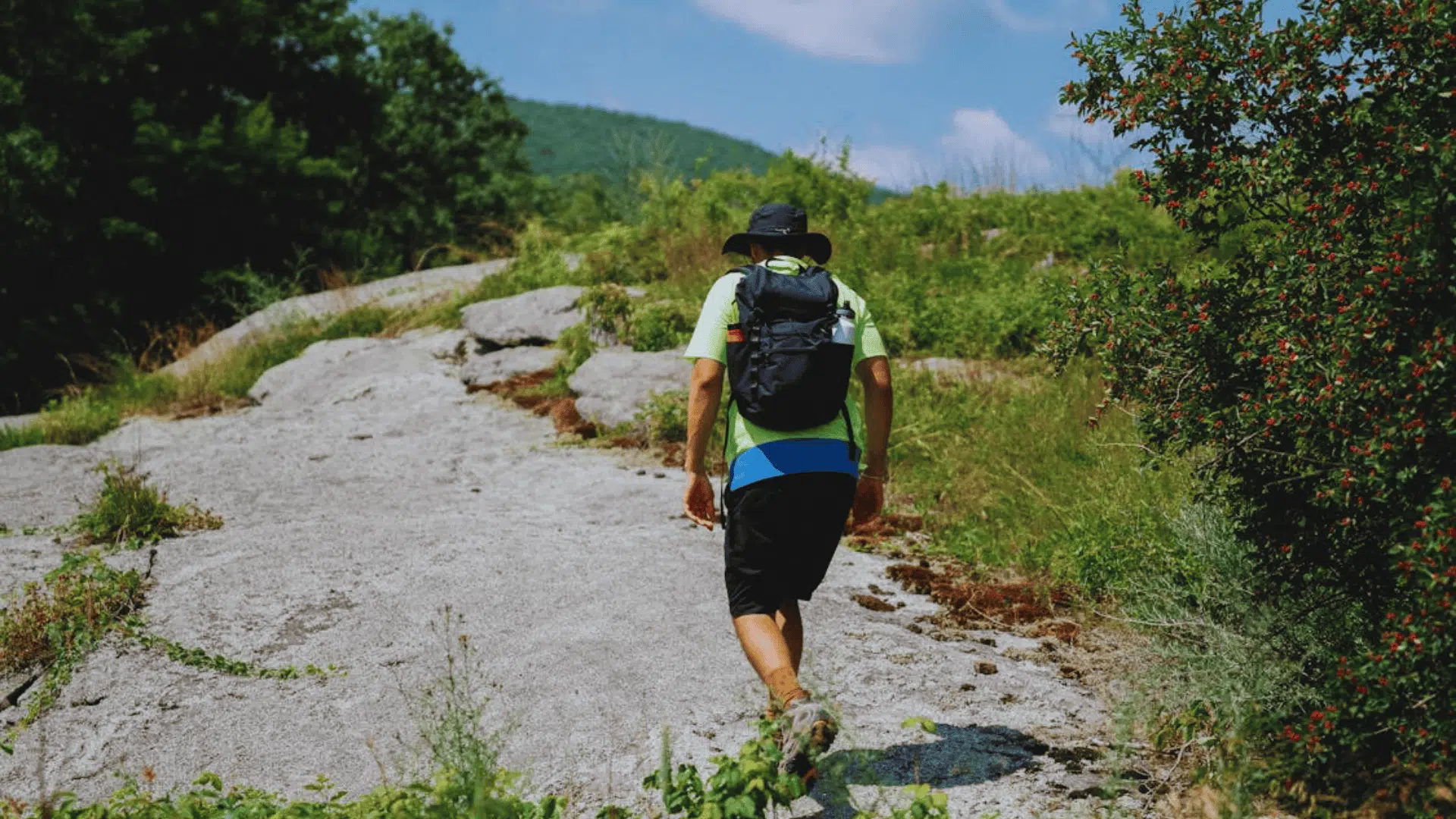
Start with a simple gear that keeps the hike safe and comfortable. Focus on basics first, then add more items as needed.
1. Comfortable Hiking Shoes
Good shoes are the most important part of beginner hiking gear. They should fit well, support the feet, and have a strong grip on different surfaces.
Regular sports shoes can work for easy trails, but hiking shoes give better support on uneven ground.
Shoes with soft padding help prevent pain during longer walks. It is also important to break in new shoes before going on a hike.
This helps avoid blisters and discomfort. Choosing the right pair makes walking easier and helps build confidence on the trail.
2. Lightweight Backpack
A small and lightweight backpack helps carry all basic items without feeling heavy. It should sit comfortably on the shoulders without causing strain.
A simple backpack with enough space for water, snacks, and small essentials is enough for beginners.
Look for adjustable straps to get a better fit. A good backpack also keeps items organized, making them easy to find during the hike.
For day hikes under 10 km, a 10–20 liter pack is plenty.
Avoid carrying more than 10% of your body weight on your back when starting out. A heavier pack shifts your center of gravity and tires you out faster than the trail itself.
3. Water Bottle and Snacks
Staying hydrated is very important during any hike, even short ones. Carry enough water based on the length of the trail and weather conditions.
A reusable water bottle is easy to carry and better for regular use.
Along with water, pack simple snacks like fruits, nuts, or energy bars. These help keep energy levels steady during the walk.
Eating small amounts during breaks can prevent tiredness. It is always better to carry a little extra water and food in case the hike takes longer than planned.
4. Weather-Appropriate Clothing
Wearing the right clothes helps stay comfortable in changing weather. Light, breathable clothes work well on warm days, while a light jacket is useful in cooler conditions.
Avoid heavy fabrics that trap sweat and cause discomfort. Layering clothes is a good idea because it allows easy adjustments during the hike.
Comfortable clothing also helps in moving freely on the trail.
Checking the weather before leaving helps in choosing the right outfit. Proper clothing keeps the body comfortable and helps prevent issues like overheating or hypothermia.
5. Basic Safety Items
Carrying a few safety items can make a big difference during a hike. A small first-aid kit helps treat minor cuts or blisters.
A phone with a charged battery is useful for navigation and emergencies.
A map can also help if the signal is weak. Sunscreen and a hat protect from sun exposure on open trails.
These items do not take up much space but add an extra layer of safety. Being prepared with basic safety gear helps handle unexpected situations and keeps the hike stress-free.
Two additions most beginner gear lists skip:
- A navigation app downloaded offline: AllTrails and Gaia GPS both allow offline map downloads. Cell signal disappears fast on trails, even close to urban areas. Download your trail map before you leave home.
- A whistle: Lightweight, cheap, and carries further than a yell if you need to signal for help. The standard emergency signal is three blasts.
I always keep a small kit permanently in my hiking pack: moleskin for blisters, a bandage, an antiseptic wipe, a folded emergency contact card, and a whistle.
It weighs almost nothing, and I’ve used the moleskin more times than I can count.
6. Start with Easy and Short Trails
Beginners should start with short, easy trails. Look for paths with low elevation and smooth surfaces.
Flat trails help reduce strain on the body and make the hike more enjoyable. Starting small also builds confidence without feeling overwhelmed.
Local parks and well-known trails are often a good choice. These places usually have clear paths and signs.
Avoid long or steep trails in the beginning, as they can be tiring. Choosing an easy route helps create a positive first hiking experience.
7. Check Trail Distance and Elevation
Before starting, it is important to know how long the trail is and how steep it gets. Distance tells how far the walk will be, while elevation shows how much climbing is involved.
Beginners should choose trails with shorter distances and low elevation gain.
This makes the hike easier to manage. Many trail apps and websites clearly provide this information.
Understanding these details helps avoid unexpected difficulty. Planning based on distance and elevation ensures the hike matches comfort level and physical ability.
8. Look for Clear and Marked Paths
Trails with clear signs and markings are best for beginners. These paths reduce the chances of getting lost and make navigation simple.
Look for trails that have visible signs, arrows, or maps along the way.
Well-marked trails are usually more popular and easier to follow. They also give a sense of direction and safety during the hike.
Avoid routes that are not clearly defined, especially in the beginning. Choosing a marked trail helps build confidence and keeps the hiking experience smooth and stress-free.
9. Check Weather and Trail Conditions
Weather plays a big role in how safe and comfortable a hike will be. Always check the weather before heading out on the trail.
Rain can make paths slippery, while extreme heat can cause tiredness. Trail conditions also matter, as some paths may be muddy or blocked.
Reading recent updates or reviews can help understand current conditions.
Planning based on weather helps avoid risks and discomfort. A clear day with stable conditions is always the best choice for beginner hikers.
Tip: Before hiking, take a screenshot of the trail map and save it to your phone’s camera roll. If your GPS app loses signal or the battery dies, you still have a reference image.
10. Choose a Trail Close to Home
Starting with a trail near home makes hiking more convenient and less stressful.
It reduces travel time and allows easy return if needed. Nearby trails are often familiar and easier to manage. This is helpful for beginners who are still learning.
Short travel also saves energy for the hike itself. Local trails are a great way to practice and build routine.
Once comfortable, it becomes easier to try new locations. Choosing a nearby trail helps create a smooth and relaxed first hiking experience.
11. Plan Before You Start
Planning before a hike helps avoid many common problems. Always tell someone where the hike will take place and when to return. This step adds a layer of safety in case something goes wrong.
Check the weather forecast to avoid rain, heat, or strong winds that can make trails unsafe.
Starting early in the day gives enough time to finish before dark. Carry a fully charged phone and keep emergency contacts ready.
A simple plan keeps things clear and helps handle unexpected situations with more confidence and less stress.
12. Stay Safe During the Hike
Staying safe during the hike depends on simple habits. Always follow marked trails to avoid getting lost or entering unsafe areas.
Trail signs and paths are there to guide the way, so it is best to stick to them. Drink water often to stay hydrated, especially on warm days.
Dehydration can lead to tiredness and poor focus. Take short breaks when needed to keep energy levels steady.
Moving at a comfortable pace also helps prevent strain. These small steps help keep the hike safe and make the experience more enjoyable.
13. Know when to Stop
Knowing when to stop is an important part of hiking safety. If the body starts to feel too tired, it is better to turn back than to push on.
Weather changes, such as dark clouds or strong winds, are also signs to stop and return.
Losing daylight can make trails harder to follow and increase risk. There is no need to complete the entire route every time. Ending the hike early is always a safe choice.
Making smart decisions at the right time helps avoid problems and keeps the overall experience safe and controlled.
I always set a personal turnaround time on every hike before I leave, usually two-thirds of available daylight.
If I’m not at the halfway point by then, I turn back regardless of how good I feel. This habit has saved me from finishing trails in the dark more than once.
Beginner Hiking Tips from Reddit Discussion
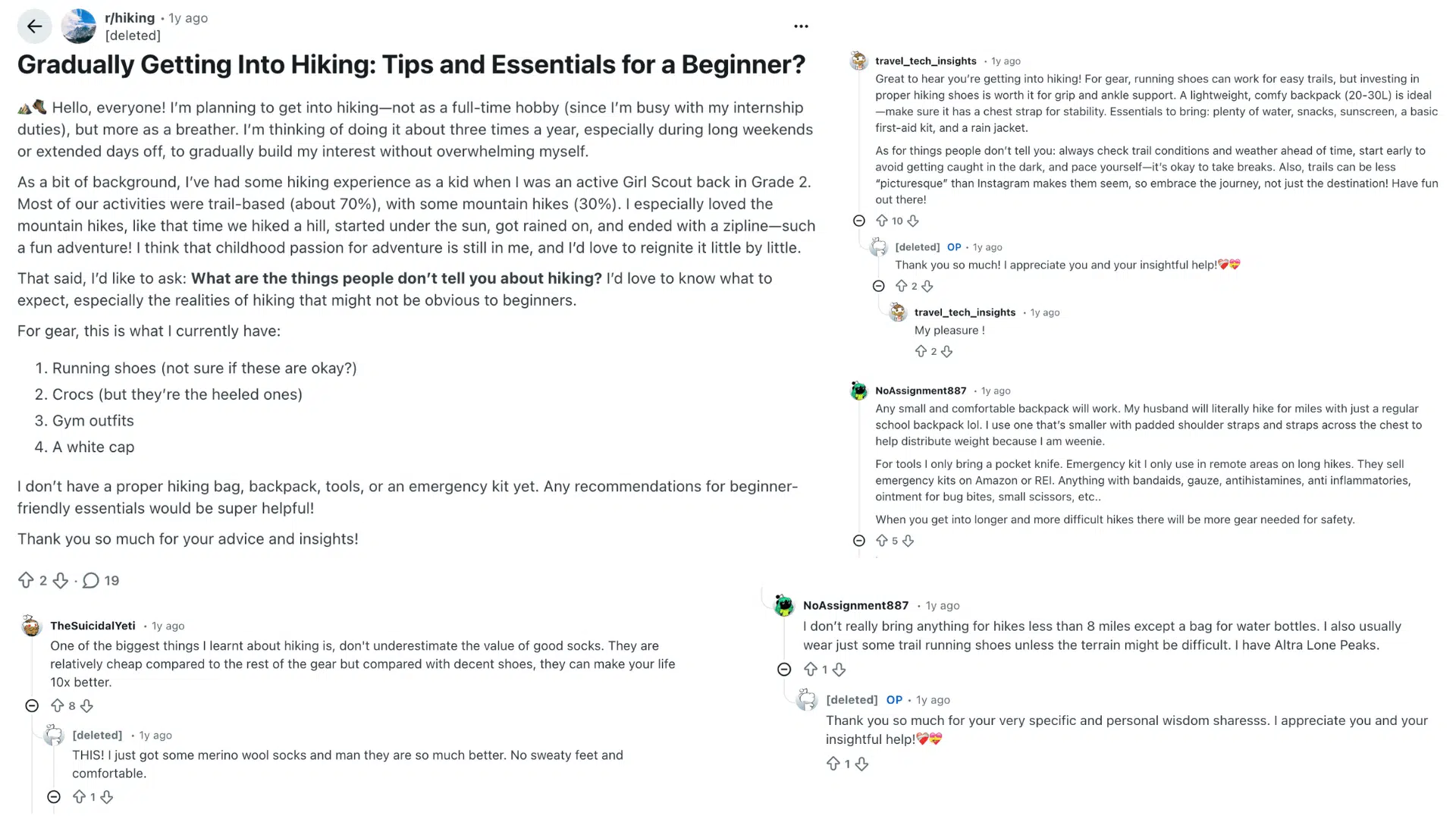
This Reddit discussion shows how beginners often start with basic gear and simple plans. Many suggest that comfortable shoes matter more than expensive gear.
Running shoes can work on easy trails, but proper hiking shoes give better grip and support over time.
A light backpack with water, snacks, and sunscreen is enough for short hikes.
Several users stress the importance of checking weather and trail conditions before heading out. Starting early helps avoid rushing and losing daylight. Taking breaks and pacing the hike keeps energy steady.
Some also highlight small items, such as good socks and a simple first-aid kit.
The overall advice is clear. Start small, keep things simple, and build experience step by step without overthinking gear or distance.
How to Build Hiking Stamina as a Beginner?
Many beginners skip this step and then wonder why the third or fourth hike feels harder than the first. Stamina is built gradually, not assumed.
A simple weekly progression that has worked for many new hikers: start with 2 to 3 km hikes in week one, move to 4 to 5 km in week two, and aim for 6 to 8 km by week three.
Add no more than 10% additional distance each week to allow your joints and feet to adapt alongside your cardiovascular system.
Research on progressive overload in aerobic exercise supports gradual load increases as the most effective and injury-safe method of building endurance.
On rest days, short flat walks of 20 to 30 minutes help condition your feet and ankles without adding recovery load.
Beginner Hiking Packing List at a Glance
A quick list helps keep packing simple and stress-free. Focus on essentials to stay comfortable and prepared on the trail.
| Item | Why It Matters |
|---|---|
| Water Bottle | Keeps the body hydrated and prevents tiredness |
| Snacks | Helps maintain energy during the hike |
| Comfortable Shoes | Provides support and reduces foot pain |
| Backpack | Carries all essential items easily |
| Phone or Map | Helps with direction and safety |
| Light Jacket | Protects from sudden weather changes |
| First Aid Kit | Useful for small cuts or blisters |
| Sunscreen | Protects skin from sun exposure |
| Hat or Cap | Helps reduce heat and sun impact |
| Hiking Socks (moisture-wicking) | Reduces friction and prevents blisters on longer walks |
| Whistle | Emergency signalling device; 3 blasts = distress signal |
| Offline Trail Map (downloaded) | Navigation backup when cell signal drops |
Common Beginner Hiking Mistakes
Small mistakes can make a hike harder than it needs to be. Avoiding a few common issues helps keep the experience smooth and safe.
- Wearing the Wrong Shoes: Poor footwear can cause blisters and discomfort. Shoes without proper grip also increase the risk of slipping on uneven or wet trails.
- Carrying too Much Weight: Packing unnecessary items makes the hike tiring. A heavy backpack can slow movement and reduce overall comfort on the trail.
- Not Checking the Weather: Ignoring weather conditions can lead to unsafe situations. Rain, heat, or sudden changes can affect trail conditions and personal safety.
- Choosing a Difficult Trail: Starting with a hard trail can lead to exhaustion. Easy and short trails help build confidence and make the first experience more enjoyable.
- Not Carrying Enough Water: Dehydration can lead to low energy. Drinking regularly keeps the body active and focused during the hike.
- Ignoring Trail Signs: Skipping trail markers can lead to getting lost. Following the signs helps stay on the right path and avoids confusion.
- Skipping the Break-In Period for Shoes: New hiking shoes worn straight to the trail almost always cause blisters. Walk in them for at least a week before taking them on a real hike.
- Not Downloading a Map Offline: Relying on live GPS in areas with poor cell coverage means your navigation disappears exactly when you need it most. Download the trail before you leave.
- Leaving No Trace Afterthought: Taking snack wrappers, orange peels, or fruit cores off the trail is a core part of responsible hiking. Leave every trail in the same condition you found it.
Conclusion
Starting hiking may feel new at first, but it becomes easier with each step. The key is to keep things simple, choose the right trail, and stay prepared.
You do not need perfect gear or long plans to begin. Small, steady efforts help build comfort and confidence over time.
Every hike teaches something new, from understanding your pace to knowing what works best for you.
The more time spent outdoors, the more natural it feels. It is less about reaching a destination and more about enjoying the time along the way.
Now it is your turn to get started. Try a short trail, keep it easy, and see how it feels. Share your first hiking experience or tips in the comments below.