
I used to think cardio had to be boring to work. Then I tried a stair climber workout, and it changed how I see fitness.
It looks simple at first, but it can push you in a good way. Each step keeps your body active and your heart working, without feeling too dull or repetitive.
In this guide, I’ll explain what a stair climber workout really does and how to use it the right way.
I’ll also share simple tips that help you get better results without pushing too hard or feeling worn out too fast.
You’ll also learn how to build a routine that feels easier to follow and still gives strong results. If you are new or want a change, this guide will help you feel ready to use the machine.
What Is a Stair Stepper?
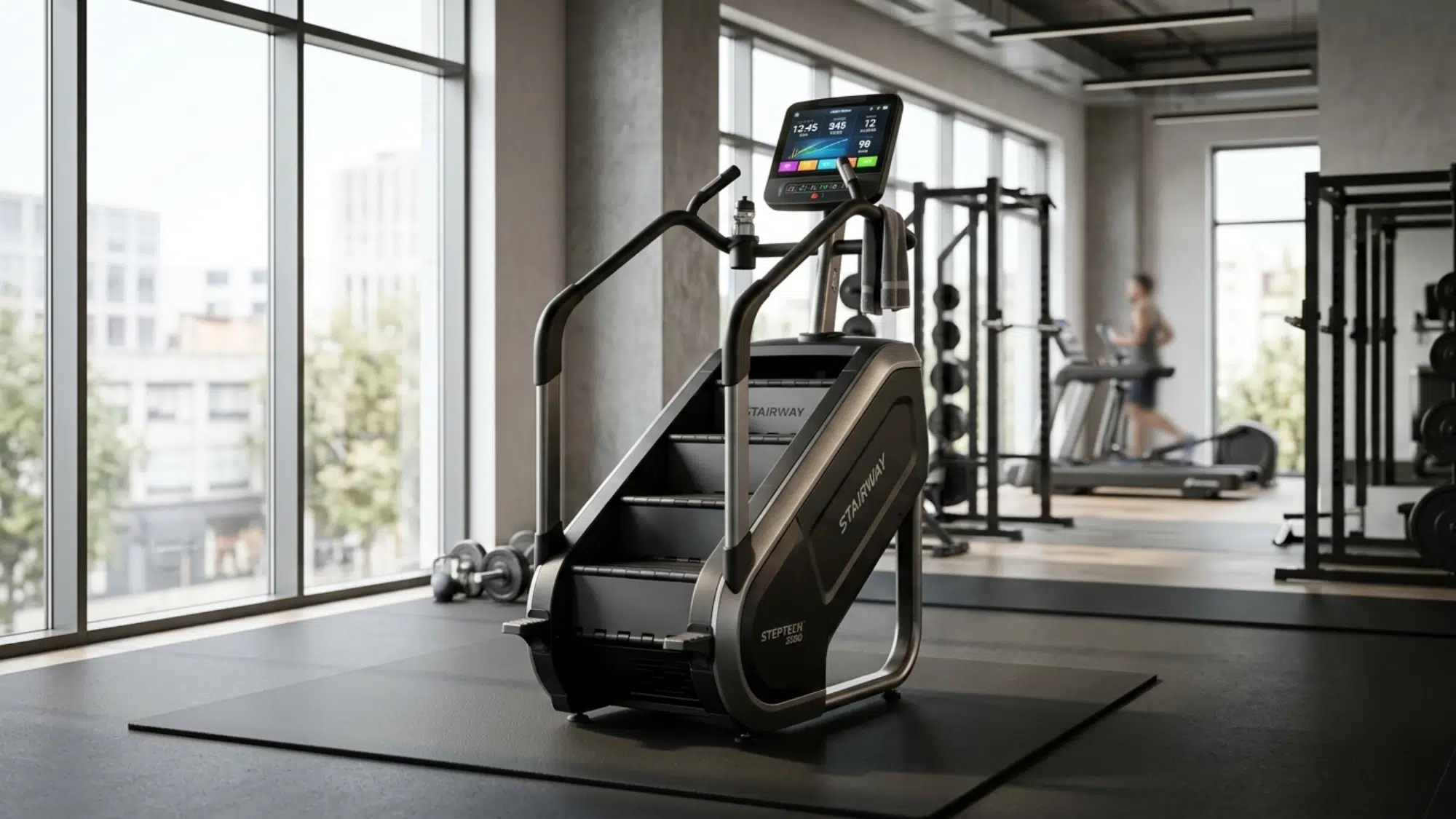
A stair stepper is a fitness machine that mimics the motion of climbing stairs. It has two pedals that move up and down, helping you work your legs, glutes, and core at the same time.
Many people use it at the gym or at home because it offers a simple way to get a strong cardio session without needing much space.
During a stair climber workout, the machine keeps your body moving at a steady rhythm, helping raise your heart rate and burn calories. You can adjust the speed or resistance to make your workout easier or more challenging.
A stair stepper is great for beginners and advanced users alike. It supports weight loss, improves endurance, and tones the lower body.
Plus, it is low-impact, which means it puts less stress on your joints compared to running or jumping exercises.
Easy Stair Climber Workout Plan
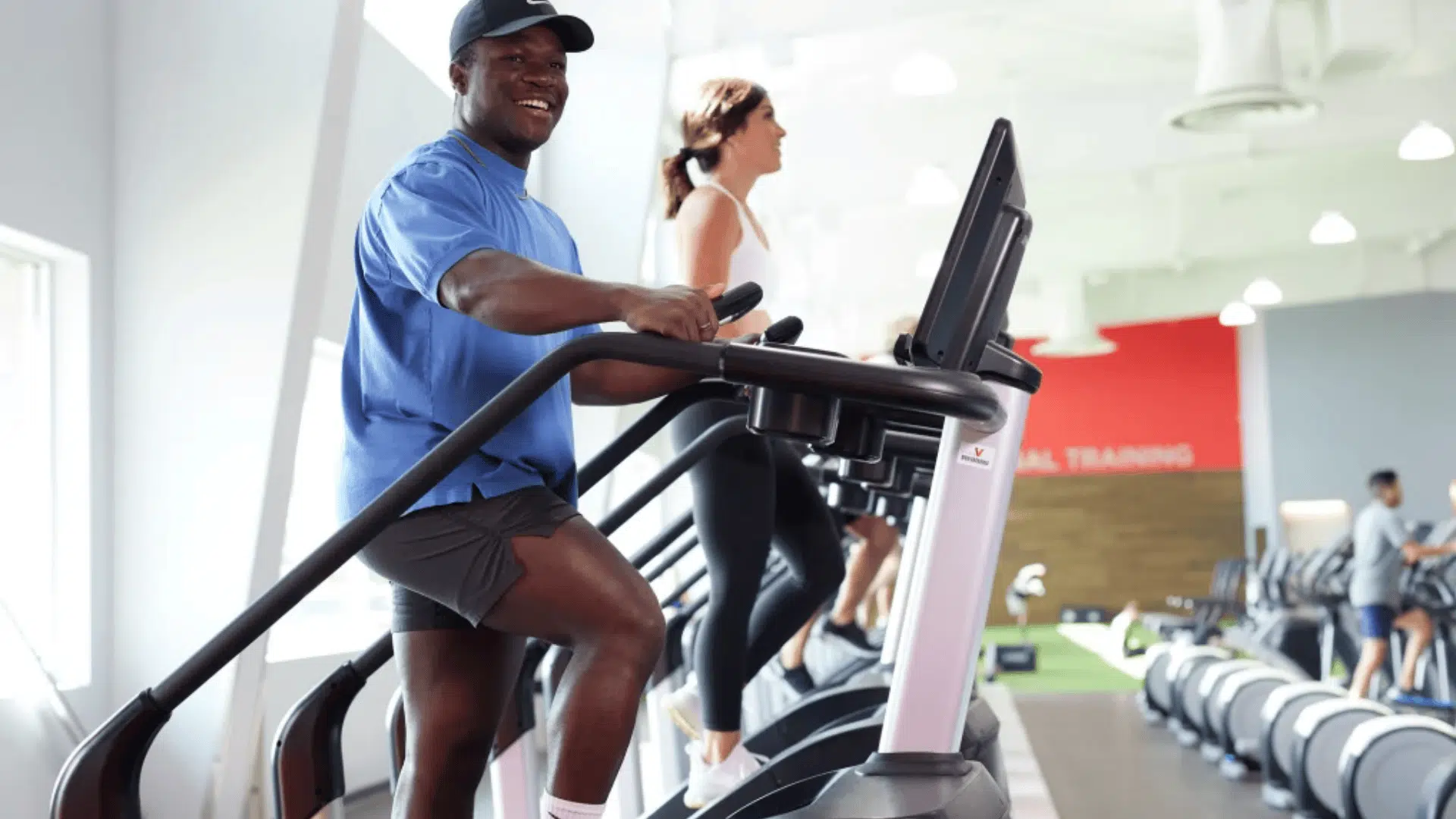
This stair climber workout plan is simple, effective, and easy to follow for any fitness level. It helps burn calories, improve cardio, and build lower-body strength over time.
1. Warm-Up (5 Minutes)
Begin your stair climber workout with a slow and steady warm-up to prepare your body.
Spend about 5 minutes stepping at a comfortable pace, keeping your posture upright and your core engaged.
Avoid leaning too much on the handles so your muscles stay active. This phase helps increase blood flow, loosen your joints, and reduce the risk of injury.
A proper warm-up also makes the rest of your workout feel smoother and more controlled.
2. Steady Cardio (10 Minutes)
Move into a moderate pace during your stair climber workout, where your breathing becomes slightly heavier but still manageable.
Continue for about ten minutes while focusing on consistent steps and proper form. Keep your shoulders relaxed and your movements controlled.
This steady phase helps build endurance and supports fat burning over time.
It is an important part of your routine because it trains your body to handle longer workouts while improving your overall cardiovascular fitness.
3. Interval Training (10 Minutes)
Add intervals to your stair climber workout to increase intensity and calorie burn.
Alternate between one minute of fast stepping and two minutes of slower recovery for about ten minutes.
During the fast phase, push your speed while staying balanced and controlled. This change in pace challenges your body and keeps your workout engaging.
Interval training helps improve heart health and supports weight loss by raising your heart rate and boosting energy use during and after exercise.
4. High Intensity (5 Minutes)
In this part of your stair climber workout, increase the resistance or speed for about five minutes.
Focus on powerful, controlled steps while keeping your core tight and your posture upright.
Avoid relying heavily on the handles, as this reduces the effectiveness of the exercise. This high-intensity phase helps strengthen your legs and glutes while improving stamina.
It is a great way to push your limits and get more out of a shorter workout session.
5. Cool Down (5 Minutes)
Finish your stair climber workout with a cool-down to help your body recover.
Slow your pace for about 5 minutes and let your heart rate return to normal gradually.
After stepping off, take a few minutes to stretch your legs, especially your calves, hamstrings, and thighs. This helps reduce muscle tightness and improve flexibility.
Cooling down properly also helps prevent soreness, making it easier to stay consistent with your workout routine.
Understanding the 25-7-2 Stair Climber Trend
The 25-7-2 stair climber trend is a popular workout routine that emphasizes simplicity and consistency.
The idea is to set the stair climber machine to level 7 and continue stepping for 25 minutes, repeating the routine twice per week.
This structure makes it easy to follow, especially for beginners who want a clear and manageable plan.
This stair-climber workout helps improve cardiovascular fitness, burn calories, and strengthen lower-body muscles like the glutes and legs.
The steady pace allows you to build endurance without feeling overwhelmed.
Over time, users may increase the frequency or intensity to achieve better results. The trend gained attention on social media because it is easy to remember and fits into busy schedules.
It offers a balanced approach to fitness, making it a practical option for those looking to stay active and consistent.
How Many Calories Does a Stair Climber Burn?
A stair climber workout can burn a good number of calories in a short time. On average, a person may burn180 to 300 calories in 20 minutes, depending on body weight and workout intensity.
Heavier individuals or those who step faster will burn more calories.
Research from Harvard shows that consistent cardio, like stair climbing, helps burn calories and supports weight control over time.
The machine keeps your body moving the whole time, which helps keep your heart rate up. This steady effort makes it great for fat loss and cardio.
Using higher resistance or adding intervals can increase calorie burn even more.
It also matters how long you stay on the machine and how consistent you are. Even short sessions can add up over time.
If you stay regular with your workouts, you can see steady progress in both fitness and weight loss goals.
Key Benefits of Stair Climber workout
A stair stepper is a simple yet powerful machine that supports full-body movement. It fits easily into most routines and works well for both short and longer sessions.
- Burns Calories Efficiently: A stair stepper helps you burn a high number of calories in a short time. The continuous stepping motion keeps your heart rate elevated, supporting fat loss and improving overall fitness.
- Strengthens Lower Body Muscles: This machine targets your legs, glutes, and calves. Each step works your muscles against resistance, helping build strength and improve muscle tone over time.
- Improves Cardiovascular Health: Regular use supports heart health by boosting endurance. It trains your heart and lungs to work more efficiently, making daily activities feel easier.
- Low-Impact on Joints: Unlike running, a stair stepper is gentle on your knees and ankles. This makes it a safer option for people who want effective cardio without added joint stress.
- Enhances Balance and Coordination: The stepping motion improves stability and control. Over time, this can help with posture and reduce the risk of falls.
- Supports Weight Loss Goals: Consistent workouts on a stair stepper help create a calorie deficit. When combined with a healthy diet, it can support steady and sustainable weight loss.
- Customizable Intensity Levels: You can adjust speed and resistance to match your fitness level. This makes it suitable for beginners and advanced users alike.
Muscles Worked in a Stair Climber Workout
This machine works multiple muscle groups at the same time. Each step targets your lower body while also engaging your core.
1. Glutes
The glutes do most of the work during a stair climber workout. Each step pushes your body upward, which activates these muscles with every movement.
Taking deeper steps helps engage them more. This can improve strength and shape over time.
Keeping your posture upright also helps your glutes work better.
When used often, this exercise can support better balance and lower-body power. It is one of the main reasons people use this machine regularly.
2. Quadriceps
Your quadriceps, located at the front of your thighs, play a key role in stepping. They help extend your knees as you push each step down.
This repeated motion builds strength and endurance over time. A steady pace keeps these muscles active without too much strain. If you increase resistance, your quads work even harder.
Strong quadriceps also support knee stability and help with daily movements like walking and climbing stairs outside the gym.
3. Hamstrings
The hamstrings, found at the back of your thighs, assist in lifting your legs during each step. They work along with your glutes to keep your movement smooth and controlled.
While they are not the main focus, they still play an important support role.
Keeping a steady rhythm helps engage them properly.
Over time, this can improve flexibility and strength. Balanced hamstring strength also reduces the risk of muscle tightness and injury.
4. Calves
Your calves are active throughout the entire stair climber workout. They help push your feet off each step and support your body weight.
This constant movement helps build endurance in your lower legs.
If you step with full foot contact, your calves work more effectively. Over time, this can improve muscle tone and stability.
Strong calves also support better balance and help reduce fatigue during longer workout sessions or daily activities.
5. Core Muscles
Your core helps keep your body stable during the workout. It includes your abs and lower back muscles.
When you stand upright and avoid leaning on the handles, your core stays engaged. This improves balance and posture over time.
A strong core also supports better movement and reduces strain on your back.
Even though it is not the main focus, the stair climber still gives your core a light but steady workout.
Pros & Cons of a Stair Stepper Workout
A stair-stepper workout offers strong cardio and lower-body benefits, but it also has a few limitations to consider.
| Pros | Cons |
|---|---|
| Burns calories quickly and supports weight loss | Can feel repetitive for some users |
| Strengthens legs, glutes, and calves effectively | May cause fatigue in lower body muscles |
| Improves heart health and endurance | Not ideal for those with severe knee issues |
| Low-impact compared to running or jumping | Requires proper form to avoid strain |
| Adjustable intensity for all fitness levels | Limited upper body engagement |
| Helps improve balance and coordination | Some machines can be bulky or expensive |
Mistakes to Avoid in a Stair Climber Workout
Small mistakes can reduce results and increase the risk of discomfort. Fixing your form and habits can make your workout more effective and safer.
1. Leaning Too Much on the Handles
Many people rely heavily on the handles during a stair climber workout, which reduces the workload on their legs and core.
When you lean forward or support your weight with your arms, your body is not working as hard as it should.
This limits calorie burn and muscle engagement. Instead, keep your posture upright, engage your core, and use the handles only for light balance.
This simple adjustment can greatly improve your overall workout effectiveness.
2. Taking Steps that Are Too Short
Shorter, quicker steps may feel easier, but they limit the full range of motion during a stair climber workout.
This limits how much your muscles, especially your glutes, are engaged.
Taking deeper, controlled steps helps activate more muscle groups and improves strength over time. Focus on steady, complete movements rather than rushing through the exercise.
Proper stepping form helps you get better results and makes your workout more efficient.
3. Moving Too Fast without Control
Speeding through your stair climber workout without control can lead to poor form and increase the risk of injury.
When your steps become too fast, your balance may suffer, and your muscles do not get enough time to engage properly.
It is better to maintain a steady pace with controlled movements.
This ensures that each step is effective and safe. Controlled speed also helps improve endurance and allows you to sustain your workout longer.
4. Skipping Warm-Up and Cool Down
Jumping straight into an intense stair climber workout without warming up can strain your muscles and joints.
A proper warm-up prepares your body by increasing blood flow and flexibility.
Similarly, skipping the cool-down phase can lead to stiffness and soreness after your workout. Always begin with a few minutes of light stepping and end with a slower pace followed by stretching.
These steps help your body recover and improve long-term performance.
5. Poor Posture During the Workout
Bad posture can reduce the effectiveness of your stair climber workout and cause discomfort in your back and shoulders.
Slouching or looking down for long periods can strain your body and limit breathing.
Keep your head up, shoulders relaxed, and back straight as you step. Engaging your core also helps maintain balance and stability.
Good posture allows your muscles to work properly and makes your workout feel more comfortable and controlled.
Conclusion
By now, you can see that a stair climber workout is more than just stepping up and down. It’s a simple way to build strength, improve stamina, and stay active without needing a complicated plan.
The key is to stay consistent and listen to your body. Start at your pace, make small changes, and you’ll notice progress over time.
Even short sessions can make a real difference when you stick with them. If you’ve been unsure about using this machine, this is your sign to give it a try.
Keep it simple, and don’t worry about being perfect. I’d love to hear from you.
Have you tried a stair climber workout before? Share your experience, tips, or questions in the comments below!