
For years, soccer in the US meant sharing space with football stadiums with awkward sightlines, baseball parks with odd angles, and tracks that pushed fans too far from the pitch. That has changed fast. MLS expansion brought a wave of purpose-built venues designed around one sport and one sport only. Unlike football, where every field is identical, how soccer fields are designed and measured varies enough that two stadiums in the same city can have noticeably different playing surfaces. This blog will walk you through the largest soccer-only stadiums in the US, what makes them unique, and how they compare to global venues. Why Soccer-Only Stadiums Matter A stadium built purely for soccer looks and feels completely different from a shared venue. The stands wrap tighter around the pitch, sightlines are built for a horizontal game rather than a vertical one, and the atmosphere hits differently when there is no running track or football end zone pushing fans back. For players, the field dimensions can also vary from venue to venue, which affects how home teams set up tactically. Purpose-built stadiums have become a sign of how seriously a city takes its soccer club. The Largest Soccer-Only Stadiums in the US Ranked Here’s a closer look at the biggest soccer-only stadiums in the US, ranked by capacity, along with what makes each venue unique for fans and players alike. 1. Geodis Park: Nashville SC Geodis Park opened in 2022 with a capacity of 30,000, making it the largest soccer-specific stadium in the US and Canada. The venue sits in Nashville’s Wedgewood-Houston neighborhood and was built entirely with soccer in mind, from the steep lower bowl to the field dimensions that run at 115 x 75 yards on a natural grass surface. 2. Q2 Stadium: Austin FC Q2 Stadium, which opened […]

Most people never stop to think about how much space their favorite sport actually needs. A basketball court feels huge when you’re on it, but place it next to a soccer pitch, and it disappears. Field size shapes everything: how far players run, how physical the game gets, and which strategies actually work. While most of that comes down to how each sport is designed to be played, the soccer and football field differences in markings, goals, and surface all play into why each game needs the space it uses. This blog will break down how different sports fields compare in size, why those dimensions matter, and how they shape the way each game is played. How Field Size Is Measured Across Sports The simplest way to compare fields is by total playing area, length multiplied by width, usually expressed in acres or square yards. The tricky part is that not every sport uses a rectangle. Cricket uses an oval. Australian Rules Football uses an oval, too. Soccer allows flexible dimensions. Only a few sports, like American football, lock in exact measurements every single time. To make fair comparisons, most analysts use the maximum allowed dimensions or the typical professional size for each sport. Biggest Fields in Sport Ranked Sports fields vary widely in size, shaping how each game feels, how players move, and how much ground they must cover during every full, intense match. 1. Cricket Cricket fields are oval-shaped with no fixed dimensions, which makes them one of the hardest to pin down. The playing area can stretch up to 180 yards at its longest point. The outfield alone covers more ground than most full soccer pitches, and boundary ropes are often used just to shrink the effective playing area to something manageable. 2. Australian Rules Football Aussie […]
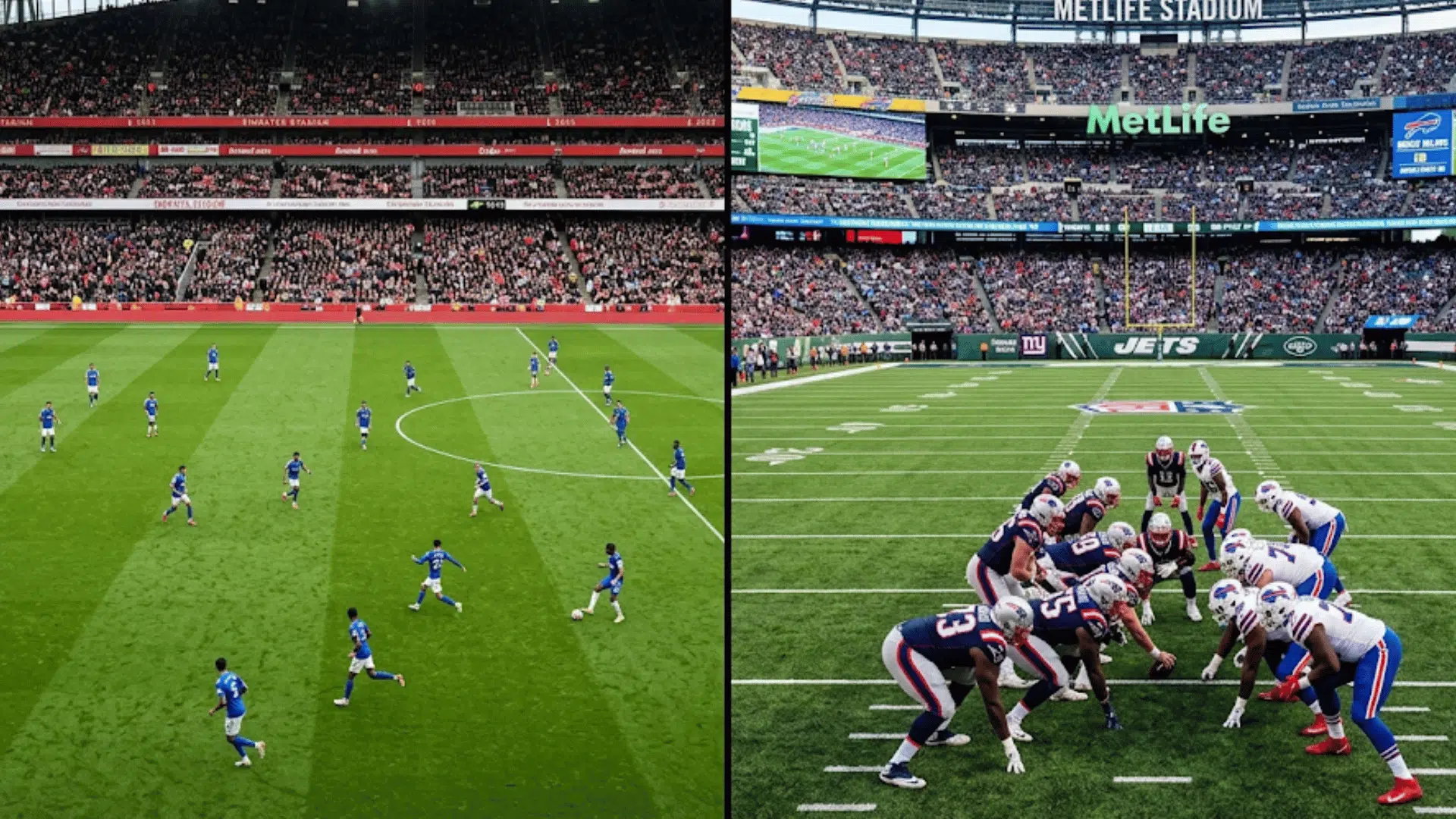
The idea of 200,000 people packed into one place to watch a game sounds almost impossible. Yet the question comes up often enough that it deserves a straight answer. Some stadiums came surprisingly close to that number, and the stories behind them are just as remarkable as the figures themselves. What makes these numbers hard to grasp is that the fields within them are not even the largest in sport; comparing soccer and football field sizes shows the playing surface is almost a footnote to the size of the surrounding stands. This blog explains the 200,000-seat stadium myth, lists the world’s largest stadiums, covers the Maracanã story, and explains why modern venues are smaller with record crowds. Has a 200,000-seat stadium ever existed? The short answer is no, not officially. No verified stadium has ever been built with a confirmed seated capacity of 200,000. The confusion mostly comes from a few famous venues where reported attendance figures from the early and mid-1900s were never properly documented. Back then, counting crowds meant rough estimates rather than ticket scans or turnstile data. The distinction between capacity and actual attendance also blurs over time, turning a one-time record crowd into a permanent stadium statistic. No structure in recorded history has been purpose-built to seat 200,000 people. The Biggest Stadiums Ever Built 1. Narendra Modi Stadium: India With an official capacity of 132,000, Narendra Modi Stadium in Ahmedabad is currently the largest operating stadium in the world. It hosts cricket and was renovated and renamed in 2020. The scale of the venue is hard to picture — the upper tiers stretch so far back that screens are essential for fans in the highest rows. 2. Rungrado 1st of May Stadium: North Korea Rungrado Stadium in Pyongyang carries an official capacity of 114,000, though some […]

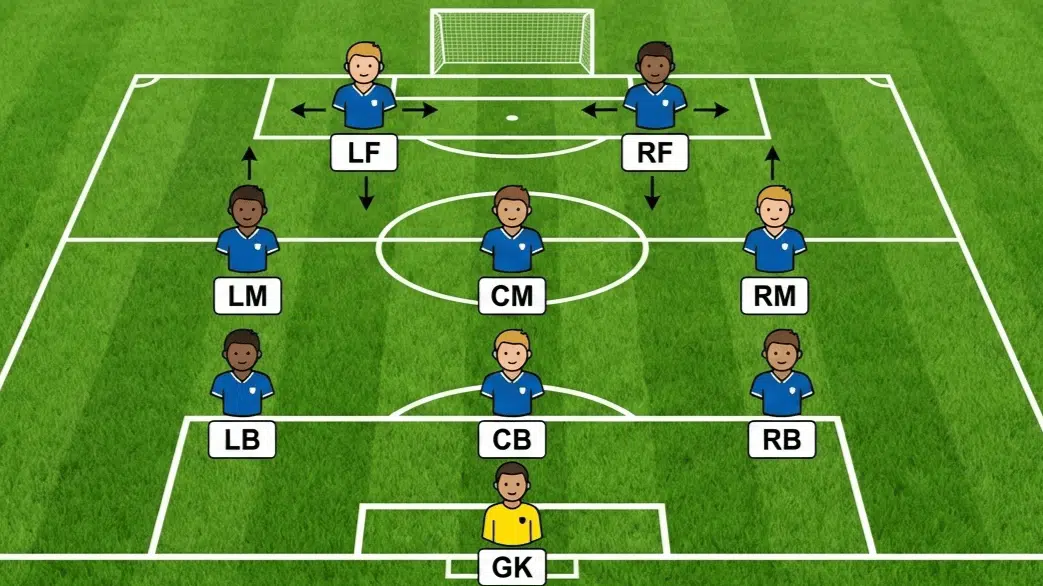
When I first started watching youth soccer games, I noticed the same problem again and again: kids running all over the field, all chasing the ball at once. It looked fun, but also a bit confusing. That’s when I realized how important it is to teach youth soccer positions the right way. In this guide, I’ll explain each position in simple terms so it’s easy for young players to understand. I’ll also share how positions change by age, common team setups, and easy ways to assign players to roles. By the end, you’ll have clear and practical ideas to help kids play smarter, stay organized, and enjoy the game more. What Are Youth Soccer Positions? Youth soccer positions are specific areas on the field where players perform specific jobs. These positions help organize the team so everyone knows their role during the game. Why Positions Matter in Youth Soccer Positions create structure and prevent chaos on the field. When kids understand their position, they know where to stand and what to do with the ball. This organization helps teams work together instead of everyone chasing the ball at once. Positions also teach responsibility because each player contributes to the team’s success. Teaching positions early builds soccer intelligence, helping players make better decisions as they grow older and the game becomes more complex. How Youth Soccer Differs from Professional Soccer Professional soccer uses 11 players per side in fixed positions, while youth soccer adapts to age. Younger players start with fewer teammates on the field, making positions simpler to teach and understand. Kids under 10 typically rotate through multiple positions to develop diverse skills rather than specializing early. Youth soccer emphasizes learning and fun over strict tactical play. As players get older and move to larger field formats, positions become more […]
Categories