

After a workout, your body feels tired, your muscles feel worked, and your energy drops. I have felt this many times after a tough session, and I know how easy it is to grab whatever is nearby and call it recovery.
In the beginning, I did not pay much attention to what I ate after exercising, and often felt drained for longer than expected.
That is when I realized how important a post-workout meal really is.
Eating the right foods helped me recover faster, feel more energized, and stay consistent with my routine.
Skipping meals or eating poorly makes workouts feel harder the next day. Simple, balanced meals helped me recover faster and feel better.
In this guide, you will find exactly what to eat, when to eat it, and which meal options work best based on your workout type, so you can stop guessing and start recovering smarter.
Why a Post-Workout Meal Is Important?
When you exercise, your body uses up glycogen and creates small tears in muscle fibers. Your body needs proper nutrition to repair these and grow stronger.
Without the right fuel, recovery slows down and performance can drop over time.
A good post-workout meal helps repair muscles, restore energy, reduce soreness, and prepare your body for the next session.
It also supports better strength and endurance gains when done consistently.
One thing I noticed early in my sports nutrition practice is that athletes who skipped post-workout meals consistently reported higher next-day soreness and longer perceived recovery times.
A review published in Nutrients confirmed that combining protein with carbohydrates in the post-exercise window accelerates muscle repair and glycogen synthesis compared to either macronutrient alone.
What Should a Post-Workout Meal Include?
A balanced post-workout meal covers three core macronutrients. The right proportions depend on your workout type, which I will explain in the next section, but here is what each one does.
1. Protein: Muscle Repair
Protein provides the amino acids your muscles need to repair micro-tears caused by exercise.
Research recommends 20 to 40 grams of high-quality protein after a workout, depending on your body weight and training intensity.
Leucine, an essential amino acid found in eggs, dairy, and chicken, plays a particularly important role in triggering muscle protein synthesis.
Good protein options include eggs, chicken, fish, Greek yogurt, paneer, tofu, and protein shakes.
2. Carbohydrates: Energy Refill
During exercise, your body uses up glycogen stored in muscles. Carbohydrates help refill these energy stores quickly and support faster recovery.
Most sports nutrition advice suggests combining carbs with protein in a 2:1 or 3:1 ratio.
A higher carb intake works better after long cardio or endurance workouts. Choosing the right carbs also matters for steady energy and muscle repair.
Good options include rice, oats, bananas, sweet potatoes, and whole-grain bread, which are easy to digest and help restore energy levels efficiently after training.
3. Healthy Fats: Supporting Recovery
Fat is often left out of the post-workout conversation, but it plays a supporting role.
Research has found that fat intake does not meaningfully delay short-term recovery and can actually support longer-term recovery from low-intensity exercise.
Foods like avocado, nuts, seeds, and fatty fish provide healthy unsaturated fats that reduce inflammation and support overall recovery.
The key is to keep fat moderate in your immediate post-workout meal rather than making it the centerpiece, since high-fat intake can slow gastric emptying when fast absorption is the goal.
4. Fluids: Hydration
You lose water and electrolytes through sweat, and even mild dehydration measurably slows recovery and reduces next-session performance.
Many Athletic Trainers Association recommends replacing all fluid losses after exercise.
A simple self-check: if your urine is dark yellow, you need more fluids. Water works for most workouts.
After longer or more intense sessions, coconut water or an electrolyte drink helps replace sodium and potassium lost through sweat.
Best Post-Workout Meal Ideas
The meals below are organized to be practical, not just theoretical. Each one covers protein, carbohydrates, and at least some healthy fat. Where relevant, I have noted which workout types each meal suits best.
1. Chicken and Vegetables with Rice
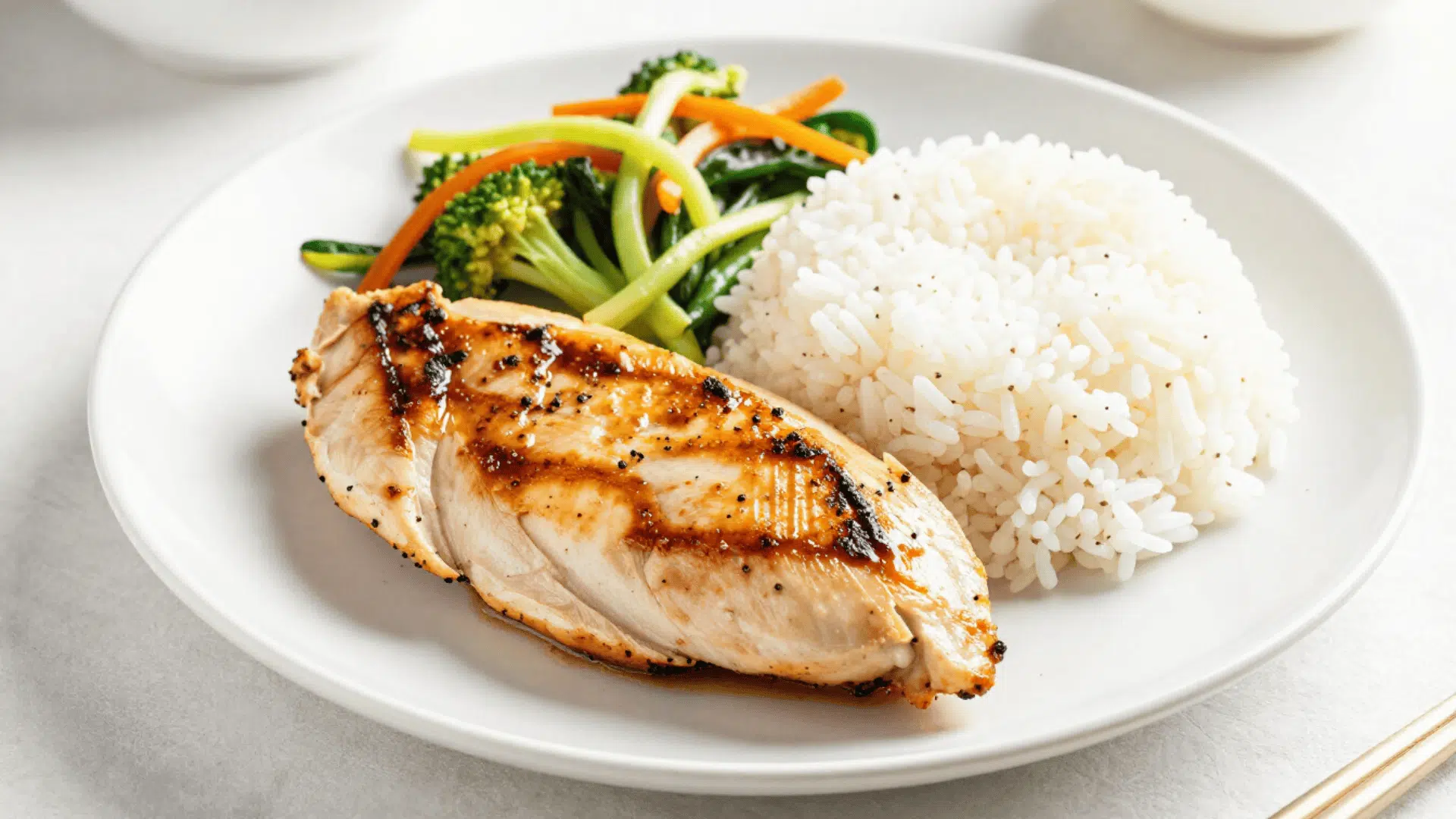
This is the closest thing to a universal post-workout meal in sports nutrition, and for good reason. Chicken delivers leucine-rich protein that directly supports muscle protein synthesis.
Rice replenishes glycogen efficiently. Vegetables add micronutrients and fiber that support overall recovery.
It is particularly well-suited after strength training sessions.
A standard portion of 150g chicken breast, one cup of cooked rice, and a cup of mixed vegetables gives you roughly 45g protein and 55g carbohydrates, covering both repair and energy refuel in one plate.
2. Eggs and Toast
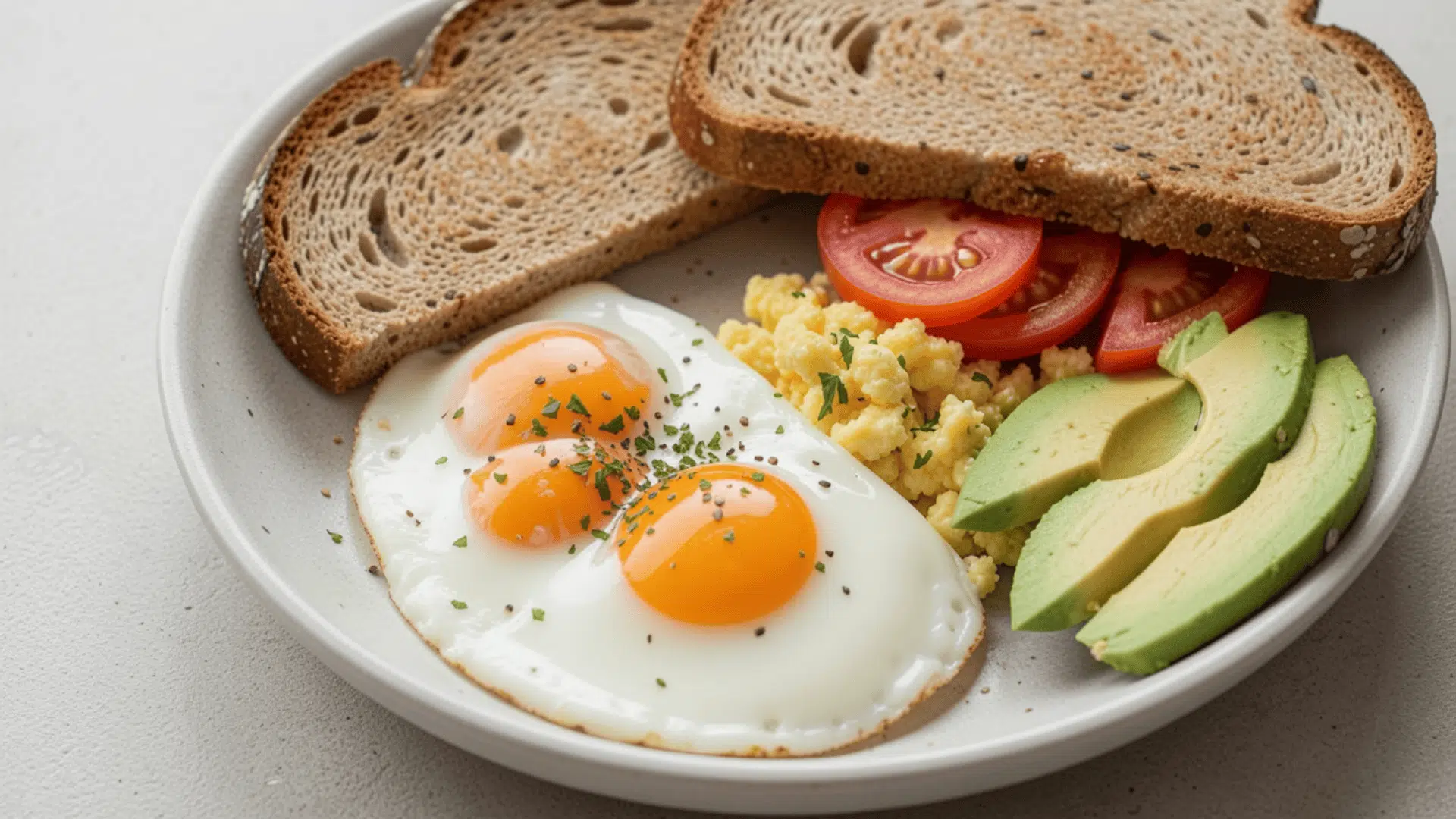
Eggs and toast make a simple, quick, and balanced post-workout meal.
Eggs are a great source of high-quality protein and contain essential nutrients that help your muscles recover and grow.
Quick, budget-friendly, and balanced; great for daily use. Whole-grain toast provides healthy carbohydrates that restore your energy levels after exercise.
This meal is easy to prepare, even when you are tired.
You can also add extras like avocado, spinach, or tomatoes to boost nutrition and make the meal more satisfying without adding too much effort.
3. Protein Shake and Banana
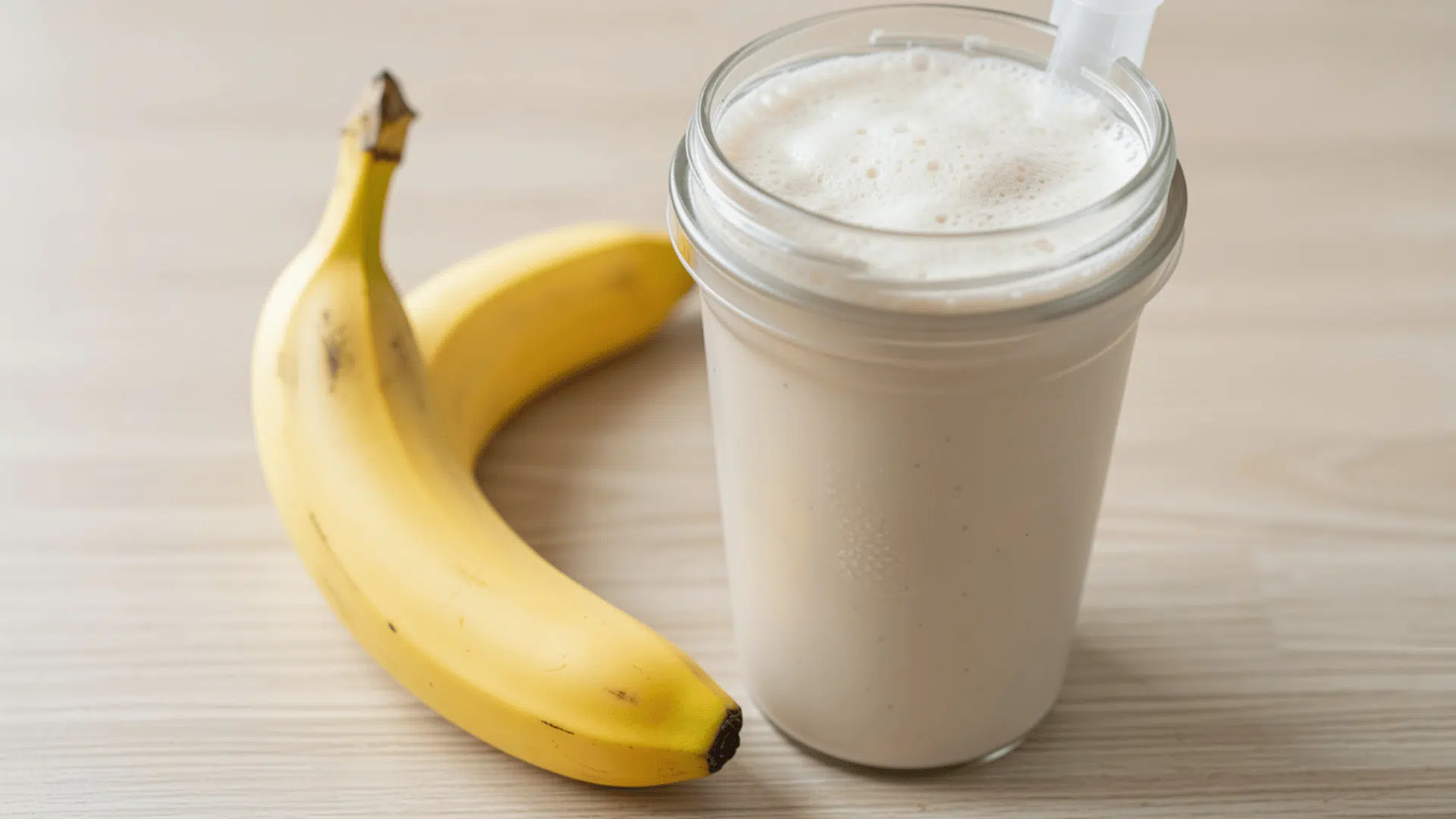
This is my go-to recommendation for anyone who trains early and cannot stomach a full meal immediately after.
A whey or plant-based protein shake delivers 20 to 30 grams of fast-digesting protein, while a banana provides quick carbohydrates and potassium to support muscle function and reduce cramp risk.
It is light, portable, and requires no preparation. Plan to follow up with a balanced meal within the next one to two hours.
4. Greek Yogurt with Fruits
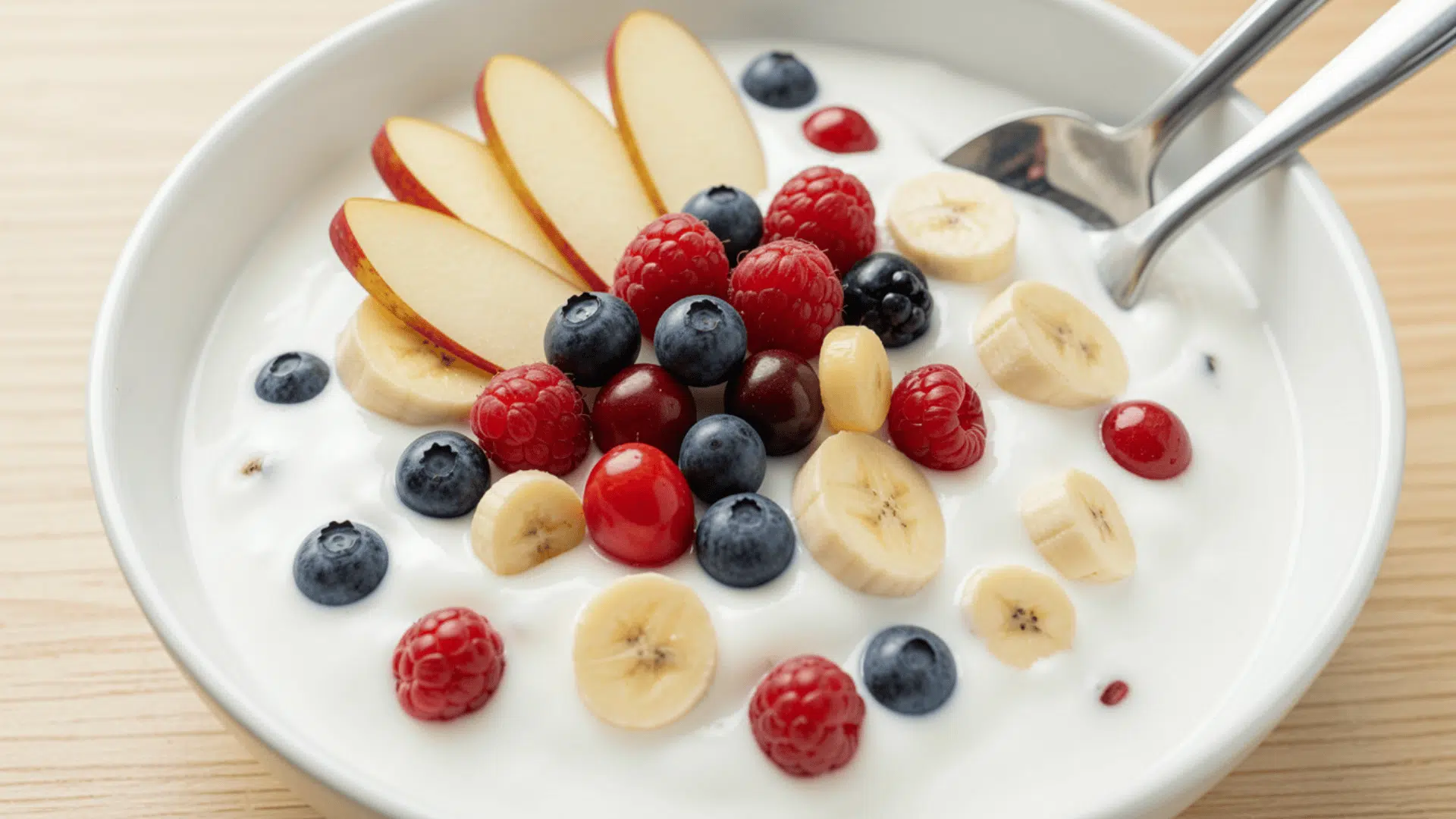
Greek yogurt provides around 15 to 20 grams of protein per cup and contains casein, a slower-digesting protein that continues delivering amino acids to muscles over several hours after consumption.
It also contains probiotics that support gut health, which is relevant because gut function affects how efficiently you absorb the nutrients you eat.
Adding berries gives you antioxidants that help reduce exercise-induced oxidative stress, along with natural sugars for quick energy.
This combination is especially good after morning workouts or light sessions.
5. Burrito Bowl
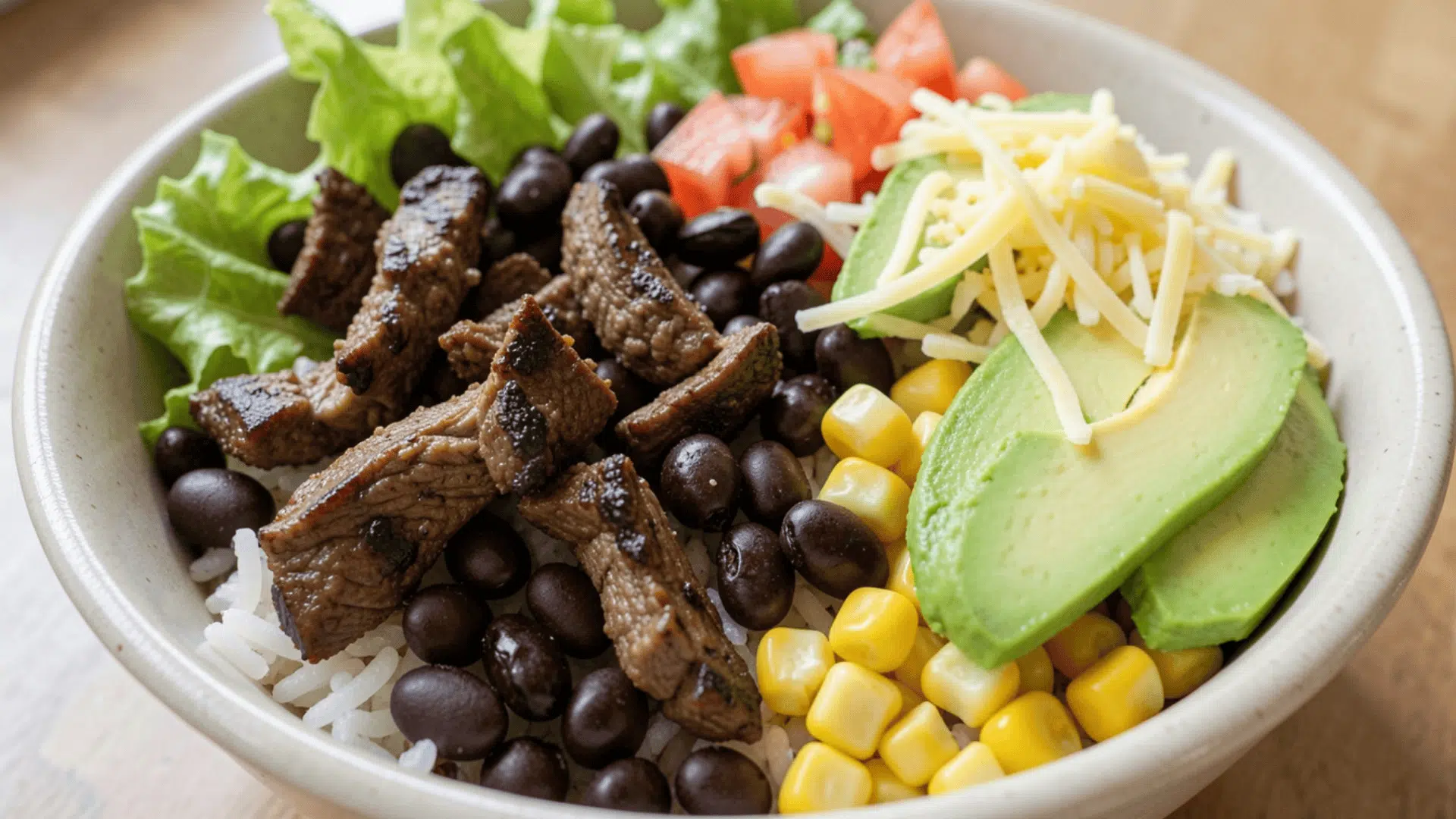
A burrito bowl is a filling and balanced post-workout meal that is easy to customize. It usually includes rice, grilled chicken or beef, beans, fresh vegetables, salsa, and a little cheese or avocado.
The beans add plant-based protein and fiber on top of the animal protein, making this a nutritionally dense option.
Avocado contributes healthy monounsaturated fats that help reduce inflammation.
This works well after longer strength sessions where you need both glycogen restoration and substantial muscle repair nutrition.
6. Oatmeal with Milk and Nuts
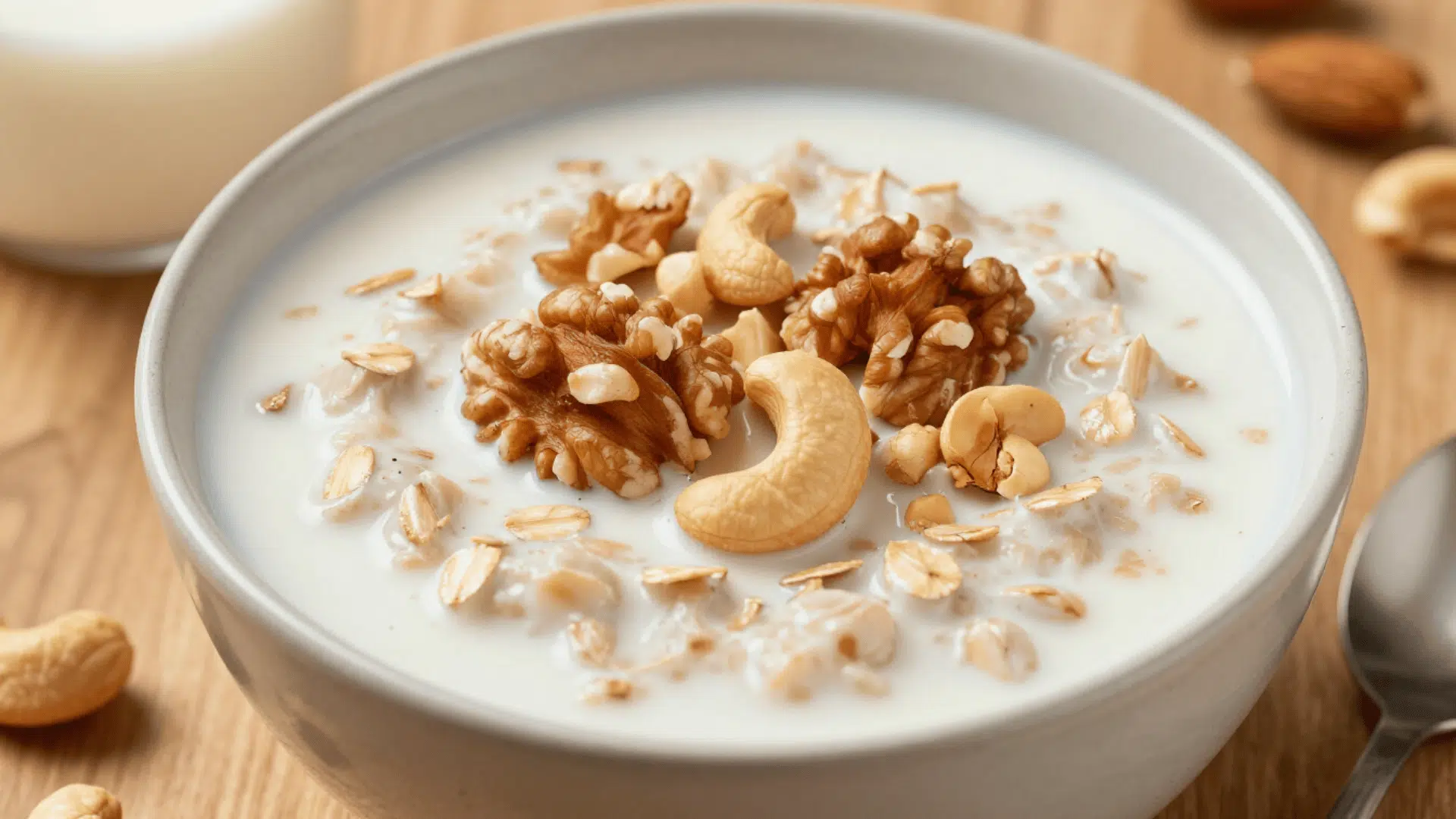
Oats are one of the best complex carbohydrate sources for post-workout recovery, releasing energy steadily rather than causing a sharp blood sugar spike.
Cooking them in milk rather than water adds a meaningful protein boost, roughly 8 grams per cup of dairy or soy milk.
Nuts provide healthy fats and additional micronutrients. This combination is ideal after longer cardio sessions when sustained energy replenishment is the priority.
It is also one of the more practical options for people who work out in the morning and need something warm and quick.
7. Peanut Butter Sandwich with Banana
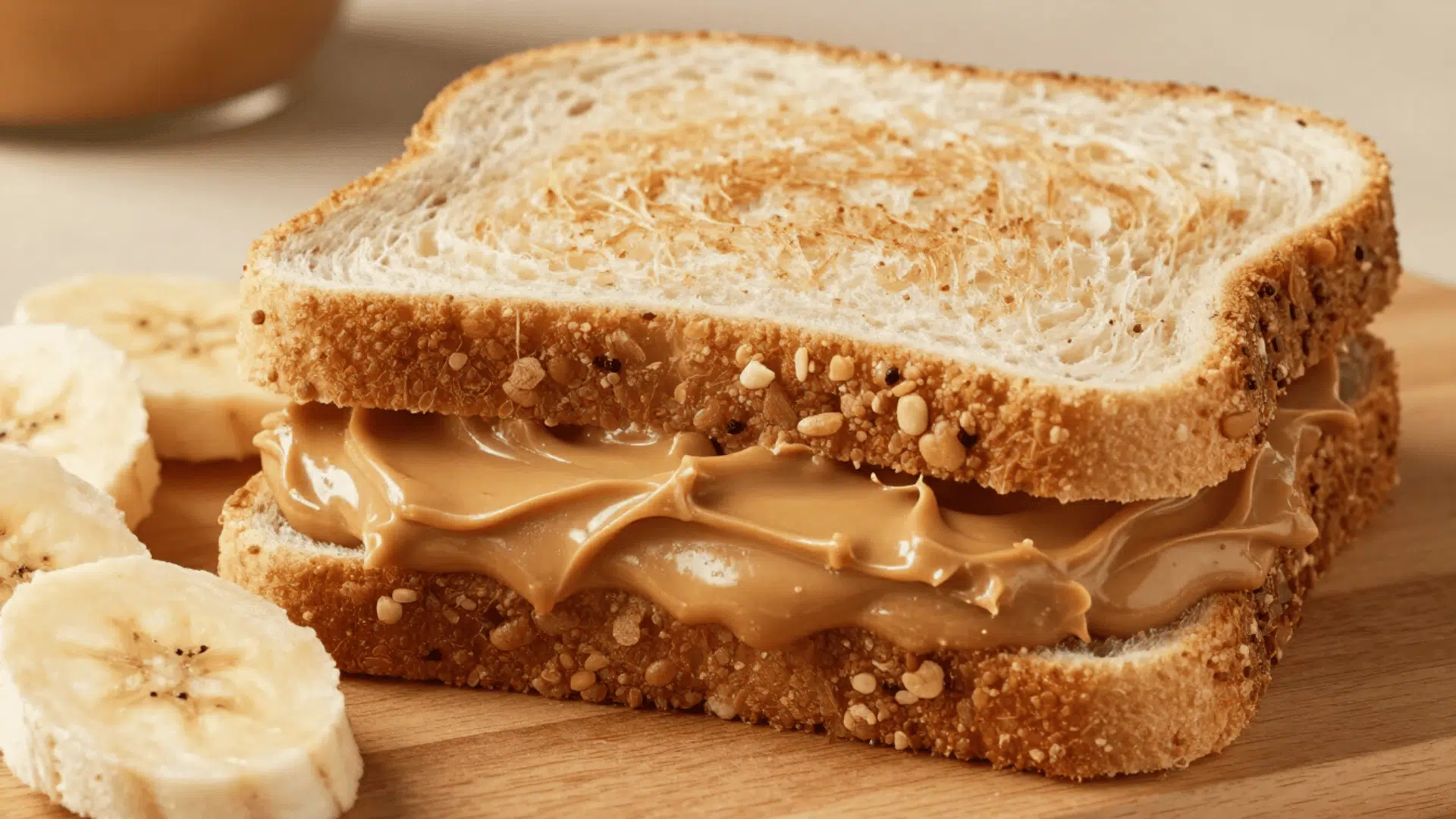
This is one of the most underrated recovery meals because it looks simple, but it covers all three macronutrients effectively.
Two tablespoons of peanut butter deliver about 8 grams of protein and 16 grams of healthy fats.
Whole-grain bread provides complex carbohydrates, and a banana adds potassium plus fast-acting sugars.
It requires no cooking, is genuinely portable, and is one of the options I recommend most often to clients who travel or have unpredictable schedules.
8. Whole Wheat Wrap with Chicken
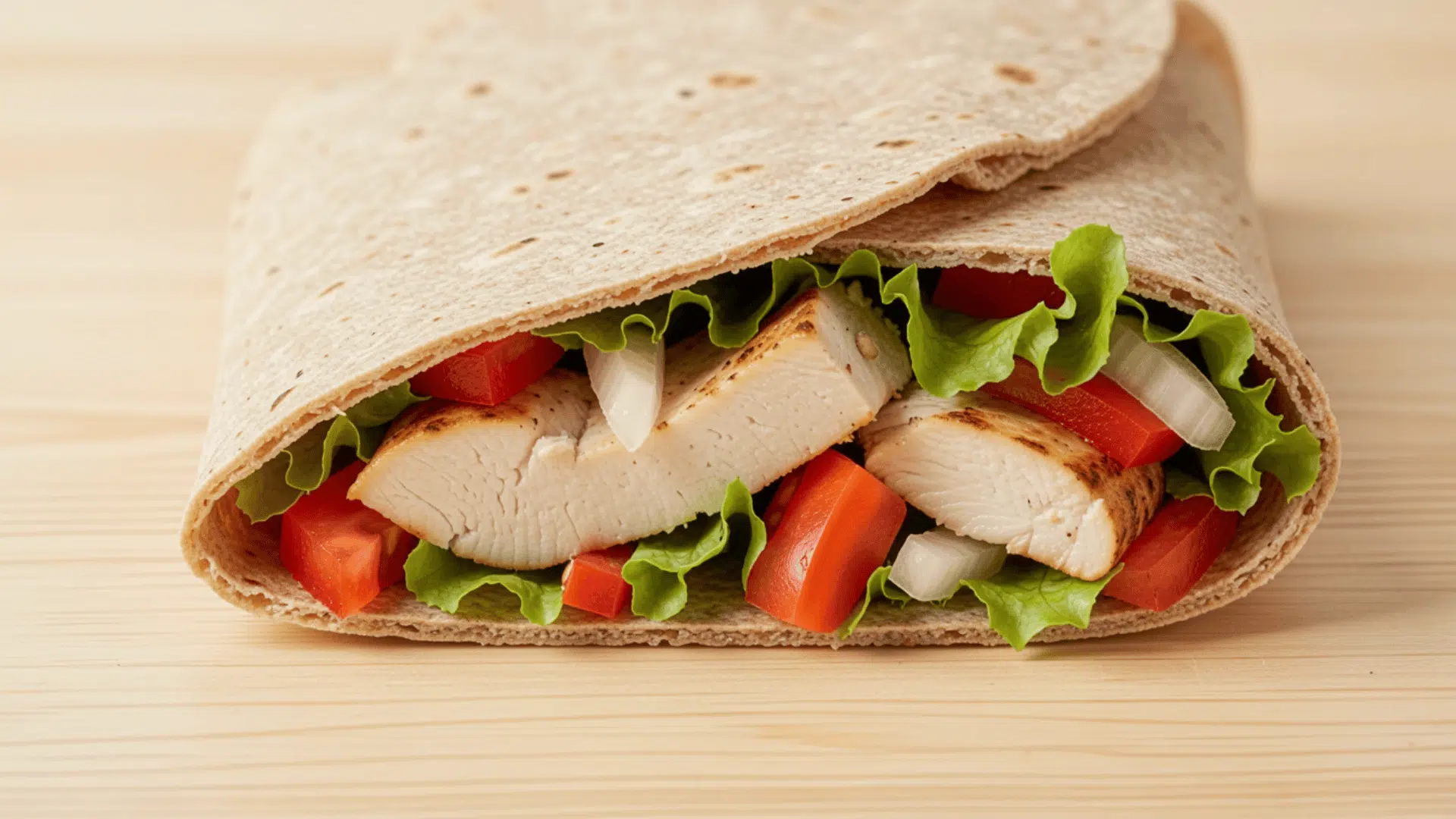
A whole wheat wrap with chicken is a balanced and satisfying post-workout meal.
Whole wheat provides complex carbohydrates that help replenish energy stores, while chicken or paneer supplies protein needed for muscle repair.
Adding vegetables like lettuce, onions, and tomatoes increases fiber and nutrients. This meal is easy to carry and can be eaten on the go. Easy to carry and perfect for busy schedules.
It is filling, flavorful, and provides a good mix of nutrients to support recovery and overall health.
9. Sweet Potato with Grilled Fish or Tofu
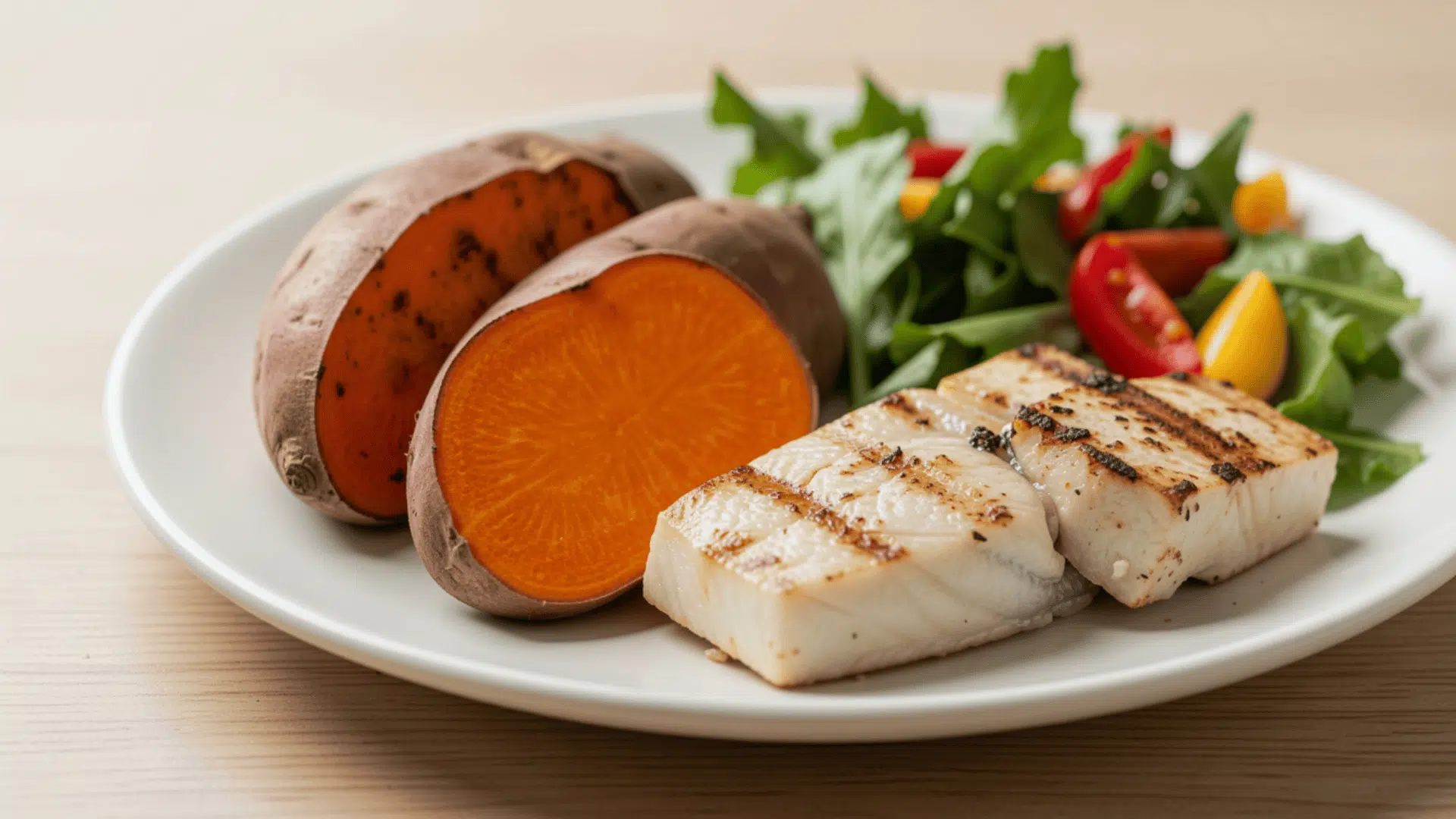
Sweet potatoes contain beta-carotene, vitamin C, and potassium alongside their complex carbohydrates, making them nutritionally superior to plain white rice for recovery purposes when you have more time.
Grilled salmon or other oily fish adds both protein and omega-3 fatty acids.
Research highlighted in a Nutrients review found that omega-3s help reduce exercise-induced inflammation, supporting faster recovery between sessions.
Tofu works as a strong plant-based substitute and delivers around 10 grams of protein per 100 grams.
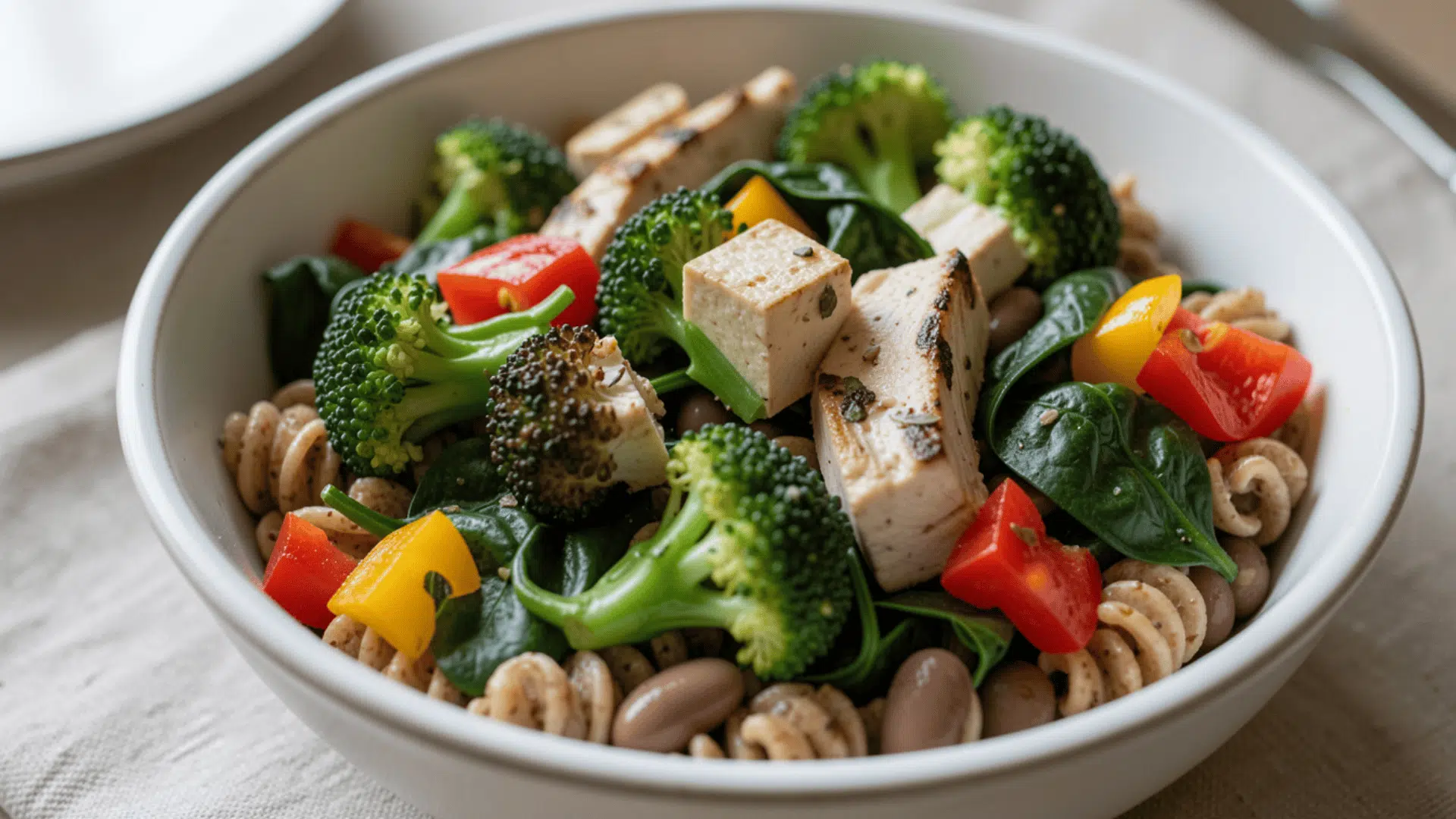
10. Whole Wheat Pasta with Veggies
Pasta is often avoided in fitness circles without much justification.
Whole wheat pasta is a solid source of complex carbohydrates and provides more fiber and micronutrients than refined pasta.
Adding spinach, broccoli, or bell peppers gives you vitamins and antioxidants. Including a protein source, whether that is grilled chicken, white beans, or tofu, makes this a complete recovery meal.
It is particularly well-suited after long endurance sessions when glycogen replenishment is the primary goal.
Best Time to Eat a Post-Workout Meal
Timing matters more than most people think when it comes to post-workout meals. After exercise, your body is ready to absorb nutrients and start the recovery process.
It is best to eat within 30 to 60 minutes after your workout, as this is when your body uses nutrients more effectively.
However, newer research shows that total daily nutrition matters more than exact timing, so don’t stress if you’re slightly late.
If you are not very hungry right away, you can begin with a light snack to support recovery. Simple options like a banana with a protein shake or yogurt with fruit can help.
Personally, I stick to a simple rule: quick snack first, full meal later. It’s easier to follow consistently.
These provide quick energy and support muscle repair. Later, you can follow up with a full, balanced meal that includes protein, carbs, and healthy fluids.
Eating at the right time helps your body recover faster and prepares you for your next workout.
Post-Workout Meal Timing at a Glance
| Timing Guideline | What It Means in Practice |
|---|---|
| Within 30–60 Minutes | This is the practical target for most people. At a minimum, have a snack that covers protein and carbohydrates. A full meal within two hours is the broader ISSN guideline. |
| Do Not Delay Indefinitely | Waiting too long can reduce recovery benefits, particularly for muscle protein synthesis after strength training. |
| Start With a Light Snack if Needed | A small snack can help if you cannot eat a full meal right away. A banana with a protein shake is enough to kickstart recovery. |
| Adjust for Workout Intensity | After a light yoga or stretching session, strict timing is less critical. After a long run or heavy lifting session, prioritizing that first snack within 30 minutes makes a meaningful difference. |
| Stay Consistent | Eating regularly after workouts supports better long-term results. Habit matters more than occasional perfect timing. |
Common Post-Workout Meal Mistakes You Should Avoid
Small mistakes after a workout can slow recovery and reduce results. Fixing these habits helps your body recover faster and perform better next time.
- Skipping Meals: Not eating after a workout delays muscle repair and leaves your body low on energy.
- Low Protein Intake: Without enough protein, your muscles don’t get what they need to rebuild and grow.
- Ignoring Carbs: Skipping carbs slows glycogen refill, which can lead to fatigue in your next session.
- Poor Hydration: Not drinking enough water affects recovery, energy levels, and overall performance.
- Eating Junk Food: Foods high in sugar or fat don’t support recovery and may slow down muscle repair.
Foods to Avoid After a Workout
Choosing the wrong foods after a workout can slow recovery and reduce the benefits of your training. It is better to focus on foods that support quick repair and energy restoration.
| Food Type | Why Avoid After Workout |
|---|---|
| Sugary Snacks | High sugar foods may give quick energy, but they often lead to energy crashes later, slowing down proper recovery. |
| Fried and Oily Foods | These foods are heavy and slow to digest, which delays nutrient absorption and recovery after exercise. |
| Processed Foods | Processed items usually lack essential nutrients like protein and vitamins needed for muscle repair. |
| High-Fat Meals (Immediate Post-Workout) | Too much fat in the immediate post-workout period slows gastric emptying, delaying how quickly protein and carbohydrates reach your muscles when absorption speed matters most. |
| Sugary Drinks | They add empty calories and sugar with little protein, don’t help muscle repair, and can spike blood sugar without fiber. |
| Alcohol | Alcohol slows muscle repair and affects sleep, both important for recovery. Even small amounts after a workout can reduce muscle growth. |
Conclusion
Post-workout meals are often overlooked. People plan workouts carefully but ignore the nutrition needed for proper recovery. But you do not need to overcomplicate it.
Protein to repair, carbohydrates to refuel, fluids to rehydrate.
Match the quantity and ratio to what you actually did in the gym. A heavy lifting session calls for more protein and moderate carbs.
A long run calls for more carbohydrates and electrolytes. A light session calls for a simple snack and plenty of water.
I’ve seen that athletes who follow a consistent post-workout eating routine recover faster, perform better, and make steady progress over time. Keep it simple, stay consistent, and match it to your training.
If you’ve adjusted your post-workout meals, share what worked in the comments. It may help others improve their recovery, too.