
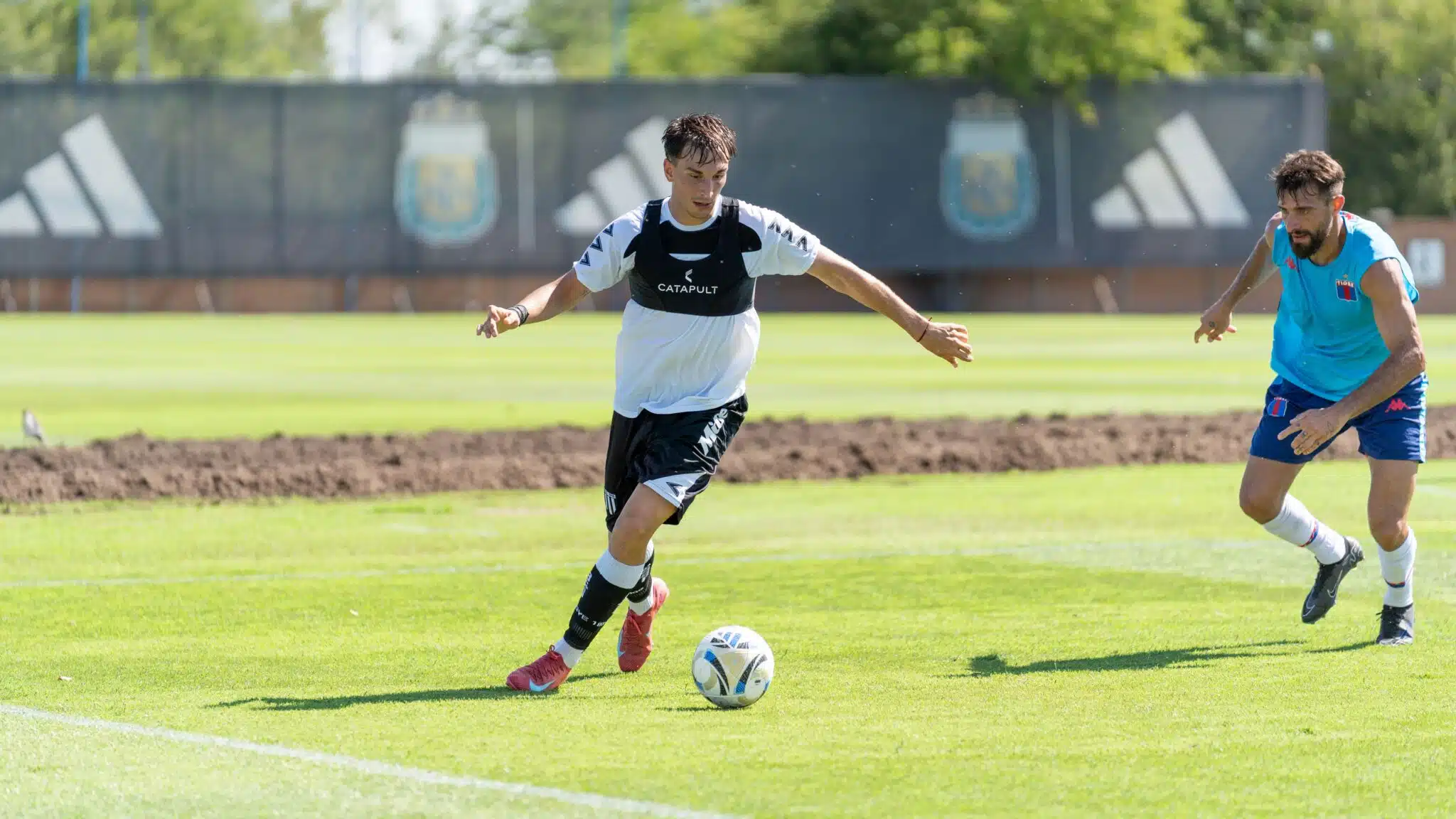





The 2026 World Cup is a monster compared to the ones that came before it. Forty-eight teams now, games scattered across three different countries, and if you make the final you might play eight matches in just over five weeks. That length flips the whole preparation problem on its head. Players aren’t peaking for one big moment anymore. They’re trying to last, and the ones who handle the back end of the tournament tend to be the ones who saw the grind coming.
Part of what makes a tournament this long so gripping for fans is trying to read it before it unfolds — which sides have the legs for a deep run, which dark horses fade once the schedule bites. That guesswork is half the fun, and plenty of supporters follow the football betting markets through the group stage just to see how the smart money rates each team’s staying power. Those odds shift constantly as fitness, form, and squad depth reveal themselves, which is exactly what the rest of this piece is about: the physical preparation that decides who lasts.
Building the Engine Before They Arrive
Most of what matters has already happened by the time a squad meets up. Players spend the weeks beforehand topping up their aerobic base, because the alternative is a knackered footballer in week four, and a knackered footballer gets hurt. You can’t really build fitness once the tournament starts. There isn’t room. So the lead-in is about making sure a player can go hard, recover, and go hard again 48 hours later without breaking down. What a coach really wants to know isn’t someone’s ten-metre sprint time. It’s whether he can still hit that speed in the 75th minute of his fifth game.
The travel is the part that makes 2026 unlike anything before it. A team might be sweating through dry heat one week and slogging through humidity the next, with a flight and a clock change in between. Good staff deal with that before it bites. They start shifting sleep and hydration early, so the players have already half-adjusted by the time they get there instead of being hit with a cold.
Recovery Is Where It’s Actually Won

This is the bit nobody watching at home really sees. The match is maybe half the work. When there are only three days until the next one, what a player does in that gap matters more than anything he did in training all month. The morning after a game isn’t a day off. It’s a routine: cold-water immersion to bring the swelling down, a bit of light movement to get the legs going, compression kit for the longer flights, sleep treated as seriously as any tactic on the whiteboard.
Food is part of that same window. That first meal after the whistle is timed to start refilling what the body burned and to get muscle repair underway, and the staff keep that fuelling steady right up to the next kickoff. It’s unglamorous stuff. It’s also the gap between a midfielder who’s still sharp deep into a quarter-final and one who’s clutching his hamstring on the touchline.
Managing the Load without Going Stale
The awkward balance over a long tournament is keeping players fit without frying them. Push too hard between games and they turn up flat. Back off too much and they go rusty. So the staff watch the numbers obsessively, how far each player ran, how many sprints he managed, how his heart rate behaved, and they tweak it day by day. Someone who covered a lot of ground on Saturday might do next to nothing on Sunday beyond a gentle spin and some stretching.
Squad depth carries a lot of weight here too. With more matches to get through in this format, nobody drags the same eleven all the way to the final. Rotating players keeps legs fresh and spreads the minutes around, and the teams that go far are usually the ones whose squad player slots in without much drop-off.
The Head Matters as Much as The Legs
People forget fatigue isn’t just physical. Five weeks living out of a suitcase, far from home, under constant pressure, in cities you don’t know, that wears on you, and a frazzled mind drags a tired body down with it. The better-run camps take mental recovery as seriously as the ice baths. Proper downtime that’s actually downtime, family around when it can be arranged, small routines that give players something familiar to hang onto when everything else is chaos.
So a long World Cup run comes down to more than raw talent. The skill is what gets clipped and shared online. The conditioning and the recovery and the boring discipline in between are what quietly decide who’s still standing come July. More often than not, the team lifting the trophy isn’t simply the best footballing side. It’s the one that paced the marathon properly.