
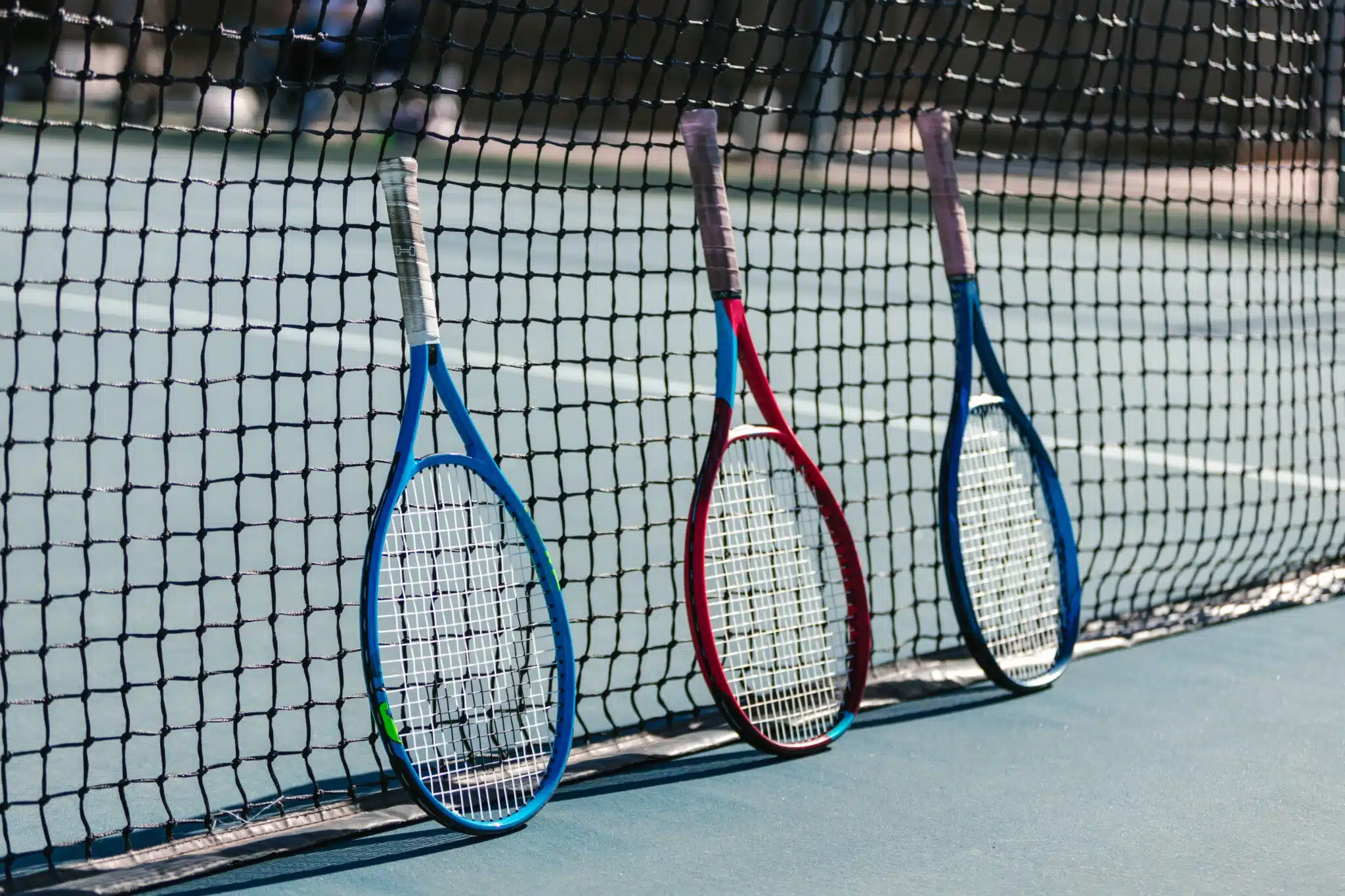




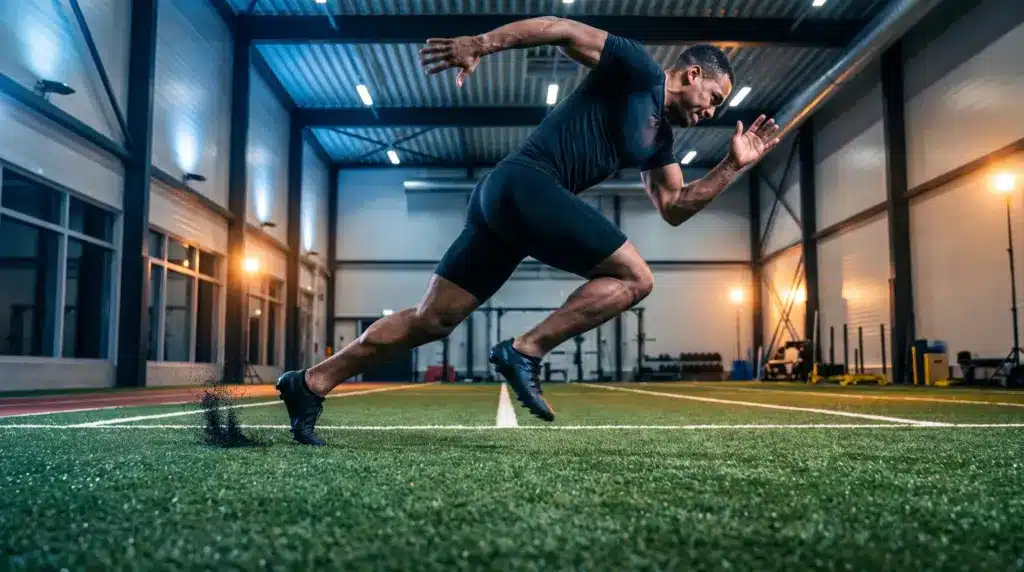
Even strings talk back through vibration after each strike. Comfort shows up when the grip doesn’t fight your palm mid-rally. Consistency grows once the setup stops working against timing. Fewer twinges in elbows start with dampeners doing silent work inside frames. Confidence creeps in when trust forms between hand and tool. Court presence changes when everything aligns just right.
A single weekly game just for enjoyment, yet stepping into weekend matches – having proper gear shifts everything. Not only does it shape how you move on court but also affects control during fast rallies. Even something small like grip texture matters when sweat builds up mid-set. Shoes built for quick cuts stop slips near the baseline. Strings tuned to your swing add precision where power meets timing. Apparel that breathes keeps pace with long points under hot sun. Each item connects to comfort, stability, response – all shaping performance without saying a word.
Understanding the Importance of Proper Tennis Equipment
Most new players think every piece of tennis gear functions identically. Yet those who play regularly know bad choices in equipment might harm how they move, perform, or feel over time.
Better gear helps you steer smoother, hit stronger, go longer without tiring. Less stress hits your joints – wrists, elbows, even down to ankles – if things fit how they should. When you’re not pro, picking tools shaped for your build, habits, and strength makes a quiet kind of difference. What works fights fatigue before it starts.
Wrong racquets or old shoes might feel fine today. Yet day after day, they often bring soreness instead of ease. Little by little, annoyance builds up. Eventually pain shows up – needlessly. The body pays a price when gear does not fit right.
Racquet Weight Matters
Most tennis racquets shape how much power you get and how well you steer the ball. A heavier one tends to feel steadier, giving sharper direction, yet it might wear out newer players fast. On the flip side, lighter frames move quicker through air, helping weekend players keep up when points stretch long.
Heavy clubs can slow you down. Light ones might feel loose. The right balance lets your body move freely. Too much strain shows up in your shoulders first. A smooth motion starts with a comfortable grip. Weight affects timing more than power. Find what flows easiest through the arc. Awkward shifts lead to tension later. Natural rhythm beats force every time.
String Tension Influences Performance
Ball sensation shifts just by adjusting Tennis Equipment racquet strings. A looser setup boosts both pop and ease on impact. Tighter strands instead sharpen precision with every hit.
The Court Surface Makes a Difference
On hard courts, footing changes fast – special soles keep grip steady. Clay shifts underfoot, demanding tread that sheds dirt easily. Grass slips when wet, needing shorter nubs for control. Each surface asks feet to respond differently. Built-for-purpose shoes match those demands without slowing a player down.
Switching often between courts? Gear built for different surfaces makes life easier. One piece fits many – think flexibility first. Court changes demand tools ready for anything. Adaptability matters most when playing on varied ground.
The Role of Strings and Accessories in Performance

Most weekend players fixate on their racquet, overlooking tiny gear bits. Yet little things shape how steady and comfy your game feels.
When hands get wet, overgrips keep the racket from slipping. Vibration fades when dampeners sit in the string bed. Strings made well let players shape shots with better touch and twist.
Old strings lose their bounce, making shots harder to control while stressing your elbow more. Taking care of tennis gear pays off when it keeps working well over time.
Choosing Tennis Equipment Based on Skill Level
A beginner might struggle more when using top-level tools. Actually, high-end gear isn’t useful for everyone on the field.
Beginner Players
Start slow if you’re new – ease into it. A racket that feels light in your hands helps more than you’d think. Big-headed models? They’re kinder on off-center hits. Learning form goes smoother when the gear doesn’t fight back.
Footwear that feels good plus a few simple extras will do just fine at first. What matters shows up slow, not all at once.
Intermediate Players
Some players at the intermediate stage start shaping how they like to play. By now, gear needs to blend control with power in just the right way.
Starting out, some tweak how tight their strings are while adjusting where weight sits in the racket. Others swap shoes designed for quick stops instead. Each change aims at staying steady through longer rallies.
Advanced Recreational Players
Most seasoned amateurs lean toward gear tailored just for them. Because they care about how much kick a ball gets, racquet choices tend to hinge on control, touch, and bite through the air.
Fine-tuning gear just a little might shift how things go during play. Equipment tweaks, even minor ones, could tip the balance mid-game.
How the Wrong Tennis Equipment Hurts Performance
Using poorly matched Tennis Equipment creates several common problems for recreational players.
Heavy rackets can tire a player out before the match really gets going. When gear doesn’t fit how someone swings, shots tend to go off target more often than not.
Footwear that does not fit well tends to slow you down while raising chances of getting hurt. Old grip tape on the racket along with frayed strings often makes players feel less sure and more uncomfortable when playing.
It’s common for casual players to think they’re at fault when their game falls short – yet often it’s just the wrong gear holding them back.
Injury Prevention and The Importance of Proper Tennis Equipment

Wrong tennis racquets – those with rigid frames or mismatched strings – send more shock through the arm. Balance wobbles when shoes lack solid support underneath. Joints shift out of place if footing isn’t stable.
Good tennis gear eases stress on the body while guiding smoother motion. What matters most shows up in how you move. Body comfort links closely to equipment choice. Movement flows better when tools match effort. Well-built items respond without resistance. How things feel during play makes a difference. Less tension comes through smarter picks. Safety grows out of thoughtful selection.
Confidence and Mental Performance
Out on the court, how you think matters more than most realize. When your gear holds up, belief in yourself grows – no guesswork needed. A solid racket in hand shifts something quiet but real inside.
Swinging hard feels easier when a Tennis Racquets earns a player’s confidence. Movement flows smoother inside footwear that grips well, avoiding slips or sore feet.
Investing in Quality Tennis Equipment Saves Money Over Time
Spending on good tennis gear feels pointless to casual players. Yet durability means less cash wasted over time.
A racquet that skimps on cost might start feeling awkward after just a few games, possibly setting off strain. When footwear lacks durability, it breaks down early – leaving feet without the balance they need.
Technology Has Changed Modern Tennis Equipment
These days tennis gear looks nothing like it did before. New stuff comes built with high-tech parts that change how it feels when you play. Comfort gets a boost because of smarter designs inside the frame. Spin levels rise thanks to textured surfaces and pattern tweaks. Stability sticks around even on off-center hits. Toughness lasts longer under heavy use out on the court.
Heavy swings now feel lighter thanks to sleek graphite builds. Shaking in the hand drops way down because of smart dampening tricks built inside. Air slips past these shapes easier, so swinging fast comes naturally even for weekend hitters.
Conclusion
Out on the court, gear matters more than most beginners think. From the first swing, it shapes how steady a player feels, how easily they move, even whether their arm aches later. Comfort sneaks in when rackets match strength and grip size fits just right. Mistakes happen less often if the frame supports natural motion. Confidence grows quietly when tools feel like extensions, not obstacles. Injuries take fewer breaks when vibration dampens properly through handle design. Joy spreads wider once everything works together without fighting itself.
Out on the court, nothing shapes how you play quite like your tennis racquet. A well-matched one brings more precision, strength behind each hit, and less stress on the body. Yet grip matters too – shoes that hold firm let feet move freely without slipping. Even small extras add up when they keep distractions away during long rallies.