


Thinking about heading into the backcountry for the first time?
This is great. However, here’s the issue most newbies encounter… They either bring way too much stuff, or leave behind things they’ll need. Both situations can make what would be a fun weekend into a grueling experience.
The good news is that packing the right camping gear isn’t hard. Learn what to pack and what to leave behind.
Everything you need to know about what to pack when backpacking for the first time is compiled into this post. Read on!
What’s Inside This Guide:
- Why The Right Camping Gear Matters
- The Big Three You Can’t Skip
- The Camping Gear Checklist
- Smart Packing Tips For Beginners
Why the Right Camping Gear Matters
Backpacking has never been more popular.
Wait, last year approximately 63 million people went backpacking – making backpacking America’s most popular outdoor activity. People are spending more time outdoors than ever.
But here’s the thing…
The difference between a good camping trip and a catastrophe is having the right gear. Proper gear will keep you warm, dry, fed, and safe. Poor gear (or no gear) will leave you cold, wet, and sorry you ever got into this hobby. For quality gear that you can count on to perform while out on the trail, Shop at Sun and Ski Sports store for everything you need.
When you’ve got reliable camping gear, three things happen:
- You stay safe. Weather can change quickly in the backcountry. Proper equipment can keep you safe.
- You stay comfortable. A good sleep system means you’ll actually enjoy your trip.
- You stay calm. When you know you’re ready, it takes the scariness out of everything.
Confidence is more important than you realise. When you don’t have to think about your equipment, you can truly relax.
The Big Three You Can’t Skip
Here’s something that all seasoned backpackers know… Look after your “Big Three” above all else.
So what are they?
Your tent. Your sleeping bag. Your backpack. Three items that make up most of your pack weight. These are the big three. Master these and you’ll master packing.
Your Backpack
This is the foundation of your whole setup.
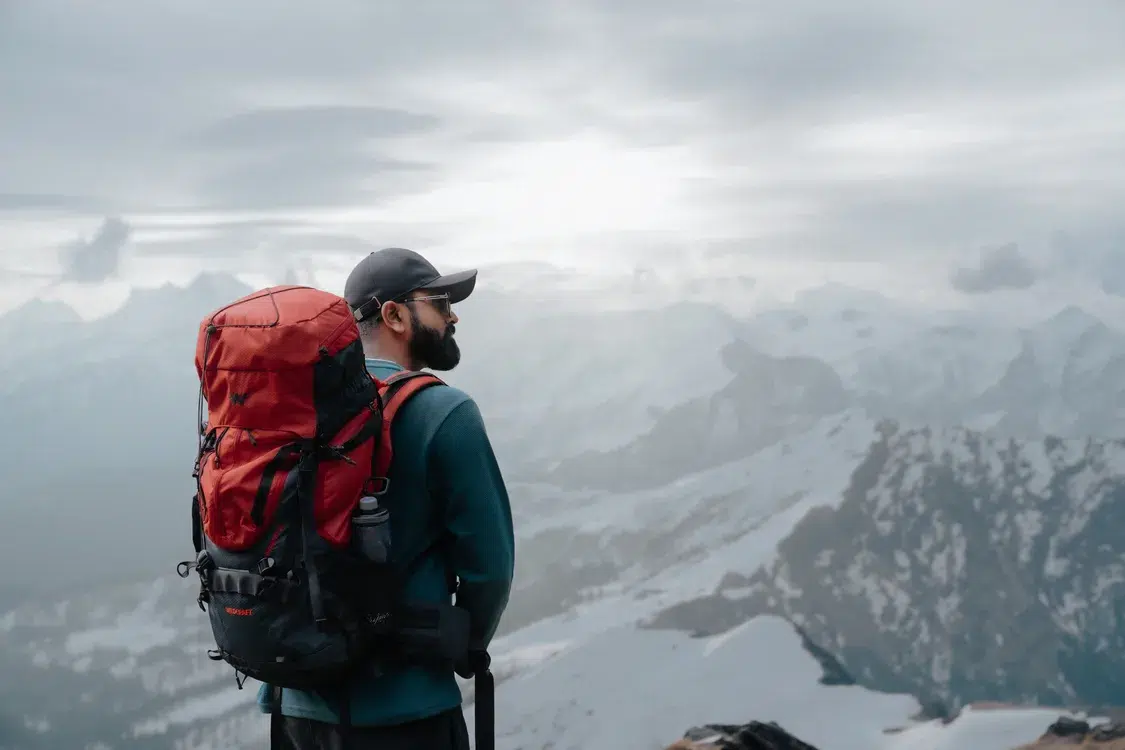
For weekend trips for the beginner backpacker, pack sizes ranging from 50-65 litres are ideal. Anything larger will give you the opportunity to overpack (more on that later). The best feature?
Fit matters. A good fitting pack rests on your hips not your shoulders. Get your pack fitted in a store prior to purchasing. This alone will save your back and shoulders tremendous amounts of pain.
Your Tent
Your tent is your home away from home.
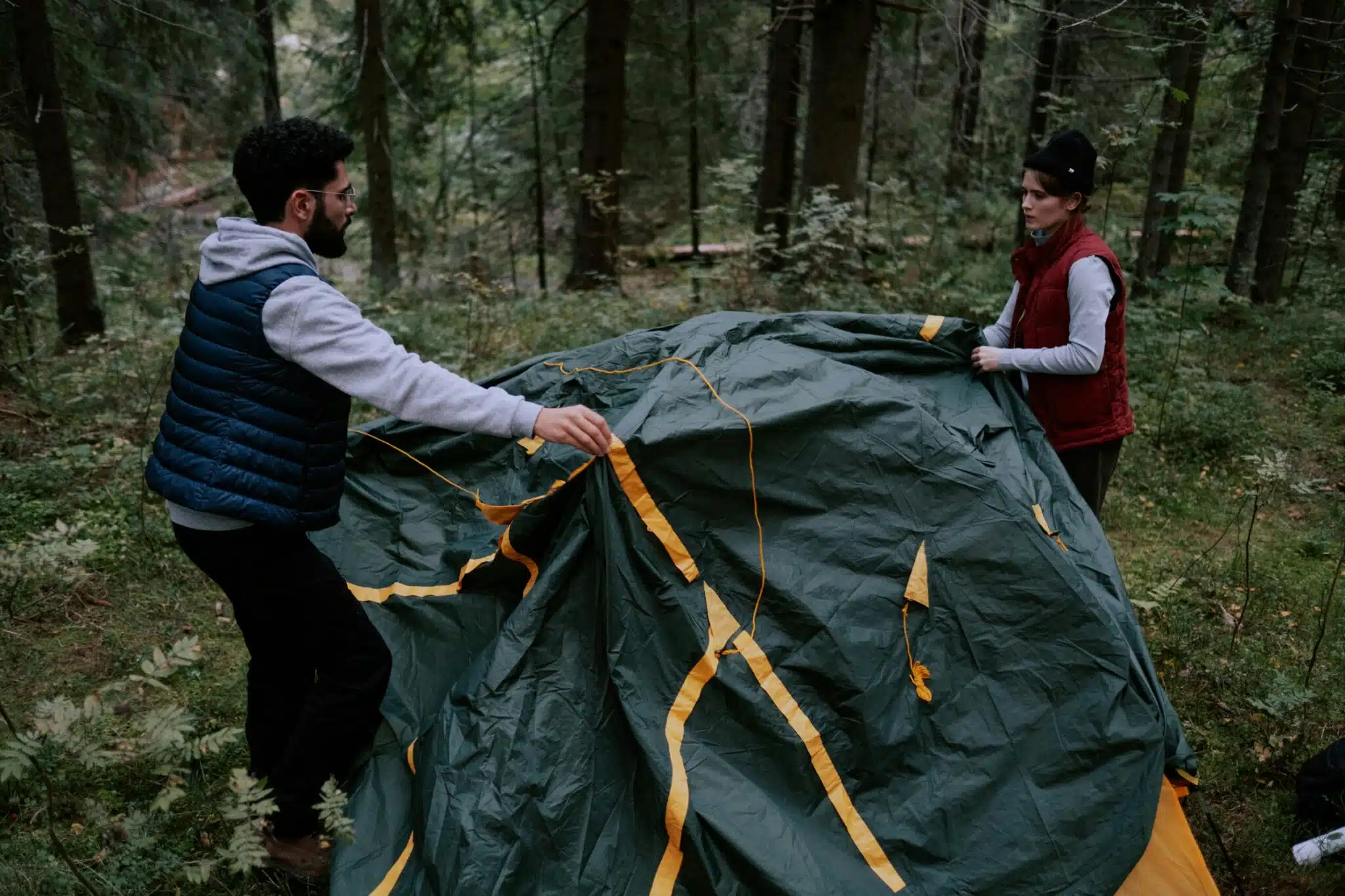
A simple, two person backpacking tent works great for beginners, even if you are backpacking by yourself. The extra space allows room for your belongings. You will also want something that is easy to assemble. Nothing is worse than trying to figure out tent poles at night.
Your Sleeping System
These are two things, really… A sleeping bag and a sleeping pad.
Choose a sleeping bag that is rated at least 10 degrees colder than what you anticipate. Remember that temperatures plummet at night, even during summer. And don’t neglect the sleeping pad! It’s not only for comfort. It provides warmth by preventing the cold ground from robbing you of heat.
The Camping Gear Checklist
Got your Big Three sorted? Now let’s cover the rest of your camping gear.
Included here are things that fill out your pack and help you stay nourished, hydrated and safe. There are no exceptions, these are all things you should have in your pack.
Here’s What You Need to Pack:
- Water filter or purifier — It’s heavy to haul all your water. With a good filter, you can safely drink from streams as you go.
- Camping stove and cookset — Easy does it. You only need a small stove and one pot.
- Headlamp — Light that frees up your hands is invaluable while cooking or camping at night.
- First aid kit — A small basic kit treats blisters, cuts and anything unforeseen.
- Navigation — A map and compass (and the knowledge of how to use them). Rely on electronics like your phone as a secondary tool.
- Rain gear — A lightweight rain jacket and pack cover. There is no fun in being wet.
Now a quick word on water…
Water weighs a lot. Heavy ounces. Two pounds per litre, to be exact. This is why a quality filter is worth its weight in water. Know where the water sources are along your route, and only pack enough water to reach the next one.
Smart Packing Tips for Beginners
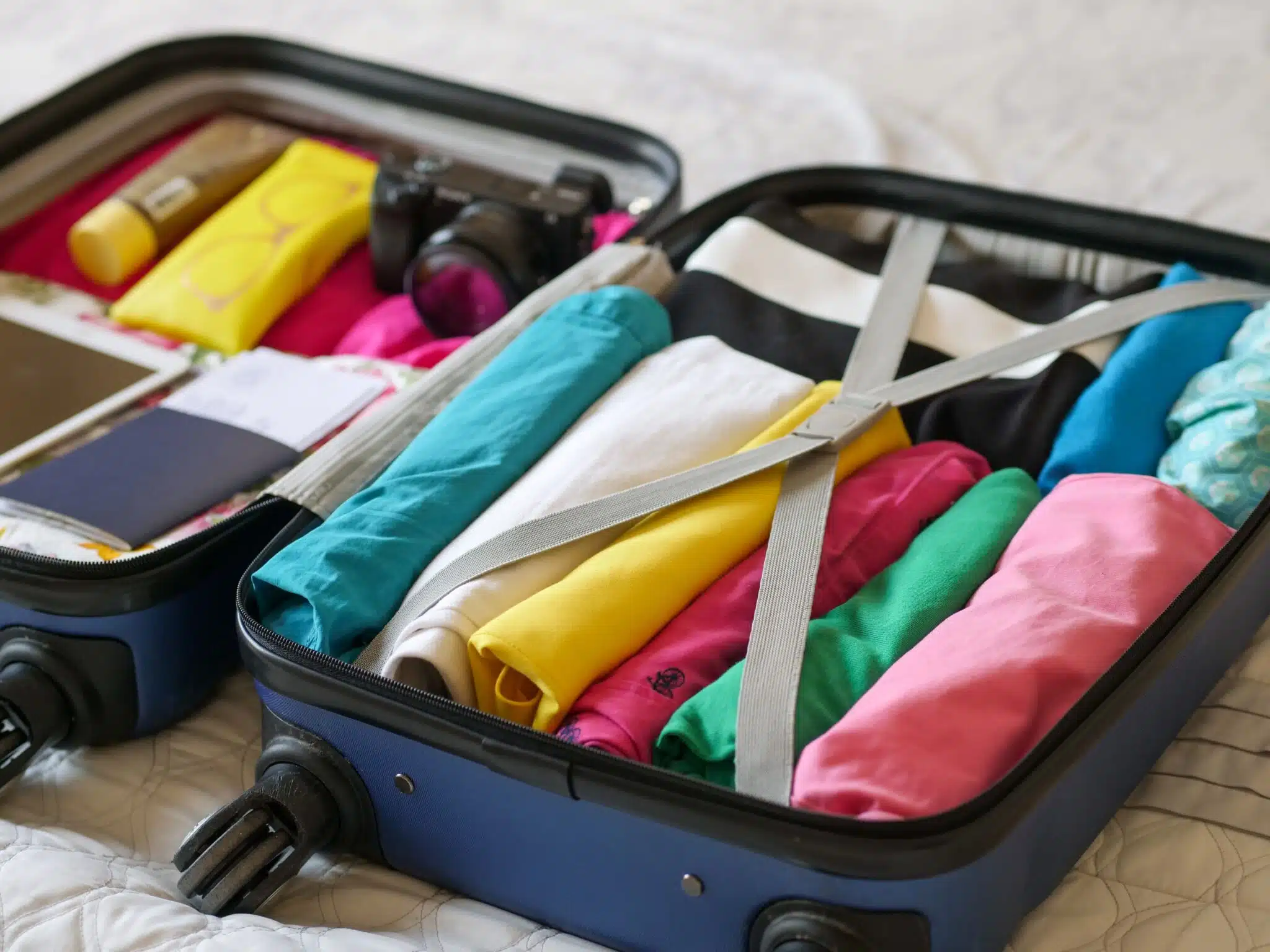
Now that you know what to bring, let’s talk about how to pack it.
It makes sense, because most newbies do this wrong… They over-pack. They bring too many clothes, too much food, all these “what if’s”. By the time they’re 3 miles into the trail they’re hauling around a portable ice chest.
Don’t do this.
As a general rule, your pack should weigh no more than 20 to 25% of your body weight when fully loaded. Heavy packs lead to sore knees, blisters and unbelievable fatigue. How can you keep it that light?
Follow These Simple Rules:
- Unpack first. If you don’t really need it, leave it unpacked.
- Pack heavy items close to your back and centred. This helps your balance.
- Make sure the items you’ll need during the day (snacks, rain jacket) are easily accessible at the top.
- Trek with a friend and share equipment. Two people can easily share one stove and one tent.
And one more thing about clothes…
You don’t need new clothes every day. Pack pieces that you can layer together. A base layer, warm mid layer and waterproof outer layer will get you through nearly any weather scenario.
One thing you’ll learn over time is how to pack lightly. Your first trip will likely be your heaviest. That’s perfectly normal.
Final Thoughts Before You Hit the Trail
Backpacking is one of the most rewarding things you can do.
There are over 181 million Americans spending time outdoors today. So you could say it’s never been a better time to try. Especially now that you know what camping gear you need.
To quickly recap:
- Sort out your Big Three first — backpack, tent and sleep system
- Pack the essentials — water filter, stove, headlamp, first aid and rain gear
- Keep your pack under 25% of your body weight
- Don’t pack your fears — bring less than you think you need
Start with the basics, get out there, and learn as you go.
Ok, suit up, choose a hike, and have a great first backpacking adventure!