
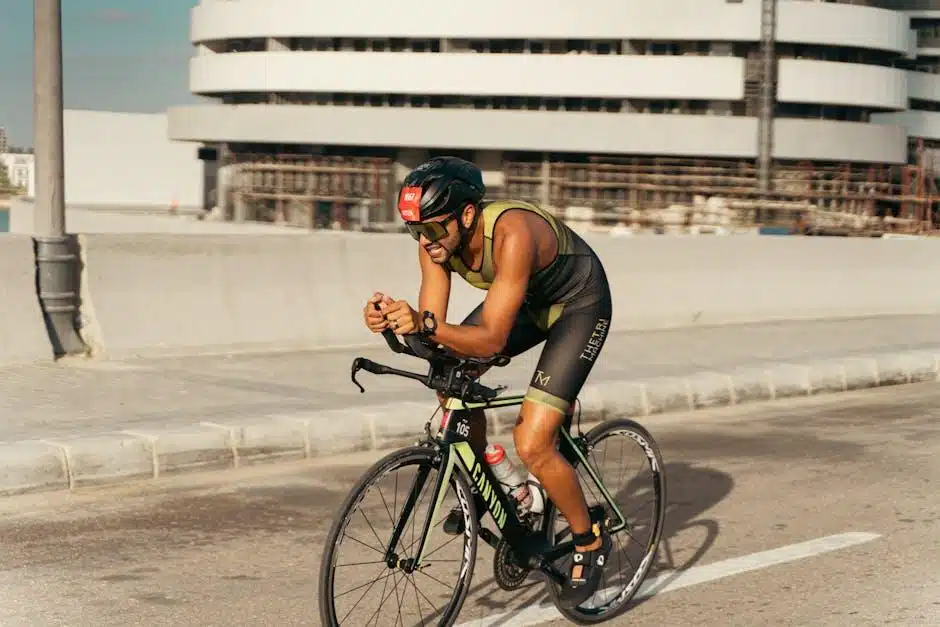




Modern triathlon has become a numbers game. The same analytics revolution that reshaped endurance running and competitive cycling now sits at the centre of how serious triathletes prepare for race day. A casual observer sees three disciplines; a prepared athlete sees three pacing equations that have to add up.
Triathletes who want a clean way to translate baseline fitness into a defensible time plan often turn to free planning tools. The Swim Bike Run pacing calculator estimates segment splits, transitions, and overall finish time from current swim, bike, and run benchmarks. The tool helps the first-time triathlete avoid the classic mistake of cooking the bike leg and crawling through the run.
What Makes Triathlon Timing Harder Than Single-Sport Racing?
Single-discipline races simplify pacing into one curve. Triathlon multiplies the complexity by three, then adds two transitions and a fatigue carryover. The math gets non-trivial fast.
The first complication is metabolic carryover. A hard swim leaves residual fatigue that influences bike output. A hard bike leaves the legs heavy for the run. Single-sport athletes rarely encounter this stacked fatigue pattern in training.
The second complication is segment-specific economy. A runner’s optimal pace at race effort does not match a triathlete’s run-off-bike pace. The triathlon run typically sits 5 to 15 percent slower than a fresh-legs equivalent. Pacing tools that ignore this gap produce optimistic plans that fall apart at kilometre three.
A third complication is transition variance. T1 and T2 can swing from 90 seconds to 5 minutes depending on the athlete’s organisation, the venue layout, and wetsuit-removal speed. Pacing plans that ignore transitions are working with the wrong total budget.
Coverage of how to improve running speed reminds readers that single-discipline gains form just one input into the bigger triathlon picture. The other two disciplines and the transitions matter just as much.
How Has Triathlon Data Tracking Changed Since 2010?
Triathlon data tracking has shifted from scattered to integrated over the past fifteen years. The athlete experience now centres on a single device or app rather than three.
Three signals trace the change:
- Wearable adoption: Multi-sport GPS watches now handle swim, bike, and run from a single wrist with auto-transition detection
- Power meter standardisation: Bike power meters moved from specialist gear to mid-range road bikes between 2015 and 2025
- Pace calculator availability: Free web tools estimate finish times from baseline benchmarks in under a minute
The World Triathlon Federation’s news and analysis hub tracks how performance data has shaped elite race tactics. Age-group athletes have inherited many of the same tools without the elite price tag.
Which Metrics Actually Matter for First-Time Triathletes?
A first-time triathlete does not need every metric the wearable industry sells. Four numbers carry most of the planning value.
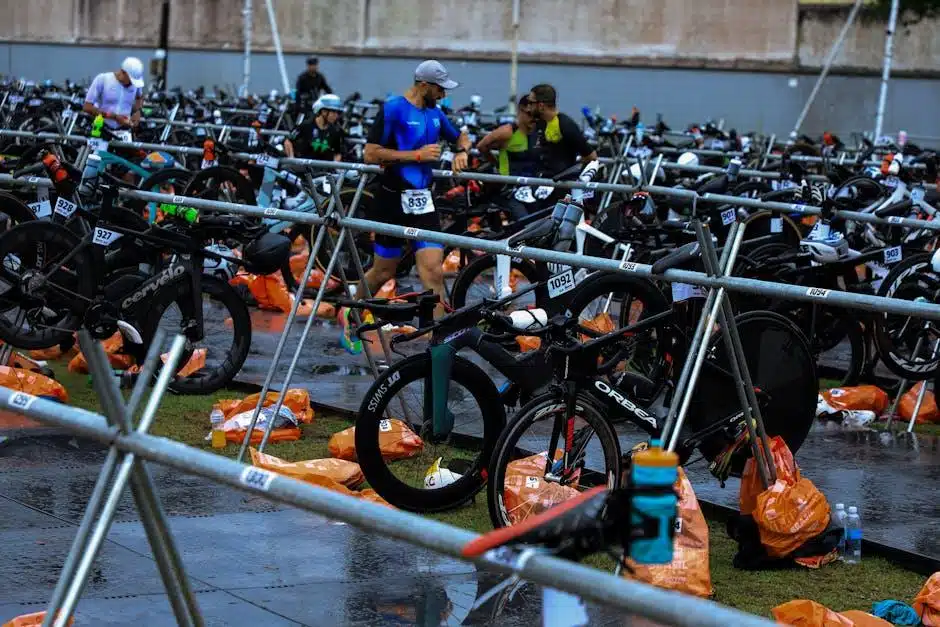
Swim baseline matters first. Most first-time triathletes are weakest in the water, and the swim sets the tone for the rest of the race. Knowing a flat-out 400-metre time gives the calculator the input it needs to estimate the race-day swim split honestly.
Bike threshold power or threshold heart rate ranks second. The bike is the longest segment in most triathlons, and over-cooking it is the single biggest pacing error. A pace target derived from a 20-minute test ride gives the athlete a defensible bike pace.
Run pace at conversational effort completes the picture. The triathlon run sits well below 5K race pace for almost everyone. A 30-minute conversational run gives the calculator the right input rather than the 5K personal best.
Body composition shapes these numbers further. Coverage of athletic body type training reminds readers that physique influences how baseline tests translate into race-day performance, particularly in heat or cold conditions.
Where Does a Pacing Calculator Fit in Modern Training?
A pacing calculator slots between the test session and the race-day plan. The output bridges raw data and operational decisions.
- Pre-block forecast: At the start of the training block, the calculator gives a finish-time estimate from current benchmarks
- Mid-block reassessment: After 4 to 8 weeks of work, fresh baseline tests feed the calculator a new forecast
- Race-week plan: Final benchmarks set the segment-by-segment pacing plan the athlete brings to the start line
- Post-race review: Comparing the calculator’s forecast to actual splits flags the weakest segment for the next block
The NHS’s physical activity guidelines for adults describe the baseline volume that supports the recovery side of triathlon training. Most age-group triathletes exceed the baseline by a wide margin.
Numbers Worth Knowing Before Race Day
- Flat-out 400-metre swim time to calibrate the swim leg
- 20-minute bike threshold output to set the bike pace
- 30-minute conversational run pace to estimate the run leg
- Realistic T1 and T2 budgets based on a practised transition rehearsal
- Sodium and carbohydrate intake targets per hour for the longer distances
- A backup pace target in case race-day conditions force a slower plan
Why the Calculator Shifts the Training Conversation
A pacing calculator turns a vague race goal into a defensible plan. The shift matters because most first-time triathletes underestimate the cost of pacing errors. A 5 percent over-cook on the bike often costs 15 percent on the run leg.
The wider effect on training culture is harder to measure. Athletes who use pacing tools tend to test their baselines more often, train at more disciplined intensities, and recover more deliberately. The calculator is less a magic bullet and more a structured prompt for the questions worth asking each week of preparation.
Frequently Asked Questions
How Often Should a First-Time Triathlete Re-Test Baseline Numbers?
Most coaches recommend re-testing every 4 to 8 weeks across a training block. The cadence balances meaningful adaptation against test-day fatigue. More frequent testing produces noise rather than signal. Less frequent testing misses the adaptation window entirely.
Is a Free Pacing Calculator as Useful as a Paid Coaching Service?
For a first triathlon, a free calculator usually covers about 80 percent of the planning value. Paid coaching adds individualized feedback, weekly accountability, and adjustments based on training response. Athletes targeting top-three age-group finishes typically graduate to paid coaching by the second season.
How Much Does Race-Day Weather Affect the Calculator’s Forecast?
Weather can swing finish times by 5 to 15 percent. Hot, humid, or windy conditions slow the bike and run significantly. Most calculators assume neutral conditions, so the athlete should build a backup plan that accounts for the realistic weather range on race day.
Should the Calculator Be Trusted Over Race-Day Feel?
The calculator wins in the first half of the race; race-day feel wins in the last quarter. The plan keeps the athlete from over-cooking early-segment effort, and the body’s signals guide the final kilometres. Treating either input as absolute usually produces a worse race.