
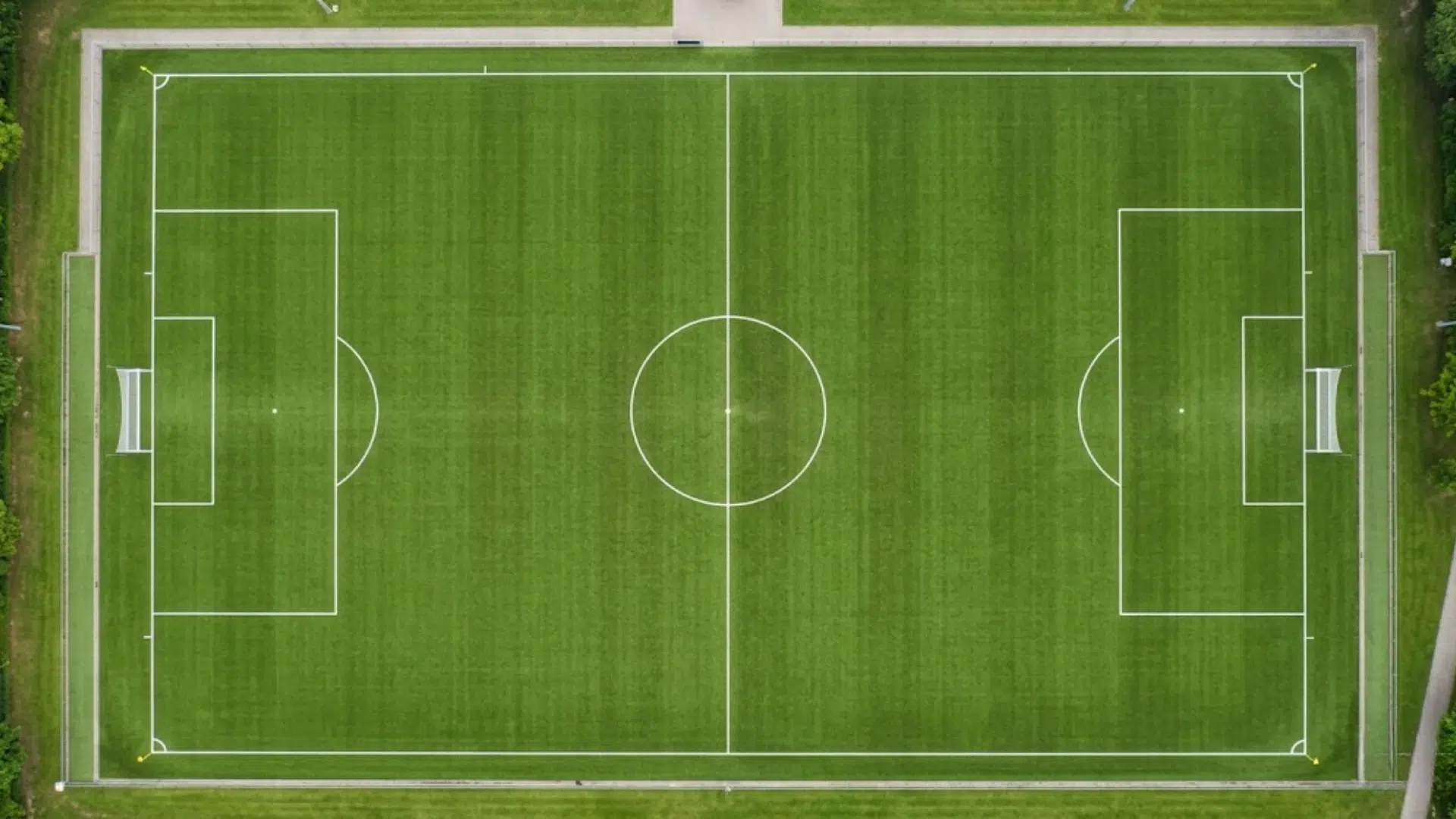



Watching soccer for the first time can feel a little confusing because the game clock works differently from many other sports.
Soccer follows its own match format, and once you learn the basics, the timing makes much more sense.
In this guide, I’ll explain how many quarters or halves in a soccer game, how long each section lasts, and what happens during halftime.
You’ll also learn about stoppage time, extra time, and how game length can change in youth, high school, and college soccer.
By the end, you’ll know why most soccer matches are played in halves instead of quarters and how the timing rules work in different levels of the sport.
How Many Quarters Are in a Soccer Game?
A standard soccer game has zero quarters. The match is divided into two 45-minute halves, totaling 90 minutes of play.
That is the format used at every professional level, including the Premier League, MLS, and FIFA World Cup. Quarters do appear in youth leagues and some indoor formats, but they are the exception, not the rule.
This structure is governed by the Laws of the Game, maintained by the International Football Association Board (IFAB).
Law 7 specifically sets match duration at two equal halves of 45 minutes each. Those rules apply globally, from local amateur clubs up to the World Cup.
The clock keeps running during play, even when the ball goes out of bounds or players stop briefly.
Because of that, referees add extra minutes called stoppage time at the end of each half. Some youth soccer leagues may use quarters to give players more water breaks and rest time.
Still, professional and international soccer matches almost always follow the two-half format.
Difference Between Quarters and Halves in Soccer
Knowing the difference makes it easier to understand how soccer timing works. Both formats are used in the game, but each has a different purpose.
| Aspect | Quarters | Halves |
|---|---|---|
| Game structure | Split into four equal parts | Split into two equal parts |
| Common use | Youth and indoor soccer | Professional and standard outdoor soccer |
| Breaks | More frequent short breaks | One halftime break |
| Game flow | More stops, slower rhythm | Continuous play, smoother flow |
| Player rest | More rest opportunities | Limited rest during halftime |
| Substitutions | Easier to rotate players | Fewer breaks for substitutions |
| Match length | Shorter quarters (10–15 minutes each) | Two halves of 45 minutes each |
| Usage level | Beginner or flexible formats | Official matches and tournaments |
Why Soccer Uses Halves Instead of Quarters?
I used to wonder why soccer does not follow the same format as sports like basketball or football. The main reason is to keep the game flowing without too many breaks.
Soccer uses two halves to maintain continuous play. Fewer breaks mean the game feels smoother and more natural.
Players stay in rhythm, and the match does not stop too often, which keeps the pace steady. From a tactical standpoint, the half-time interval is when managers deliver their most detailed adjustments.
Breaking play into four quarters would reduce that strategic depth and fragment momentum-driven periods of the game, which is central to how soccer works as a sport.
Halves also make timing simple. The structure is easy to follow for players, referees, and fans, which helps keep the game clear and consistent across all levels.
Soccer Game Time Breakdown
Learning how the game time is divided makes it easier to understand what’s happening on the field. Each part of the match plays a specific role in how the game runs.
- First half: The match starts with the first 45 minutes of play, where both teams begin building their strategy and pace.
- Halftime break: A short break, usually around 15 minutes, gives players time to rest and adjust their game plan.
- Second half: The final 45 minutes continue the match, often with more intensity as teams push for a result.
- Added time: Extra minutes are added at the end of each half to make up for delays like injuries or stoppages.
- Extra time (if needed): In knockout competitions, if the score is level after 90 minutes, two additional 15-minute halves are played. Teams switch sides with only a short break, not a full halftime.
- Penalty shootout: If the match is still tied after extra time, penalties decide the winner.
When Are Quarters Used in Soccer?
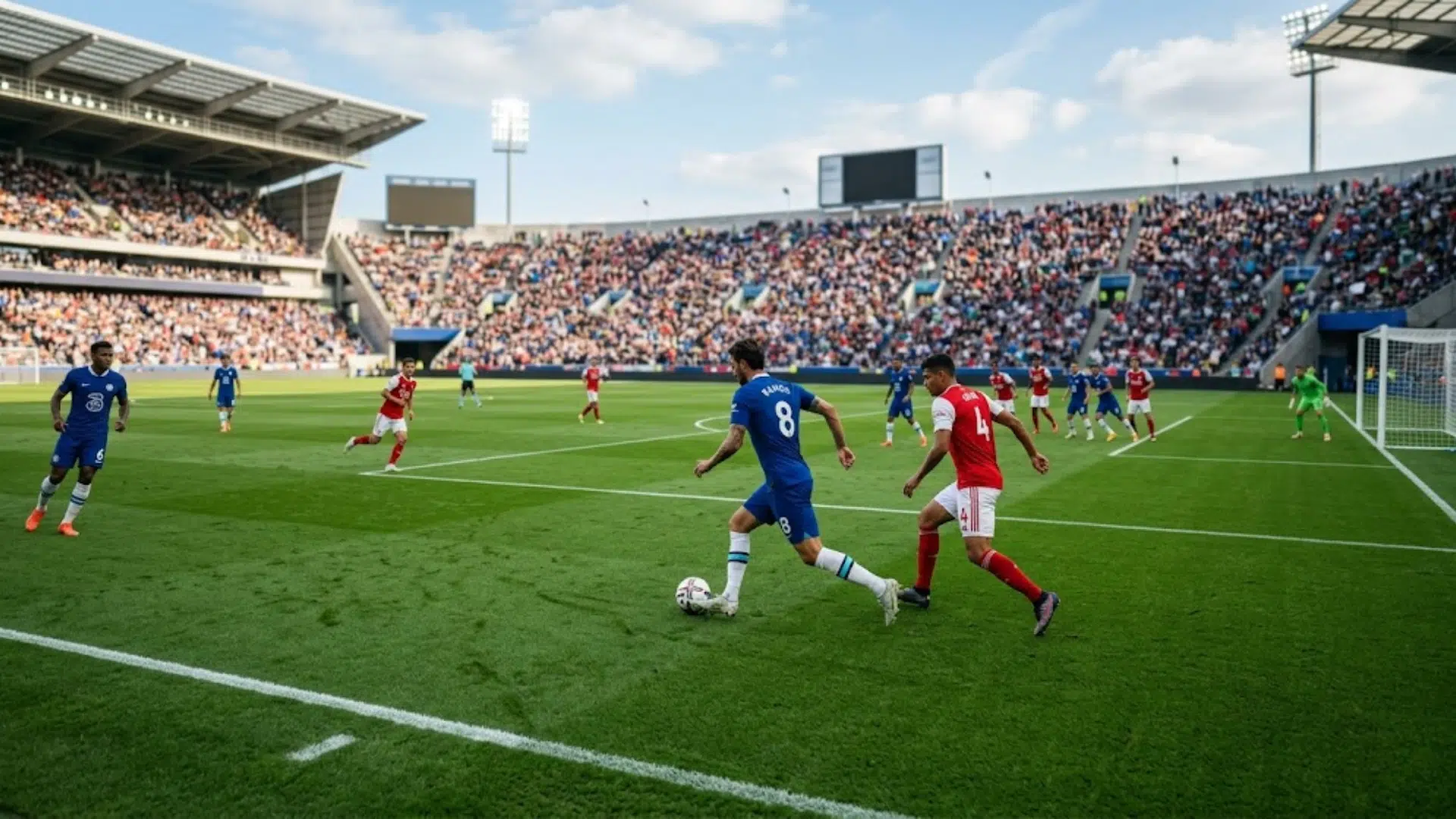
Most professional soccer games do not use quarters, but some leagues and age groups do. Quarters are mainly used in youth, school, and indoor soccer to give players more rest and coaching time.
Younger players often need extra water breaks, especially during hot weather, so coaches and officials split the game into four shorter parts.
High school soccer in some countries also uses quarters instead of two long halves.
Indoor soccer follows different rules too, and many indoor leagues use four quarters with short breaks between them.
I’ve also seen local tournaments use quarters when games are played on a tight schedule. Even with quarters, the basic goal of the game stays the same.
Teams still try to score more goals than the other side before time runs out.
Once you know the level or type of soccer being played, it becomes much easier to understand the timing rules and match format.
How Indoor Soccer Game Time Works?
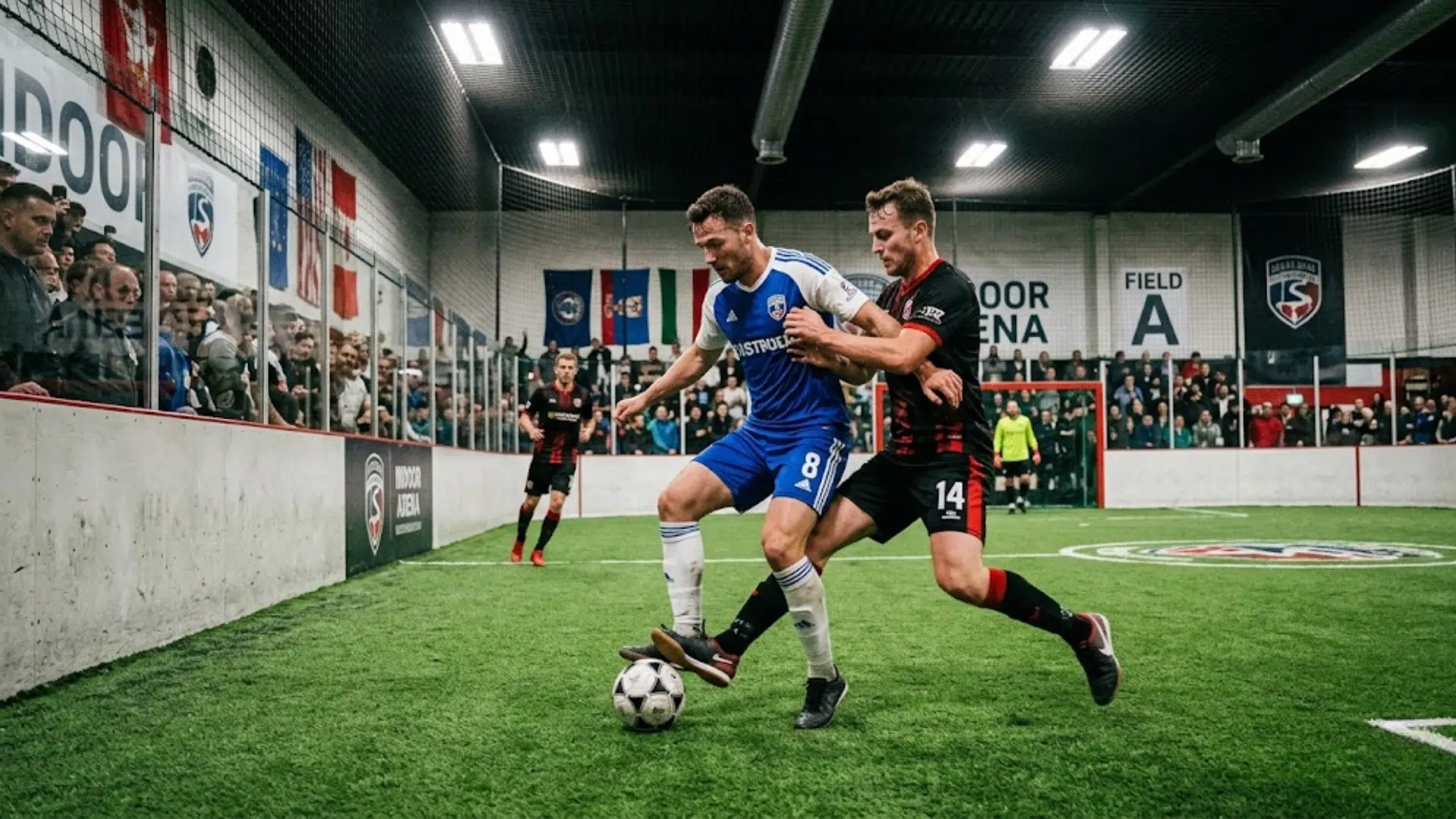
Indoor soccer does not follow the same timing as outdoor matches. The format is adjusted to match the faster pace and smaller playing area.
Indoor soccer games are usually divided into four quarters instead of two halves. Each quarter is shorter, often around 10 to 15 minutes, depending on the league.
The Major Arena Soccer League (MASL), the top professional indoor soccer league in North America, uses four 15-minute quarters with a running clock.
The clock stops only for injuries, goals, and timeouts, which keeps the game moving quickly.
This is quite different from outdoor soccer’s continuous-play model. This format keeps the game quick, controlled, and easier to manage in an indoor setting.
Soccer Timing by Level: Youth, High School, College, Pro
Game length and timing rules can change depending on the age group and competition level. Some formats use shorter periods to help with player safety, rest, and scheduling.
| Level | Match Format | Typical Game Length | Halftime Length | Notes |
|---|---|---|---|---|
| Youth Soccer | Halves or quarters | 40–70 minutes | 5–10 minutes | Younger age groups often play shorter games with more breaks |
| High School Soccer | Usually 2 halves | 80 minutes | 10 minutes | Some school leagues may use different timing rules |
| College Soccer | 2 halves | 90 minutes | 15 minutes | NCAA soccer follows standard half-based timing |
| Professional Soccer | 2 halves | 90 minutes | 15 minutes | Includes leagues like the Premier League, MLS, and FIFA tournaments |
| Indoor Soccer | Usually 4 quarters | 40–60 minutes | Short breaks | Faster format with smaller playing areas and more stoppages |
Soccer Match Rules for Time and Periods
These are the core timing rules that apply across most official matches, from club competitions to international tournaments.
- Match duration: A standard soccer match lasts 90 minutes, divided into two 45-minute halves.
- Halftime break: There is a short break between the two halves, usually around 15 minutes, allowing players to rest and reset.
- Added time: Extra minutes are added at the end of each half to account for delays such as injuries, substitutions, or stoppages.
- Extra time rules: In some competitions, extra time is played if the score is tied, adding two more short halves.
- Penalty shootout: If the match is still tied after extra time, penalties are used to decide the winner.
- Different formats: Youth and indoor soccer may use quarters or shorter periods instead of standard halves.
Conclusion
Soccer became much easier for me once I understood how the timing works. If you’ve ever felt confused about halves and quarters, that’s completely normal.
The rules seem tricky at first, but once they click, the game starts to make more sense and feels easier to follow.
I’ve found that focusing on the basic structure first helps a lot. After that, it’s much simpler to understand how youth or indoor formats change the timing. This makes watching any match more enjoyable and less confusing.
If you’ve ever struggled with soccer timing or figured out a way that helped you understand it better, share your experience in the comments below.
Your input might help someone else feel more confident about the game, too.
Frequently Asked Questions
Are Soccer Games Always 90 Minutes Long?
Most professional matches last 90 minutes, but extra time can be added for delays or special competitions.
What Is Added Time in Soccer?
Added time is the extra minutes given at the end of each half to cover stoppages, such as injuries or substitutions.
How Long Is Halftime in Soccer?
Halftime usually lasts around 15 minutes, giving players time to rest before the second half begins.
What Happens If a Soccer Game Ends in a Tie?
In some matches, a tie is accepted, but in tournaments, extra time or penalties may be used to decide a winner.