
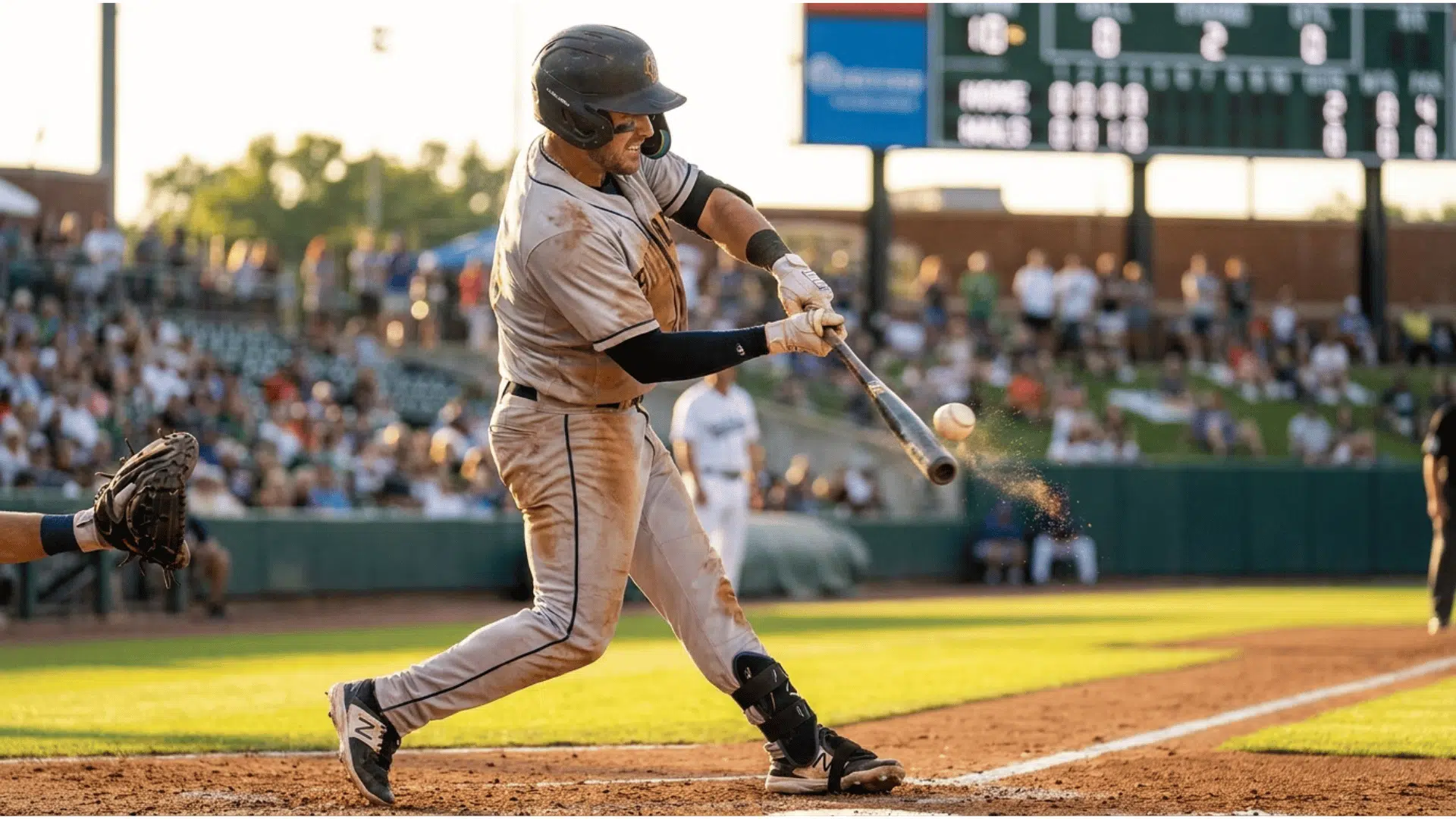




Baseball is exciting to watch, but some rules can feel confusing at first, especially for new fans. One of the most misunderstood rules in the game is the infield fly rule.
I remember being confused the first time I heard an umpire call a batter out before the ball was even caught.
It seemed strange and unfair until I learned why the rule exists. If you have ever watched a game and wondered what just happened during an infield fly call, then you’re at the right place.
In this guide, you will learn what the infield fly rule is, when umpires use it, and why baseball needs it to prevent unfair double plays.
After reading, you should feel more confident in recognizing the rule during live games and broadcasts.
What Is the Infield Fly Rule?

The infield fly rule is a baseball rule that stops fielders from getting an easy double play on a simple pop-up. It applies when there are runners on first and second base, or bases loaded, with less than two outs.
If the batter hits a high fly ball that an infielder can catch with normal effort, the umpire calls “infield fly.”
Once the call is made, the batter is automatically out, even if the ball drops to the ground. The runners can stay on their bases without being forced to run.
This rule keeps the defense from letting the ball fall on purpose just to quickly tag runners out.
The rule only applies to fair fly balls and not line drives or bunts.
Umpires decide if the play qualifies based on how easy the catch should be. It helps keep the game fair and prevents trick plays.
Why the Infield Fly Rule Was Created?
The infield fly rule was introduced in baseball in 1895 to prevent defenders from taking unfair advantage of base runners on easy pop-ups.
Before the rule existed, infielders could pretend to catch a high fly ball, causing runners to stay close to their bases.
Then, the fielder could intentionally let the ball drop and quickly throw to bases for easy double or triple plays.
For example, with runners on first and second base and no outs, a second baseman could allow a simple pop-up to fall instead of catching it.
The runners would be trapped because leaving early could result in a double play if the ball were caught.
The rule was created specifically to close that loophole. A fielder with ordinary talent should not be able to manufacture multiple outs from a ball a child could catch. Softball adopted the same rule for the same reason.
Key Elements of Infield Fly Rule
The infield fly rule includes several important conditions that determine when the rule can be called during a game
- Fewer Than Two Outs: The infield fly rule only applies when there are zero or one outs in the inning.
- Runners Must Be Forced: There must be runners on first and second base, or the bases must be loaded.
- Fair Fly Ball Requirement: The batter must hit a fair pop-up ball, not a bunt or line drive.
- Ordinary Effort by Infielder: An infielder should be able to catch the ball with normal effort under regular playing conditions.
- Batter Is Automatically Out: Once the umpire calls an infield fly, the batter is automatically out, even if the ball is dropped.
- Ball Remains Live: Runners can stay on their bases, tag up, or attempt to advance carefully after the call.
- Rule Prevents Unfair Double Plays: The rule stops defenders from intentionally dropping easy pop-ups to create unfair multiple outs.
- Umpire’s Judgment Matters: The umpire decides whether the ball could have been caught with ordinary effort by an infielder.
How the Infield Fly Rule Works?

The infield fly rule prevents fielders from unfairly turning easy double plays on pop-up hits. It applies in certain situations when runners are on base, and the batter hits a catchable fly ball.
1. Check the Outs and Base Runners
The infield fly rule only applies during specific game situations. There must be fewer than two outs, and runners must be on first and second base, or the bases must be loaded.
These conditions create a force play where runners may need to advance after the ball is hit.
Without this rule, an infielder could purposely drop an easy pop-up to quickly turn a double or triple play.
Think of this as the rule’s on-switch. Until both conditions exist simultaneously, the rule cannot be triggered, no matter how catchable the ball is.
2. The Batter Hits a High Fair Fly Ball
For the infield fly rule to apply, the batter must hit a high fly ball into fair territory. The ball cannot be a bunt or a hard line drive.
It must also be easy enough for an infielder to catch with normal effort under regular playing conditions.
Even if the ball drifts slightly into shallow outfield space, the rule may still apply if an infielder can reasonably make the catch.
Umpires watch the ball’s arc, height, and location from the moment it leaves the bat. A ball that hangs long enough for a shortstop to settle under it almost always qualifies.
3. The Umpire Makes the Infield Fly Call
Once the umpire decides all conditions are met, they loudly call, “Infield fly, batter is out,” while the ball is still in the air.
This announcement lets all players know the batter is automatically out, even if the ball is not caught.
The call removes the force play for the runners and stops fielders from taking advantage of the situation by intentionally dropping the ball.
The timing matters. If the umpire waits too long, runners have already committed to a direction and can be left in a genuinely unfair position. Experienced umpires make the call early and loud.
4. The Batter Is Out, and Runners Decide
After the infield fly call is made, the batter is automatically out and removed from the play.
The runners are no longer forced to advance to the next base because the force situation disappears immediately.
Runners can choose to stay on their current base or try to advance if they think they have enough time. Most runners wait carefully to see if the ball is caught before moving.
This helps them avoid getting tagged out if the fielders react quickly and make accurate throws around the infield.
5. The Ball Remains Live
Even though the batter is already out, the play does not stop after the infield fly call. The ball stays live, meaning fielders can still make plays on runners during the play.
If a runner leaves the base too early before the catch, they may need to return safely to avoid being tagged out. Runners who try to advance also risk getting thrown out by the defense.
A common mistake among newer fans is assuming the play ends with the call. It does not.
The defense can still record additional outs. The rule removes the forced double-play trap; it does not freeze the action.
How Does the Infield Fly Rule Protect Base Runners?
The infield fly rule protects base runners from unfair defensive plays during easy pop-up situations. Without this rule, infielders could purposely let a simple fly ball drop to the ground instead of catching it.
Since runners must stay close to their bases in case the ball is caught, defenders could quickly pick up the ball and turn easy double or triple plays.
The rule removes this unfair advantage by automatically calling the batter out once the umpire declares an infield fly.
Because the batter is already out, runners are no longer forced to advance to the next base. This gives them time to react safely and make smarter decisions during the play.
The rule helps keep baseball fair, prevents trick plays, and protects runners from confusing situations created intentionally by the defense.
What Happens After an Infield Fly Is Called?
Once the umpire calls an infield fly, several important things happen that affect both the batter and the base runners.
- The Batter Is Automatically Out: Once the umpire calls an infield fly, the batter is out immediately, even if the ball drops.
- The Ball Stays Live: Play does not stop after the call, so runners can still move between bases if they choose.
- Runners May Advance at Their Own Risk: Base runners can attempt to advance, but fielders may still tag them out.
- Tagging Up May Be Required: If the fly ball is caught, runners must tag up before moving to the next base.
- Force Plays Are Removed: Since the batter is already out, runners are no longer forced to advance to the next base.
- Dropped Ball Does Not Change the Out: Even if the fielder misses the catch, the batter remains out under the rule.
- Fielders Can Still Make Defensive Plays: Defenders may throw to the bases and try to tag runners attempting to advance.
- Umpires Continue Watching the Play: Officials monitor runners and fielders closely because the play remains active after the call.
Is The Rule Same For Baseball and Softball?
Yes, the infield fly rule is mostly the same in both baseball and softball. Although some leagues may have small rule differences, the main purpose stays the same in both sports.
The rule applies when there are fewer than two outs and runners are on first and second base or the bases are loaded.
If the batter hits an easy pop-up that can be caught with normal effort, the umpire may call an infield fly.
Once the call is made, the batter is automatically out, even if the ball is dropped.
The rule exists to protect base runners from unfair double- or triple-plays caused by defenders intentionally dropping easy fly balls.
Both baseball and softball use this rule to keep the game fair and prevent confusing situations on the field.
Infield Fly Rule vs Intentional Drop Rule: Key Differences
The infield fly rule and intentional drop rule both stop fielders from gaining unfair outs on easy pop-ups. However, each rule applies in different game situations and follows different outcomes for runners and batters.
| Feature | Infield Fly Rule | Intentional Drop Rule |
| Main Purpose | Prevents unfair double plays on easy pop-ups. | Stops defenders from intentionally dropping catchable balls. |
| Type of Ball | Applies to fair fly balls only. | Applies to line drives and bunts. |
| Batter Result | Batter is automatically out after the call. | Batter is ruled out after an intentional drop. |
| Ball Status | The ball stays live during the play. | The ball becomes dead immediately after the call. |
| Umpire’s Decision | Based on ordinary effort before the catch. | Based on whether the drop looked intentional. |
| Common Situation | Easy infield pop-up with forced runners. | An infielder purposely drops a sharp line drive or bunt. |
Does the Infield Fly Rule Apply in Little League?
Yes, the infield fly rule does apply in Little League, but it depends on the age division and league rules. In most Little League Major Division games and higher levels, the rule is applied as in Major League Baseball.
It applies when there are fewer than two outs and runners on first and second base, or the bases are loaded.
The rule helps protect young base runners from unfair double plays on easy pop-ups. When the umpire calls “infield fly,” the batter is automatically out, even if the ball is dropped.
However, some younger divisions, such as tee-ball or coach pitch, may not use the rule because younger players are still learning basic baseball skills.
Common Misconceptions About the Infield Fly Rule
Many baseball fans misunderstand the infield fly rule because some parts of the rule can seem confusing at first.
| Misunderstanding | What People Think | What Actually Happens |
| The Ball Must Be Caught | Batter is out only after a catch. | Batter stays out even after dropped balls. |
| The Rule Applies to Every Fly Ball | Every pop-up triggers the infield fly rule. | The rule applies only in certain game situations. |
| The Play Stops After the Call | Umpire’s call immediately ends the play. | The ball stays live after the umpire’s call. |
| Only Infielders Can Trigger the Rule | Only infielders can make the play. | Shallow outfield catches may still qualify. |
| Runners Must Advance | Runners must continue moving after the call. | Runners may stay safely on their bases. |
| Line Drives Count Too | Any hit into the air qualifies. | Line drives and bunts never qualify. |
| The Catch Decides the Call | The rule depends on catching the ball. | Umpires judge ordinary effort before the catch. |
| The Rule Only Exists in MLB | Only professional leagues use this rule. | Many youth and amateur leagues use it too. |
Real Game Situations Where the Rule Gets Tricky
Some infield fly calls are easy to understand, but others create confusion for players, coaches, and fans. Small details like wind, player position, and field coverage can completely change the ruling.
1. The Ball Drifts Near the Outfield Grass
A pop-up does not need to stay on the infield dirt for the rule to apply. The main question is whether an infielder can catch the ball with normal effort.
A shortstop may move several steps into shallow left field and still be in control of the play.
Umpires focus on the fielder’s position and ability to make the catch, not the grass line itself. This often surprises fans because the ball may look more like an outfield play than a normal infield pop-up.
2. Two Fielders Move Toward the Same Ball
Some pop-ups create confusion when both an infielder and an outfielder run toward the ball at the same time.
In these moments, the umpire must quickly decide if the infielder still has a routine chance to make the catch.
The call becomes harder when both players are close enough to field it. Fans often debate these plays because one small movement can change the ruling.
These situations become even more tense during playoff games, where every out can affect the final result.
3. Wind Pushes the Ball Into Foul Territory
Wind can completely change an infield fly situation within seconds. A ball that first looks easy to catch may suddenly drift toward the foul line.
If the ball moves into foul territory before it lands or gets caught, the infield fly call is canceled.
The batter is no longer automatically out, and the play becomes a normal foul ball instead.
This can confuse players because the umpire may first signal an infield fly, then wave it off after the ball changes direction in the air.
Conclusion
Baseball rules can feel confusing at first, but the infield fly rule becomes much easier once you understand why it exists.
It is not just a random rule in baseball. It helps keep the game fair and protects runners from unfair double plays.
Now that you know when the rule applies, what umpires look for, and how players react during the play, you will probably notice these situations more clearly while watching games.
Even longtime baseball fans sometimes debate infield fly calls, which shows how interesting this rule can be.
I hope this guide helped make the rule easier to follow. The next time you hear an umpire call “Infield fly,” you will know exactly what is happening on the field.
If you have ever seen a confusing infield fly call during a game, share your experience in the comments below.
Frequently Asked Questions
What Happens if the Umpire Doesn’t Call the Infield Fly?
If the umpire misses the call, the play continues normally, and runners may still be forced out during the play.
Can You Purposely Drop a Fly Ball for a Double Play?
No. Baseball rules prevent defenders from intentionally dropping easy fly balls to create unfair double plays.
What Is the Mercy Rule in Little League?
The mercy rule ends the game early if one team leads by a large number of runs after a certain number of innings.
When Can an Umpire Call a Deadball?
An umpire calls a dead ball after fouls, interference, hit batters, time-outs, or when play must safely stop.
What Happens if the Ball Goes Foul?
If an infield fly ball goes foul, the infield fly rule is canceled. The batter is no longer automatically out because the ball is considered foul instead of fair.