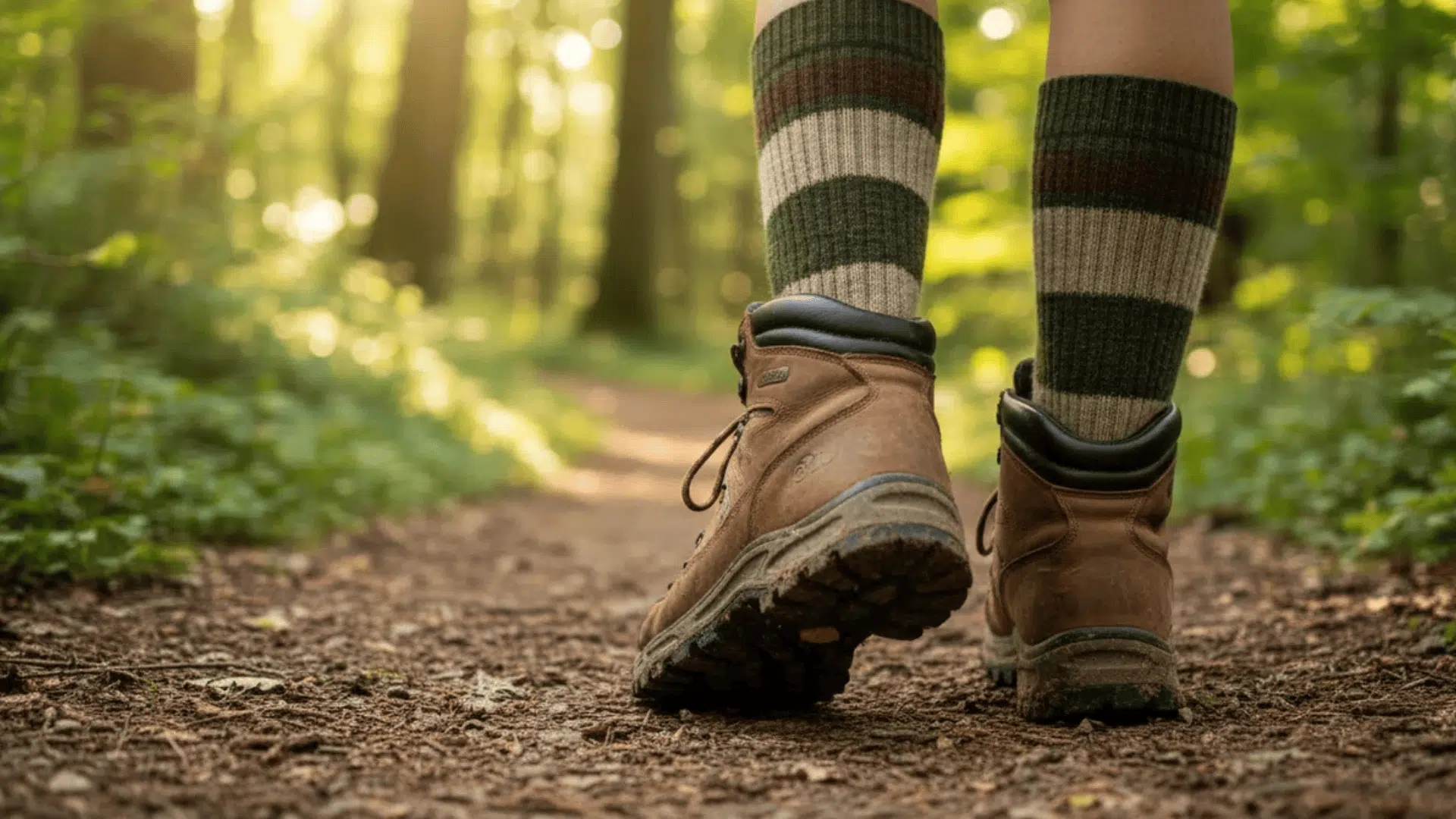



I learned the hard way that the wrong socks can ruin a good hike. On a 14-mile out-and-back in the White Mountains a few years back, I wore a cotton blend I had grabbed from a drawer.
By mile six, I had a quarter-sized blister on my left heel and soaked feet from a single creek crossing.
That pair went in the trash at the trailhead. That’s why finding the best socks for hiking really matters. In this guide, I’ll help you choose socks that feel good, last longer, and fit well.
You’ll learn what features to look for, how materials affect comfort, and how to pick the right size.
I’ll also share simple reviews of top options I’ve tested across multiple seasons and break down the best choices for different needs, like long hikes or budget picks.
By the end, you’ll know exactly what to look for before buying your next pair, so your feet stay comfortable on every step of the trail.
What Makes the Best Hiking Socks?
Good hiking socks keep feet comfortable and protected on any trail. The best pairs focus on fit, support, and long-lasting wear without causing blisters.
Comfort comes first. Soft fabric and smooth seams help reduce rubbing. Socks should feel snug but not tight.
Cushioning adds support, especially on long hikes. Light cushioning works for short trips, while thicker padding helps on rough terrain.
Material also matters. Merino wool and quality blends help manage sweat and keep feet dry.
Durability is key for regular hikers. Reinforced heels and toes help socks last longer.
Fit should stay in place without sliding. A good pair won’t bunch up inside boots, which helps prevent blisters.
Best Socks for Hiking for Comfort and Grip
The right pair of hiking socks can be the difference between a great day on the trail and a miserable one. These are the top picks tested and reviewed this year.
1. Darn Tough Hiker Boot Full Cushion: Best Overall
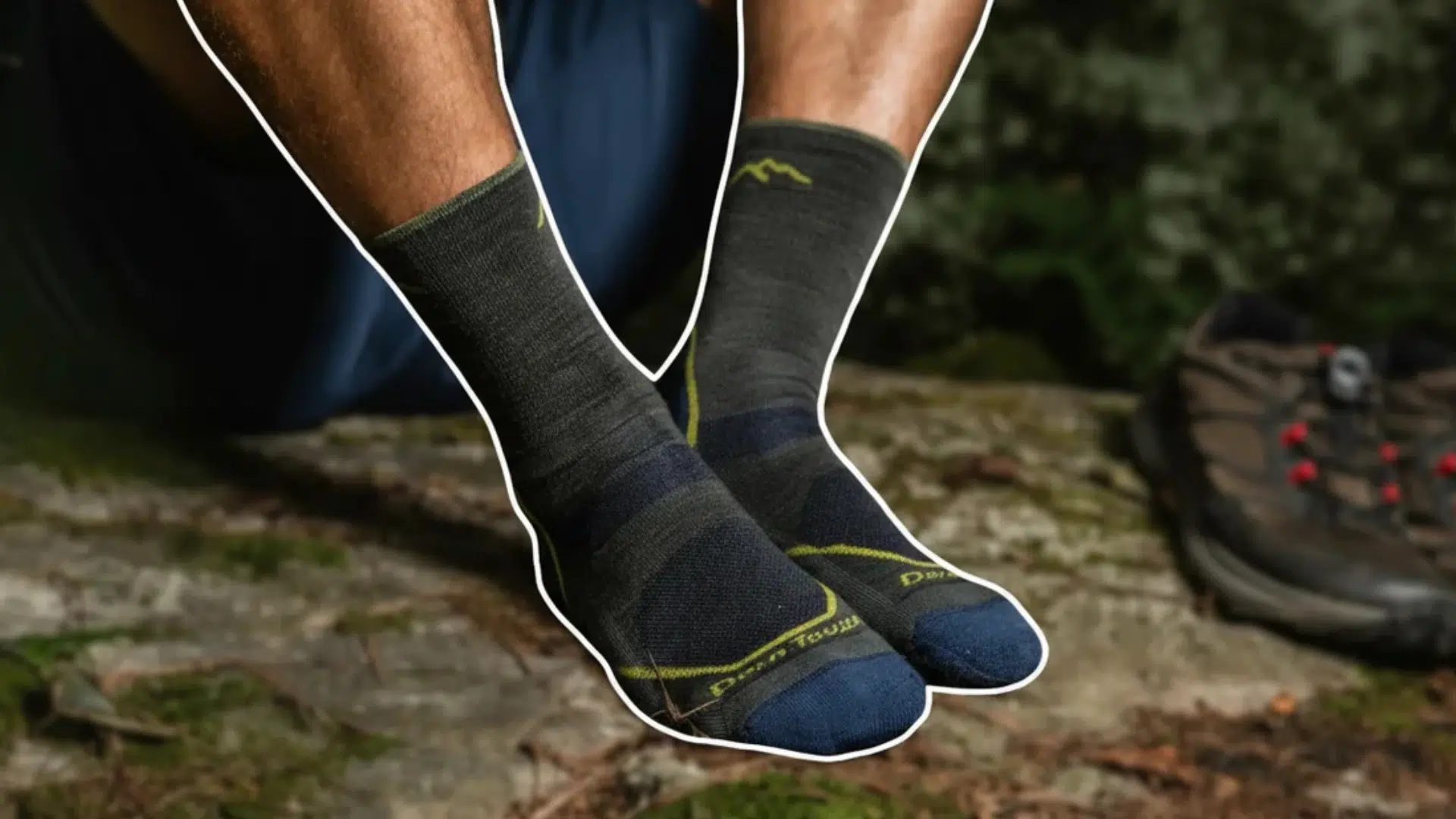
The Darn Tough Hiker Boot Full Cushion tops the list as one of the best hiking socks. Made from a merino wool, nylon, and Lycra spandex blend, it holds its shape through heavy use without thinning or losing cushion.
The full-cushion construction provides reliable warmth and comfort across cooler seasons, making it a strong pick for spring, fall, and winter hikes.
I’ve put these through three backpacking seasons, including a five-day trip in the Olympic Peninsula, where my feet were wet for two straight days. The socks never bunched, never caused a hot spot, and still look nearly new.
It offers exceptional durability, a lifetime guarantee, and proven blister prevention across all hiking conditions, hard to beat at any price point.
- Price: $30
- Material: Merino wool, nylon, Lycra spandex blend
- Cushioning: Full
- Extra Padding: Added in heel, toe, and sole areas for enhanced comfort and protection
- Warranty: Lifetime unconditional guarantee
2. Darn Tough Light Hiker Micro Crew: Best for Breathability
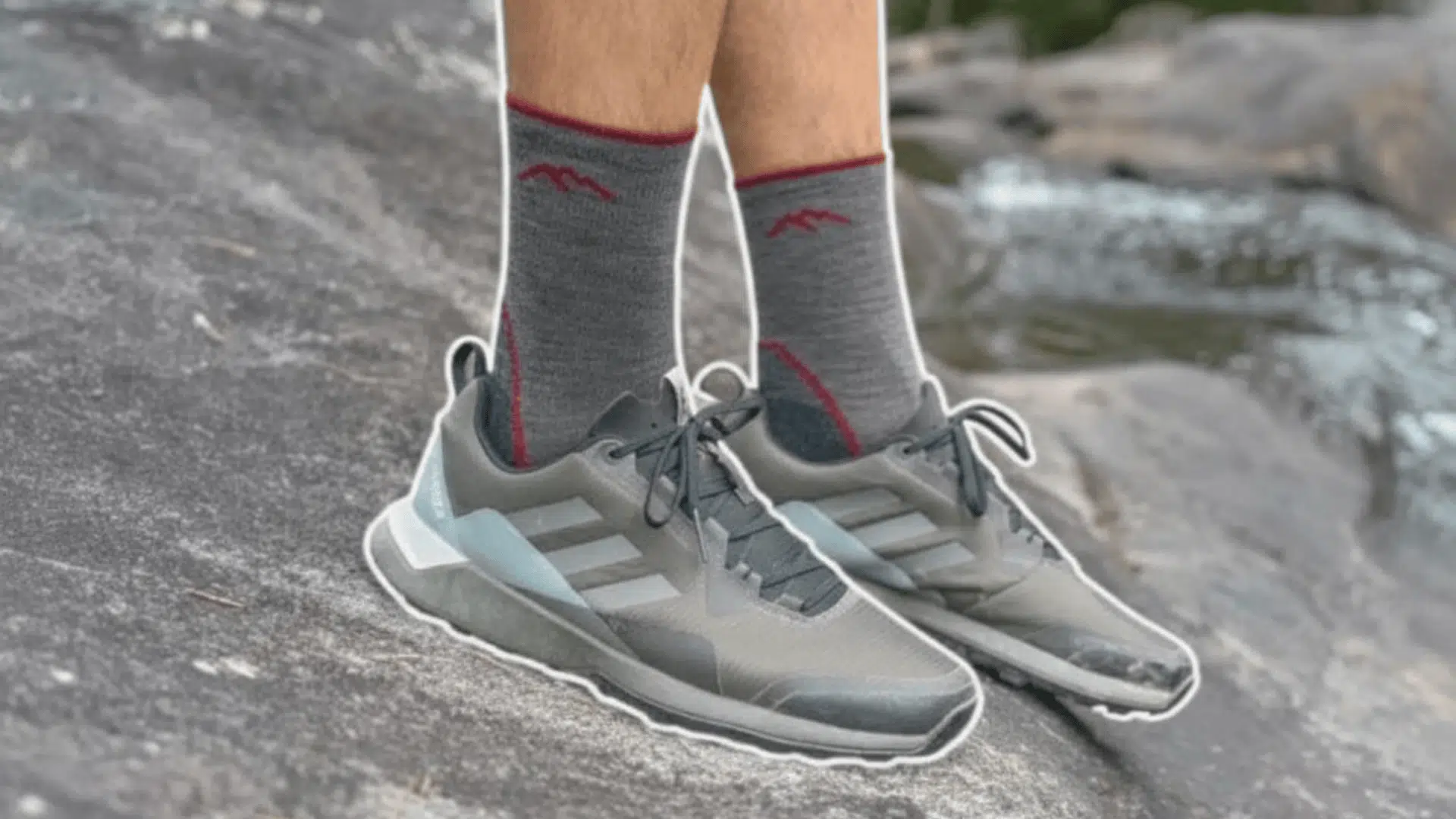
The Darn Tough Light Hiker Micro Crew stands out as the most breathable hiking sock, with substantial padding at the toes, soles, and heels for lasting comfort on long treks.
It dries faster than most wool options and handles a wide range of trail conditions well. Testers have walked over 12,000 miles in these socks, and they continue to hold up in top-tier shape.
A trail running friend of mine switched to these after going through three other brands in a single season.
She’s now two years in on the same pair and says they still feel like new. That kind of longevity is rare at any price point.
The lifetime guarantee adds long-term value, making this a smart investment for hikers who spend serious time outdoors each season.
- Price: $25
- Material: Merino wool, nylon, Lycra spandex blend
- Cushioning: Light
- Extra Padding: Targeted padding at toes, soles, and heels for all-day comfort
3. Smartwool Hike Crew: Best for Fit and Sustainability
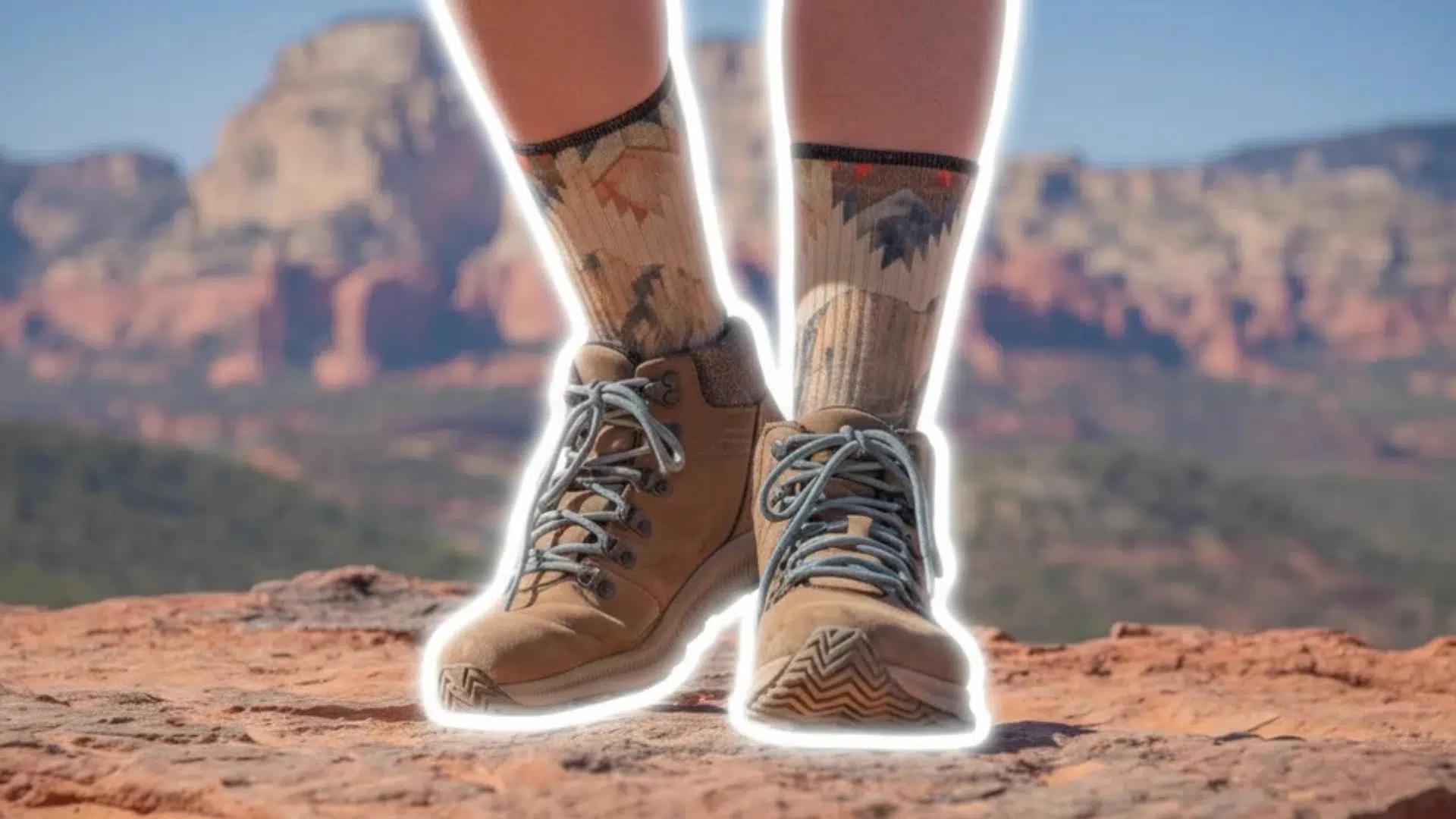
Smartwool nails the performance fit with anatomical construction, reinforced padding in high-impact zones, and targeted mesh ventilation to keep feet dry and cool.
The updated Indestructawool technology at the heel and toe has meaningfully improved durability over older models.
For this year, Smartwool increased recycled nylon content to 34%, making these a more sustainable pick without sacrificing performance.
They run slightly pricier than comparable options but hold up well enough to justify the cost for regular hikers who prioritize both comfort and environmental responsibility.
- Price: $27
- Material: Merino wool, 34% recycled nylon blend
- Cushioning: Medium
- Extra Padding: Reinforced heel and toe with Indestructawool technology
4. REI Co-op Merino Lightweight Flash: Best Budget Pick
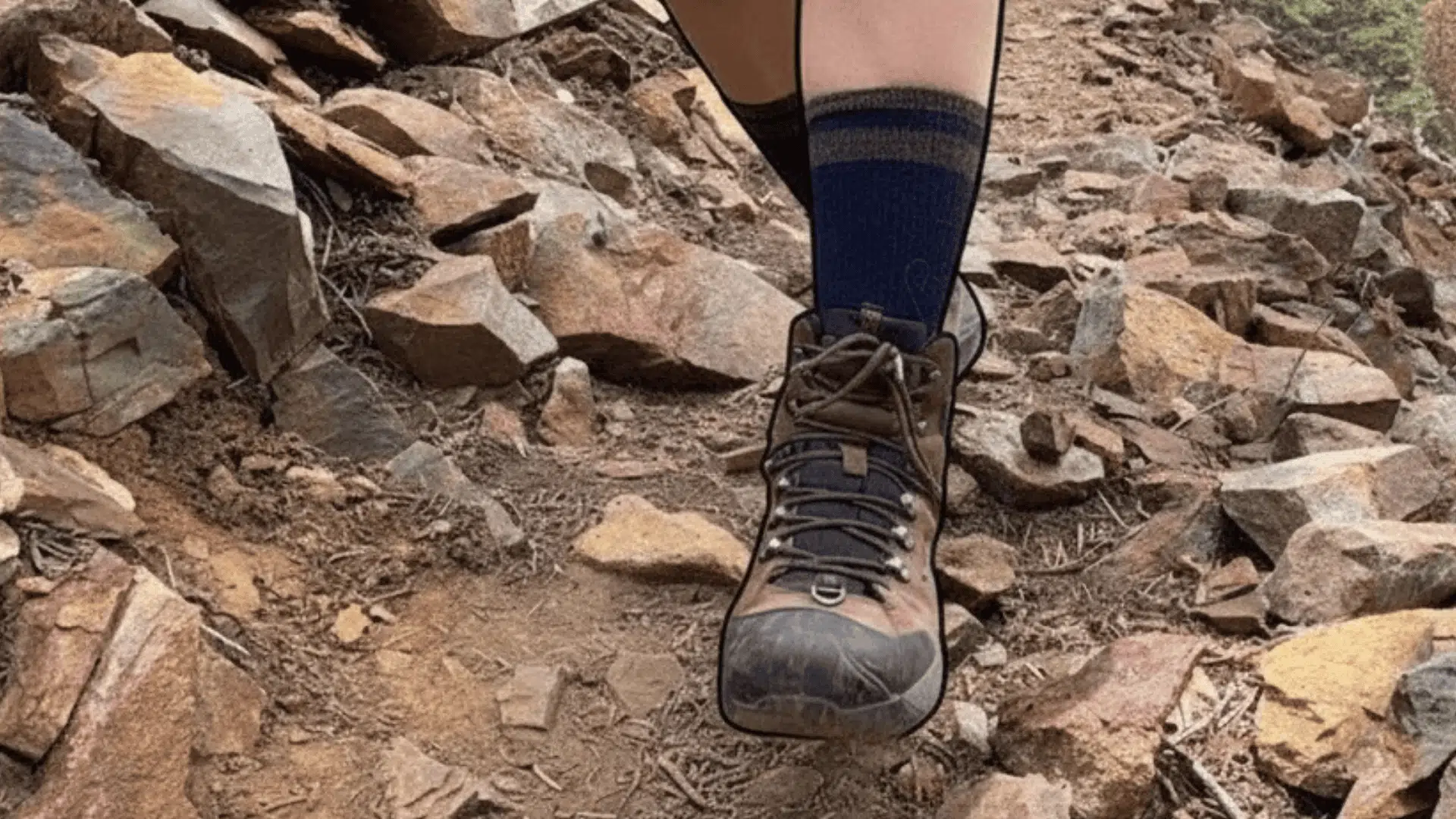
REI completely redesigned its Lightweight Hiking Crew for this year.
It is one of the most affordable premium merino options on the market, now featuring reinforcement at the heels, toes, footbeds, and the Achilles arch area.
With 79% merino wool content, these deliver solid temperature regulation and moisture-wicking at a price most hikers can justify.
New color options also move beyond the traditional gray. For day hikes and summer outings, this is the smartest value buy on the market by a clear margin.
- Price: $18.95
- Material: 79% merino wool, stretch nylon, spandex blend
- Cushioning: Light
- Extra Padding: Reinforced heel, toe, footbed, and Achilles arch area
5. Smartwool Mountaineer Classic Crew: Best for Cold Weather
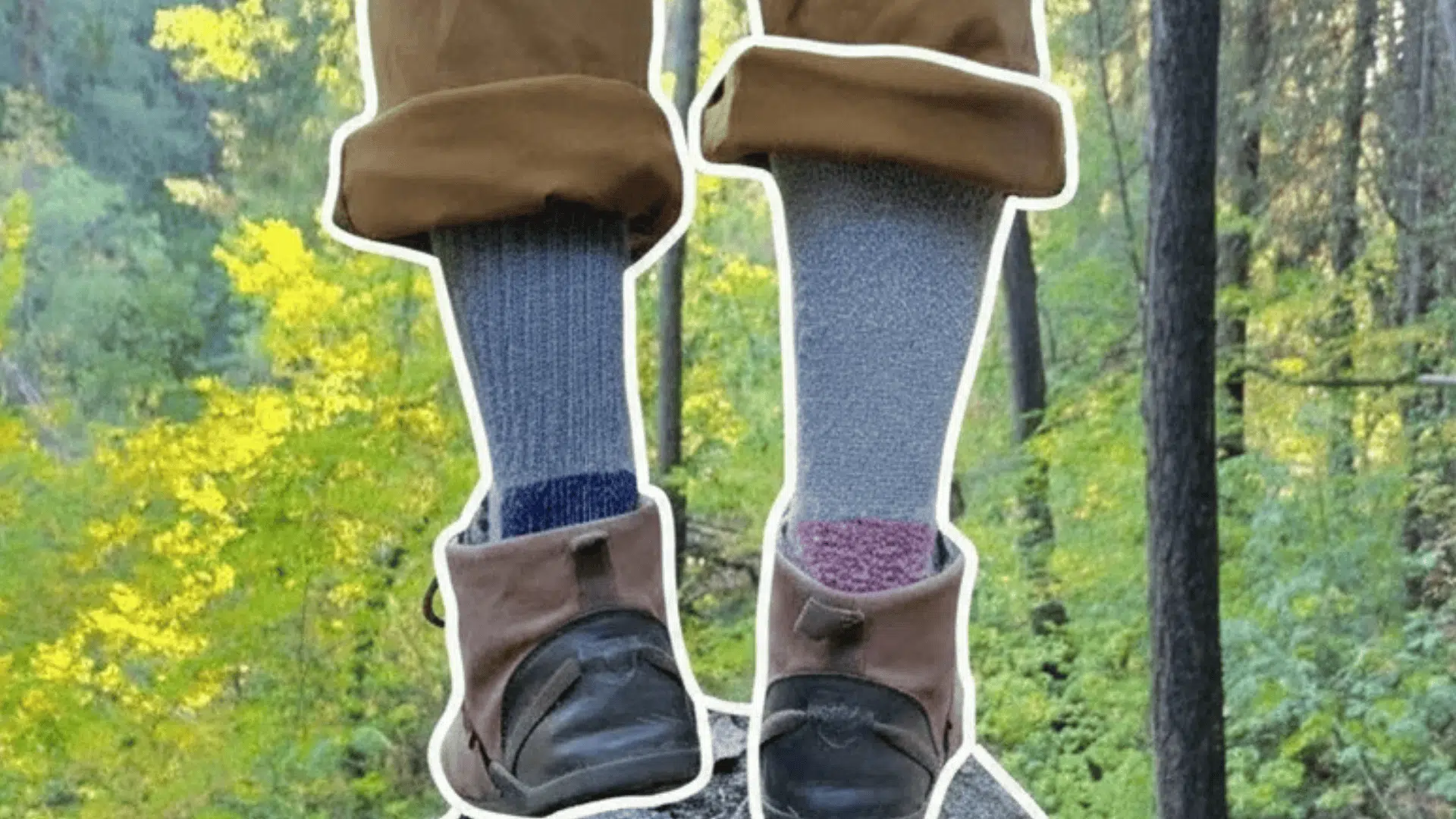
The Smartwool Mountaineer Classic Crew is one of the top choices for trekking in cold climates, offering heavyweight cushioning and serious warmth for low-temperature conditions.
The thick construction pairs well with insulated boots and holds up in wet, harsh environments.
Cold-weather hikers consistently prefer heavyweight cushioned socks like this for reliable warmth and foot protection.
While it is overkill for mild days on the trail, once temperatures drop and wind picks up, this sock proves its worth in a way lighter options simply cannot match.
- Price: $27
- Material: Merino wool, nylon, Lycra spandex blend
- Cushioning: Full
- Extra Padding: Added in heel, toe, and sole areas for enhanced comfort and protection
6. Farm to Feet Damascus Lightweight Crew: Best USA-Made Option
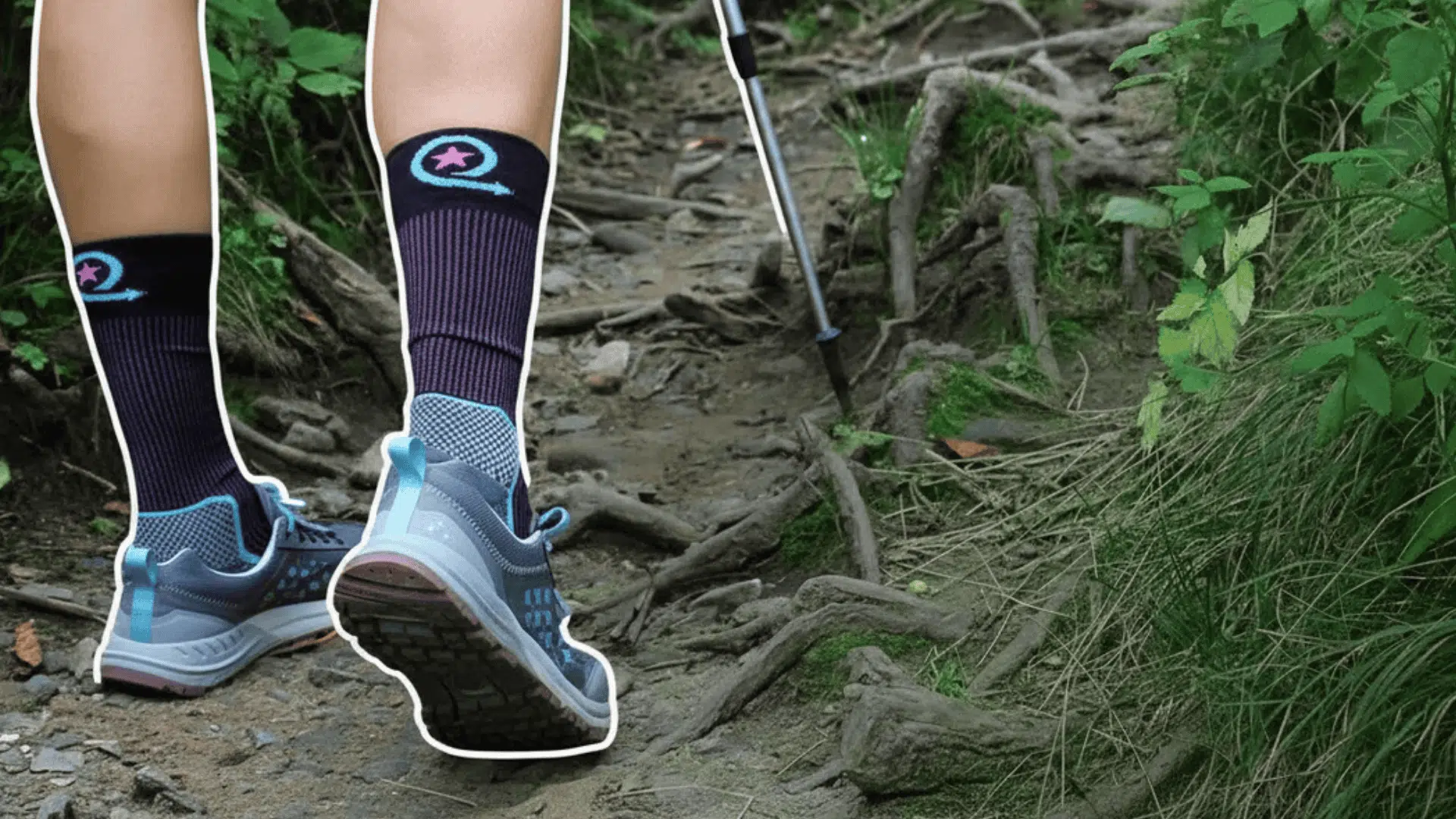
Farm to Feet Damascus socks are sourced and made entirely in the USA, not just assembled domestically, but with component wool, nylon, and elastane all coming from US-based manufacturers.
The lightweight merino construction handles day hikes and backpacking trips well, offering a feel similar to Darn Tough at a competitive price.
Some pilling has been noted after extended use, but overall durability remains solid.
For hikers who want to support domestic manufacturing without giving up trail performance, this is a straightforward and dependable choice.
- Price: $23
- Material: 100% US-sourced merino wool, nylon, elastane blend
- Cushioning: Light to medium
- Extra Padding: Reinforced heel and toe with flat toe seam construction
7. Swiftwick Pursuit Crew: Best for Quick Dry Time
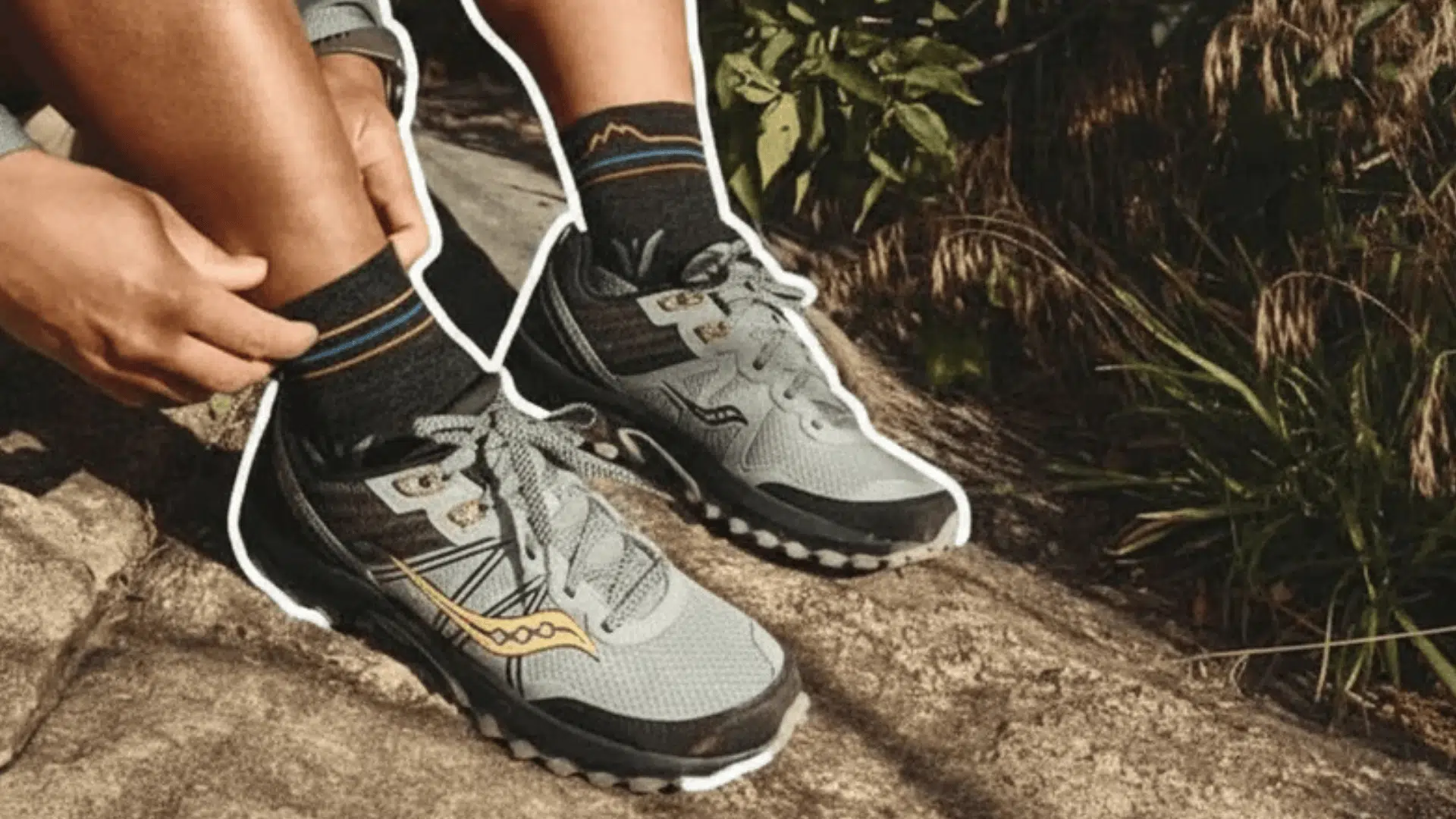
The Swiftwick Pursuit Crew blends merino wool with synthetic fibers for maximum breathability and fast drying, actively pulling moisture away from feet and dispersing it quickly, even after creek crossings or rainy hikes.
Vented panels promote consistent airflow throughout long days on the trail.
Despite the lightweight build, the fit stays snug enough to prevent blisters without feeling constrictive.
It works particularly well for hikers who move through varied terrain and need a sock that keeps up with changing moisture conditions without slowing them down.
- Price: $22
- Material: Merino wool and synthetic fiber blend
- Cushioning: Light
- Extra Padding: Vented panels with targeted cushioning at high-friction zones
Best Hiking Socks: Quick Comparison at a Glance
Choosing the right hiking socks helps keep your feet dry, reduces blisters, and improves comfort on long trails. Here’s a quick comparison of the top options to help you pick easily.
| Sock | Best For | Price | Cushion | Material |
|---|---|---|---|---|
| Darn Tough Hiker Boot Full Cushion | Overall best / all-season | $30 | Full | Merino/nylon/Lycra |
| Darn Tough Light Hiker Micro Crew | Breathability / fast hikers | $25 | Light | Merino/nylon/Lycra |
| Smartwool Hike Crew | Fit + sustainability | $27 | Medium | Merino/recycled nylon |
| REI Co-op Merino Lightweight Flash | Budget/beginners | $18.95 | Light | 79% merino/nylon |
| Smartwool Mountaineer Classic Crew | Cold weather | $27 | Full | Merino/nylon/Lycra |
| Farm to Feet Damascus | USA-made | $23 | Light–medium | 100% US merino/nylon |
| Swiftwick Pursuit Crew | Quick dry/wet terrain | $22 | Light | Merino/synthetic blend |
Different Types and Materials of Hiking Socks
Different sock types and materials serve different hiking needs. Knowing these options helps in choosing the right pair for comfort and performance.
- Merino Wool Socks: Soft, breathable, and great at managing moisture. Ideal for both warm and cold weather, with natural odor control.
- Synthetic Socks (Polyester/Nylon): Durable and quick-drying. A good choice for high-intensity hikes where sweat control matters.
- Blended Socks: Combine wool and synthetics for a balanced blend. Offer comfort, strength, and better moisture control.
- Lightweight Socks: Thin and breathable. Best for short hikes or warm climates where less padding is needed.
- Midweight Socks: Provide moderate cushioning. Suitable for most day hikes and mixed weather conditions.
- Heavyweight Socks: Thick and warm. Designed for cold weather or long, rough trails that need extra protection.
- Liner Socks: Worn under regular socks to reduce friction. Help prevent blisters on longer hikes.
- Regular Hiking Socks: Designed for direct wear with boots. Offer cushioning, support, and moisture control.
Why Cotton Is the One Material You Should Avoid?
Cotton is the single biggest gear mistake I see beginner hikers make. Cotton absorbs sweat and holds it against your skin.
Once wet, it stays wet, loses all insulating value, and becomes a blister factory.
The saying “cotton kills” exists in outdoor education circles for a reason. It applies to socks as much as base layers. On a short, dry trail on a warm day, cotton is merely uncomfortable.
In rain, river crossings, or cold weather, it becomes a genuine safety consideration.
Stick to merino wool or synthetic blends for anything beyond a flat park walk.
Comfort vs. Cushioning: What Really Matters?
Both comfort and cushioning affect how feet feel during a hike. Knowing the difference helps in picking socks that match the trail and distance.
| Factor | Comfort | Cushioning |
|---|---|---|
| Meaning | Overall feel of the sock on the foot | Amount of padding in key areas |
| Focus Area | Fit, softness, and smooth seams | Heel, toe, and sole protection |
| Best For | Daily wear and short hikes | Long hikes and rough terrain |
| Material Role | Breathable, soft fabrics improve comfort | Thicker materials add shock absorption |
| Blister Prevention | A good fit reduces friction | Extra padding lowers pressure points |
| When to Choose | Mild trails or warm weather | Cold weather or long-distance hikes |
A quick field test I use to gauge cushioning before a long trip: put the sock on, press your thumb firmly into the heel pad, and check whether you can still feel your thumb through it.
If you can clearly feel the pressure without any give, the cushion is too thin for rough or rocky terrain.
This isn’t a scientific method, but it has saved me from bad choices more than once.
Moisture-Wicking, Breathability, and Blister Prevention
Sweat buildup is one of the main causes of blisters during hikes. Good hiking socks help manage moisture, keeping feet dry and reducing friction.
Moisture-wicking fabric pulls sweat away from the skin. This keeps feet drier and lowers the risk of friction-induced blisters.
Breathability allows air to move through the sock. Materials like merino wool and light blends help release heat and prevent dampness. Blisters often form when wet skin rubs against the inside of a sock or shoe.
Dry skin reduces this friction and keeps movement smooth.
Anti-blister features include seamless toes, snug arch support, and proper fit. These details stop the sock from bunching or sliding inside the shoe.
How Blisters Actually Form and What Stops Them?
Blisters are caused by repetitive friction combined with heat and moisture.
Research published in StatPearls confirms that friction blisters develop when shear forces separate the upper layers of skin, creating a fluid-filled pocket.
On a hike, this is almost always a sock or fit problem before it’s a boot problem.
Three practical things that prevent blisters on the trail: keep feet dry (merino wool or synthetic, never cotton), eliminate friction points (proper sock fit, no bunching), and address hot spots early.
The moment you feel a hot spot forming, stop and add a blister pad or piece of athletic tape.
Waiting “just another mile” is how a hot spot becomes a blister that sidelines your trip.
How to Choose the Right Fit and Size?
Fit and sizing can change how socks feel during a hike. Small differences between styles can affect comfort, support, and overall performance.
| Factor | Men’s Hiking Socks | Women’s Hiking Socks |
|---|---|---|
| Fit Shape | Wider fit, especially in the toe box | Narrower fit with a closer shape |
| Heel Design | Larger heel pocket | Smaller, more defined heel area |
| Sizing Range | Based on men’s shoe sizes | Based on women’s shoe sizes |
| Arch Support | Standard support | Often more contoured for a snug feel |
| Comfort Level | Works well for broader feet | Better for slimmer feet and a tighter fit |
| When To Choose | For wider feet or a roomier feel | For narrow feet or a more secure fit |
Matching Hiking Socks to Trail Conditions
The right sock choice can directly impact comfort, performance, and foot health on the trail. Small adjustments based on conditions can prevent common issues like blisters, overheating, or cold feet.
- Cold Weather Hiking: Use midweight to heavyweight merino wool socks for insulation and moisture control. Extra cushioning helps retain warmth and protect feet on cold, rough terrain.
- Warm Weather Hiking: Choose lightweight, breathable socks that wick moisture and allow airflow. This helps keep feet dry and cool, reducing the risk of blisters.
- Wet or Humid Conditions: Go with merino wool or synthetic blends that dry quickly and retain warmth when damp. A snug fit helps reduce friction and prevents blisters.
- Long-Distance or Backpacking Trips: Pick midweight socks that are durable and secure for extended use. They help maintain comfort and prevent bunching over long miles.
- Trail Running and Fast Hiking: Opt for thin, lightweight socks with a snug performance fit. Breathable materials keep feet cool and prevent movement inside the shoe.
Top Hiking Socks Reviewed and Best Picks
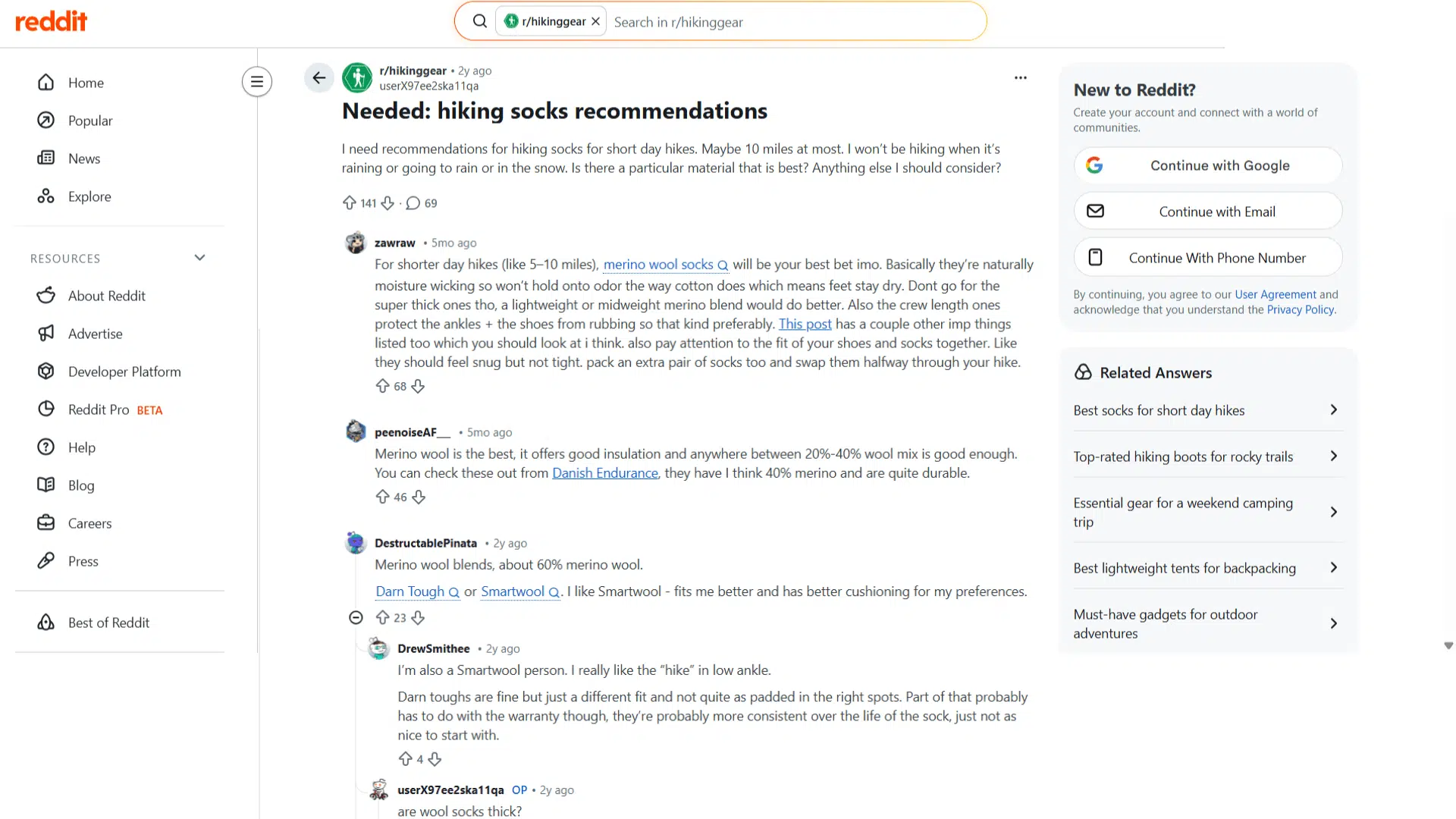
Feedback from real hikers in the shared discussion shows a clear pattern in what works best.
Merino wool socks are often recommended for short day hikes, especially for their moisture-wicking properties that keep feet dry.
Lightweight or midweight options are preferred over thick ones for better comfort. Many also suggest blends with 20–60% merino wool for a good balance of durability and performance.
Popular choices like Smartwool and Darn Tough stand out: Smartwool is known for comfort and cushioning, while Darn Tough is valued for long-term wear.
Another common tip is to choose a snug fit and even carry an extra pair to stay comfortable on longer hikes.
Care Tips to Make Your Hiking Socks Last Longer
Proper care helps maintain comfort, shape, and performance over time. Small habits can prevent early wear and keep socks in good condition.
- Wash with Care: Use mild detergent and cold water to protect fabric fibers. Avoid harsh chemicals, as they can weaken the material.
- Air Dry Instead of Heat: High heat can shrink or damage socks. Let them air-dry to retain their shape and elasticity.
- Turn Inside Out Before Washing: Helps clean sweat and dirt more effectively. It also protects the outer surface from friction.
- Avoid Overwashing: Washing too often can wear out fibers faster. Only wash when needed to extend lifespan.
- Store Properly: Keep socks in a dry, clean place. Avoid stretching or folding too tightly to maintain their fit.
Conclusion
Finding the right hiking socks can make a big difference on the trail. Small details like fit, material, and cushioning all work together to keep feet comfortable from start to finish.
A good pair helps reduce blisters, manage sweat, and make long walks easier.
The goal is simple: choose socks that match the type of hike, weather, and personal comfort needs.
Taking a little time to pick the right pair can save a lot of trouble later. Every hiker has different preferences, and what works best can vary from person to person.
Tried a pair that worked really well or didn’t meet expectations? Share that experience in the comments below.
It can help others make a better choice for their next hike.