
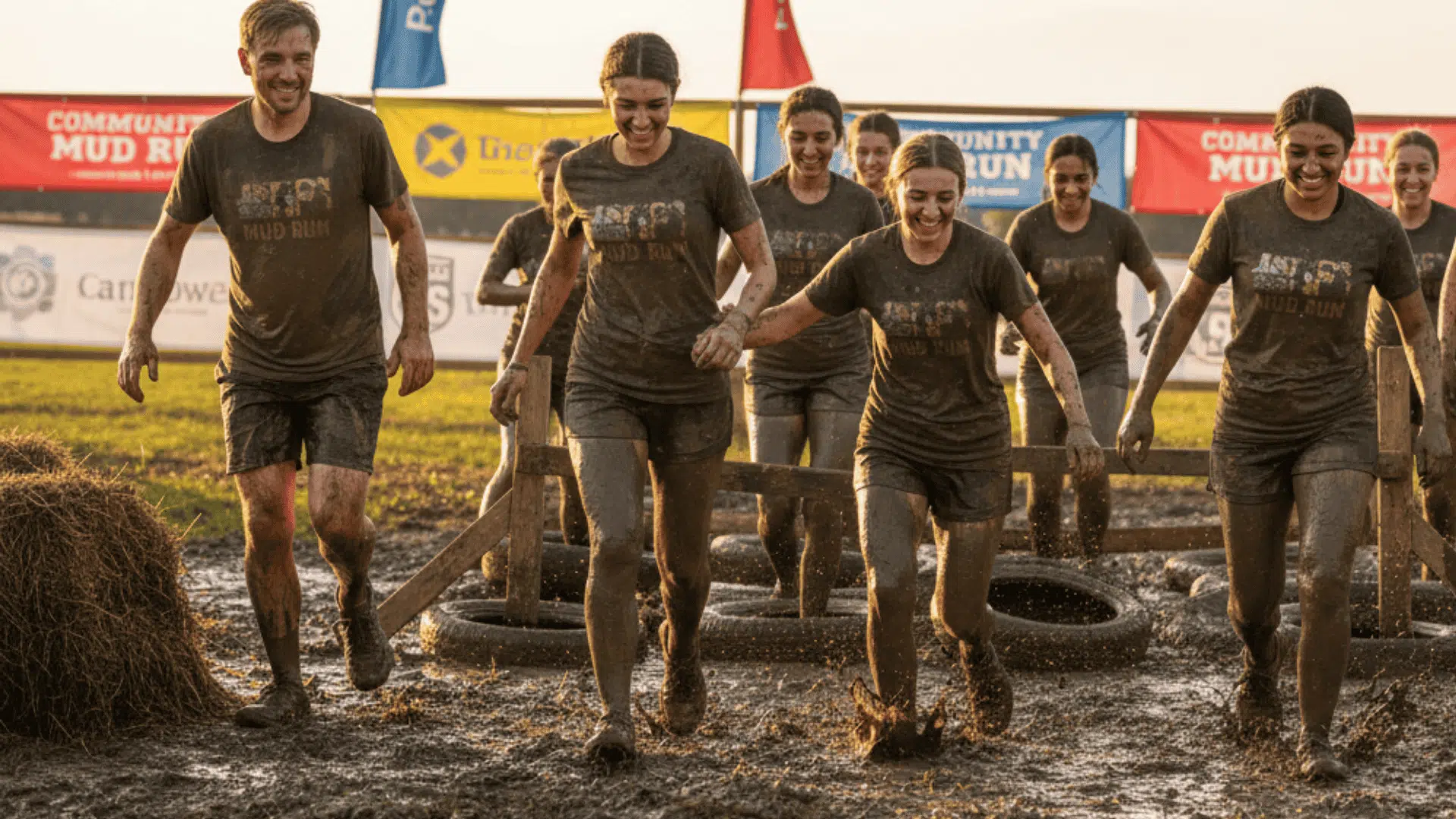



I’ve always thought workouts should feel fun, not boring, and that’s exactly why mud runs caught my attention. If you’ve ever wondered what a mud run is or why so many people are signing up for them, you’re in the right place.
It’s not just about running. It’s about getting messy, trying new challenges, and enjoying the whole experience.
In this blog, I’ll explain everything simply so you don’t feel confused or overwhelmed. I’ll walk you through what a mud run really is, how it works, and what happens on race day.
I’ll also share the different types of mud runs, the benefits, and easy tips to help you get started. By the end, you’ll have a clear idea of whether a mud run is right for you and how to feel ready for it.
What is a Mud Run?
A mud run is a fun obstacle race where participants run through mud, water, and other messy terrain while completing physical challenges. Think of it as part running, part teamwork, and part getting completely muddy.
Most mud runs cover about 3 to 10+ kilometers, depending on the event. Along the way, you might crawl under wires, climb walls, jump over pits, or run through deep mud and water.
Some people join as a team to help each other through tough spots, while others choose to run solo for a personal challenge. There’s no single way to do it.
It’s not about being the fastest. It’s about finishing, having fun, and not worrying about getting dirty.
How a Mud Run Works
A quick look at how a mud run works from start to finish, so you know what to expect.
Start Line: How It Begins
Runners gather in groups and start in waves. This helps avoid crowding and keeps things moving smoothly.
Course Flow: What You Go Through
You run along a marked path that mixes trails, mud, and water. The route guides you from one obstacle to the next.
Common Obstacles: What You’ll Face
Expect mud pits, rope climbs, crawling under nets, and tall walls. Some sections test strength, others test balance and grit.
Timing Format: Competitive or Casual
Some events track your time if you want a challenge. Others are non-timed, so you can go at your own pace.
Safety Setup: How You’re Protected
Staff and volunteers are placed across the course. There are clear rules, water stations, and medical help if needed.
Types of Mud Runs
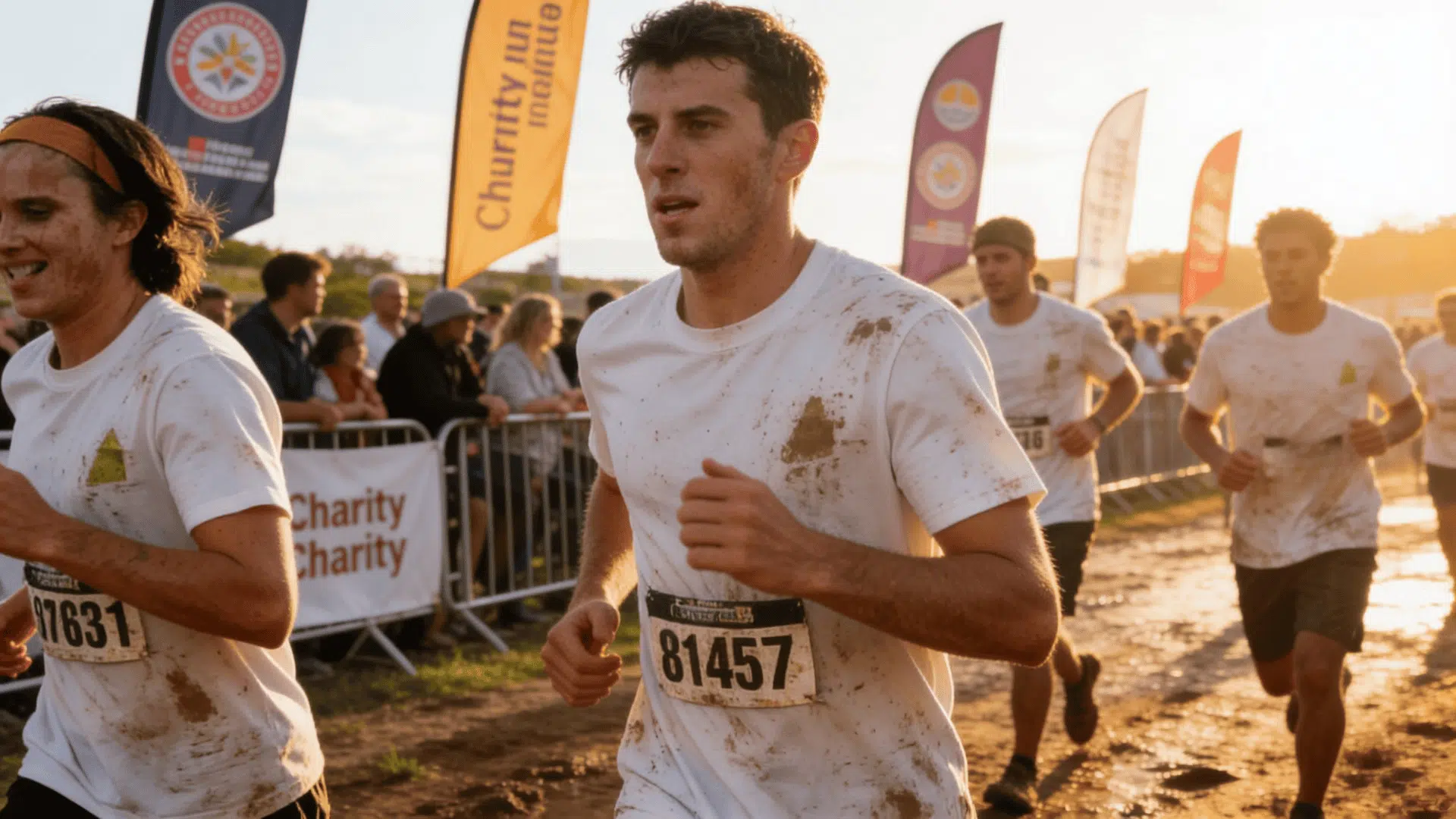
There are different types of mud runs, so you can pick one that fits your comfort level. Some focus on fun, while others push your limits.
1. Beginner-Friendly Fun Runs
These mud runs are great if you’re new or just want a relaxed experience. The course is shorter, with simpler, less intense obstacles.
You can walk, jog, or take breaks when needed. Many people join with friends or family, making it feel more like a group activity than a race.
The focus is on fun, not speed. You still get muddy and active, but without too much pressure or difficulty.
2. Competitive Obstacle Races
These events are for people who want a challenge and like to test their limits. The course includes tougher obstacles, such as high walls, rope climbs, and longer distances.
Timing matters here, and some races even offer rankings or prizes. You’ll need good fitness and focus to perform well.
While teamwork can still help, many runners aim to improve their personal time and push themselves harder with each event.
3. Charity Mud Runs
Charity mud runs mix fitness with a good cause. Participants sign up to support a charity or raise funds while taking part in the event.
The course is usually beginner-friendly, so more people can join. It’s less about competition and more about coming together for a shared goal.
You run, get muddy, and at the same time help support something meaningful, which makes the experience more rewarding.
4. Extreme Endurance Mud Runs
These are the toughest types of mud runs and are not for beginners. They can last for many hours and cover long distances, even through very difficult terrain.
Some events even run overnight. You need strong fitness, mental focus, and preparation to complete them.
Many people join to test their limits and see how far they can go. Finishing one of these events brings a deep sense of pride and accomplishment.
Why People Love Mud Runs: The Real Benefits
Mud runs are often described as some of the most enjoyable workouts people have ever done — and there’s a real reason for that. They combine cardio, strength, and problem-solving in a way that a treadmill simply can’t replicate.
Completing a 5K mud run with obstacles burns 600 to 1,000 calories, more than a regular run of the same distance, due to obstacles and mud resistance.
Beyond the physical side, research consistently links participation in group outdoor activities to reduced stress and improved mood.
A study published in Environmental Science and Technology found that outdoor exercise produces greater improvements in self-esteem and mood compared to indoor exercise.
Mud runs, with their team format and shared challenge, amplify that effect.
Essential Gear for a Mud Run
A clear overview of the basic gear needed to stay comfortable and perform well during the race.
| Gear Category | What to Use | Why It Matters |
| Clothing | Lightweight, quick-dry shirts and shorts (polyester or nylon) | These materials dry fast and reduce discomfort caused by wet, muddy fabric. |
| Shoes | Trail running shoes with a strong grip and drainage | Strong traction helps prevent slipping, and drainage keeps shoes from becoming heavy. |
| Gloves (Optional) | Lightweight grip gloves | They offer better hand protection and improve grip on ropes and walls. |
| Hydration Basics | Water bottle or hydration pack | Proper hydration supports energy levels and helps maintain performance throughout the course. |
How to Train for a Mud Run
Training for a mud run doesn’t have to be complex. The goal is to get your body ready for running and obstacles.
Start with basic fitness. Regular walking, jogging, or light workouts help build a solid base.
Add strength training for your legs, core, and grip. Exercises like squats, planks, and hanging from bars can help with climbing and crawling.
Include cardio workouts like running, cycling, or skipping. This improves stamina so you don’t get tired too quickly on the course.
It also helps to practice obstacle-style movements. Try crawling, jumping, or climbing when possible. These simple drills prepare your body for what you’ll face.
A Simple 6-Week Beginner Training Framework:
- Weeks 1–2: 3 runs per week (20–30 min each) + 2 bodyweight sessions focusing on squats, push-ups, and planks
- Weeks 3–4: Add one longer run (40 min) and introduce dead hangs, pull-up negatives, and box jumps
- Weeks 5–6: Simulate race conditions, run on trails or uneven ground, practice crawling under low obstacles, and add farmer carries for grip endurance
Stay consistent and take small steps each week as your body adapts, making you stronger, more confident, and ready to handle the muddy obstacle race ahead
Mud Run vs Obstacle Course Race
Both mud runs and obstacle course races offer exciting challenges, but they differ in intensity, purpose, and overall experience depending on your fitness level and personal goals
| Feature | Mud Run | Obstacle Course Race |
| Purpose | Fun, social experience | Performance and competition |
| Intensity Level | Moderate, beginner-friendly | Higher, more physically demanding |
| Focus | Enjoyment and teamwork | Speed, strength, and results |
| Timing | Often non-timed or optional | Usually timed with rankings |
| Obstacles | Simple and fun (mud pits, crawling) | Tough and technical (rope climbs, heavy carries) |
| Participation Style | Group-based, casual | Individual or competitive |
Safety Tips and Common Mistakes to Avoid
A few simple habits can make the run safer and more enjoyable. Knowing what to do and what to avoid helps prevent problems on the course.
- Start Slow: Pace Yourself, Begin at a steady pace instead of rushing. This helps save energy for later obstacles.
- Technique First; Not Speed: Focus on how you move through obstacles. Good form reduces the risk of slipping or injury.
- Team Support: Help When Needed. Work with others during tough sections. A quick hand can make obstacles easier and safer.
- Stay Hydrated: Keep Energy Up. Drink water when available. It helps maintain energy and prevents fatigue.
- Skipping Warm-Up: Common Mistake. Not warming up can lead to muscle strain. A short warm-up prepares the body.
- Overestimating Fitness: Know Limits. Pushing too hard too early can cause burnout. Stay aware of personal limits.
At the End
For me, a mud run is an experience that lingers long after it’s over. It’s not just about fitness but trying something different, stepping out of your comfort zone, and enjoying every messy moment.
What I like most is that there’s no “perfect” way to do it. You can go slow, take breaks, laugh through the tough parts, and still feel proud when you finish.
It’s about showing up, giving your best, and enjoying the journey from start to finish. If you’ve been thinking about joining one, I’d say go for it. Start small, stay relaxed, and focus on having a good time.
Have you ever tried a mud run, or are you planning your first one? Let me know in the comments, I’d love to hear your thoughts!
Frequently Asked Questions
What is the Average Distance of a Mud Run Event?
Most mud run events range from 3 to 10+ kilometers, depending on the course type and difficulty level, making them suitable for runners of all fitness levels.
Are Mud Runs Suitable for Beginners With Low Fitness Levels?
Beginner-friendly mud runs include shorter courses and simple obstacles, allowing participation with basic fitness while still helping build strength, stamina, and confidence.
What Should be Worn for a Mud Run Race Day?
Lightweight, quick-dry clothing and trail shoes with a strong grip help manage mud, improve comfort, and reduce slipping during obstacles and wet conditions.
Are Mud Runs Timed or Non-Competitive Events?
Mud runs can be timed for competition or non-timed for a relaxed pace, allowing participants to choose based on personal goals and comfort level.
How Safe are Obstacle Mud Run Courses?
Mud run events include safety staff, clear guidelines, hydration stations, and medical support to reduce risks and ensure a safe experience