
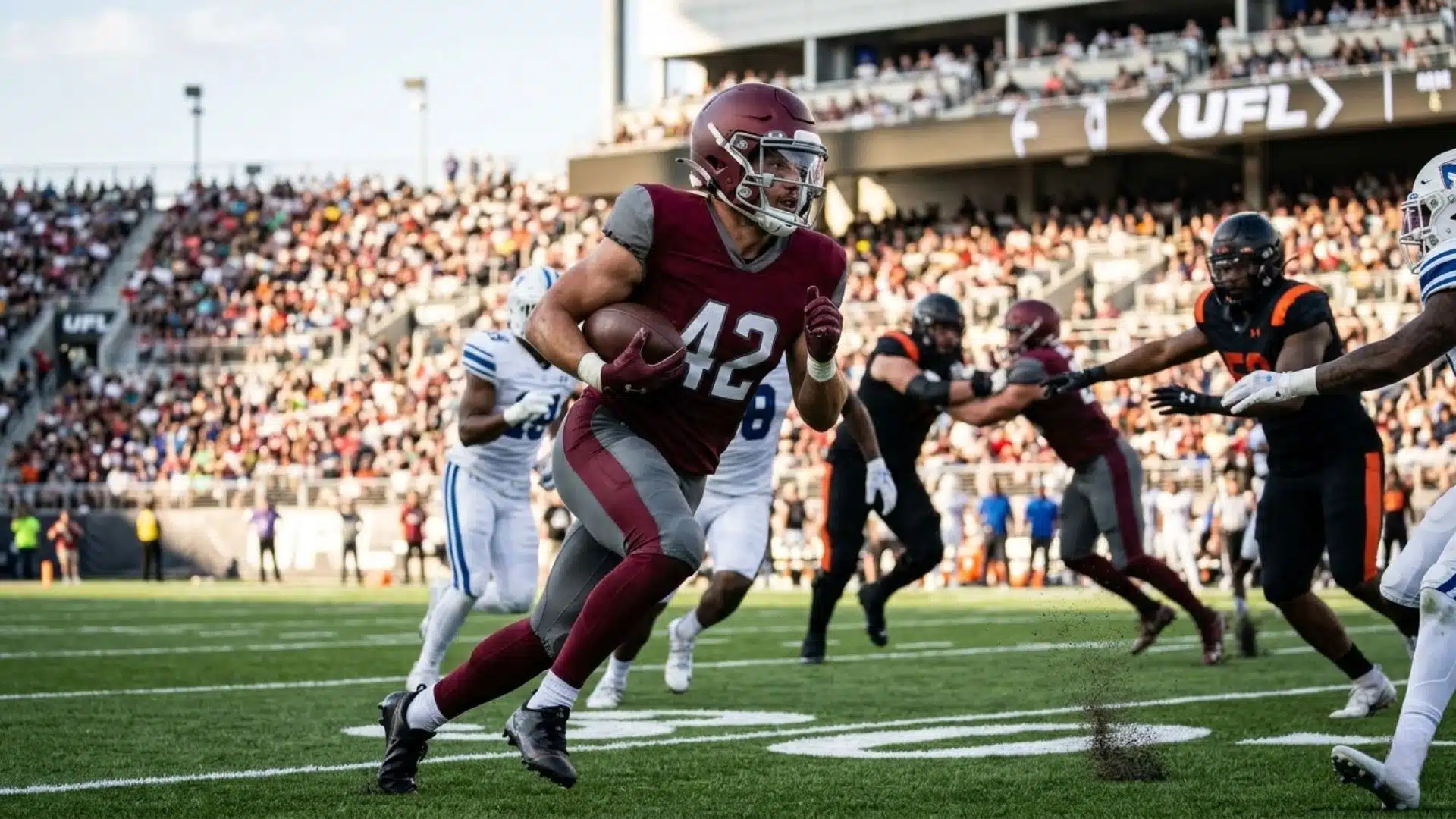



I often see people ask simple but important questions about newer football leagues. How much do players earn? Where do they stay during the season? And how long do they actually play?
If you’re wondering the same, you’re not alone. I had these exact questions when I first started looking into the UFL and how it works for players.
In this guide on UFL player pay, housing, and career length explained, I’ll break everything down in a clear and easy way. You’ll learn about weekly salaries, housing support, and what a typical career looks like in this league.
I’ll keep things simple so you can understand what players experience each season.
How Much Do UFL Players Get Paid?
The current UFL team pay is designed to be simple and steady. Most players earn around $5,000 per week, which adds up over the short spring season.
On top of that, players can earn win bonuses, usually a few hundred dollars per victory, which reward team performance. When compared to the NFL, even a practice squad player earns significantly more per week.
However, UFL player earnings still provide a solid income for a shorter season and a chance to stay active in professional football.
Lower pay reflects the league’s focus on stability and controlled spending. In return, players gain valuable game time, exposure, and opportunities to grow and move forward in their careers.
Is UFL Player Pay Based on Experience or Skill?
UFL player pay is mostly standardized, meaning most players earn similar weekly salaries regardless of experience.
However, certain roles like quarterbacks or key starters may receive slightly higher compensation or added incentives.
The league uses an equal pay structure to keep teams balanced, while still allowing standout players to earn more through bonuses and performance-based incentives.
What Bonuses and Benefits Do UFL Players Receive?
UFL players receive more than just a base salary. The league offers additional financial rewards and support systems that help players stay motivated, protected, and focused throughout the season.
- Win Bonuses: Players earn extra money for each game their team wins. These bonuses encourage strong performance and teamwork, adding a competitive edge while increasing total weekly earnings.
- Training Camp Pay: Players are paid during training camp, ensuring they earn income even before the regular season begins. This helps cover early expenses and supports players as they prepare for the season.
- Injury Protection: The league provides basic injury coverage, providing medical support if players are injured during games or practice. This offers some financial and physical security during the season.
- Performance Incentives: Players may earn extra bonuses for strong individual performance, rewarding consistent effort and standout plays while increasing their total income during the season.
Does the UFL Provide Housing for Players?
Yes, the UFL provides housing support to help players focus on football without worrying about living costs, especially during the season and while adjusting to new teams and cities.
| Aspect | Details |
|---|---|
| League-Supported Housing | The league covers housing expenses during the season, reducing financial pressure and helping players stay focused on performance. |
| Shared Apartments / Hotels | Players typically stay in shared apartments or team-arranged hotels, which keeps costs controlled and builds team bonding. |
| Travel and Relocation | The UFL supports travel and relocation, making it easier for players to move between cities and settle in before the season begins. |
| Benefit for New Players | This setup helps new players adjust quickly to a new environment without worrying about housing or upfront living expenses. |
How Long Do UFL Player Careers Usually Last?
UFL careers are usually short, with most players staying in the league for about one to three seasons. This limited span is mainly due to the league’s structure and its role as a spring football option.
Since it operates outside the main NFL calendar, many players see it as a temporary opportunity rather than a long-term career path. They often use this time to stay active, improve skills, and remain visible to scouts.
Factors like injuries, on-field performance, team needs, and competition for roster spots all play a major role in determining how long a player remains active in the league.
Some players extend their careers by taking advantage of opportunities from the transition from UFL to the NFL, using strong performances to earn attention and advance to higher levels of football.
Why Many Players Use the UFL as a Stepping Stone

Many players see the UFL as a chance to rebuild, improve, and stay visible in professional football while working toward bigger opportunities.
- Exposure to Scouts: UFL games are closely watched by scouts, giving players a chance to showcase their skills and attract attention from higher-level leagues.
- Game Film Opportunities: Regular playing time helps players build fresh game film, which is important when trying to prove consistency, skill, and readiness for the next level.
- Comeback Platform: The league offers a strong comeback path for players returning from injury or those previously overlooked, helping them regain confidence and form.
- Younger vs Experienced Players: Younger players use the UFL to start their careers, while experienced players use it to stay active and extend their time in professional football.
How Pay and Housing Affect Player Performance
Player performance in the UFL is closely linked to stability and comfort during the season. When pay and housing are managed, players can focus fully on training and games without worrying about daily needs or financial stress.
Shared housing also helps build strong team chemistry, as players spend more time together and improve communication on and off the field.
At the same time, short-term contracts create constant pressure to perform, which can increase effort but may also add mental stress for players trying to secure their place and extend their careers.
Is Playing in the UFL Worth It for Players?

Playing in the UFL can be worth it for many players, depending on their goals and career stage.
The league offers steady income, valuable game time, and strong exposure to scouts, which can open doors to higher opportunities.
At the same time, careers are often short, and there is no long-term security. Contracts are limited, and competition remains high.
Overall, the UFL works best as a stepping stone, giving players a chance to stay active, improve, and move forward in professional football.
Wrapping Up
Now that I’ve walked you through player pay, housing, and career length, I hope you have a clearer picture of what life in the UFL really looks like.
It’s not just about playing football; it’s about making the most of a short window, staying ready, and taking every chance to grow.
I think the UFL works best for players who want to prove themselves, stay active, and keep their football dreams alive. While the pay and contracts may not be long-term, the experience and exposure can still be valuable.
If you’re following the league or thinking about it from a player’s side, these details matter more than you might expect.
What do you think about the UFL setup? Would you play in a league like this? Share your thoughts below—I’d love to hear your take.