
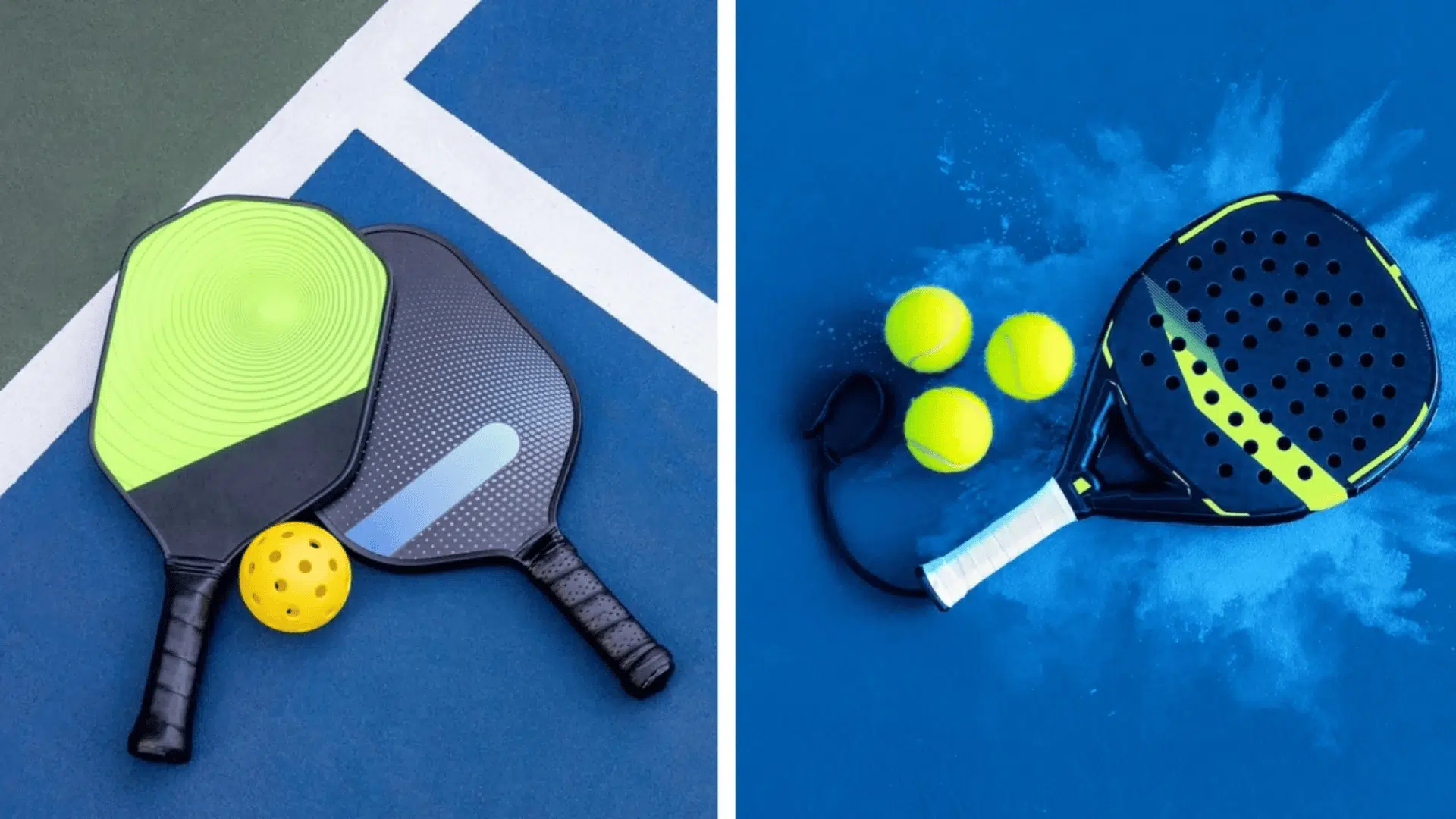



I used to think paddleball and pickleball were almost the same game. The courts look similar, the paddles look alike, and both are fun to play. But once I tried each one, I saw clear differences.
If you have ever wondered about paddleball vs pickleball, you are not alone. Many people mix them up.
In this article, I will share what sets them apart in a simple way.
You will learn how the rules differ, how the courts are set up, and what kind of gear each game uses. I will also talk about the pace, skill level, and which game might suit you best.
By the end, you will have a clear idea of which one fits your style and why the differences matter.
What Is Paddleball?
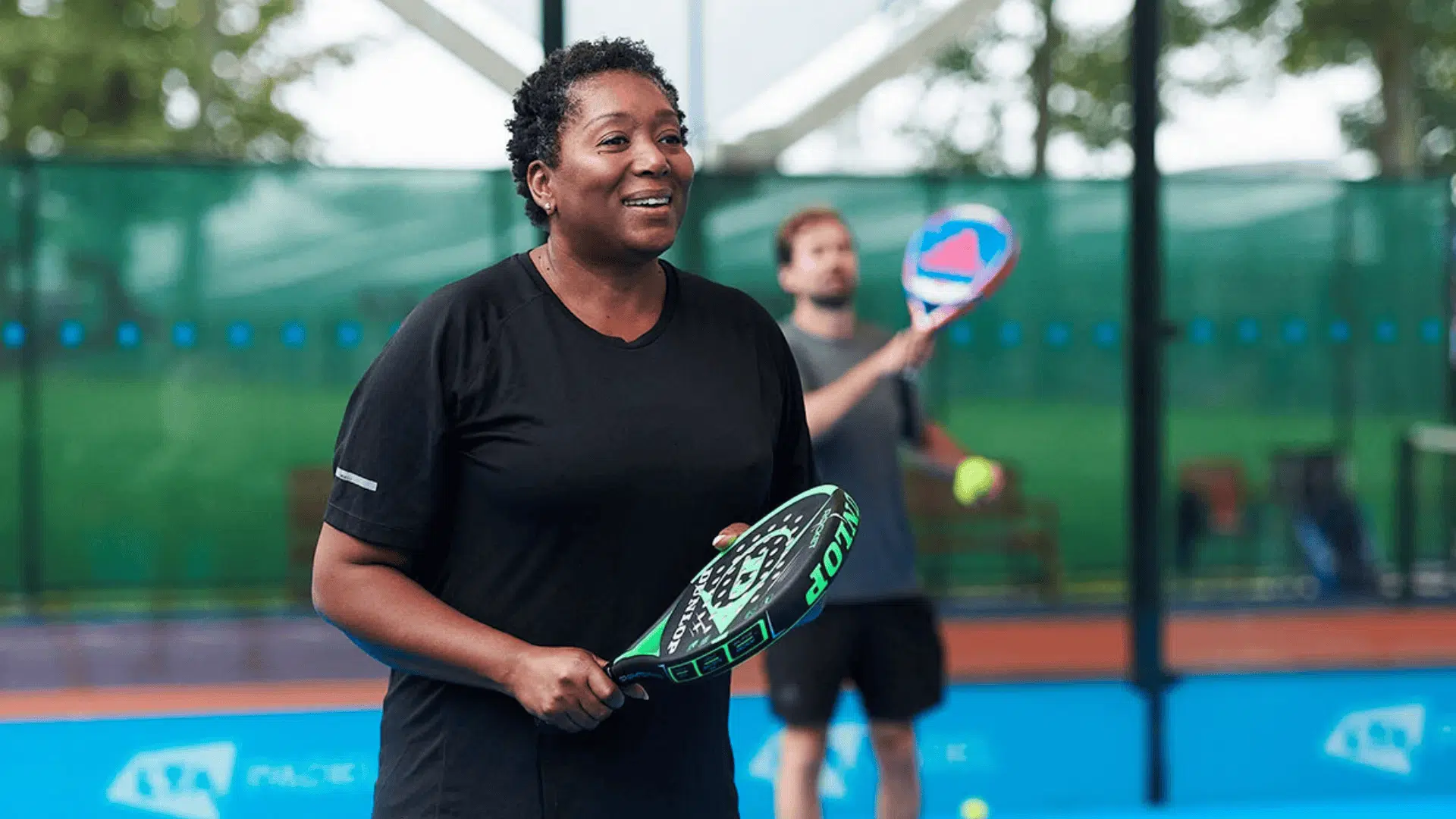
Paddleball began in the early 1900s as a simple beach and handball-style game. Players first used solid wooden paddles and a rubber ball against a wall.
Over time, the sport moved to open courts and split into different versions, including one-wall and four-wall play.
The rules stayed basic, which helped it grow in parks, schools, and community centers.
The focus has always been fast rallies and quick reflexes. That early street and beach culture still shapes the game today.
Matches are direct, with fewer pauses and no complex court zones like in some newer paddle sports. The history matters because it explains why paddleball feels quick and raw.
It rewards speed, timing, and control more than long strategy setups.
Modern players still follow the same core ideas that started over a century ago, which keeps the sport simple and accessible for new players.
What Is Pickleball?
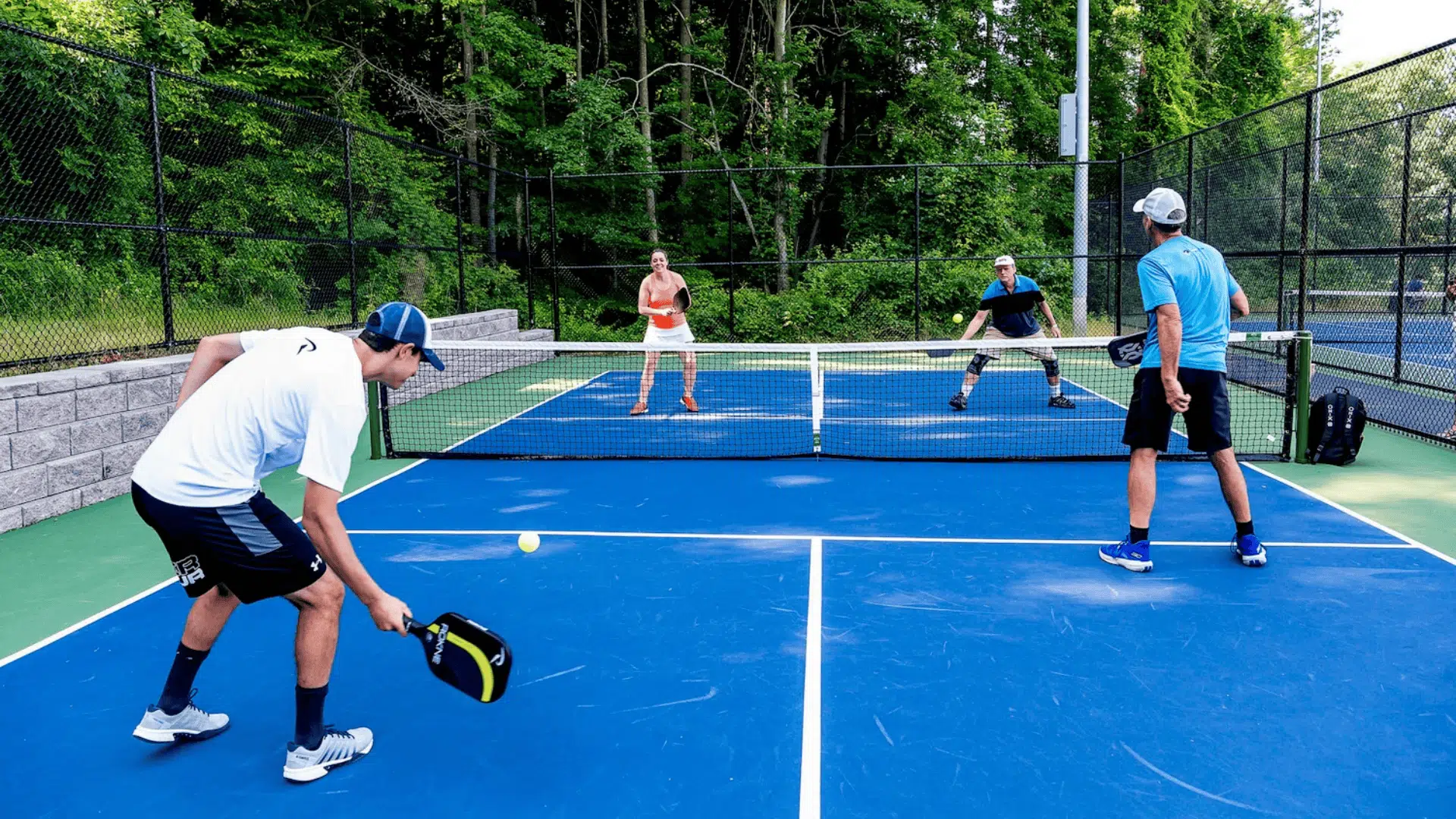
Pickleball started in 1965 as a backyard game created by three dads in Washington state.
They wanted a simple sport their families could play together, so they mixed parts of tennis, badminton, and table tennis.
They used a perforated plastic ball, wooden paddles, and a lowered net.
The rules were easy to learn, which helped the game spread quickly through schools and community centers.
The non-volley zone, often called the kitchen, became a key rule that shaped how the game is played. This rule slowed the pace near the net and added more strategy.
Today, pickleball still reflects its family-friendly roots. It focuses on control, placement, and smart shot selection rather than pure power.
Its history explains why it feels structured, social, and welcoming to players of all ages and skill levels.
Similarities Between Paddleball and Pickleball
Both games share core traits that make them easy to compare. Understanding these shared basics helps you see why people often mix them up.
- Paddle Equipment: Both sports use solid paddles instead of stringed rackets. This creates direct contact with the ball and places strong focus on control and timing.
- Ball Exchange Format: Each game centers on rally-based play where players hit the ball back and forth. Points are built through consistency, placement, and reducing errors.
- Singles and Doubles Options: Both can be played one-on-one or with partners. The format changes movement, communication, and overall strategy.
- Serving-Based Scoring: Points are earned through structured serving systems. While the details differ, both rely on controlled serves to start each rally.
- Community Accessibility: Parks, schools, and recreation centers commonly host both sports. Equipment is affordable, and new players can begin without major barriers.
Paddleball vs Pickleball: Key Differences
These two paddle sports seem closely related, but the overall experience tells a different story. From how points build to how players move, each game creates its own rhythm on the court.
1. Court Structure and Playing Environment
The biggest contrast starts with the playing surface. Paddleball is centered around a wall, which becomes part of every rally.
Players must anticipate rebounds and use angles creatively. There is no net dividing opponents, and positioning is based on wall geometry.
Pickleball, in contrast, is played over a net on a clearly marked rectangular court.
The presence of the net creates defined offensive and defensive zones, shaping shot selection and movement patterns differently than wall-based play.
2. Pace and Rally Dynamics
Paddleball rallies tend to move quickly because the ball rebounds sharply off the wall, often returning at unpredictable angles.
Reaction time is critical, and exchanges can feel intense from the first strike.
Pickleball generally unfolds at a more controlled tempo. The plastic ball travels more slowly through the air, and structured rules such as the non-volley zone reduce constant attacking.
This creates longer rallies focused more on placement and patience than pure speed.
3. Equipment and Ball Behavior
Although both sports use solid paddles, the equipment leads to different results. Paddleball uses a dense rubber ball that feels heavier and rebounds with more force, which makes rallies faster and stronger.
Pickleball uses a light plastic ball with holes, so it moves more slowly and feels easier to control.
Paddle sizes differ slightly, with pickleball paddles often having a wider face.
A friend who plays both told me he adjusts his timing right away because each ball reacts very differently off the paddle.
4. Scoring Structure and Match Format
Traditional paddleball scoring often follows a side-out system where only the server earns points.
Games frequently extend to higher totals, depending on the local format.
Pickleball also uses serving-based scoring in standard play, but it includes a rotation system in doubles and typically shorter target scores.
The structure in pickleball is more standardized nationwide, while paddleball rules may vary by region. These distinctions affect match flow, momentum swings, and overall pacing.
5. Cost Comparison
Both sports are relatively affordable compared to many other racket games.
Paddleball equipment is typically inexpensive, and many public parks provide free wall courts, keeping entry costs low.
Pickleball paddles range from low-cost to high-end models, and plastic balls are easy to find and affordable. Some courts may require a membership or small facility fee.
Overall, paddleball may require slightly less initial investment, depending on local court availability.
Pickleball vs Paddleball: Key Differences at a Glance
Sometimes the fastest way to understand two sports is to strip them down to their core identity. This quick comparison highlights how each game builds its own rhythm, structure, and player experience.
| Key Area | Paddleball | Pickleball |
|---|---|---|
| Court Structure | Wall-based play, no net | Net-based court with marked zones |
| Rally Pace | Fast, rebound-driven exchanges | Slower, placement-focused rallies |
| Ball Behavior | Heavy rubber ball with a strong bounce | Lightweight plastic ball with controlled bounce |
| Scoring Format | Side-out style, often higher point totals | Structured serving rotation, shorter games |
| Learning Curve | Steeper due to wall angles and speed | More beginner-friendly and easier to pick up |
| Cost Overview | Low-cost equipment and often free public wall courts | Affordable paddles and balls, but possible court or membership fees |
Indoor vs Outdoor Play: Which Sport Wins?
When it comes to indoor and outdoor play, both sports handle each setting in different ways.
Paddleball works well outdoors because it originated on beaches and open courts. Wind can affect the ball, but players often adjust with stronger shots and quick reactions.
Indoor paddleball offers more control, especially in wall-based versions.
Pickleball is played both indoors and outdoors, but the ball changes based on the setting.
Outdoor balls are heavier with smaller holes to handle wind, while indoor balls are lighter. Indoor courts give steady conditions and clear lines, which many players prefer.
Outdoor pickleball can be more social and relaxed, but the weather may affect play.
In the end, neither sport clearly wins. The better choice depends on where you play and what type of pace and control you enjoy most.
Singles vs Doubles: How Each Game Is Played?
Playing solo demands full court coverage and constant movement. Adding a partner shifts the focus toward communication, positioning, and shared strategy.
| Format | Paddleball | Pickleball |
|---|---|---|
| Singles Court Coverage | One player covers the full court. Quick footwork and strong returns are key. | One player covers the full court. Placement and stamina matter most. |
| Singles Playing Style | Faster rallies with powerful shots. Less time to recover. | Slower pace than paddleball. More focus on control and angles. |
| Doubles Court Coverage | Two players share space but still move often due to speed. | Two players split the court and guard the non-volley zone closely. |
| Doubles Strategy | Quick exchanges and sharp reactions decide points. | Teamwork, soft shots, and kitchen control shape most rallies. |
| Communication | Helpful, but the pace leaves little time to talk. | Clear communication is important for positioning and shot selection. |
Learning Curve: Is Paddleball or Pickleball Easier?
When it comes to learning the basics, pickleball is often easier for beginners to start with. The court is small, the ball moves more slowly, and rallies give you more time to react.
Many new players can keep a short rally going on their first day. The rules are clear, though the non-volley zone takes some practice.
When I first played pickleball, I kept stepping into the kitchen without thinking and lost easy points.
After a few matches, I learned to slow down and watch my feet. That small adjustment made a big difference.
Paddleball usually has a steeper learning curve at the start. The rubber ball moves faster and rebounds harder, so timing matters right away.
Still, both games get easier with practice. If you want a slower pace to build confidence, pickleball may feel more comfortable. If you enjoy speed and quick reactions, paddleball may suit you better.
Fitness Benefits of Paddleball and Pickleball
Both sports keep your body moving in different ways. They combine steady motion, coordination, and focus during play.
- Cardiovascular Endurance: Quick rallies and steady movement help raise your heart rate. Over time, this can improve stamina and support better circulation.
- Agility and Balance: Fast direction changes and side steps improve footwork. This helps with body control and overall stability.
- Muscle Strength: Repeated swings work your shoulders, arms, and core. Lower-body movement also strengthens legs through constant motion.
- Calorie Burn: Active matches can burn a moderate number of calories. Longer games increase energy use and support weight control.
- Hand-Eye Coordination: Tracking the ball and reacting quickly sharpens focus. This improves reaction time and decision-making skills.
Conclusion
Choosing between paddleball and pickleball really comes down to what kind of experience you want on the court.
If you enjoy quick reactions, sharp angles, and fast exchanges, paddleball may give you that rush. If you prefer smart positioning, steady rallies, and team strategy, pickleball might feel like a better fit.
Both sports offer clear rules, strong communities, and real fitness benefits. Neither is better overall.
They simply test different skills and create a different rhythm of play. That is what makes this comparison worth understanding before you commit your time and energy.
If you’ve played either game, I’d genuinely like to hear your take.
Drop a comment below and share what you enjoy most: pace, strategy, social play, or pure intensity.