




6’8″ has produced some of the NBA’s most iconic players across every era. In this blog, we break down the best and most well-known 6’8″ NBA players of all time, from old-school legends to today’s top names.
You’ll see what made each player special, how they dominated their matchups, and why their games translated at the highest level.
We’ll track how 6’8″ players’ roles changed from the 1980s and 1990s, when forwards had traditional roles, to today’s positionless style where they score, pass, defend, and switch positions.
By the end, you’ll have a clear picture of why 6’8″ players keep showing up on championship teams and all-time lists.
Why 6’8″ is a Special Height in the NBA
At 6’8″, many NBA players get the best of both worlds: size and speed. This height helps players handle contact near the basket while still moving well on the outside.
It also fits today’s game, where teams love versatile players who can score, defend, and switch positions without being a mismatch.
The question of how many players at this exact height actually break into the league is worth looking at, the odds and data behind making the NBA at 6’8″ are more interesting than most fans expect.
- Strong enough for contact: A 6’8″ body can absorb bumps, finish through defenders, fight for rebounds, and hold position in the paint against bigger players, too.
- Quick enough to defend wings: Many 6’8″ players can slide their feet well, stay with scorers on the perimeter, contest jump shots, and recover fast.
- Fits multiple roles: This height works well for wings, forwards, and small-ball 4s, letting coaches change lineups, matchups, and game plans smoothly.
- Built for star versatility: Many stars at 6’8″ can score, pass, and defend, making them hard to game-plan against and valuable in every era.
That’s why 6’8″ keeps showing up in great NBA careers; it creates players who can impact the game in many different ways.
6’8″ NBA Players
These players used their size, skill, and mindset to shape games, lead teams, and leave a lasting mark on NBA history across different eras.
Listed heights are based on official NBA / Basketball-Reference listings, which vary slightly by era and measurement standards.
1. LeBron James

Birthplace: Akron, Ohio, USA
First Played: 2003 (Cleveland Cavaliers)
Team: Cavaliers, Heat, Lakers
LeBron James changed what fans expect from a forward. He blended strength with guard-like skills, making him dangerous from anywhere on the court.
He could control the pace, read defenses, and take over games when needed. His ability to adapt his style over time helped him stay dominant for many seasons.
Leadership, basketball IQ, and consistency made him one of the most impactful players ever.
Why We Put Him At #1: King James + Best peak + longest prime.
Note: LeBron James’ height is officially recorded at 6’9 by the NBA, but many sources cite him at 6’8.
2. Tracy McGrady
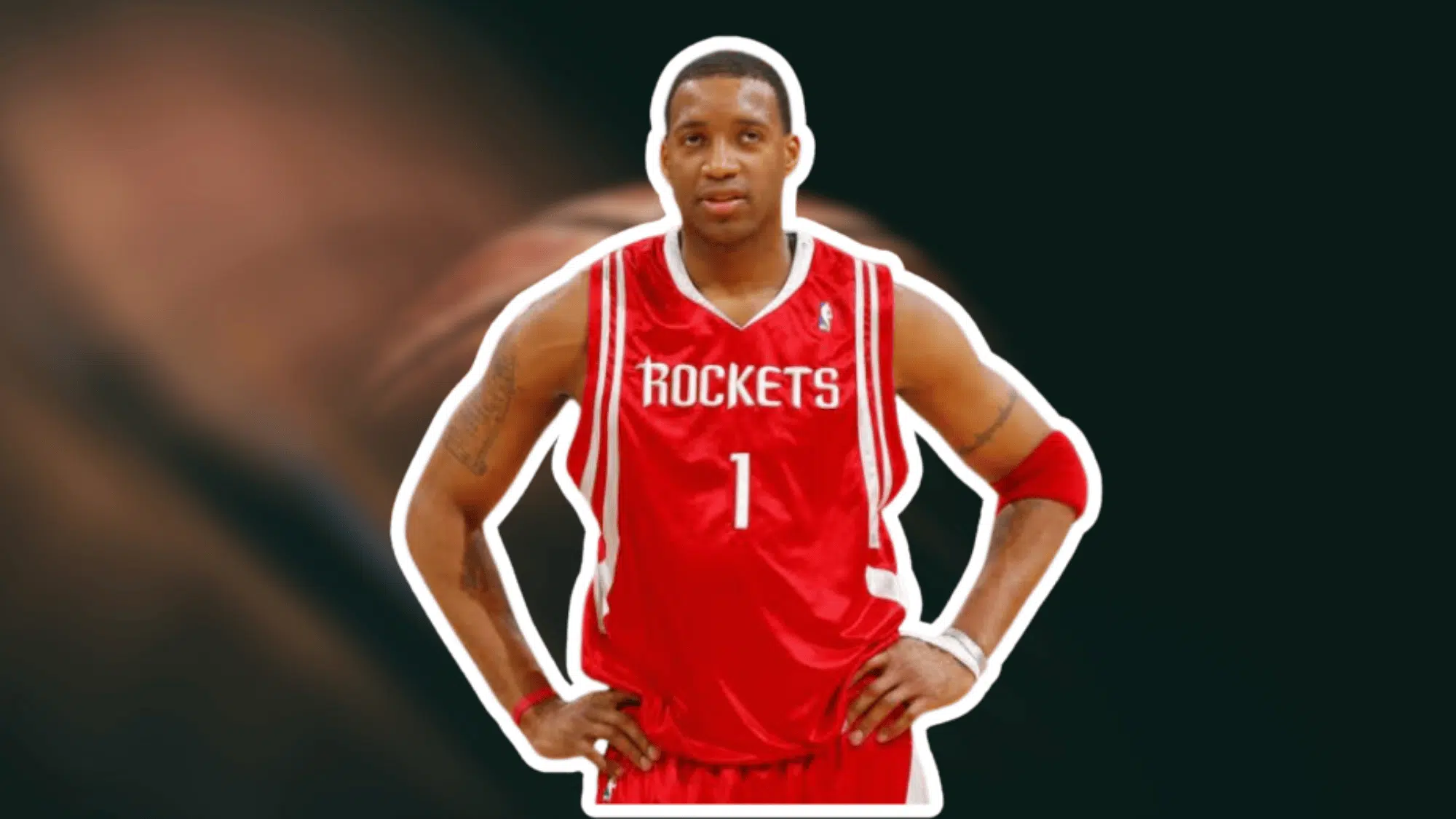
Birthplace: Bartow, Florida, USA
First Played: 1997 (Toronto Raptors)
Teams: Raptors, Magic, Rockets, Spurs, Knicks, Pistons, Hawks
Tracy McGrady was one of the most naturally gifted wings the NBA has ever seen. At 6’8″, he moved like a guard but scored like a star forward, creating shots from anywhere on the floor.
In his prime, he carried heavy usage with elite shot difficulty, thriving in isolation and late-clock situations where defenses knew what was coming.
His blend of handle, pull-up scoring, and passing made him a matchup nightmare, too tall for smaller defenders and too quick for bigger wings.
While injuries limited his peak years and playoff résumé, his prime talent level is undeniable.
T-Mac’s value wasn’t just volume scoring; it was how he generated offense. He created efficient looks without needing perfect spacing, which is why his prime seasons graded like a true “one-man offense.”
Why We Put Him At #2: MVP-level scoring peak, unstoppable shot creation, elite wing stats.
3. Dominique Wilkins

Birthplace: Paris, France
First Played: 1982 (Atlanta Hawks)
Team: Hawks, Clippers, Celtics
Dominique Wilkins was one of the most dominant scoring forwards the league has ever seen. At his peak, few defenders could stay in front of him once he attacked.
He combined strength, speed, and touch to score in isolation, transition, and half-court sets. Wilkins carried heavy offensive loads for years and remained productive deep into his career.
Even without championships, his sustained scoring dominance places him among the elite.
Wilkins graded out as an elite high-difficulty scorer. A large percentage of his points came from self-created attempts late in the clock, where efficiency usually drops.
His first step and power forced defenders to commit early, creating scoring windows even without modern spacing.
Why We Put Him At #3: One of the strongest scoring peaks ever at this height, with long-term production.
4. Grant Hill
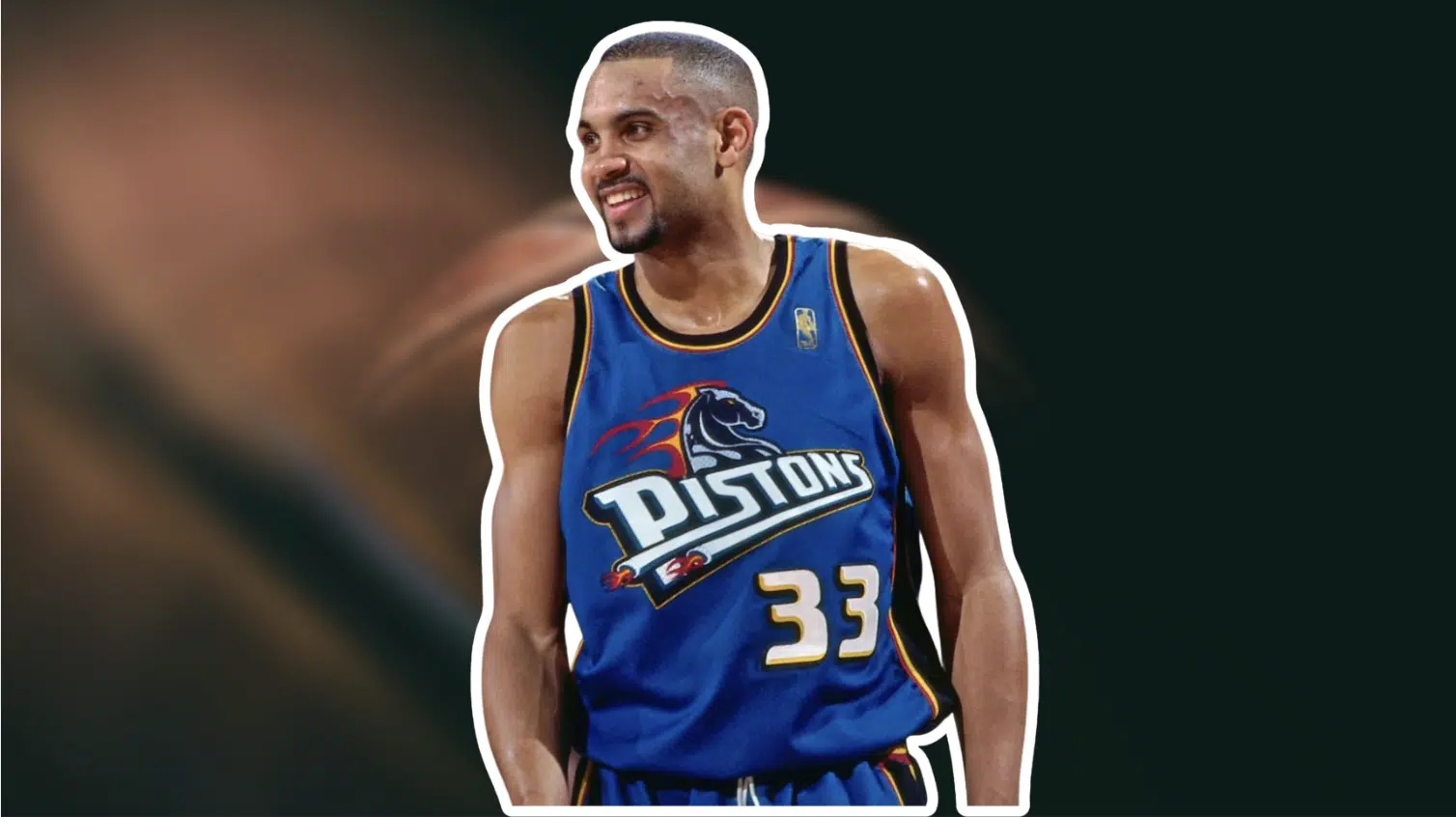
Birthplace: Dallas, Texas, USA
First Played: 1994 (Detroit Pistons)
Teams: Pistons, Magic, Suns, Clippers
Grant Hill was one of the most complete players of the 1990s. At 6’8″, he blended size, speed, and skill in a way that felt ahead of its time, functioning as a primary scorer, playmaker, and rebounder from the forward position.
Early in his career, Hill routinely filled the stat sheet. He could initiate offense like a guard, score in transition or isolation, and create easy looks for teammates. His ability to handle the ball and read defenses helped redefine what a forward could do offensively.
Before injuries altered his trajectory, Hill posted multiple seasons averaging 20+ points, 7+ rebounds, and 6+ assists, numbers rarely seen from forwards in that era. He was one of the league’s most marketable stars and a true franchise centerpiece.
Later in his career, Hill reinvented himself as a high-IQ role player and defender, extending his impact well beyond his athletic prime.
Why We Put Him #4: Elite all-around peak, era-defining versatility, and one of the best early-career résumés ever for a 6’8″ forward.
5. Paul George
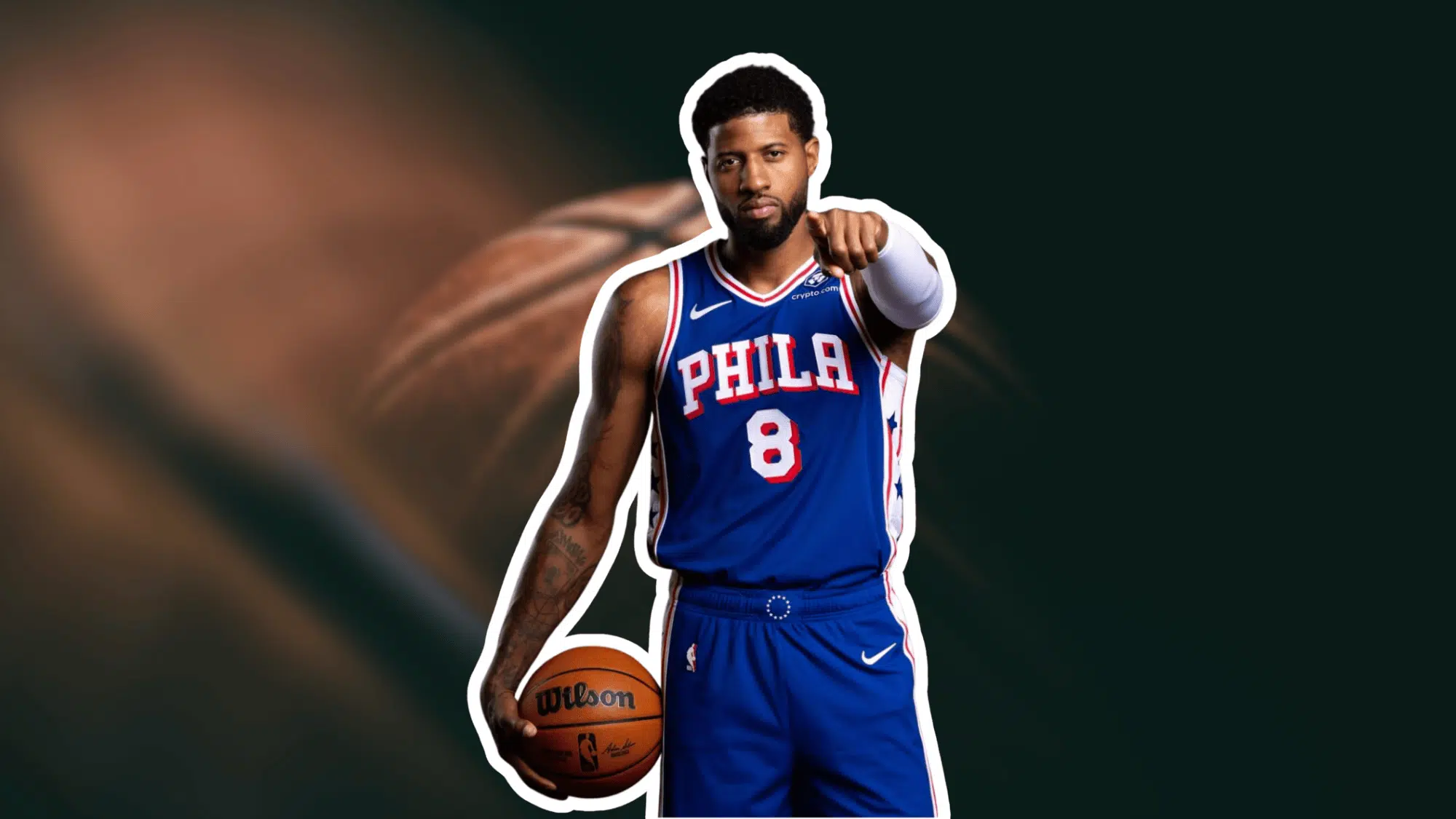
Birthplace: Palmdale, California, USA
First Played: 2010 (Indiana Pacers)
Team: Pacers, Thunder, Clippers
Paul George developed into a true two-way star. At 6’8″, his smooth footwork, shot creation, and defensive instincts allowed him to control games on both ends.
He consistently handled top perimeter matchups while remaining a primary scoring option. Even through injuries, George returned to All-Star and All-NBA levels of play.
His balance of peak seasons, defense, and longevity gives him one of the most complete résumés on this list.
George’s two-way impact peaks in playoff matchup data. He consistently took the toughest perimeter assignments while maintaining offensive efficiency, something very few wings manage over multiple seasons.
Why We Put Him At #5: Elite two-way wing with strong peak years and sustained high-level play.
6. Jayson Tatum
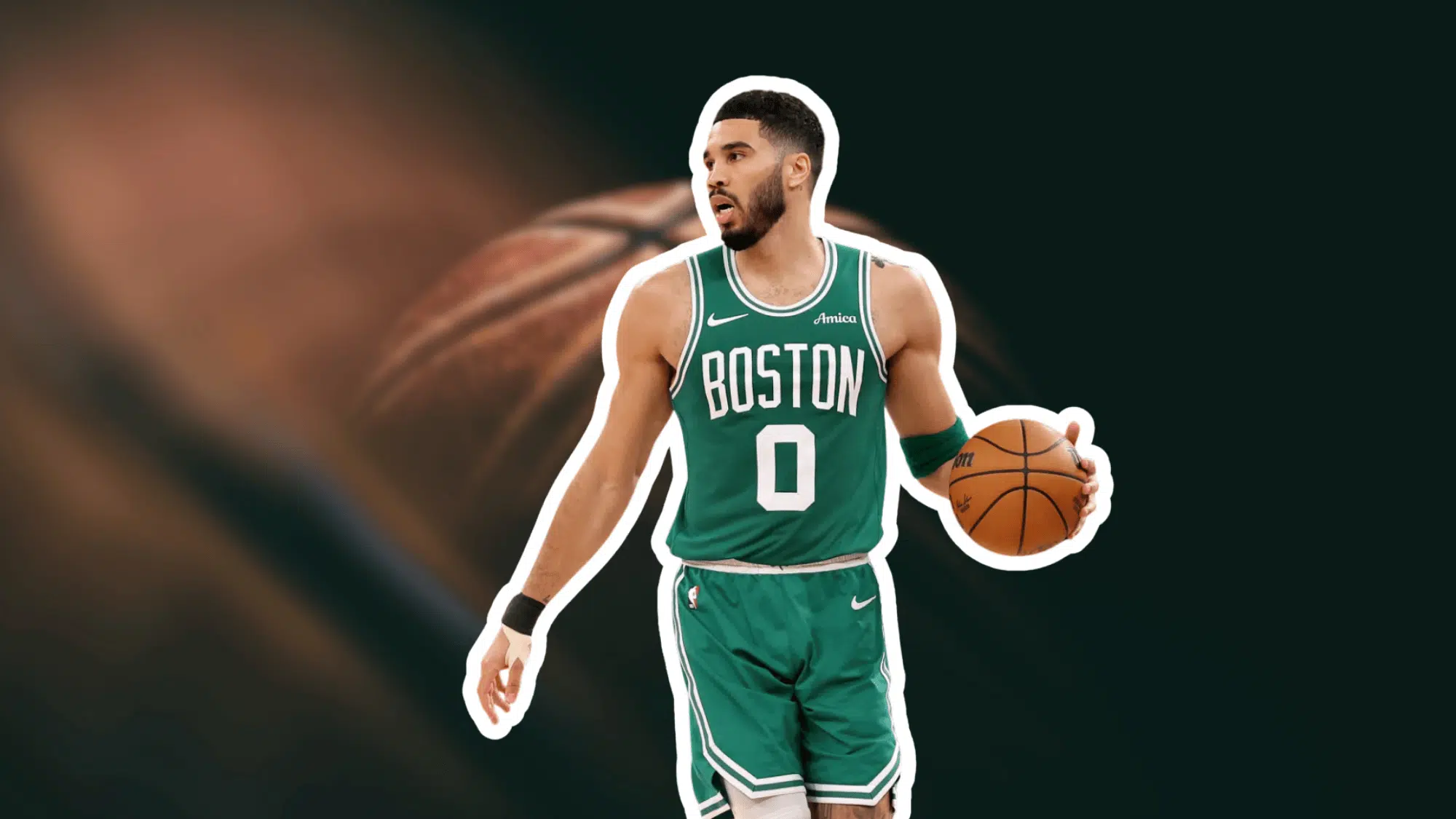
Birthplace: St. Louis, Missouri, USA
First Played: 2017 (Boston Celtics)
Team: Boston Celtics
Jayson Tatum represents the modern evolution of the 6’8″ forward. He scores at all three levels, reads defenses well, and has grown into a reliable playoff performer.
It’s worth noting that Tatum’s listed height without shoes tells a slightly different story than his official listing, which is common across the league and affects how coaches actually match him up.
His calm play and leadership help him succeed in the playoffs.
With his prime still unfolding, his long-term standing could rise even higher.
Tatum’s growth shows up in shot profile data. Over time, his efficiency improved not by reducing attempts, but by taking better difficult shots.
Why We Put Him At #6: Strong peak, growing playoff résumé, and clear franchise-leader trajectory.
7. Scottie Pippen

Birthplace: Hamburg, Arkansas, USA
First Played: 1987 (Chicago Bulls)
Team: Bulls, Trail Blazers, Rockets
Scottie Pippen defined what it meant to be a complete forward. At 6’8″, he combined elite defense, playmaking, and basketball IQ into a role that every modern wing is compared against.
He guarded the best player on the floor, initiated offense, and thrived in high-pressure playoff moments. Pippen rarely forced the game, but his presence constantly tilted it in his team’s favor.
His versatility and winning impact made him essential to one of the greatest dynasties in NBA history.
From an analytics lens, Pippen’s value shows up most clearly in lineup stability. Chicago’s defensive ratings consistently improved when he was on the floor, even without Jordan.
He reduced help rotations by guarding elite scorers one-on-one, which kept teammates in position and cut down open shots.
Why We Put Him At #7: Best two-way résumé, elite playoff value, and massive championship impact.
8. Pascal Siakam
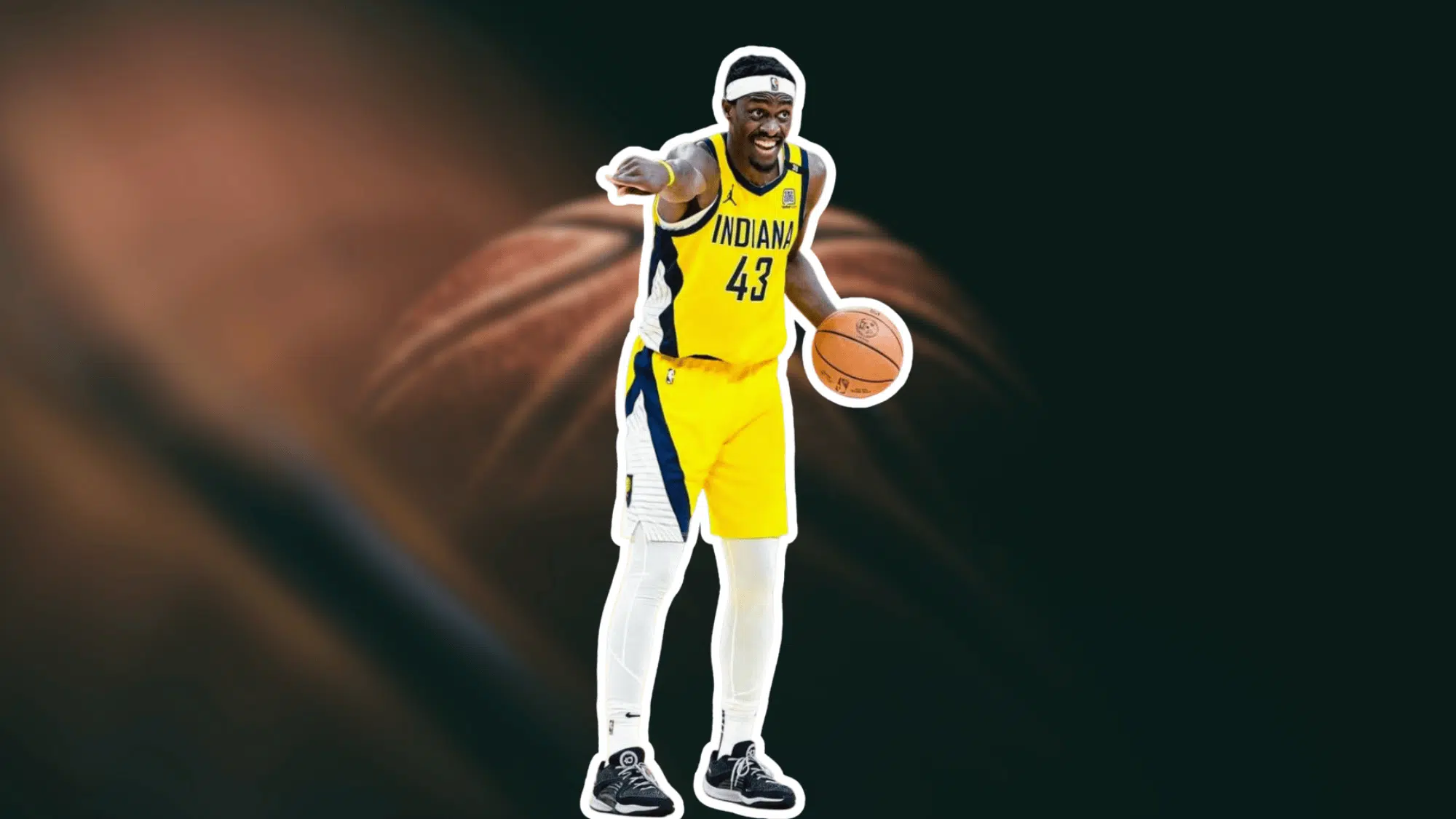
Birthplace: Douala, Cameroon
First Played: 2016 (Toronto Raptors)
Team: Raptors, Pacers
Pascal Siakam built his career through relentless effort and adaptability. At 6’8″, his speed, length, and motor allow him to impact games without needing constant touches.
He played a major role on a championship team and later proved he could carry heavier offensive responsibility. Siakam’s ability to defend multiple positions adds to his value.
Siakam’s value spikes in transition and broken-play situations. His versatility fits both traditional and modern systems.
Why We Put Him At #8: Championship impact, two-way versatility, and strong prime years.
9. Brandon Ingram

Birthplace: Kinston, North Carolina, USA
First Played: 2016 (Los Angeles Lakers)
Team: Lakers, Pelicans
Brandon Ingram developed into a smooth, high-level scorer with strong shot-making ability. At 6’8″, his length and footwork allow him to score over defenders from multiple spots.
He excels in isolation and mid-range situations, often taking on late-clock responsibilities. While his playoff résumé is still limited, his peak scoring seasons stand out.
Ingram profiles as a high-efficiency isolation scorer. His length allows him to shoot over contests rather than relying on separation, which keeps his efficiency stable even against elite defenders.
Ingram’s skill set fits well in modern offensive systems.
Why We Put Him At #9: Strong scoring peak, but lighter playoff and two-way résumé.
10. Aaron Gordon

Birthplace: San Jose, California, USA
First Played: 2014 (Orlando Magic)
Team: Magic, Nuggets
Aaron Gordon found his ideal role as a versatile defender and connector on a championship team. At 6’8″, he guards multiple positions, finishes strong at the rim, and thrives without needing high usage.
His physical defense and off-ball movement have been crucial in high-leverage playoff games. Gordon’s value shows up more in winning impact than in box scores.
He exemplifies how versatility wins in modern basketball.
Why We Put Him At #10: High playoff impact and defensive versatility on a title team.
11. Jalen Johnson
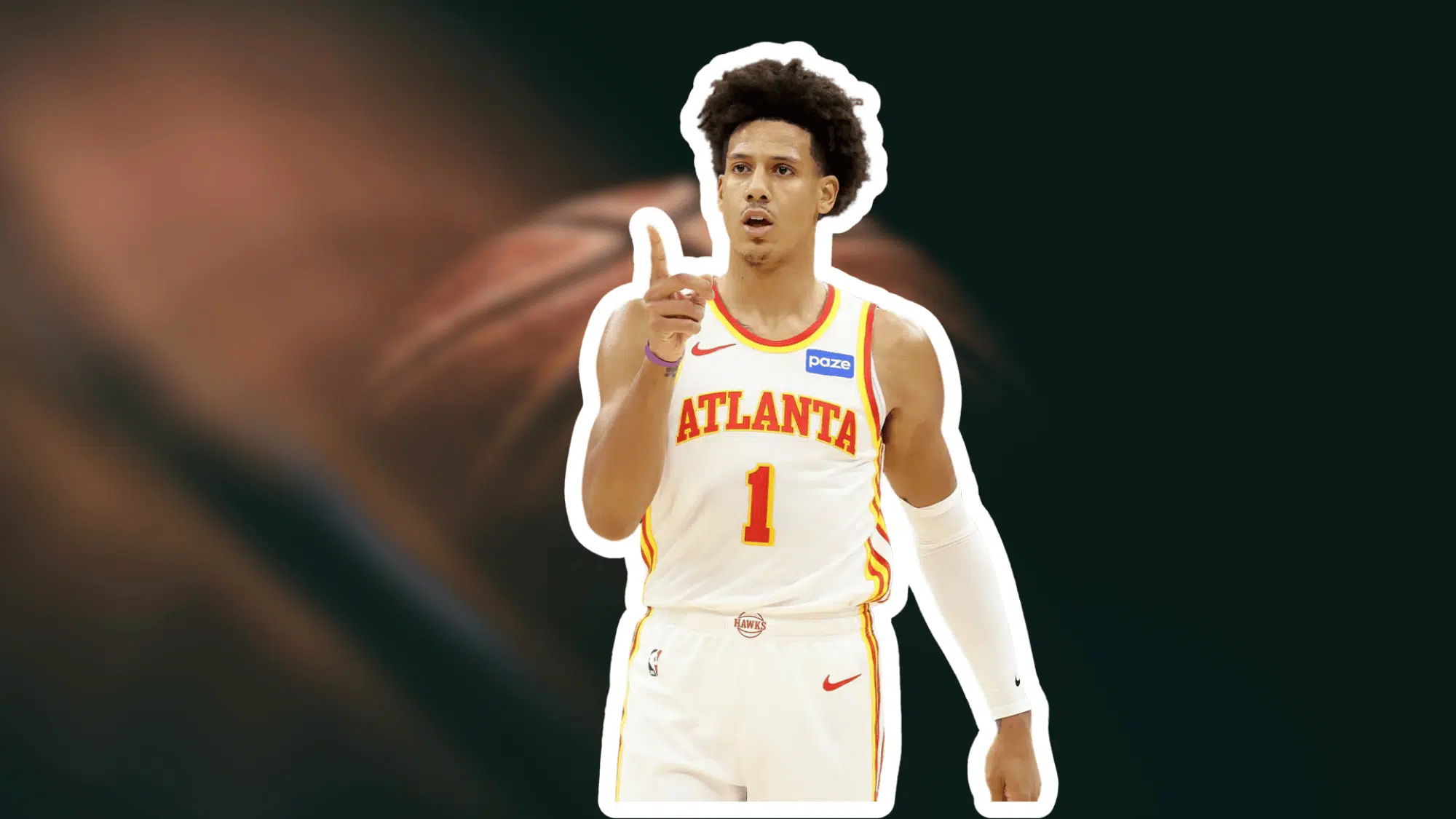
Birthplace: Wausau, Wisconsin, USA
First Played: 2021 (Atlanta Hawks)
Team: Hawks
Jalen Johnson is the newest name on the list, but his rise has been rapid. At 6’8″, he impacts the game with rebounding, passing, and defensive activity.
His all-around stat lines hint at a high ceiling, especially as his decision-making improves. While his career is still young, his early impact is promising.
Future playoff runs will determine how high he climbs.
Why We Put Him At #11: Strong early peak signs, but limited longevity so far.
Special Mentions
Here are some of the special mentions that could be or could have been top players.
Cameron Johnson
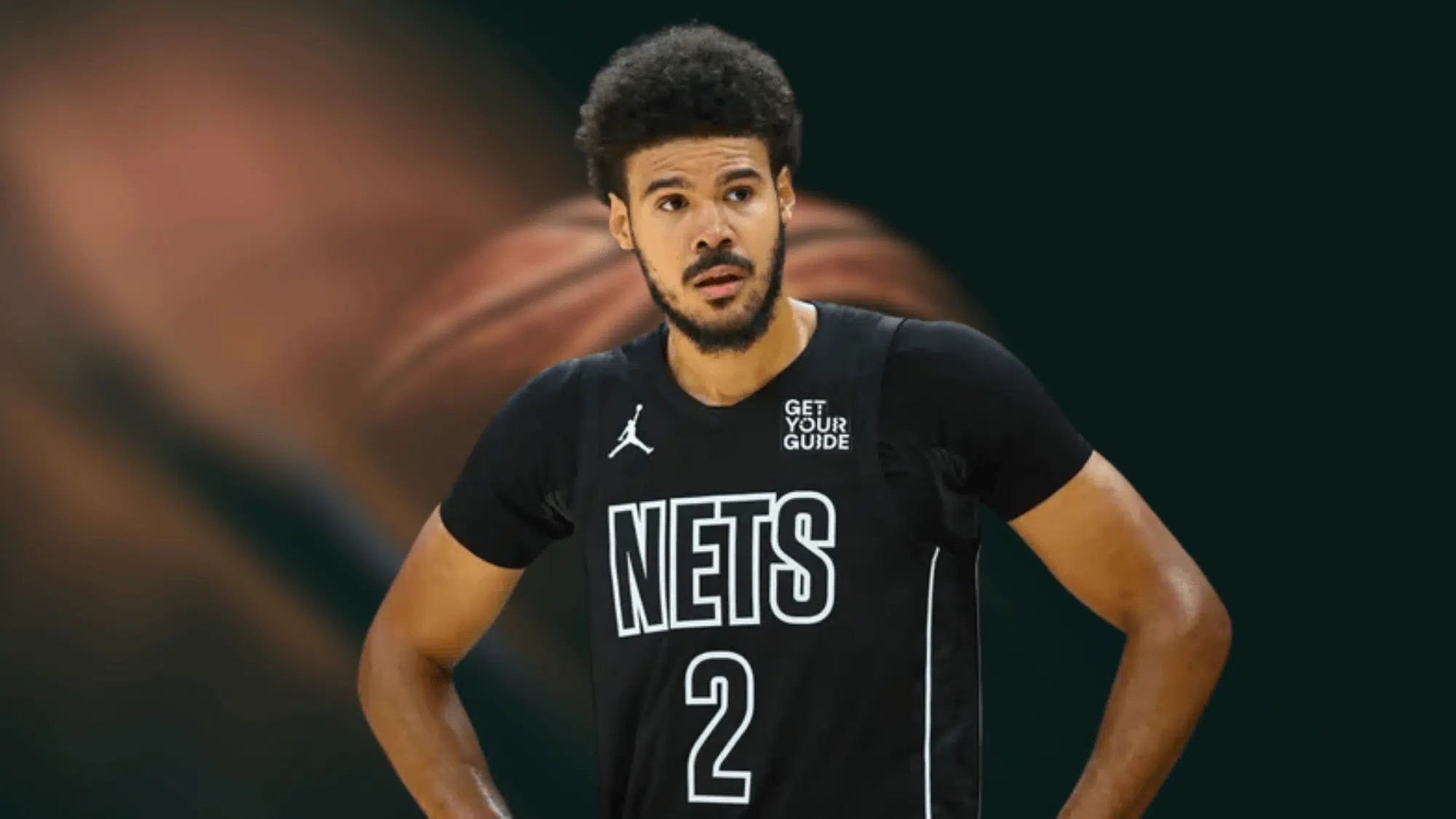
Birthplace: Moon Township, Pennsylvania, USA
First Played: 2019 (Phoenix Suns)
Teams: Suns, Nets
Cameron Johnson is basically the modern 6’8″ role-player cheat code: he spaces the floor, moves smartly, and makes defenses pay the second they help off him.
At his size, he gets clean looks over closeouts, hits catch-and-shoot threes, and keeps the offense flowing with quick decisions.
If defenders run him off the line, he can attack the closeout, take a couple of dribbles, and make the simple pass or finish.
He’s not a lockdown defender, but he competes, uses his length well, and fits switch-heavy lineups when the team around him is solid.
Trey Murphy III
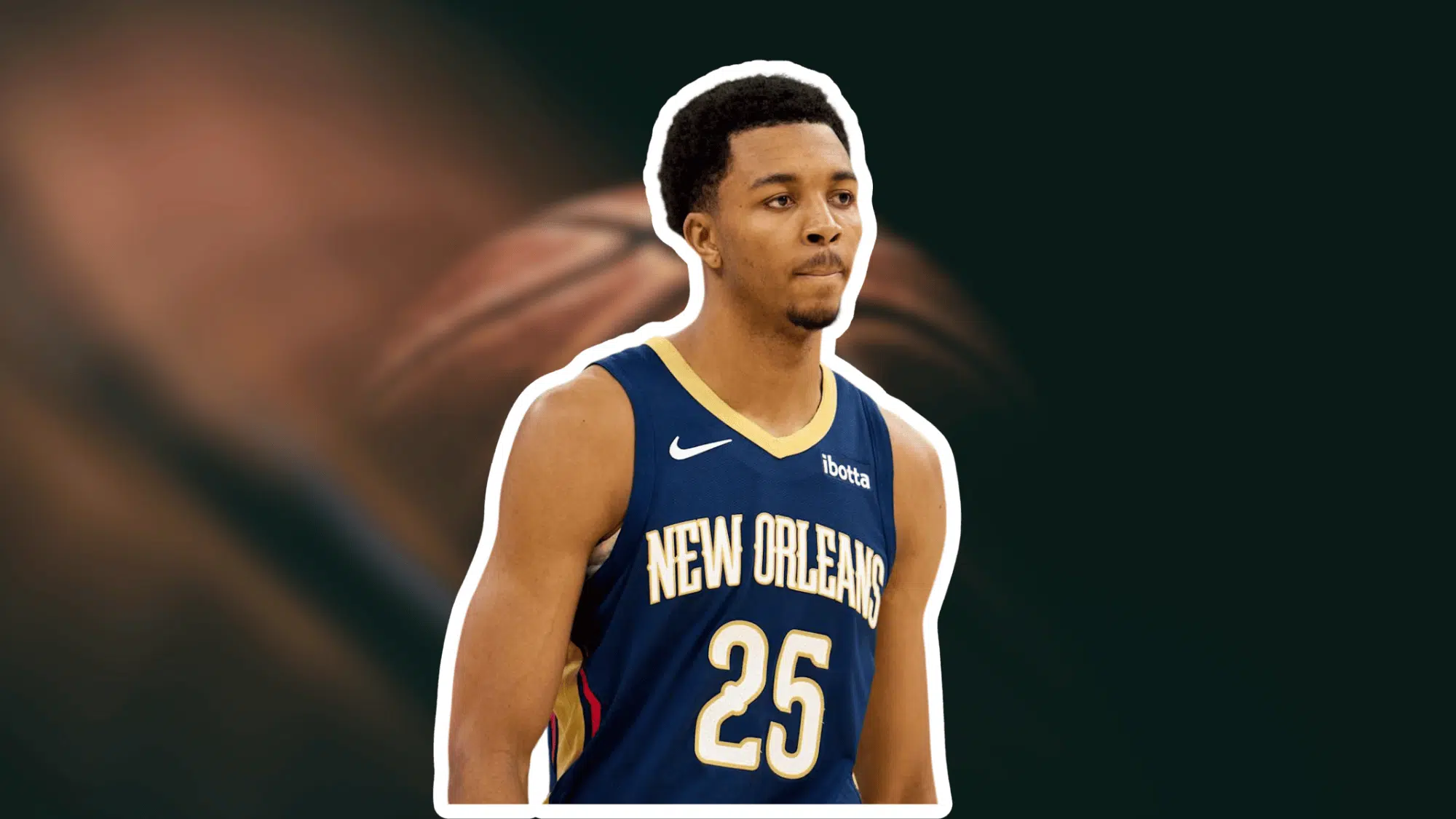
Birthplace: Durham, North Carolina, USA
First Played: 2021 (New Orleans Pelicans)
Team: Pelicans
Trey Murphy III has emerged as one of the most dangerous modern role-plus wings. At 6’8″, he blends elite shooting range with strong vertical athleticism, making him effective both off the ball and attacking closeouts.
He stretches defenses with deep three-point shooting, runs the floor hard in transition, and finishes above the rim when defenders overplay his shot.
Murphy’s defensive effort and length allow him to hold his own across multiple perimeter matchups. His offensive confidence and usage continue to grow; his impact has moved well beyond a simple spot-up role.
Brandon Clarke
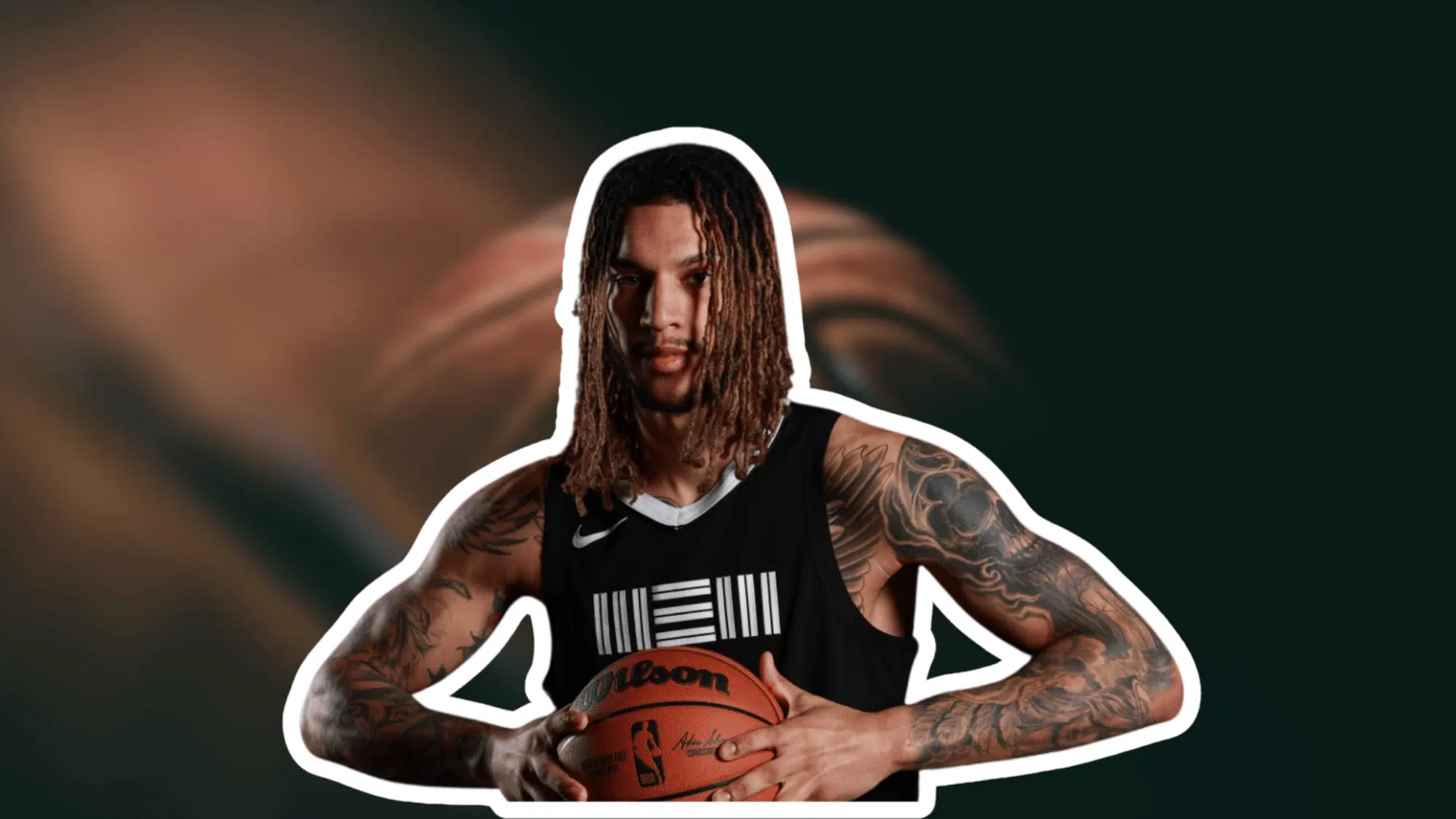
Birthplace: Vancouver, British Columbia, Canada
First Played: 2019 (Memphis Grizzlies)
Team: Grizzlies
Brandon Clarke made his name with energy, efficiency, and defensive instincts. At 6’8″, he plays bigger than his size, using quick jumps and timing to finish inside and protect the rim.
He thrives as a low-usage player who maximizes possessions through smart cuts, offensive rebounds, and hustle plays. Clarke’s impact often shows up in momentum shifts rather than box-score explosions.
Clarke’s efficiency comes from shot selection. He avoids low-percentage attempts and converts at a high rate around the rim. His games show elite timing on cuts and offensive rebounds.
In playoff settings, his versatility allows coaches to trust him in multiple frontcourt combinations.
Deni Avdija
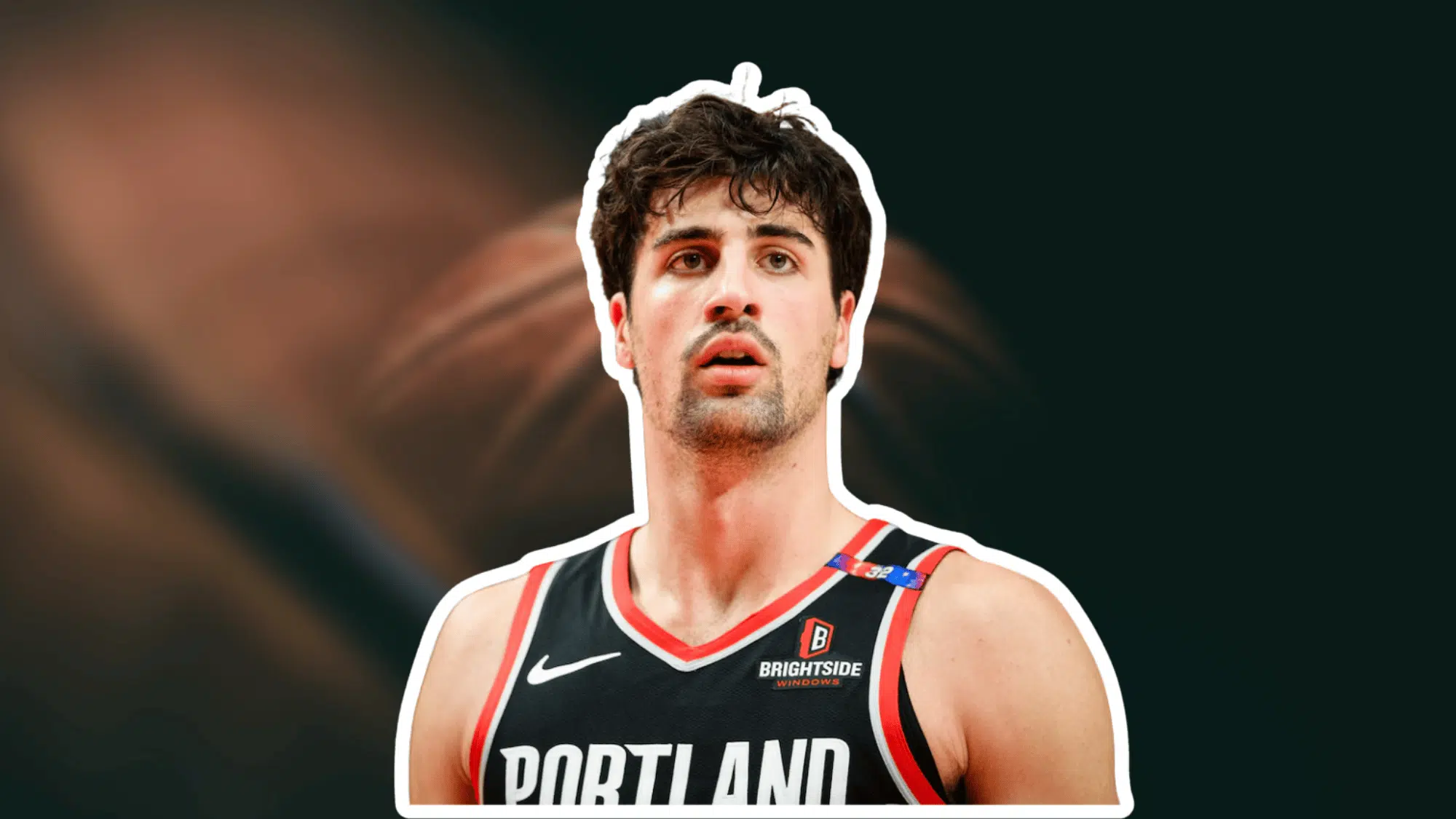
Birthplace: Beit Zera, Israel
First Played: 2020 (Washington Wizards)
Team: Wizards, Trail Blazers
Deni Avdija has steadily grown into a reliable two-way forward. At 6’8″, he combines defensive versatility with improving offensive confidence, allowing him to impact games without dominating the ball.
He defends multiple positions, rebounds well for his size, and has developed into a capable secondary playmaker. Avdija’s strength and awareness help him survive physical matchups while still moving comfortably on the perimeter.
As his scoring efficiency continues to rise, his value as a do-it-all forward becomes clearer.
Best 6’8″ Players by Play Style
Not every great 6’8″ player controls the game the same way. Some win with defense and versatility, others with scoring, shooting gravity, or nonstop energy around the rim.
Best Two-Way Wings
Scottie Pippen, Paul George, and Jayson Tatum stand out because they impact both sides of the floor. They can take tough matchups defensively, still create offense, and stay effective late in games.
All three can guard multiple positions, switch in modern schemes, and still be trusted to score or make plays when defenses tighten.
Best Pure Scorers
Dominique Wilkins, Jayson Tatum, and Brandon Ingram are the top scoring threats on this list. They can score in isolation, punish mismatches, and create shots without needing a perfect setup.
Wilkins brought relentless attacking and volume scoring, while Tatum and Ingram represent the modern version: balanced footwork, shot creation, and three-level scoring.
Best Shooters and Floor Spacers
Trey Murphy III and Cameron Johnson bring the kind of spacing that changes a defense before the play even develops. Their shooting forces closeouts, opens driving lanes, and gives ball-handlers more room to operate.
They may not be primary stars, but their shooting “gravity” is exactly what winning lineups need in today’s NBA.
Best Athletic Finishers and Hustle Big
Aaron Gordon brings power, vertical finishing, and high-energy impact. They attack the rim hard, finish in traffic, and swing momentum with physical play.
Gordon thrives as a versatile defender and strong finisher in big games, while Clarke wins with quick jumps, cuts, and nonstop activity inside.
Best “Do-It-All” Forwards
Pascal Siakam and Deni Avdija are the best all-around forwards in this group. They can score, defend, rebound, and keep the offense moving without needing constant touches.
Siakam offers proven championship-level versatility, while Avdija adds a modern blend of defense, rebounding, and improved playmaking.
Career Stats of 6’8 Players
Here’s a quick snapshot of how these 6’8″ standouts stacked up in key career numbers, showing who scored most, rebounded best, and won the biggest.
| Player | PPG | RPG | All-Star | Championships |
|---|---|---|---|---|
| LeBron James | 27.1 | 7.5 | 20 | 4 |
| Tracy McGrady | 19.6 | 5.6 | 7 | 0 |
| Dominique Wilkins | 24.8 | 6.7 | 9 | 0 |
| Grant Hill | 16.6 | 6.0 | 7 | 0 |
| Paul George | 20.8 | 6.5 | 9 | 0 |
| Jayson Tatum | 23.8 | 7.2 | 5 | 1 |
| Scottie Pippen | 16.1 | 6.4 | 7 | 6 |
| Pascal Siakam | 17.4 | 6.5 | 2 | 1 |
| Brandon Ingram | 19.4 | 5.2 | 0 | 0 |
| Aaron Gordon | 12.7 | 5.9 | 0 | 1 |
| Jalen Johnson | 12.1 | 6.8 | 0 | 0 |
| Cameron Johnson | 10.2 | 3.8 | 0 | 0 |
| Trey Murphy III | 11.5 | 3.6 | 0 | 0 |
| Brandon Clarke | 9.8 | 4.5 | 0 | 0 |
| Deni Avdija | 10.7 | 5.4 | 0 | 0 |
Of course, these numbers only tell part of the story, listed heights across the league aren’t always consistent.
And Kevin Durant’s real height is one of the most discussed examples of how official listings and actual measurements can differ by more than an inch.
How We Have Ranked These Players
This ranking is based on:
- Peak Impact: How dominant the player was at their best, including prime seasons, matchup control, and clutch takeover ability.
- Winning & Playoff Performance: Championships matter, but also playoff consistency, big-series moments, leadership under pressure, and reliability in must-win games.
- Two-Way Ability: Defense plus versatility: switching across positions, contesting shots, disrupting actions, and still creating efficient offense on the other end.
- Longevity & Consistency: Sustained production over time, durability, steady roles across seasons, and staying effective despite aging, injuries, or changing teammates.
Wrapping Up
6’8″ has proved to be a winning height in the NBA because it can fit almost any style of basketball. Some players on this list became legends with scoring, others with defense, and many with a mix of both.
What makes this height stand out is how easily it adapts; fast breaks, half-court sets, tough playoff games, and modern spacing all work well with a strong 6’8″ forward or wing.
From old-school stars to today’s leaders, these players showed that talent matters most, but the right build can help that talent shine.
Enjoyed this list? Share it with a basketball fan and drop a comment with another 6’8″ name that deserves a spot.
Frequently Ranked Questions
What Positions do Most 6’8″ Nba Players Play?
Most 6’8″ players are small forwards (SF) or power forwards (PF). In today’s NBA, many also play as “small-ball 4s” or even handle the ball like guards.
Is LeBron James really 6’8″ or 6’9″?
Official listings often show 6’9″, but plenty of sources (and fans) list him at 6’8″. Heights can vary by era, team listings, and how/when players are measured.
Are NBA Heights Measured With Shoes on or Barefoot?
Today, teams generally list heights closer to barefoot measurements, but older listings were often with shoes. That’s why some players “change” an inch depending on the source.