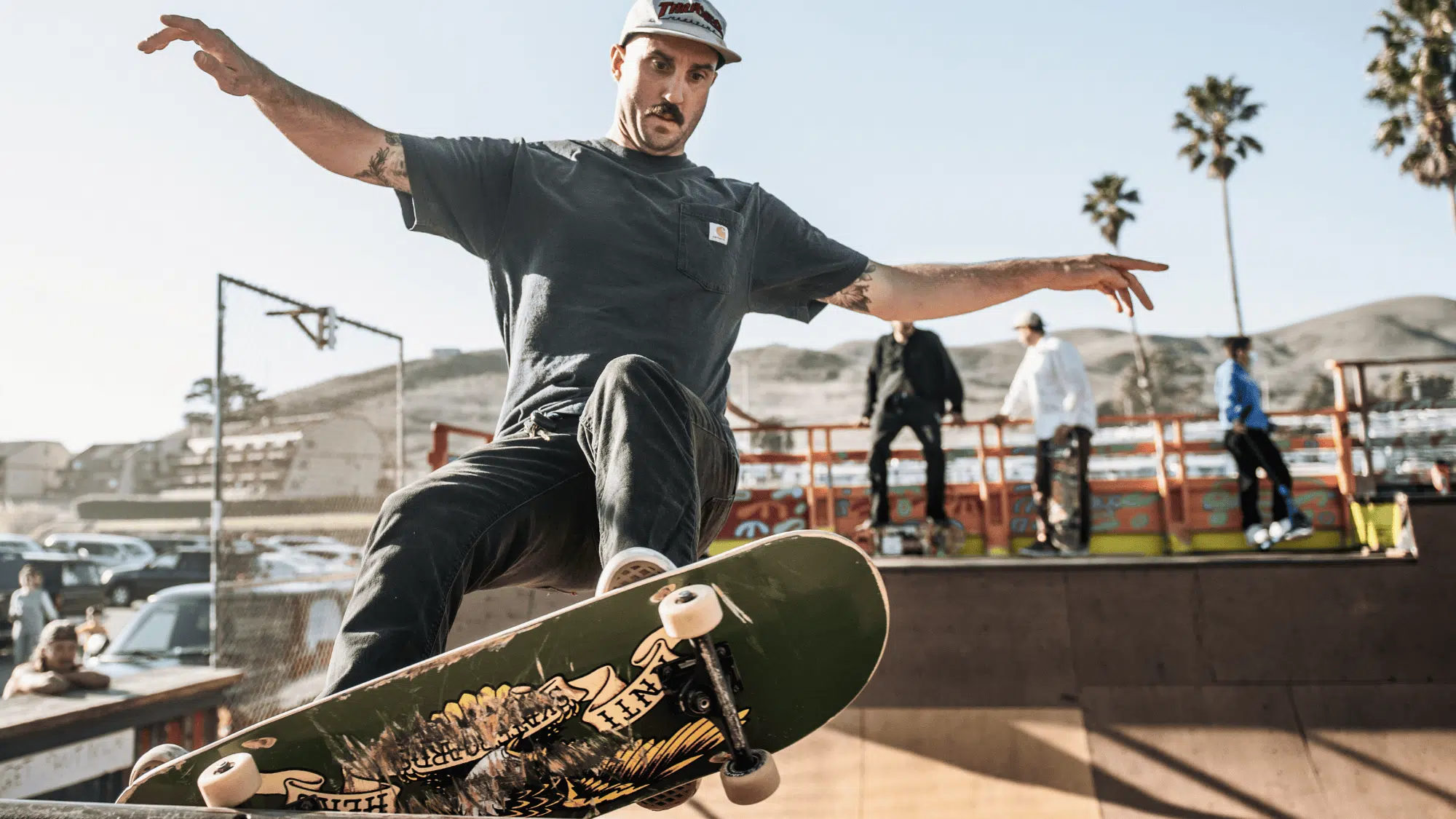





Skateboarding has created some of the coolest and most inspiring athletes in the world. But what actually makes a skateboarder truly famous?
This blog breaks it all down in an easy way. It looks at how legends rise through contests, viral clips, new tricks, and major cultural impact.
We will also share a list of living icons who continue to shape skateboarding today, from Tony Hawk to Rayssa Leal.
You’ll also read about skaters who paved the way, how pros are made, how they earn money, and how famous riders help grow the sport around the world.
By the end, the journey from local skater to global legend will feel clearer, more exciting, and more inspiring.
What Makes a Skateboarder Truly Famous?
Not everyone who lands a kickflip becomes a household name. Famous skateboarders reach legendary status through a mix of different achievements:
- Contest Domination: Winning competitions like Street League, X Games, or the Olympics puts skaters on the map. Consistent podium finishes prove they can perform under pressure.
- Trick Innovation: The most memorable famous skaters invent moves that change everything. Think about how Rodney Mullen created the kickflip or how Tony Hawk landed the 900. These moments become skateboarding history.
- Legendary Video Parts: Before social media, skaters made their names through video parts in films like “The Search for Animal Chin” or “Fully Flared.” A killer video part could launch a career overnight.
- Internet Fame: Today’s skaters blow up through Instagram clips, TikTok videos, and YouTube channels. Going viral can create instant recognition across the globe.
- Cultural Impact: Some skaters transcend the sport itself. They influence fashion, music, art, and lifestyle. When your style gets copied by people who don’t even skate, that’s true cultural power.
- Global Reach: The most famous skaters connect with fans worldwide. They travel for demos, appear in international campaigns, and represent skateboarding’s universal language.
All these factors combine to separate casual pros from genuine legends. The skaters on this list have checked multiple boxes and continue inspiring new generations.
Living Legends: Famous Skateboarders You Should Know
This list celebrates the living famous skateboarders who actively shape skateboarding today. Through competitions, videos, media presence, and cultural influence, these legends keep pushing the sport forward.
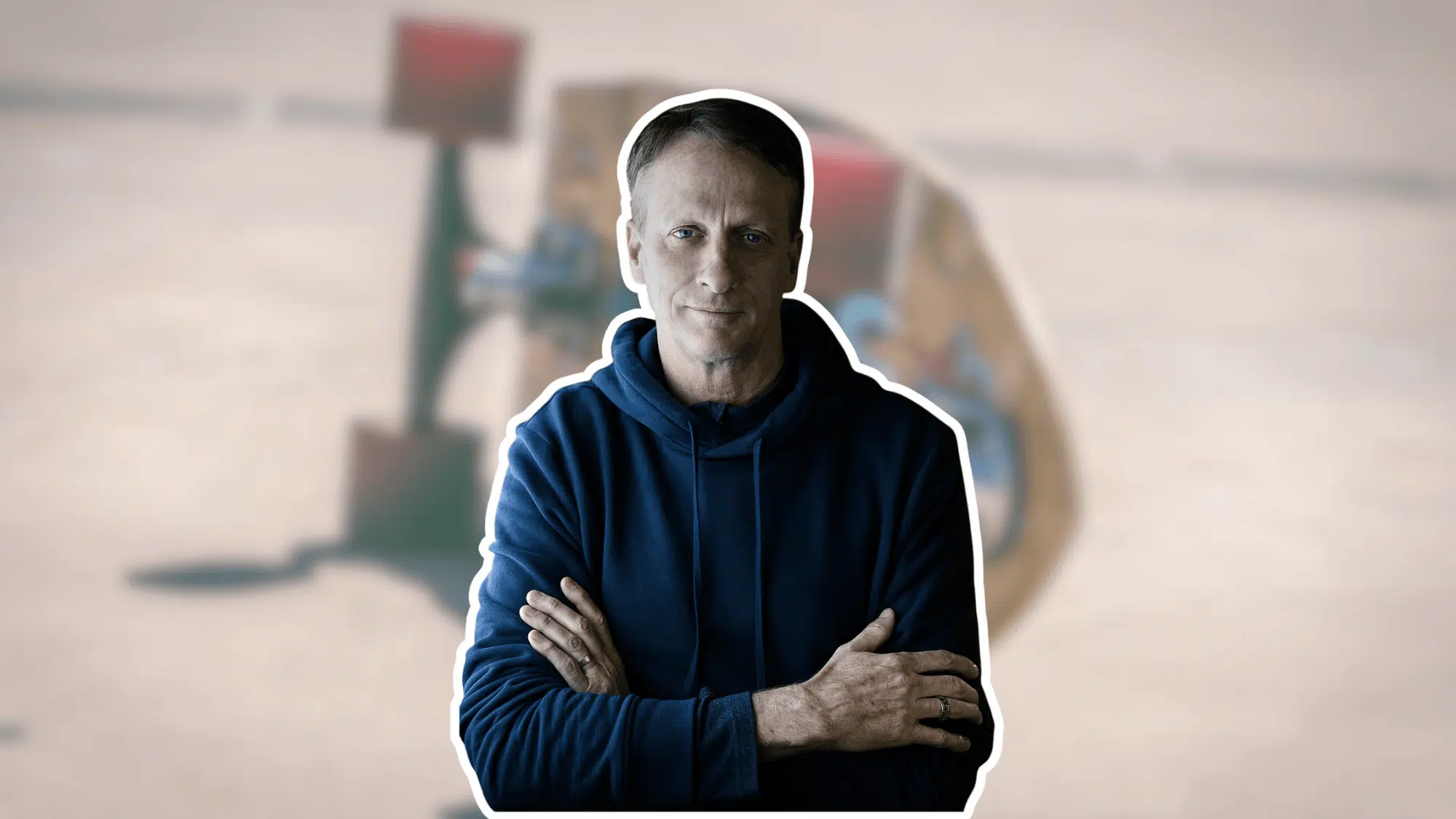
1. Tony Hawk
| Born | Birthplace | Award |
|---|---|---|
| May 12, 1968 | San Diego, California | 12× National Skateboarding Association Vert Champion (1983-1995) |
Tony Hawk revolutionized vertical skateboarding and became the sport’s most recognizable ambassador. At just 14, he turned professional, and by 16 was already dominating the competitive scene.
His legendary 900-degree spin at the 1999 X Games cemented his place in history.
Beyond his jaw-dropping aerial prowess, Hawk created a skateboarding empire through his video game series launched in 1999, which introduced millions of young fans to the sport.
His contributions extend far beyond tricks; he’s built skateparks for underprivileged communities and transformed skateboarding into a mainstream phenomenon.
2. Rodney Mullen
| Born | Birthplace | Award |
|---|---|---|
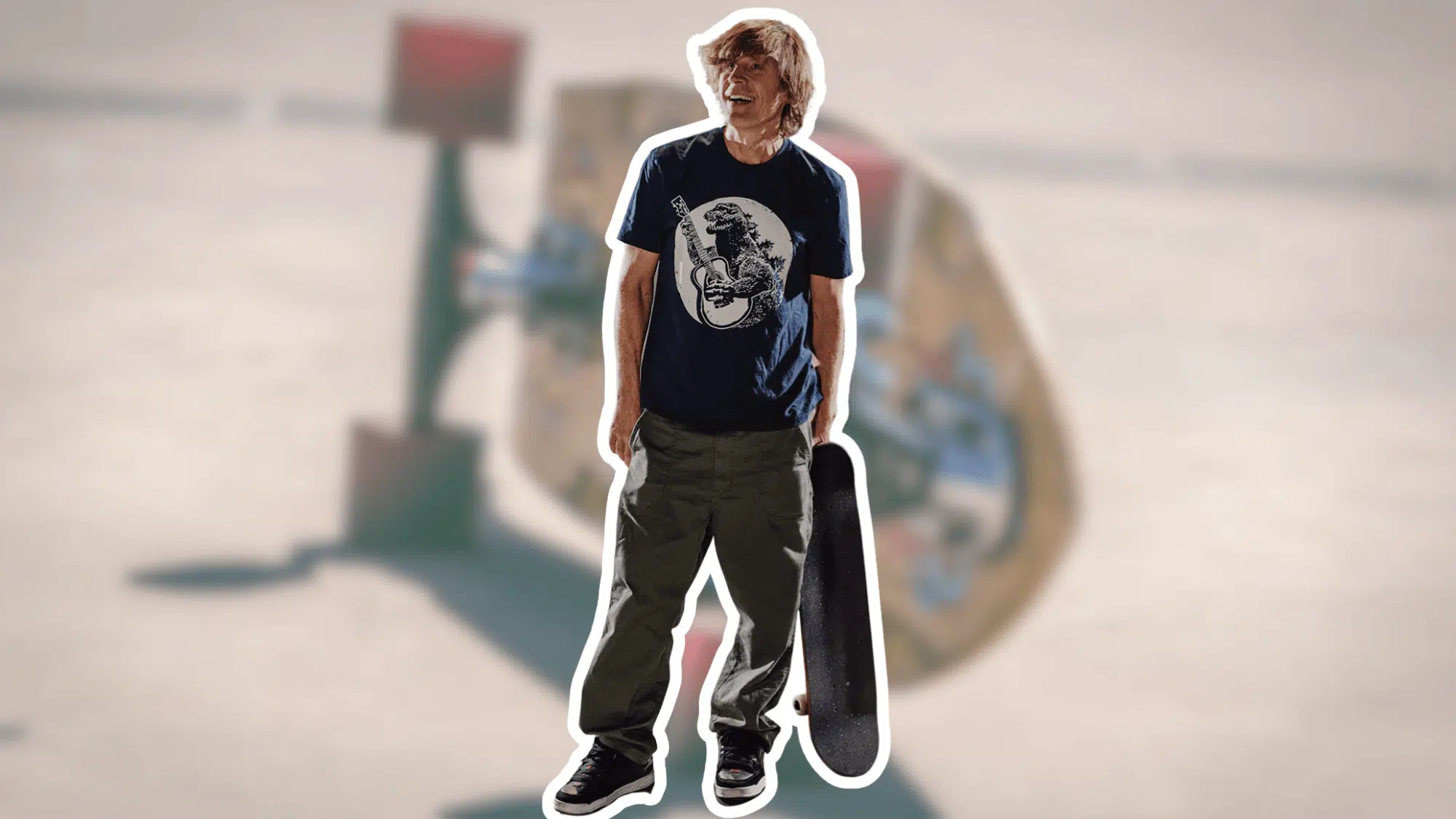
| August 17, 1966 | Gainesville, Florida | 2002 Transworld Skateboarding Readers’ Choice Award for Skater of the Year |
Rodney Mullen is widely considered the most influential street skateboarder ever, credited with inventing the flatground ollie, the kickflip, the heelflip, the impossible, and the 360-kickflip.
At just 14, he won his first world freestyle championship, then dominated by winning 34 out of 35 freestyle contests over the next decade.
His technical precision and creative genius laid the foundation for modern street skating. Practicing alone on his family’s isolated farm, he developed groundbreaking tricks that transformed skateboarding forever.
Every skater today owes their vocabulary of tricks to Mullen’s relentless innovation and artistry.
3. Mark Gonzales
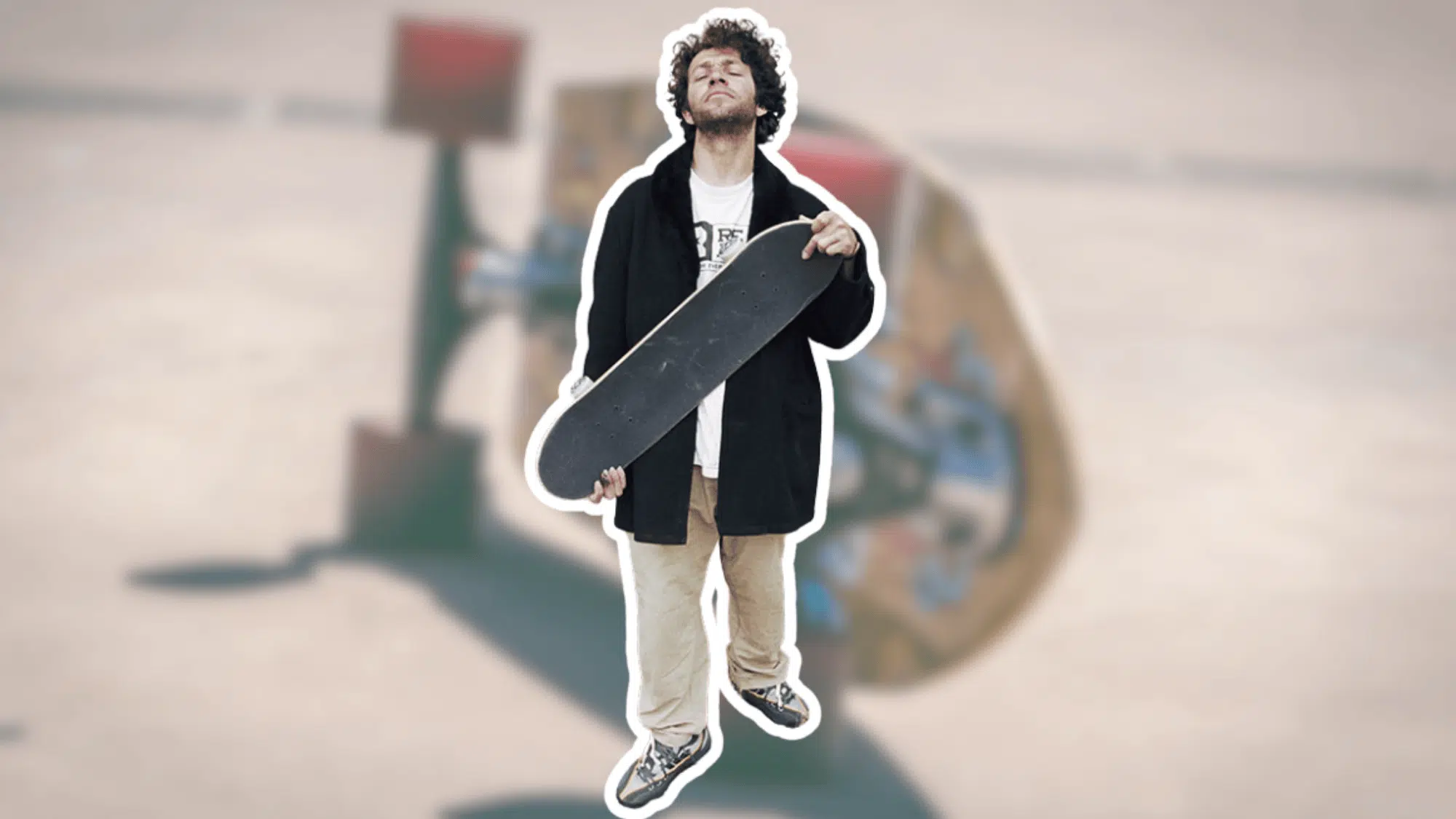
| Born | Birthplace | Award |
|---|---|---|
| June 1, 1968 | South Gate, California | Named Most Influential Skateboarder of All Time by Transworld (2011), |
Mark “The Gonz” Gonzales pioneered modern street skateboarding and is considered its godfather.
In 1986, he made history by ollying the legendary “Gonz Gap” at San Francisco’s Embarcadero, forever changing what was possible on a skateboard.
Alongside Natas Kaupas, Gonzales became one of the first skaters to tackle handrails. His unpredictable, artistic style treated urban environments as creative playgrounds.
Beyond skating, Gonzales is an acclaimed artist who has exhibited his paintings, poetry, and sculptures worldwide. His influence transcends tricks; he redefined skateboarding as pure creative expression.
4. Bob Burnquist
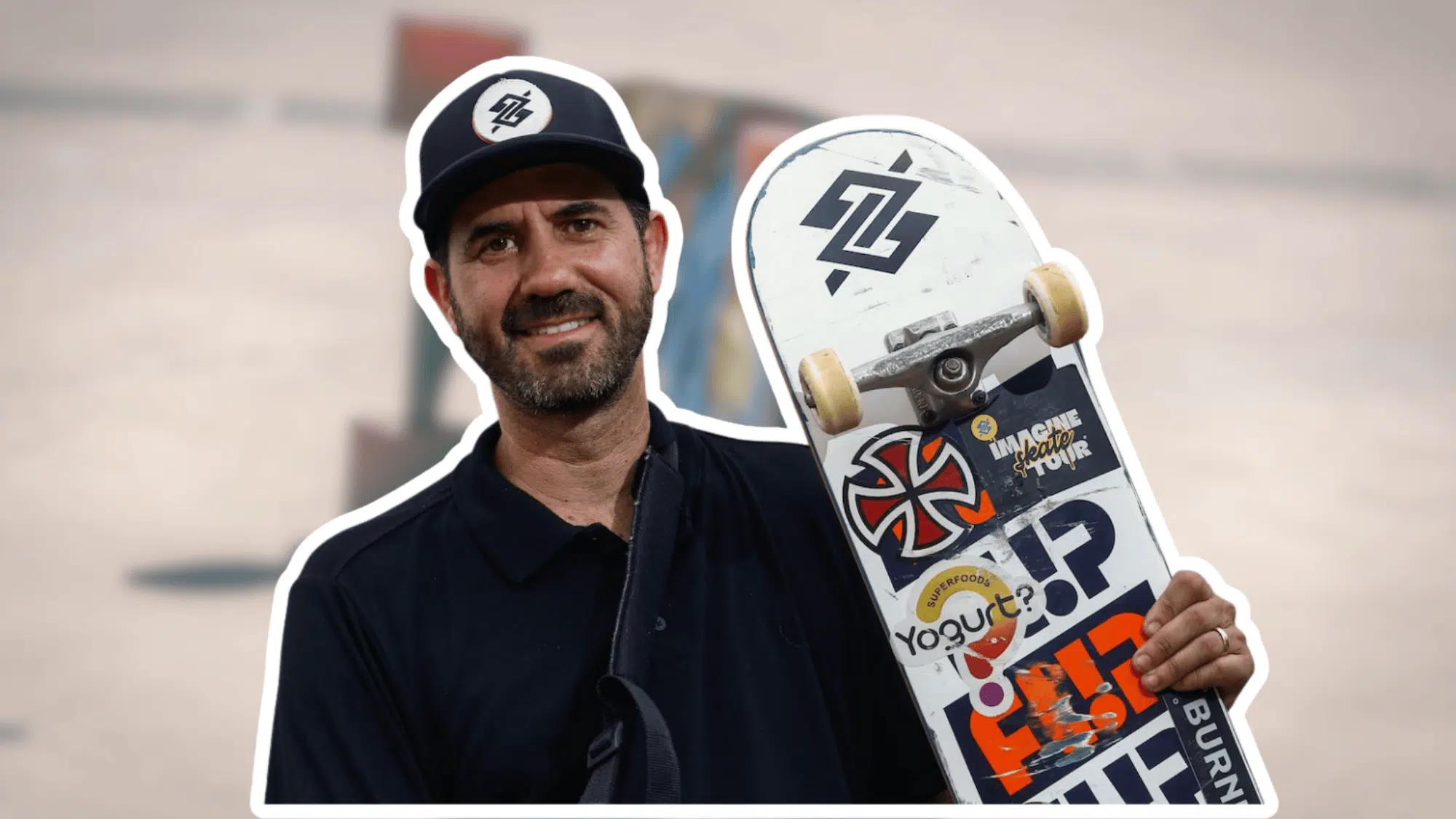
| Born | Birthplace | Award |
|---|---|---|
| October 10, 1976 | Rio de Janeiro, Brazil | Thrasher Skater of the Year 1997 |
Bob Burnquist grew up in São Paulo and started skateboarding at 11, turning professional by 14. In 2010, he became the first skateboarder ever to land a “fakie 900,” making him the fifth person in history to complete the 900 trick.
His mastery of switch stance and creative vert tricks revolutionized vertical skating. At the 2013 Barcelona X Games, Burnquist became the first skater to win gold on four consecutive occasions in Skateboard Big Air.
Beyond competitions, he’s pushed boundaries with mega-ramp innovations and even attempted a BASE jump into the Grand Canyon, proving his fearless dedication to progression.
5. Chad Muska
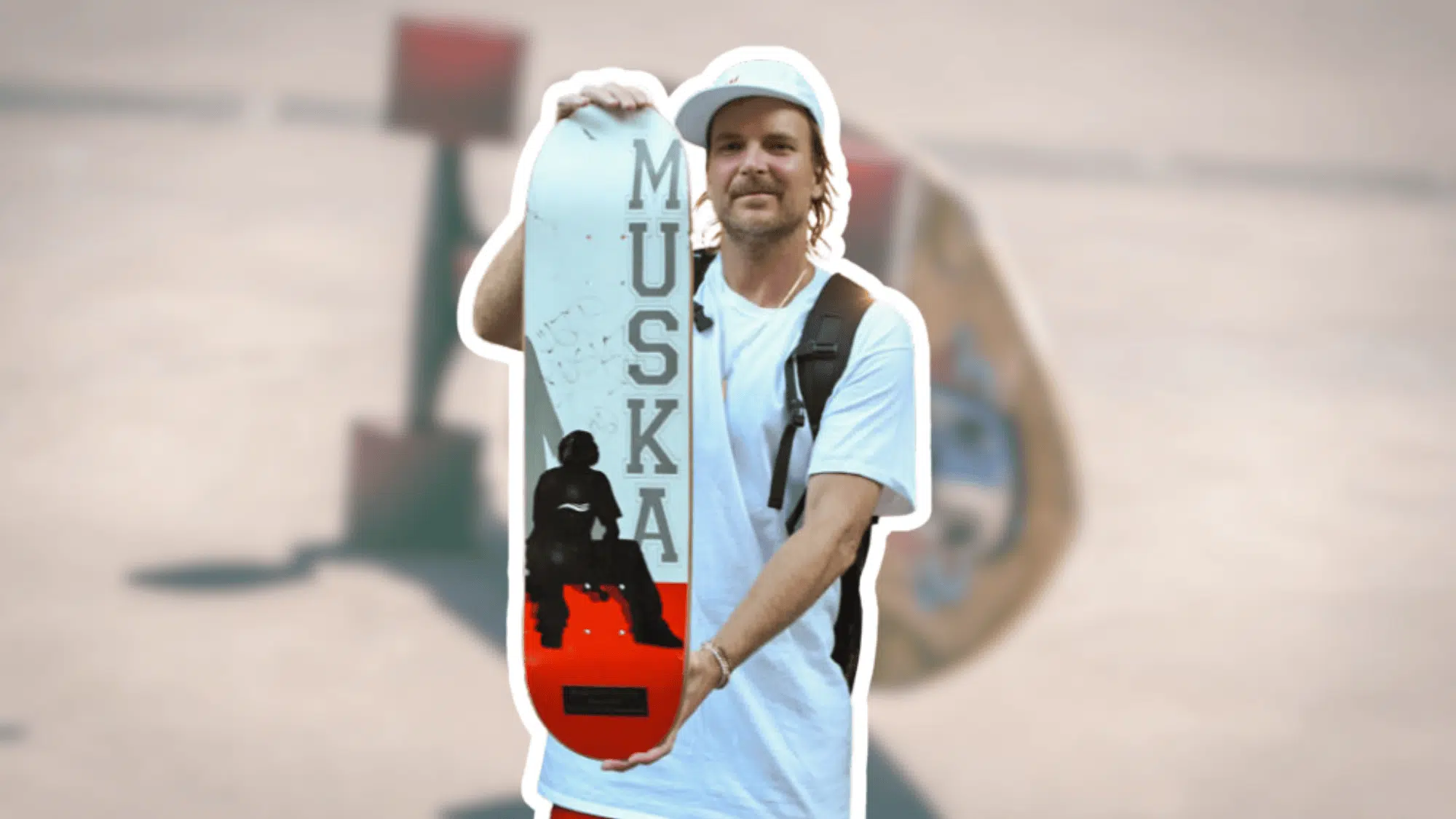
| Born | Birthplace | Award |
|---|---|---|
| May 20, 1977 | Lorain, Ohio | Named one of the 30 Most Influential Skateboarders by Transworld (2011) |
Chad Muska brought hip-hop culture, fashion, and artistic flair to skateboarding in the late 1990s, changing how skaters expressed themselves.
After moving to San Diego as a teenager with little money, Muska was homeless and slept on the beach while pursuing his skating dreams. His 1998 video part in “Fulfill The Dream” made him an instant icon.
His signature éS shoe released in 1998 featured a hidden “stash pocket” and became one of skateboarding’s best-selling shoes.
Beyond skating, Muska founded businesses, created art, and showed that skateboarders could be multifaceted entrepreneurs and cultural tastemakers.
Based on my research, here are the next 6 skateboarders reformatted:
6. Elissa Steamer
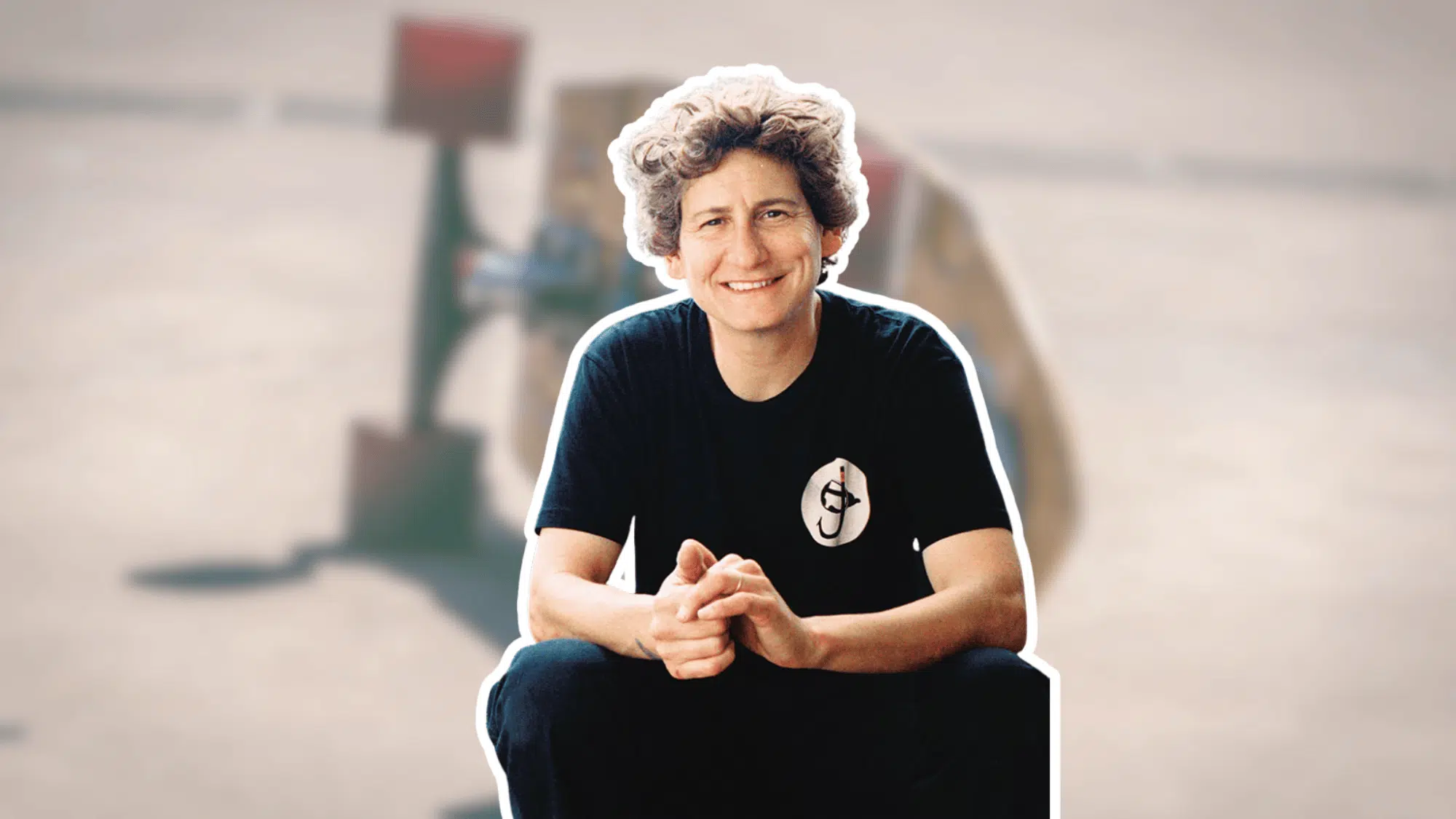
| Born | Birthplace | Award |
|---|---|---|
| July 31, 1975 | Fort Myers, Florida | 2003 Check it Out Girls “Female Skater of the Year” |
Elissa Steamer was the first pro female street skater and the first woman to have a starring role in a major video.
Her groundbreaking part in Toy Machine’s “Welcome to Hell” was captured in just a week while Jamie Thomas stayed at her Fort Myers house.
She became an overnight superstar and turned pro in April 1998. From 2004 to 2008, she won four consecutive X Games gold medals in women’s street.
Steamer explained that her biggest paychecks during her career came from video game royalties, including Tony Hawk’s Pro Skater. She broke down gender barriers and inspired countless women worldwide to hit the streets.
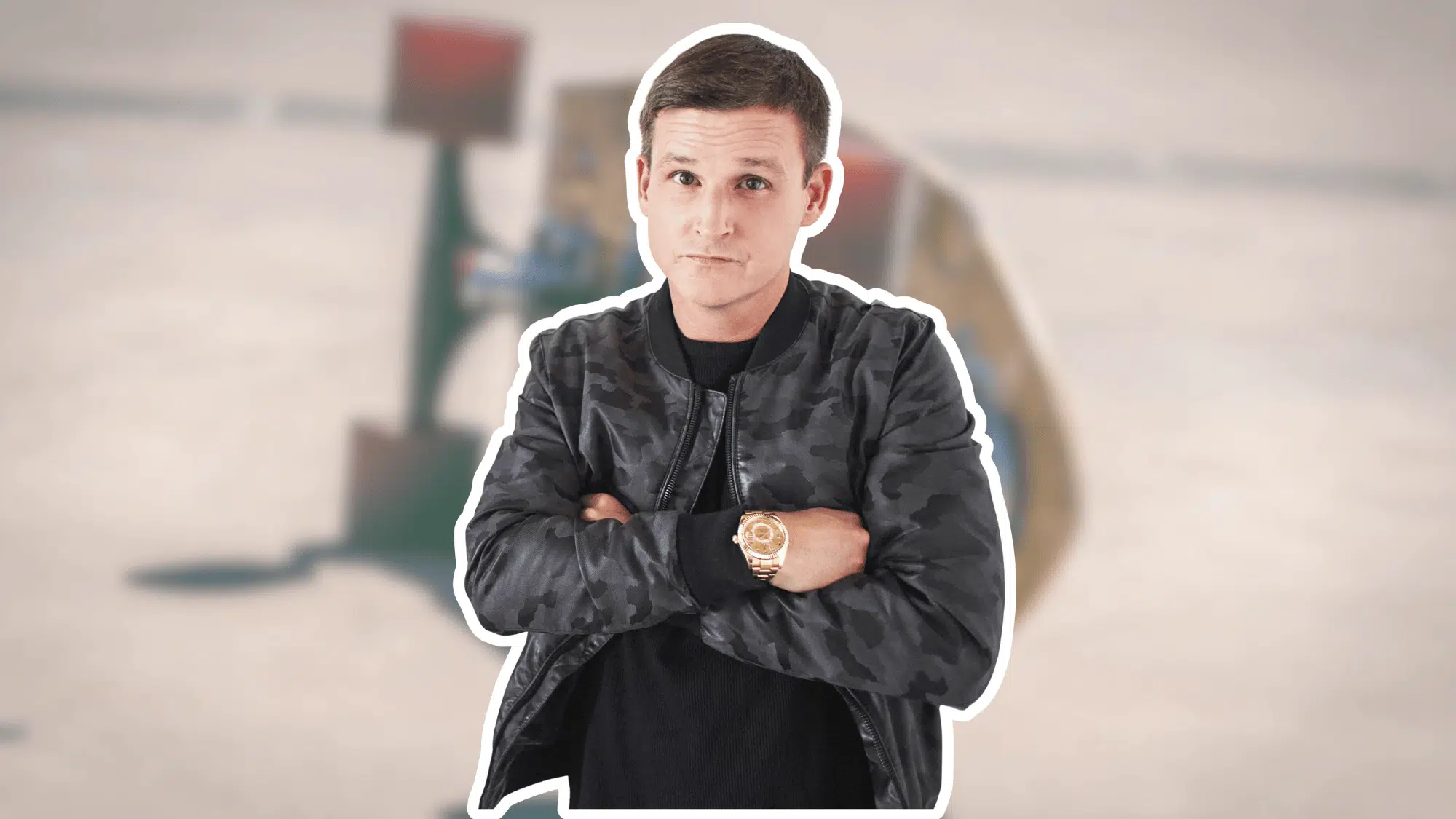
7. Rob Dyrdek
| Born | Birthplace | Award |
|---|---|---|
| June 28, 1974 | Kettering, Ohio | 21 Guinness World Records set in 2007 |
Rob Dyrdek received his first skateboard at age 11 from professional skater Neil Blender and secured his first sponsorship at 12. At 16, he left Ohio for Southern California to pursue professional skateboarding.
Dyrdek became best known for his MTV reality shows, including “Rob & Big,” “Rob Dyrdek’s Fantasy Factory,” and “Ridiculousness.”
He founded Street League Skateboarding and built a massive media empire through his venture studio, Dyrdek Machine.
His business savvy made him go from a pro skater to one of skateboarding’s most successful entrepreneurs, proving skaters could build lasting careers beyond the board.
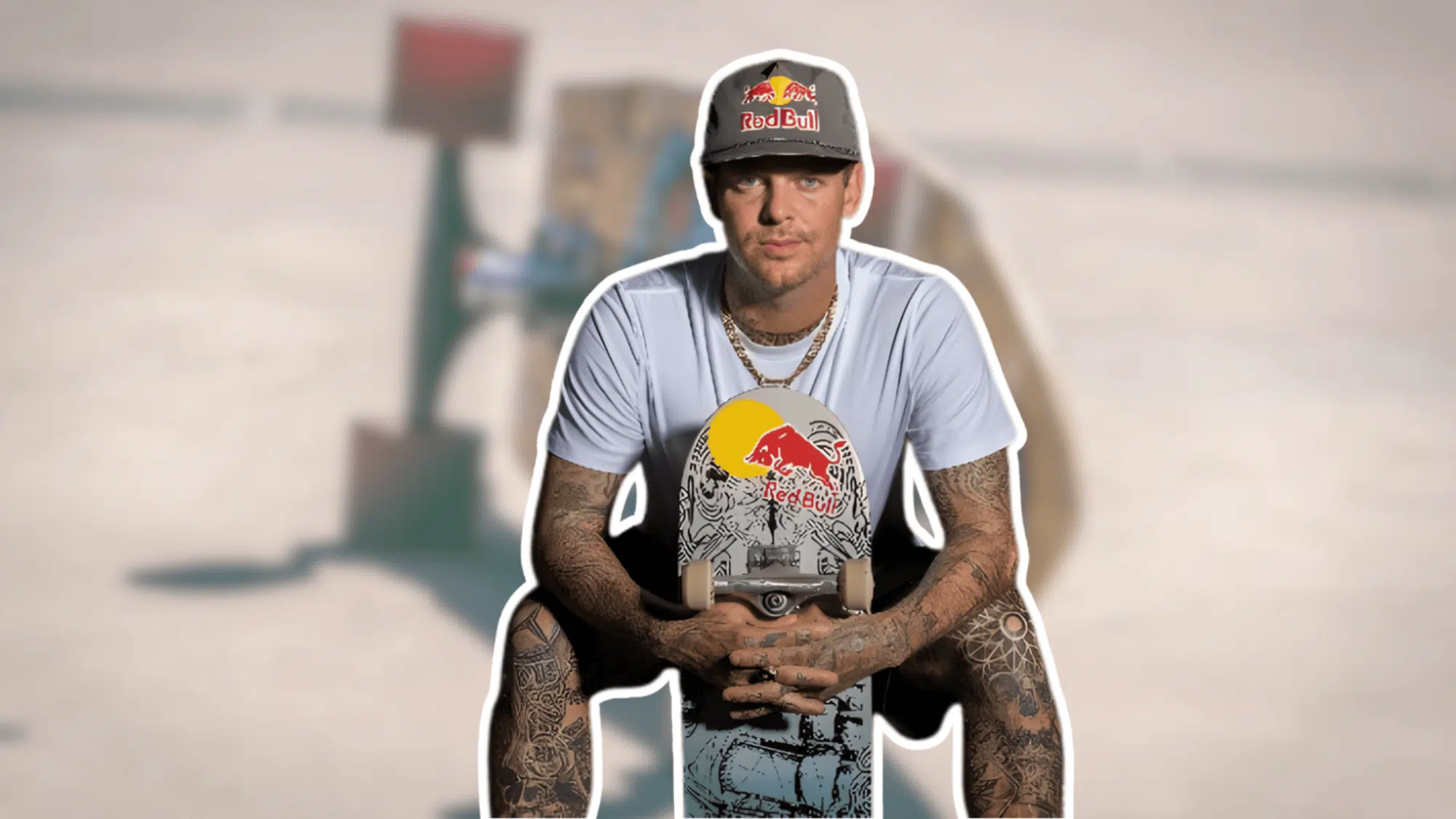
8. Ryan Sheckler
| Born | Birthplace | Award |
|---|---|---|
| December 30, 1989 | La Palma, California | Listed in Fox Weekly’s “15 Most Influential Skateboarders of All-Time” |
Ryan Sheckler was introduced to skateboarding at age two when he discovered his father’s skateboard. In 2003, he became the youngest X Games gold medalist at 13 with his victory in the Skateboard Park event.
His MTV reality series “Life of Ryan” premiered in 2007 but concluded in 2009 when Sheckler decided the show was pulling him away from skateboarding.
In 2008, the Sheckler Foundation was created to assist children and injured athletes.
His ability to stay relevant across multiple eras while maintaining competitive excellence has made him one of skateboarding’s most enduring stars.
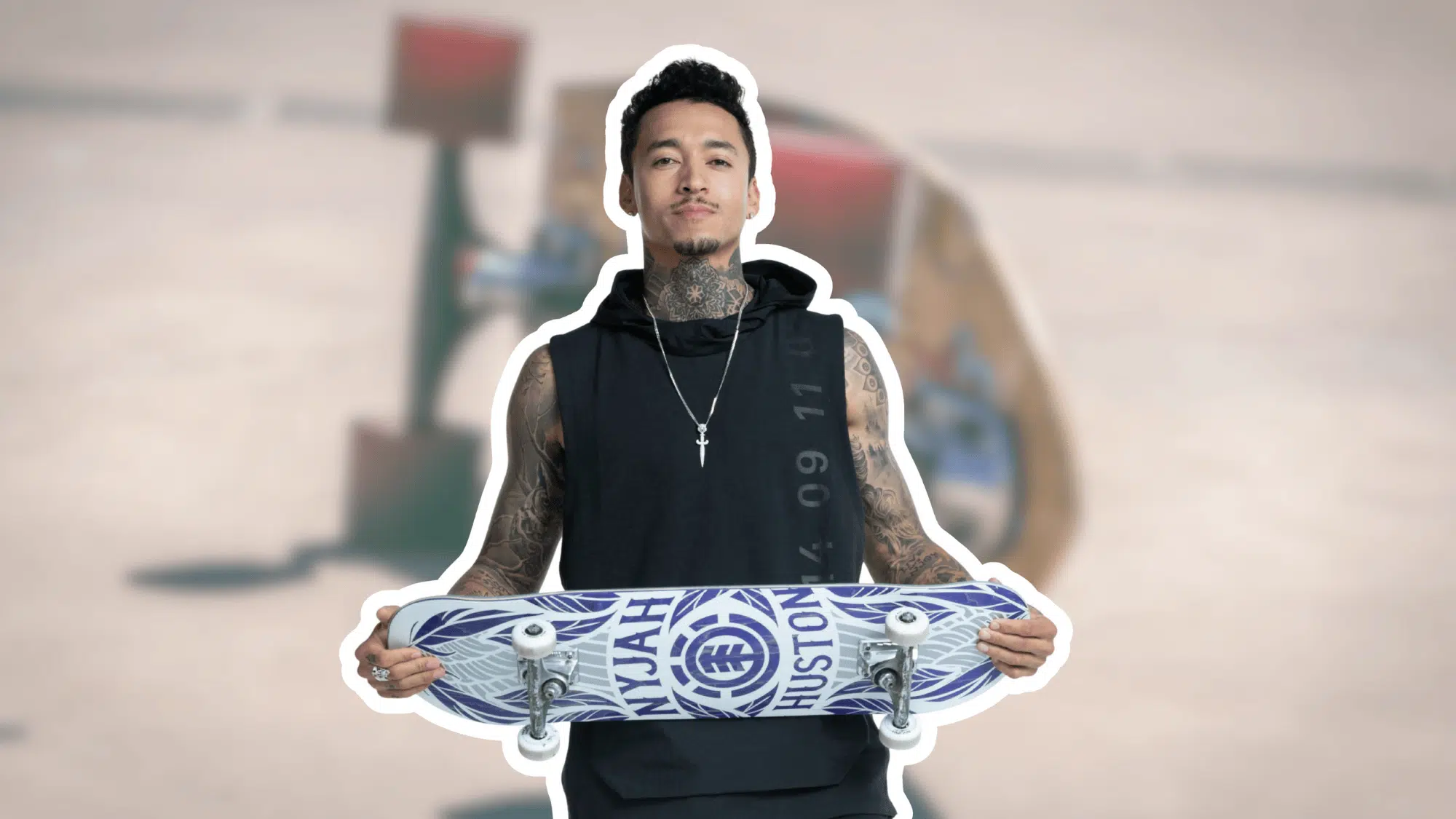
9. Nyjah Huston
| Born | Birthplace | Award |
|---|---|---|
| November 30, 1994 | Davis, California | 6x SLS Super Crown World Championship gold medals |
Nyjah Huston was born in a home birth and raised in a strict Rastafarian household with a secluded, anti-social family lifestyle.
His father built a family-run indoor skatepark in their backyard, where Huston began skating at age five with relentless daily training.
At 10, he won the Tampa Am, and at 11, he became the youngest X Games competitor. Huston has won 19 X Games podium finishes with 13 gold medals and six world titles in street skateboarding.
He’s earned more prize money than any skateboarder in history, cementing his status as the most dominant contest skater of his generation.
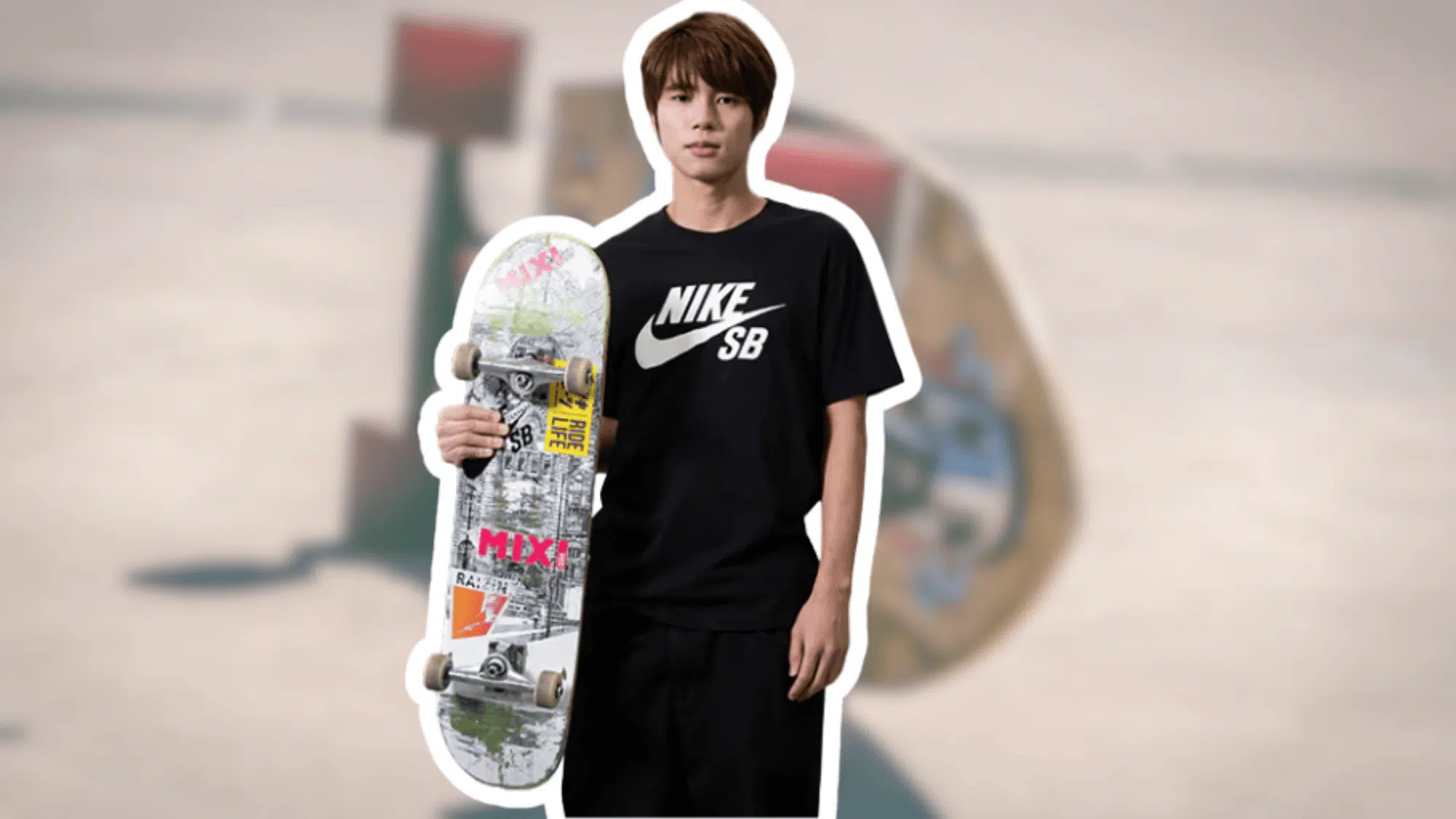
10. Yuto Horigome
| Born | Birthplace | Award |
|---|---|---|
| January 7, 1999 | Tokyo, Japan | 2× Olympic gold medals (2020, 2024) |
Yuto Horigome’s father, a taxi driver and former street skateboarder, introduced him to skateboarding before he could walk.
By age seven, Horigome was frequenting Tokyo’s Murasaki Sports Park, where he perfected his balance and learned tricks.
He made history by winning the inaugural Olympic men’s street gold medal at the 2020 Summer Olympics in Tokyo.
At the 2024 Paris Games, Horigome defended his title with a stunning final trick that scored 97.08, the highest of the day.
His razor-sharp precision and clutch performances have established him as one of skateboarding’s most technically brilliant competitors.
11. Rayssa Leal
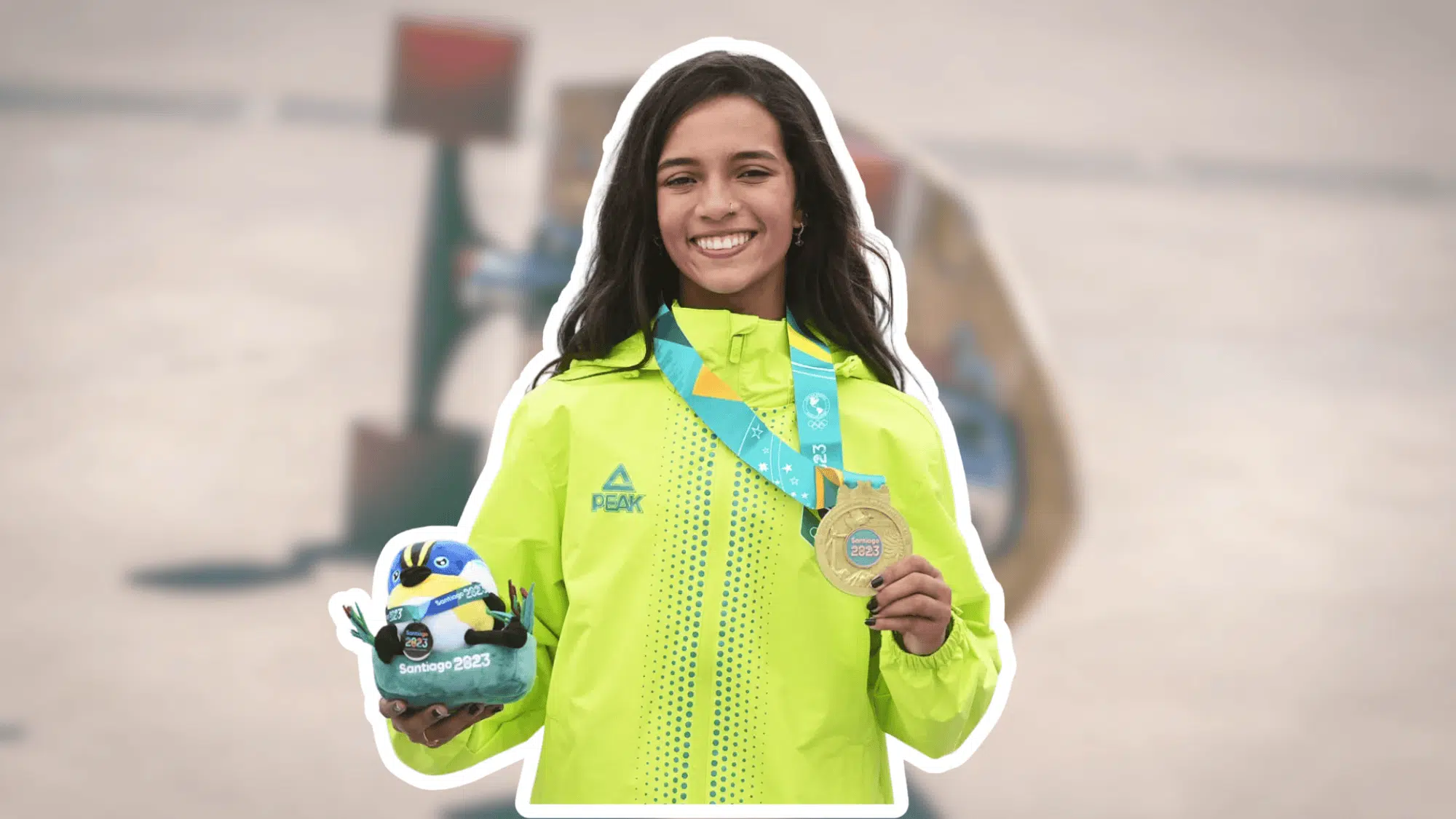
| Born | Birthplace | Award |
|---|---|---|
| January 4, 2008 | Imperatriz, Maranhão, Brazil | 2023 SLS Super Crown World Champion |
Rayssa Leal started skateboarding at age six after receiving a skateboard as a gift from a family friend.
At seven, she gained global attention when a video of her skating in a tutu and jumping off tall structures went viral, earning praise from Tony Hawk.
She won Olympic silver at the 2020 Tokyo Games at age 13, becoming one of the youngest medalists in Olympic history and Brazil’s youngest-ever Olympic medalist.
At the 2024 Paris Olympics, she won bronze, becoming the youngest Brazilian to win two Olympic medals.
Her infectious joy, fearless approach, and technical brilliance have made her skateboarding’s most exciting young superstar and an inspiration to millions worldwide.
Remembering Skateboarders We’ve Lost
While this guide focuses on living famous skateboarders, the skateboarding community also honors those who’ve passed away. Their contributions remain vital to the culture and history of the sport.
The Skateboarding Hall of Fame & Museum Memorial Page preserves the legacies of departed legends through photos, biographies, and fan tributes. These memorials ensure their impact never fades.
The community remembers fallen skaters through documentaries, murals in skate spots, reissued board graphics, and annual tribute posts. Each generation learns about the pioneers who paved the way.
| Name | Era / Style | Known For | How They’re Remembered |
|---|---|---|---|
| Jay Adams | Dogtown / Pool | Z-Boys pioneers who defined aggressive pool skating | Hall of Fame, documentaries like “Dogtown and Z-Boys,” murals |
| Justin Pierce | Street | 90s skate videos and raw, influential street style | Memorial pages, film tributes, archival footage |
| Rob “O” Monroe | 80s–90s | Industry filming, creativity, and community building | Hall of Fame memorial page, skate media tributes |
| Paul Hackett | 80s street/vert | Community mentor and passionate skater | Skate museum tributes, local memorial events |
These memorials remind everyone that skateboarding’s history runs deep. Today’s famous skaters stand on the shoulders of those who came before.
How Skateboarders Go Professional
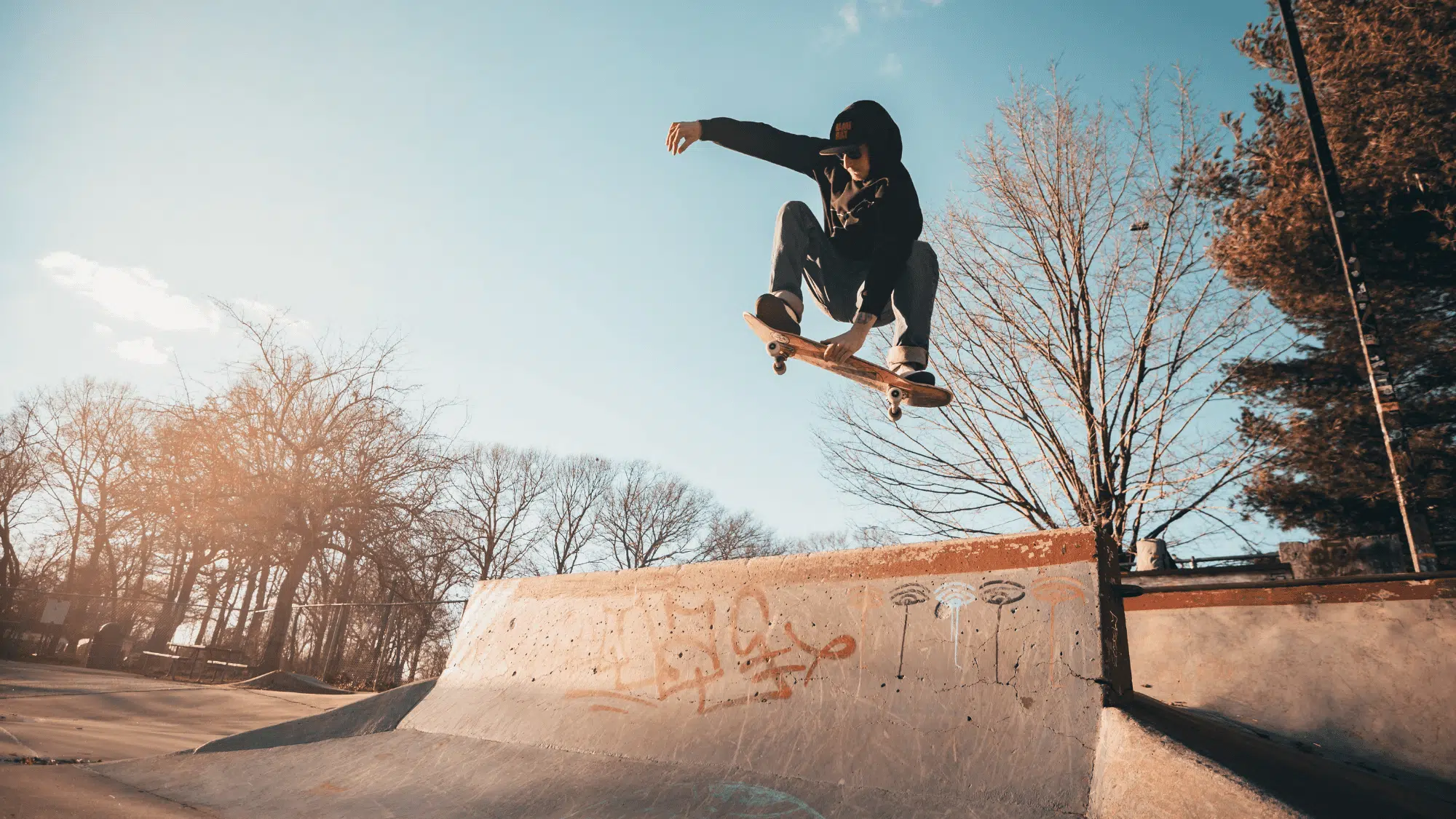
Ever wonder how someone becomes a professional skater? The path requires dedication, visibility, and consistent progression.
Most skaters start by getting noticed at local parks and contests. Companies offer flow sponsorship first, free gear in exchange for representing the brand. This tests whether the skater fits the company’s image and can deliver content.
Next comes amateur status, where skaters receive small monthly payments plus products. They film video parts, travel to demos, and build their reputation. This stage proves they’re serious about turning pro.
Finally, earning a pro model board marks official professional status. Getting your name and graphics on a board means the company believes you can sell products and represent their brand at the highest level.
Today’s path demands a strong social media presence. Skaters regularly post clips, engage with fans, and build brands. While magazine coverage and contest results matter, online visibility is now equally vital.
How Much Do Pro Skateboarders Earn Today?
Income varies dramatically among professional skaters. Only a small percentage reach top-earning status, but here’s how famous skateboarders make money:
- Sponsor Payments: Monthly salaries from board, shoe, and apparel companies. Top pros earn six figures annually just from sponsorships.
- Contest Winnings: Events like Street League offer massive prize pools. Nyjah Huston has won over $3 million in contest earnings alone.
- Signature Products: Every board, shoe, or clothing item sold with their name generates royalties. This becomes the primary source of income for established pros.
- Brand Deals: Partnerships with non-skate companies, energy drinks, tech brands, and automotive companies can pay more than skating sponsors.
- Media Appearances: TV shows, video games, documentaries, and social media sponsorships add additional revenue streams.
Most professional skaters earn modest incomes compared to other sports. However, famous skaters with business savvy and crossover appeal can build substantial wealth.
How Famous Skateboarders Shaped the Sport’s Growth
Famous skateboarders transformed skateboarding from an underground rebellion into a global phenomenon. Their influence reaches far beyond landing tricks.
| Impact Area | Description |
|---|---|
| Global Culture | These legends helped spread skateboarding globally, inspiring kids in countries like Japan, Brazil, and South Africa and creating a unified skate culture. |
| Fashion Influence | Skate style became mainstream fashion. Vans, baggy pants, graphic tees, and skate sneakers—once exclusive to skaters, now appear in malls and streetwear collections around the world. |
| Trick Progression | Every generation of famous skaters pushes boundaries. Tricks once considered impossible quickly become standard because skate legends continuously elevate what’s achievable. |
| Mainstream Recognition | Events like the X Games and Olympics proved that skateboarding is a sport. Tony Hawk’s games introduced many to skate culture and made skaters into global icons. |
| Social Media Impact | Modern skaters influence millions instantly. A single Instagram or TikTok clip can spark trends, inspire new skaters, and shape skateboarding’s future in real time. |
These legends proved that skateboarding offers more than entertainment; it’s art, sport, lifestyle, and community all combined.
Wrapping It Up
These famous skateboarders represent different eras, styles, and approaches to skating. What unites them? Pure passion for pushing boundaries and inspiring others.
Every generation discovers skateboarding through these legends.
Maybe it’s watching Tony Hawk land impossible tricks, seeing Rayssa Leal’s Olympic performance, or stumbling upon Rodney Mullen’s mind-bending freestyle videos.
They prove skateboarding rewards creativity over conformity, persistence over perfection, and progression over playing it safe. These values extend far beyond skateboarding itself.
Want to learn more about skateboarding? Check out our other blogs. Now get out there and skate!