




No other basketball argument gets louder faster than the WNBA GOAT debate, because “greatest” depends on what matters most.
Is it two decades of elite buckets and clutch moments, like Diana Taurasi? Or a shorter run so dominant it felt unfair, like Cynthia Cooper or Maya Moore?
This blog breaks down both sides in simple terms, so the debate actually makes sense. It covers longevity vs peak dominance, two-way stars vs pure scoring engines, and why different eras shaped different kinds of legends.
We rank the greatest WNBA players ever, with clear reasons for every pick, championship impact, awards, big moments, and the skills that changed the league.
GOAT WNBA Debate
The WNBA GOAT debate really comes down to what you value most: sustained excellence over time or unbeatable dominance at the peak.
The Longevity Argument (Diana Taurasi)
Taurasi played at an All-Star level from 2004 through 2023, nearly 20 seasons of elite basketball. She’s the all-time leading scorer, a three-time champion, and has remained dangerous into her 40s.
Her ability to evolve her game, from athletic slasher to crafty veteran sharpshooter, shows incredible basketball IQ and dedication.
The Peak Dominance Argument (Cynthia Cooper & Maya Moore)
Cynthia Cooper was unstoppable in the WNBA’s early years, winning four championships and two MVPs in the league’s first four seasons.
Maya Moore, meanwhile, won four titles in seven full seasons and left the game while arguably still the best player alive. Their peaks were simply untouchable.
Two-Way Legends vs Offensive Engines
Players like Tamika Catchings and Sheryl Swoopes built their legacies on both ends of the floor, earning Defensive Player of the Year awards while also carrying offensive loads.
Others, like Lisa Leslie and Lauren Jackson, changed the game with their unique physical tools and versatility.
Ultimately, there’s no single “right” answer, which is exactly what makes these debates so fun.
Greatest WNBA Players
From championship rings to Olympic gold medals, these basketball legends transformed women’s professional basketball with their talent, leadership, and dedication, leaving a lasting mark.
1. Diana Taurasi
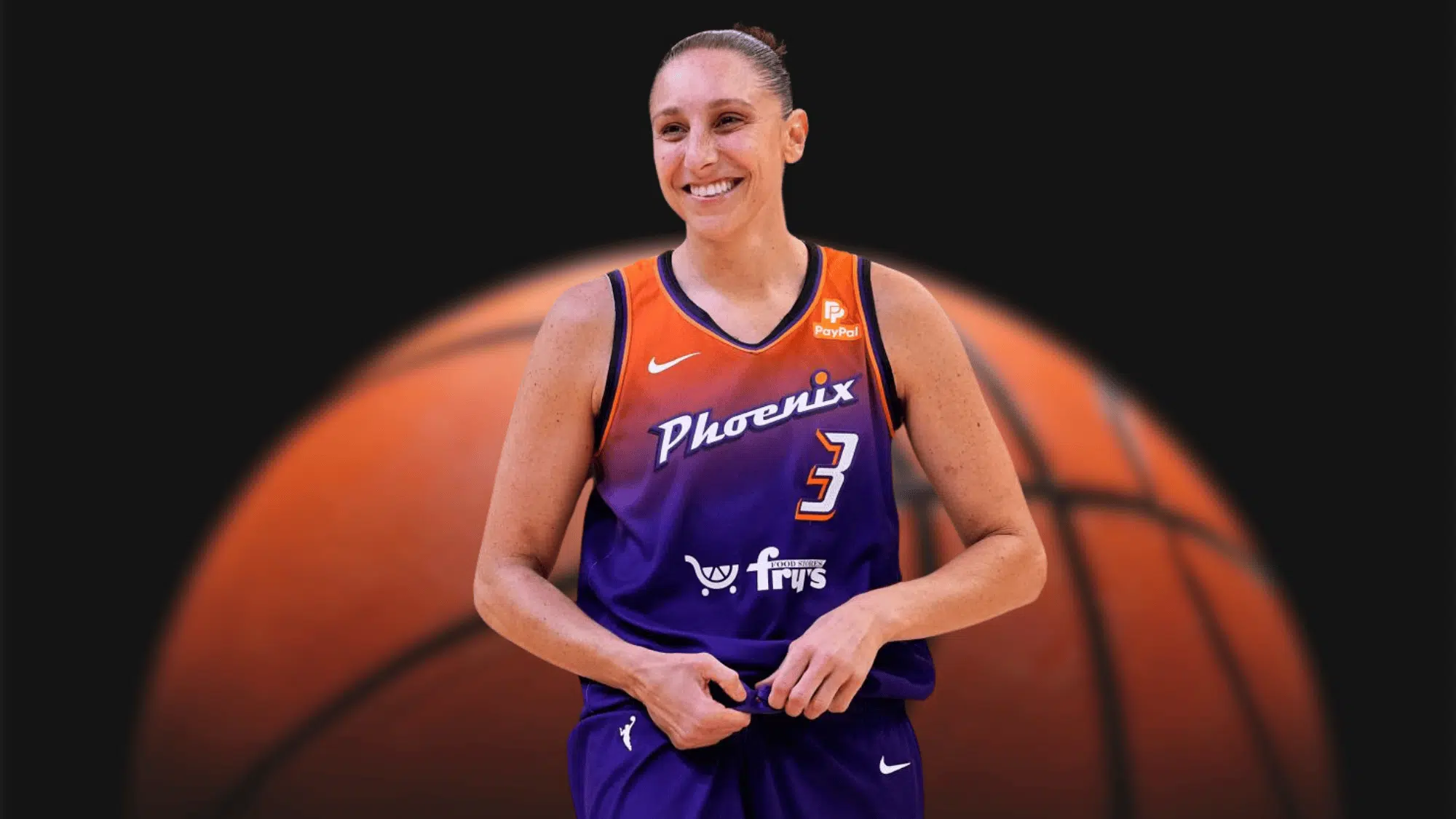
| Team | Total Baskets | Avg Score |
|---|---|---|
| Phoenix Mercury | 3,500+ field goals | 19.0 PPG |
The “White Mamba” revolutionized scoring in women’s basketball with her fearless three-point shooting and clutch performances.
Taurasi’s competitive fire and ability to dominate critical moments earned her three WNBA championships and a record-breaking career.
Her longevity and consistent excellence across two decades established her as the league’s most complete offensive player, inspiring generations of guards worldwide.
2. Tamika Catchings
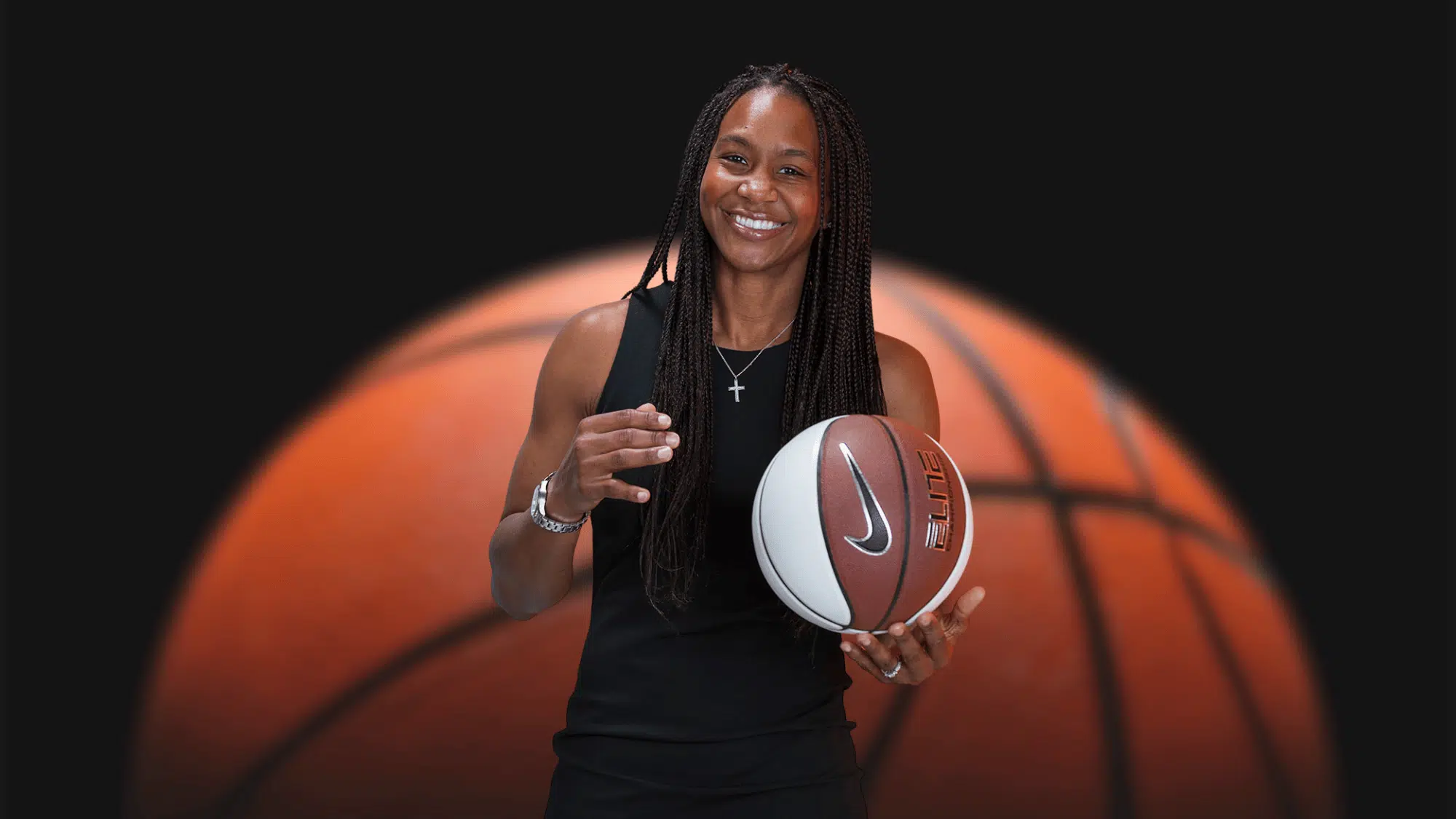
| Team | Total Baskets | Avg Score |
|---|---|---|
| Indiana Fever | 3,316 field goals | 16.1 PPG |
Catchings defined two-way excellence throughout her entire career with the Fever, becoming the defensive anchor who could take over games offensively.
Her relentless work ethic and basketball IQ made her one of the most complete players ever.
She won a championship in 2012 while earning five Defensive Player of the Year awards, proving her impact extended far beyond the stat sheet into a winning culture.
3. Cynthia Cooper
| Team | Total Baskets | Avg Score |
|---|---|---|
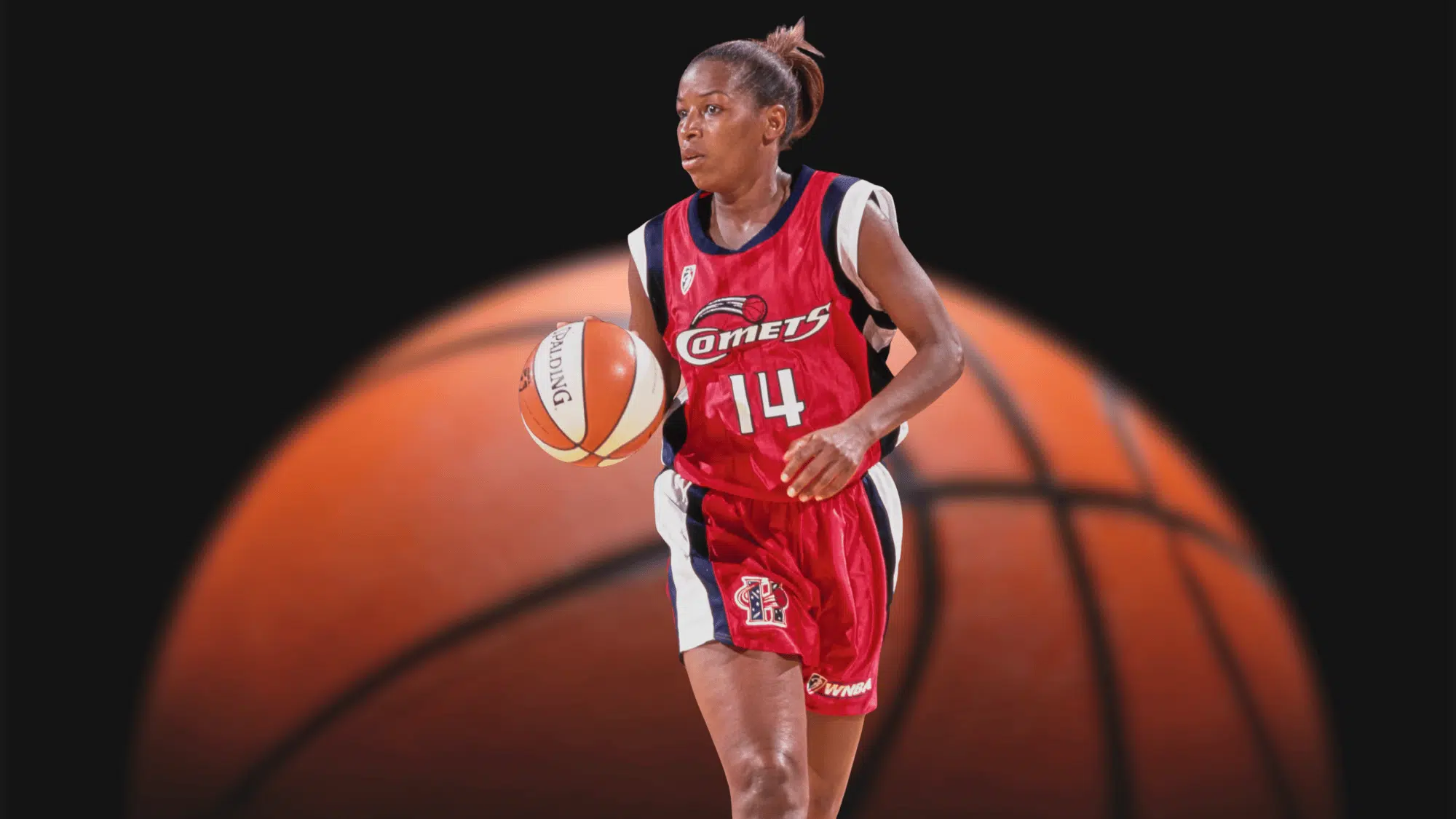
| Houston Comets | 1,653 field goals | 21.0 PPG |
Cooper dominated the WNBA’s inaugural era with unprecedented scoring prowess and championship pedigree that established the league’s competitive standard.
She led Houston to four consecutive titles from 1997-2000, winning Finals MVP honors each time.
Her late-career professional emergence after years overseas showcased remarkable skill, determination, and the ability to perform under immense pressure during the WNBA’s formative years.
4. Maya Moore
| Team | Total Baskets | Avg Score |
|---|---|---|
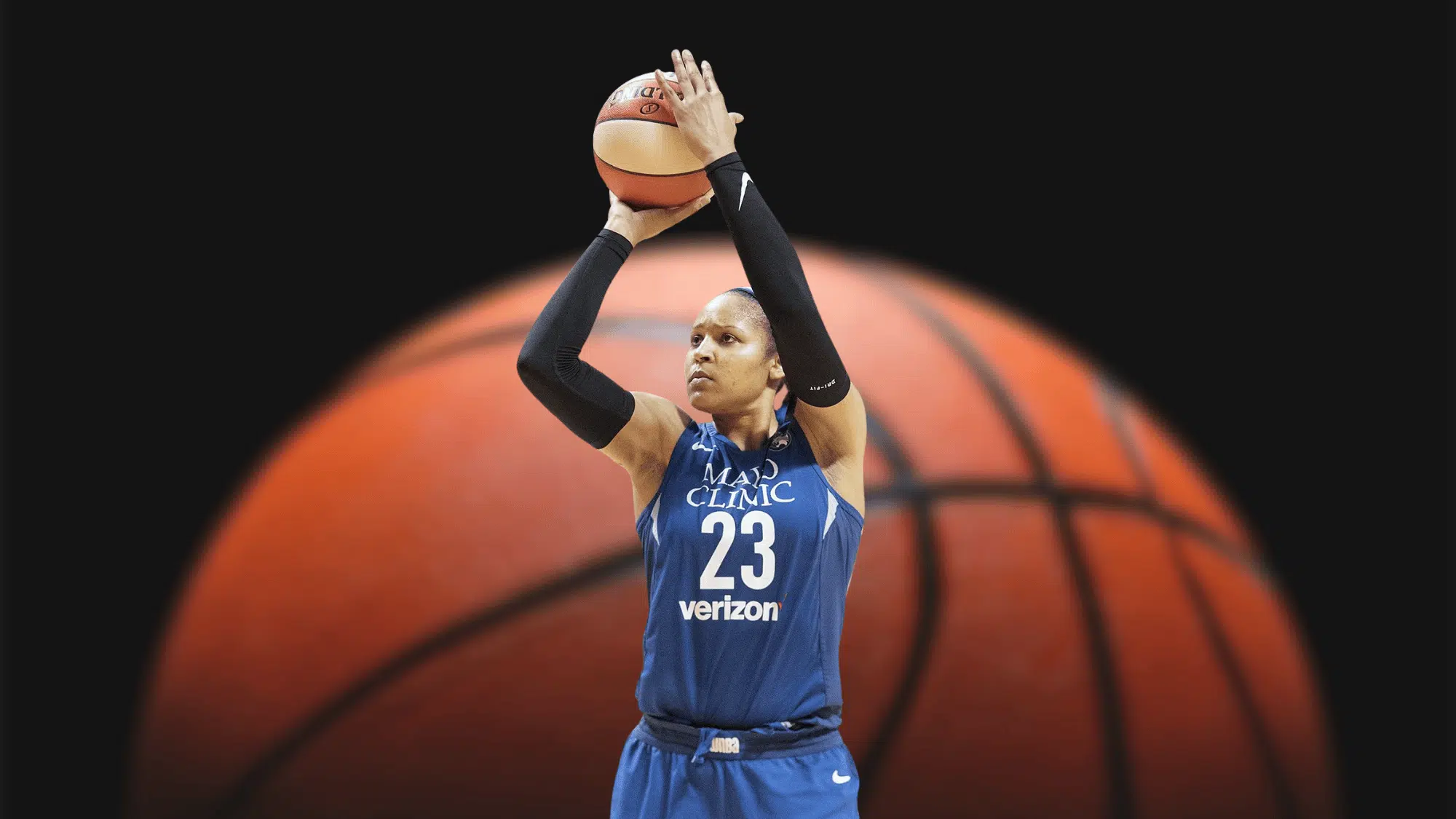
| Minnesota Lynx | 1,894 field goals | 18.4 PPG |
Moore’s basketball brilliance was matched only by her courage to step away from the game at her peak to pursue criminal justice reform.
During her playing career, she claimed four championships and established herself as one of the most efficient and versatile scorers in league history.
Her combination of outside shooting, mid-range mastery, and defensive tenacity made her nearly impossible to contain in Minnesota’s dynasty years.
5. Lisa Leslie
| Team | Total Baskets | Avg Score |
|---|---|---|
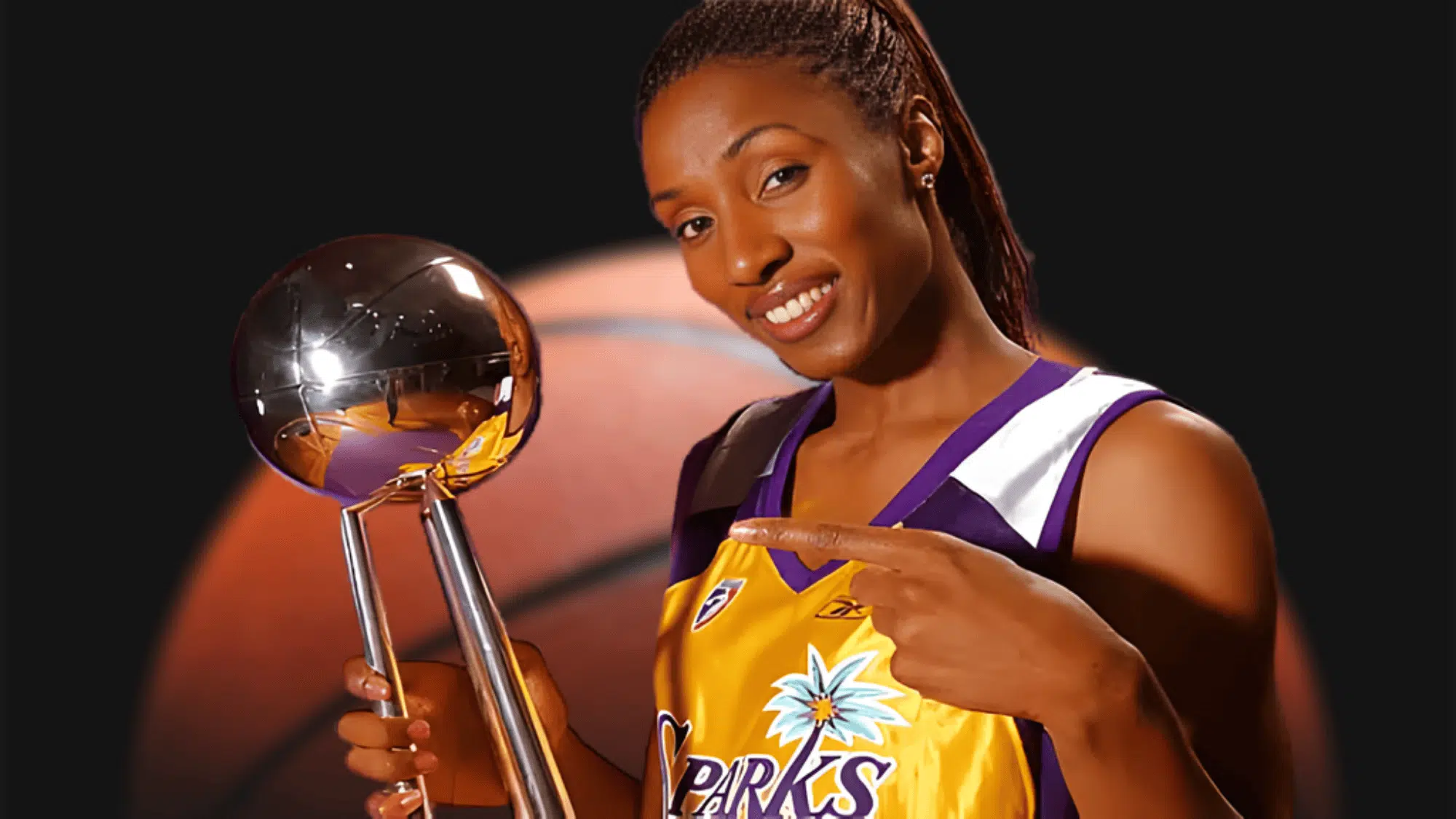
| Los Angeles Sparks | 3,307 field goals | 17.3 PPG |
Leslie became the WNBA’s first true superstar, bringing athleticism and grace to the center position while elevating the league’s profile globally.
She delivered two championships to Los Angeles and became the first player to dunk in a WNBA game, showcasing her athleticism.
Her combination of post skills, shot-blocking ability, and leadership transformed expectations for what dominant big players could accomplish in women’s basketball.
6. Sheryl Swoopes
| Team | Total Baskets | Avg Score |
|---|---|---|
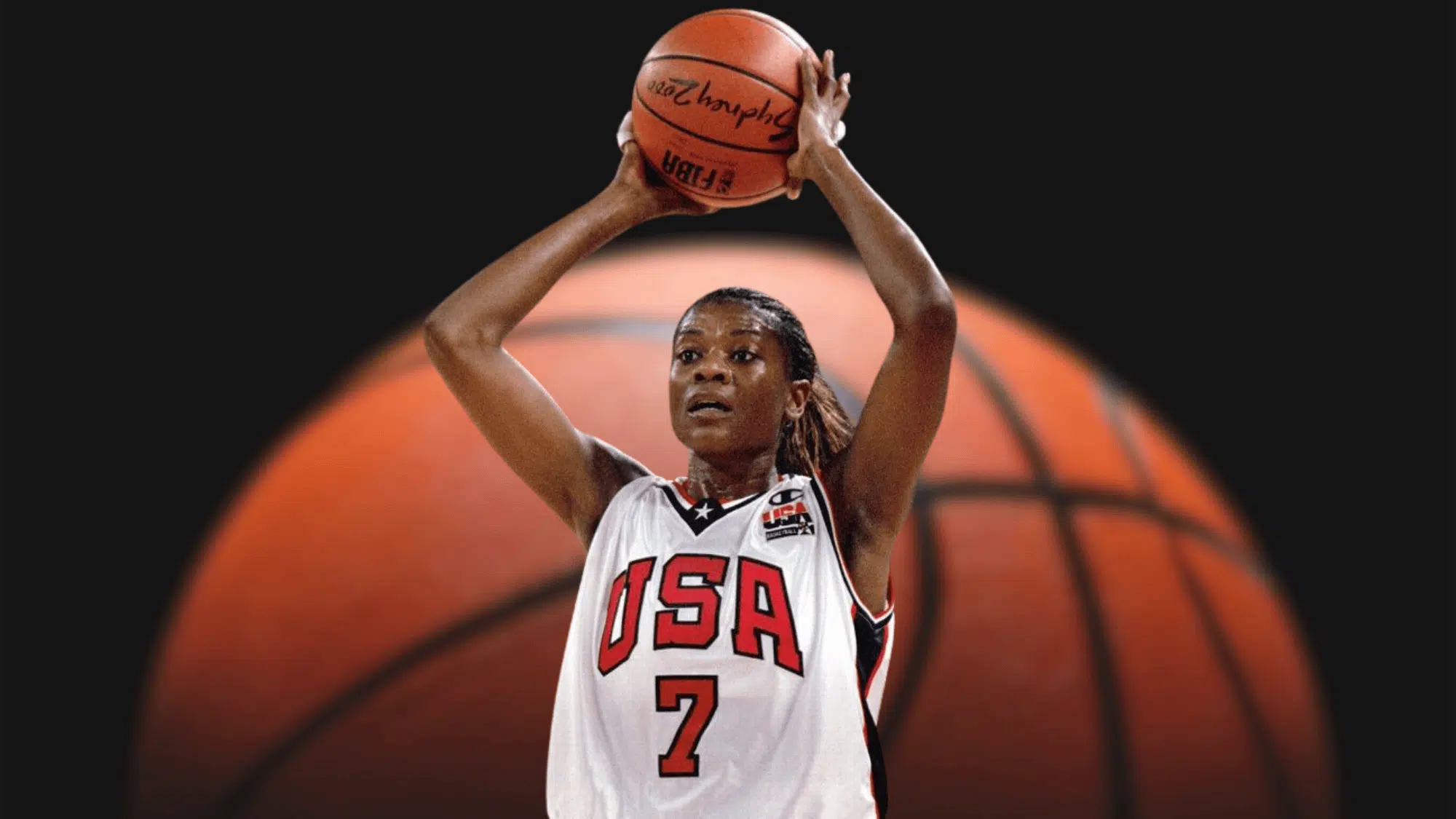
| Houston Comets | 2,097 field goals | 15.0 PPG |
Swoopes redefined versatility as a three-time MVP who excelled at every facet of the game while anchoring Houston’s dynasty.
Her defensive prowess earned her three Defensive Player of the Year awards, while her ability to guard multiple positions made her invaluable.
She became the first player signed to the WNBA and delivered four championships, cementing her legacy as one of basketball’s most complete and influential figures.
7. Lauren Jackson
| Team | Total Baskets | Avg Score |
|---|---|---|
| Seattle Storm | 2,265 field goals | 18.9 PPG |
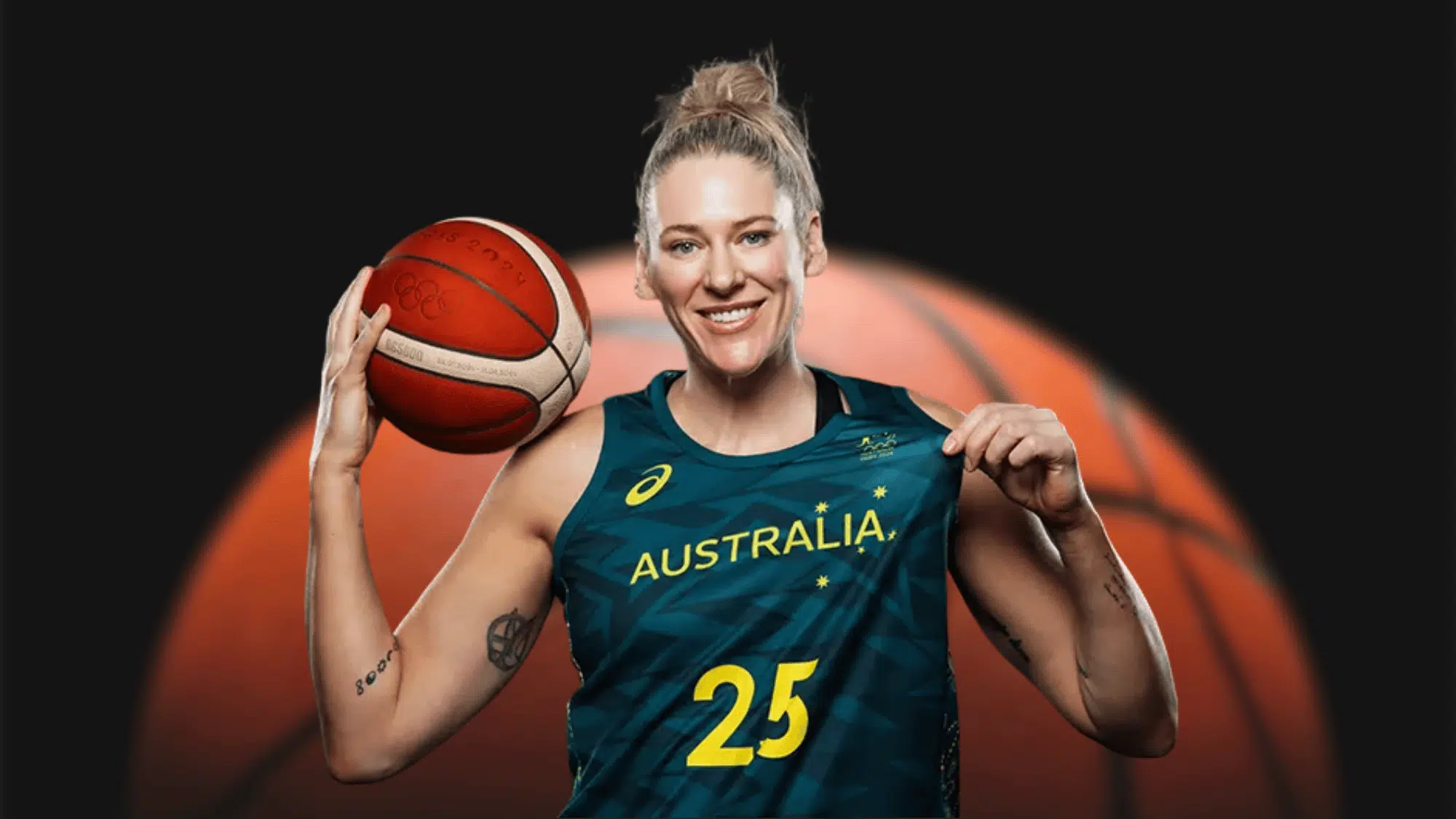
Jackson brought a rare combination of size, shooting touch, and mobility that revolutionized the power forward position in women’s basketball.
The Australian superstar captured three MVP awards and two championships while consistently dominating both ends of the floor.
Her ability to stretch defenses with perimeter shooting while maintaining elite interior presence created matchup nightmares that few opponents could solve throughout her dominant Seattle tenure.
8. Sue Bird

| Team | Total Baskets | Avg Score |
|---|---|---|
| Seattle Storm | 2,831 field goals | 12.1 PPG |
Bird mastered the art of orchestrating offense with unparalleled court vision, basketball IQ, and leadership that elevated every teammate around her.
Her four championships with Seattle showcased her ability to perform in crucial moments while making everyone better.
Beyond statistics, her decision-making, clutch shooting, and two decades of excellence established her as the gold standard for point guard play and professionalism in the WNBA.
9. Candace Parker
| Team | Total Baskets | Avg Score |
|---|---|---|
| Los Angeles Sparks, Chicago Sky | 2,500+ field goals | 17.1 PPG |
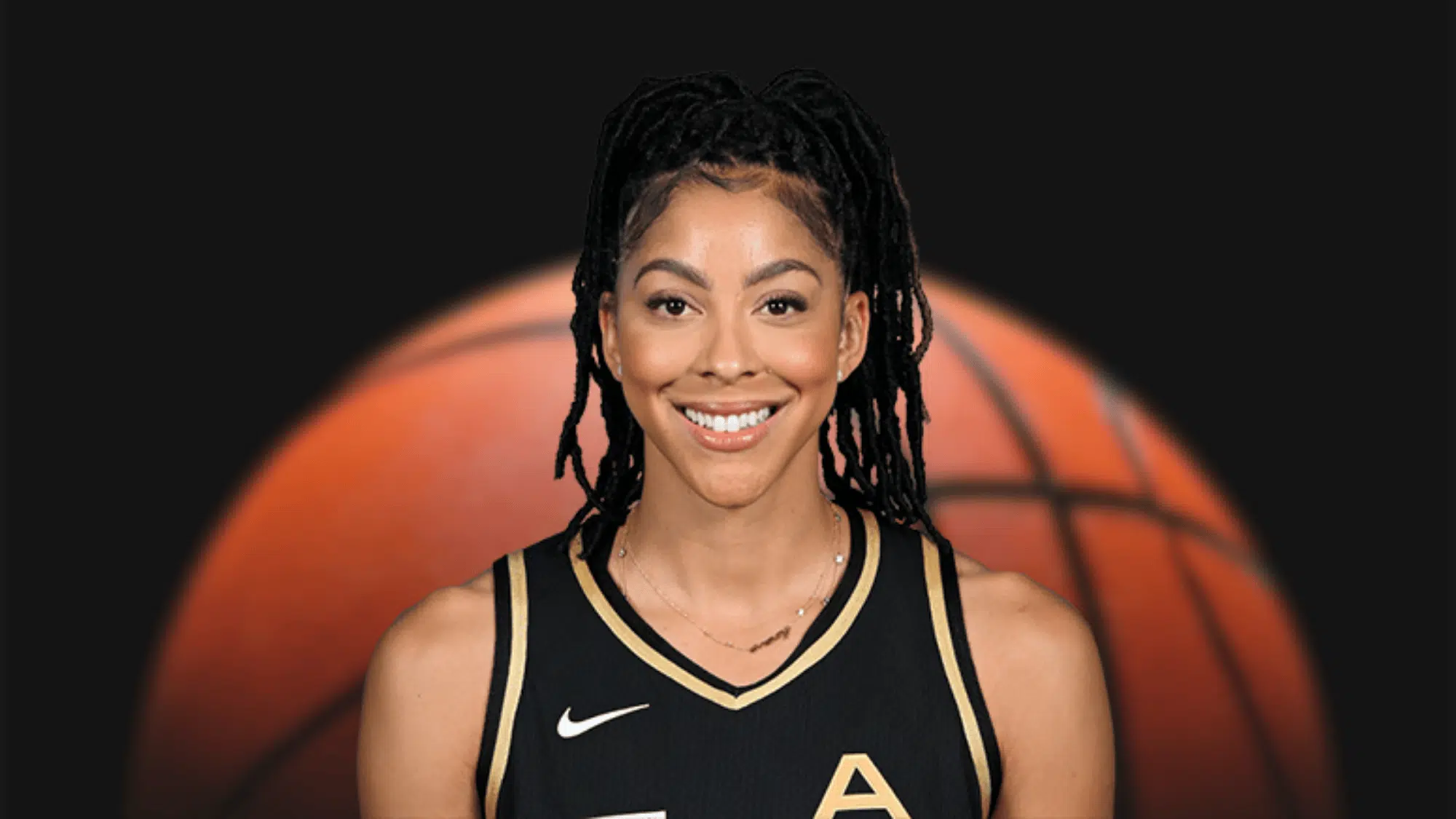
Parker shattered expectations with her unique blend of size, ball-handling, and basketball intelligence that made her position-less before the term became fashionable.
She won championships with two different franchises while earning back-to-back MVP awards early in her career.
Her ability to facilitate offense, protect the rim, and score from anywhere created a blueprint for modern versatile forwards who dominate multiple statistical categories.
10. Breanna Stewart
| Team | Total Baskets | Avg Score |
|---|---|---|
| Seattle Storm, New York Liberty | 1,800+ field goals | 19.4 PPG |
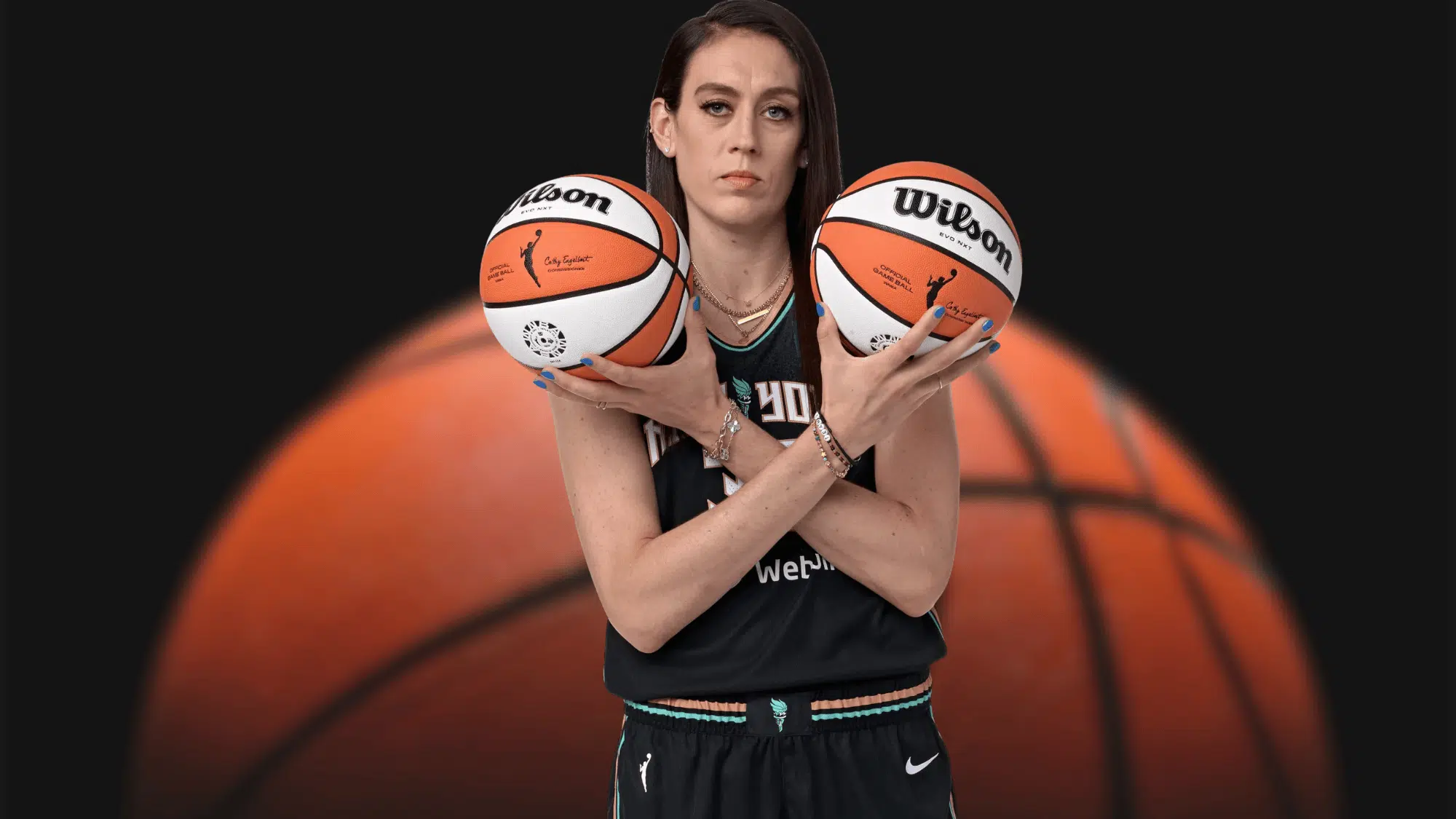
Stewart emerged as the dominant force of her generation with two championships and two Finals MVP awards before age 28.
Her combination of elite scoring, rebounding, and defensive versatility makes her nearly unstoppable in critical moments.
Despite a career interruption from injury, she returned stronger, demonstrating strength while maintaining her status as the league’s most complete player and a perennial championship contender wherever she plays.
11. Sylvia Fowles
| Team | Total Baskets | Avg Score |
|---|---|---|
| Chicago Sky, Minnesota Lynx | 3,119 field goals | 15.6 PPG |
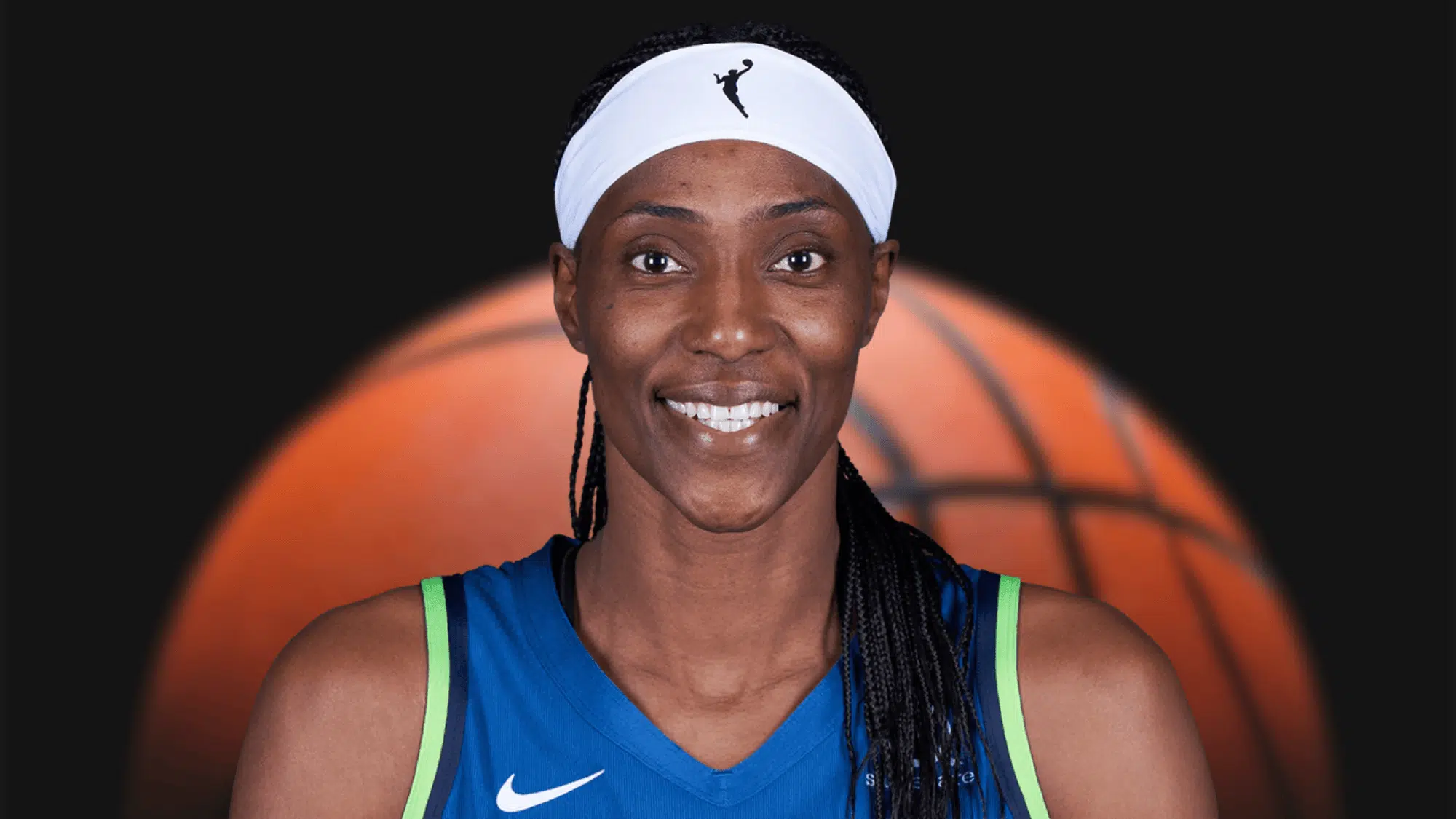
Fowles dominated the paint with unmatched consistency, becoming one of the most efficient post players in WNBA history while anchoring championship defenses.
Her four Defensive Player of the Year awards and two championships showcased her rim protection and rebounding dominance.
She established herself as the most reliable interior presence of her era, finishing her career as the league’s all-time leading rebounder with a work ethic and professionalism that set standards.
12. Elena Delle Donne

| Team | Total Baskets | Avg Score |
|---|---|---|
| Chicago Sky, Washington Mystics | 1,600+ field goals | 19.5 PPG |
Delle Donne revolutionized the game with her seven-foot wingspan, silky shooting stroke, and rare 50-40-90 shooting efficiency that remains unmatched.
Her 2019 MVP season culminated in a championship with Washington, validating her status as one of basketball’s most skilled players.
Despite battling persistent injuries throughout her career, her combination of size, shooting accuracy, and scoring versatility created an offensive package virtually impossible to defend.
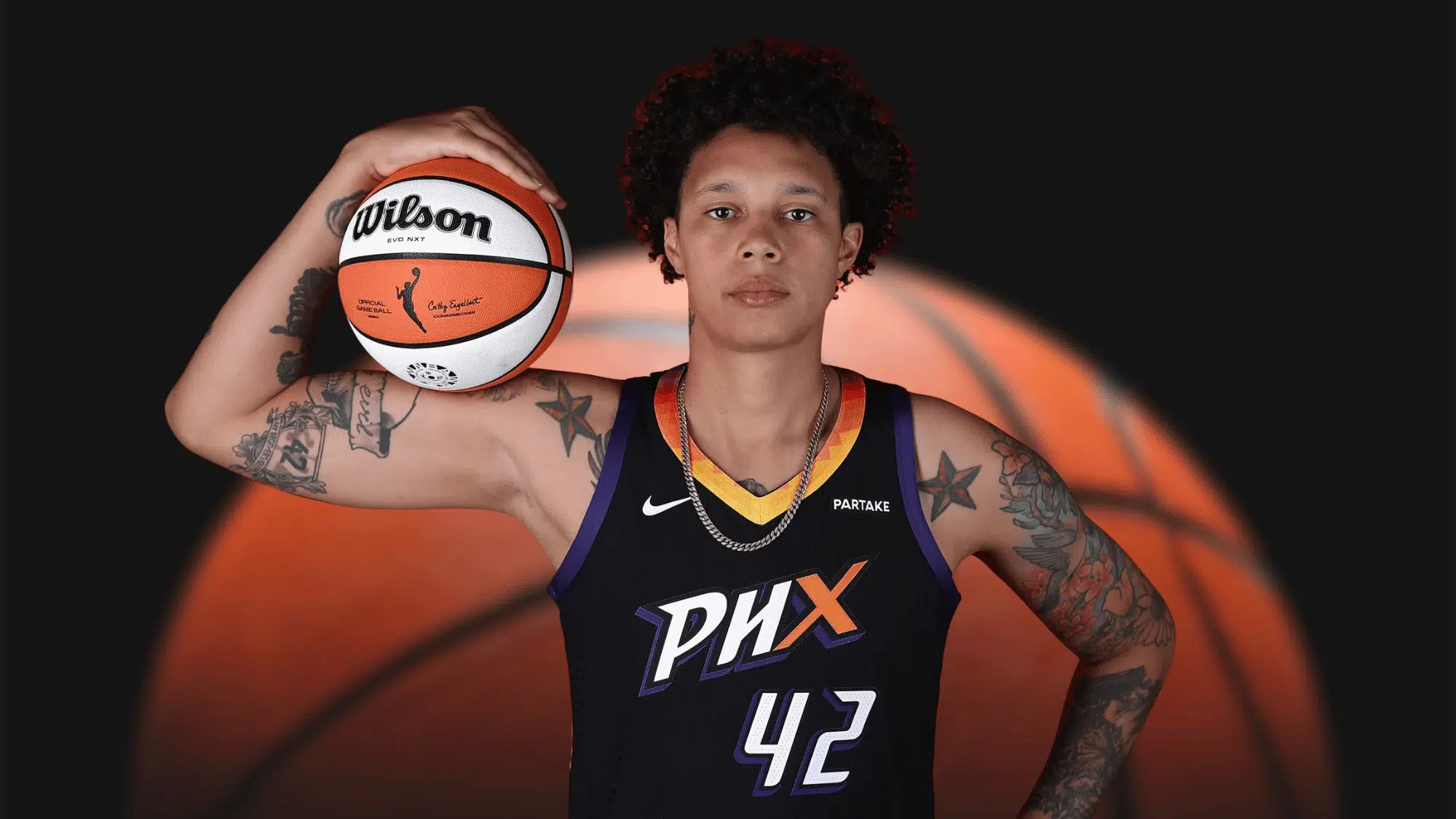
13. Brittney Griner
| Team | Total Baskets | Avg Score |
|---|---|---|
| Phoenix Mercury | 2,000+ field goals | 17.7 PPG |
Griner transformed the center position with her unprecedented shot-blocking ability and dunking prowess that brought new athleticism to women’s basketball.
Her defensive presence altered opponents’ offensive strategies while her efficient scoring inside made her unstoppable around the basket.
She won a championship in 2014 and consistently led the league in blocks, establishing herself as the most physically dominant and intimidating interior force the WNBA has seen.
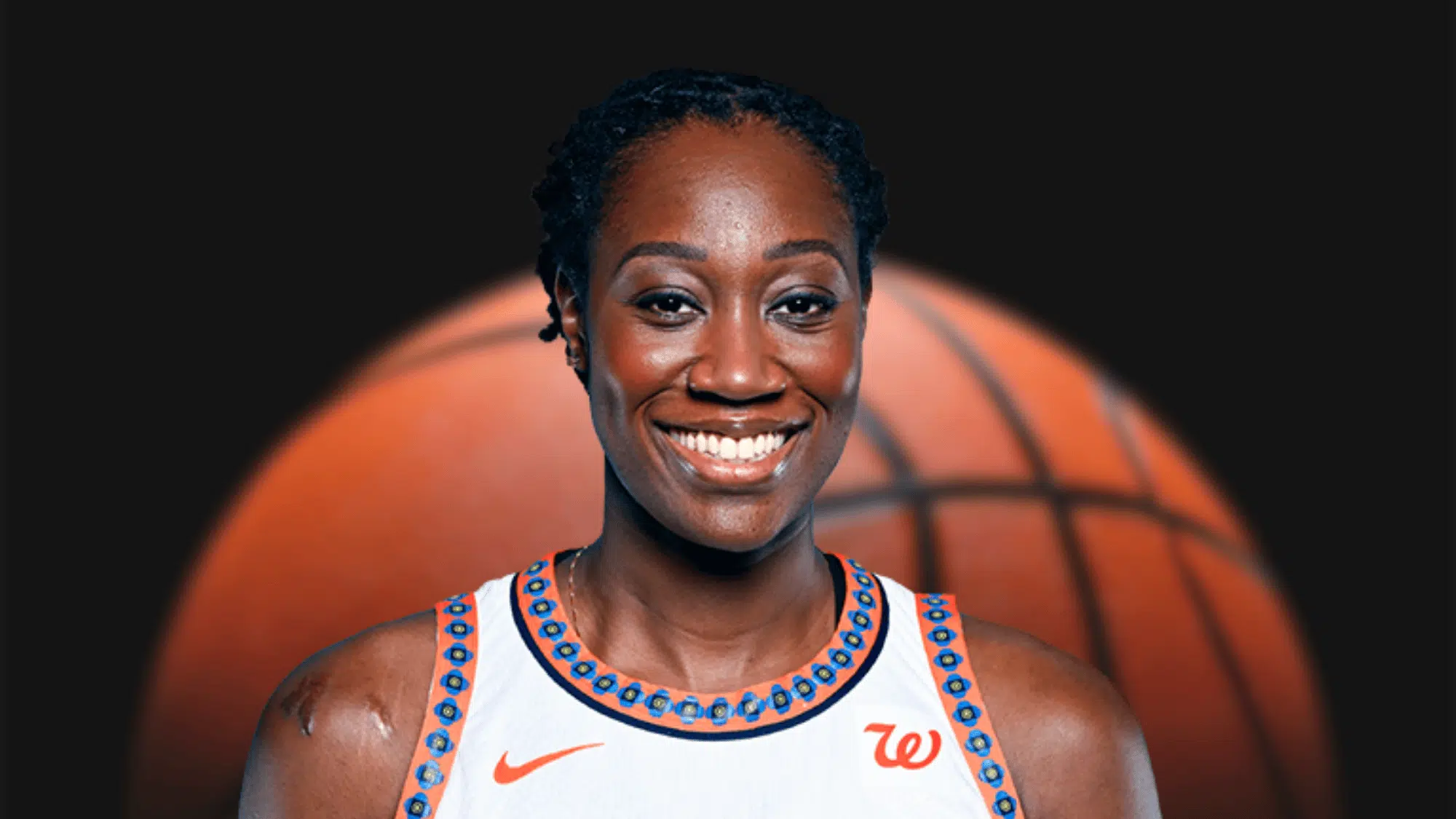
14. Tina Charles
| Team | Total Baskets | Avg Score |
|---|---|---|
| Connecticut Sun, New York Liberty, others | 3,000+ field goals | 17.3 PPG |
Charles became one of the most prolific scorers and rebounders in league history through relentless work on the glass and consistent offensive production.
Her 2012 MVP season highlighted her ability to dominate games through sheer will and technical skill in the post.
She ranks among the all-time leaders in double-doubles, demonstrating her sustained excellence and durability across multiple franchises throughout her outstanding career.
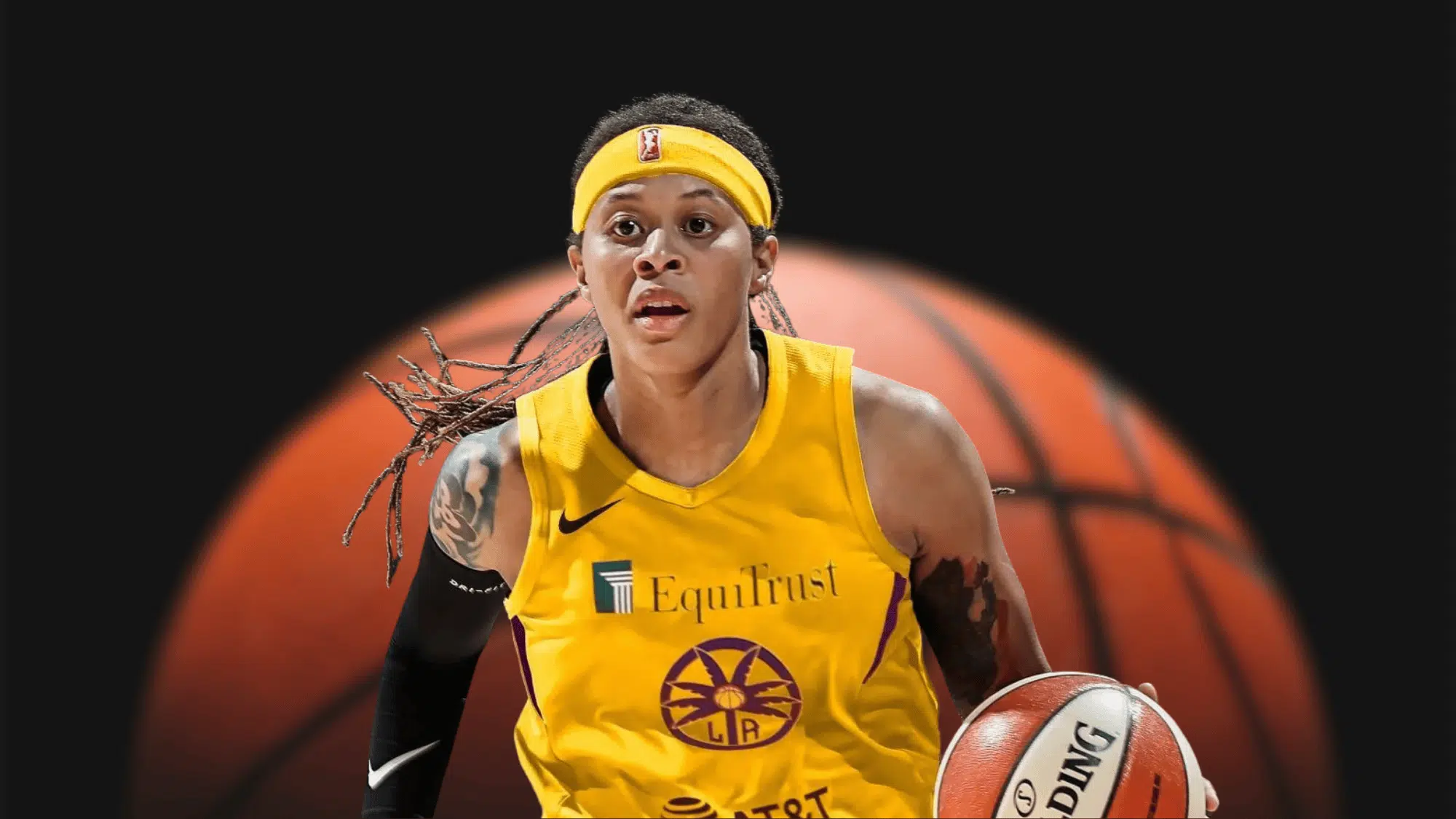
15. Seimone Augustus
| Team | Total Baskets | Avg Score |
|---|---|---|
| Minnesota Lynx, Los Angeles Sparks | 2,343 field goals | 15.4 PPG |
Augustus epitomized smooth efficiency with her textbook mid-range game and clutch performances that fueled Minnesota’s dynasty with four championships.
Her fundamental soundness and basketball intelligence made her one of the most reliable scorers in pressure situations throughout her career.
She combined elite offensive skills with solid defense, becoming the perfect complementary star who elevated her team’s championship aspirations through consistency and professionalism.
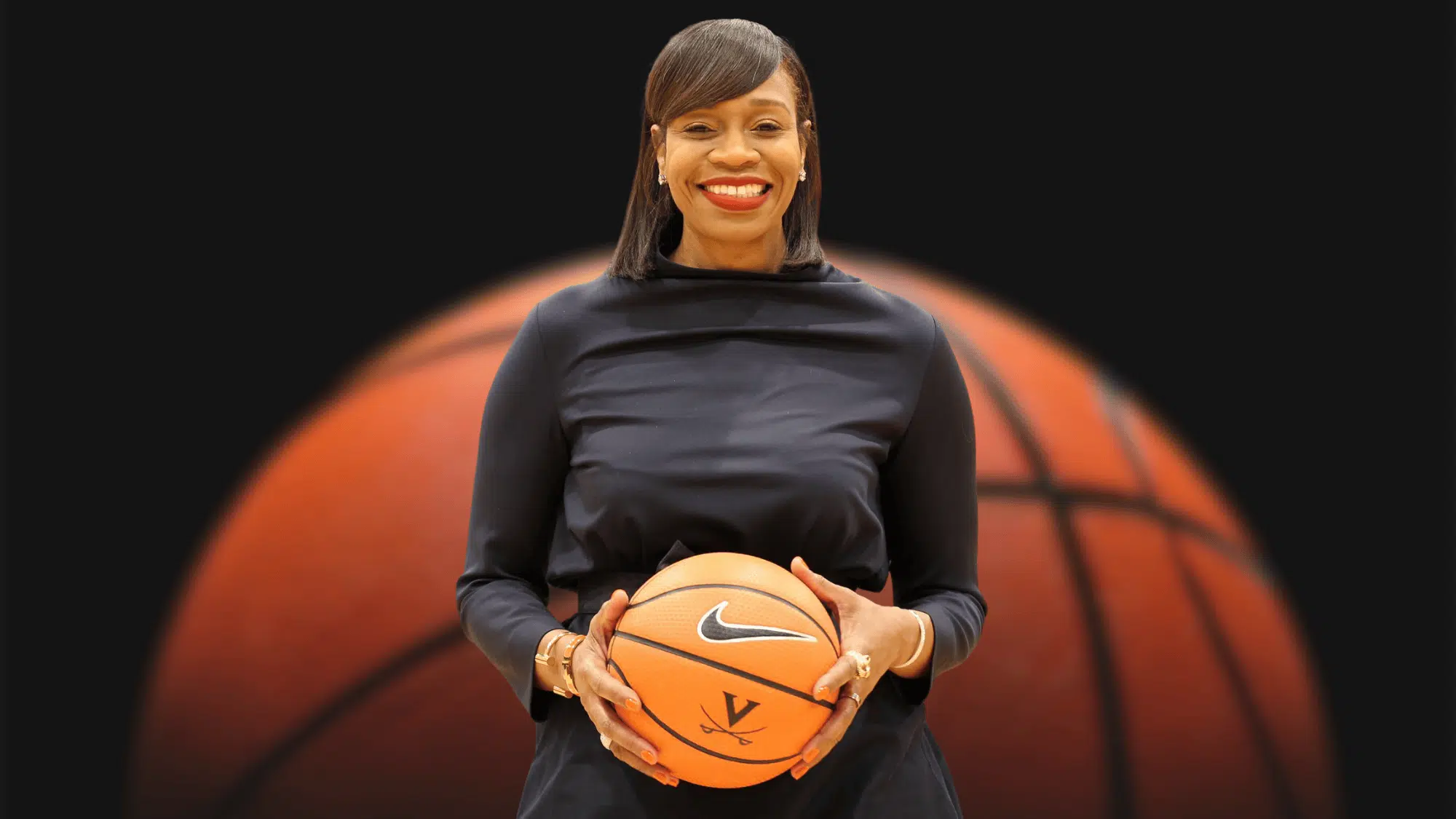
16. Tina Thompson
| Team | Total Baskets | Avg Score |
|---|---|---|
| Houston Comets, Los Angeles Sparks, Seattle Storm | 3,070 field goals | 15.1 PPG |
Thompson became the WNBA’s first-ever draft pick and turned that historic distinction into a Hall of Fame career spanning nearly two decades.
Her four championships with Houston’s dynasty showcased her reliable scoring and veteran leadership that defined winning basketball.
She ranks among the league’s all-time scoring leaders while maintaining remarkable consistency throughout her career, proving her durability and adaptability across multiple eras of the game.
17. Katie Smith
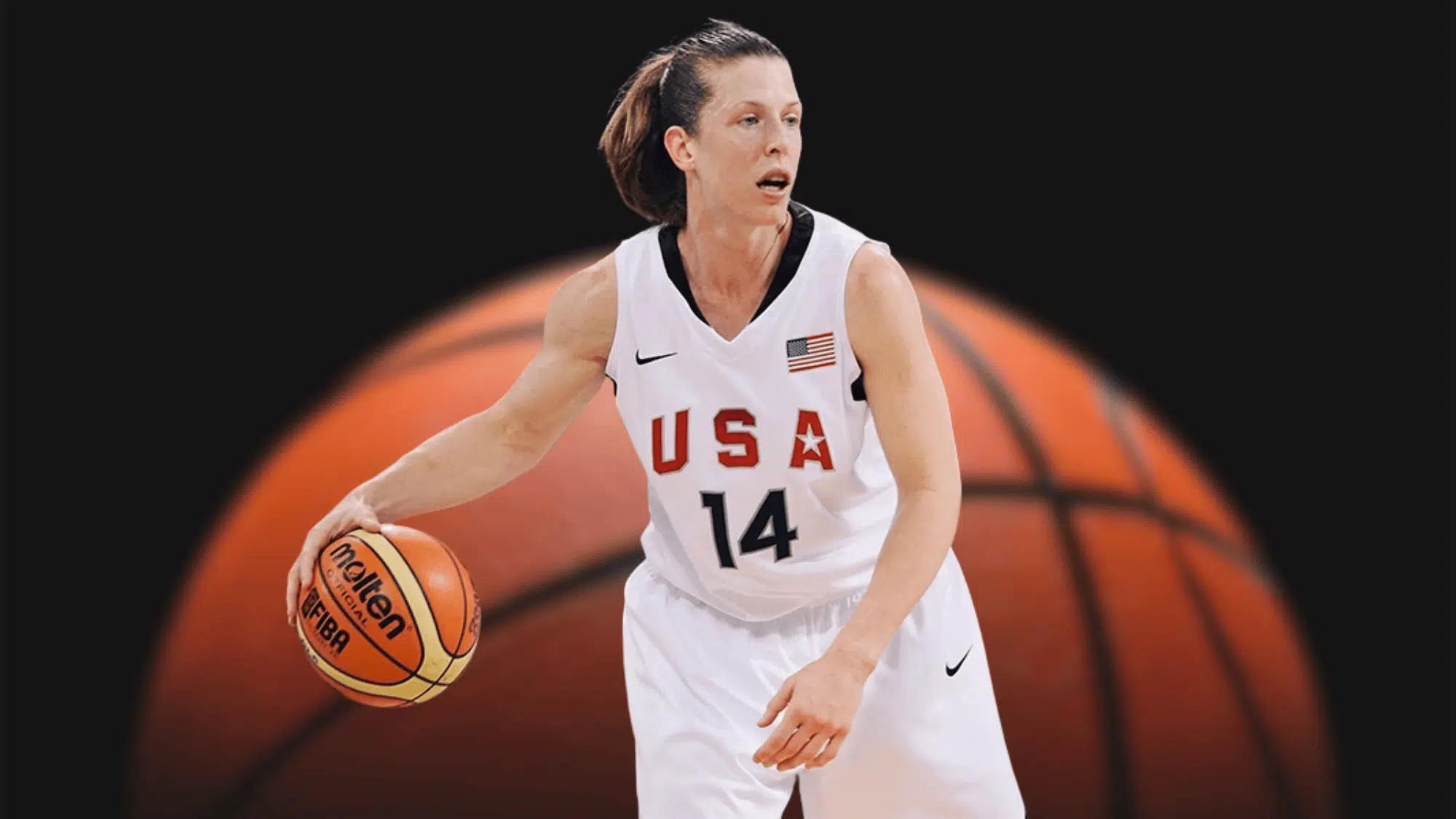
| Team | Total Baskets | Avg Score |
|---|---|---|
| Minnesota Lynx, Detroit Shock, Washington Mystics | 2,854 field goals | 13.5 PPG |
Smith established herself as one of the deadliest shooters in WNBA history with her pure stroke and ability to score from anywhere on the court.
Her two championships with Detroit demonstrated her value as a clutch performer who elevated her game when the stakes were highest.
She finished her career ranking second all-time in three-pointers made, cementing her legacy as a pioneer who helped popularize perimeter shooting in women’s basketball.
18. Yolanda Griffith
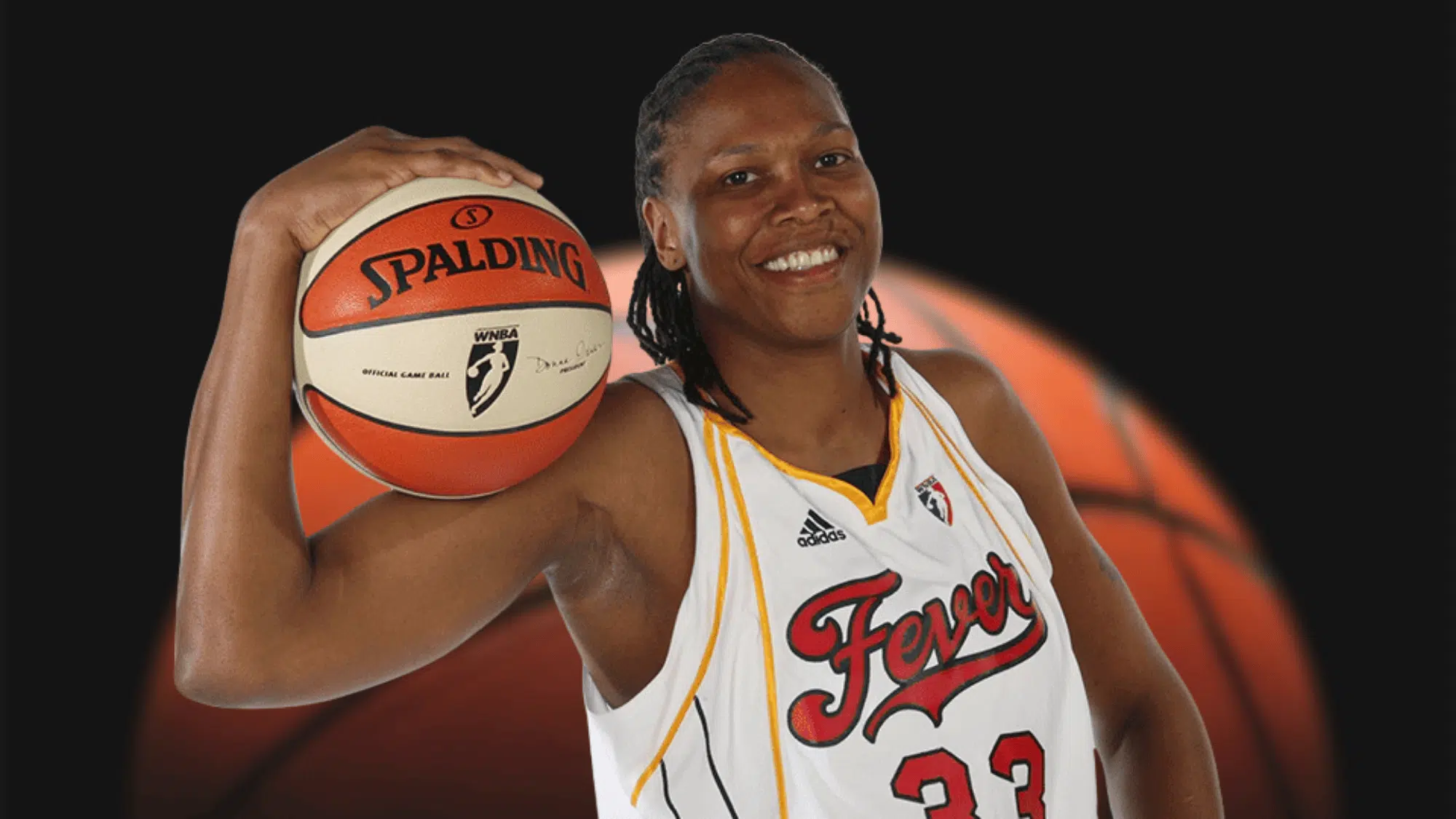
| Team | Total Baskets | Avg Score |
|---|---|---|
| Sacramento Monarchs, Seattle Storm, Indiana Fever | 2,011 field goals | 13.4 PPG |
Griffith dominated the paint with her physicality and rebounding prowess that made her one of the most feared defenders in league history.
Her 1999 MVP and Defensive Player of the Year double highlighted her two-way dominance during Sacramento’s golden era.
She led the Monarchs to their only championship in 2005 while consistently ranking among league leaders in rebounds and blocks throughout her powerful career.
19. Lindsay Whalen
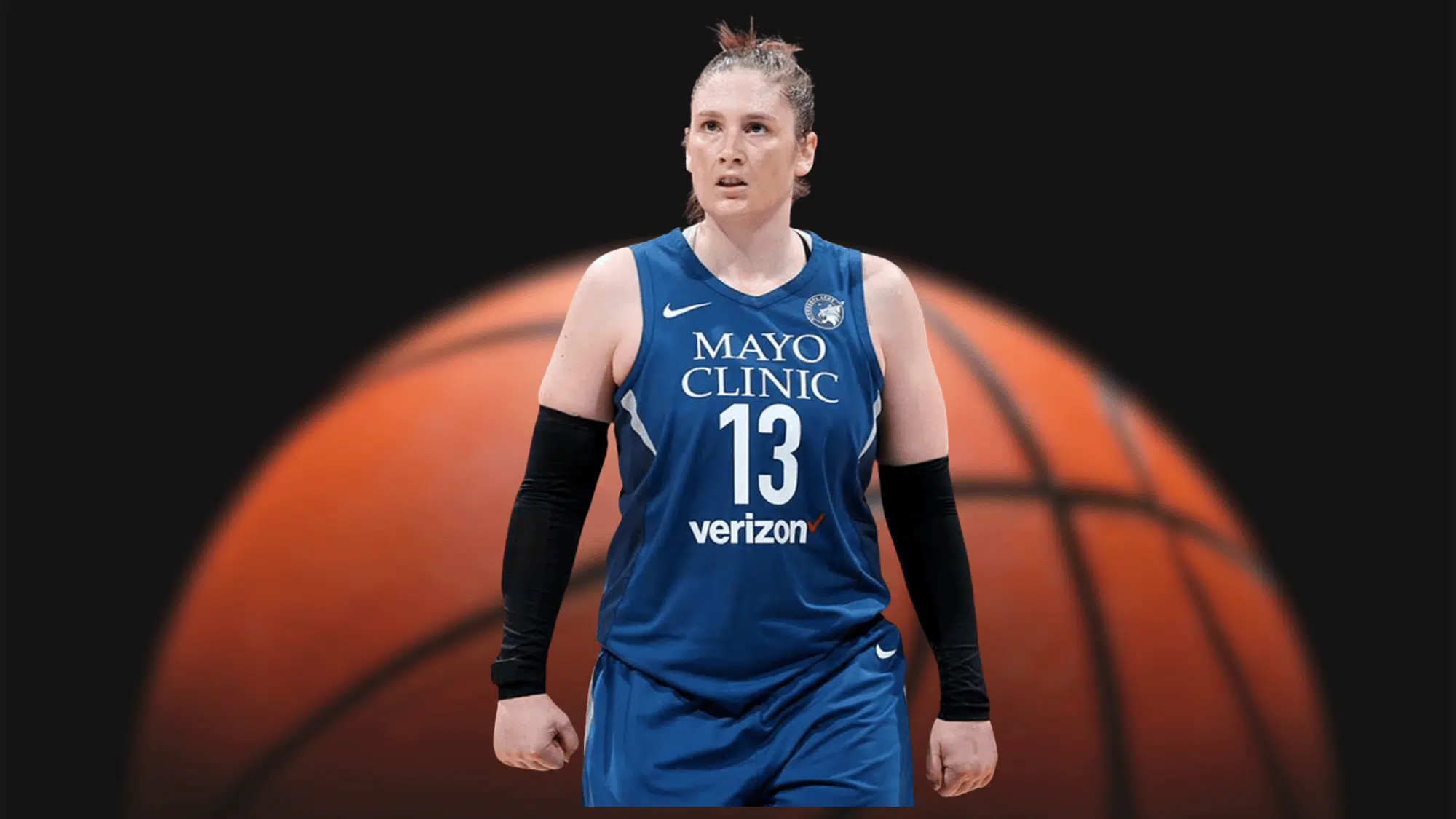
| Team | Total Baskets | Avg Score |
|---|---|---|
| Connecticut Sun, Minnesota Lynx | 2,345 field goals | 11.5 PPG |
Whalen became Minnesota’s floor general and heart of their dynasty with her gritty competitiveness and clutch performances in championship moments.
Her four titles with the Lynx showcased her ability to control tempo, make critical decisions, and deliver when games hung in the balance.
She epitomized winning basketball through toughness, intelligence, and selfless play that made everyone around her better while earning Finals MVP honors in 2011.
20. Angel McCoughtry
| Team | Total Baskets | Avg Score |
|---|---|---|
| Atlanta Dream, Las Vegas Aces | 1,800+ field goals | 17.9 PPG |
McCoughtry established herself as one of the most dynamic scorers of her generation with explosive athleticism and defensive intensity that terrorized opponents.
She led Atlanta to three Finals appearances while winning two Defensive Player of the Year awards, showcasing her complete game.
Her ability to attack the basket relentlessly while maintaining elite perimeter defense made her one of the most impactful two-way wings in WNBA history.
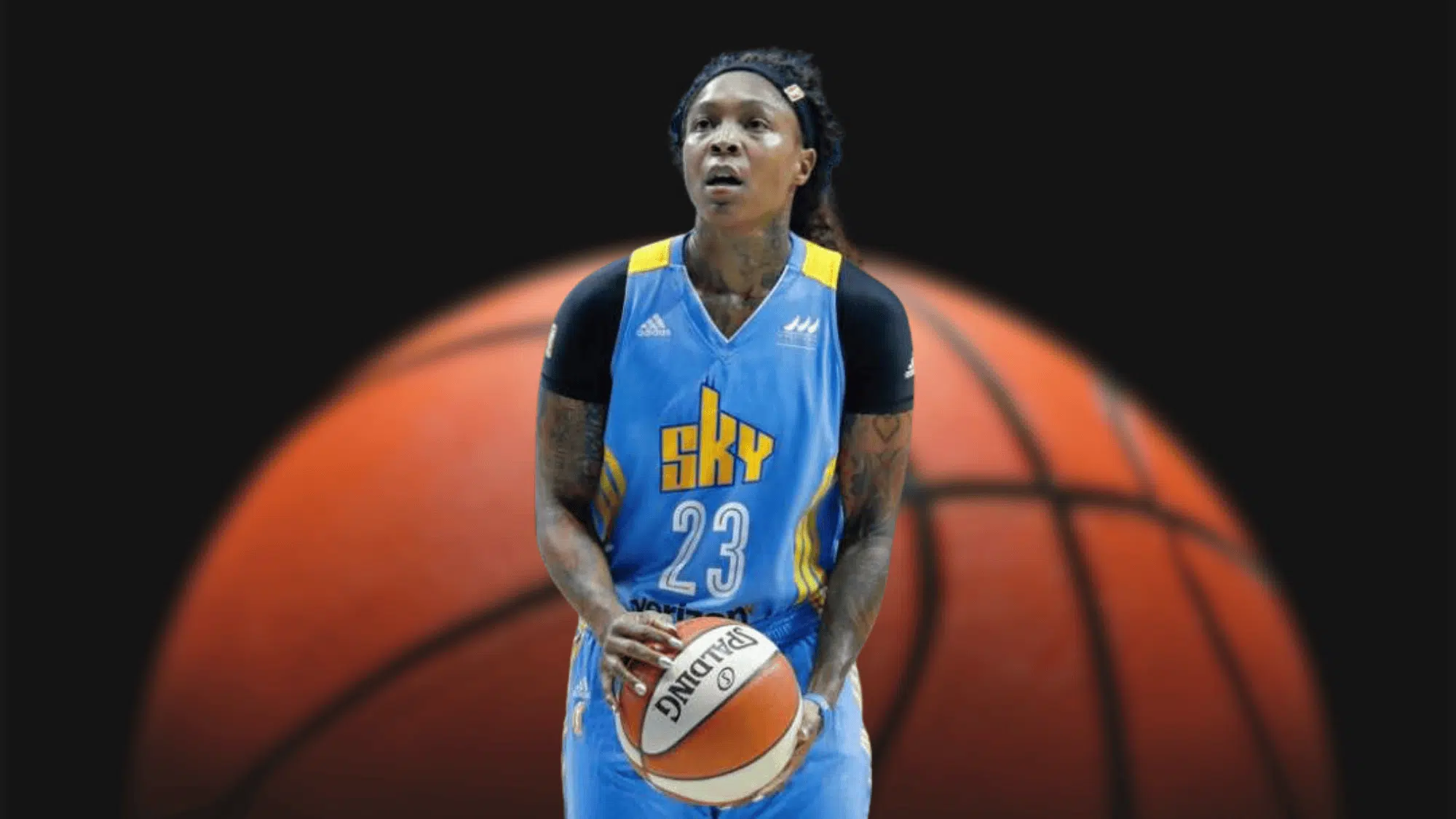
21. Cappie Pondexter
| Team | Total Baskets | Avg Score |
|---|---|---|
| Phoenix Mercury, New York Liberty, Chicago Sky, Indiana Fever | 2,211 field goals | 16.4 PPG |
Pondexter brought explosive scoring ability and fearless confidence that made her one of the most electrifying guards of her era.
Her two championships with Phoenix highlighted her capability to take over games with dynamic shot-making and creative offensive moves.
She earned Finals MVP honors in 2007 while consistently ranking among the league’s top scorers, proving herself as a go-to option who thrived under pressure throughout her decorated career.
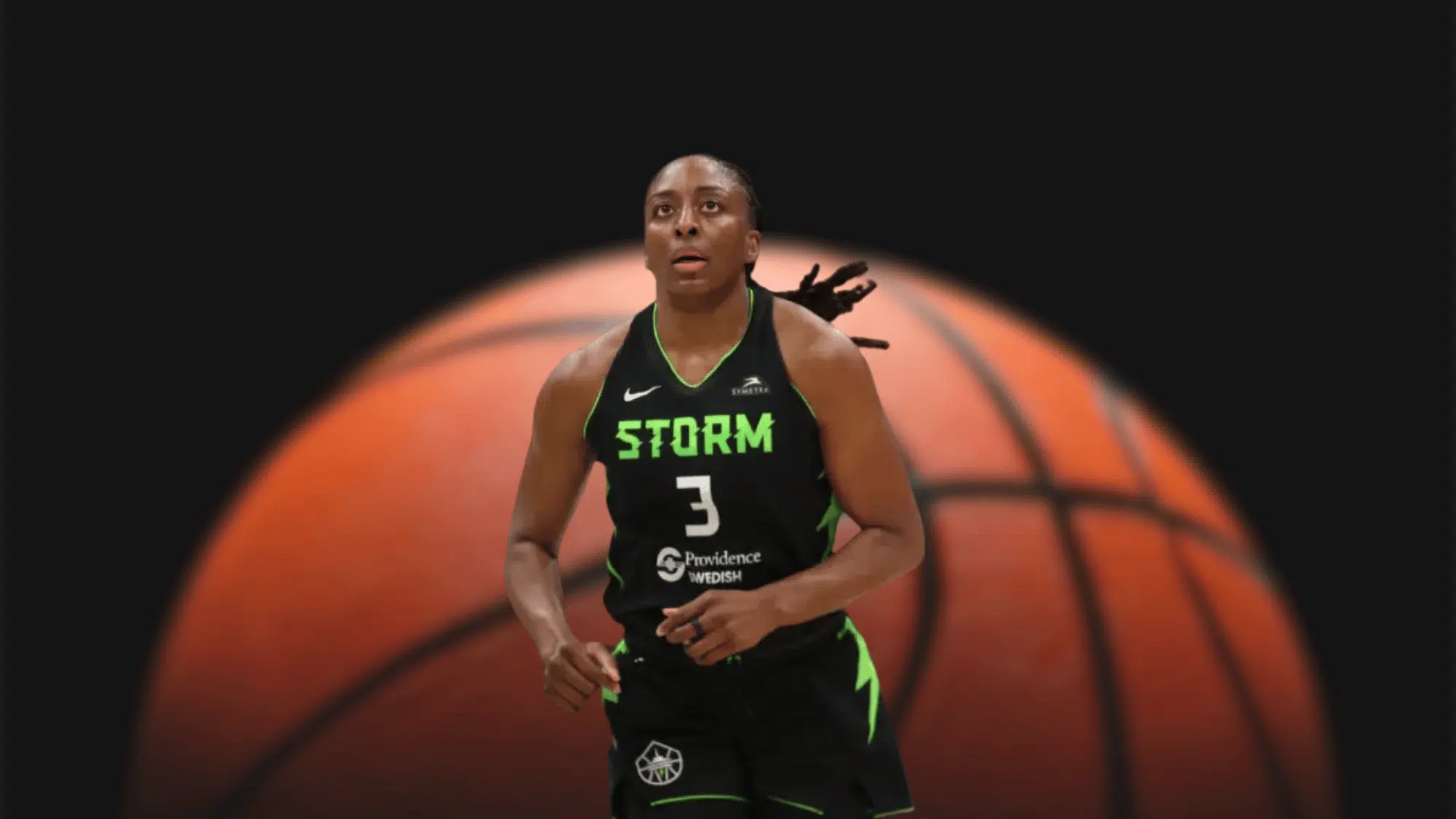
22. Nneka Ogwumike
| Team | Total Baskets | Avg Score |
|---|---|---|
| Los Angeles Sparks | 1,900+ field goals | 16.2 PPG |
Ogwumike combined power, finesse, and basketball intelligence to become one of the most efficient forwards in WNBA history.
Her 2016 MVP season and championship with Los Angeles demonstrated her ability to dominate without requiring high shot volumes.
She consistently ranks among league leaders in field goal percentage while providing versatile defense and leadership, establishing herself as the consummate team player who impacts winning in multiple ways.
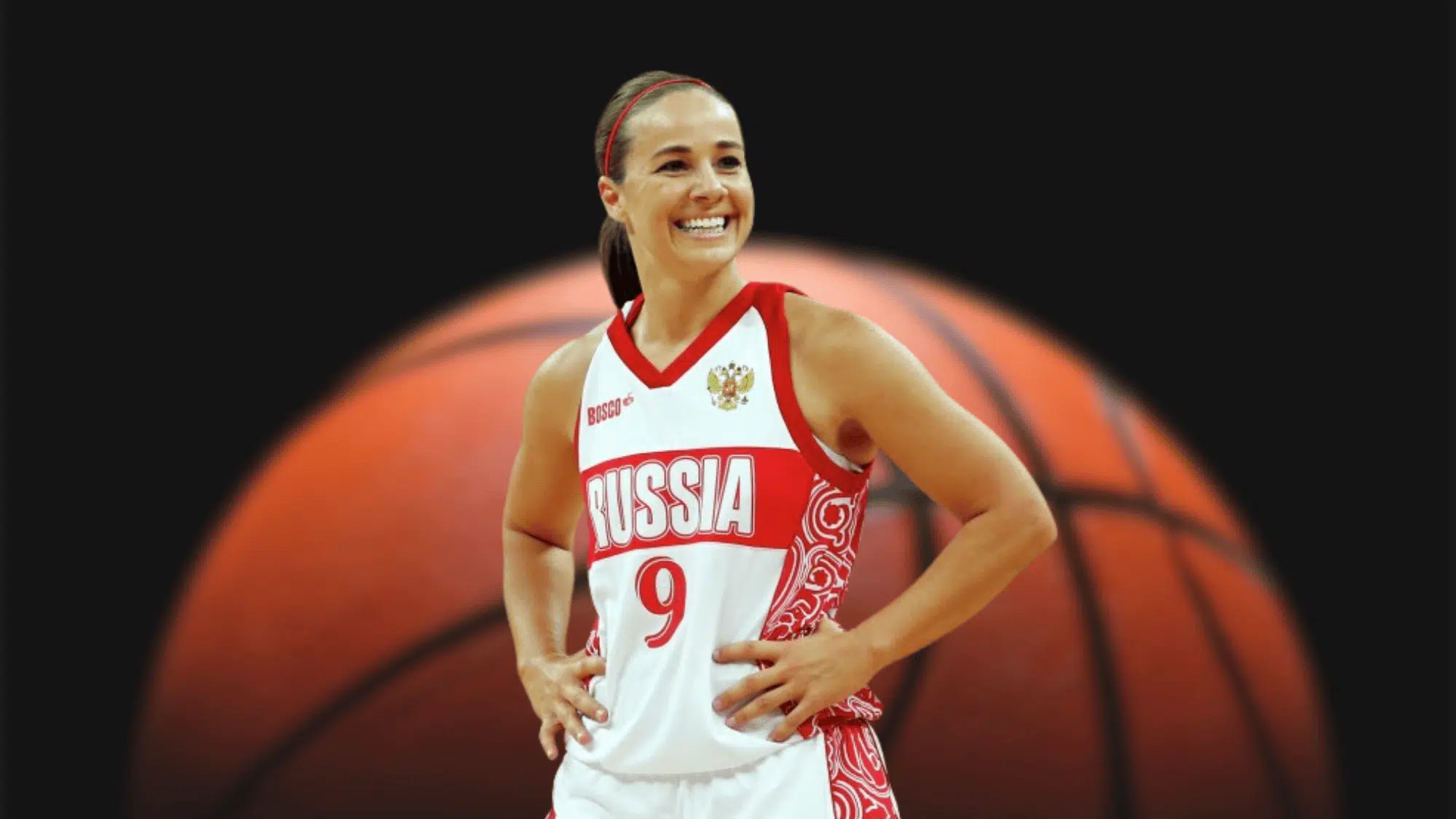
23. Becky Hammon
| Team | Total Baskets | Avg Score |
|---|---|---|
| New York Liberty, San Antonio Silver Stars | 1,687 field goals | 13.0 PPG |
Hammon overcame being undrafted to become one of the craftiest and most respected point guards in league history through sheer determination.
Her six All-Star selections showcased her ability to control games with exceptional court vision, clutch shooting, and leadership that made every team better.
She later transitioned into coaching, becoming the first woman to serve as an NBA assistant coach, extending her basketball impact beyond her playing excellence.
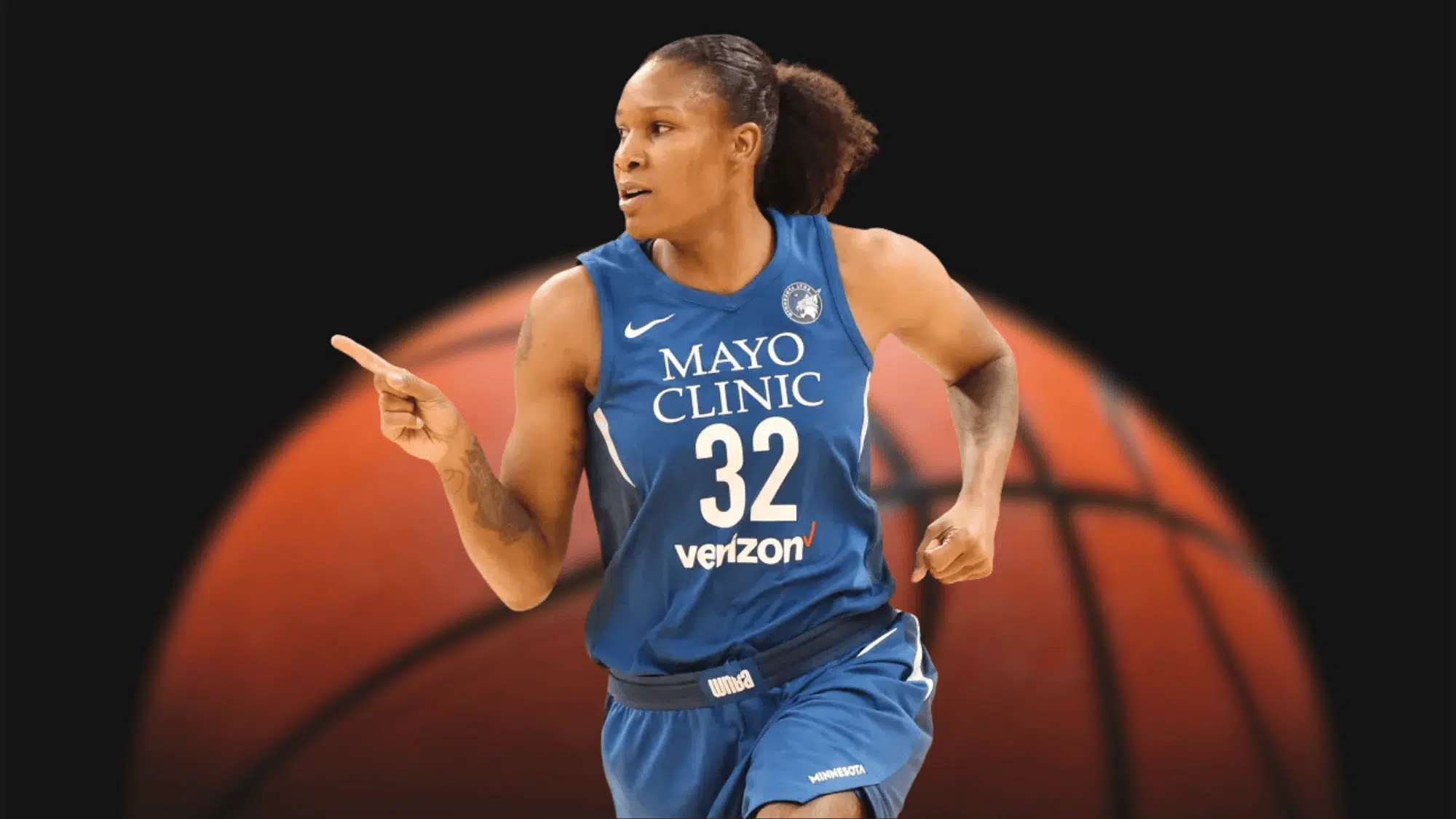
24. Rebekkah Brunson
| Team | Total Baskets | Avg Score |
|---|---|---|
| Sacramento Monarchs, Minnesota Lynx | 1,803 field goals | 8.7 PPG |
Brunson built a Hall of Fame career through relentless rebounding, tireless defense, and winning plays that never appeared in highlight reels.
Her five championships between Sacramento and Minnesota made her the most decorated player in WNBA history at retirement.
She became the league’s all-time leading rebounder before Fowles surpassed her, proving that hustle, positioning, and commitment to team success can define greatness just as powerfully as scoring.
25. Penny Taylor

| Team | Total Baskets | Avg Score |
|---|---|---|
| Phoenix Mercury | 1,638 field goals | 13.0 PPG |
Taylor provided the perfect complement to Phoenix’s high-powered offense with her versatility, basketball IQ, and ability to excel in multiple roles.
Her three championships with the Mercury highlighted her value as a player who could score, facilitate, and defend at critical moments.
The Australian star consistently delivered in playoff situations while sacrificing individual statistics for team success, embodying the selfless excellence that championship organizations require throughout their core rotations.
26. Teresa Weatherspoon
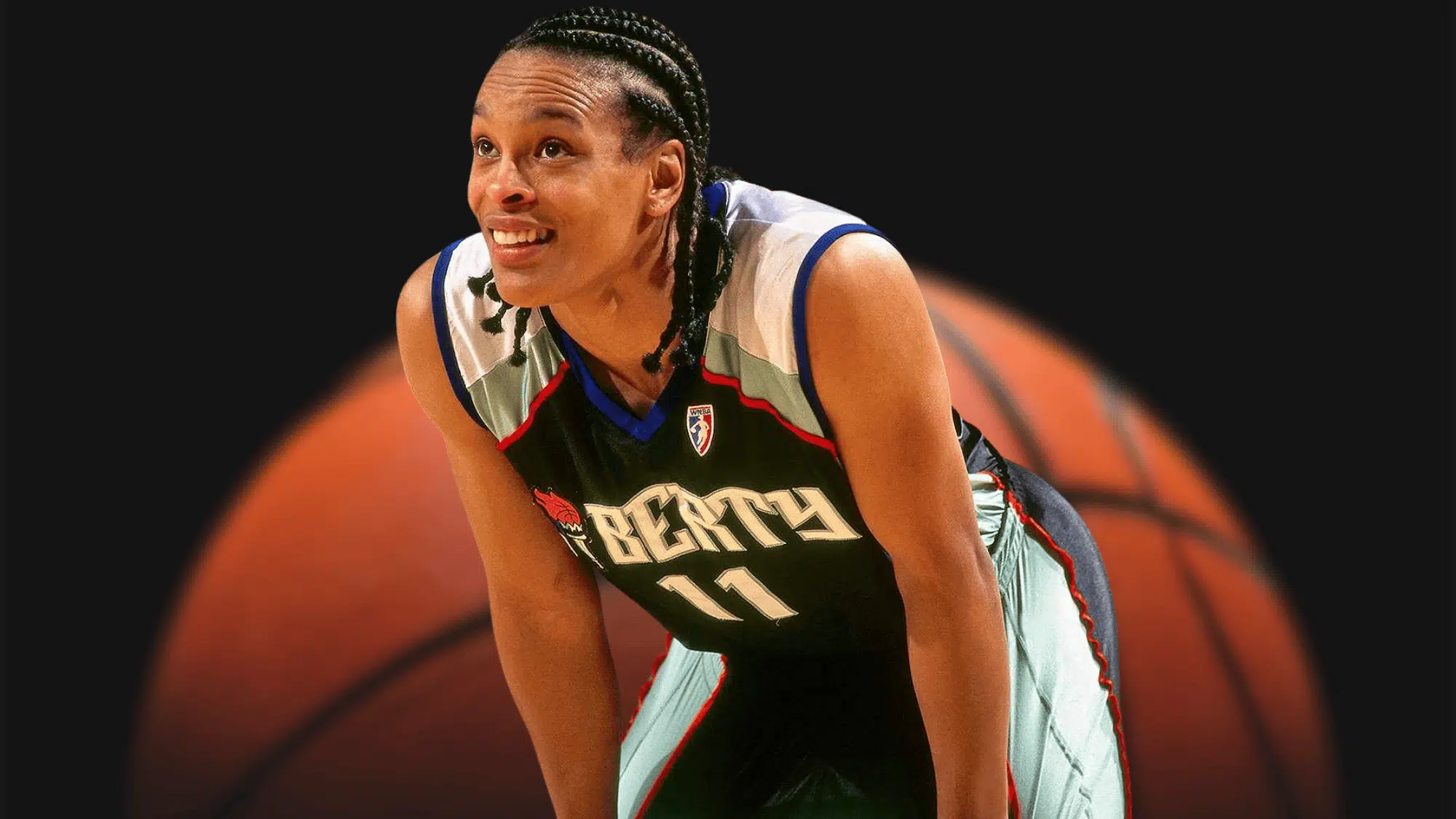
| Team | Total Baskets | Avg Score |
|---|---|---|
| New York Liberty, Los Angeles Sparks | 1,103 field goals | 8.0 PPG |
Weatherspoon became legendary for her tenacious defense and leadership that transformed the Liberty into perennial contenders during the league’s early years.
Her five Defensive Player of the Year awards showcased her ability to lock down opponents while orchestrating New York’s offense with passion and intensity.
She hit one of the most iconic shots in WNBA history with her half-court buzzer-beater in the 1999 Finals, cementing her legacy as a clutch performer.
27. Dawn Staley
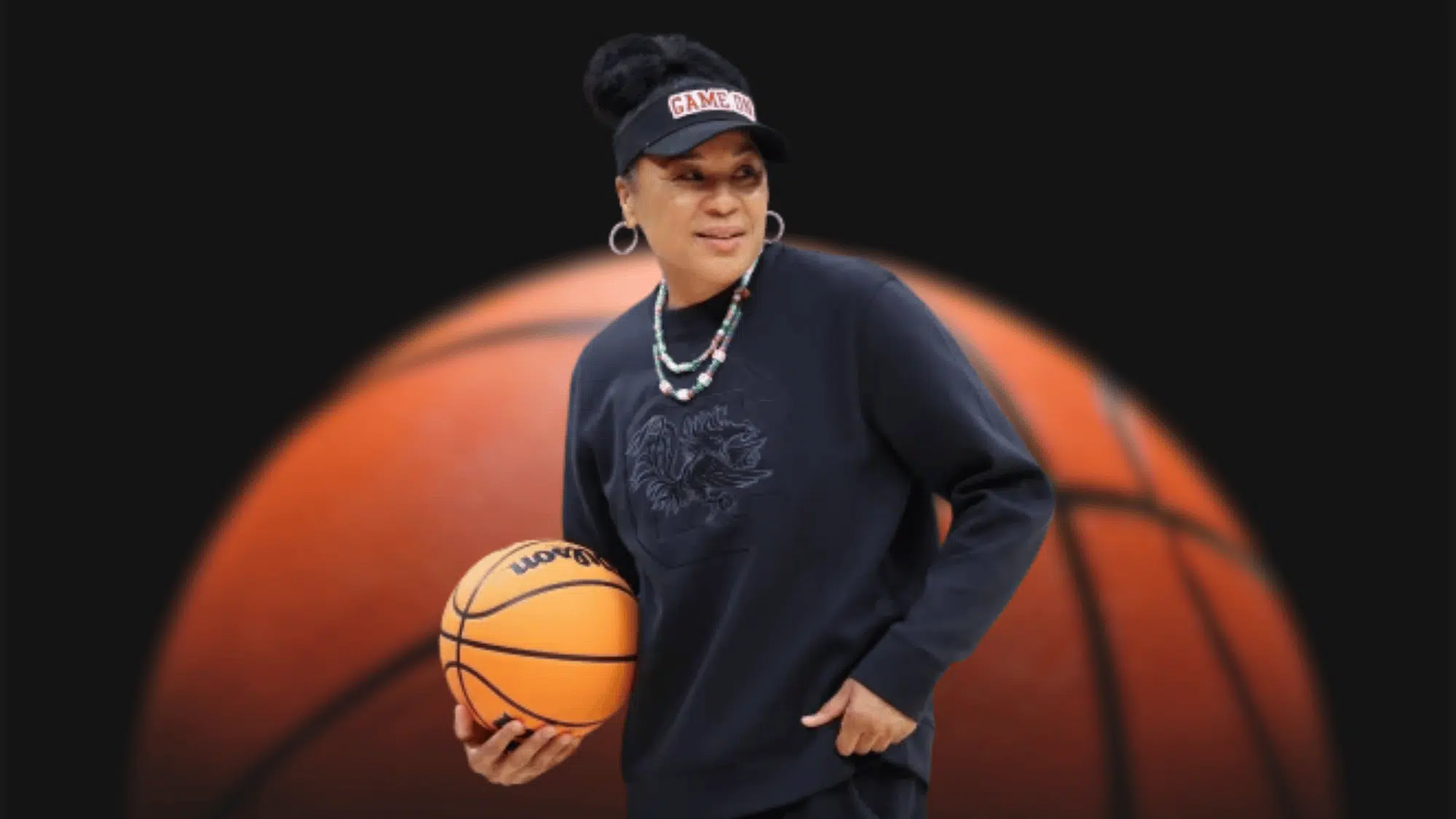
| Team | Total Baskets | Avg Score |
|---|---|---|
| Charlotte Sting, Houston Comets | 852 field goals | 8.9 PPG |
Staley brought championship pedigree and point guard mastery to the WNBA after dominating college and international basketball for over a decade.
Her six All-Star selections demonstrated her continued excellence despite entering the league at age 29 following her Olympic success.
She later became one of college basketball’s most successful coaches, winning multiple national championships at South Carolina and proving her basketball genius extended far beyond her exceptional playing career.
28. Ticha Penicheiro
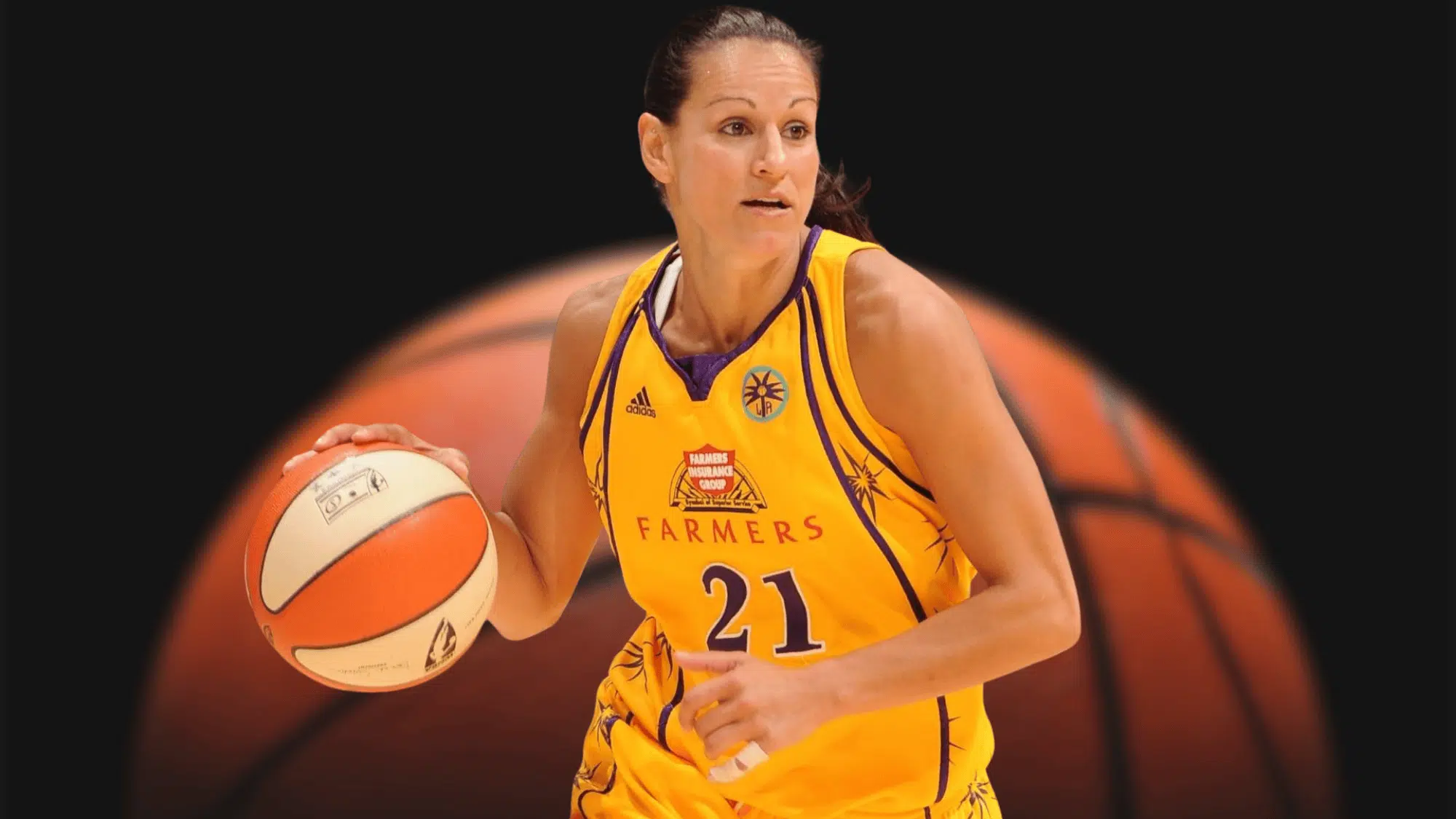
| Team | Total Baskets | Avg Score |
|---|---|---|
| Sacramento Monarchs, Los Angeles Sparks, Chicago Sky | 1,279 field goals | 7.9 PPG |
Penicheiro revolutionized the assist game with her no-look passes, creative playmaking, and court vision that made her teammates better throughout her career.
She became the WNBA’s all-time assists leader while orchestrating Sacramento’s championship run in 2005 with her unselfish floor generalship.
The Portuguese star’s ability to control pace and create easy scoring opportunities established her as one of the purest point guards the league has ever witnessed.
29. Courtney Vandersloot
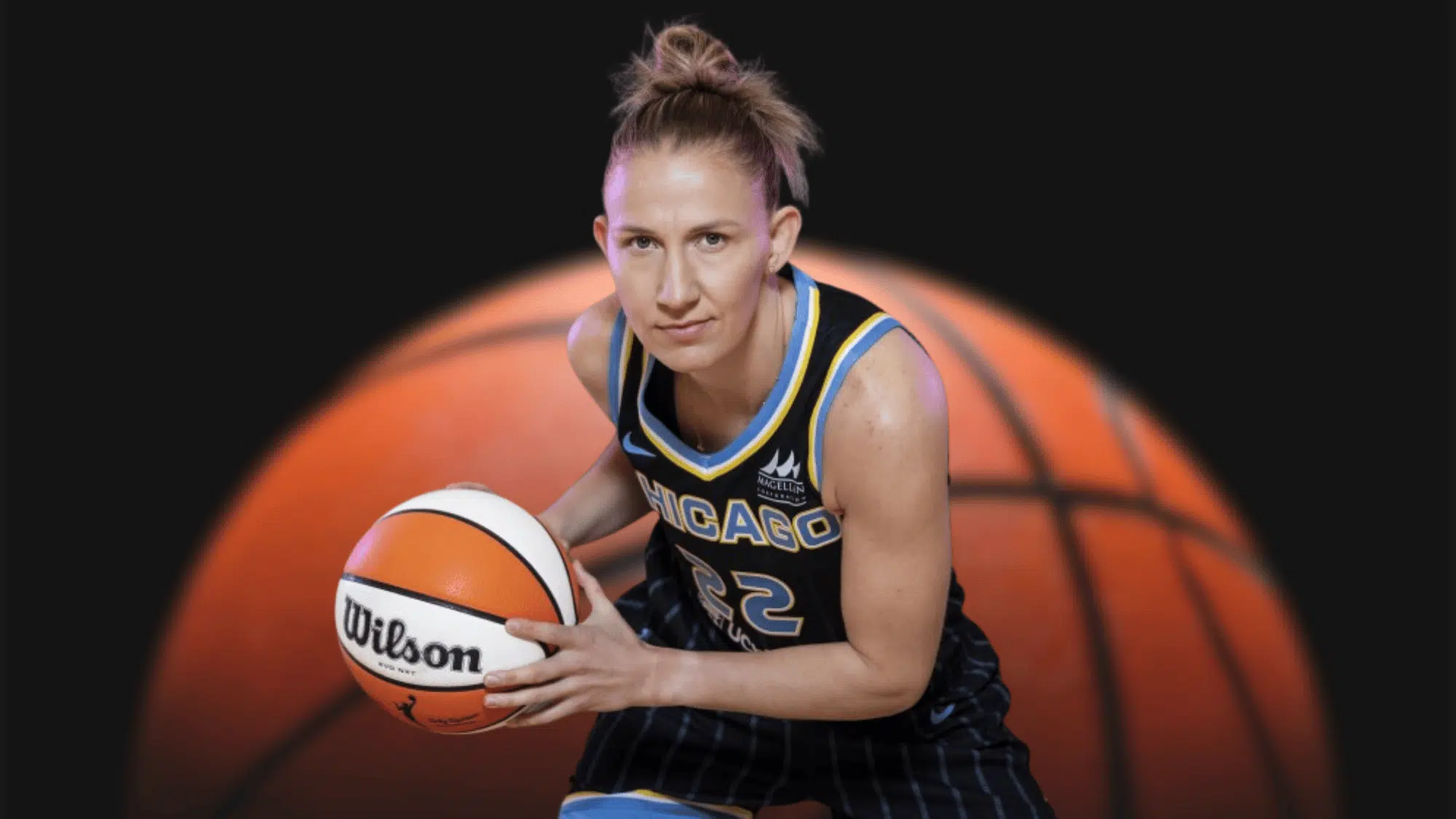
| Team | Total Baskets | Avg Score |
|---|---|---|
| Chicago Sky, New York Liberty | 1,400+ field goals | 10.3 PPG |
Vandersloot redefined efficiency with record-breaking assist-to-turnover ratios that showcased her exceptional decision-making and ball security.
Her 2021 championship with Chicago validated her status as an elite floor general who makes championship-caliber plays under pressure.
She holds multiple WNBA assist records and high shooting percentages, showing that smart playmaking and scoring efficiency form a valuable basketball skill combination.
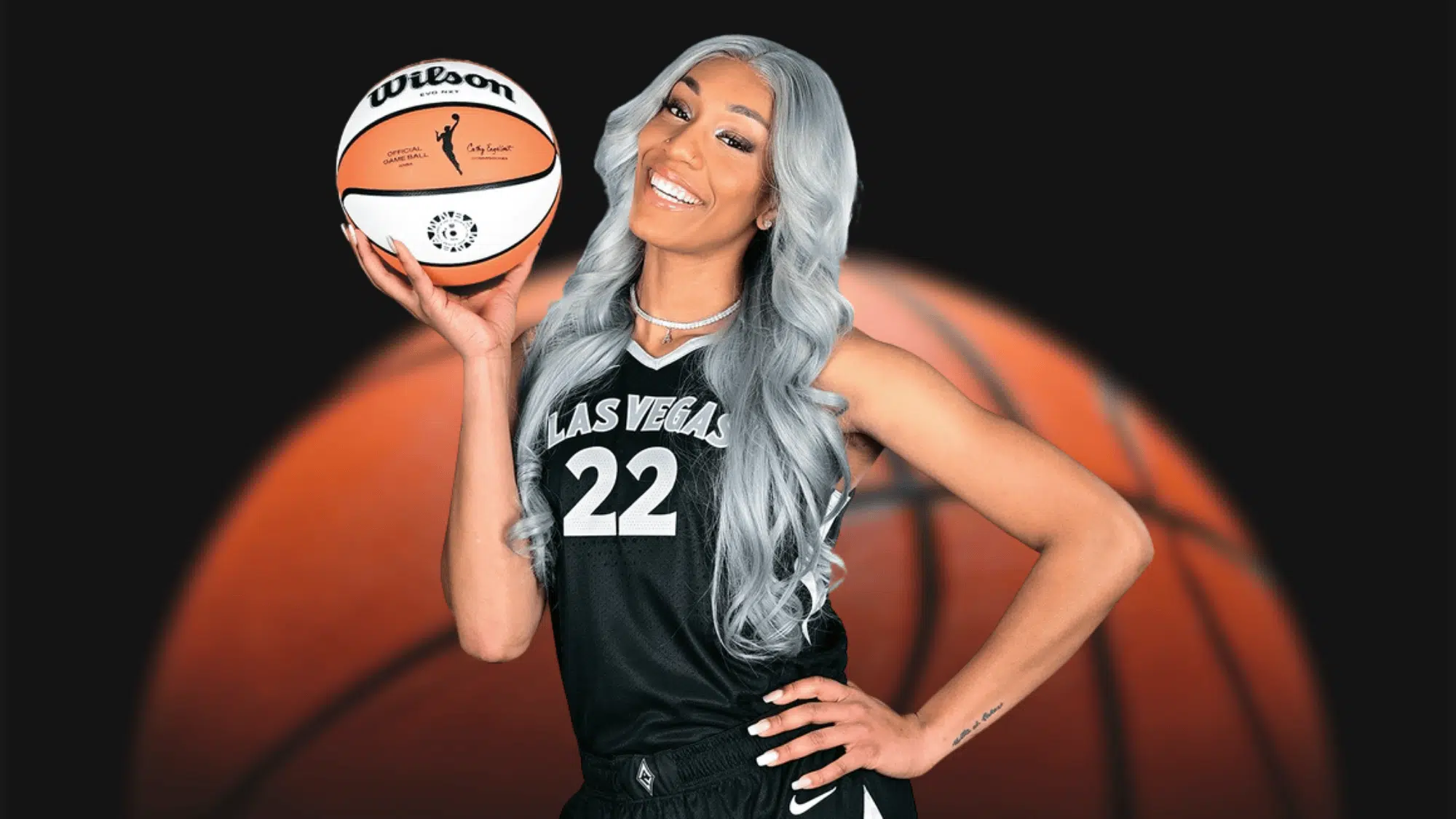
30. A’ja Wilson
| Team | Total Baskets | Avg Score |
|---|---|---|
| Las Vegas Aces | 1,600+ field goals | 19.5 PPG |
Wilson established herself as the face of the modern WNBA with back-to-back championships and multiple MVP awards before turning 28.
Her combination of interior dominance, mid-range excellence, and defensive versatility makes her the most complete player of her generation.
She continues adding to her already impressive résumé with scoring titles and All-Star selections, positioning herself to potentially climb even higher on all-time rankings as her career progresses.
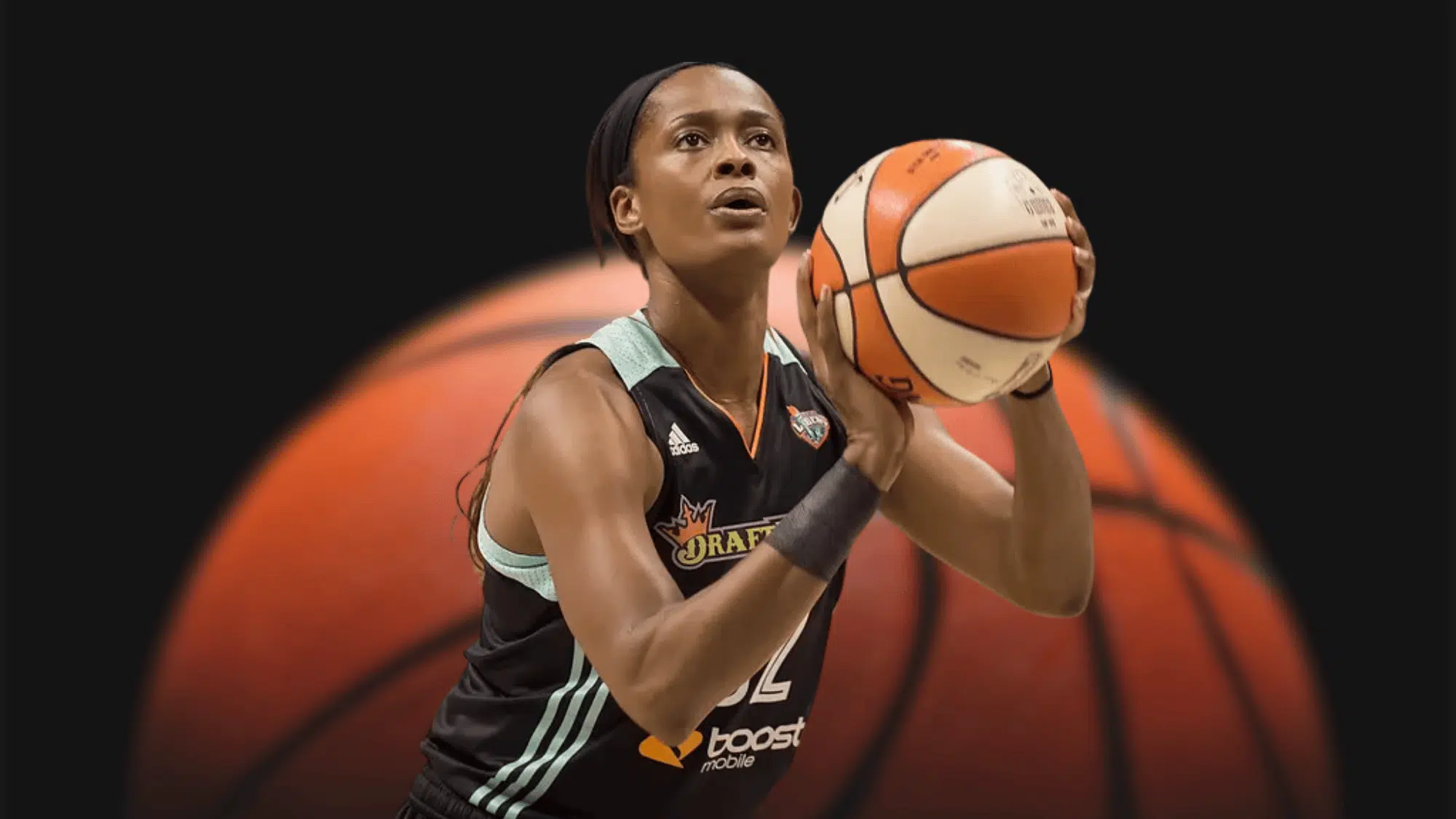
31. Swin Cash
| Team | Total Baskets | Avg Score |
|---|---|---|
| Detroit Shock, Seattle Storm, Atlanta Dream, New York Liberty | 1,866 field goals | 11.6 PPG |
Cash epitomized winning basketball with three championships across two franchises while providing versatility and leadership that elevated every roster she joined.
Her ability to contribute in multiple ways, scoring, rebounding, and defending, made her the ideal glue player for championship teams throughout her career.
She transitioned seamlessly into front office roles after retirement, demonstrating the basketball intelligence and professionalism that defined her playing days and continues shaping the league’s future.
Why These Players Rank Among the Best
Ranking the greatest WNBA players ever isn’t just about counting championships or MVP trophies. It’s about understanding what made each player special during their era.
The ranking philosophy here balances several key factors:
- Career Greatness vs. Peak Dominance: Some players had incredible careers spanning 15+ years, while others reached heights that were simply unmatched for a shorter period
- Winning Impact: Championships matter, but so does elevating teammates and changing franchises
- Two-Way Excellence: The true legends dominated on both offense and defense
- Era Adjustments: Players from the league’s early days competed in a completely different landscape than today’s stars
For example, Cynthia Cooper won four straight championships in the WNBA’s first four seasons, a feat that will likely never be repeated.
Meanwhile, Diana Taurasi has maintained elite performance across three different decades. Both achievements deserve recognition, even if they look different on paper.
Best WNBA Players of All Time by Era
| Era | Key Players | Defining Characteristics |
|---|---|---|
| Early WNBA Pioneers (1997–2005) | Cynthia Cooper, Lisa Leslie, Sheryl Swoopes, Tina Thompson | Established the league’s credibility; dominated with fundamentals; built the WNBA’s foundation |
| Dynasty Era Legends (2006–2017) | Diana Taurasi, Tamika Catchings, Maya Moore, Candace Parker | Multiple championships; global superstars; expanded the game’s reach |
| Modern-Era Superstars (2018–Present) | Breanna Stewart, A’ja Wilson, Brittney Griner | Athletic evolution; social impact; increased visibility and salaries |
Each era brought something unique to the WNBA. The pioneers proved women’s professional basketball could thrive.
The dynasty-era legends turned it into must-watch entertainment. Today’s stars are pushing boundaries and demanding, and receiving, the respect they deserve.
How We Ranked the Greatest WNBA Players Ever
Creating this list required looking at the complete picture of each player’s career:
Individual Performance
- Scoring, rebounding, assists, and defensive stats
- Efficiency and impact metrics
- All-Star selections and All-WNBA teams
Winning Impact
- Championships won
- Playoff performance and clutch moments
- Ability to elevate teammates
Awards & Honors
- MVP awards (regular season and Finals)
- Defensive Player of the Year
- League records and milestones
Historical Influence
- Impact on growing the game
- Inspiring the next generation
- Changing how positions are played
The best players checked multiple boxes. They didn’t just put up stats; they changed games, won titles, and left the WNBA better than they found it.
Final Verdict
In the end, the WNBA GOAT debate isn’t meant to be solved like a math problem. It’s meant to show how many different ways a player can be legendary.
Some stars built greatness through long careers, staying elite as the league changed around them. Others hit a peak so strong that it still feels unmatched today.
Some two-way leaders controlled games with defense, effort, and the little plays that win titles. No matter the order, every name on this list helped shape the WNBA into what it is now.
Now it’s your turn, drop a top five in the comments and share this with a friend who’ll argue back.