





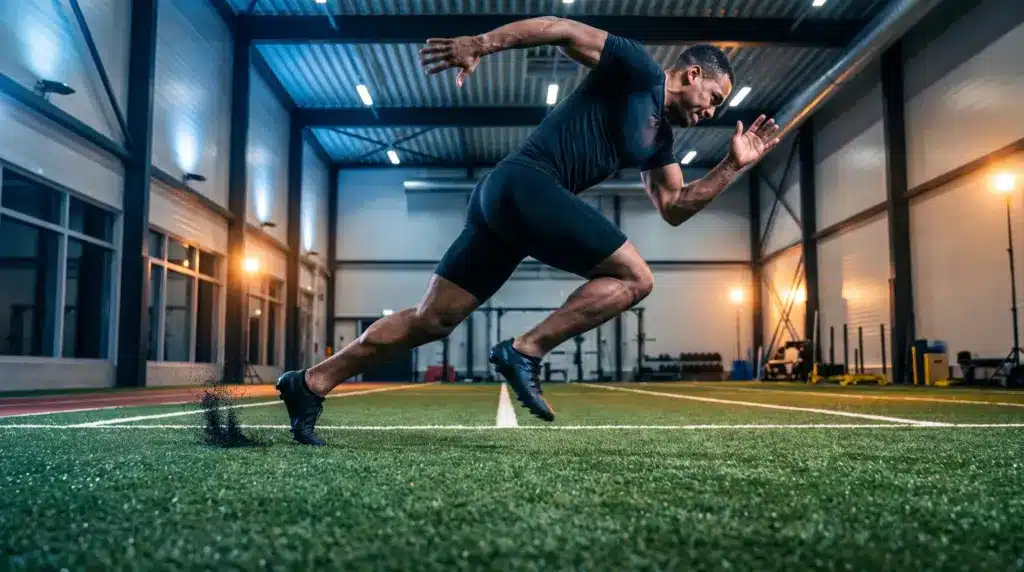
Ever watched a game and thought, “Why does everyone blame the striker when the team doesn’t score?” The striker gets all the glory when things go right, and most of the pressure when they don’t.
This is the player trusted to finish chances, lead the attack, and turn half-chances into goals.
In this blog, the striker position will be broken down in simple terms: what a striker is, where they stand on the field, and how they’re different from other forwards.
It will also cover key responsibilities, the skills top strikers need, different striker types, how they fit into common formations, and the movement and pressing that fans often miss.
By the end, the striker role will feel much clearer.
What Is a Striker in Soccer?
Think of the striker as the team’s main goal-scorer. This player usually wears the #9 jersey and stands in the most attacking position on the field.
The striker’s job is simple on paper: score goals. But the reality? It’s much more complicated.
Strikers go by different names depending on where you play. Some coaches call them center forwards, others say number 9, and some just stick with “forward.”
They all mean basically the same thing: the player leading your attack.
Where the Striker Stands on the Field
Strikers hang out in the central attacking zone, right near the opponent’s penalty box. Picture the area between the two 18-yard boxes, that’s striker territory.
They roam around this space, making runs, checking back to receive passes, and always looking for that perfect moment to strike.
The exact position changes based on your team’s formation. In a 4-4-2, two strikers might stand side by side. In a 4-3-3, one lone striker sits at the top of the formation, working harder to connect with wingers and midfielders.
Striker vs Forward: Is there a Difference?
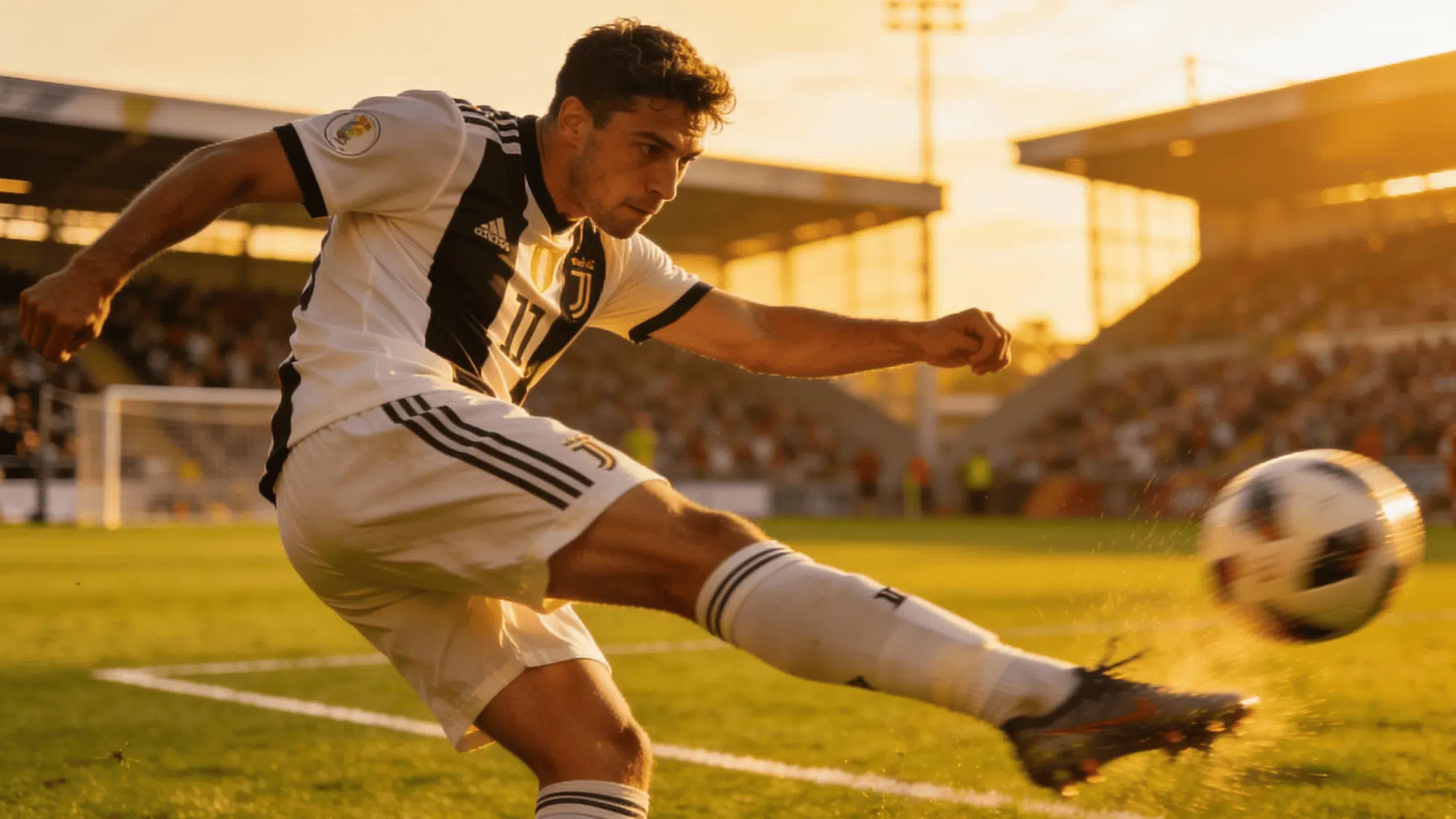
Here’s a quick breakdown: “forward” is like saying “fruit,” while “striker” is like saying “apple.” Forward is the bigger category that includes wingers, inside forwards, and strikers.
The striker position refers explicitly to the central attacker whose main job is scoring goals.
Wingers play forward, too, but they start wide and cut inside. Strikers live in the middle, hunting for goals from the most dangerous areas.
Key Responsibilities of the Striker Position
Playing striker is about far more than just scoring; it blends finishing, movement, strength, and mentality into one demanding role that drives the entire attack.
1. Goal Scoring First, But Not Only

Obviously, strikers need to score. That means:
- Finishing chances from different angles and distances
- Taking penalties when the team earns them
- Pouncing on rebounds and tap-ins
- Attempting long-range shots when defenders give space
- Heading crosses from wide areas
But top strikers don’t just wait around for easy chances. They create their own opportunities through smart movement and positioning.
2. Holding Up Play and Linking the Attack
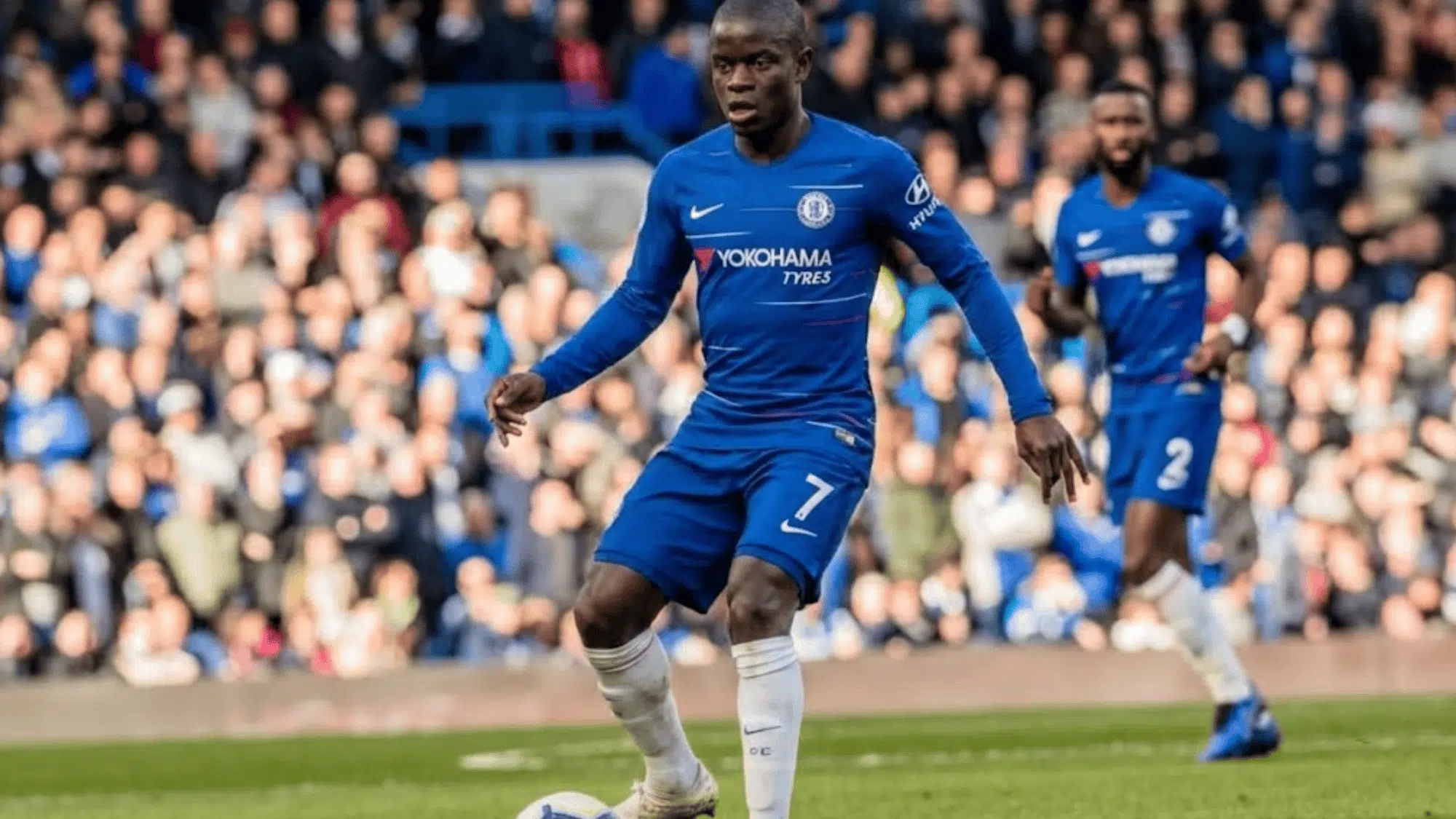
Hold-up play is a fancy term for something pretty simple. When a striker receives the ball with their back to the goal, they need to shield it from defenders, keep possession, and wait for teammates to join the attack.
This skill involves:
- Using body strength to protect the ball
- Playing quick one-twos with midfielders
- Laying the ball off to supporting runners
- Switching play to the other side of the field
Great hold-up play turns a cleared ball into a dangerous attack. Without it, teams just keep losing possession and running back to defend.
3. Creating Space with Smart Movement
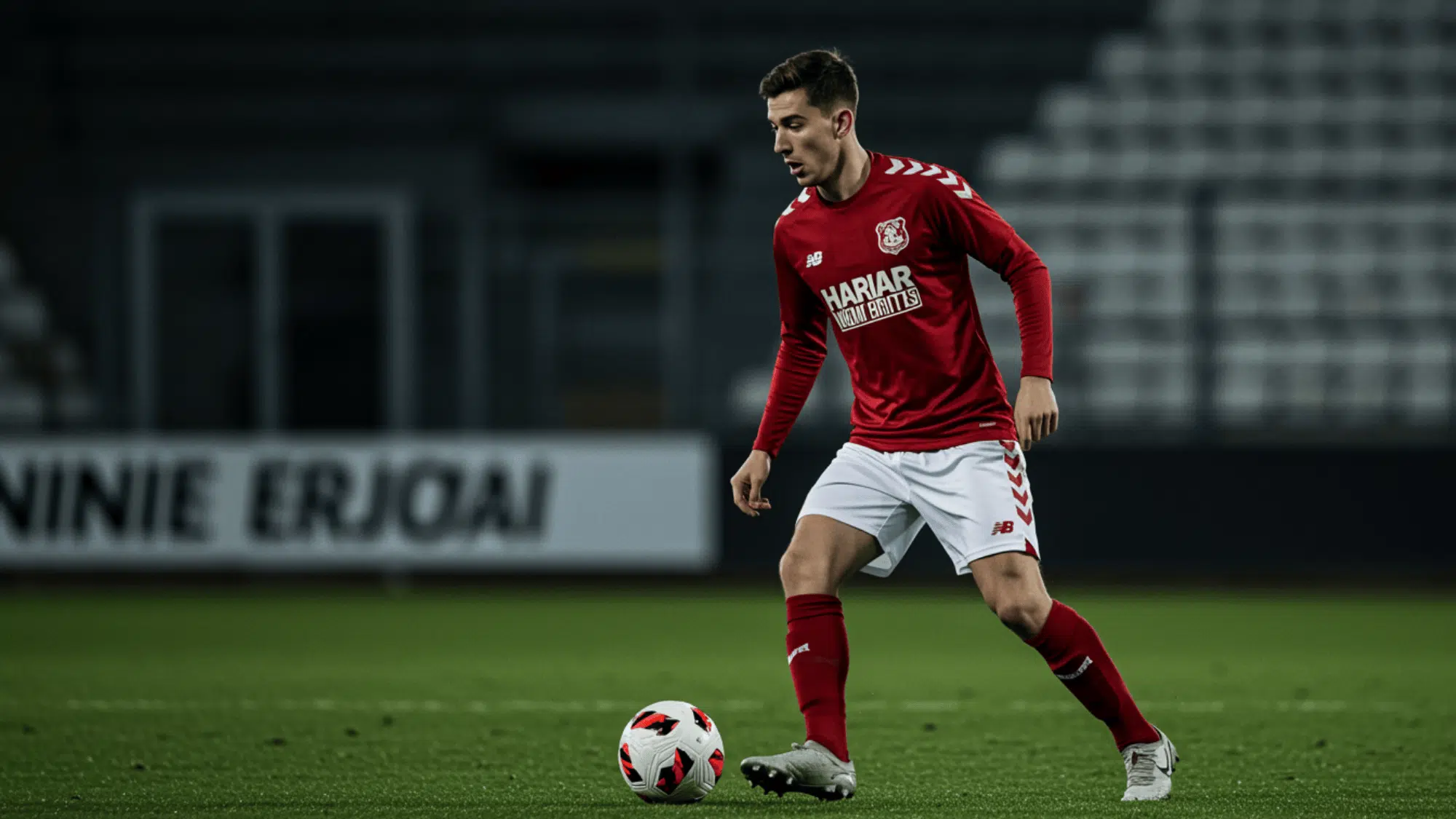
Here’s where strikers really earn their money. By making the right runs at the right time, they drag defenders all over the place, opening up space for teammates.
Smart strikers:
- Pull defenders wide to create gaps in the middle
- Drop deep to drag center backs out of position
- Run behind the defense to stretch the backline
- Make curved runs to stay onside while getting into dangerous positions
This movement happens constantly, even when the striker never touches the ball. It’s exhausting work that most fans never notice.
4. Pressing and Defensive Work
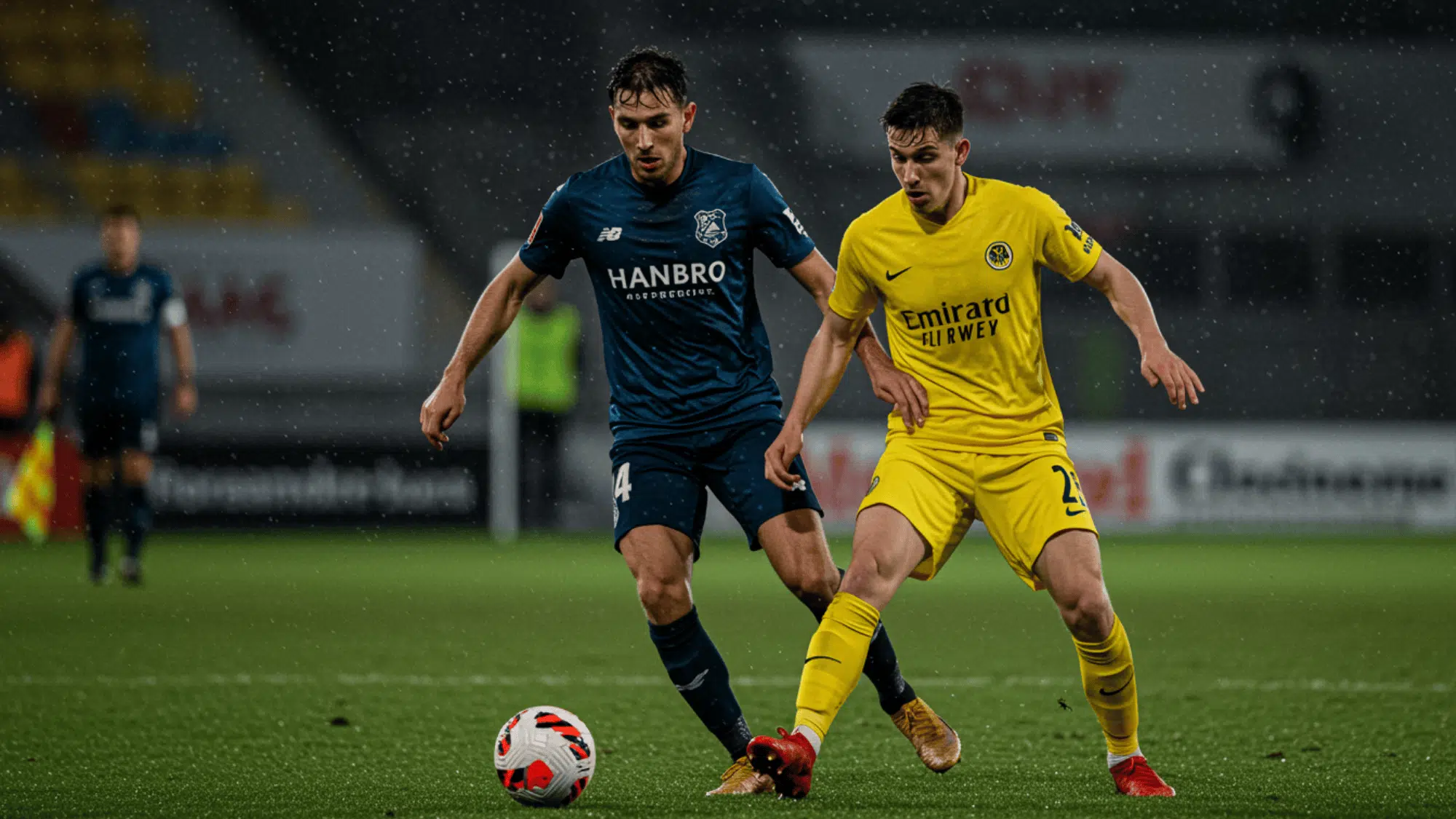
Surprise! Strikers play defense, too. In modern soccer, the striker acts as the “first defender” when the team loses possession.
They’re supposed to pressure the opponent’s defenders and goalkeeper, forcing mistakes and winning the ball back high up the field.
Leading the press means:
- Sprinting at defenders to block passing lanes
- Forcing play toward the sidelines (easier to trap there)
- Coordinating with wingers to surround defenders
- Never giving opponents time to relax on the ball
5. Handling Pressure and Being the “Face” of the Team
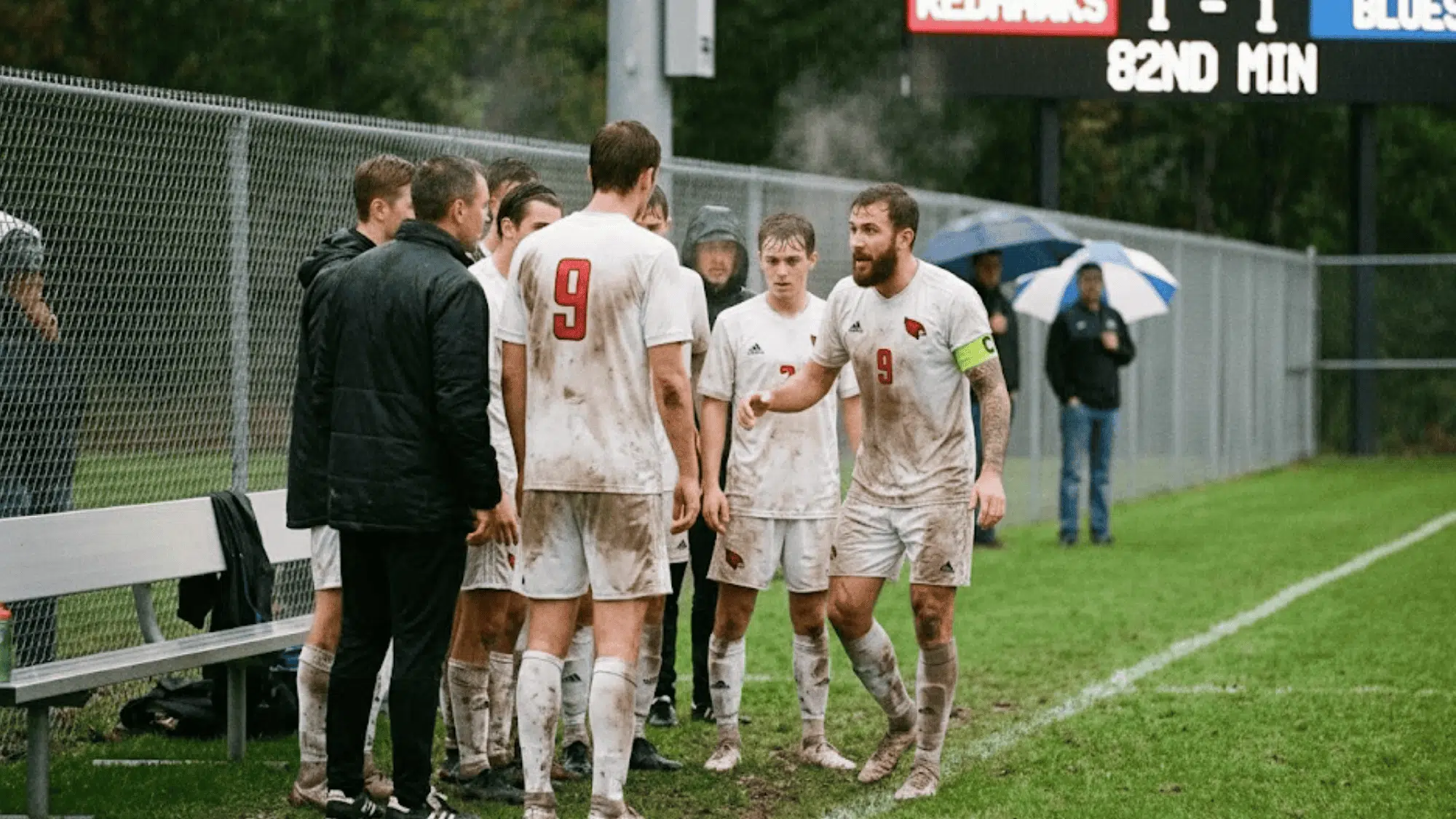
Strikers live under a microscope. Miss three chances in a row? Fans get frustrated. Go a few games without scoring? Social media explodes with hot takes. This position requires serious mental toughness.
Top strikers need:
- Confidence to keep shooting after misses
- Strong body language that lifts the team
- Leadership qualities, since they’re often the focal point
- Thick skin to handle criticism from fans and media
Essential Skills and Attributes for a Top Striker
To truly shine up front, a striker needs more than talent; they need sharp technique, smart movement, physical power, and a rock-solid mindset every match.
Technical Skills
Shooting and finishing come in many forms. Strikers need to score with both feet, head the ball accurately, hit volleys cleanly, and finish from inside or outside the box.
One-on-one situations with the goalkeeper? That’s where composure matters most.
First touch determines everything else. A heavy touch gives defenders time to recover. A clean first touch creates space for a shot or pass. Under pressure, this skill becomes even more important.
Short passing helps strikers link up with teammates. Simple layoffs, quick one-twos, and smart passes to supporting runners keep attacks flowing.
Physical Attributes
Speed kills in soccer. Fast strikers stretch defenses and create separation on through balls. But it’s not just top speed, acceleration over the first five yards matters more for beating defenders to loose balls.
Strength and balance help strikers hold off defenders during hold-up play. Aerial ability wins headers from crosses and goal kicks. Stamina allows repeated sprints throughout the match, especially important for pressing.
Tactical Intelligence and Game Sense
Smart strikers read the game like a book. They:
- Watch defenders’ body positions to know when to make runs
- Time their runs perfectly to stay onside
- Understand when to drop deep versus staying high
- Recognize which spaces will open up before they actually open
This game sense often separates professional strikers from everyone else. Physical gifts only take you so far without soccer IQ.
Psychological Qualities
Composure in big moments wins games. When it’s 0-0 in the 89th minute, and the ball falls to you six yards from goal, can you finish calmly?
Confidence bounces back after misses. Every striker goes through goal droughts. The great ones keep believing in themselves and keep getting into scoring positions.
Work rate shows commitment to the team. Nobody wants a lazy striker who only shows up when attacking. Modern forwards run, press, and battle for the full 90 minutes.
Types of Strikers and their Playing Styles
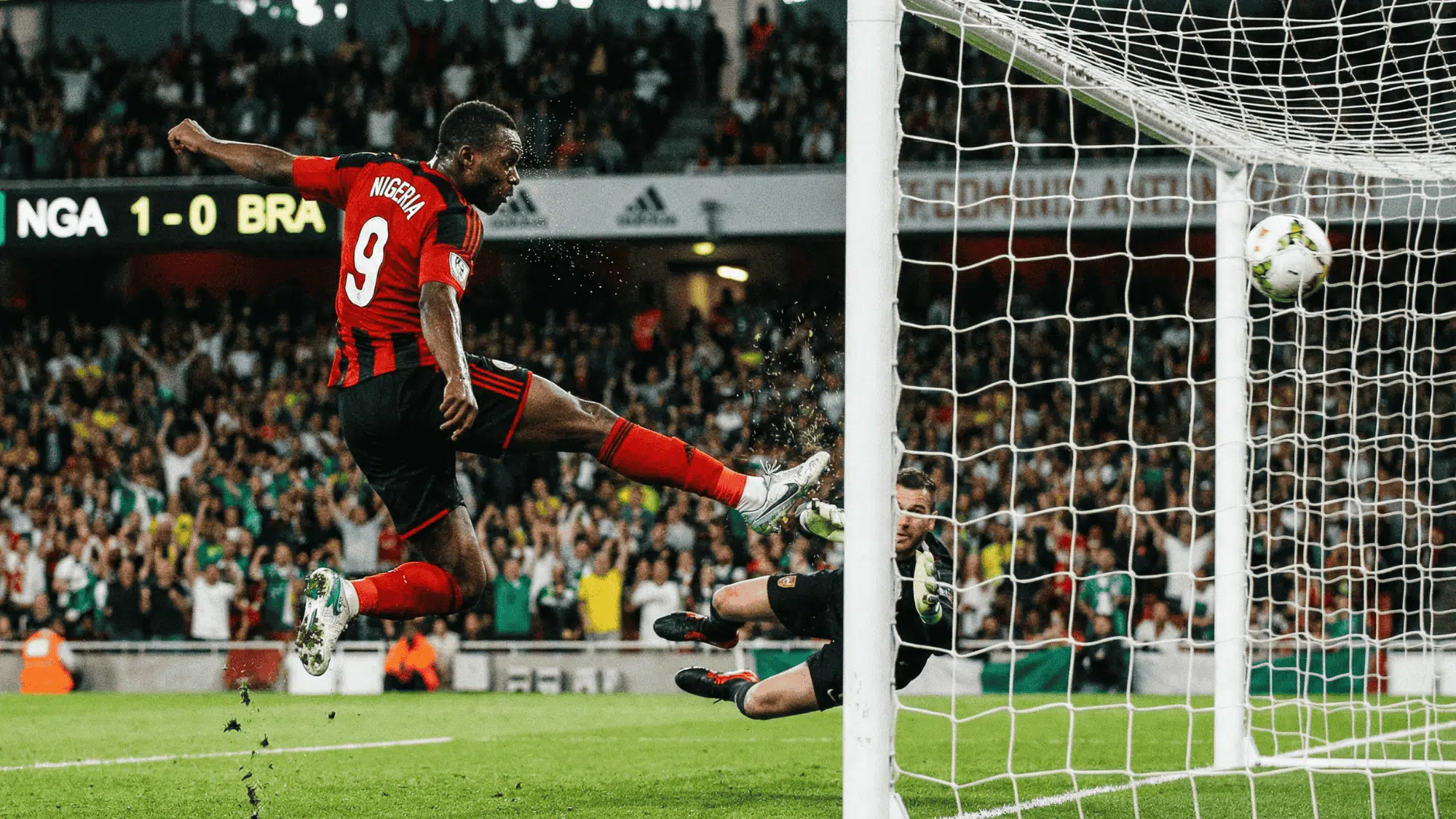
Not all strikers play the same way; different roles demand unique strengths, movements, and mindsets that shape how they affect the game in every moment.
Poacher / Finisher: Live in the box, pounce on rebounds and loose balls, needing few touches to score. Rely on sharp movement, timing, and instinctive, ruthless close-range finishing.
Key traits: Positioning instinct, quick reactions, clinical finishingTarget Striker / Target Man: Use size and strength to win long balls, hold off defenders, and link play. Consistently dominate aerial duels and create clear chances for onrushing teammates.
Key traits: Height, strength, aerial ability, hold-up playComplete Forward: Blend scoring, dribbling, passing, and pressing. Drop in to link midfield, stretch defenses with runs, and calmly adapt to different systems as the main threat.
Key traits: Versatility, technical excellence, tactical awarenessFalse Nine: Drop into midfield instead of staying high, pulling centre-backs away. Constantly prioritise creativity, clever combination play, disguised through balls, and roaming over fixed penalty-box presence.
Key traits: Passing vision, dribbling, tactical intelligenceOther Modern Variations: Mobile strikers press, sprint channels, and stretch lines tirelessly. Shadow strikers start deeper, attack pockets between lines, and arrive late into dangerous central scoring positions.
Key traits: Mobility, pressing intensity, off-ball movement
Striker Position Soccer in Different Formations
Where a striker stands on paper is only the beginning; each formation changes their movement, support, and responsibilities in attack and defense throughout the match.
| Formation & Setup | Striker Roles | Key Traits | Support & Notes |
|---|---|---|---|
| Dual Strikers in a 4-4-2 | One physical, one mobile partner | Movement, finishing, chemistry | Direct balls, crosses, classic strike partnership |
| Lone Striker in 4-3-3 / 4-2-3-1 | Single forward linking with wide players | Hold-up play, pressing, all-round play | Often isolated; Kane/Lewandowski-type profiles |
| Dual Strikers in a 3-5-2 | Big striker with a quick runner | Aerial power runs in behind, finishing | Wing-backs give width; both attack the box |
Positioning and Movement: How Strikers Create Chances
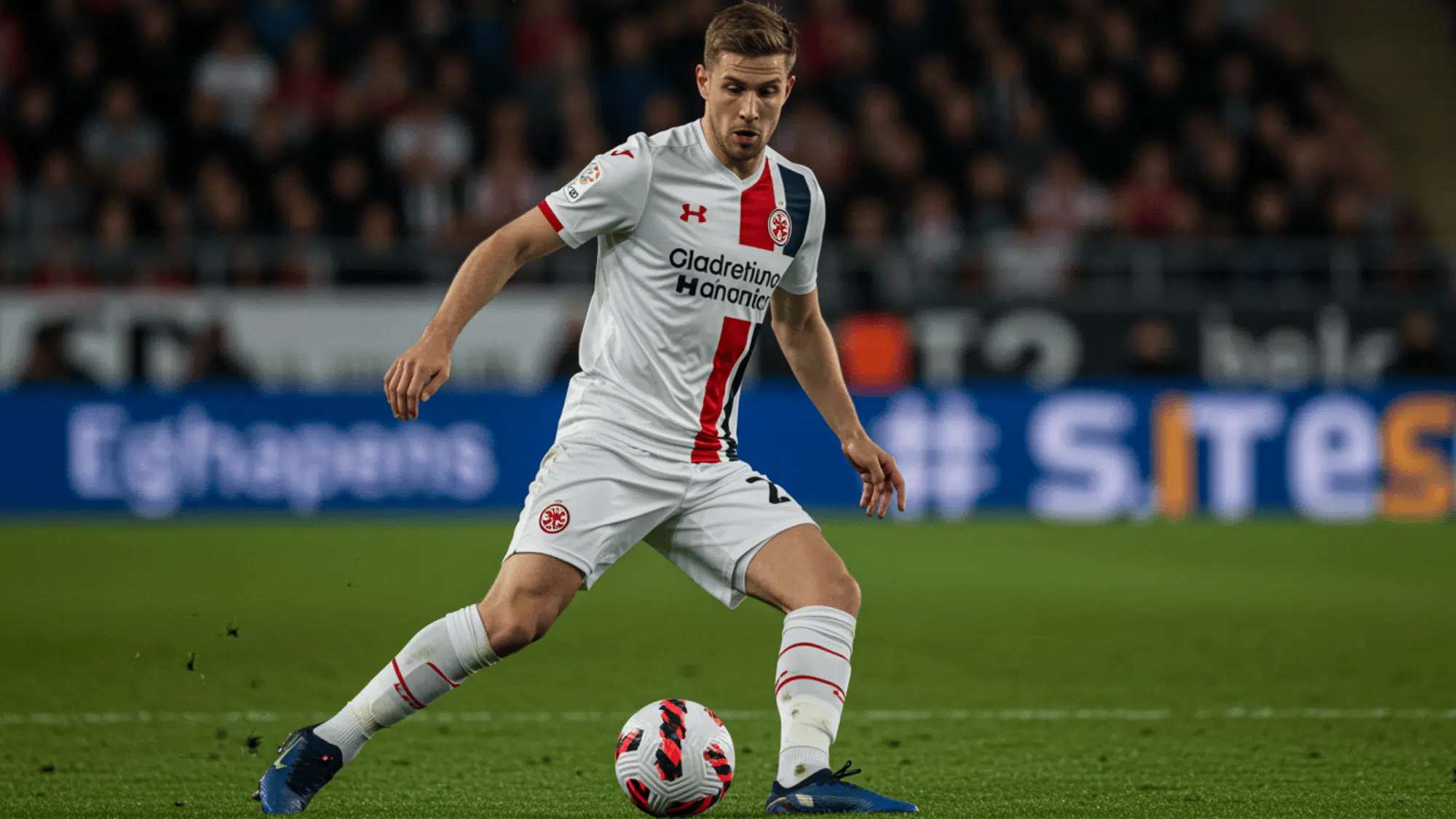
Great strikers don’t just wait for passes; they constantly adjust their runs, timing, and positioning to slip away from defenders and turn half-chances into goals.
1. Movement in and Around the Box
Strikers make different runs depending on where the ball is:
- Near-Post Runs: Attack the front post on crosses
- Far-Post Runs: Sprint to the back post for cutbacks
- Penalty Spot Runs: Time arrival for central chances
The key? Never stand still. Constantly adjust position to lose markers and find space.
2. Timing Runs Behind the Defense
Watch the passer, not the ball. When teammates look up to play a through ball, that’s your cue to run. Stay on the shoulder of the last defender, close enough to go, but not offside.
Perfect timing is the difference between a goal and an offside flag. Sprint too early? Offside. Sprint too late? Defender intercepts.
3. Dropping Deep and Pulling Defenders Out of Shape
Sometimes the best way forward is backward. When strikers drop deep to receive, center backs face a dilemma: follow or stay? Either choice creates problems.
If they follow, space opens behind them for midfield runners. If they stay, the striker gets time and space to turn and attack.
4. Pressing Triggers for Strikers
Smart pressing happens at the right moments:
- Bad Touch: Defender’s heavy touch = press immediately
- Back Pass: Goalkeeper receiving = sprint to limit passing options
- Sideline Trap: Ball near touchline = press to force mistake
Coordinate with wingers and midfielders. One striker pressing alone rarely works. Team pressing wins balls.
Common Mistakes Strikers Make
Standing still and waiting for the ball kills attacks. Defenders love stationary strikers, who are easy to mark. Fix this by making constant small movements, adjusting position every few seconds.
Watching the ball, not the defender, gets you caught offside or marked out of the game. Check your shoulders constantly. Know where defenders are before the ball arrives.
Rushing shots under pressure leads to skied attempts. Take an extra second when possible. Pick your spot, stay balanced, and finish with confidence.
Poor pressing angles let defenders play easy passes forward. Instead of running straight at defenders, angle your press to guide them toward the sidelines, where they have fewer options.
Final Thoughts
The striker position is much more than just standing up front and waiting to score. A good striker works hard off the ball, links play, makes smart runs, presses defenders, and handles huge pressure every single game.
When a striker plays well, the whole attack looks sharper, faster, and more dangerous. When things don’t click, it’s often because of movement, timing, or support, not just “poor finishing” or one missed chance.
Next time a match comes on, focus on how the striker moves, presses, and creates space, even when the ball is far away.
And if you play this position, start using these ideas in training and matches. Play smart, stay confident, and keep learning how to be a real number 9.
Want more breakdowns of soccer positions and roles? Read another guide next.