
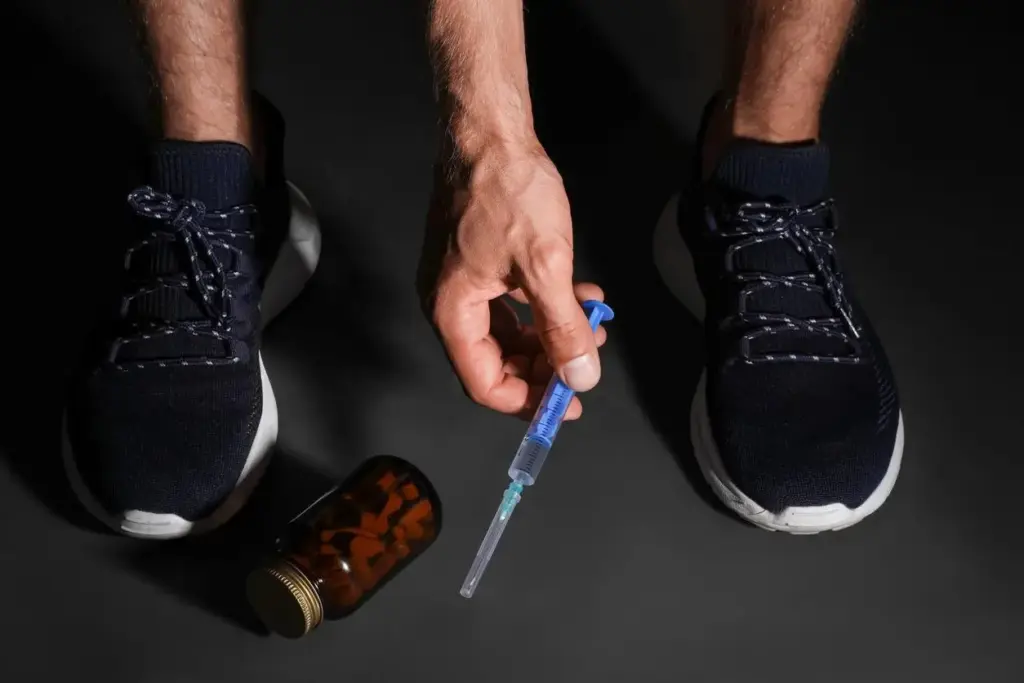




Professional athletes often seem invincible on the field or court, but drug-related legal troubles have proven to be career-enders for even the most talented stars. While performance-enhancing drug scandals grab headlines, it’s often possession and distribution charges that truly derail careers. These cases serve as stark reminders that athletic ability alone can’t protect against the legal consequences of drug-related offenses. The following athletes had seemingly unlimited potential, only to see their careers crumble under the weight of drug charges.
Darryl Strawberry: From MLB All-Star to Multiple Arrests
Darryl Strawberry was one of baseball’s brightest young talents in the 1980s, earning eight All-Star selections and winning three World Series championships. But cocaine addiction led to a series of arrests that ultimately ended his playing career. In 1999, he was arrested for drug possession in Tampa, Florida, violating his probation from a previous cocaine charge. Over the following years, Strawberry faced multiple drug-related arrests, including possession of cocaine and solicitation charges. His baseball career, which had shown Hall of Fame potential, effectively ended as he cycled through arrests, treatment programs, and failed comebacks. Strawberry later became an advocate for addiction recovery, speaking openly about how drugs derailed what should have been one of baseball’s greatest careers.
Tyreke Evans: a Promising NBA Career Cut Short
Tyreke Evans burst onto the NBA scene in 2009, becoming only the fourth player in league history to average at least 20 points, 5 rebounds, and 5 assists per game as a rookie. His future seemed limitless. However, in 2019, the NBA dismissed and disqualified Evans under its anti-drug policy after he tested positive for a drug of abuse. The dismissal meant he was ineligible to play in the NBA for a minimum of two years. While the league never publicly disclosed which substance triggered the ban, the violation ended Evans’ career at age 29, right when most players enter their prime years. Despite being eligible to apply for reinstatement in 2021, Evans has not returned to professional basketball, and his promising career remains one of the sport’s biggest “what if” stories.
Chris “Birdman” Andersen: Suspension and Redemption
Chris Andersen’s NBA journey took a dark turn in 2006 when the league dismissed him for violating its drug policy. Unlike many athletes who fade away after such violations, Andersen’s case highlights how drug charges affect not just careers but entire lives. According to research published by the National Institutes of Health, athletic environments may lead to substance abuse for various reasons, including performance pressure and untreated mental health issues. When athletes face drug charges, the legal system doesn’t differentiate between professional status and regular citizens. Understanding how drug possession charges work becomes critical, as these cases can involve complex legal defenses. Legal representation experienced in handling drug cases can make the difference between career preservation and permanent consequences. After serving his two-year NBA suspension, Andersen successfully rehabilitated both his image and career, returning to play until 2017 and even winning an NBA championship with the Miami Heat in 2013.
The Legal Reality Behind the Headlines
The athletes mentioned above represent just a fraction of professional sports figures who’ve faced drug-related legal trouble. Drug charges carry serious penalties regardless of celebrity status. In many jurisdictions, even first-time possession charges can result in jail time, probation, and permanent criminal records. For athletes, these consequences extend beyond the courtroom to include league suspensions, lost endorsements, and terminated contracts worth millions of dollars.
The U.S. Sentencing Commission reports that drug trafficking convictions have an almost 97% imprisonment rate in federal courts, with an average sentence of over 82 months. While many athlete cases involve possession rather than trafficking, the legal stakes remain extremely high. Some players face state charges where penalties vary significantly, while others face federal charges with mandatory minimum sentences.
What These Stories Mean for Sports Fans
These cautionary tales remind us that athletic talent doesn’t provide immunity from legal consequences. The athletes discussed here possessed extraordinary abilities that millions of fans admired, yet their careers ended not from age or injury, but from preventable legal troubles. For every successful comeback story like Chris Andersen’s, there are dozens of careers that never recovered. The pattern is particularly troubling given how many of these athletes were in their prime earning years when legal troubles emerged.
Sports fans often wonder what these players could have achieved if they’d avoided legal troubles. Tyreke Evans might have been a perennial All-Star. Darryl Strawberry could have been a first-ballot Hall of Famer. Instead, their legacies are defined as much by their arrests as their accomplishments. These stories serve as important reminders that the choices athletes make off the field or court ultimately matter just as much as their performance during games.