
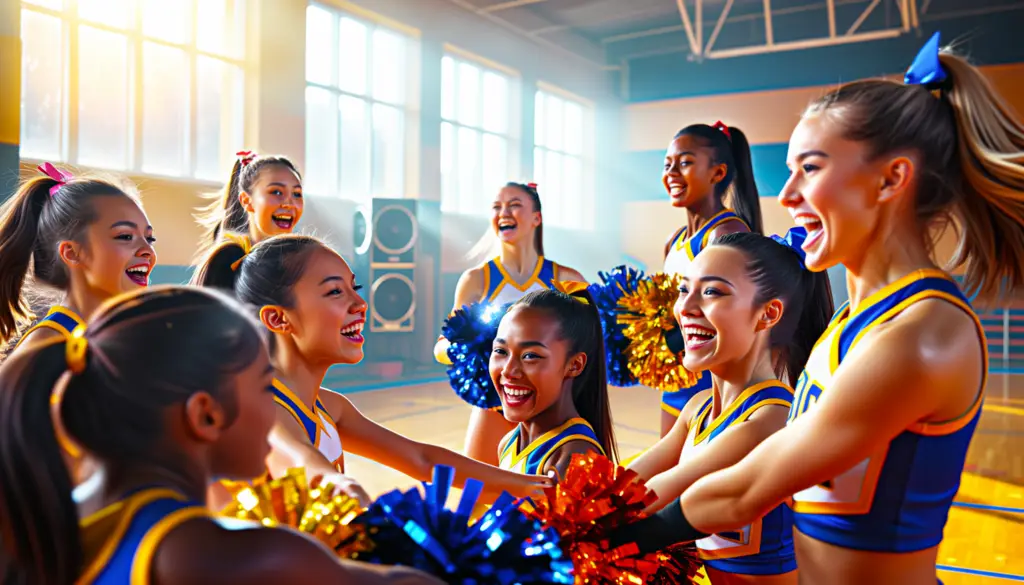



In competitive cheerleading, music isn’t just background noise—it’s the backbone of every routine. The right track can synchronize movements, amplify energy, and turn a good performance into an unforgettable one. That’s why premade cheer music has become a staple for teams at every level, from high school squads to elite all-star programs.
Unlike custom mixes that require weeks of production and significant budget, premade tracks offer professional-quality sound design at a fraction of the cost and turnaround time. These ready-to-use compositions feature precisely timed tempo changes, motivational voiceovers, and sound effects engineered specifically for cheerleading’s unique demands. But their value extends beyond competition day—coaches increasingly rely on premade music to structure warm-ups, sharpen focus, and build team cohesion during practice.
This article examines how premade cheer music evolved into an industry standard, why it’s particularly effective for warm-up routines, and what teams should consider when selecting tracks. We’ll also address the legal complexities surrounding competition music and highlight emerging trends reshaping the genre.
From Chants to Choreographed Soundtracks: The Evolution of Cheer Music
Cheerleading’s musical journey mirrors the sport’s transformation from sideline entertainment to athletic competition. Early squads relied on simple call-and-response chants, clapping patterns, and occasional fight songs. As cheerleading gained recognition as a competitive sport in the 1970s and 1980s, teams began incorporating popular radio hits into their routines—a practice that introduced new energy but also created logistical headaches around song editing and transitions.
The real shift came in the late 1990s, when specialized cheer music producers emerged to address the sport’s specific needs. This period marked cheerleading’s professionalization, with standardized competition formats demanding more sophisticated audio production. Producers developed techniques for seamless song blending, strategic tempo manipulation, and the integration of “eight counts”—the foundational timing structure for cheer choreography.
Today’s premade cheer music represents decades of refinement. Modern tracks feature layered sound design that accounts for gym acoustics, precisely calibrated BPM ranges for different skill levels, and voiceover placement that complements rather than competes with crowd noise. The evolution reflects not just technological advancement but a deeper understanding of how audio engineering can enhance athletic performance.
Why Premade Music Works for Warm-Ups
While most teams focus on competition music selection, the warm-up period offers equally important opportunities for audio strategy. Premade cheer music provides several advantages during pre-performance preparation:
- Consistent Timing Structure: Premade tracks maintain steady eight-count patterns that help athletes internalize rhythm without conscious counting. This automatic synchronization frees mental bandwidth for technique refinement and spatial awareness.
- Progressive Energy Management: Quality warm-up mixes build intensity gradually, starting with moderate tempos for stretching and mobility work before accelerating into performance-level energy. This physiological priming reduces injury risk while optimizing readiness.
- Psychological Anchoring: Using the same warm-up music across practices and competitions creates a Pavlovian response—athletes associate specific tracks with peak performance states. Familiar music reduces pre-competition anxiety while enhancing focus.
- Team Cohesion: Shared musical experiences strengthen group identity. When every team member responds to the same audio cues, it reinforces the collective mindset essential for synchronized routines.
For cheerleading—a sport demanding explosive power, sustained energy, and precise timing—these advantages translate directly to competitive outcomes.
Anatomy of Effective Cheer Music Mixes
Not all premade tracks deliver equal value. Understanding what separates professional-grade mixes from amateur productions helps teams make informed selections:
- Strategic Song Selection: Top producers choose source material based on more than popularity. They analyze vocal ranges (avoiding frequencies that clash with crowd noise), lyrical content (ensuring appropriateness and motivational value), and structural elements that facilitate smooth transitions.
- Tempo Mapping: Elite mixes don’t maintain constant BPM. Instead, they strategically accelerate during high-intensity sections and briefly decelerate before major skill sequences, giving athletes micro-recovery moments that reduce fatigue accumulation.
- Voiceover Integration: Effective voiceovers do more than fill space—they provide directional cues, reinforce team identity, and create dramatic tension. The best examples use varied vocal tones, strategic silence, and call-and-response patterns that engage both performers and audiences.
- Sound Effect Layering: Professional mixes incorporate claps, stomps, and percussion elements that accentuate choreography without overwhelming the musical foundation. These effects should feel organic to the composition rather than arbitrarily placed.
- Dynamic Range Management: Amateur mixes often suffer from compression issues—everything plays at maximum volume, creating listener fatigue. Quality productions use dynamic contrast to create impact, allowing quiet moments to make loud sections feel more powerful.
Choosing music for a competitive routine usually comes down to more than just picking a popular sound — timing, transitions, and energy shifts all need to match what the team is actually doing on the mat. Services like Cheerleading Mix, Xtreme Mix Cheer Music, and Level Up Cheer Music all work with producers who understand these technical nuances, though it’s still essential to preview multiple options and assess how each track aligns with your specific routine structure and team personality. Coaches building out a routine from scratch may want to start by browsing a custom cheer music mix service to see how the editing process typically works before committing to one option.
Navigating Copyright and Competition Compliance
The legal landscape surrounding cheerleading music remains one of the sport’s most misunderstood aspects. Many teams unknowingly violate copyright law, exposing themselves to potential fines, competition disqualification, and legal action from rights holders.
Here’s what teams must understand:
- Public Performance Requires Licensing: Simply purchasing a song on iTunes doesn’t grant permission to use it in competition. Public performance rights must be secured separately, typically through licensing organizations like ASCAP, BMI, or SESAC. You can learn more about iTunes rights in this detailed article from Apple.
- Mechanical vs. Synchronization Rights: Creating a mix involves both mechanical rights (reproducing the recording) and synchronization rights (pairing music with choreography). Both require explicit permission from copyright holders.
- The “Educational Use” Myth: Many coaches believe school-affiliated teams qualify for educational exemptions. This is largely incorrect—competitive performances don’t fall under fair use provisions, regardless of the team’s nonprofit status.
- Venue Liability: Competition venues increasingly require proof of proper licensing before allowing teams to perform.
Reputable premade music providers handle licensing on behalf of their clients, either through blanket agreements with rights organizations or by using original compositions and properly licensed samples. When evaluating providers, always verify their licensing claims—legitimate companies will clearly explain their legal compliance measures.
Selecting the Right Premade Tracks for Your Team
With thousands of premade options available, selection can feel overwhelming. These criteria help narrow the field:
- Match Energy to Skill Level: Younger or less experienced teams often perform better with slightly slower tempos (135-145 BPM) that allow cleaner execution. Elite teams can handle faster tracks (150-160+ BPM) that showcase technical difficulty.
- Consider Routine Structure: Count your routine’s major sections and transitions, then preview tracks with similar structural divisions. A routine with four distinct sections needs music with clear demarcations between those segments.
- Evaluate Voiceover Density: Some teams thrive with frequent vocal cues; others find them distracting. Consider your athletes’ experience level and preference for auditory guidance versus musical focus.
- Test Gym Acoustics: Music that sounds crisp through headphones may become muddy in a large gymnasium. Preview finalists through a quality sound system in a space similar to your competition venues.
- Assess Longevity: Trendy song choices can feel dated quickly. If you’ll use the same music across multiple seasons, prioritize timeless energy over current chart-toppers.
Most importantly, involve your athletes in the selection process. They’ll perform with greater commitment to music they genuinely connect with, and their input fosters team ownership of the routine.
Current Trends Reshaping Cheer Music Production
The cheer music industry continues evolving, with several notable trends emerging:
- Genre Hybridization: Producers increasingly blend unexpected styles—pairing classical orchestration with trap beats, or mixing country vocals with EDM production. These fusion approaches help teams stand out in crowded competition fields.
- Minimalist Sections: After years of wall-to-wall sound, some cutting-edge mixes now incorporate strategic silence or stripped-down moments. These create dramatic contrast and allow difficult skills to receive undivided attention.
- Customizable Modular Tracks: New platforms offer semi-custom options where teams select from pre-produced segments (intros, buildups, breakdowns, outros) that producers then arrange into unique combinations. This middle ground between fully custom and purely premade offers personalization without custom pricing.
- Nostalgia Sampling: Producers are mining 1990s and early 2000s pop culture for recognizable samples that resonate with millennial coaches and Gen Z athletes alike. When executed well, these references create instant emotional connection.
- Adaptive Tempo Technology: Emerging software allows music to subtly adjust tempo in real-time based on performance pacing, though this remains experimental and isn’t yet competition-legal in most contexts.
Staying current with these trends isn’t about chasing fads—it’s about understanding the evolving sonic landscape so your team’s music feels fresh rather than formulaic.