
Sports Nutrition
Hard training makes your gut work overtime. You might eat bigger meals. Or add extra snacks to keep up with workouts. That extra fuel is a must. But your gut needs time to adjust. Sudden diet changes can make digestion unpredictable. Gut issues are inconvenient when you’re halfway through a long run. Or grinding through a tough leg workout. Nobody wants their stomach to act up then. Keep digestion comfortable during a demanding week. Here’s how to keep your gut happy while you train hard. Choose Easy Foods Before Workouts A heavy meal makes tough sessions harder. Greasy foods can make you sluggish. Very large portions can make you too stuffed to move. That’s not ideal when you’re about to run intervals. Choose fueling foods that are easy on the stomach. Energy-boosting pre-workout snacks can include a banana with peanut butter. Yogurt with fruit also works. Try oatmeal if you have more time. Save heavier meals for later. Your workout gets the fuel it needs. Meanwhile, your gut gets some breathing room. That can also make it easier to eat enough later to support sore muscles. Digest Before Training Eating before exercise is tricky. Start a workout too soon after, and your stomach might complain. Digestion takes work, too. So, give your body time. That helps you avoid that heavy, sloshy feeling during training. Give larger meals a few hours to settle. If you only have a short window, choose a smaller snack. A banana might be better than a big rice bowl. Be patient with digestion time. Had a big meal? Give it an hour. Maybe even two. A settled stomach makes for a happier workout. Keep Fiber Consistent Fiber is great for your microbiome. It feeds the helpful bacteria in your gut. It also works wonders for digestion. However, […]

If you are taking GLP-1 medications, you already know they change how your body signals appetite and fullness. But what often goes unnoticed is that some people may drink less or notice weaker thirst cues while digestion also slows down. This combination can directly affect your daily workout energy. For active people, managing fluid intake requires a much more intentional approach. Because exercise brings added sweat loss and higher recovery demands, relying purely on your body to tell you when it is thirsty may not be enough. You may be at risk for “sneaky” dehydration simply because you no longer receive the same biological prompts to drink. The goal is to shift from intuitive hydration to scheduled hydration. You need a practical system that keeps your performance high, even when you do not feel hungry or thirsty. Let’s look at how to build a hydration routine that realistically supports your active lifestyle. Why Hydration Can Get Harder on GLP-1s Hydration can get harder on GLP-1 medications for two main reasons: some people may drink less or feel fewer thirst cues, and digestive side effects can make fluid intake or fluid balance harder to manage. First, some people taking GLP-1 medications may drink less or notice weaker thirst cues. In one small study involving dulaglutide, participants drank less fluid during a controlled test period, suggesting that GLP-1 medications may influence drinking behavior in some people. However, this should not be treated as a universal estimate for all GLP-1 users. When your appetite lowers, you may also face a “hydration gap.” Because people naturally get a meaningful portion of their daily water from food, eating smaller meals or having fewer water-rich snacks can lead to lower overall intake and fewer built-in drink reminders. Second, the way these medications digest food complicates fluid […]

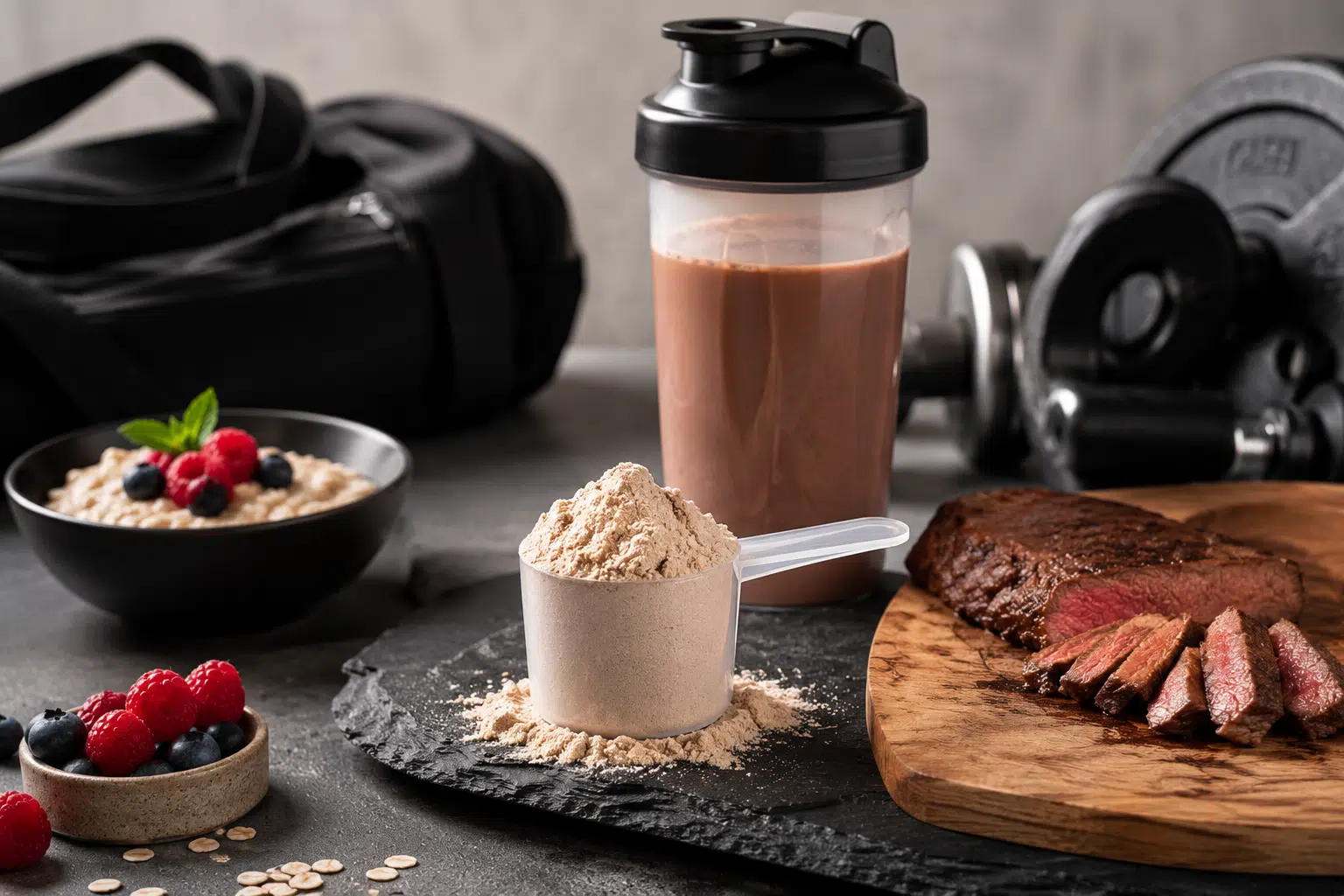
For years, whey protein has dominated the sports nutrition market. Walk into almost any gym, supplement store, or health food shop, and you’ll find shelves packed with whey-based products promising muscle growth, faster recovery, and improved athletic performance. Recently, however, athletes have begun exploring alternatives. Plant-based proteins have gained popularity, and another option has quietly emerged as a serious contender: beef protein. While some athletes are already familiar with beef protein, many still have questions. What exactly is it? How does it compare to whey? And perhaps most importantly, does it actually work? As more sports nutrition brands introduce beef protein products, understanding the facts behind this growing trend becomes increasingly important. What Is Beef Protein? Despite what the name may suggest, modern beef protein powder does not resemble eating a steak in powdered form. Beef protein isolate is typically produced by extracting protein from beef while removing much of the fat and carbohydrates. The result is a concentrated protein source that can provide a significant amount of protein per serving while remaining relatively low in calories. Many athletes are surprised to learn that high-quality beef protein powders do not taste like beef. Modern formulations are designed to have a neutral flavor profile or come in flavored varieties such as vanilla and chocolate. This makes them easy to mix into shakes, smoothies, oatmeal, pancakes, and other recipes without affecting the overall taste. Why Athletes Are Looking Beyond Whey Whey protein remains one of the most researched and effective protein supplements available. For many athletes, it continues to be an excellent choice. However, not everyone tolerates dairy equally well. Some individuals experience digestive discomfort, bloating, or other issues when consuming whey-based products. Others simply prefer to diversify their protein sources rather than relying on a single option. This has created demand […]
Many runners focus heavily on training but overlook nutrition, even though proper fueling can directly affect endurance, recovery, hydration, and race-day performance. This 7-day meal plan for runners supports endurance, hydration, muscle recovery, and performance. Runners need a balance of carbs, protein, healthy fats, fluids, and electrolytes to stay strong and avoid fatigue. This plan works well for beginners, 5K runners, half-marathon training, and regular weekly runs. Each day includes simple meal ideas to help fuel workouts and support recovery without making meal planning stressful. Start using this weekly runner meal plan to build healthier eating habits and naturally improve your training routine. Why Nutrition Matters for Runners? Proper nutrition plays a major role in helping runners maintain energy, improve performance, and recover effectively after workouts. Carbohydrates: They provide runners with quick, steady energy by fueling muscles during workouts and long-distance runs. Protein: Protein helps repair muscles after training and supports faster recovery between runs. Healthy Fats: Healthy fats provide long-lasting energy and support overall health and hormone function. Hydration: Proper hydration helps regulate body temperature, prevent dehydration, and improve running performance. Meal Timing: Eating before and after workouts helps improve energy levels, reduce soreness, and support recovery. Balanced Daily Nutrition: Balanced meals and snacks throughout the day help maintain steady energy and support overall training performance Daily Calories and Macronutrient Breakdown at a Glance Calorie and macronutrient needs shift across the week to match your training load. Higher-intensity days call for more carbohydrates to top off glycogen stores, while rest days lean toward protein and vegetables to support repair. Day Training Focus Calories Carbs Protein Fat Day 1 Easy Run Day 2,000–2,300 kcal 250–320g 90–110g 55–70g Day 2 Speed Workout Day 2,200–2,600 kcal 300–380g 100–125g 60–75g Day 3 Recovery Run Day 2,000–2,300 kcal 240–300g 95–115g 55–70g Day 4 Strength […]

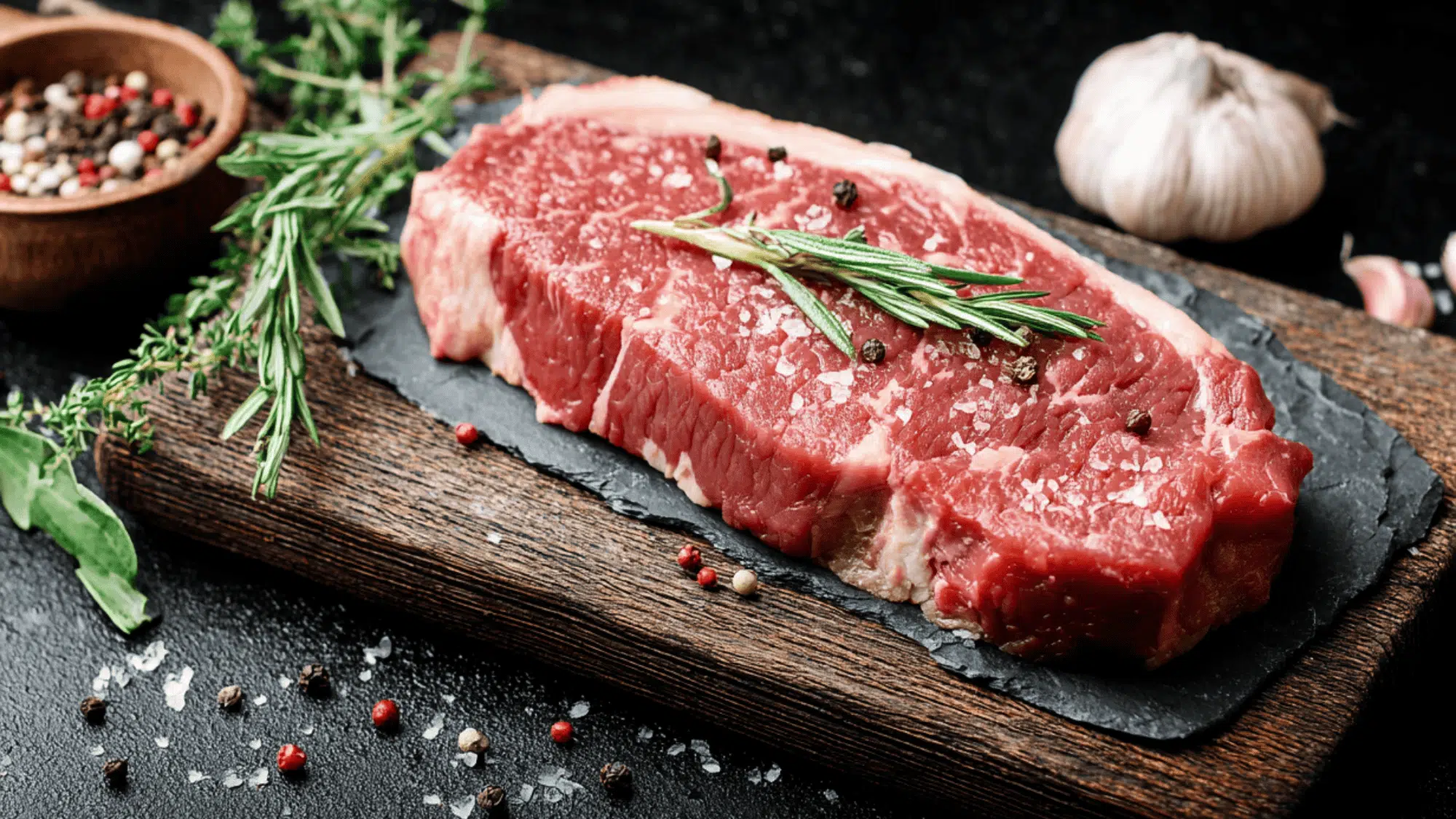
Most people pick sirloin steak for its taste. But what’s actually in it? That’s a question

I get this question a lot: Does protein powder make you gain weight? And honestly, I