
When the final buzzer sounds or the frost starts creeping across the water, the transition between sporting seasons requires a shift in how you care for your gear. Leaving a major investment vulnerable to changing weather patterns can lead to massive headaches before the next opening day arrives.
Smart preparation during these transition periods keeps your equipment prime and ready for action the moment the weather clears. Treating your off-season strategy as an extension of your active hobby helps protect your financial investments.
The Reality of Off-Season Weather Transitions
Temperature drops and shifting weather patterns present serious risks to mechanical equipment left out in the open. Transitioning from active utilization to long-term storage requires an understanding of how freezing conditions impact internal components.
Freezing water expands in volume by about 9% and exerts thousands of pounds of pressure per square inch, which can easily destroy standard equipment housings. This extreme physical pressure can distort metal frames and warp fiberglass hulls over a single cold snap.
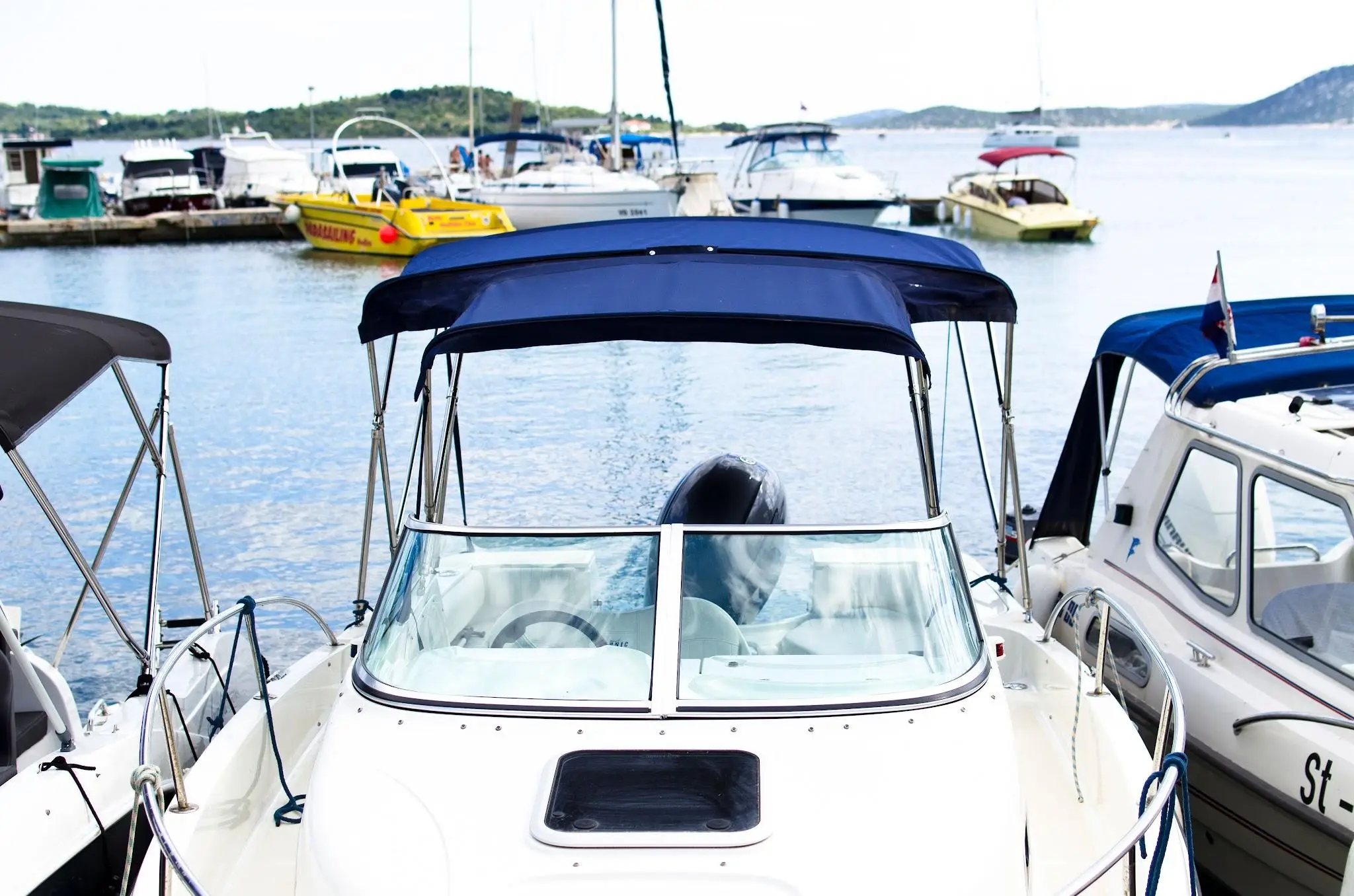
When you pack up your gear after a busy summer, protecting it from months of harsh weather becomes an important part of seasonal maintenance. It is easy to assume a basic canvas tarp will offer enough protection against winter storms, but outdoor exposure still introduces significant wear and tear. Evaluating Boat Storage Near You before freezing temperatures arrive can help reduce the risk of weather-related damage and unnecessary repairs. Choosing a dedicated space removes the stress of checking on your assets during heavy snowfall or severe rainstorms.
Shielding Mechanical Systems From Internal Damage
Leaving mechanical systems sitting idle for months on end can cause internal fluids to break down or separate. Condensation forms inside empty spaces when temperatures fluctuate rapidly between day and night.
Unprotected assets left without proper winterization routinely suffer from cracked engine blocks, ruined fuel lines, and rapid mold growth. This type of internal deterioration often remains completely hidden until you try to start the engine next spring.
Moisture accumulation is the primary enemy of any parked vehicle or vessel during seasonal transitions. Water droplets that settle into fuel systems can cause corrosion and fuel phase separation, which destroys engine performance.
Taking preventative measures avoids costly mechanical bills and prevents your first outing of the new season from being ruined by a dead engine.
The Advantages of Dedicated Off-Season Spaces
Dedicated storage spaces offer specialized environments that general driveways or backyards simply cannot match. Facilities designed for large vehicles provide physical barriers that keep your property hidden from opportunistic thieves and wandering wildlife.
Choosing an indoor or enclosed unit usually costs between $150 and $500 monthly depending on the specific setup. This predictable monthly expense eliminates the unpredictability of repairing outdoor weather damage.
Essential Preparation Steps Before Storage
Dropping off your equipment at a facility requires some upfront preparation to ensure it stays in top shape while idle. You cannot simply park a dirty vehicle and expect it to emerge flawless after 6 months of dark isolation. Cleaning out every compartment prevents foul odors from taking over the interior spaces.
- Empty all sewage holding tanks fully before locking the unit down for winter storage.
- Clean out all food crumbs and organic debris that might attract small rodents looking for a warm winter home.
- Scrub the exterior surfaces to remove salt deposits and mud that can slowly eat away at protective gel coats.
Completing these simple maintenance tasks ensures that your gear remains fresh and free from unpleasant surprises when you open the doors next spring.
Taking the right steps during the autumn months saves you thousands of dollars in emergency repairs and detailing services. Your gear remains preserved in a controlled environment, ready to perform at its peak the moment you hook up the trailer. True sportsmanship extends to how you respect your gear when the games are over.