


Most beginners spend way too much on gear they don’t need, or skip the basics they actually do. I made both mistakes.
Rock climbing looks simple from the outside. You grab the wall and go up. But once you’re standing in a gear shop for the first time, the options are overwhelming.
Shoes, harnesses, chalk bags, belay devices, it adds up fast, and nothing comes with a clear “start here” label.
In this post on top rock climbing gear picks, I walk you through the gear that really helps when you’re new.
You’ll find the main items, small extras, and easy tips to pick the right ones. By the end, you’ll know what to get and feel more ready to start climbing with confidence.
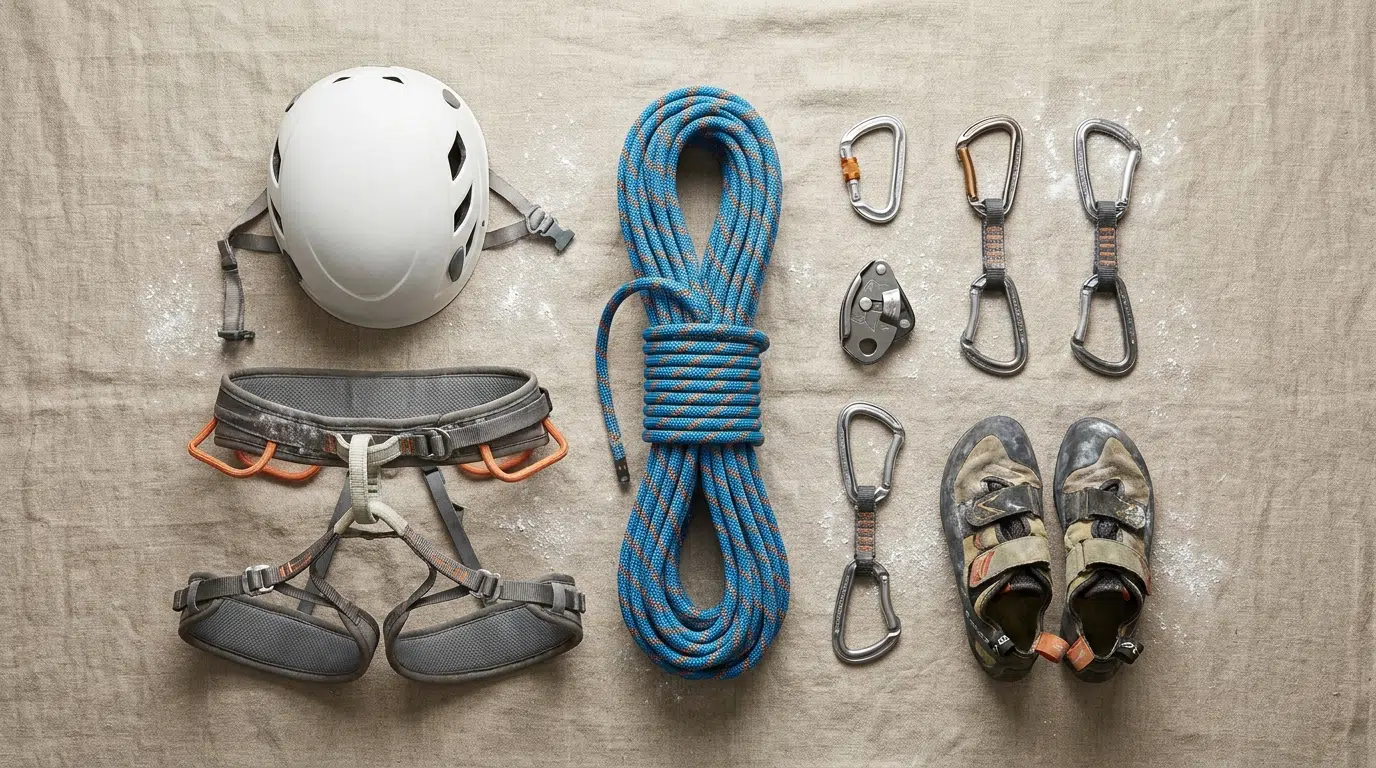
Quick Answer: What Rock Climbing Gear Do Beginners Need?
Beginners need climbing shoes, a harness, a rope, a belay device, a locking carabiner, and a helmet to start safely.
Start with these basics and skip the extra gear for now. Shoes help you grip better on the wall.
A harness keeps you secure when you climb or fall. The rope, belay device, and locking carabiner work together to keep you safe during climbs. A helmet adds protection, especially outdoors.
Chalk and a chalk bag help keep your hands dry so you don’t slip. Focus on comfort and proper fit when choosing gear.
You can always add more items later as you gain experience and try different types of climbing.
Best Rock Climbing Shoes for Rock Climbing
Rock climbing shoes are the first thing you need because they give you grip and control on the rock. Regular shoes don’t hold well, which makes climbing harder and less safe.
1. La Sportiva Katana Lace
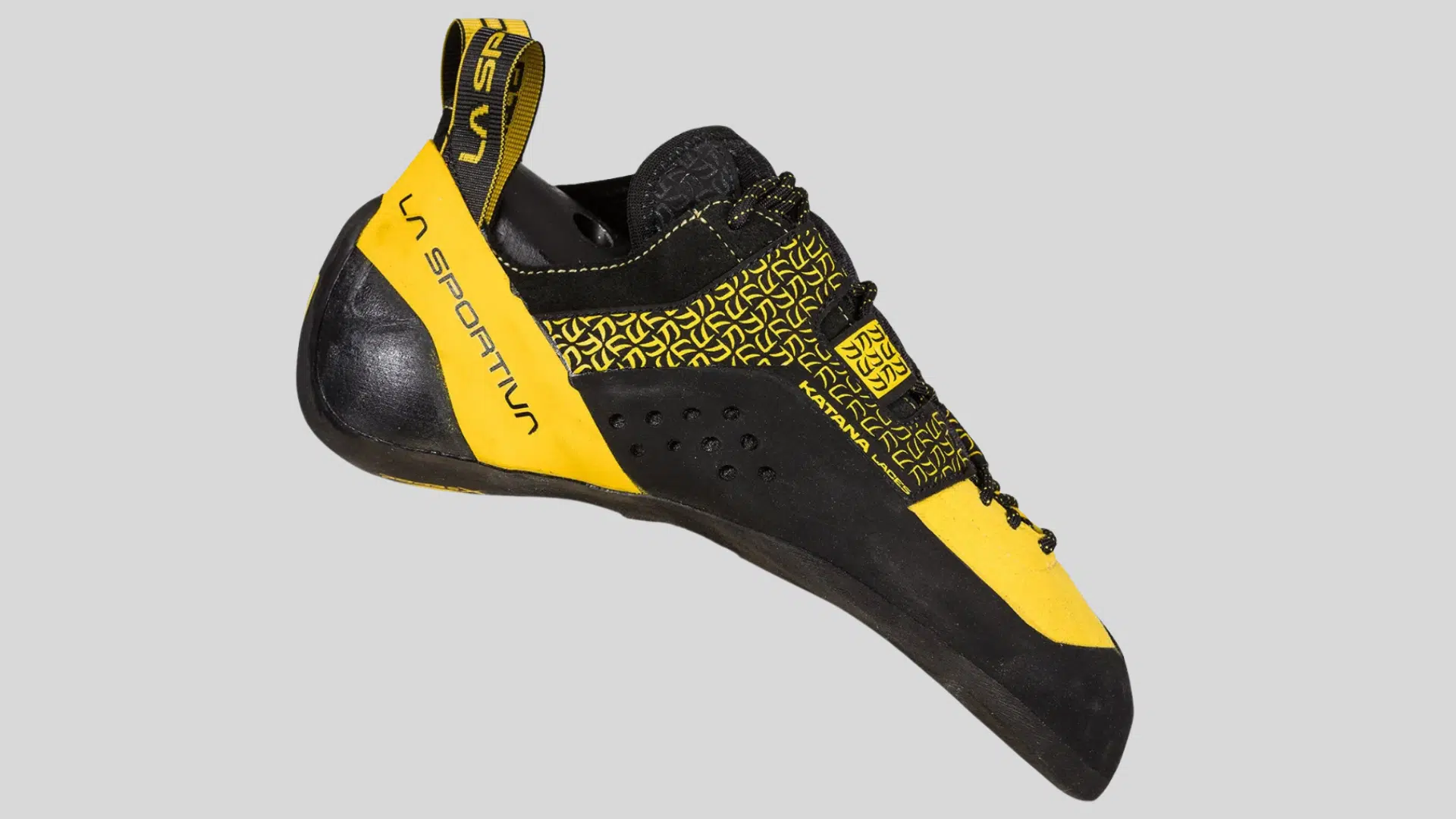
The La Sportiva Katana Lace is an all-around climbing shoe built for edging, comfort, and precision. It uses P3® technology to keep its shape and performance over time.
The Vibram XS Edge rubber provides a strong grip on small edges, while the slight downturn helps on steeper routes.
It also features a breathable tongue to manage sweat and a precise heel design that improves heel hooking. From my experience, this type of shoe works well if you want one pair for different climbing styles.
Price: Around $239
Specifications:
- Upper: Leather + microfiber
- Sole: 4mm Vibram XS Edge
- Closure: Lace-up
- Weight: ~500g per pair
2. Scarpa Instinct VSR LV
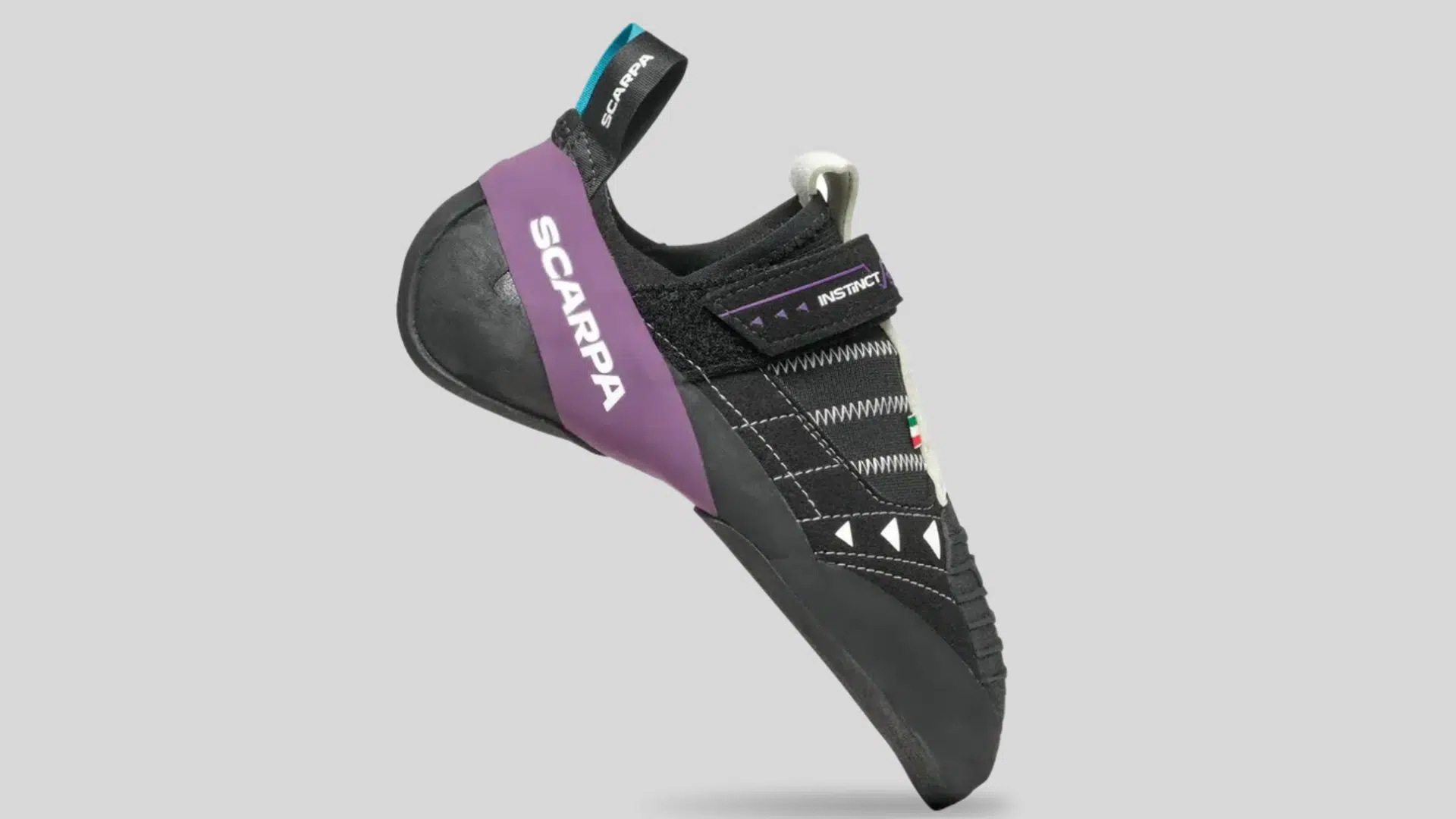
The Scarpa Instinct VSR LV is a soft and sensitive climbing shoe designed for strong grip and precision. It features a low-volume fit made for narrow feet and uses Vibram XS Grip2 rubber for high friction.
The soft build improves sensitivity on holds, while the strong toe rubber supports toe hooking. It also comes with a fast Velcro closure for quick and easy wear.
Price: Around $199–$219
Specifications:
- Upper: Microfiber
- Sole: Vibram XS Grip2
- Closure: Velcro strap
- Profile: Aggressive downturn
3. Evolv Zenist Pro
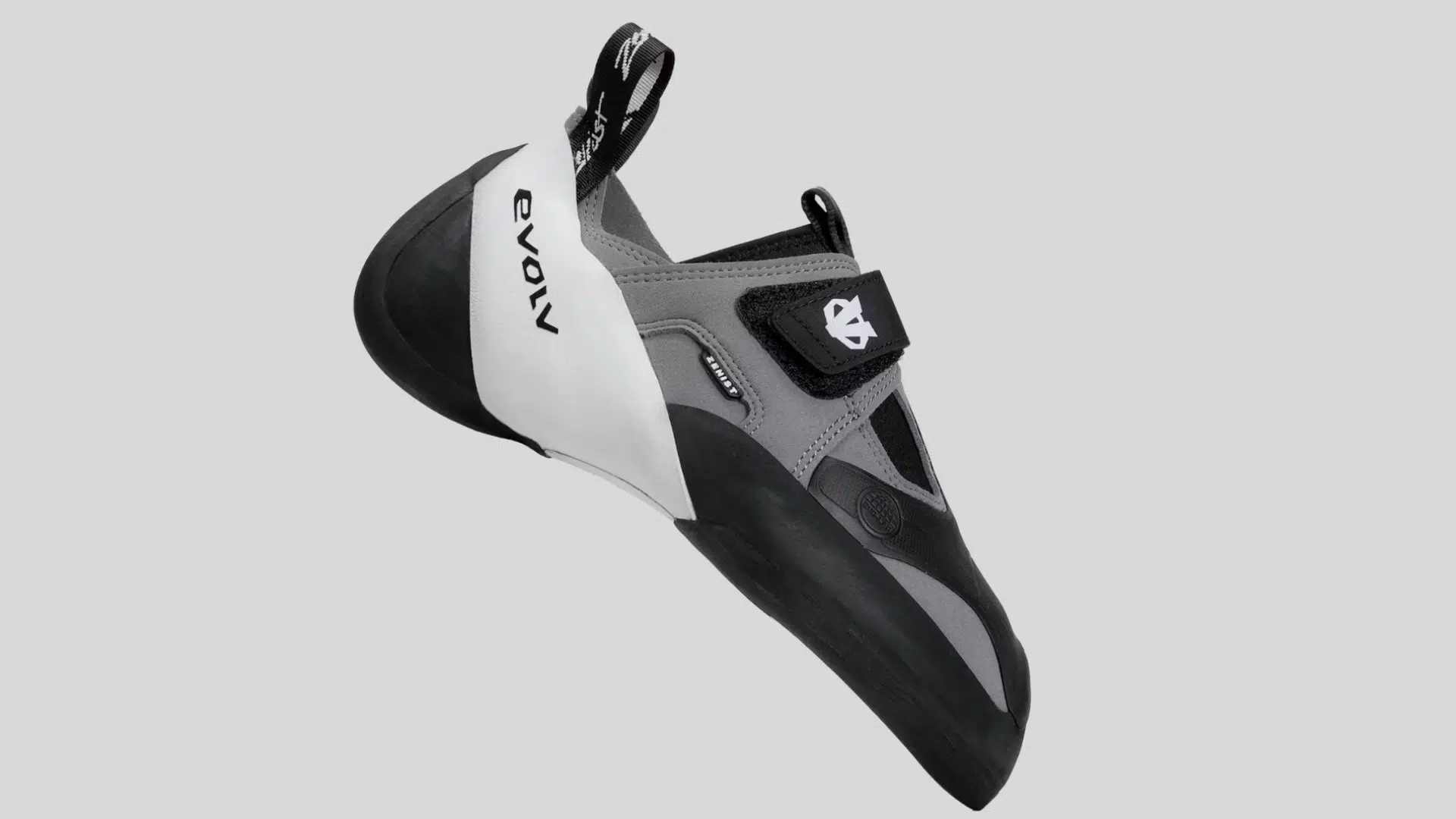
The Evolv Zenist Pro is a soft performance shoe designed for indoor climbing and bouldering. It features an ultra-soft design for maximum sensitivity and a large toe patch for strong toe hooks.The split sole adds flexibility and control, while the high rubber coverage improves grip. It is built to handle modern indoor routes and bouldering problems.
Price: Around $179–$199
Specifications:
- Upper: Synthetic
- Sole: Trax SAS rubber
- Closure: Strap
- Profile: Aggressive and flexible
| Feature | La Sportiva Katana Lace | Scarpa Instinct VSR LV | Evolv Zenist Pro |
|---|---|---|---|
| Price | ~$239 | ~$199–219 | ~$179–199 |
| Fit | Medium | Narrow (low volume) | Medium |
| Closure | Lace | Velcro | Strap |
| Rubber | Vibram XS Edge | Vibram XS Grip2 | Trax SAS |
| Stiffness | Medium-stiff | Soft | Very soft |
| Best use | Sport + trad | Sport + bouldering | Indoor + bouldering |
Climbing Harness for Rock Climbing
A climbing harness keeps you safe and connected to the rope. It supports your body weight during climbs, falls, and rests.
4. Black Diamond Solution Guide
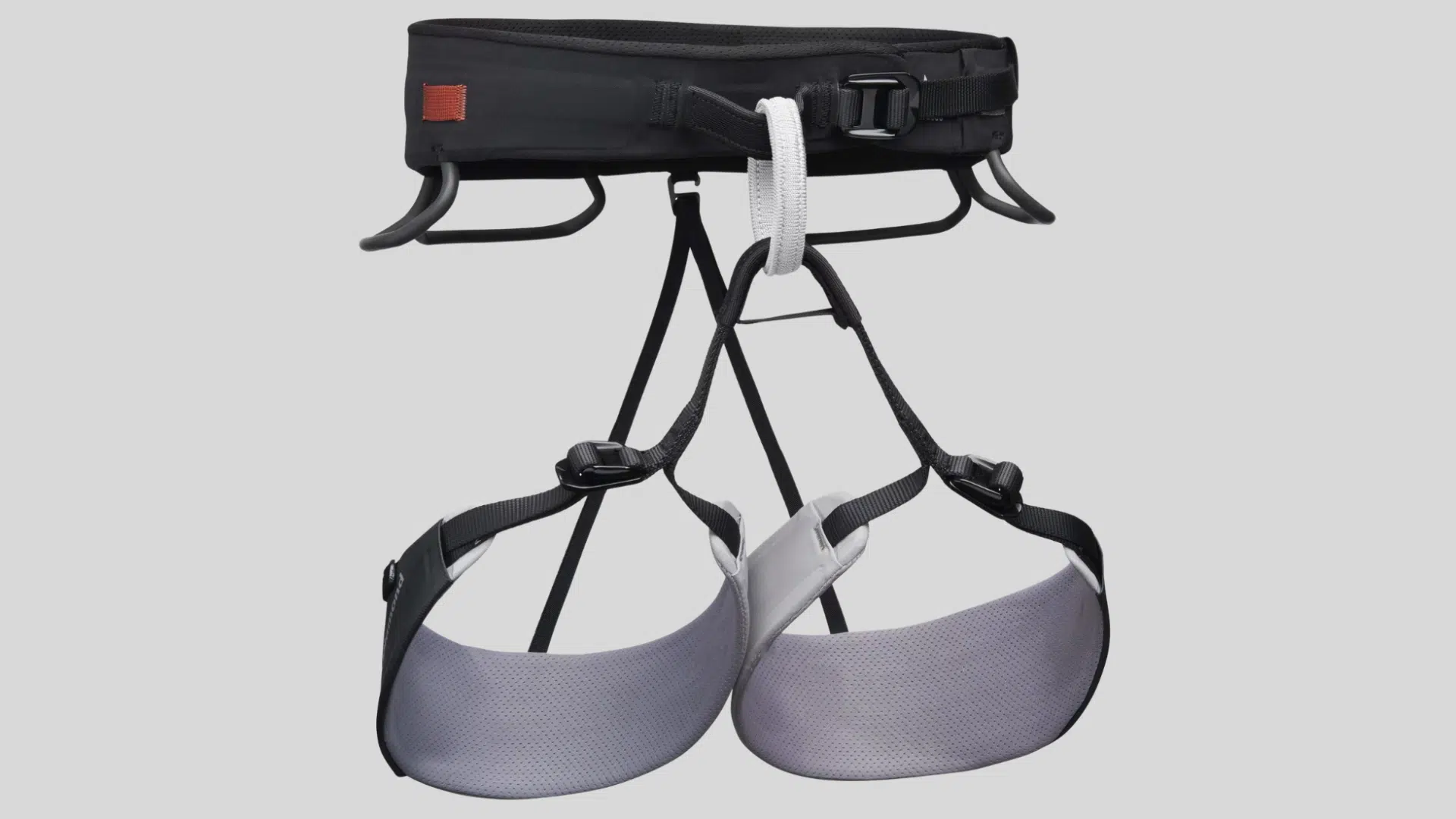
The Black Diamond Solution Guide is a durable harness made for trad climbing and long routes. It uses Fusion Comfort Technology to spread weight evenly and reduce pressure.
The outer fabric is abrasion-resistant for rough rock. It also has large gear loops and a strong belay loop for heavy use.
Price: Around $70–$110
Specifications:
- Material: Nylon + EVA foam + mesh
- Belay loop: Dyneema Infinity loop
- Gear loops: 4 molded + 1 rear loop
- Weight: ~415–440g
- Adjustability: Adjustable leg loops
- Fit: Medium
- Best for: Trad + multi-pitch
5. Petzl Luna
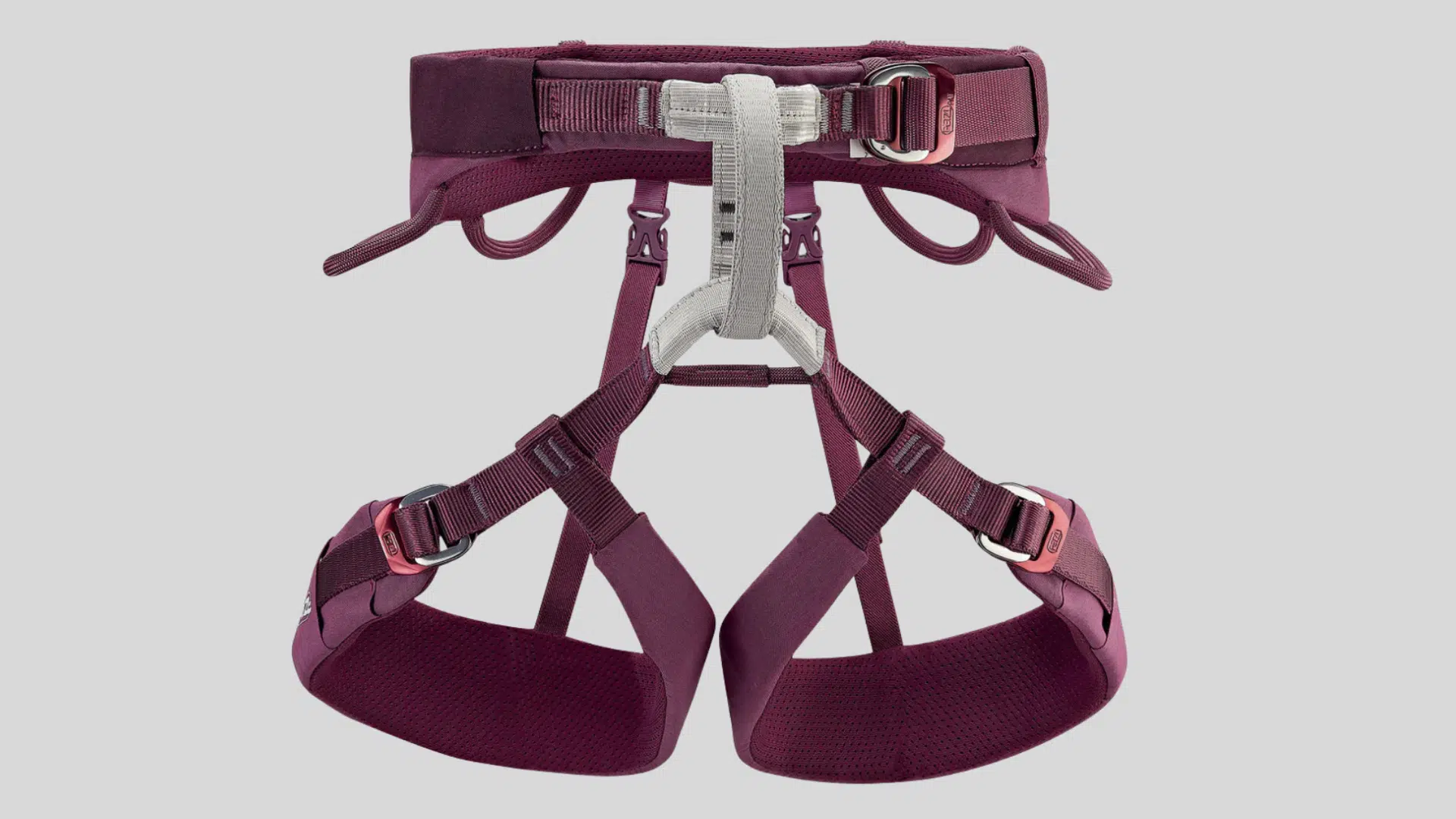
The Petzl Luna is a women-specific harness designed for comfort and adjustability. It has a shaped waistbelt and adjustable leg loops for a better fit.
The harness uses FRAME Technology to spread weight evenly and reduce pressure. It also includes five gear loops for carrying equipment.
Price: Around $90–$110
Specifications:
- Material: Polyester + EVA + aluminum
- Belay loop: Reinforced
- Gear loops: 5 (2 front, 2 rear, 1 center)
- Weight: ~365–420g (size-based)
- Adjustability: Waist and leg loops
- Fit: Women-specific
- Best for: Sport + trad + multi-pitch
6. Ocun Twist Tech Eco
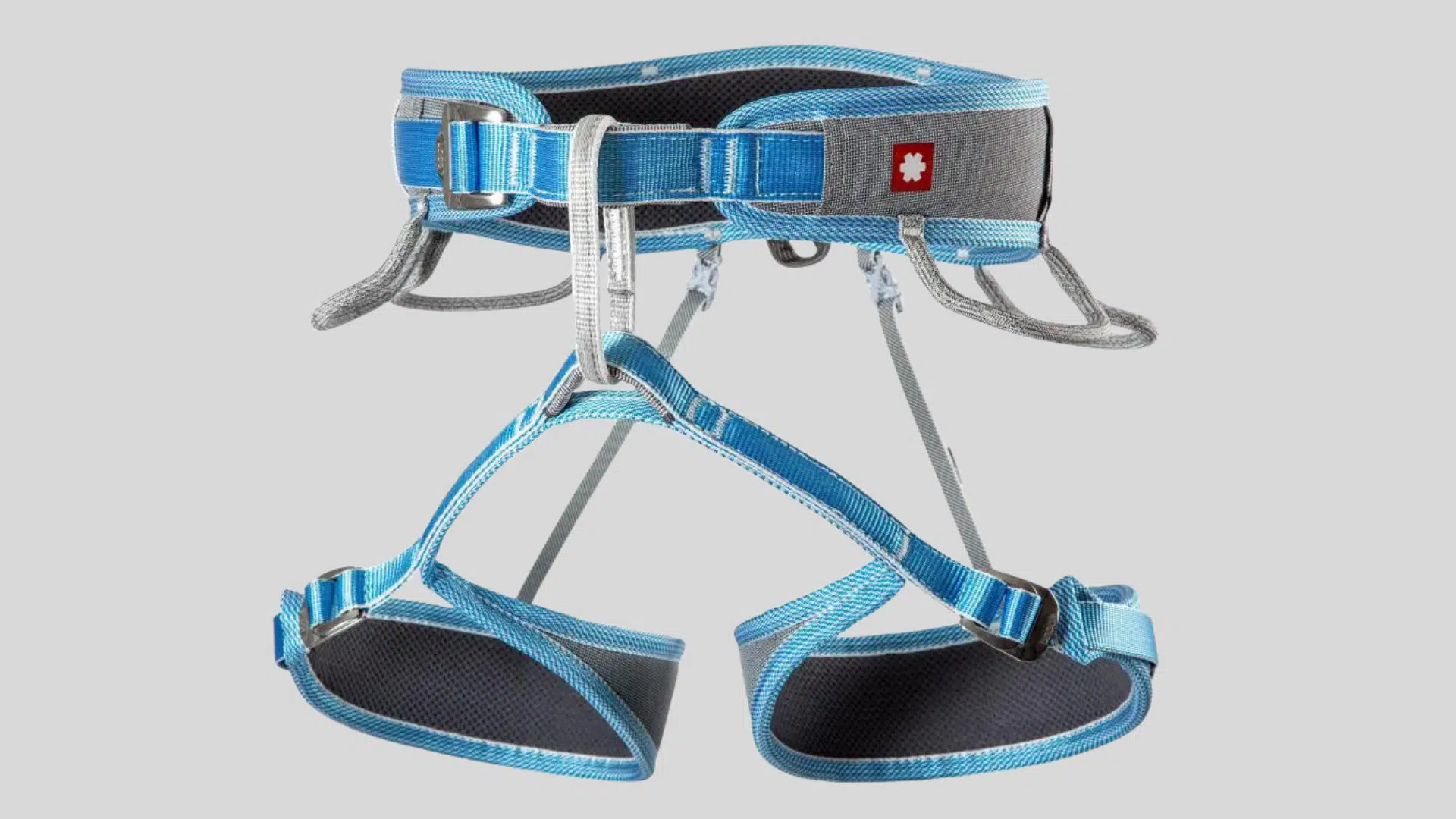
The Ocun Twist Tech Eco is a lightweight harness made with recycled materials. It offers adjustable waist and leg loops for a secure fit.
The padding gives comfort without extra bulk. It is a good option for beginners and regular climbers who want a simple and reliable harness.
Price: Around $80–$100
Specifications:
- Material: Recycled polyamide
- Belay loop: Standard strength loop
- Gear loops: 4
- Adjustability: Waist and leg loops
- Weight: ~420g
- Fit: Adjustable
- Best for: Beginner + general use
| Feature | Black Diamond Solution Guide | Petzl Luna | Ocun Twist Tech Eco |
|---|---|---|---|
| Comfort on long hangs | Very high | High | Moderate |
| Padding feel | Thick and supportive | Balanced | Light padding |
| Breathability | Moderate | Good | Good |
| Bulk when worn | Slightly bulky | Low bulk | Low bulk |
| Gear access | Easy with large loops | Very organized | Simple access |
| Durability (rough rock) | Very high | High | Moderate |
Rock Climbing Gear: Climbing Rope
A climbing rope is one of the most important safety tools in climbing. It absorbs the force of a fall and keeps you connected to your partner.
7. Black Diamond Climbing Rope
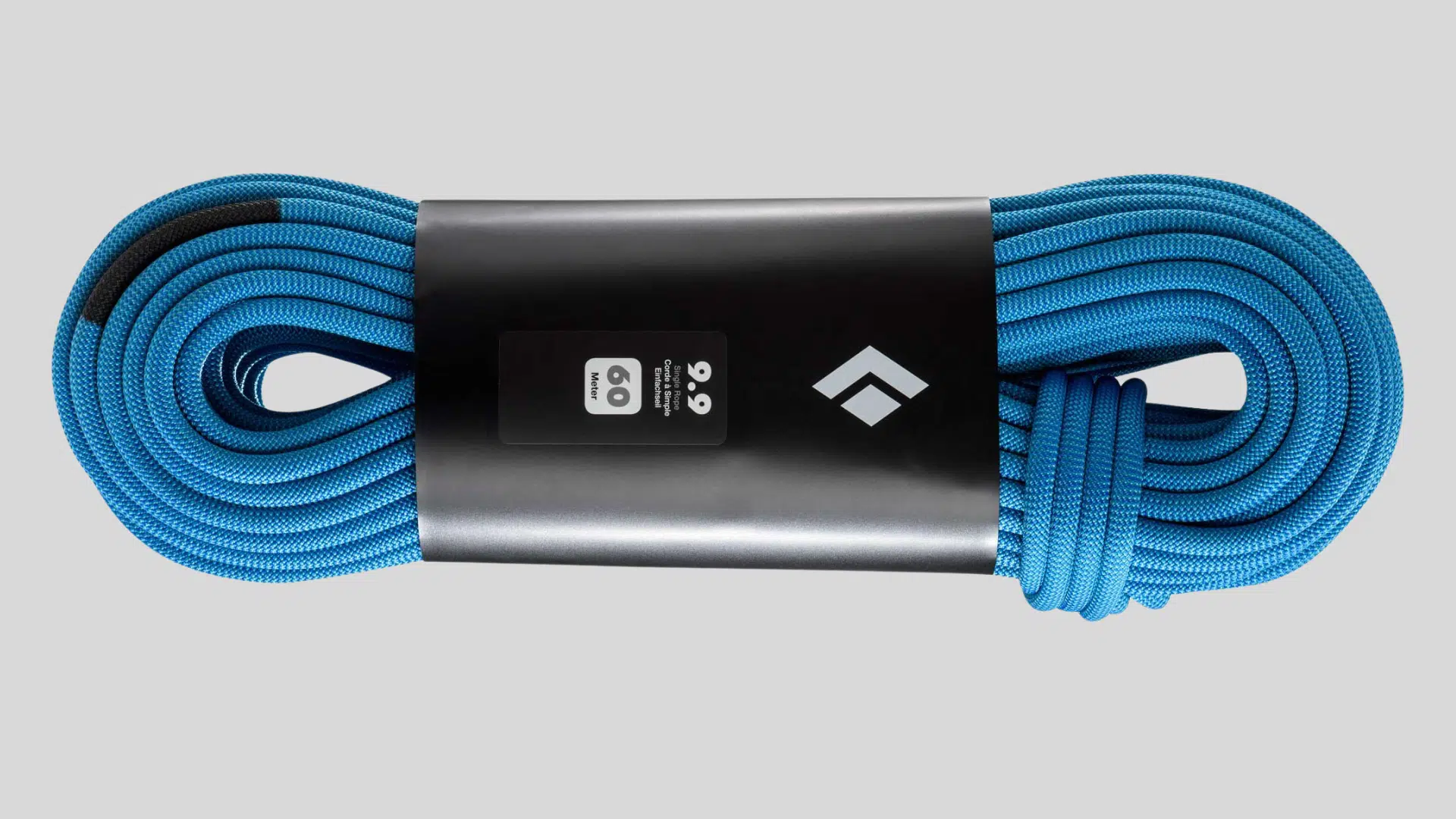
Black Diamond climbing ropes are known for durability and smooth handling. Most models use a strong sheath construction that resists wear from rough rock.
They offer a good balance between weight and durability, making them a solid choice for both indoor and outdoor climbing.
Price: Around $190–$230
Specifications:
- Material: Nylon (kernmantle construction)
- Type: Dynamic single rope
- Diameter: ~9.4mm–9.9mm (model-based)
- Length: 60m / 70m
- Dry treatment: Optional (dry or non-dry versions)
- Weight: ~58–63g per meter
- UIAA falls: ~6–8
- Best for: Sport + outdoor climbing
8. Mammut 9.5 Gym Classic Rope
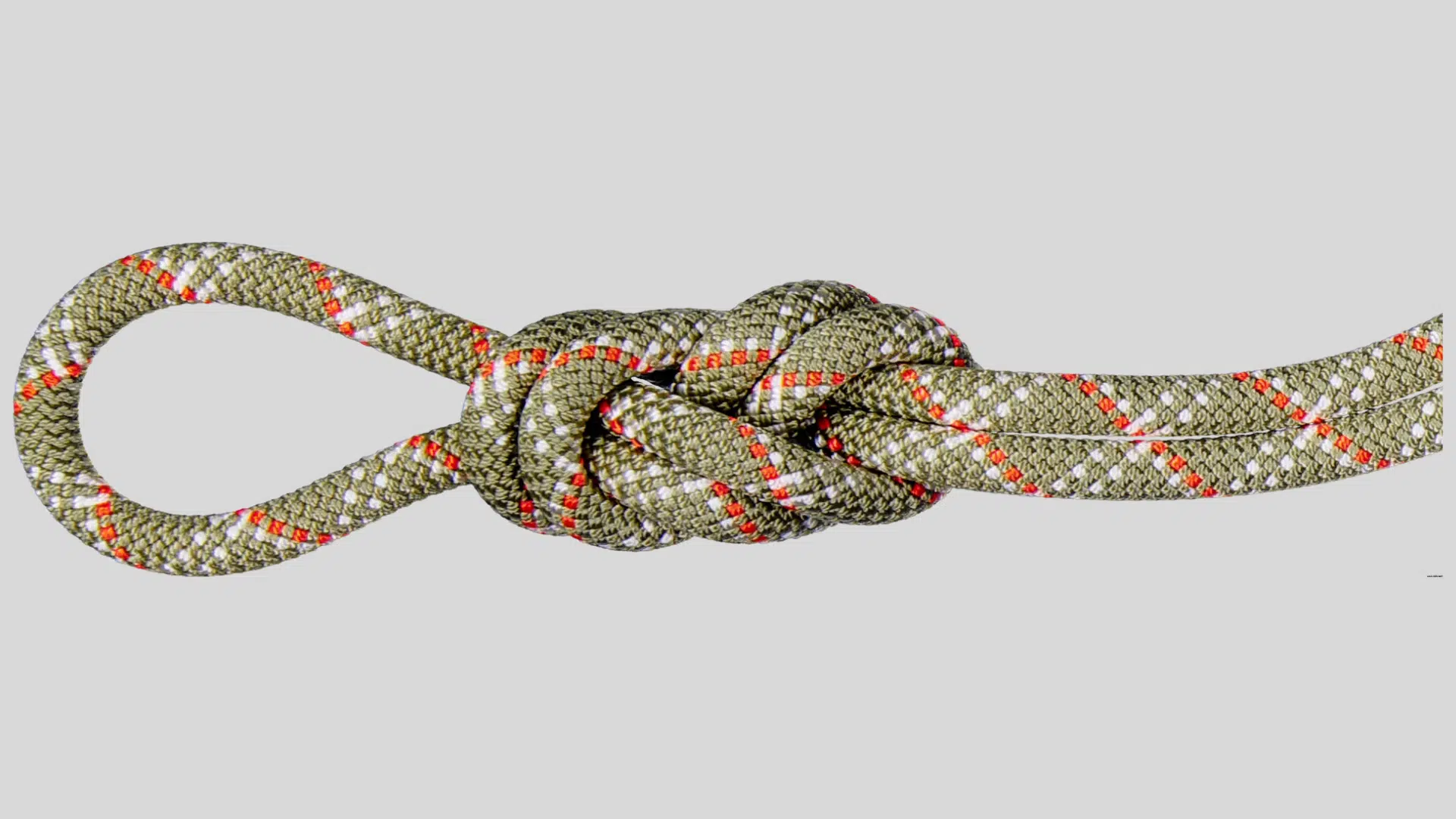
The Mammut 9.5 Gym Classic Rope is designed for indoor climbing and training. It has a thicker sheath for longer life in gyms and smooth handling for repeated use.
The rope offers good grip and durability, making it ideal for beginners and regular gym climbers.
Price: Around $70–$200
Specifications:
- Material: Nylon
- Type: Dynamic single rope
- Diameter: 9.5mm
- Length: 40m / 60m
- Dry treatment: No (gym-focused)
- Weight: ~59g per meter
- UIAA falls: ~7–8
- Best for: Indoor + gym climbing
9. Rogue Climbing Rope
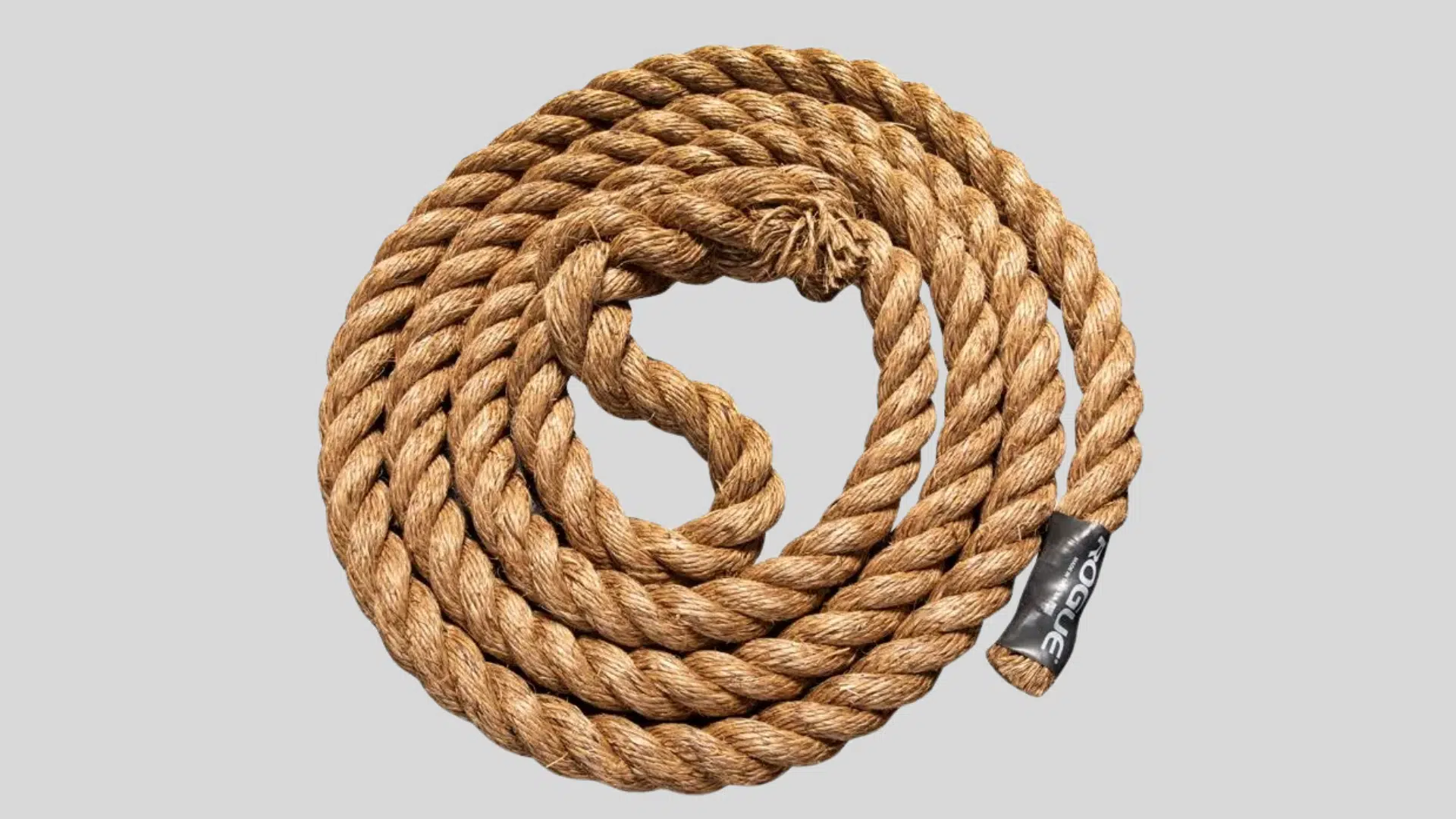
The Rogue Climbing Rope is mainly used for fitness and training rather than technical climbing. It is made from strong synthetic fibers and built for grip and durability.
This rope is commonly used for strength workouts, climbing drills, and conditioning.
Price: Around $70–$120
Specifications:
- Material: Polypropylene / synthetic fiber
- Type: Training rope (non-dynamic)
- Diameter: ~1.5″ (38mm)
- Length: 10ft–25ft
- Grip: Textured for better hold
- Mounting: Heat-sealed ends or eyelet option
- Weight: Varies by length
- Best for: Fitness + training
| Feature | Black Diamond Climbing Rope | Mammut 9.5 Gym Classic Rope | Rogue Climbing Rope |
|---|---|---|---|
| Handling feel | Smooth and balanced | Very grippy | Very thick grip |
| Rope stretch (fall absorption) | High (dynamic) | High (dynamic) | None (static) |
| Rope management | Easy to manage | Easy in gym setups | Hard to coil/store |
| Durability in rough rock | High | Not ideal | Very high (non-climbing use) |
| Versatility | Indoor + outdoor | Mostly indoor | Training only |
| Safety for lead climbing | Yes | Yes | No |
Best Helmets for Rock Climbing
A climbing helmet protects your head from falling rocks and impacts during climbing. It is an important safety gear, especially for outdoor climbs.
10. Petzl Boreo Helmet
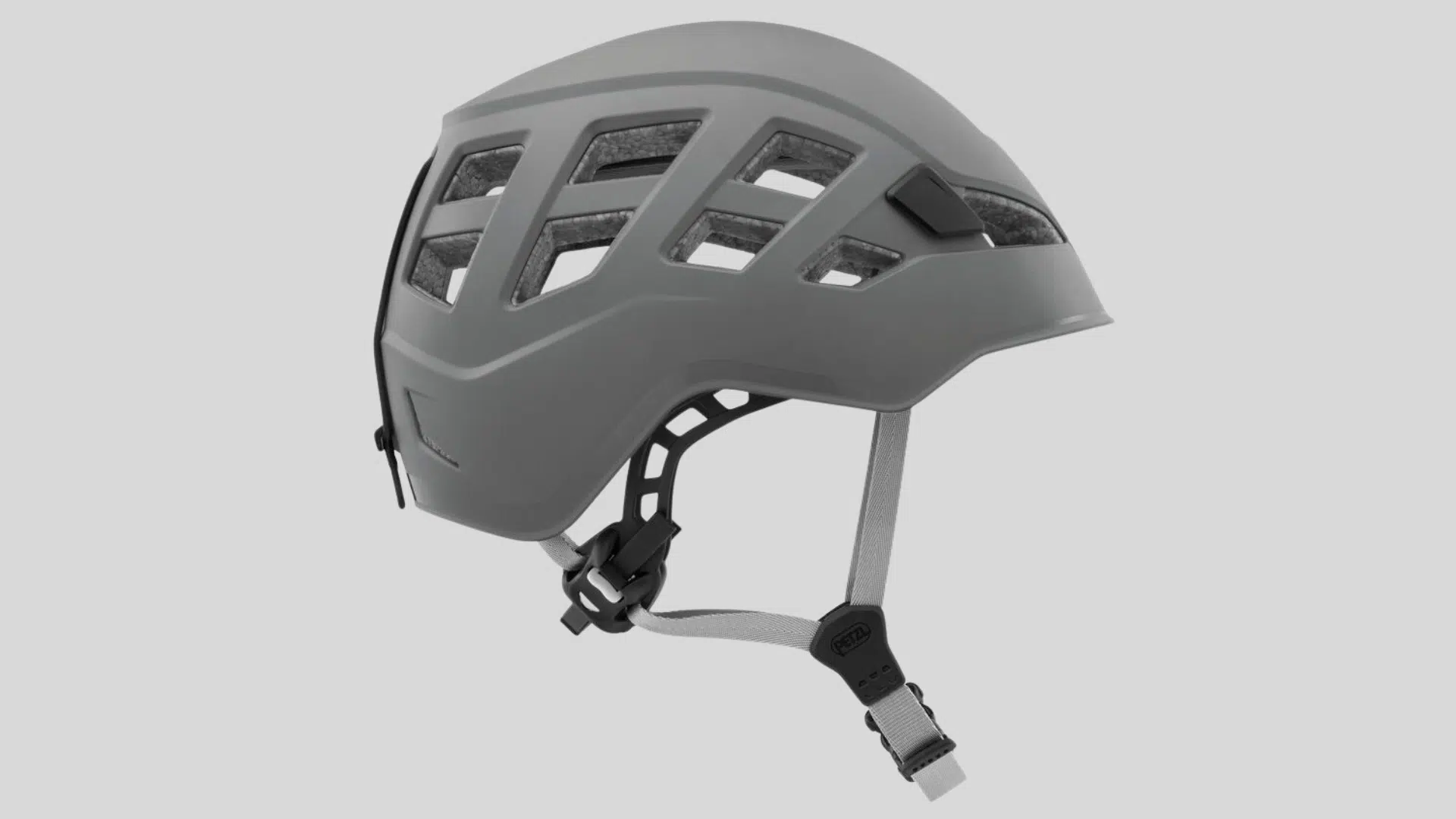
The Petzl Boreo Helmet is a strong and durable helmet designed for regular climbing use. It uses a hybrid construction with a hard outer shell and foam interior for better protection.
It also offers good side and top impact resistance, making it a reliable option for beginners and outdoor climbers.
Price: Around $70–$90
Specifications:
- Material: ABS shell + EPS + EPP foam
- Construction: Hybrid (hard shell + foam)
- Weight: ~300g
- Ventilation: Multiple air vents
- Fit system: Adjustable headband
- Headlamp clips: 4
- Certification: CE EN 12492
- Best for: Beginner + outdoor climbing
11. Mammut Skywalker 3.0 Helmet
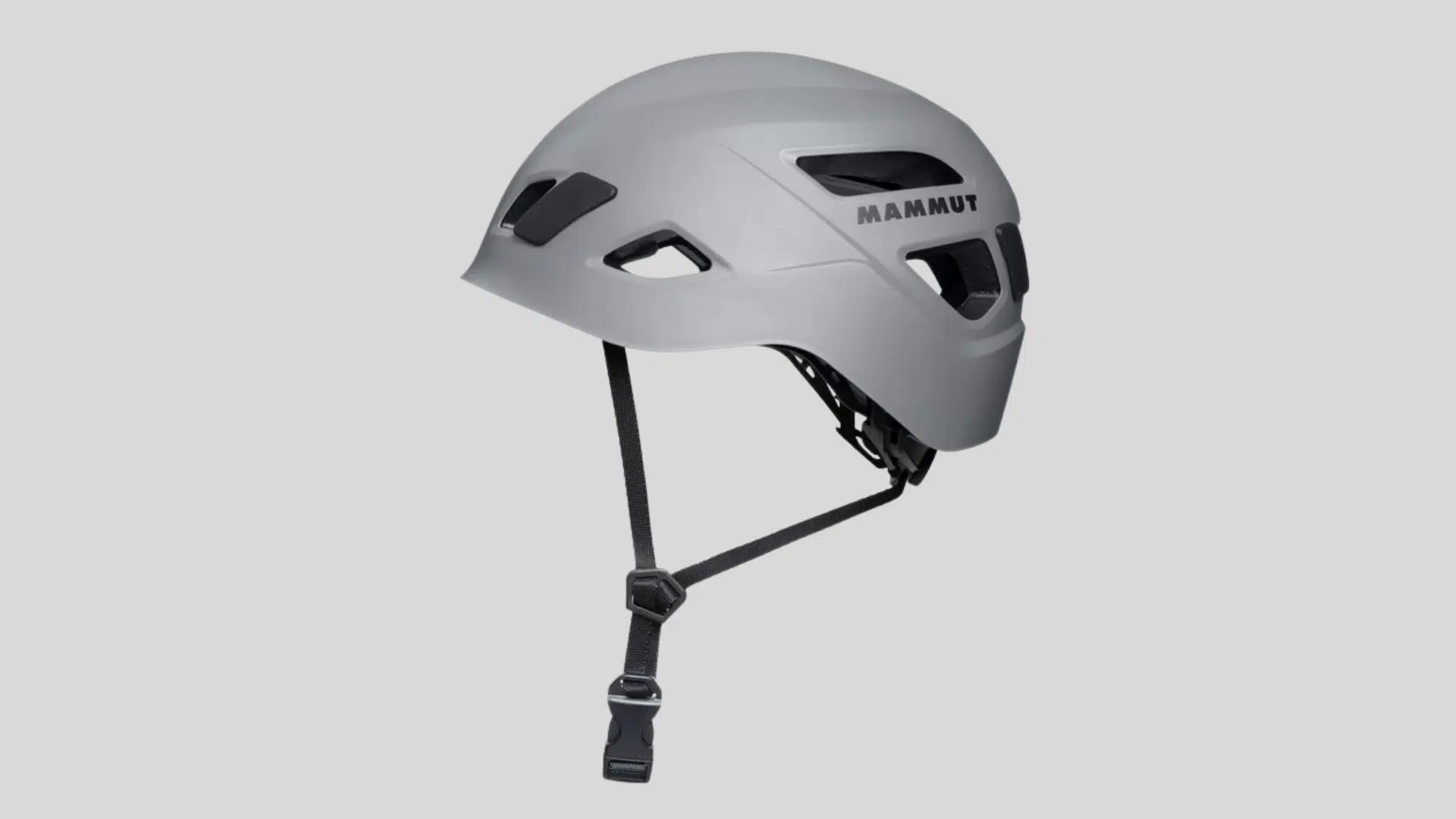
The Mammut Skywalker 3.0 Helmet is a versatile helmet built for all types of climbing. It features a hybrid construction with an ABS shell and EPP/EPS foam for strong protection.
The helmet includes a wheel adjustment system and padding for comfort, along with ventilation openings for airflow.
Price: Around $40–$80
Specifications:
- Material: ABS shell + EPP + EPS foam
- Construction: Hybrid
- Weight: ~330–334g
- Ventilation: Large openings
- Fit system: Dial adjustment system
- Headlamp clips: 4
- Size range: 53–61 cm
- Certification: CE EN 12492
- Best for: All-around climbing
12. Black Diamond Capitan Helmet
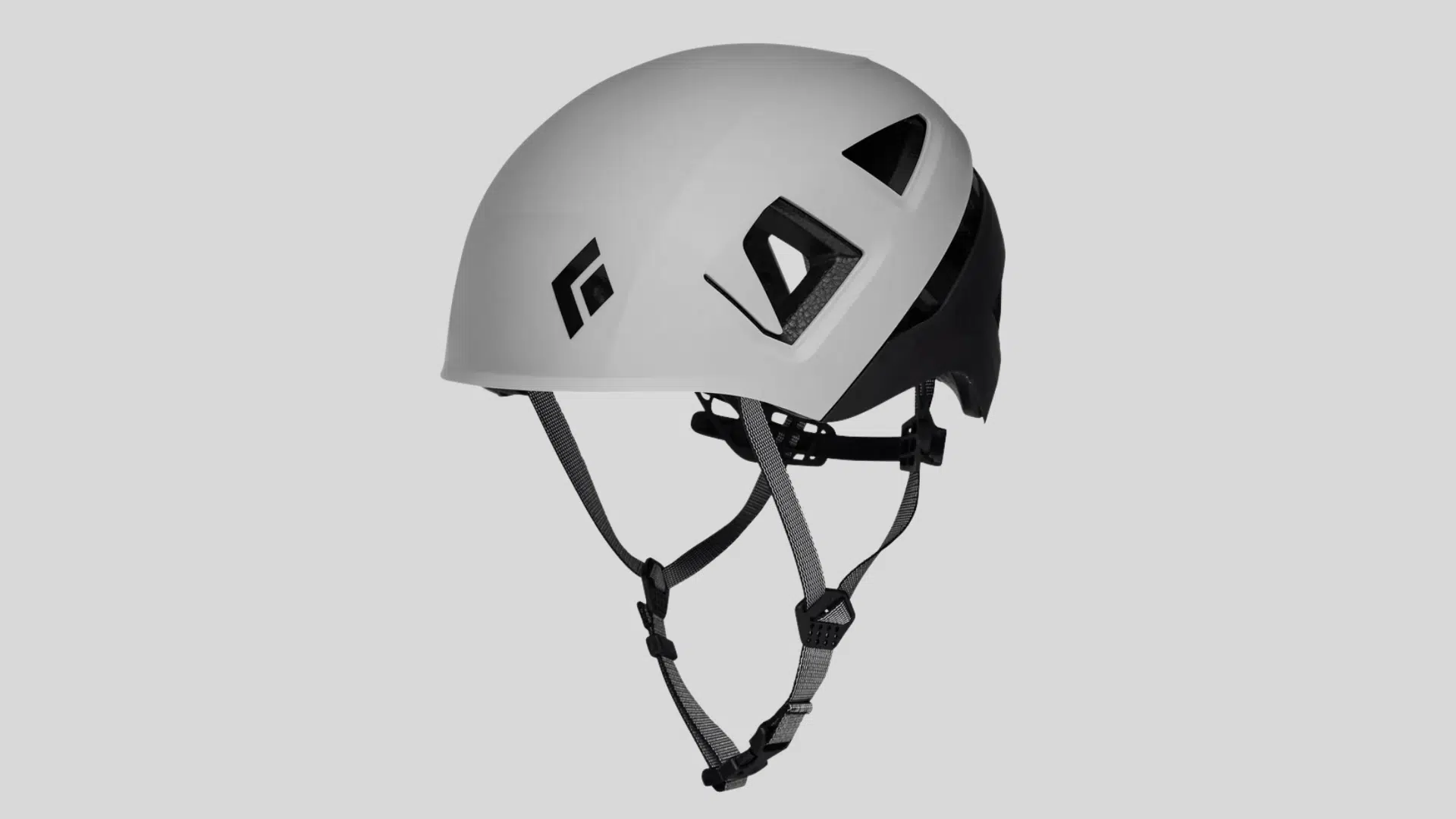
The Black Diamond Capitan Helmet is a durable helmet built for heavy use and rough environments. It features a full ABS shell design that improves impact resistance and durability.
The helmet also includes good ventilation and a secure fit system, making it suitable for both beginners and experienced climbers.
Price: Around $40–$90
Specifications:
- Material: ABS shell + EPS foam
- Construction: Hard shell
- Weight: ~295–330g
- Ventilation: Multiple vents
- Fit system: Adjustable dial
- Headlamp clips: 4
- Certification: CE EN 12492
- Best for: Durable outdoor use
| Feature | Petzl Boreo Helmet | Mammut Skywalker 3.0 Helmet | Black Diamond Capitan Helmet |
|---|---|---|---|
| Comfort padding | Good | Very comfortable | Good |
| Fit adjustability precision | Basic | More precise | Precise |
| Bulk feel | Slightly bulky | Balanced | Bulkier |
| Durability (long-term use) | High | Moderate to high | Very high |
| Side impact coverage | Strong | Strong | Very strong |
| Use with hats/beanies | Limited space | Better fit | Moderate space |
Rock Climbing Gear: Belay Devices
A belay device helps control the rope while climbing. It allows the belayer to catch falls and lower the climber safely.
13. Edelrid Pinch Belay Device
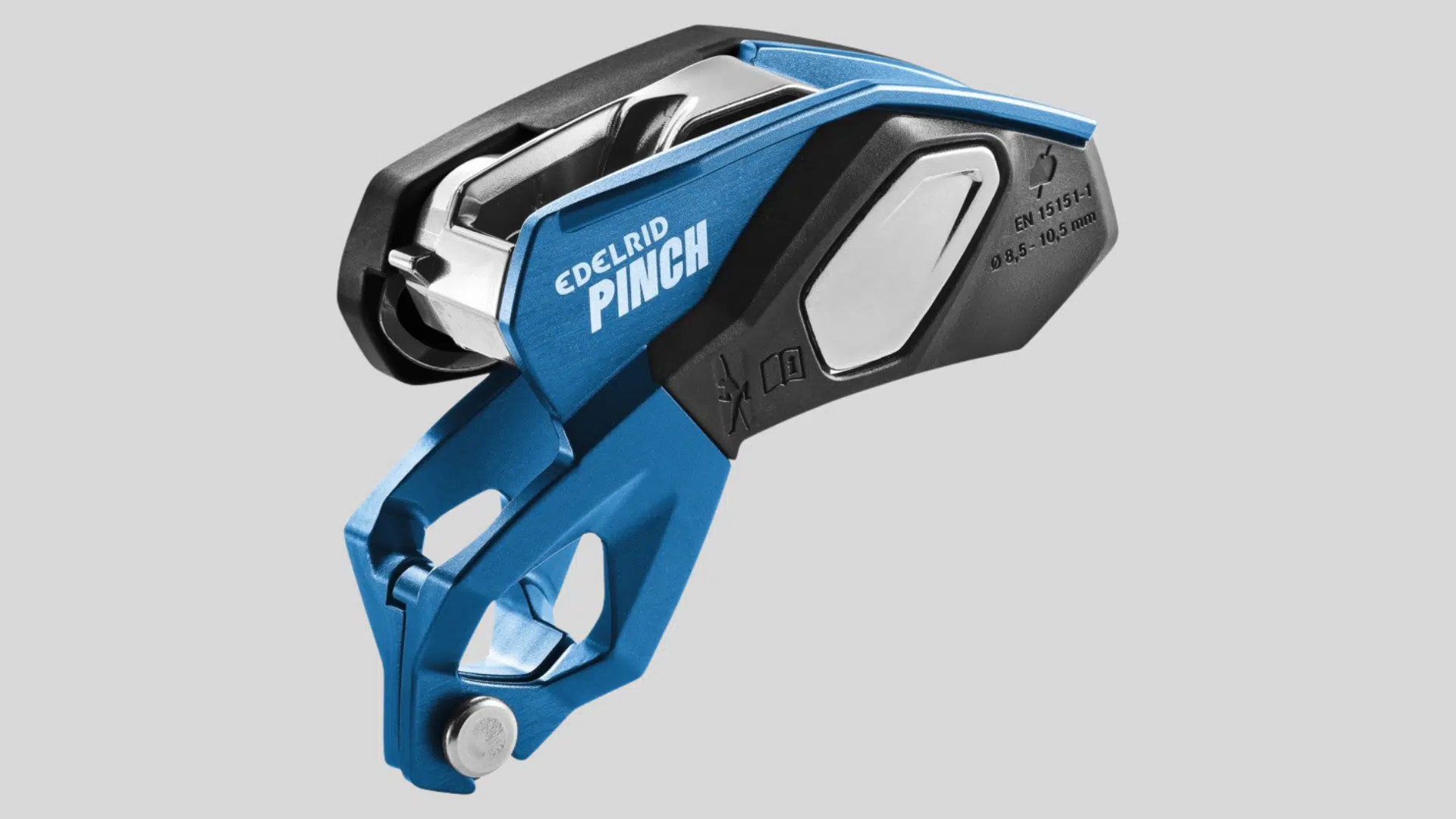
The Edelrid Pinch is a modern assisted braking belay device designed for sport and multi-pitch climbing. It connects directly to the harness, which improves control and stability.
It also features an anti-panic function and smooth rope handling for better safety and performance.
Price: Around $110–$140
Specifications:
- Material: Aluminum + steel components
- Type: Assisted braking device
- Rope compatibility: 8.5–10.5 mm
- Weight: ~234 g
- Attachment: Direct harness connection
- Safety: Anti-panic function
- Certification: EN 15151-1
- Best for: Sport + multi-pitch climbing
14. ATC-XP Belay Device: Black Diamond
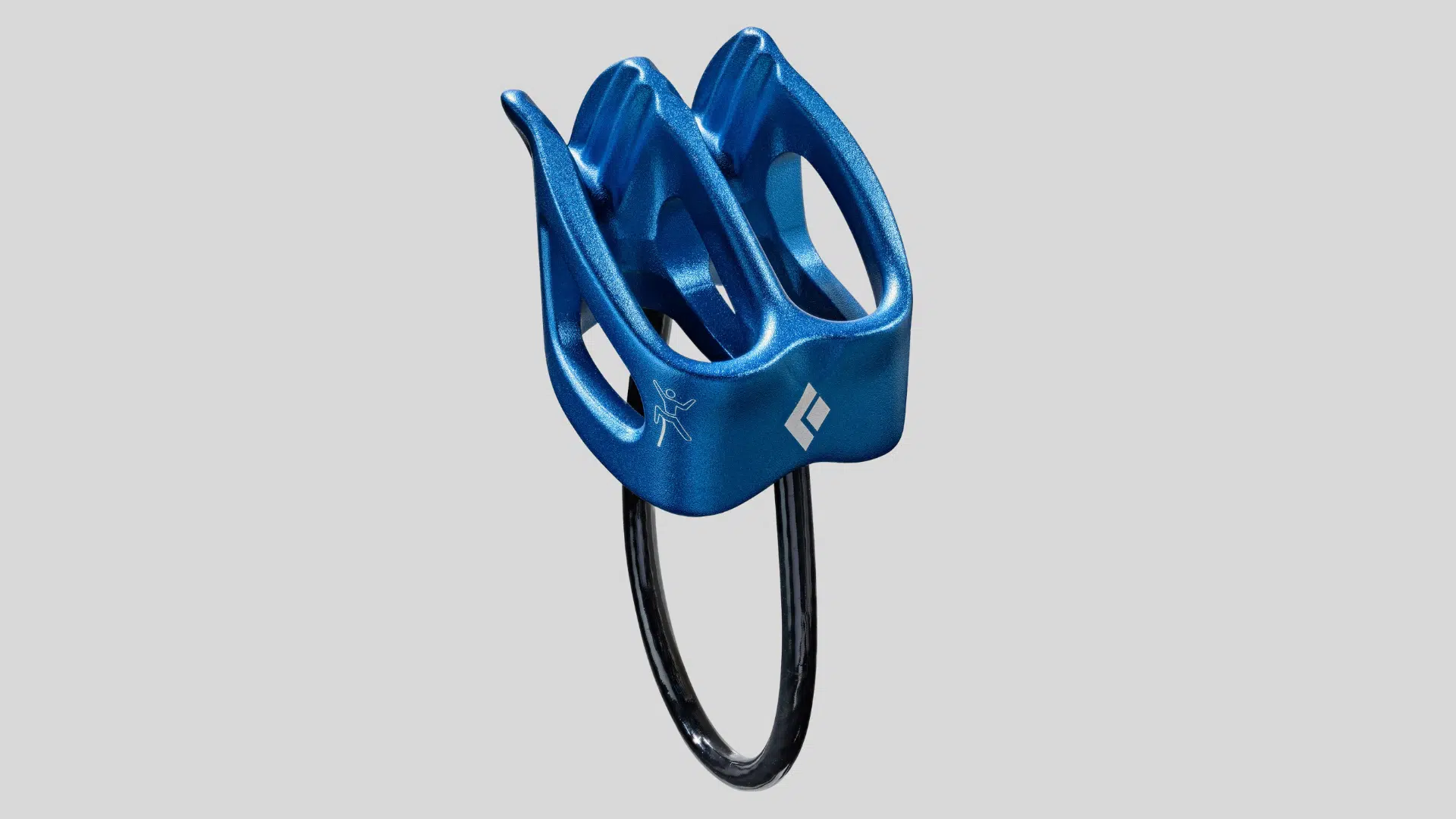
The Black Diamond ATC-XP is a simple and lightweight tube-style belay device. It offers high-friction grooves for better control while lowering or rappelling.
It is easy to use and works well for beginners and experienced climbers who prefer manual control.
Price: Around $20–$45
Specifications:
- Material: Aluminum
- Type: Tube-style (manual)
- Rope compatibility: 7.7–11 mm
- Weight: ~60 g
- Friction mode: High-friction grooves
- Use: Belaying + rappelling
- Assisted braking: No
- Best for: Beginner + general climbing
15. Petzl GRIGRI+
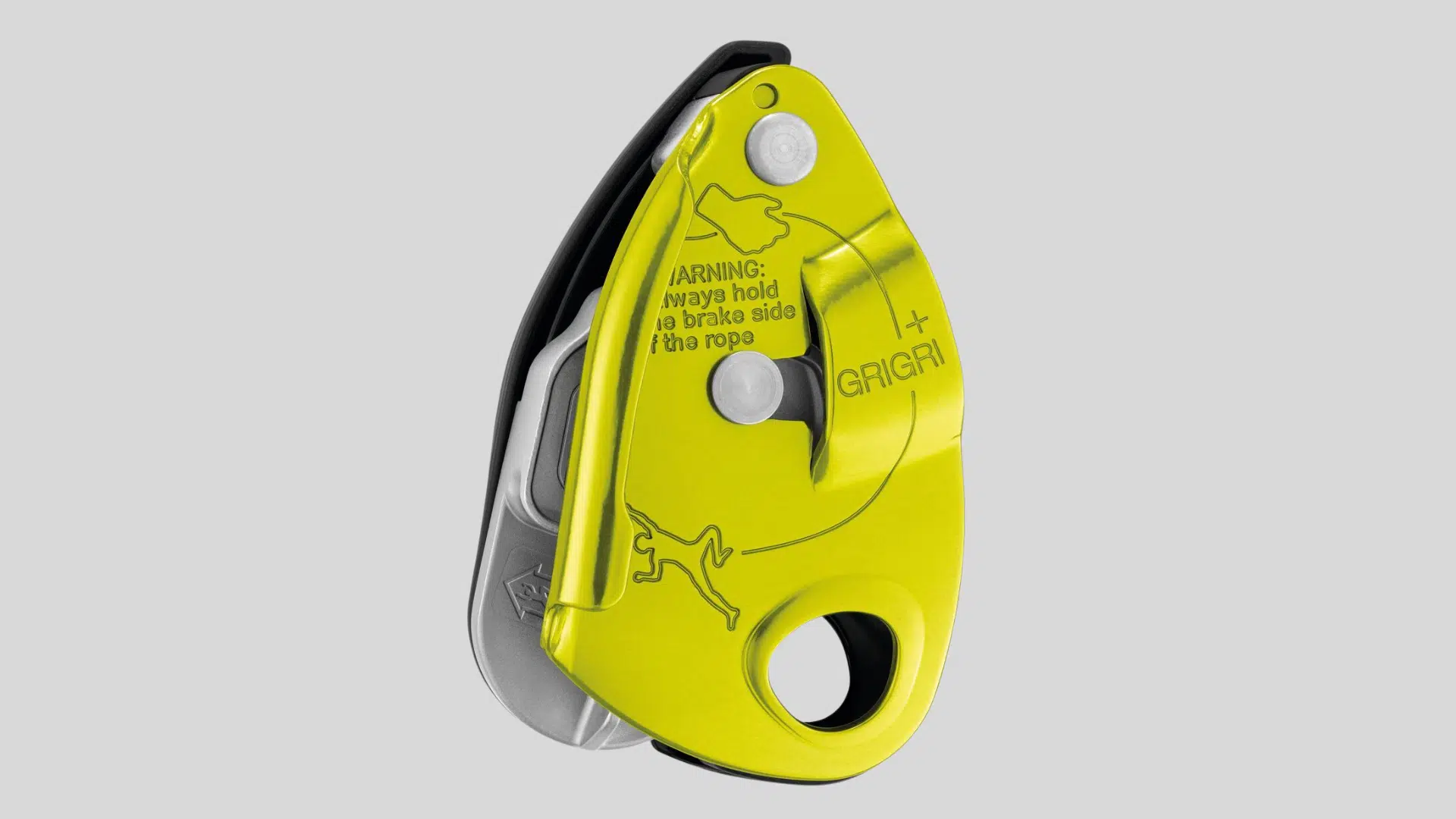
The Petzl GRIGRI+ is an advanced assisted braking belay device designed for both indoor and outdoor climbing.
It features cam-assisted locking, an anti-panic handle, and smooth lowering control. It is one of the most trusted belay devices for safety and ease of use.
Price: Around $70–$150
Specifications:
- Material: Aluminum + stainless steel + reinforced nylon
- Type: Assisted braking device
- Rope compatibility: 8.5–11 mm
- Weight: ~175 g
- Safety: Anti-panic handle + cam-assisted locking
- Handle: Ergonomic lowering handle
- Certification: CE EN 15151-1
- Best for: Indoor + sport climbing
| Factor | Edelrid Pinch | ATC-XP (Black Diamond) | Petzl GRIGRI+ |
|---|---|---|---|
| Ease of Use | Stable and natural handling | Very easy for beginners | Needs some practice |
| Rope Control | Smooth slack feeding | Depends on user’s skill | Can feel stiff at first |
| Durability | Steel parts last longer | Wears faster over time | Strong and long-lasting |
| Versatility | Good for modern setups | Best for rappel + multi-use | Mostly for a single rope |
| Safety Feel | Very secure and controlled | Fully manual, less backup | High safety with auto lock |
Top Locking Carabiners for Rock Climbing
A locking carabiner is used to connect key climbing gear safely. It has a locking gate that prevents accidental opening during use.
16. Petzl Attache Screw-Lock Carabiner
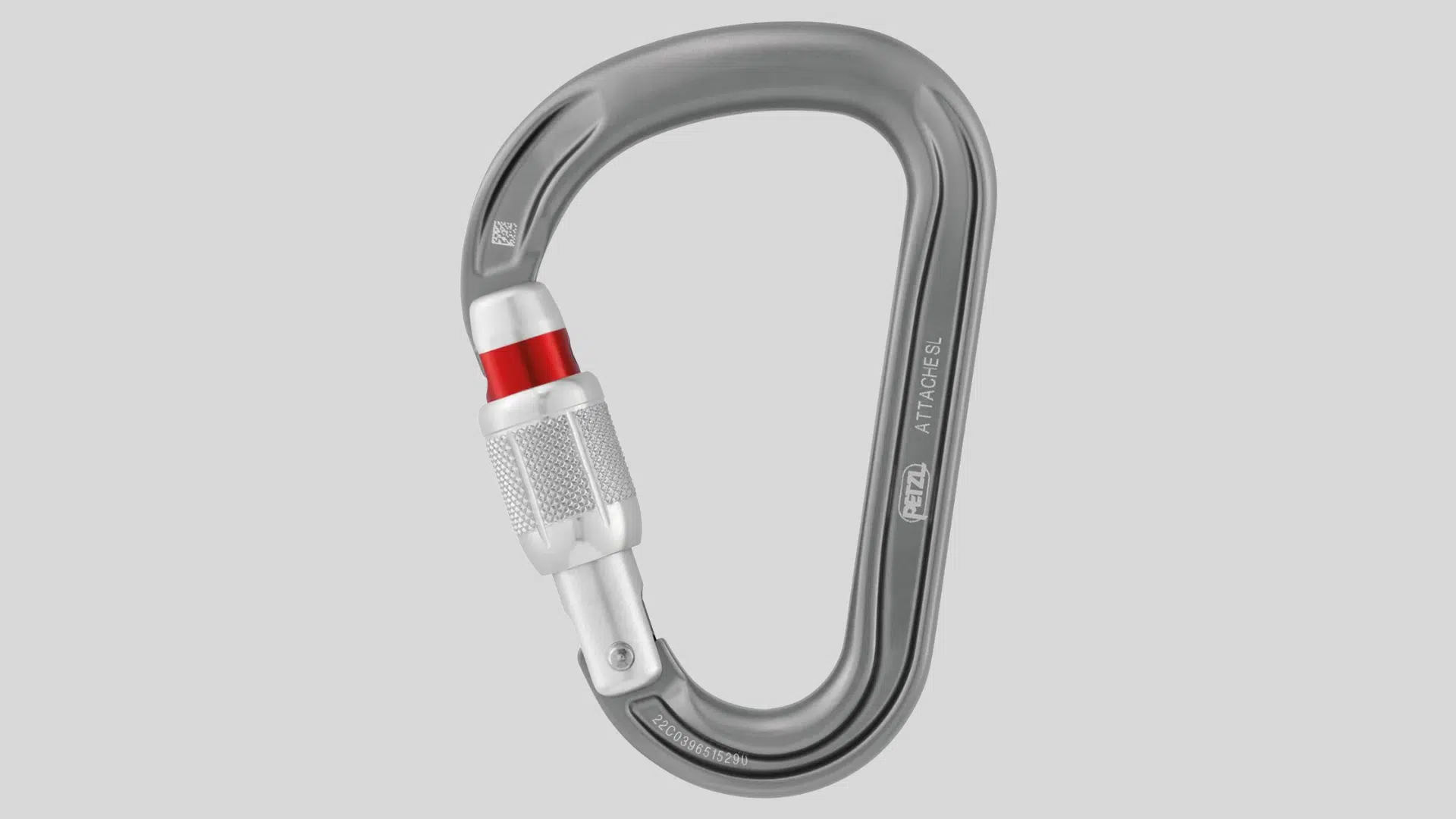
The Petzl Attache is a lightweight pear-shaped locking carabiner designed for belaying and general climbing use.
It features a screw-lock system and a smooth rope contact surface for better handling. The compact design and keylock nose help prevent snagging during use.
Price: Around $15–$30
Specifications:
- Material: Aluminum
- Locking system: Screw-lock
- Shape: Pear-shaped (H-frame)
- Weight: ~56–58 g
- Major axis strength: 21–22 kN
- Minor axis strength: 7 kN
- Open gate strength: 6 kN
- Gate opening: ~23–24 mm
- Certification: CE EN 12275, UIAA
- Best for: Belay + general climbing
17. Black Diamond Rocklock Twistlock
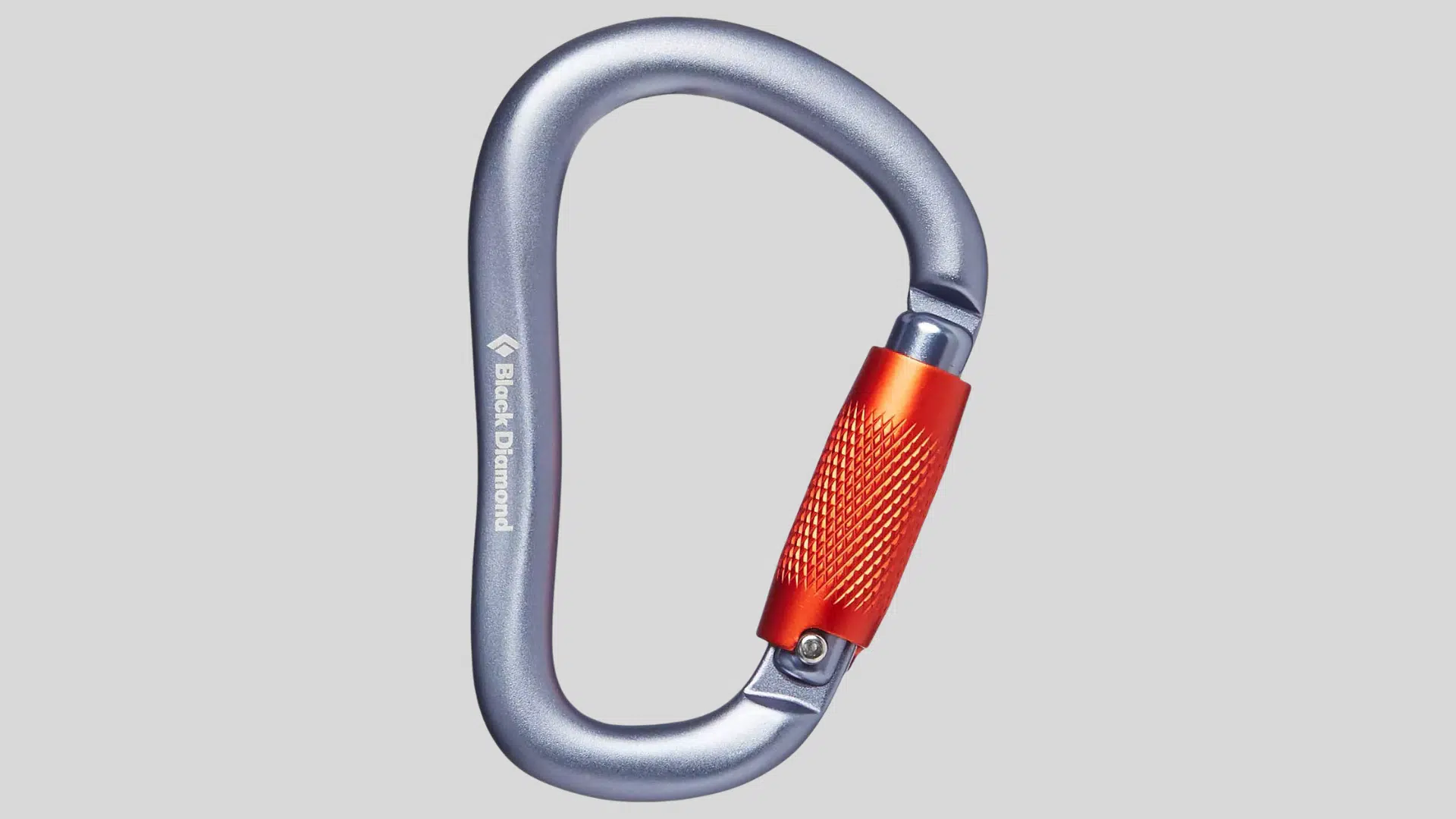
The Black Diamond Rocklock Twistlock is a large locking carabiner designed for belaying and anchors. It features an auto-locking twist-lock sleeve that can be operated with one hand.
The hot-forged construction improves strength and durability, while the large rope-bearing surface ensures smooth rope movement.
Price: Around $12–$35
Specifications:
- Material: Aluminum alloy
- Locking system: Twistlock (auto-locking)
- Shape: HMS (pear-shaped)
- Weight: ~89 g
- Major axis strength: 24 kN
- Minor axis strength: 7–8 kN
- Open gate strength: 7–8 kN
- Gate opening: ~21–24 mm
- Key feature: One-hand operation
- Best for: Belay + anchors
18. PMI Aluminum Locking Carabiner (NFPA Versions)
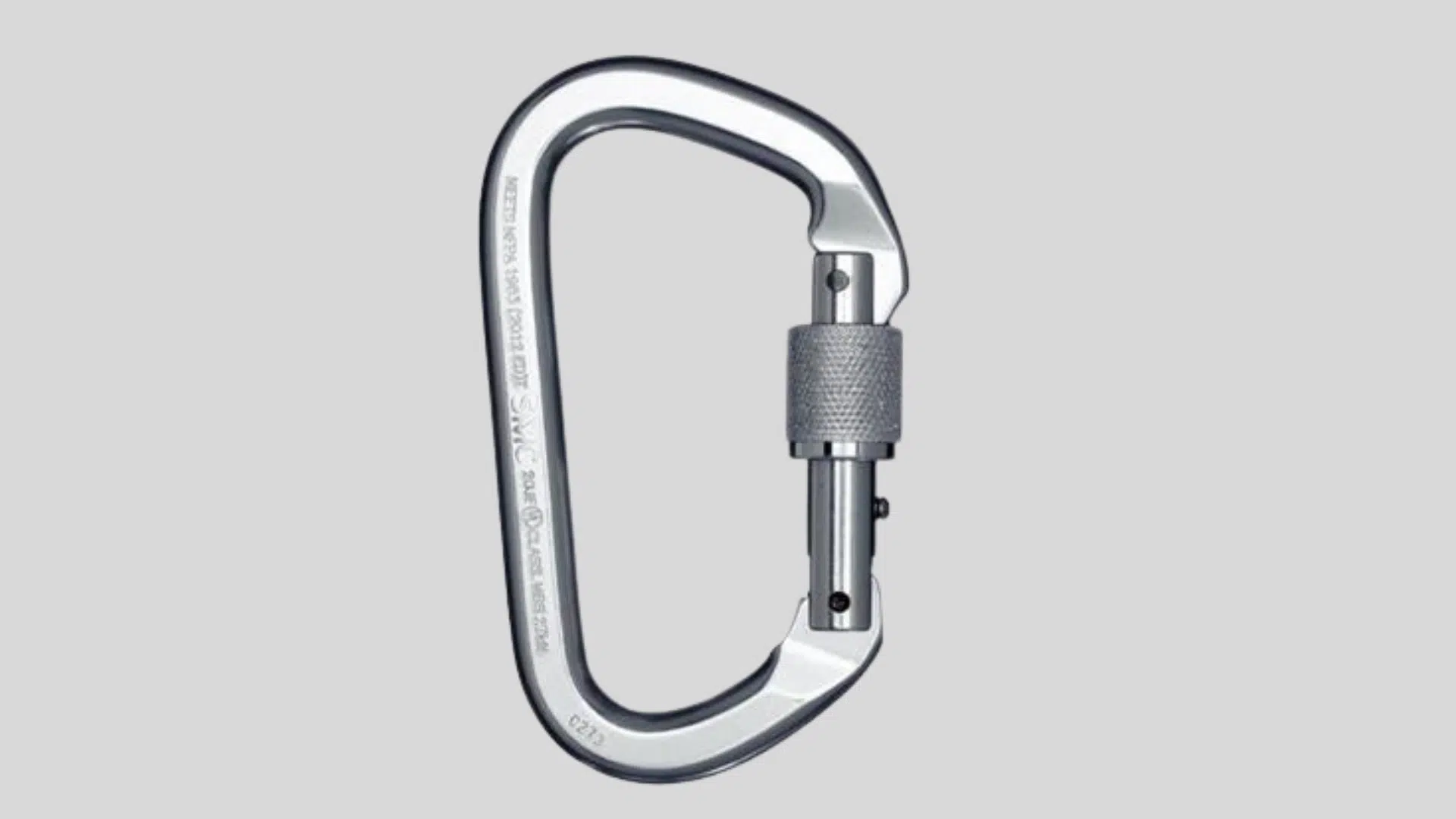
The PMI Aluminum Locking Carabiner is a heavy-duty option built for rescue and climbing use. It features a strong screw-lock gate and meets NFPA standards for safety.
The modified D shape improves strength and load distribution, making it reliable for professional use.
Price: Around $20–$35
Specifications:
- Material: Aluminum
- Locking system: Screw-lock
- Shape: Modified D
- Weight: ~74 g
- Major axis strength: 27 kN
- Minor axis strength: 7 kN
- Open gate strength: 7 kN
- Gate opening: ~20–21 mm
- Certification: NFPA 1983 compliant
- Best for: Rescue + heavy-duty use
| Feature | Petzl Attache | Black Diamond Rocklock Twistlock | PMI Aluminum Locking Carabiner |
|---|---|---|---|
| Locking speed | Slower (manual screw) | Fast (auto-lock) | Slower (manual screw) |
| One-hand use | Moderate | Easy | Moderate |
| Rope handling | Very smooth | Very smooth | Good |
| Snag resistance | High (keylock nose) | High (keylock) | Moderate |
| Size/space inside | Medium | Large (more space) | Medium |
| Use with gloves | Decent | Very easy | Good |
Rock Climbing Gear: Chalks
Chalk keeps your hands dry and improves grip while climbing. It helps reduce sweat so you can hold onto small edges more easily.
19. Friction Labs Chalk
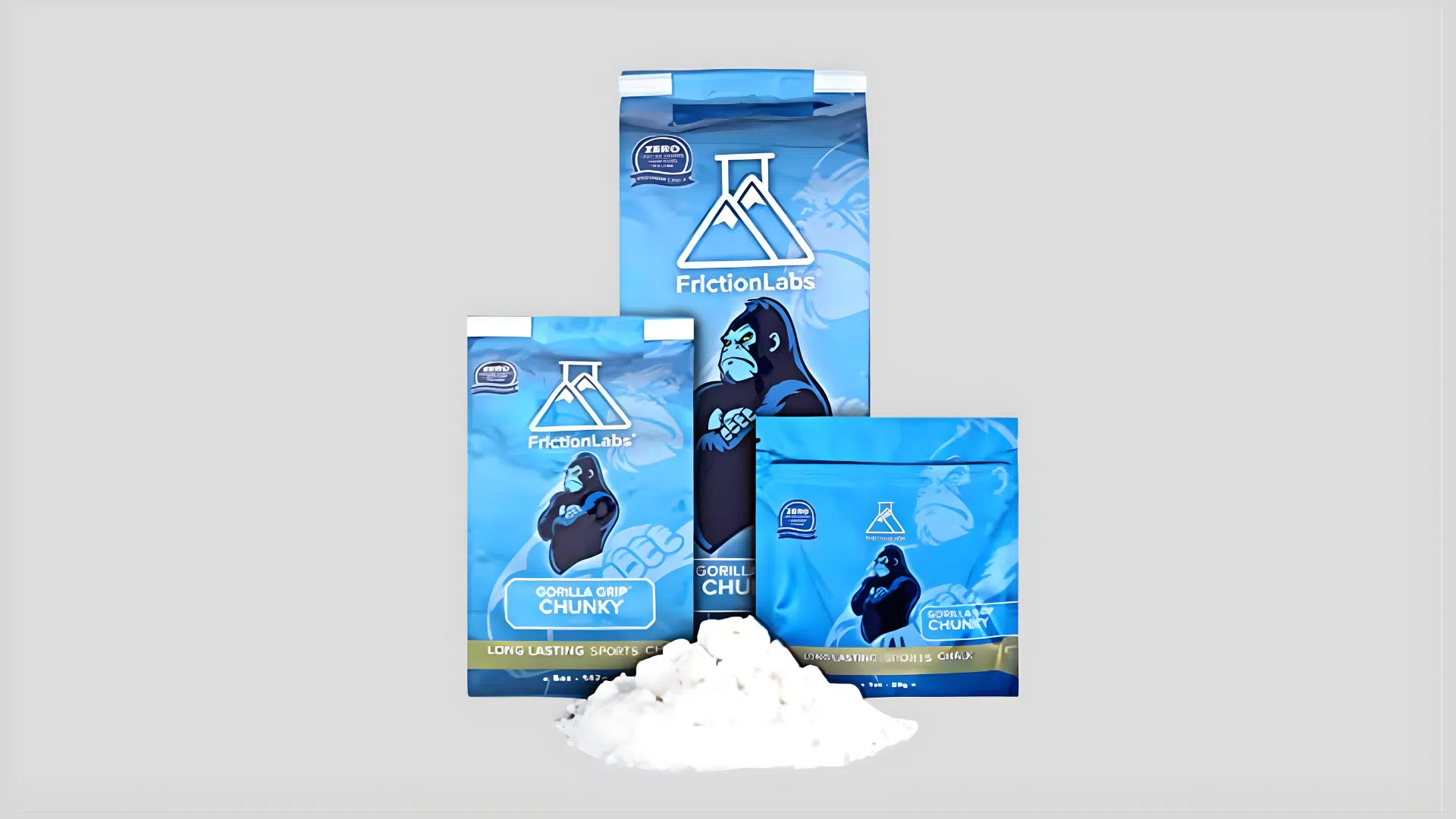
The Friction Labs Chalk is a premium loose chalk made with high-purity magnesium carbonate. It is designed to improve grip and reduce the need for frequent reapplication.
The optimized particle size helps absorb moisture better and provides consistent performance during climbs.
I found that good chalk like this keeps my hands dry longer and helps me hold small edges better.
Price: Around $10–$30
Specifications:
- Material: High-purity magnesium carbonate
- Type: Loose chalk
- Texture: Powder to chunky blends
- Moisture control: High absorption
- Dust level: Low
- Additives: No fillers
- Best for: Indoor + outdoor climbing
20. Petzl Power Liquid Chalk
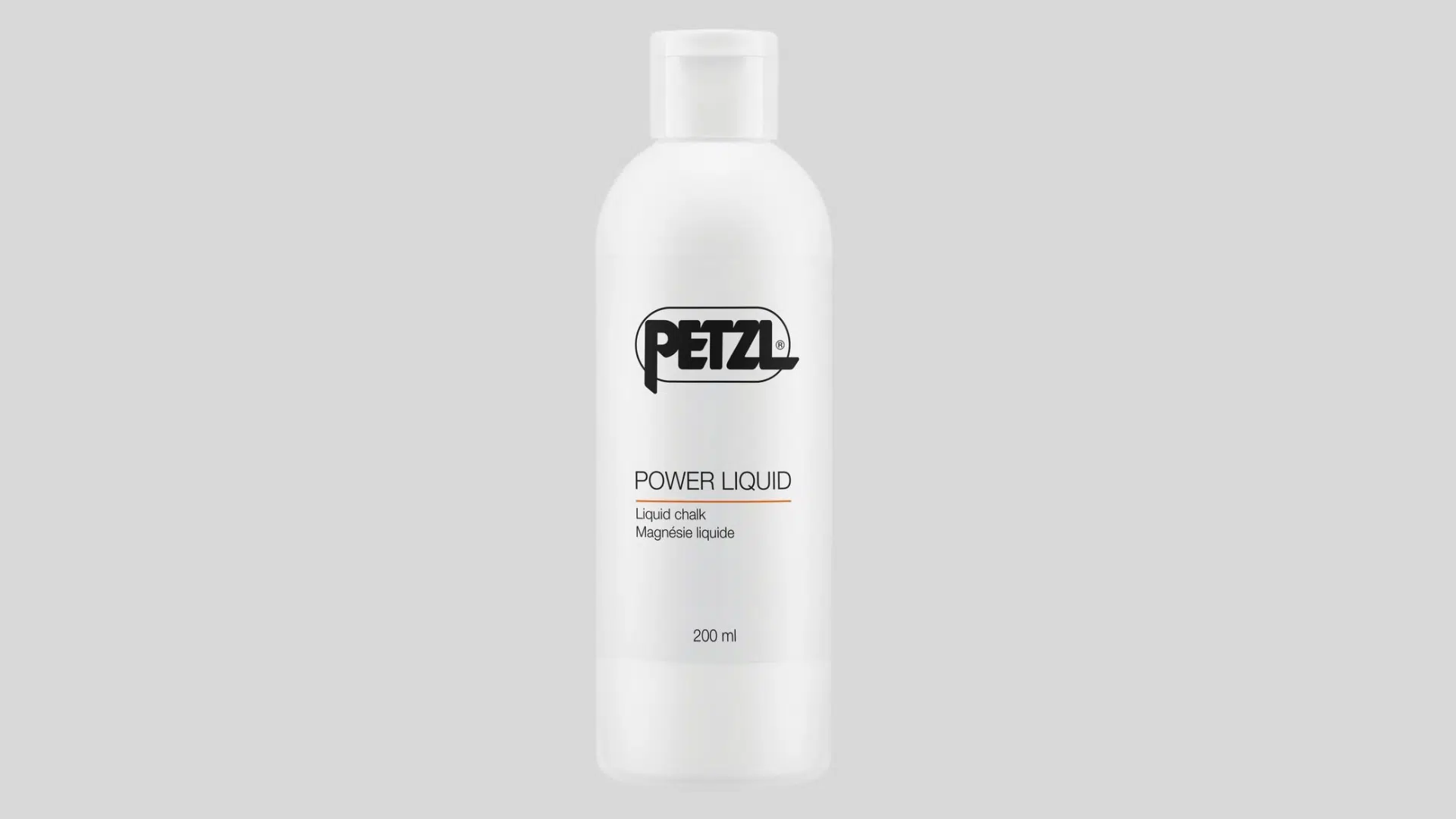
The Petzl Power Liquid Chalk is a liquid chalk designed for long-lasting grip with very low dust. It dries quickly after application and forms a base layer on the skin, improving friction and reducing sweat.
It is commonly used in gyms where loose chalk use is limited.
Price: Around $12–$20
Specifications:
- Material: Magnesium carbonate + alcohol
- Type: Liquid chalk
- Dry time: Fast drying
- Dust level: Very low
- Grip: Long-lasting layer
- Application: Apply and let dry
- Best for: Indoor climbing + gym use
21. Black Diamond White Gold Chalk Loose
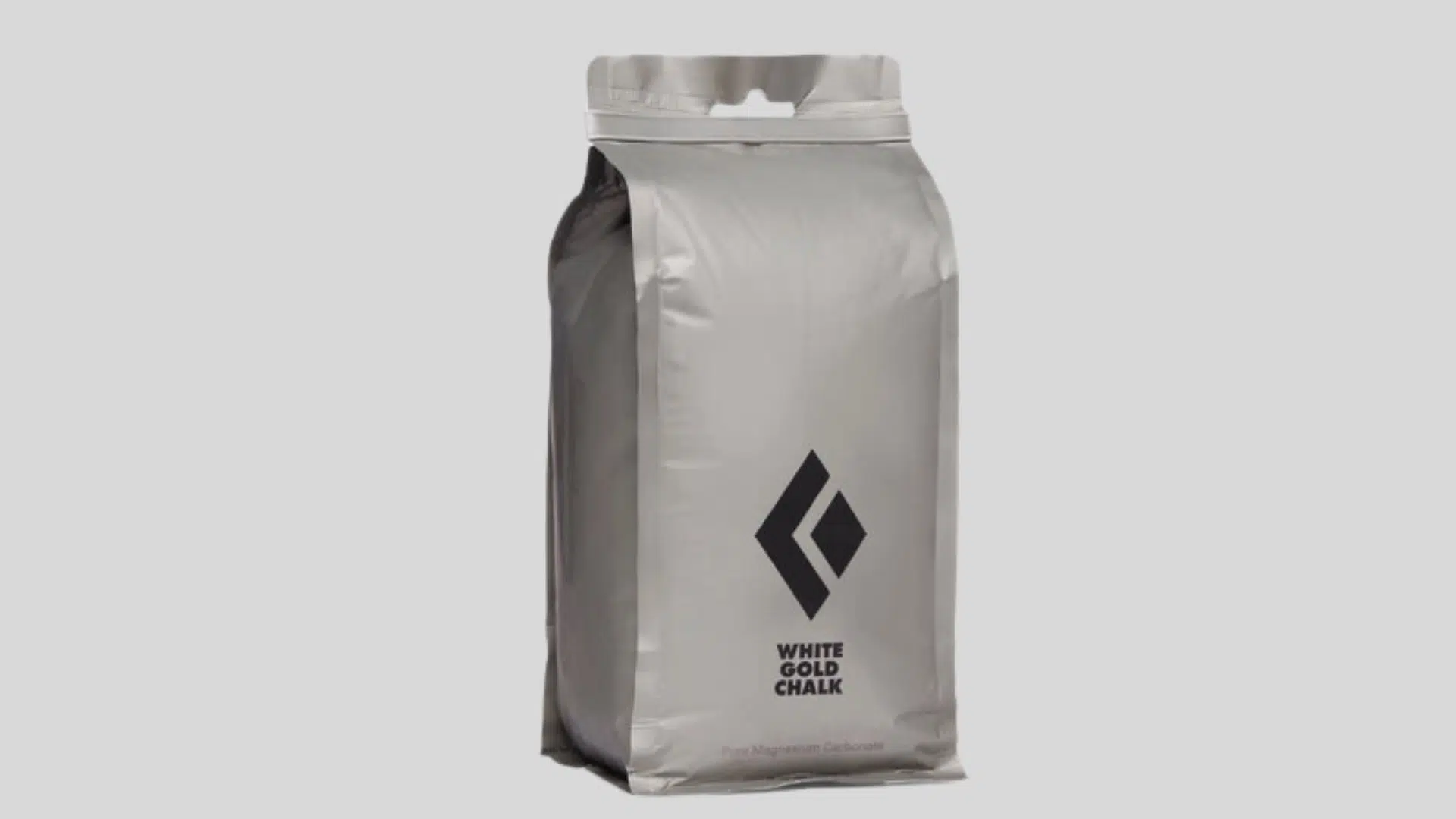
TheBlack Diamond White Gold Chalk is a well-known loose chalk that offers good moisture absorption and a steady grip.
It comes in a mix of fine powder and chunks, allowing climbers to choose their preferred feel. It is a popular option for both beginners and regular climbers.
Price: Around $7–$20
Specifications:
- Material: Magnesium carbonate
- Type: Loose chalk
- Texture: Fine + chunky mix
- Moisture control: Good absorption
- Dust level: Moderate
- Usage: Chalk bag refill
- Best for: Indoor + outdoor climbing
| Feature | Friction Labs Chalk | Petzl Power Liquid Chalk | Black Diamond White Gold |
|---|---|---|---|
| Reapplication frequency | Less frequent | Very low (lasts longer) | Moderate |
| Mess level | Low mess | Very clean | Can get messy |
| Skin feel | Soft and dry | Slightly sticky, then dry | Standard dry feel |
| Portability | Easy to carry loose | Bottle, leak-safe | Easy, but can spill |
| Gym restrictions friendly | Yes | Best option | Sometimes restricted |
| Layering use | Top-up chalk | Base layer chalk | Top-up chalk |
Rock Climbing Gears: Quickdraws
Quickdraws are used to connect the rope to bolts while climbing. They make clipping easier and help reduce rope drag on routes.
22. CAMP USA Alpine Express Dyneema Quickdraws
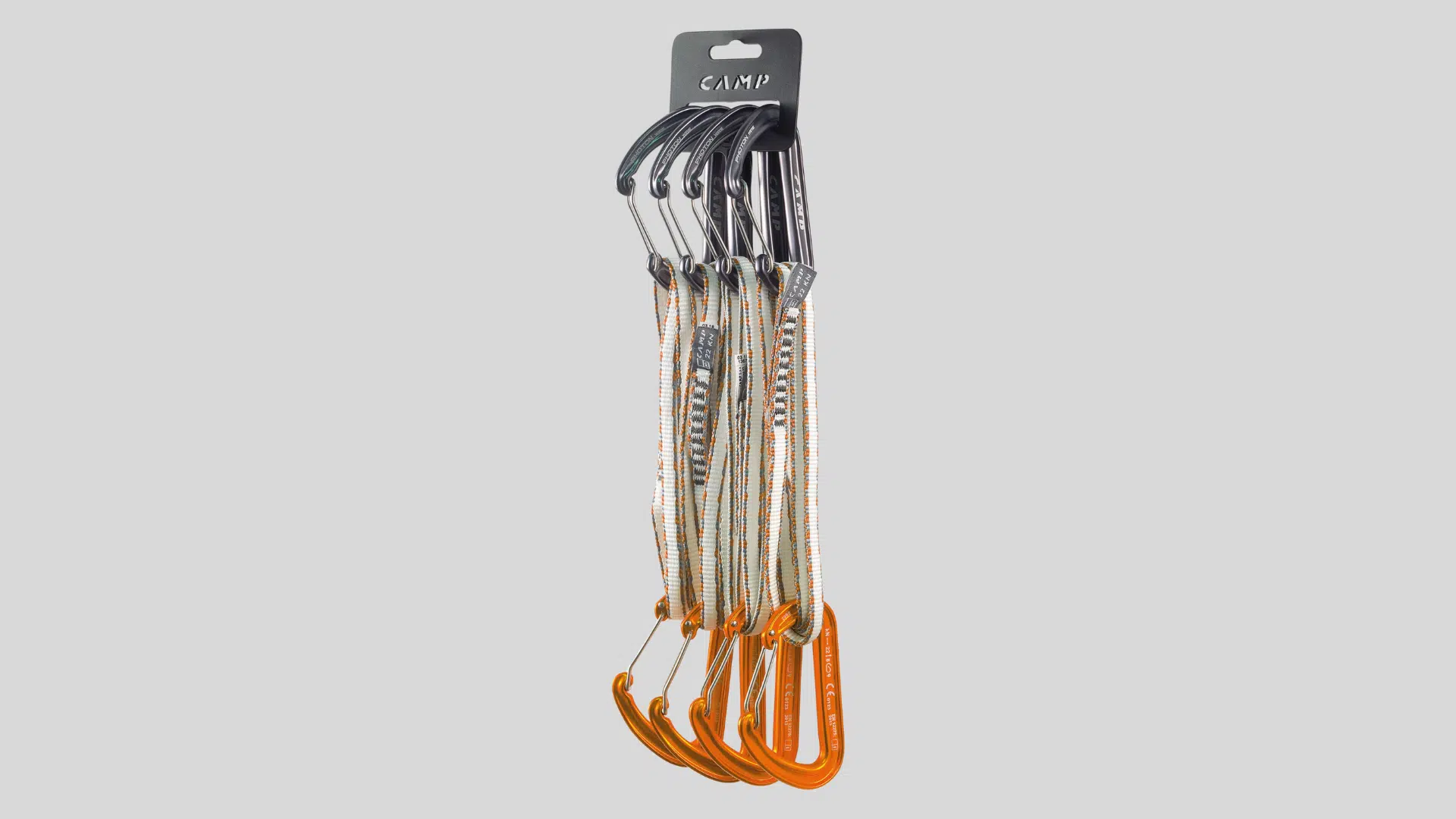
The CAMP Alpine Express is an alpine-style quickdraw designed for trad and alpine climbing. It uses a 60 cm Dyneema sling that can be extended to reduce rope drag.
The lightweight Photon wire-gate carabiners make it easy to carry on long routes.
Price: Around $25–$30 each
Specifications:
- Material: Aluminum carabiners + Dyneema sling
- Gate type: Wire gate
- Sling length: 60 cm (extendable alpine sling)
- Weight: ~80–81 g
- Major axis strength: 22 kN
- Minor axis strength: 7 kN
- Open gate strength: 9 kN
- Gate opening: ~26 mm
- Best for: Alpine + trad climbing
23. DMM Alpha Sport Quickdraw
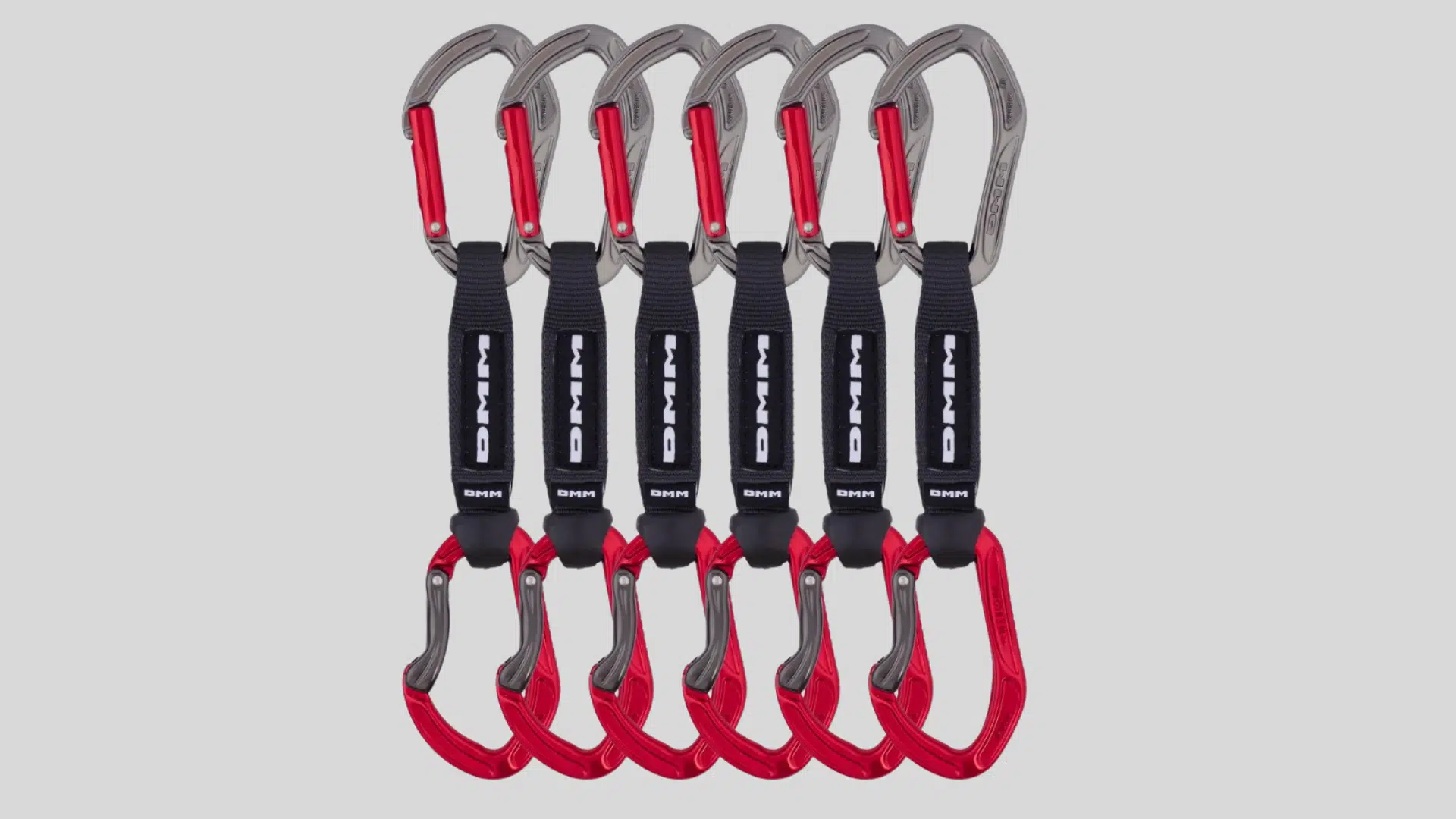
The DMM Alpha Sport Quickdraw is built for sport climbing with easy clipping and strong durability. It features a straight gate top carabiner and a bent gate bottom for smoother rope clipping.
The thick nylon sling improves handling and long-term use.
Price: Around $25–$45 each
Specifications:
- Material: Aluminum carabiners + nylon sling
- Gate type: Solid gate (straight + bent)
- Sling length: 12 cm / 18 cm
- Weight: ~107 g
- Major axis strength: 23 kN
- Minor axis strength: 8 kN
- Open gate strength: 9 kN
- Gate opening: ~24–25 mm
- Best for: Sport climbing
24. Wild Country Wildwire Quickdraw
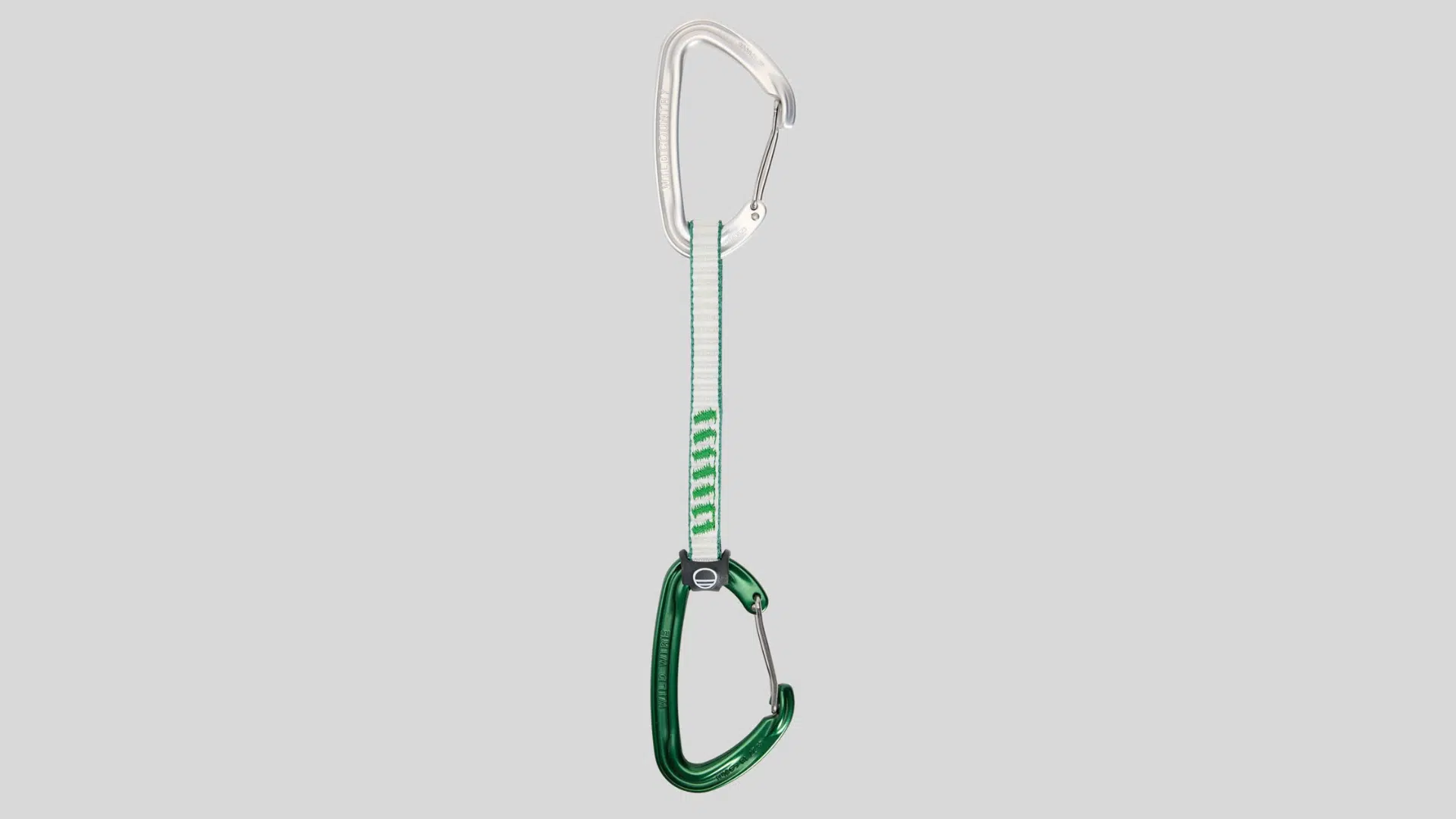
The Wild Country Wildwire Quickdraw is a simple and reliable option for everyday climbing. It uses wire gate carabiners to reduce weight and prevent gate flutter.
The durable sling and easy clipping make it a solid choice for beginners and regular use.
Price: Around $10–$25
Specifications:
- Material: Aluminum carabiners + polyester sling
- Gate type: Wire gate
- Sling length: 12 cm
- Weight: ~90–100 g
- Major axis strength: 22 kN
- Minor axis strength: 7 kN
- Open gate strength: 7 kN
- Gate opening: ~25–26 mm
- Best for: Beginner + general climbing
| Feature | CAMP Alpine Express | DMM Alpha Sport | Wild Country Wildwire |
|---|---|---|---|
| Clipping feel | Light but less precise | Very smooth and easy | Decent, beginner-friendly |
| Rope security | Standard | Rubber keeper on the bottom | Rubber keeper included |
| Gate flutter resistance | High (wire gate) | Low | High (wire gate) |
| Bulk when racked | Very low | Moderate | Low |
| Durability (long-term use) | Moderate | High | Moderate |
| Best route type | Long multi-pitch | Single-pitch sport | Gym + outdoor practice |
Best Climbing Runners and Slings for Rock Climbing
Climbing slings, also called runners, are used to extend protection and reduce rope drag. They are also useful for anchors and quick setups.
25. Black Diamond Nylon Runner
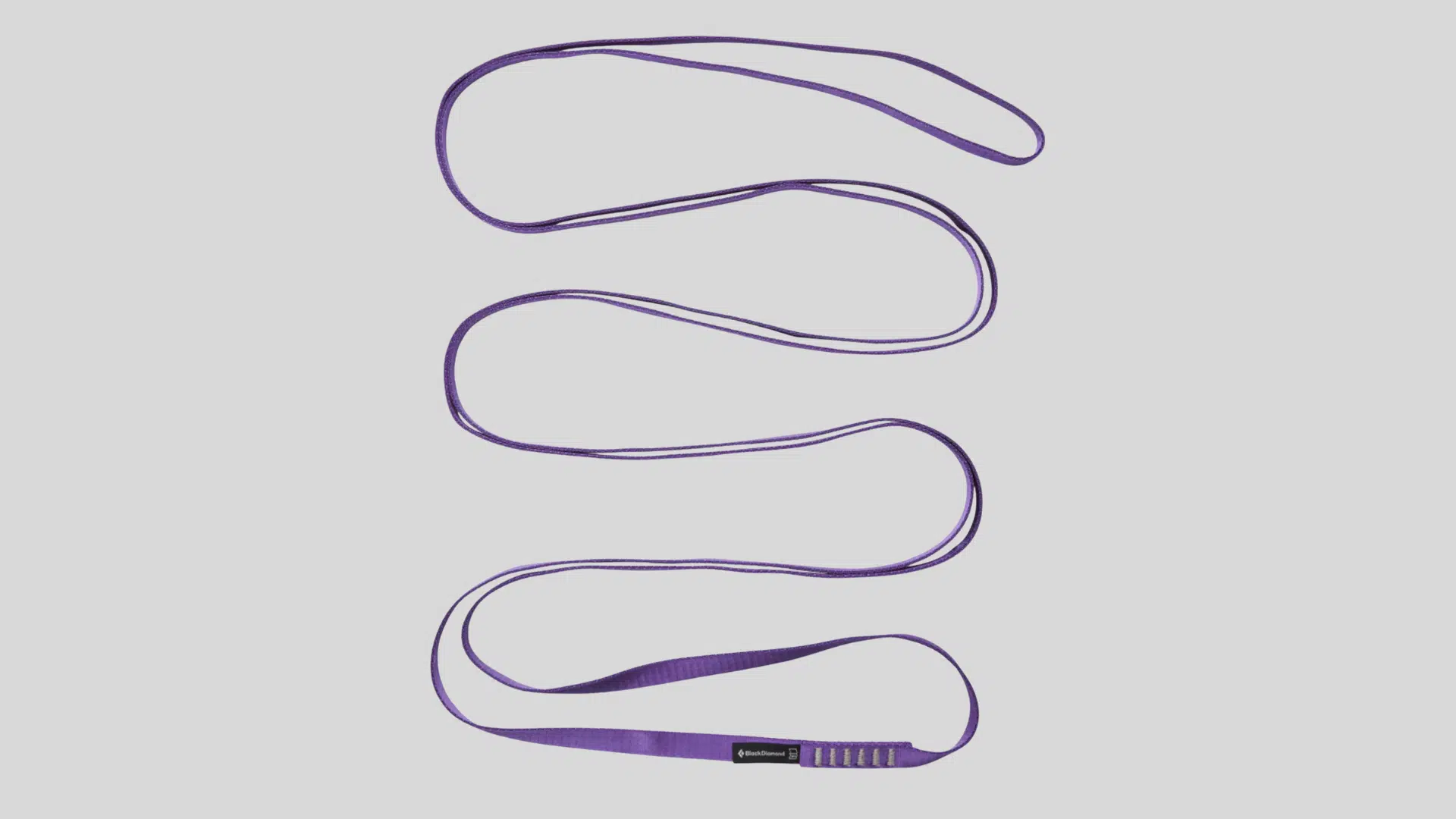
The Black Diamond Nylon Runner is a durable sling made for everyday climbing use. It is thicker than Dyneema slings, which makes it easier to handle and more resistant to abrasion.
It works well for anchors, trad climbing, and general use.
Price: Around $10–$20
Specifications:
- Material: Nylon
- Type: Sewn runner sling
- Width: 18 mm
- Length options: 30 cm / 60 cm / 120 cm
- Strength: 22 kN
- Weight: ~36–82 g (size-based)
- Durability: High abrasion resistance
- Best for: Anchors + trad climbing
26. BlueWater Titan Runner Sling

The BlueWater Titan Runner Sling is a strong and lightweight sling made from UHMWPE fibers.
It offers high strength with reduced weight, making it suitable for alpine and sport climbing. The slim design helps reduce bulk while maintaining durability.
Price: Around $8–$18
Specifications:
- Material: UHMWPE (Dyneema-type fiber)
- Type: Sewn runner sling
- Width: ~10–12 mm
- Length options: 30 cm / 60 cm / 120 cm
- Strength: 22 kN
- Weight: ~20–50 g
- Durability: Lightweight with moderate abrasion resistance
- Best for: Alpine + lightweight climbing
27. Trango Atomic Sling
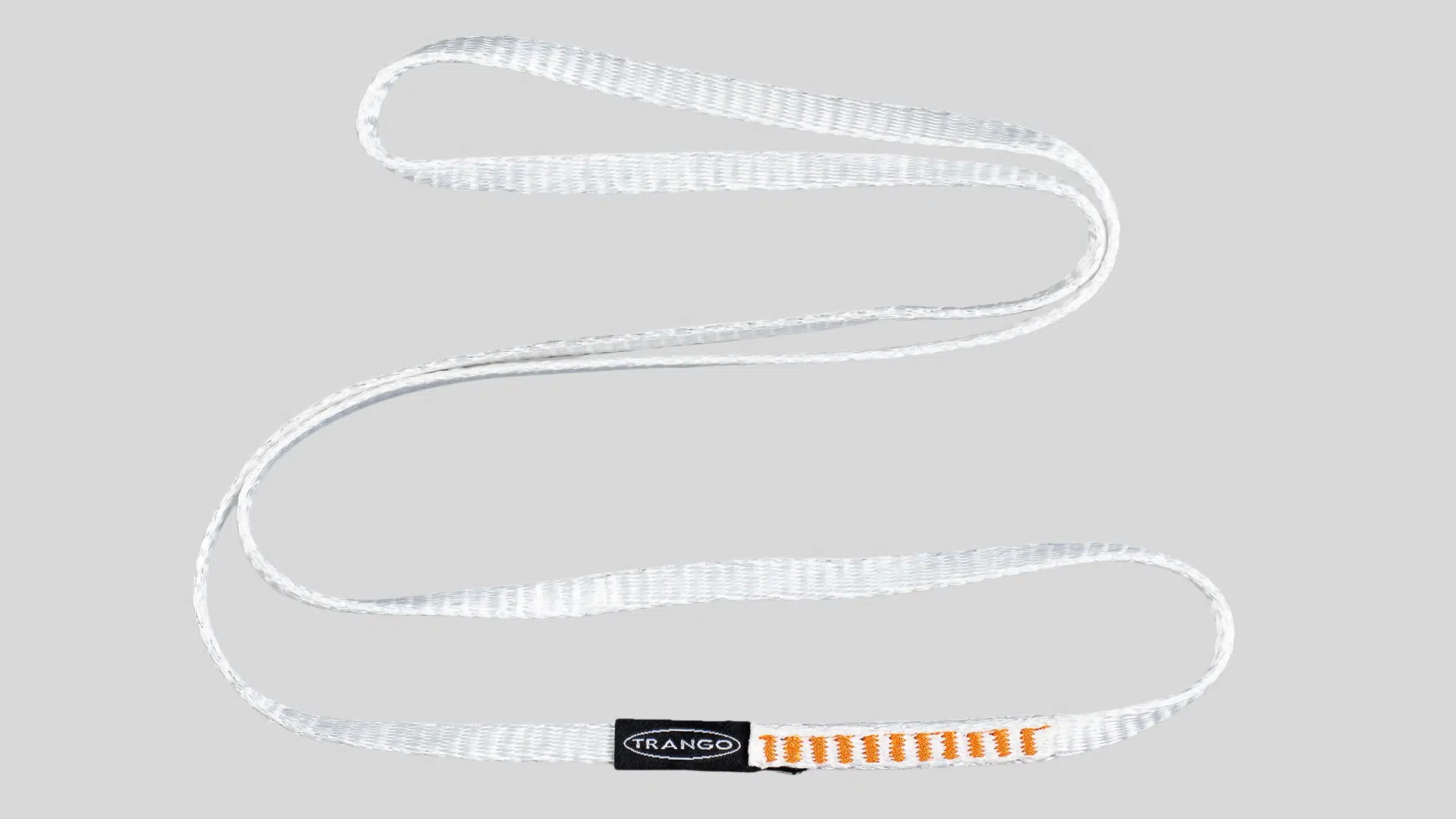
The Trango Atomic Sling is a lightweight sling designed for alpine and sport climbing. It uses a high-strength fiber construction that keeps weight low while maintaining strength. The compact design makes it easy to rack and carry on long climbs.
Price: Around $9–$30
Specifications:
- Material: UHMWPE (Dyneema)
- Type: Sewn sling
- Width: ~10 mm
- Length options: 30 cm / 60 cm / 120 cm
- Strength: 22 kN
- Weight: ~18–45 g
- Design: Lightweight and compact
- Best for: Alpine + sport climbing
| Feature | Black Diamond Nylon Runner | BlueWater Titan Runner | Trango Atomic Sling |
|---|---|---|---|
| Handling | Easier to grip and tie knots | Slightly slippery | Very compact, less grip |
| Bulk when racked | Bulkier | Low bulk | Very low bulk |
| Knot friendliness | Good for knots | Not ideal for knots | Not ideal for knots |
| Flexibility | More flexible | Stiffer | Stiffer |
| Lifespan (general use) | Longer with rough use | Shorter in rough rock | Shorter in rough rock |
| Weather resistance | Absorbs some water | Resists water | Resists water |
How to Choose the Right Rock Climbing Gear?
Choosing the right gear becomes easier when you follow a simple process. Start by knowing your needs, then match gear to your climbing type. This helps you avoid buying the wrong items early on.
1. Understand Your Climbing Style
Before buying gear, the type of climbing should be clear. Indoor, sport, trad, and bouldering all need different setups.
For example, bouldering does not require ropes or harnesses. The climbing environment also matters, such as gym walls or outdoor rock.
Matching gear to the climbing style helps avoid wrong choices and improves overall performance.
2. Choose the Right Climbing Shoes
Climbing shoes should fit snugly without causing pain. The shape must match the climbing type, with aggressive shoes for steep climbs and flat ones for beginners.
Good rubber improves grip on rock surfaces. Comfort, flexibility, and durability are also key factors. The right pair helps improve control and builds confidence during climbs.
3. Pick a Comfortable Harness
A harness should feel secure and comfortable during long sessions. Adjustable straps and good padding help improve fit. Proper weight support reduces pressure when hanging.
Different harnesses are designed for different climbing types. A well-fitted harness allows smooth movement and helps maintain focus without discomfort.
4. Select a Reliable Rope
The rope should match the type of climbing. Length and thickness are important, as thicker ropes are stronger but heavier.
Dynamic ropes are commonly used because they absorb falls.
Dry-treated ropes work better in wet outdoor conditions. A strong and well-maintained rope is essential for safety and long-term use.
5. Use Proper Safety Gear
Safety gear includes helmets, belay devices, and carabiners. Each item should meet safety standards and stay in good condition.
Helmets protect from falling rocks, while belay devices control the rope. Regular checks help spot damage early. Proper safety gear reduces risk and supports a safer climbing experience.
6. Consider Gear Quality and Budget
Choosing gear requires balancing quality and cost. Cheap options may not last or provide proper safety. Trusted brands often offer better performance and durability.
Reading reviews can help with better decisions. Investing in good-quality gear supports safety, improves performance, and avoids frequent replacements over time.
Quick Summary Table: Rock Climbing Gear Based on Your Situation
Your gear needs to change based on how and where you climb. This table helps you focus on what matters first and avoid buying gear you may not need right away.
| Your Situation | What to Prioritize | What You Can Skip for Now |
|---|---|---|
| Total beginner, gym only | Shoes, chalk bag, harness rental | Rope, quickdraws, slings |
| Beginner moving outdoors | Helmet, harness, belay device, locking carabiner | Trad rack, cams, nuts |
| Bouldering only | Shoes, chalk, crash pad | Everything rope-related |
| Ready to lead a climb | Dynamic rope, 10–12 quickdraws | Extended slings (for now) |
| Multi-pitch or trad | Full rack, slings, nut tool, extra locking biners | Gym-specific gear |
Gear Maintenance Tips
Taking care of your gear helps it last longer and keeps you safe. Simple habits like cleaning, checking, and storing gear the right way can prevent damage and reduce risk while climbing.
- Clean regularly: Rinse ropes, slings, and harnesses with clean water to remove dirt and dust that cause wear. Let everything air dry.
- Store properly: Keep gear in a cool, dry place away from sunlight and heat. Avoid damp areas.
- Avoid chemicals: Keep gear away from oils, fuel, and cleaning products that can weaken materials.
- Inspect before use: Check for fraying, cuts, cracks, or worn parts before every climb.
- Care for ropes: Do not step on ropes. Dirt inside the rope can reduce its strength over time.
- Maintain carabiners: Keep them clean so the gate opens and closes smoothly without sticking.
- Replace when needed: If the gear shows damage or has heavy use over time, replace it to stay safe.
- Follow brand guidelines: Always read and follow the care instructions given by the manufacturer.
When to Retire Gear?
Climbing gear does not last forever, even if it looks fine on the outside. Regular use, weather, dirt, and small impacts slowly weaken materials over time.
Some damage is easy to see, but other issues can stay hidden inside ropes or fabric.
That is why it is important to track how often you use your gear and how it feels during climbs. If something feels off, it is better to stop using it and check closely.
Keeping a simple habit of inspecting gear after each climb can help you spot problems early and avoid risks later.
These are some clear signs that show when it is time to replace your gear:
- Ropes: Retire after any severe fall, after 5+ years of regular use, or if the sheath shows cuts or core exposure.
- Harnesses: Retire after 10 years from the manufacture date (check the label), after any major fall loading, or if the webbing is stiff, faded, or shows cuts.
- Helmets: Retire after any significant impact, even if no damage is visible, EPS foam compresses permanently and loses protection capacity.
- Carabiners: Retire if the gate sticks, the body shows grooves deeper than 1mm, or any corrosion is visible.
Conclusion
Getting the right rock climbing gear makes a real difference in how safe and confident you feel on the wall. When your setup fits well and works the way it should, you can focus more on your movement and less on worry.
You do not need everything at once. Start with the basics, learn how each item works, and build your gear over time as your skills grow.
It also helps to check and care for your gear regularly so it lasts longer and performs well when you need it most.
Small habits can prevent bigger problems later.
Now I’d like to hear from you. What gear did you start with, and what worked best for you? Share your experience in the comments below.
Frequently Asked Questions
What Is Rock Climbing Gear Called?
Rock climbing equipment is commonly called “climbing gear” or “climbing kit.” It includes safety gear, protection tools, and technical equipment used for climbing both indoor walls and outdoor rock surfaces.
What Should Not Be Worn for Rock Climbing?
Loose clothes, slippery fabrics, heavy materials, and open footwear should be avoided. Items like jeans, scarves, and bulky jackets limit movement and increase risk during climbing activities.
Are Socks Needed for Rock Climbing?
Socks are not required for rock climbing. Most climbers prefer wearing shoes without socks for better grip and control. Thin socks may be used, but they can reduce sensitivity slightly.
What Rock Climbing Gear Is Suitable for Kids?
Kids’ climbing gear includes shoes, a harness, a helmet, a chalk bag, and a belay device. Safety-certified gear ensures proper fit, comfort, and protection.