





Trying to squeeze in a workout when your calendar’s already full? Yeah, it’s tough. Most of us want results—just not at the cost of spending endless hours at the gym. Here’s the thing: this workout mixes two super effective tools to help you burn fat and build strength in just 20 minutes. Not bad, right?
Stair climbers torch calories and seriously work your lower body. Add dumbbells and suddenly your upper body gets in on the action—now you’ve got a full-body fat-loss workout. When you put both together, you’re training pretty much everything and keeping your heart rate up. It’s a huge time-saver and honestly, you’ll see better results than splitting up cardio and weights.
But, you’ve gotta know what you’re doing—right technique, smart structure. That’s how you stay safe, avoid tweaking something, and actually get the most out of every minute. This guide breaks down exactly how to set up your 20-minute session for max fat loss. Ready?
Essential Techniques for Safe and Effective Training
Getting the most out of your workout comes down to using good form—both on the stair climber and with dumbbells. Sloppy technique? That’s how you get hurt and end up burning way fewer calories than you could.
Proper Stair Climber Form and Posture
Stand up tall—shoulders back, core tight. Lift your chest and keep your eyes forward (seriously, don’t stare down at your feet).
Make sure your whole foot lands on each step. It’s tempting to stay up on your toes, but that just overloads your calves and cheats your glutes and hamstrings out of work.
Try not to lean on the handrails. A light touch for balance is fine, but if you’re gripping for dear life or putting your weight on them, you’re making it way too easy—and burning fewer calories.
Quick posture checklist:
- Keep a soft bend in your knees
- Spine stays neutral, not arched or rounded
- Take full steps at a pace you can control
- Weight should be right over your hips
Your step rate should push you, but you shouldn’t be flailing. If your form falls apart, slow it down a bit. You want good technique for the whole 20 minutes.
Dumbbell Handling Skills
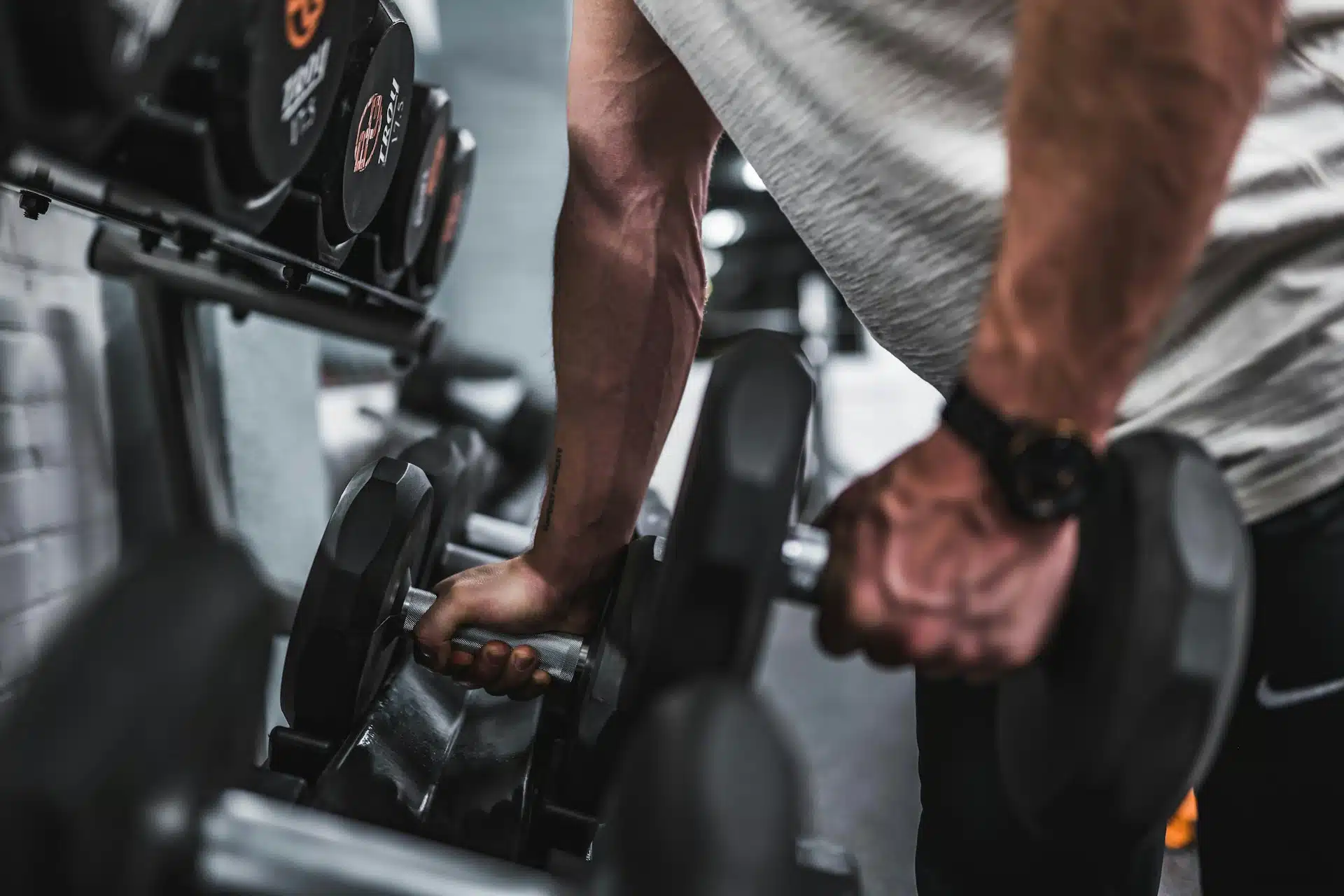
Pick weights that challenge you, but don’t wreck your form. For most folks, 5-15 pounds per dumbbell is a solid starting point, but hey, listen to your body.
Keep your wrists straight and steady during every move. If they’re bent or floppy, you’ll risk strain and your target muscles won’t get the full benefit.
Don’t just drop the weights—control both the lift and the lowering. That slow, controlled lowering is actually a big deal for building muscle and burning fat.
Grip the dumbbells firmly, but don’t squeeze so hard your hands cramp up. You want a secure hold, but you shouldn’t feel like your forearms are on fire after the first set.
Dynamic Warm-Up Strategies
Start with 3-5 minutes of easy movement to wake your body up. March in place, swing your arms, walk around—just get the blood moving.
Mix in mobility moves that match what you’ll be doing. Leg swings, arm circles, some torso rotations—get those joints ready.
Try this warm-up:
- 2 minutes of light cardio
- 10 arm circles forward and back
- 10 leg swings each leg
- 10 bodyweight squats
- 10 standing torso twists
Ramp up the intensity a little as you go. Your muscles and joints need a minute to get ready before you jump into the real work.
Structuring an Efficient 20-Minute Routine
Making a 20-minute workout count is all about smart exercise order, dialed-in intervals, and adjusting the intensity to match where you’re at. If you get those three things right, you’ll burn fat and build strength—without feeling like you’re on a hamster wheel.
Optimizing Exercise Order for Fat Loss
Kick things off with stair climber intervals to get your heart rate up and your body warm. It’s a great way to prep your muscles for the heavier stuff.
Then, jump into compound dumbbell moves—think squats, presses, rows. These hit lots of muscles at once, burn more calories, and keep your heart rate up between cardio bursts.
Alternate between stair climber work and dumbbell exercises for the whole 20 minutes. This way, you stay intense, but no single muscle group gets burnt out right away.
Wrap up each round with something for your core or smaller muscles. Even as you’re winding down, your body’s still working and burning calories.
Recommended Work-to-Rest Ratios
Try a 40 seconds work, 20 seconds rest split for moderate intensity. It’s enough time to push yourself but not so much that your form falls apart, and it keeps you in that fat-burning zone.
Want to ramp it up? Go for 30 seconds work, 15 seconds rest. You’ll fit in more rounds and up your total calorie burn.
If you’re newer to this, start at 30 seconds work, 30 seconds rest. Build up your endurance safely, then shave off rest time as you get stronger—give it a couple weeks.
Try not to rest more than 30 seconds between moves. Longer breaks let your heart rate drop too much, which kind of defeats the fat-loss purpose here.
Progression and Intensity Adjustments
Try bumping up the stair climber speed by a level every couple of weeks or so. Those little speed tweaks keep things interesting and push your body just enough—without wrecking your recovery in the process.
When you can finish all your dumbbell sets with good form (and, honestly, it feels a bit too easy), go ahead and toss on another 2-5 pounds. That extra weight is what really sparks lean muscle growth, which, by the way, keeps your metabolism humming along all day.
If your current rest intervals start to feel like a breeze, shave off about 5 seconds. Shorter breaks crank up the intensity and help you squeeze more calorie burn out of the same 20-minute session. Not bad, right?
Keep tabs on three things in your workout journal: your cardio speed, dumbbell weight, and rest times. Only change one of these at a time—it’s the best way to figure out what your body actually responds to.